Since I will be away from tomorrow until Saturday, visiting a friend and attending a concert together, I’ll just say hello and goodbye with my best wishes.
It will be a welcome change of pace in these turbulent times, though my friend is also Iranian, so there will definitely be some deep discussions.
Dr Jung’s philosophy (thoughts) suggests that a “break” often serves as an invitation to explore the unconscious, encouraging a shift from merely doing to a state of being.
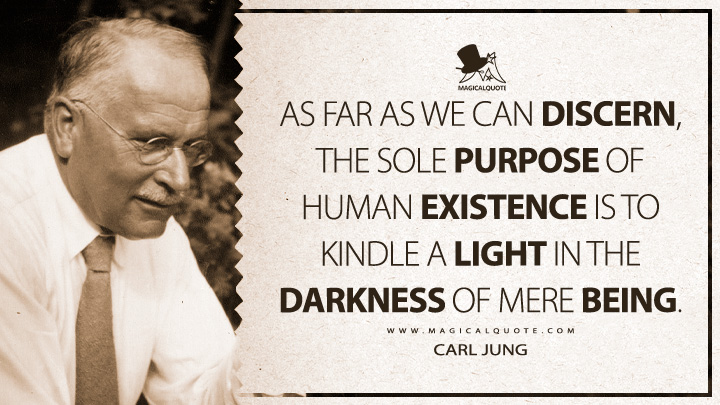
“As far as we can discern, the sole purpose of human existence is to kindle a light in the darkness of mere being”.
Dr Jung’s insight about the nature of existence is thoughtfully highlighted at the conclusion of his Life and Death chapter in Memories, Dreams, and Reflections:
Our age has shifted all emphasis to the here and now, and thus brought about a daemonization of man and his world. The phenomenon of dictators and all the misery they have wrought springs from the fact that man has been robbed of transcendence by the shortsightedness of the super-intellectuals. Like them, he has fallen victim to unconsciousness. But man’s task is the exact opposite: to become conscious of the contents that press upward from the unconscious. Neither should he persist in his unconsciousness, nor remain identical with the unconscious elements of his being, thus evading his destiny, which is to create more and more consciousness. As far as we can discern, the sole purpose of human existence is to kindle a light in the darkness of mere being. It may even be assumed that just as the unconscious affects us, so the increase in our consciousness affects the unconscious. ~Carl Jung, MDR, Page 326.(Via carljungdepthpsychologysite.blog, with thanks)
The band we’re meeting is called UFO, and they’re roughly my age, although the videos below are from their earlier years.
With a warm greeting to all my friends, I didn’t want to keep writing critical articles repeatedly, although I see no way to look away from all these terrible happenings around me, and around you all, for sure.
Although this topic is quite old—one that Al and I came across in our youth as we distanced ourselves from the masses—we initially believed it was a characteristic of the Third World due to inadequate education systems. However, later observing in the West, we realised it is very common there as well. Therefore, I decided to analyse it, at least for my own understanding, to explore how it might be possible:
As I observe the world and its phenomena, I repeatedly notice the absence of consideration, recklessness, and ignorance shown by many people, and above all, the lack of individuality.
It is not a matter of living in the third world, which we might argue is due to poor education or oppressive rulers! That already happens in the free world!
I think people are getting lazier, aiming for a more comfortable life without the stress of thinking, decision-making, or solitude, which leads to a loss of their individuality. As AI advances, the significance of the self-mind diminishes; the artificial mind assumes creative functions, rendering learning unnecessary.
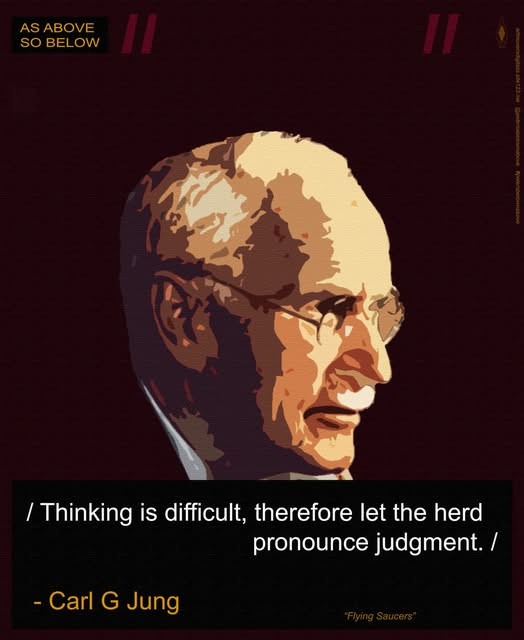
They often prefer to be part of a crowd that takes them somewhere, no matter the outcome. This reduces the need to use the mind, enabling everyone to enjoy life effortlessly and without deep understanding; making judgments becomes simpler.
I’ve often met people with such judgments; they use these to solve problems that require thought or research to discover the truth, and then they feel proud of their ingenuity.
In this chaos, a deep examination of issues quickly leads to dismissal, labelling as an outsider and a foreigner, and, subsequently, isolation.
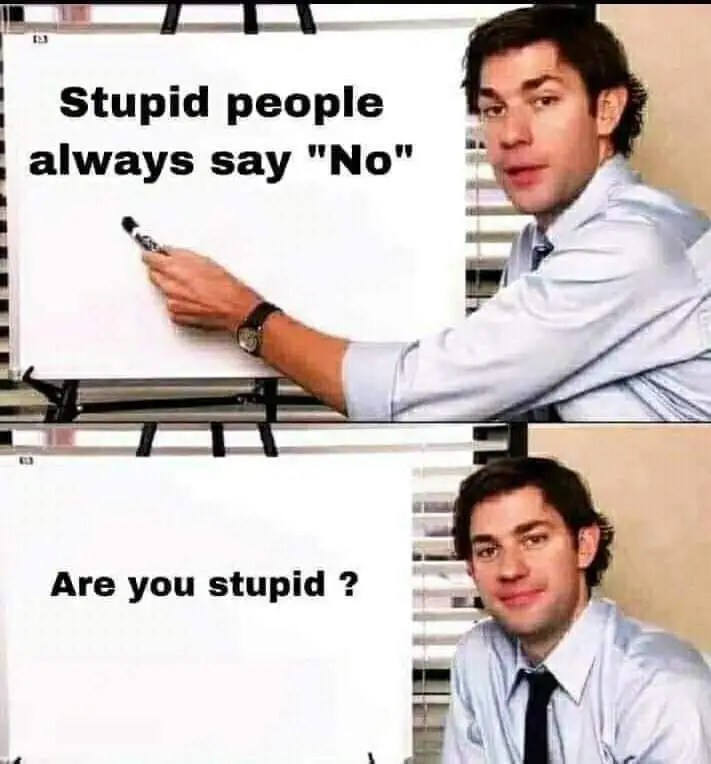
Benjamin Franklin’s expression is quite adept: “We are all born ignorant, but one must work hard to remain stupid.”!
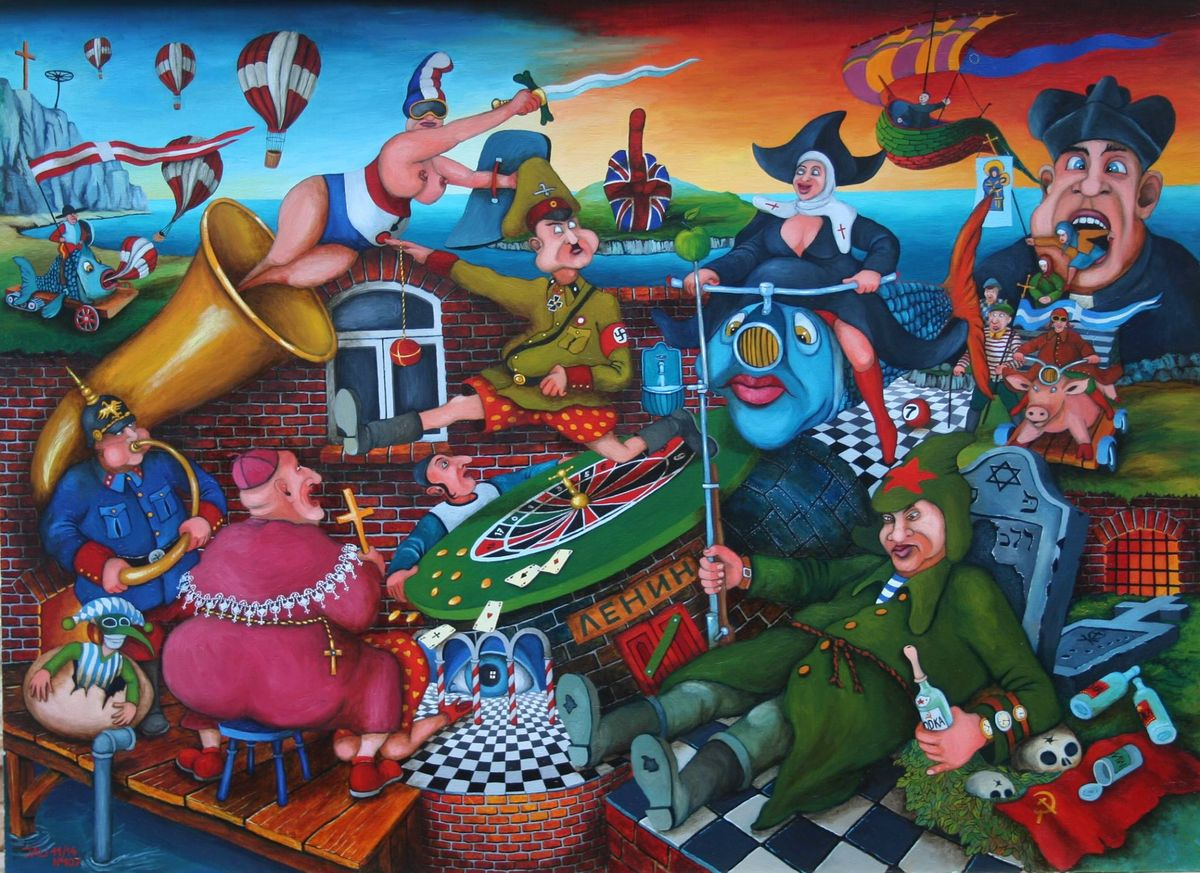
The main profit, naturally, goes to the politician. Populism comes to the fore; the bigger the mouth and the louder the voice, the more it draws the crowds, because there is a greater resemblance among them; the stupid always gravitate towards the same type!
I am witnessing the severe turmoil in Iran. The son of Iran’s late Shah, echoing President Trump, urged people to protest against the Mullahs’ regime. “We are coming!” they both declared. Many took to the streets, risking their lives, and thousands have lost their lives. Yet, no one has offered them support. Now, helping the Iranian people is forgotten, as President Trump proudly discusses a deal with the murderous regime!!
One no longer faces the agony of decision – no more being spoiled for choice! They lose their individuality and dreams. Imagination wanes, and visions grow shallow. And those who manage to protect their minds from such propaganda and attempt to stay aware of their own thoughts will be marginalised and become outsiders.
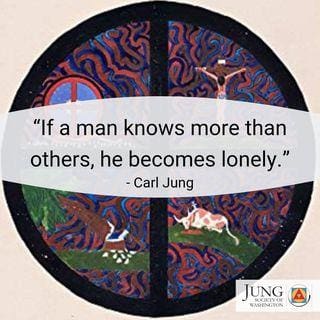
The loneliness began with the experiences of my early dreams, and reached its climax at the time I was working on the unconscious. If a man knows more than others, he becomes lonely. But loneliness is not necessarily inimical to companionship, for no one is more sensitive to companionship than the lonely man, and companionship thrives only when each individual remembers his individuality and does not identify himself with others. ~Carl Jung, MDR, Pages 355-356
In this video, the narrator references Carlo M. Cipolla‘s ideas on stupidity and on people deemed stupid. This seems to serve as an overall summary.
“Stupidity is an indiscriminate privilege of all human groups and is uniformly distributed according to a constant proportion.” And, “non-stupid individuals underestimate the potential for damage by stupid people and fail to recognise the cost of dealing with them.” ~Carlo M. Cipolla
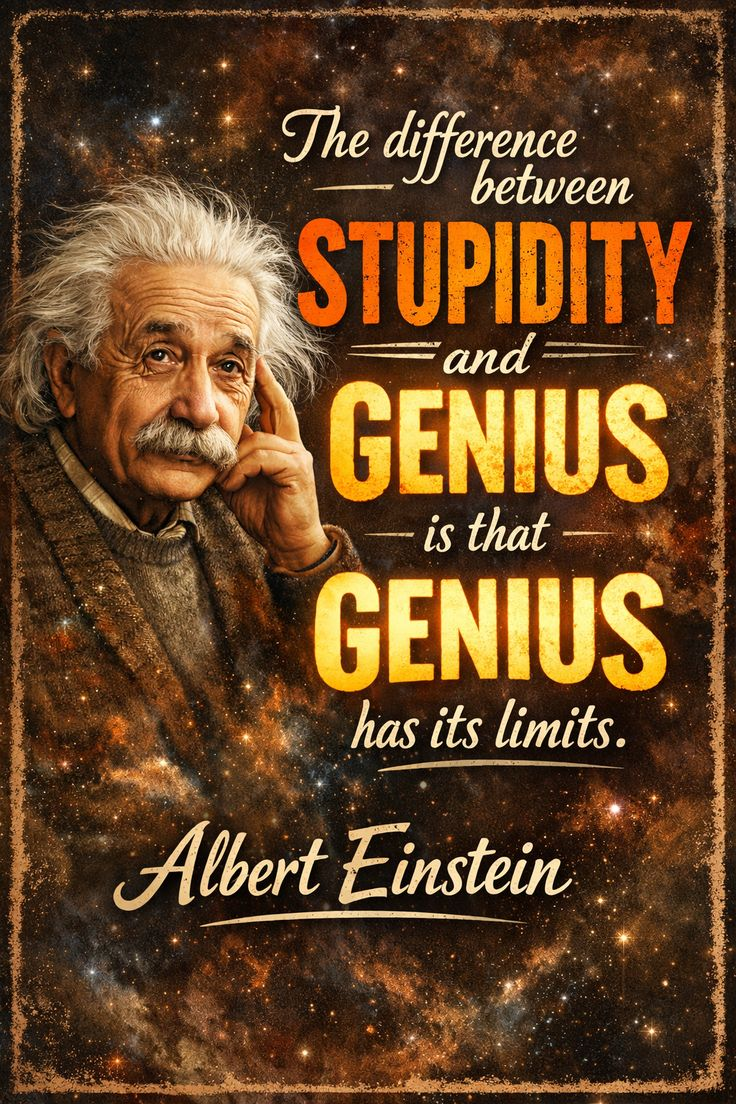
“The difference between stupidity and genius is that genius has its limits”!! ~Albert Einstein
I must admit that I am at least pleased to be here, among such wonderful friends, who give me hope for a better future for humanity! Take care and stay vigilant.🙏✌️
This is my final post of the year, and I reflected on the joy of carrying music into the new year; may it be a year filled with peace, love, and music.
Music, a universal language, has played a crucial role in human civilisation, shaping emotions, cultures, and societies for centuries. It can evoke feelings and memories, reduce stress, and uplift mood, supporting mental well-being. Music influences cultures, brings communities together, and promotes social cohesion through events like ceremonies, concerts, and festivals. It connects generations, displays creativity, and allows us to express ourselves and build connections. Moreover, music is a significant educational resource, transmitting stories and messages across generations via lyrics and melodies. National anthems, protest songs, and lullabies inspire, motivate, and offer comfort to people from all backgrounds. Overall, music’s significance extends beyond entertainment; it fosters emotional health, strengthens bonds, and enriches cultural traditions. It remains a vital aspect of the human experience, deserving of recognition and preservation.
Rainy Blues, Painting by Michael Cheval. 2024
We all, more or less, consciously or unconsciously, listen to music every day. Since the songs are created by humans rather than artificial means, they primarily affect our mood. I grew up surrounded by music because my mother loved it. My older brother, Soroosh, who brought home many LPs and singles, taught Al and me numerous songs, bands, and songwriters.
I don’t know about you, but I prefer listening to music on recorders or vinyl in my home rather than in a concert hall. You know, in this way, I can immerse myself more deeply in each note or sound and feel the composer’s emotions. It reminds me of a film I saw many years ago: Luchino Visconti’s Conversation Piece (Italian: Gruppo di famiglia in un interno),starring Burt Lancaster and Helmut Berger, etc. In which Professor (Burt Lancaster) says the same to Konrad (Helmut Berger).
However, I didn’t come across that part!😁😅
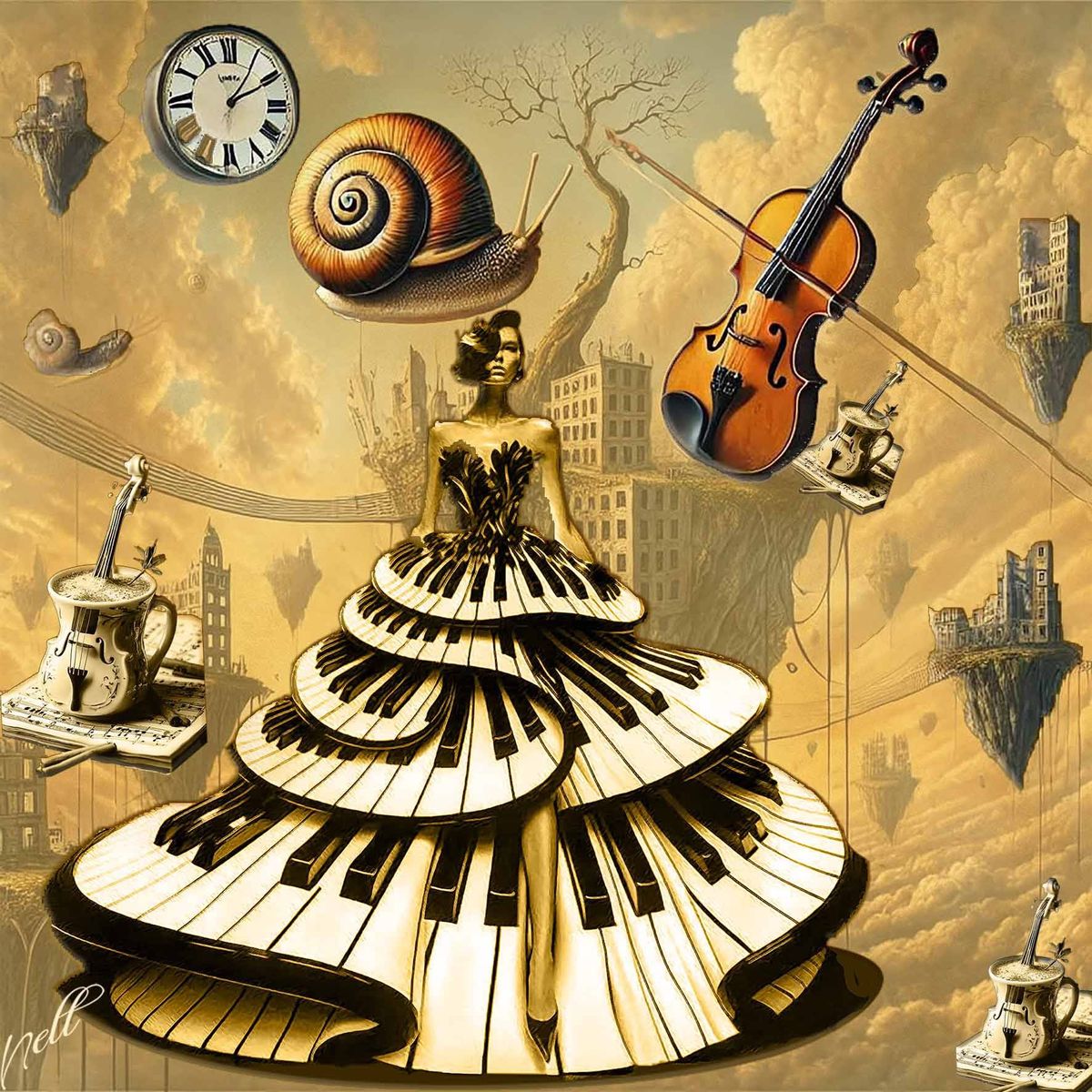
I came across these illustrations of classical music, created with modern techniques or AI, to show how melodies express emotion. I found them quite fascinating.
And here’s a surprising twist: artificial intelligence shows it understands art far better than humans!
I hope you enjoy them! Wishing you, wherever you are, a wonderful Silvester Eve and a joyful start to the New Year, filled with peace and love. Take good care! 💖🌟🥰🥂
Last night I begged the Wise One to tell me the secret of the world. Gently, gently, he whispered, “Be quiet, the secret cannot be spoken, It is wrapped in silence.”
Rumi
I wonder if any of you, my dear friends, have noticed how this hurried pace of life is affecting us globally, with people rushing unconsciously, often unaware of their surroundings or the noise around them. It seems time is passing faster than it used to, and this perception isn’t related to age, contrary to some beliefs. In both modern and traditional contexts, we often overlook an essential aspect: silence. I particularly notice this when I step into the forest, pause, and listen quietly.
Silence holds significant value that is often overlooked in our noisy world. It creates a space for reflection, helping us process our thoughts and emotions without external distractions. During quiet moments, creativity can flourish, fostering deeper thinking and the development of new ideas. Additionally, silence can foster a sense of peace and calm. In a hectic environment, pausing to embrace silence can refresh the mind and spirit, ease stress, and sharpen decision-making. In conversations, silence can be powerful, as listening is a sign of intelligence. It enables thoughtful responses and promotes meaningful dialogue. By embracing silence, we can enhance our listening skills and better understand others. Ultimately, silence’s value is in its ability to connect us with ourselves and others, encouraging introspection and stronger relationships. Whether through meditation, nature, or solitude, embracing silence can enrich our lives in many ways.
After sharing a quote from Rumi, I would like to offer a poem by Pablo Neruda. I hope you enjoy them and might relish a moment of silence to cherish.
Keeping Quiet By Pablo Neruda
Trans. Alastair Reid
Now we will count to twelve And we will all keep still for once on the face of the earth, let’s not speak in any language; let’s stop for a second, and not move our arms so much.
It would be an exotic moment without rush, without engines; We would all be together in a sudden strangeness.
Fishermen in the cold sea would not harm whales and the man gathering salt would not look at his hurt hands.
Those who prepare for green wars, wars with gas, wars with fire, victories with no survivors, would put on clean clothes and walk about with their brothers in the shade, doing nothing.
What I want should not be confused with total inactivity. Life is what it is about. I want no truck with death.
If we were not so single-minded about keeping our lives moving, and for once could do nothing, perhaps a huge silence might interrupt this sadness of never understanding ourselves and of threatening ourselves with death. Perhaps the earth can teach us, as when everything seems dead and later proves to be alive.
Now I’ll count up to twelve. And you keep quiet, and I will go.
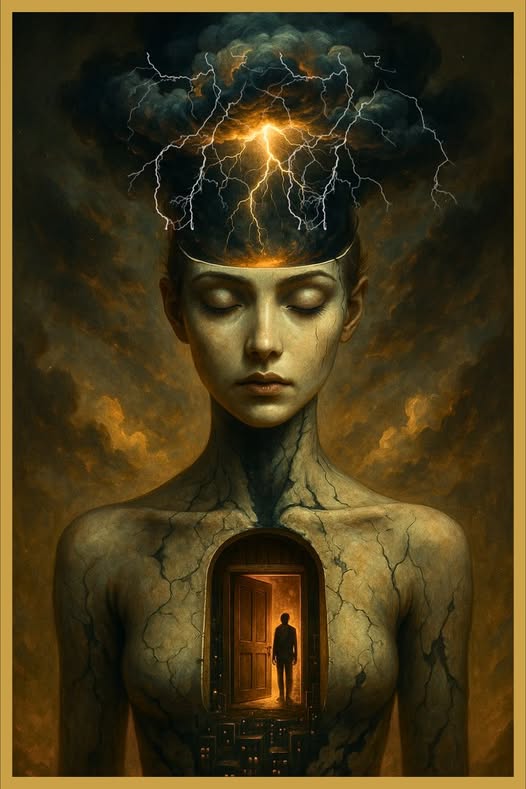
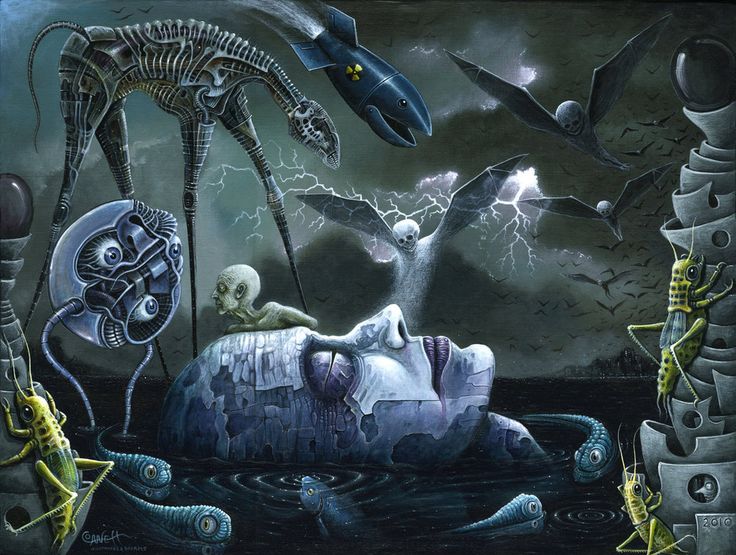
Title image: Dreamscapes and nightmares by the artist R.S. Connett.
Recently, I’ve been overwhelmed by memories and dreams that take me back to the past, recalling the unforgettable times when Al and I faced our ups and downs and challenging moments.
I avoid saying things like “happy heavenly birthday” because birthdays are truly earthly, not heavenly! In heaven, every day might be a birthday! And I believe it’s simply a traditional custom to use these anniversaries as reminders. However, I remember Al daily and in everything I do, and I can’t help but think of him and his lessons.
One of these memories is our arrival in Germany after fleeing Iran, and this time, it feels somehow significant because it marked the fortieth anniversary. We arrived at Düsseldorf airport in the evening on October 19th.
Although we had a close friend in the city, we didn’t want to trouble him. We considered renting a hotel room, but it was too costly. An airport staff member overheard us and suggested, “Why not sleep on a couch at the airport for the night?” We appreciated the kind idea, and even if it wasn’t as comfortable as a hotel, it was free!
Before we carried out that experiment, we took a walk through the large airport. As I clearly remember, in the department where packages are received, two older women were trying to manoeuvre their luggage onto a trolley, although the suitcases seemed too heavy for them. Al reacted quickly and helped them load the items onto the trolley. One of the women, thankfully, took some coins from her purse and offered them to Al, but he refused immediately and turned away. They were quite surprised, and I later learned that such acts are common in Germany, although Al felt a bit offended. Honestly, that money could have been useful to us, but Al was very proud, and it didn’t suit his class!
Anyway, that was a remarkable memory of that period, and I thought I would share it here, on his seventy-third earthly birthday. Yes, as I might repeat, every day is a birthday in heaven, as well as Christmas!
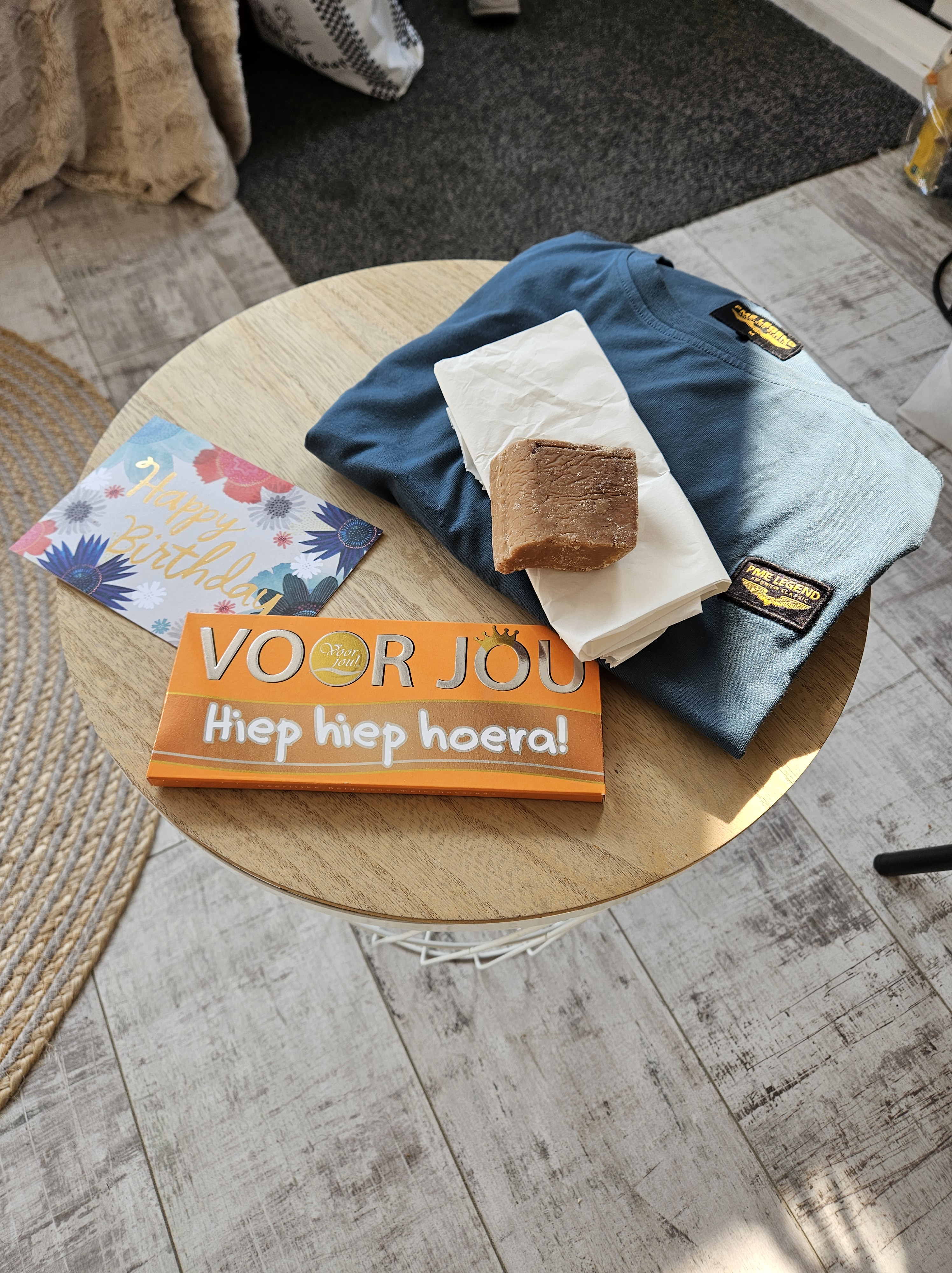
Foreword: I spent most of the day, from early morning to the afternoon, at a birthday party hosted by my wife’s colleague. Since I will be visiting a friend next week and won’t be at home, I thought I’d share my “two” posts today. Here is the second one!
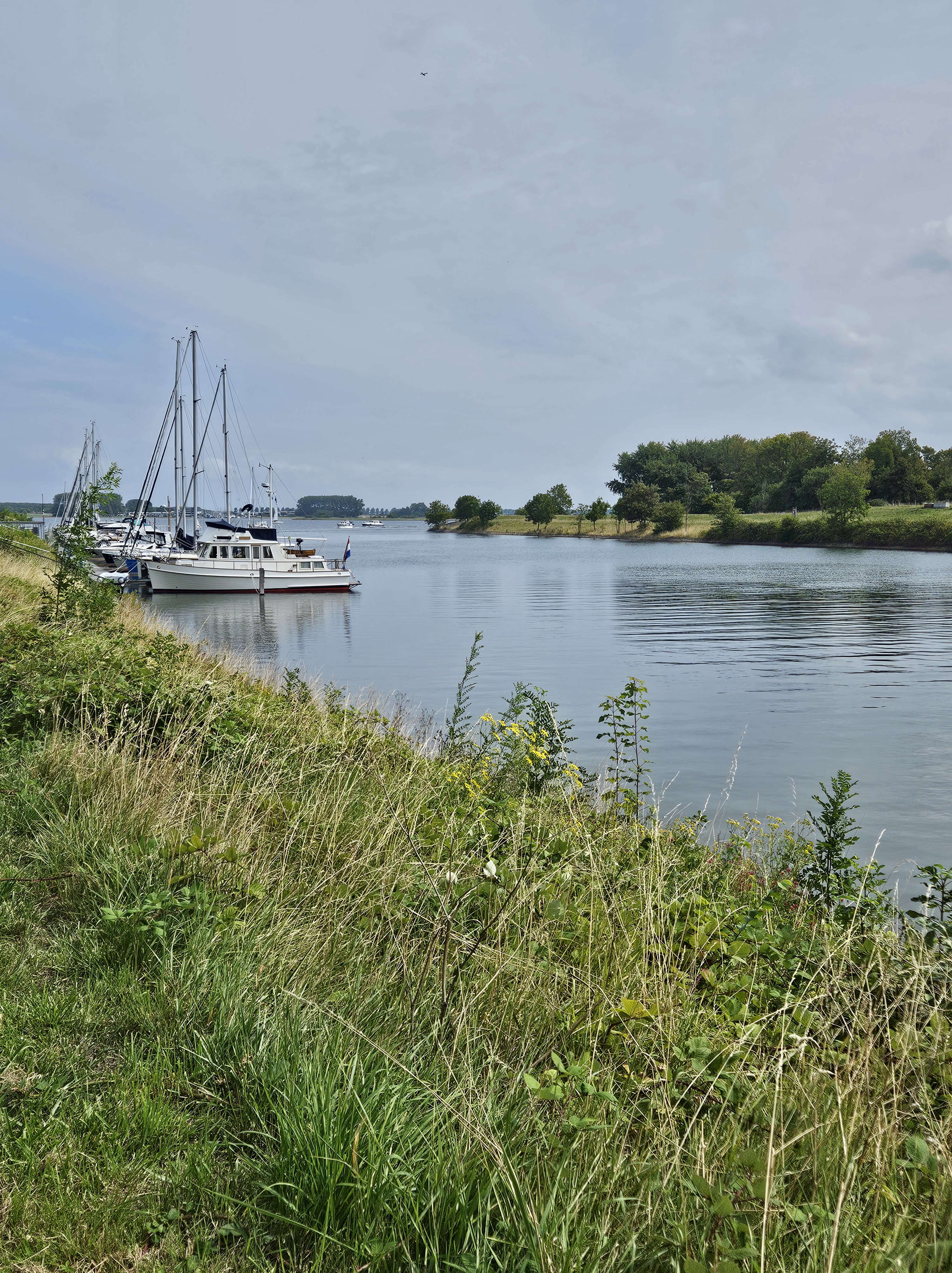
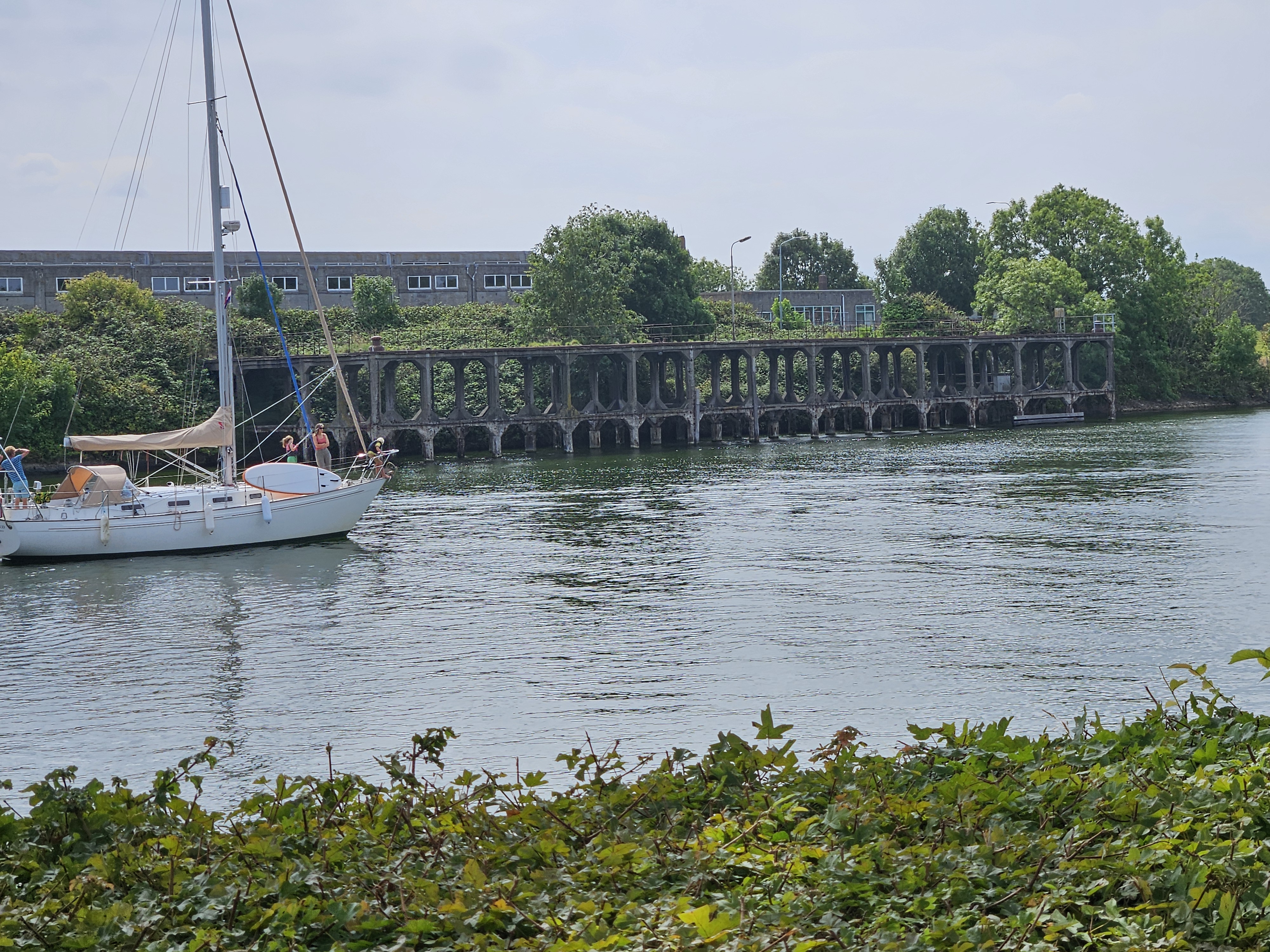
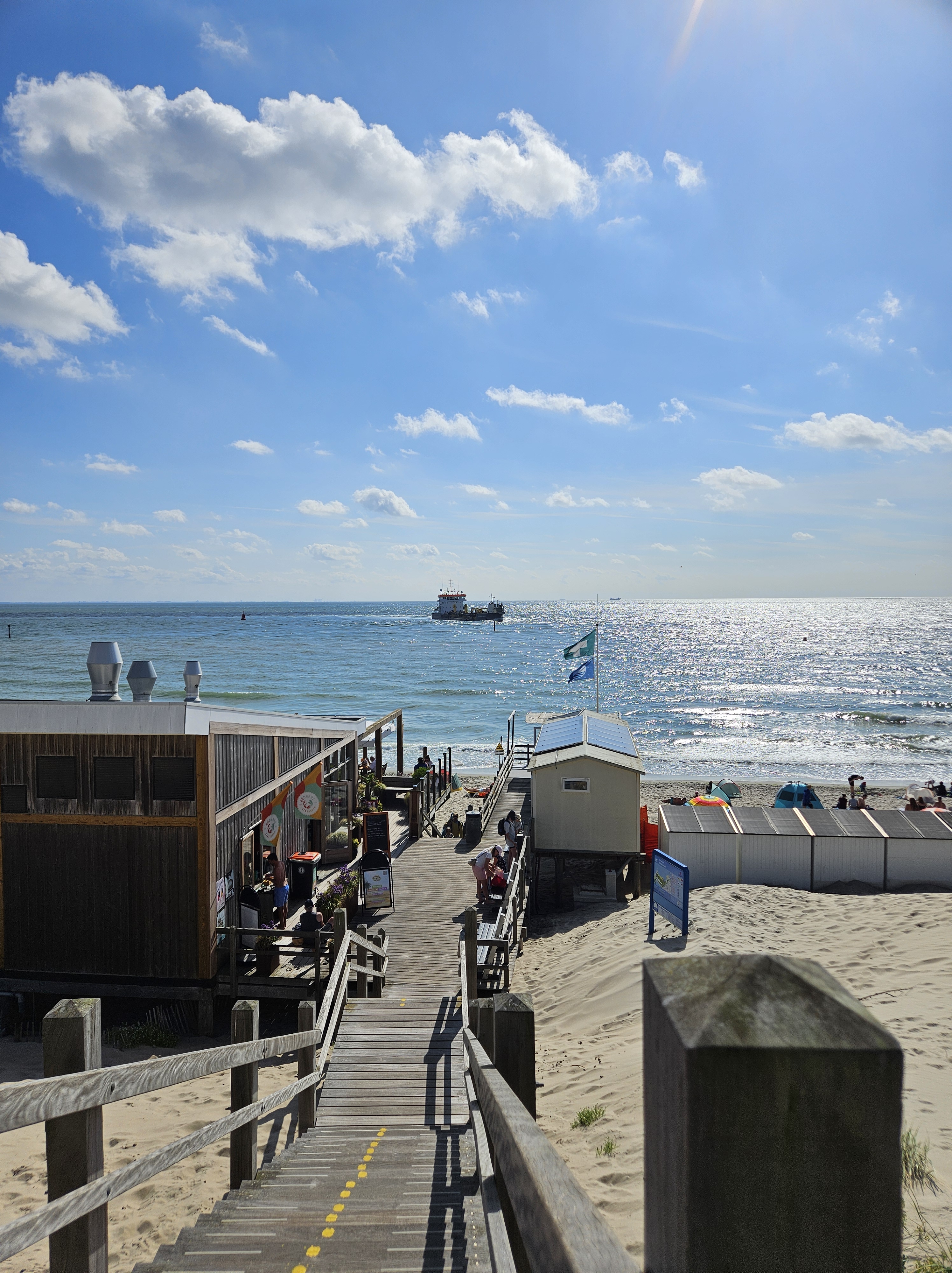
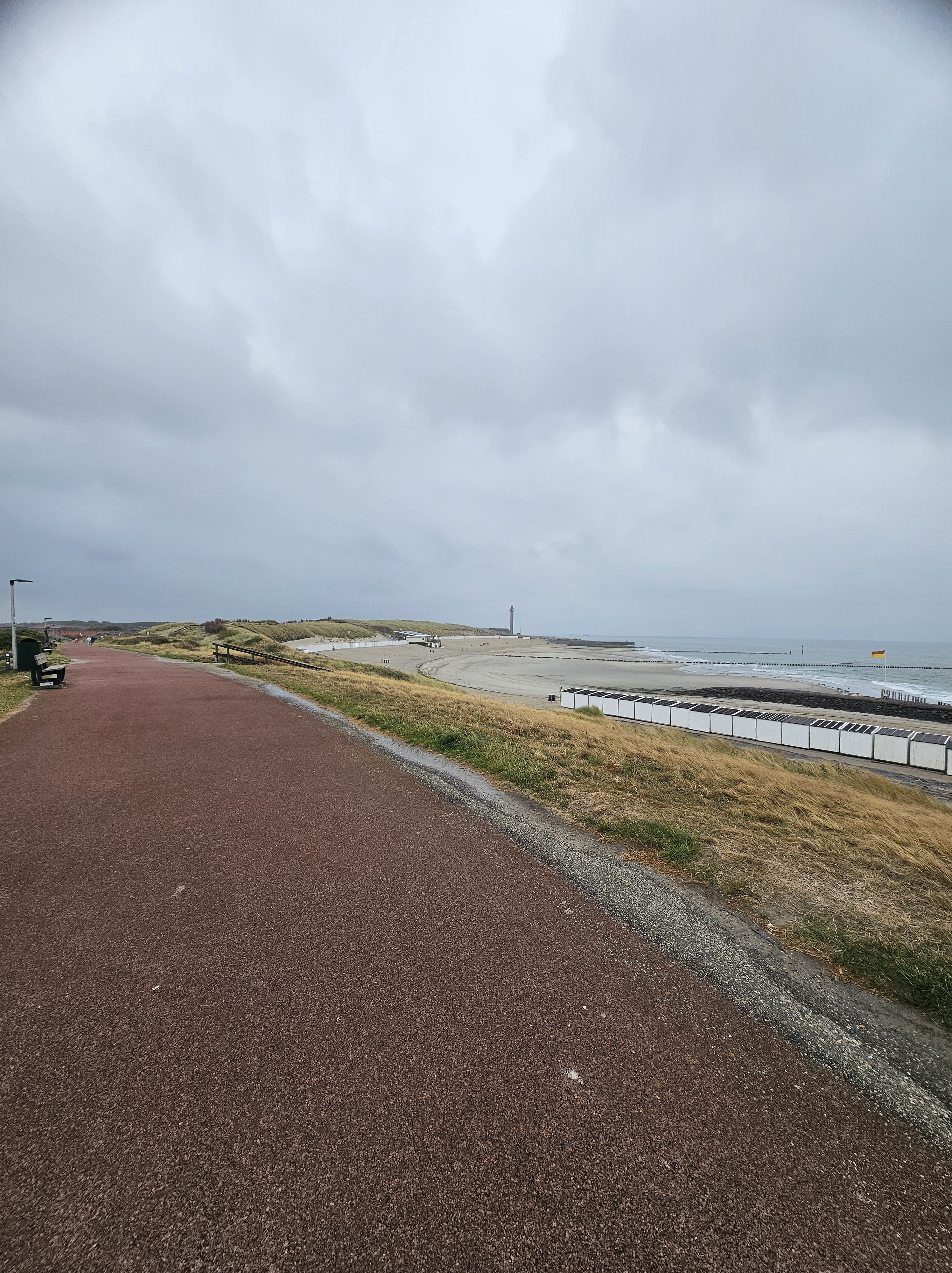
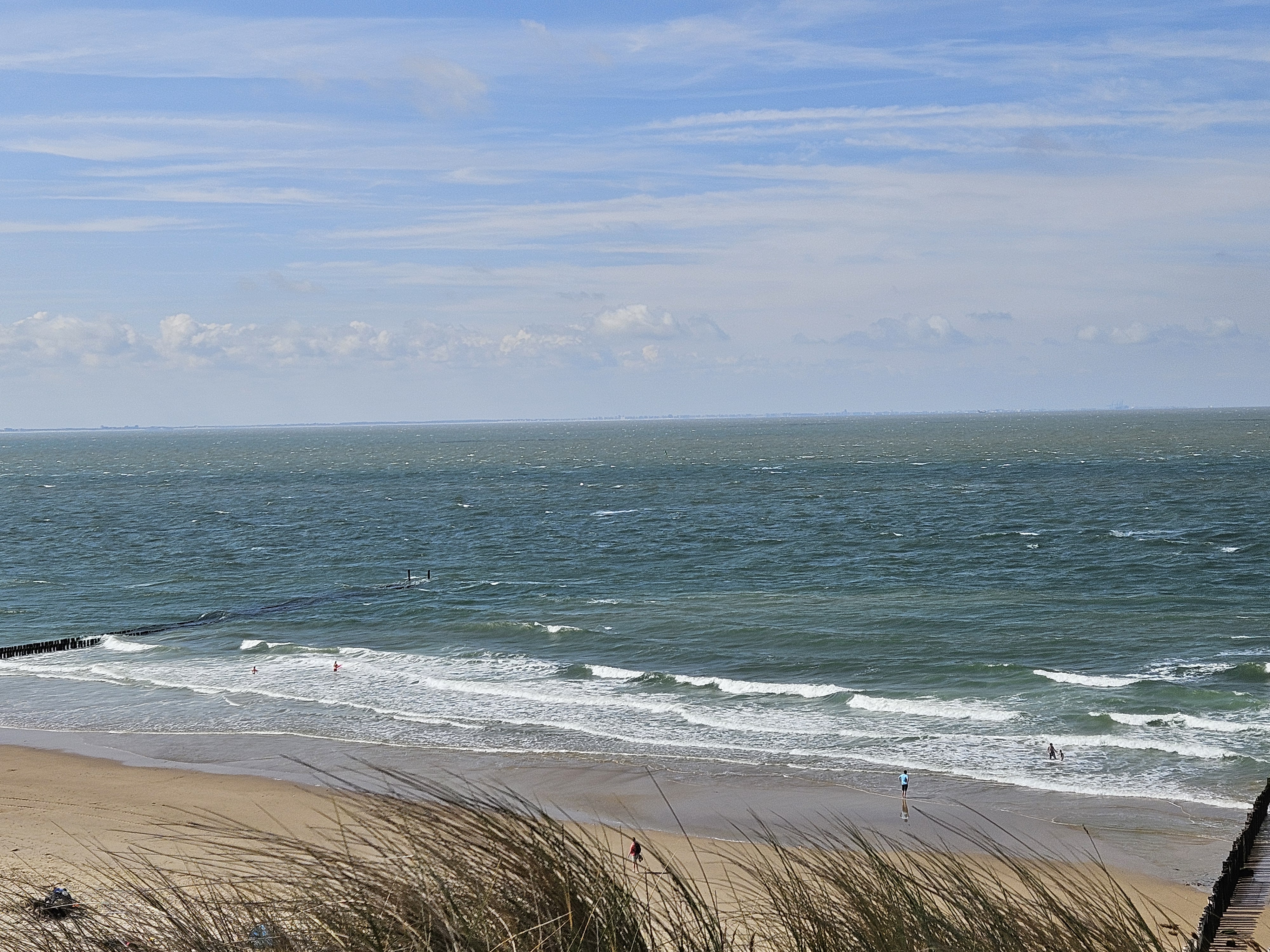
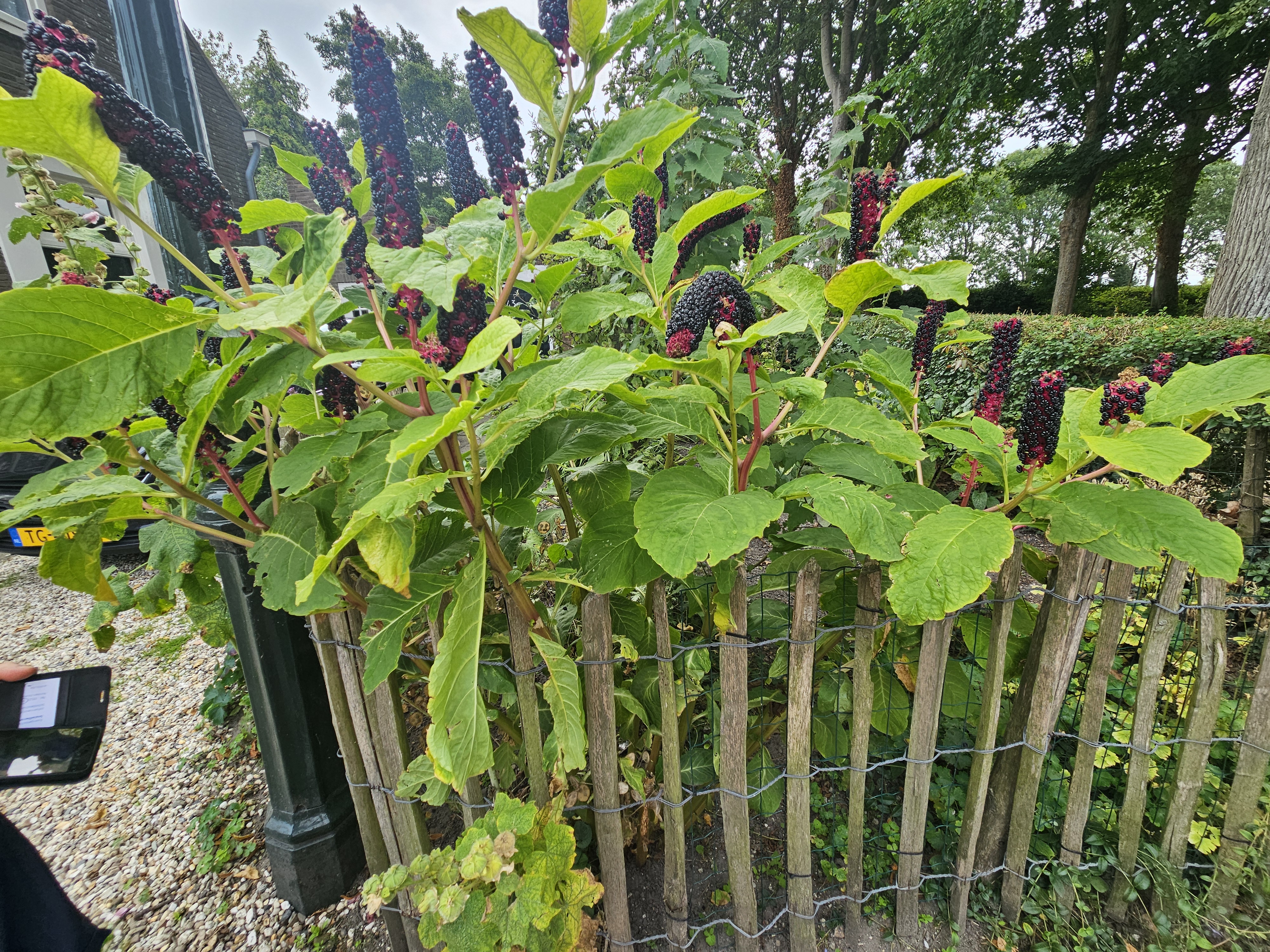
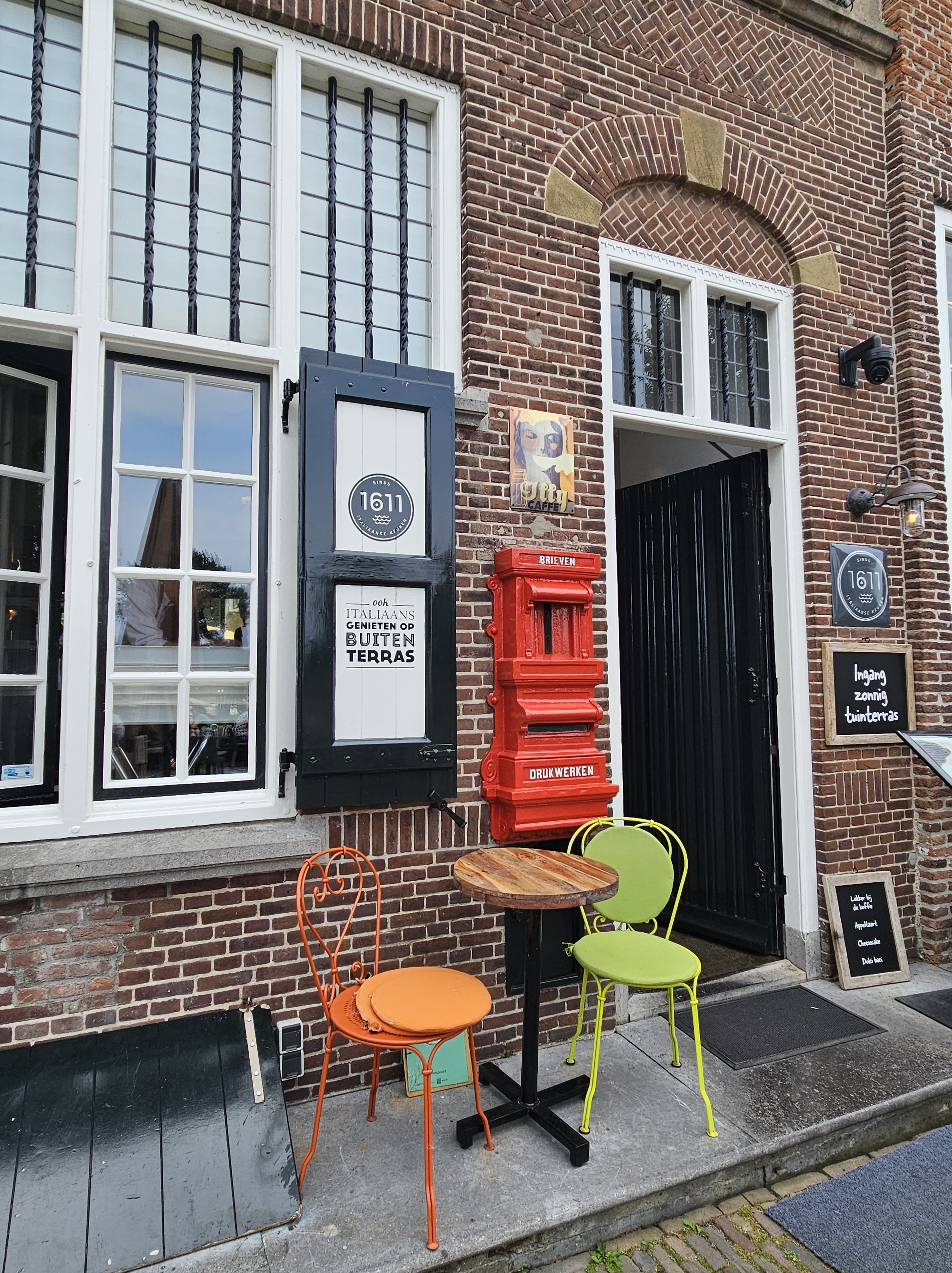
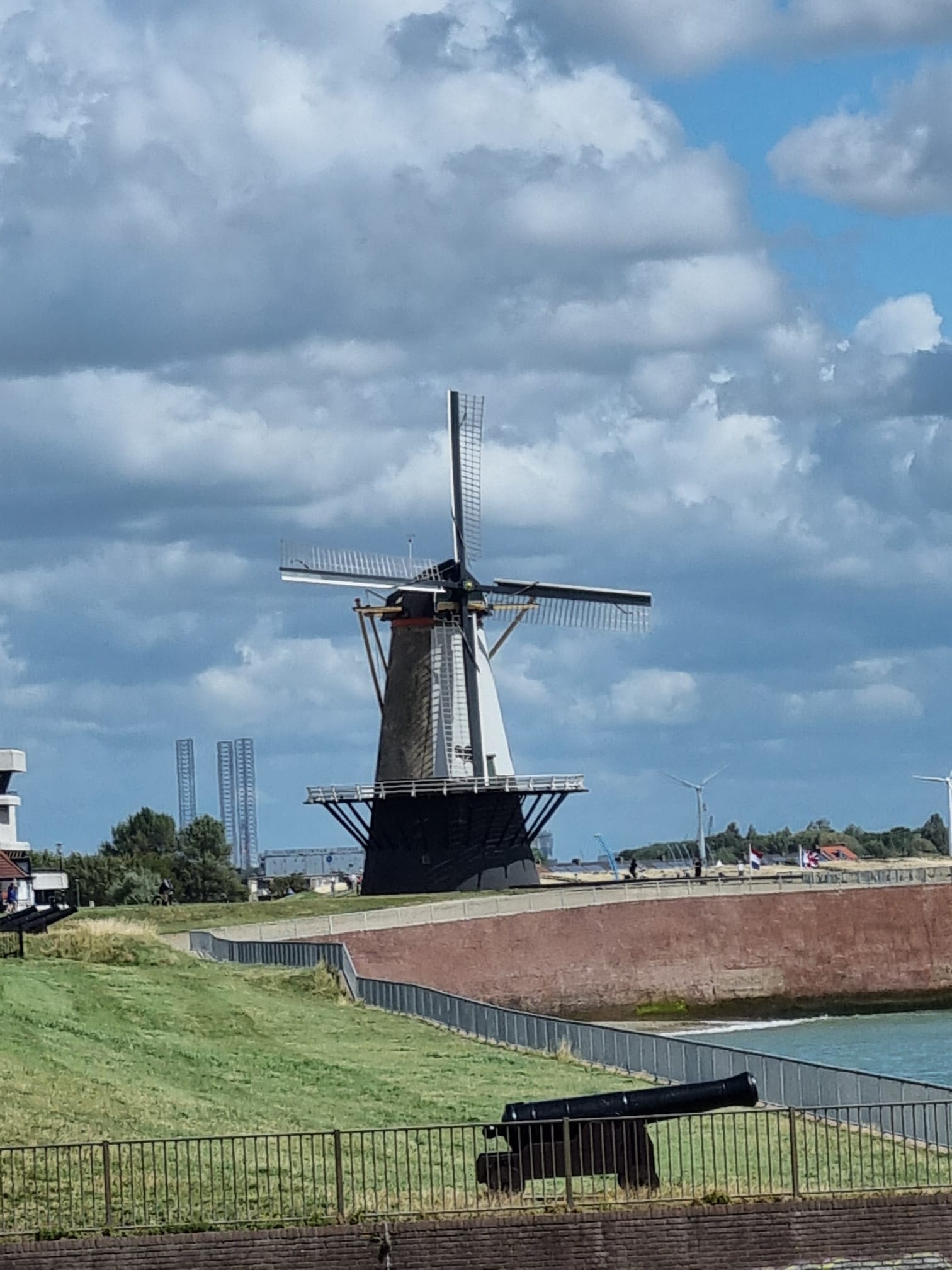
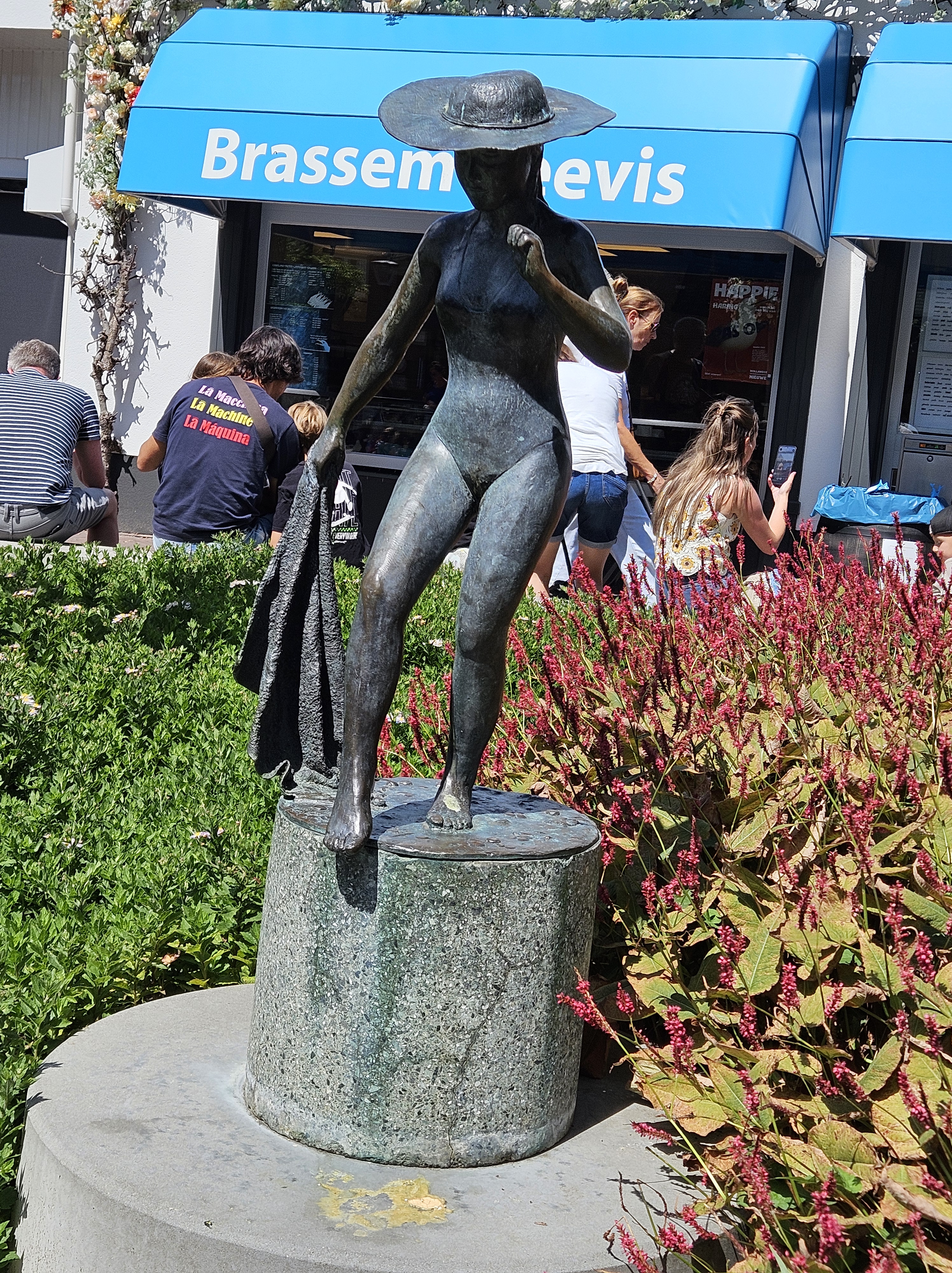
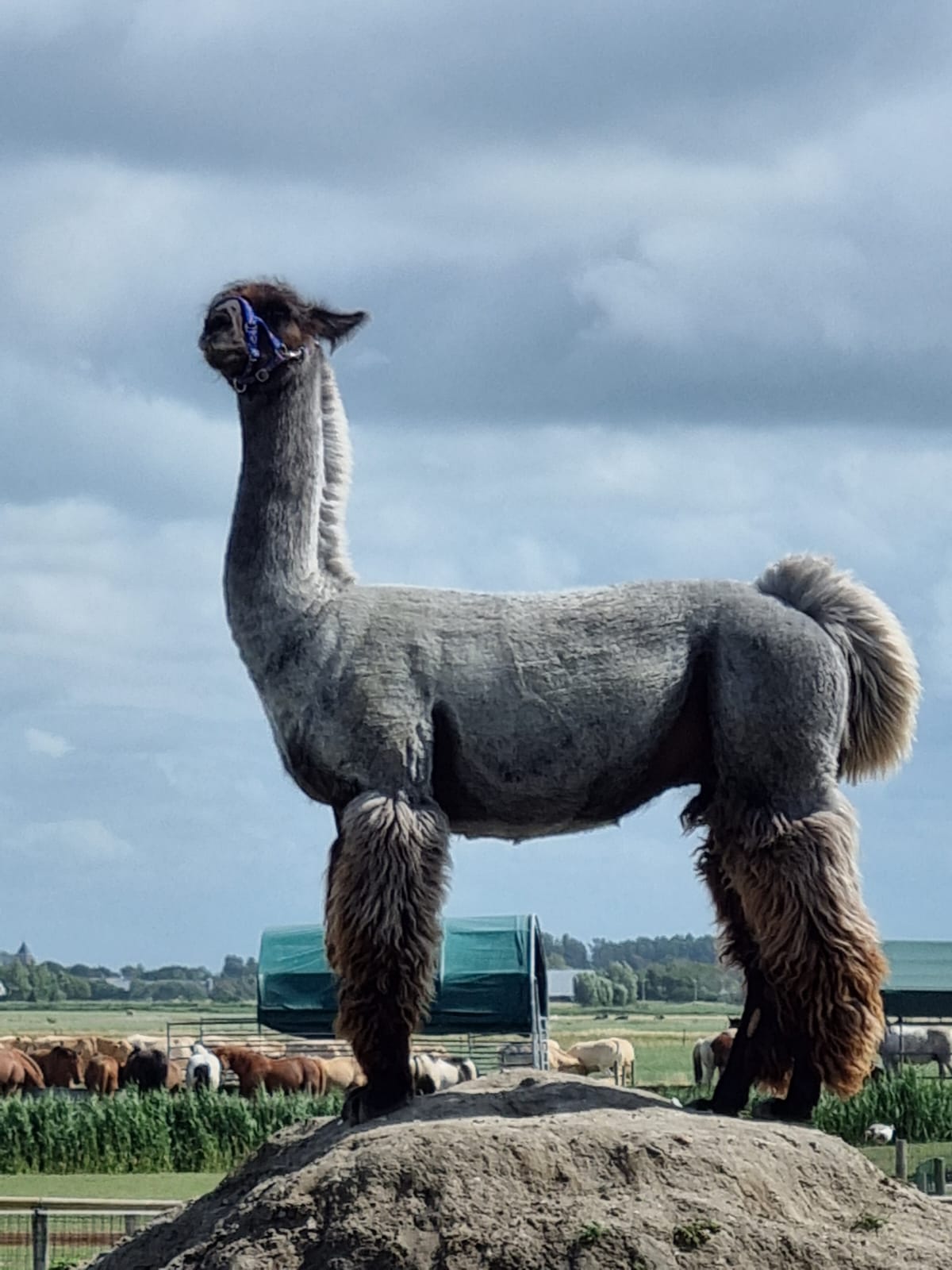
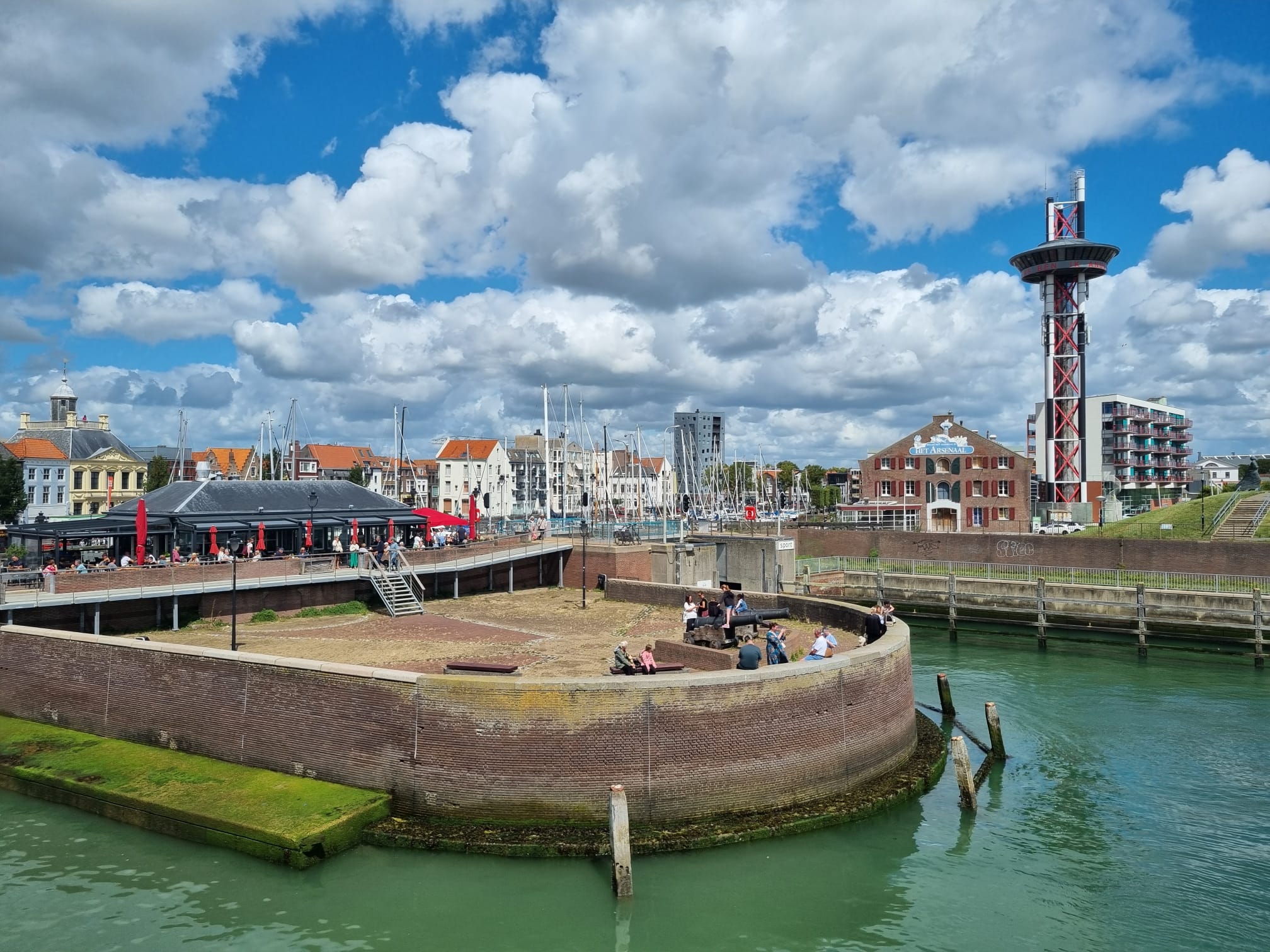
I believe I posted my last travel report quite some time ago; therefore, I have decided to pause sharing deep, tragic, and pensive ones and instead share something amusing! Although this trip could have been more enjoyable if summer had truly arrived, unfortunately, the temperature refused to rise above twenty degrees, and the wind stubbornly refused to change its direction from north to south.
Actually, we, or rather my lovely wife (!), aim to plan vacations in sunny, warm destinations—what we miss most during the year in Germany. This year, because of my health issues, she organised a trip to Holland so we could return home quickly if needed. As you likely know, good weather in northern Europe can be quite unpredictable. It often depends on luck, but unfortunately, we didn’t have any this time!
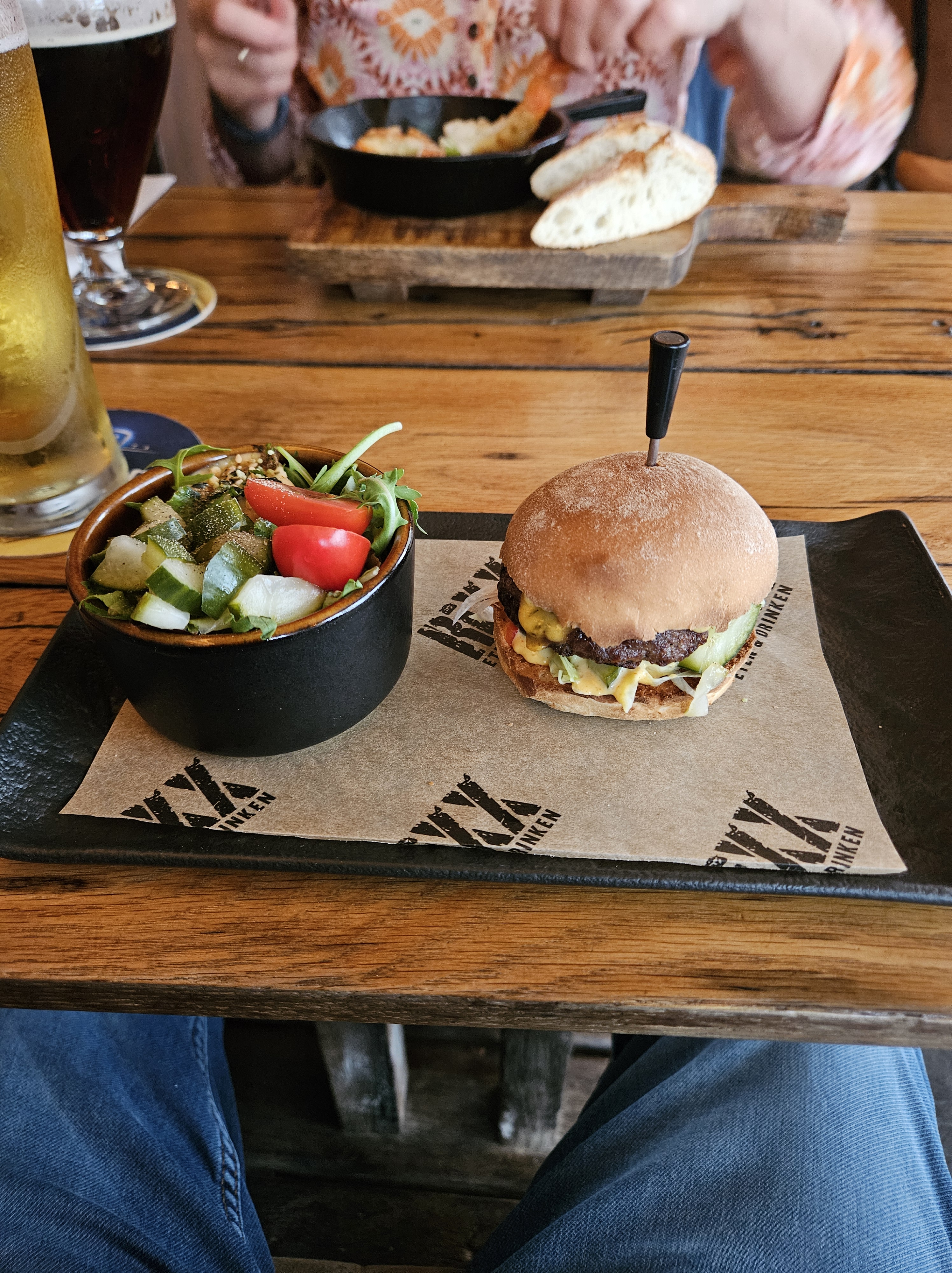
I even developed a thirty-degree fever after we ran back to our apartment in the rain and storm following dinner at a restaurant, and I was lying flat for two days!
Of course, it wasn’t all bad; we also enjoyed some sunshine, especially on my birthday. The great gods, Zeus, Poseidon, or Boreas (the god of the cold north wind and winter), protected us and allowed the sun to shine while the wind rested.
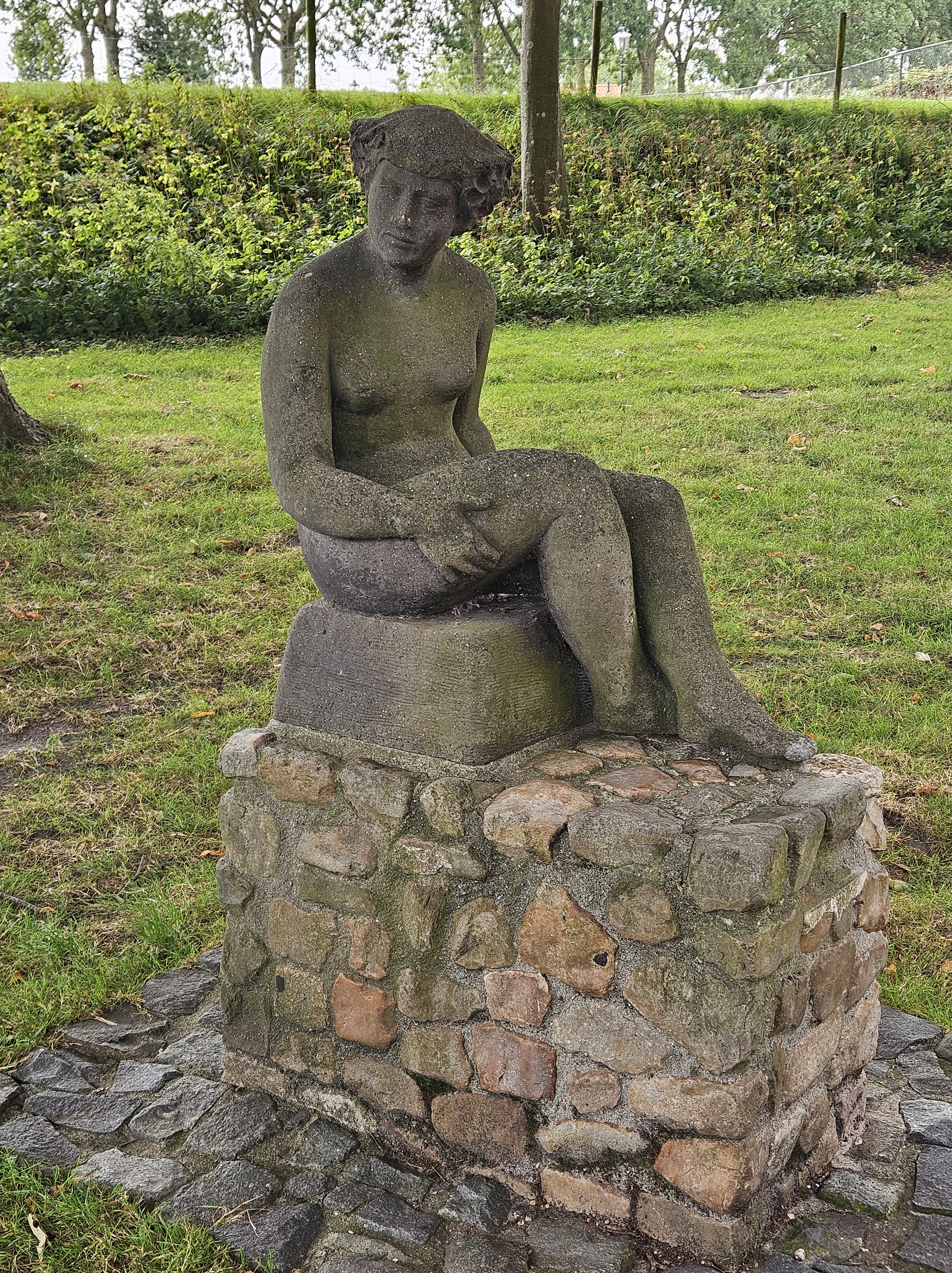
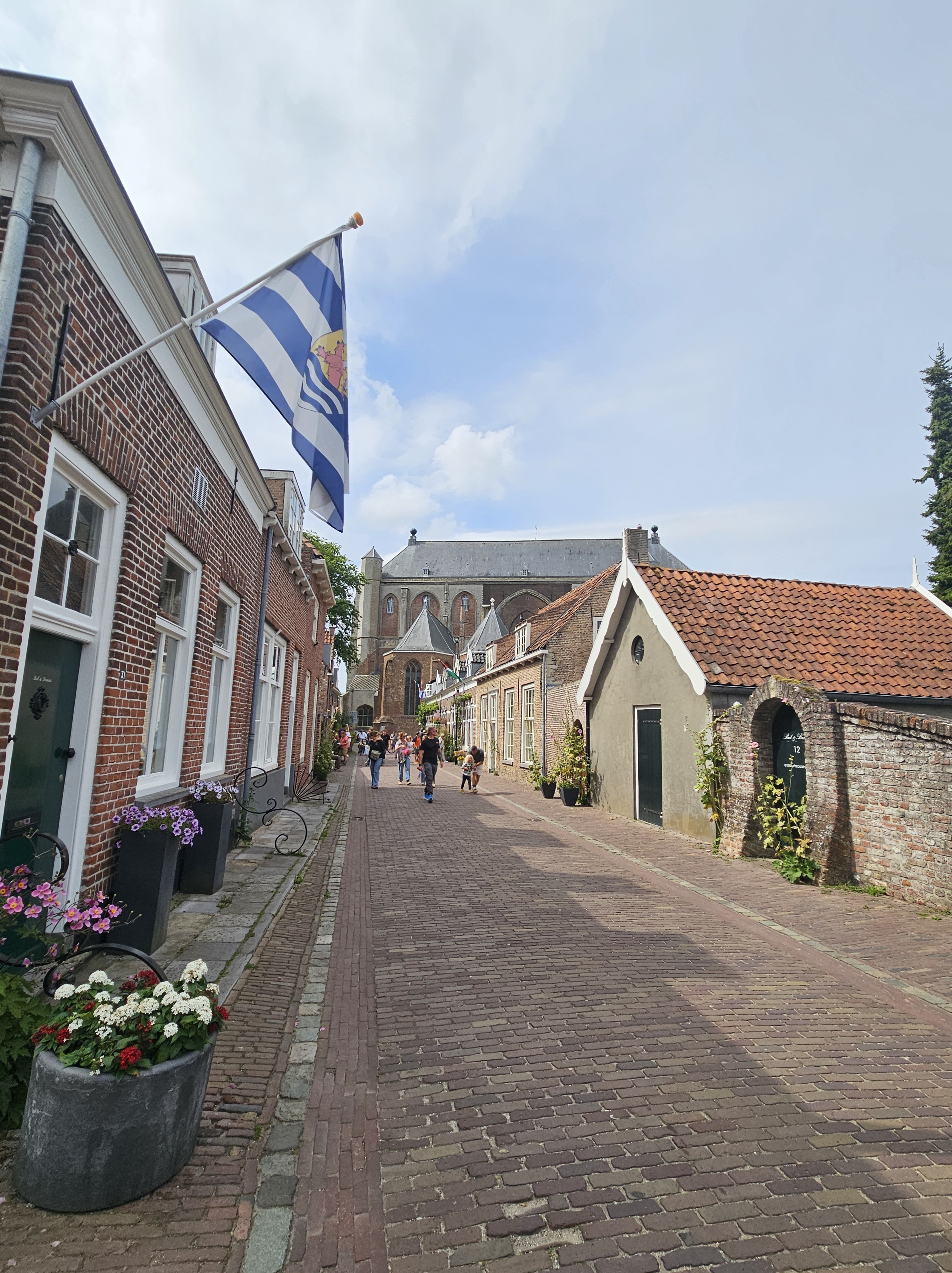
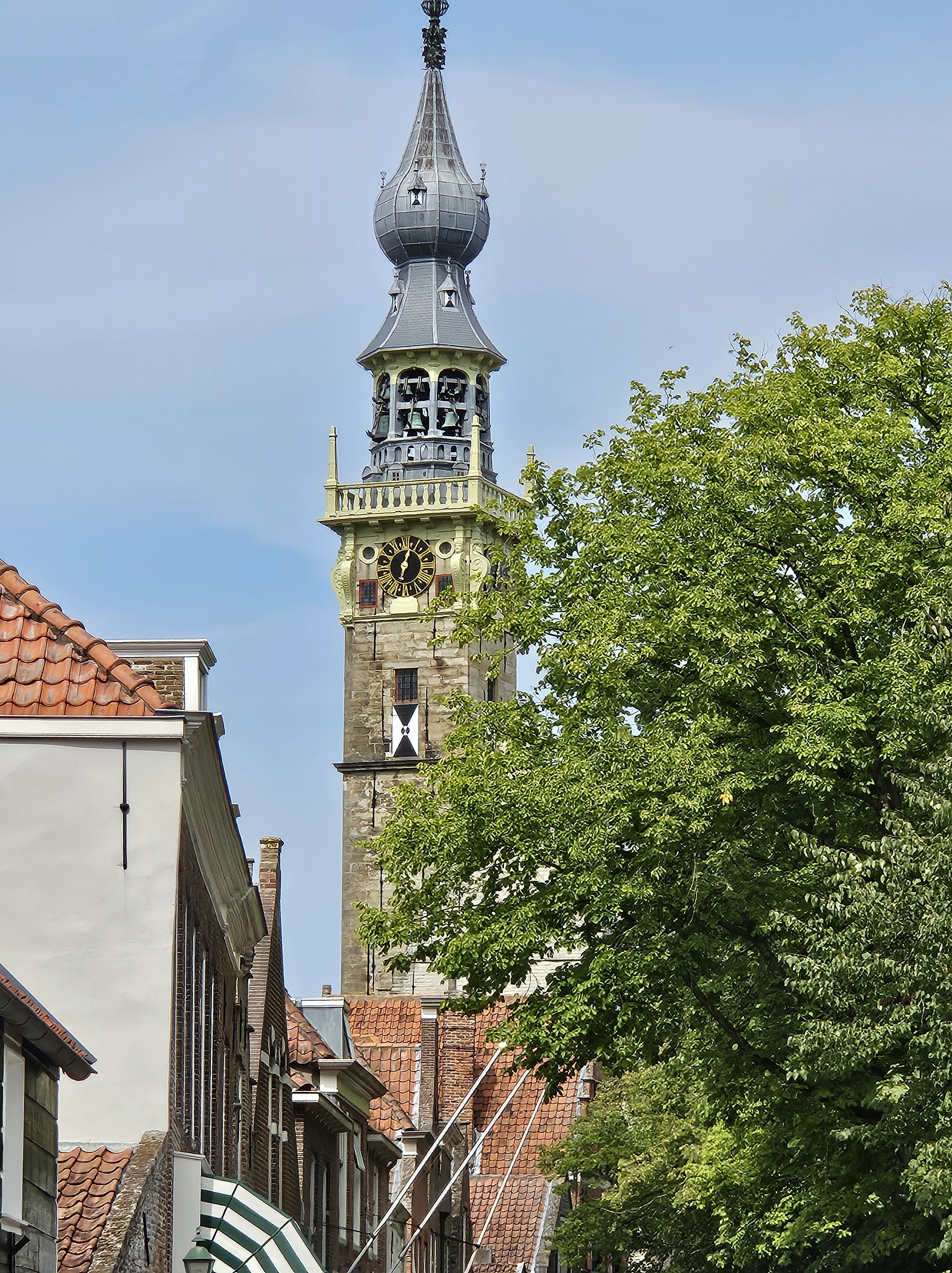
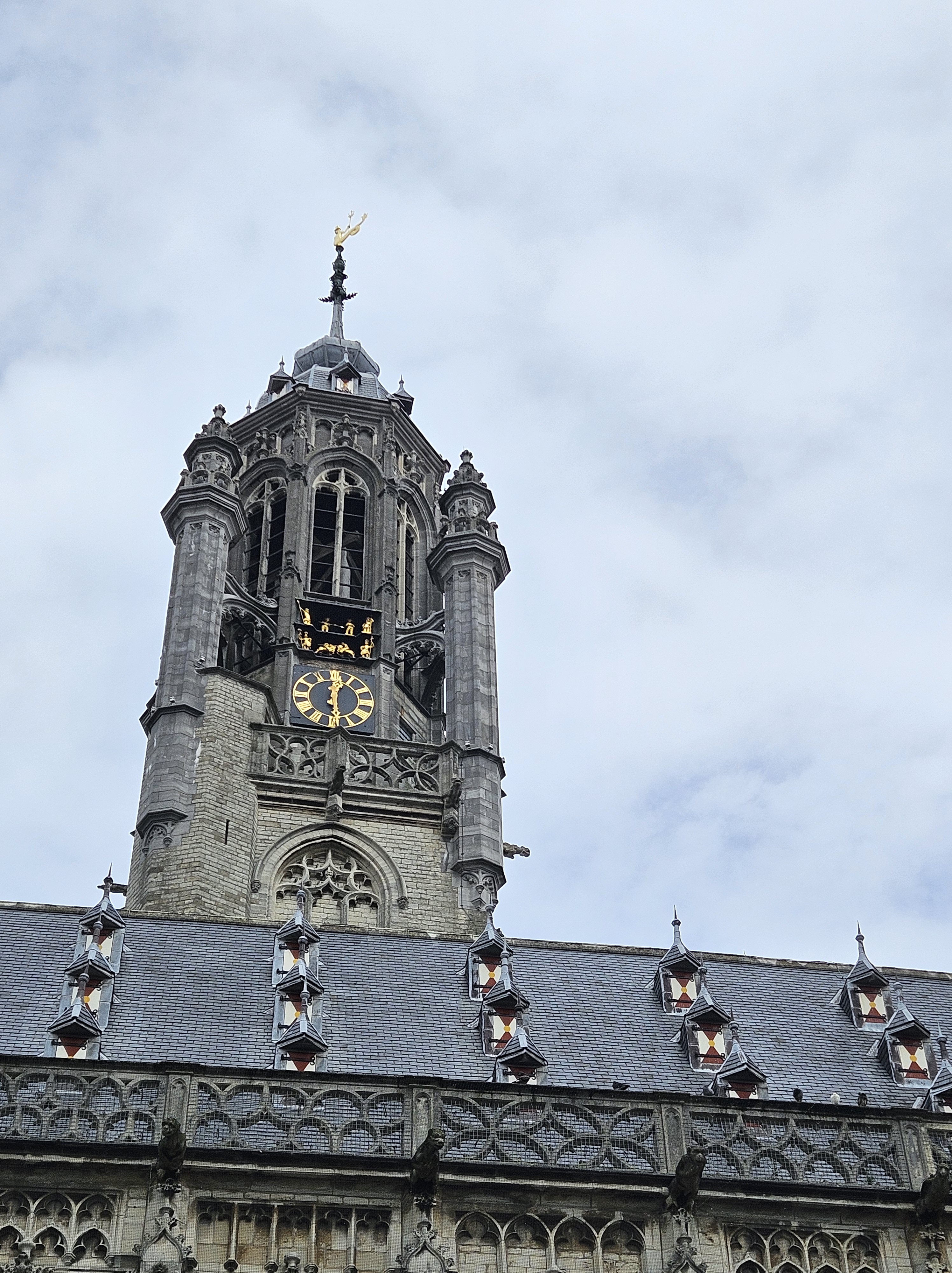
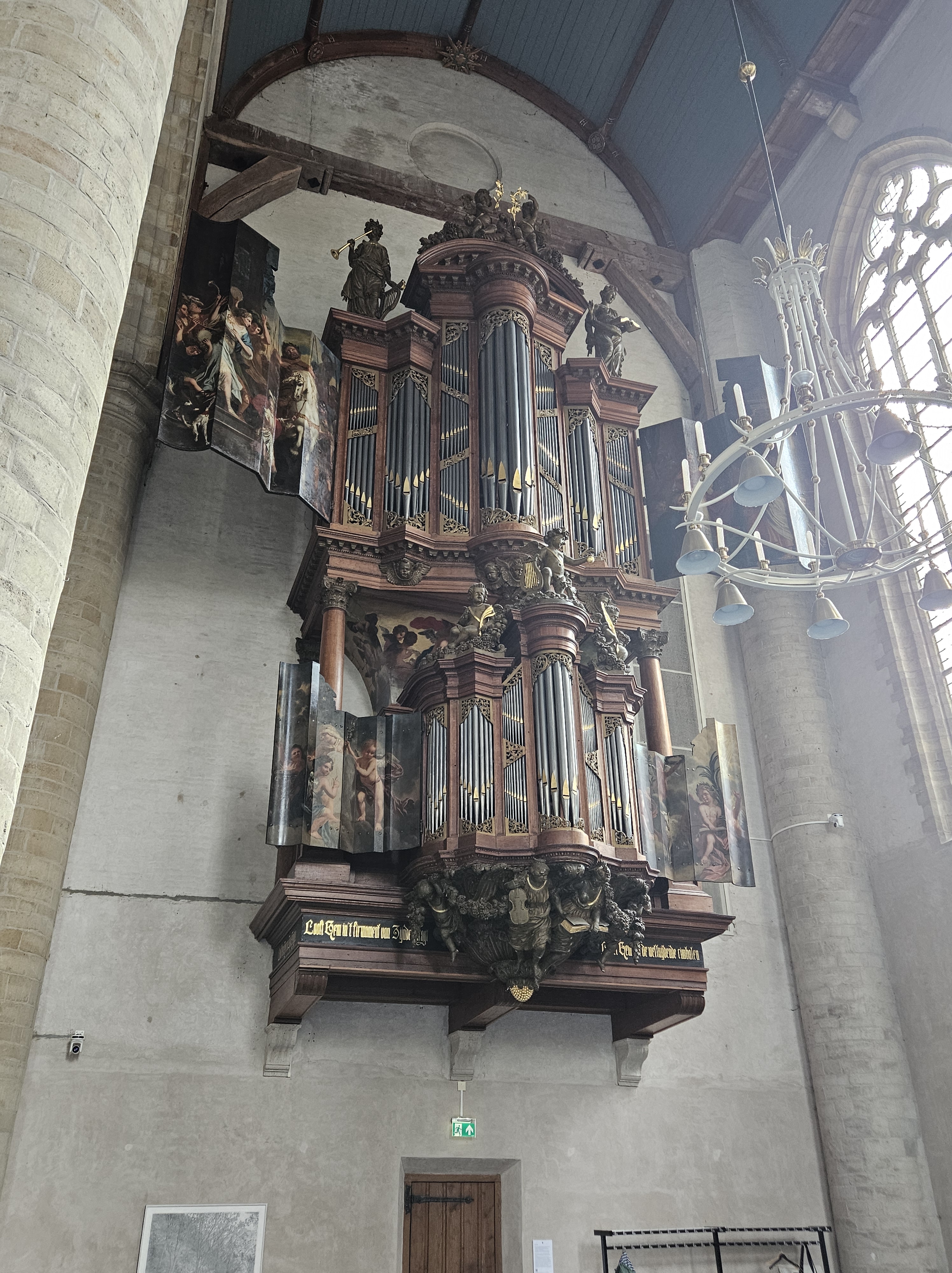
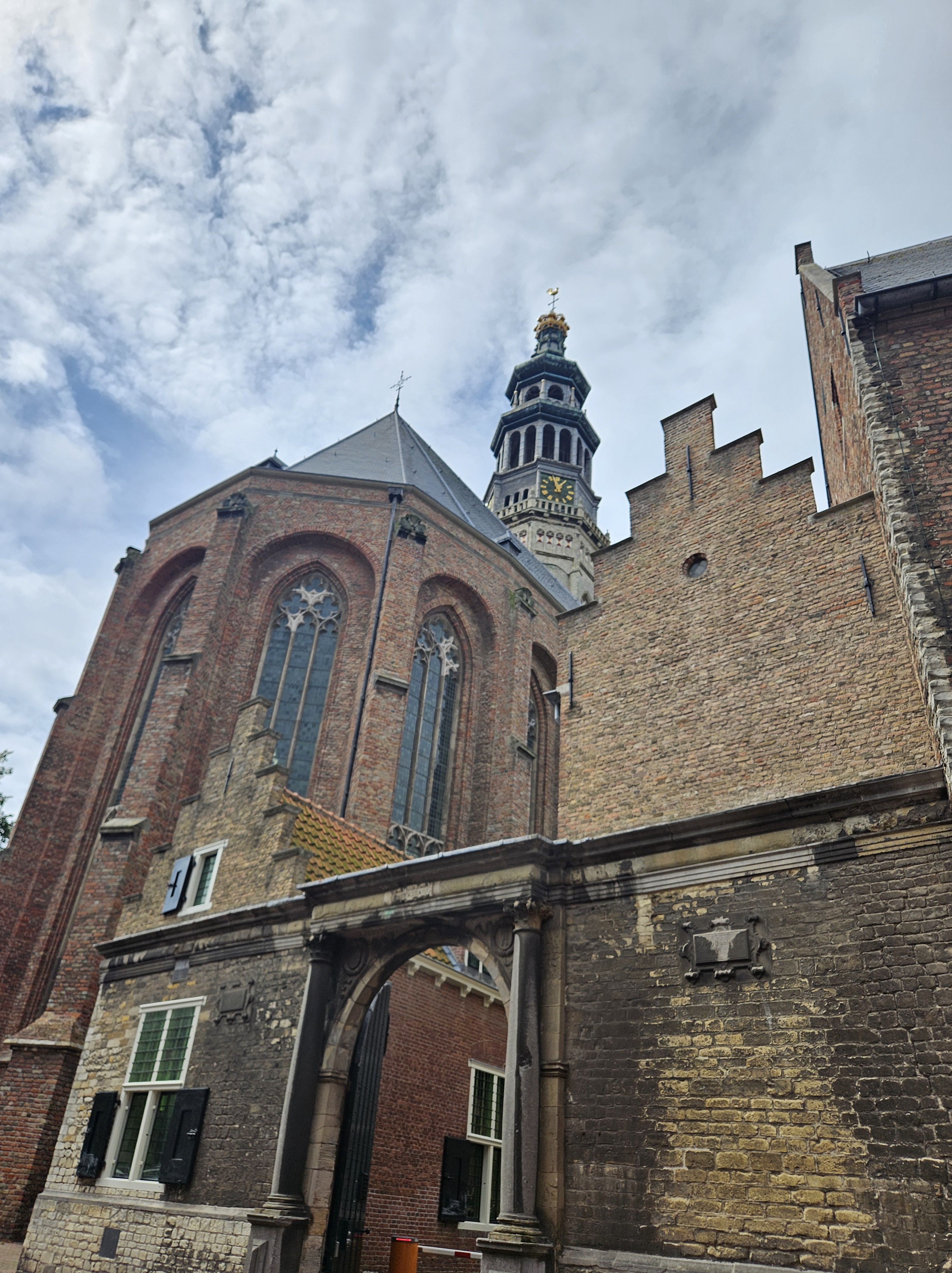
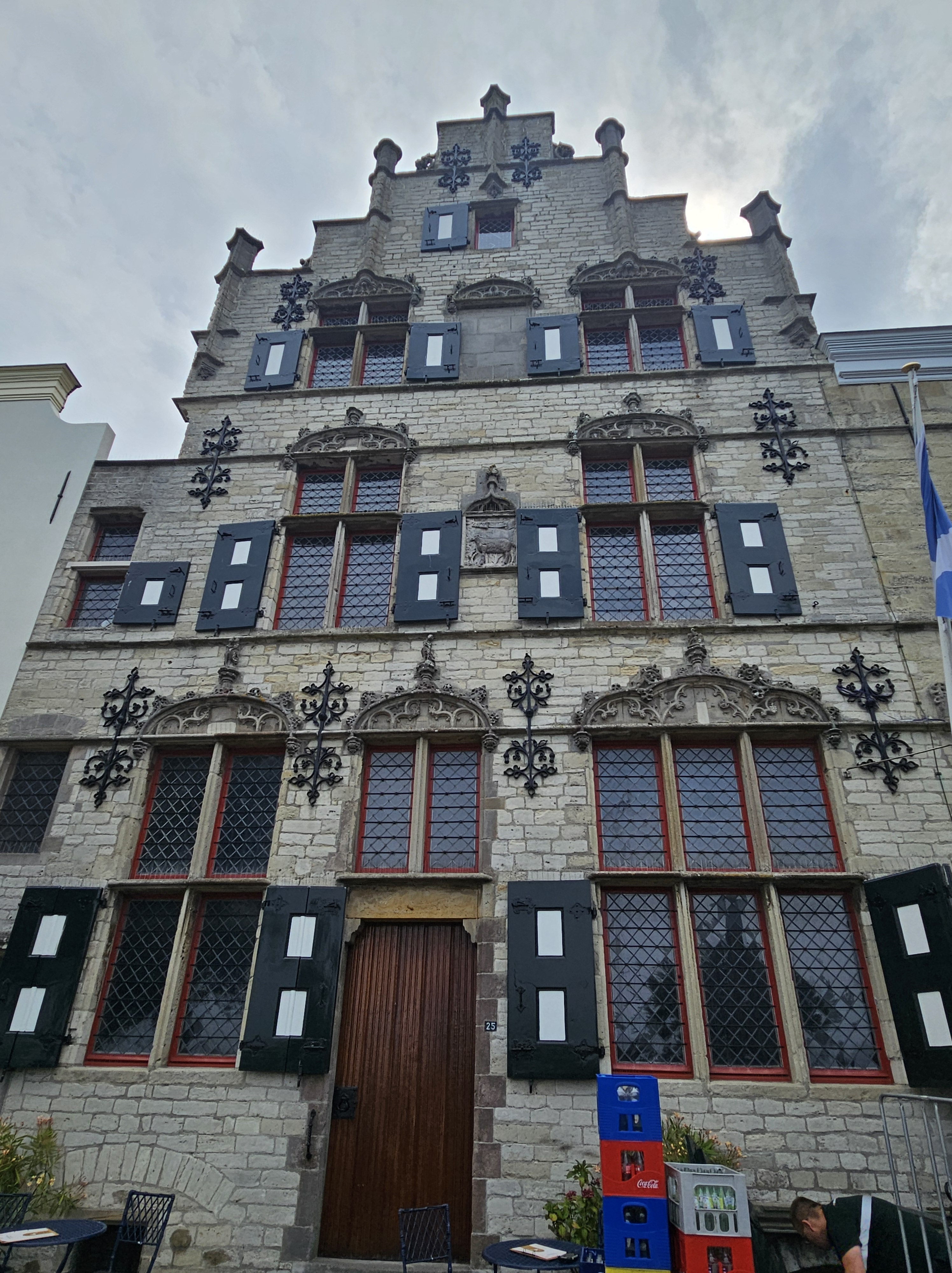
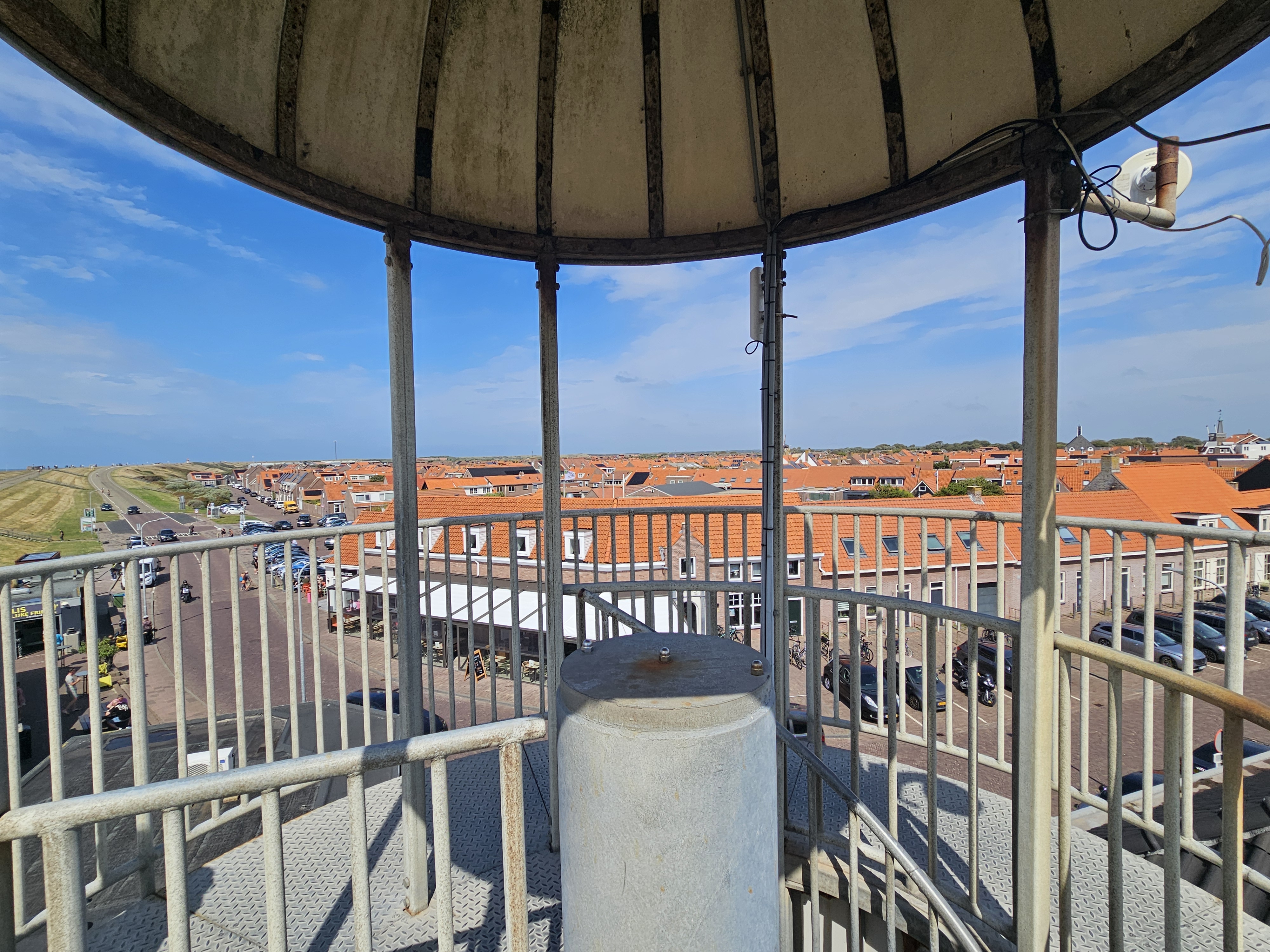
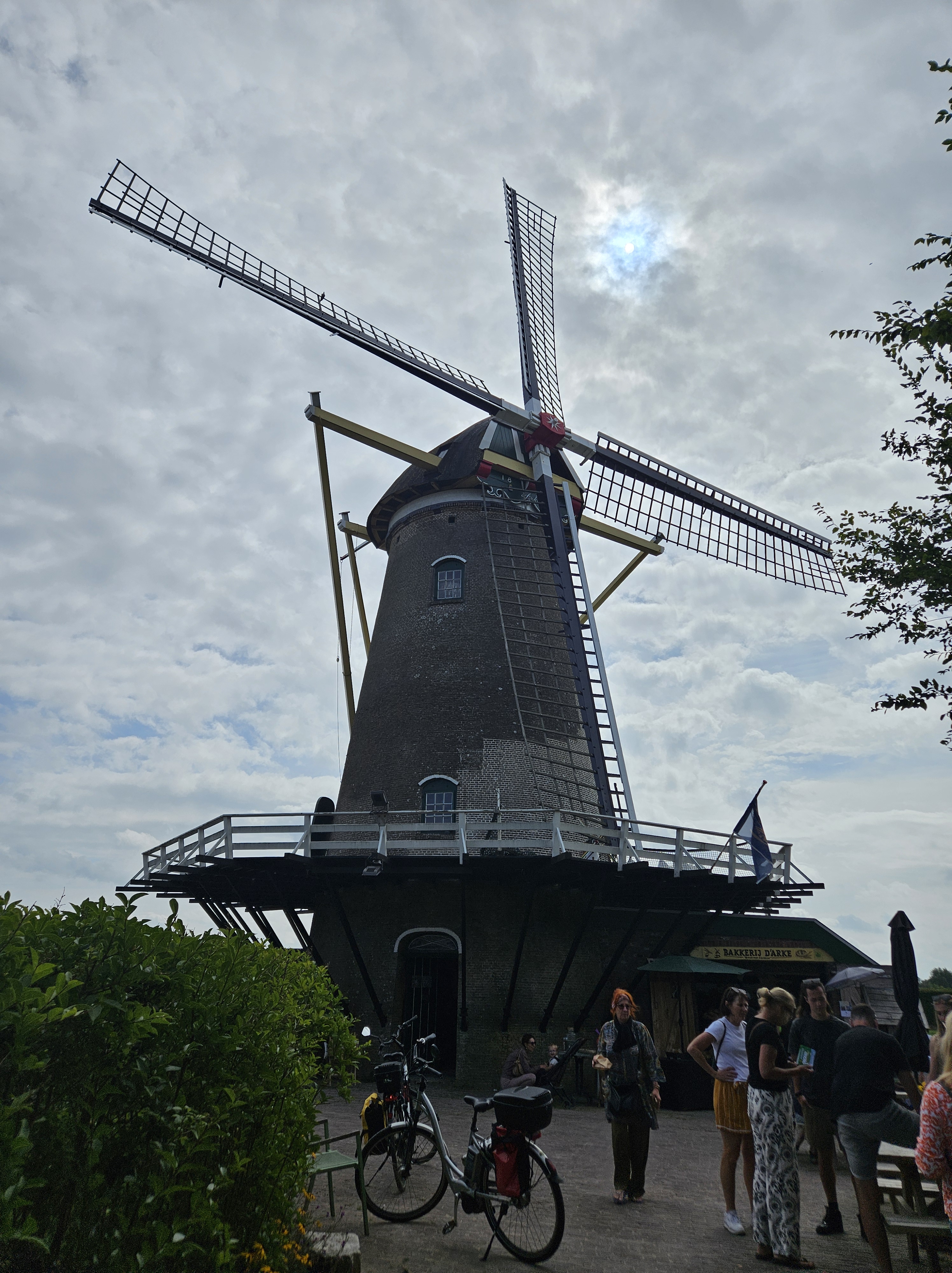
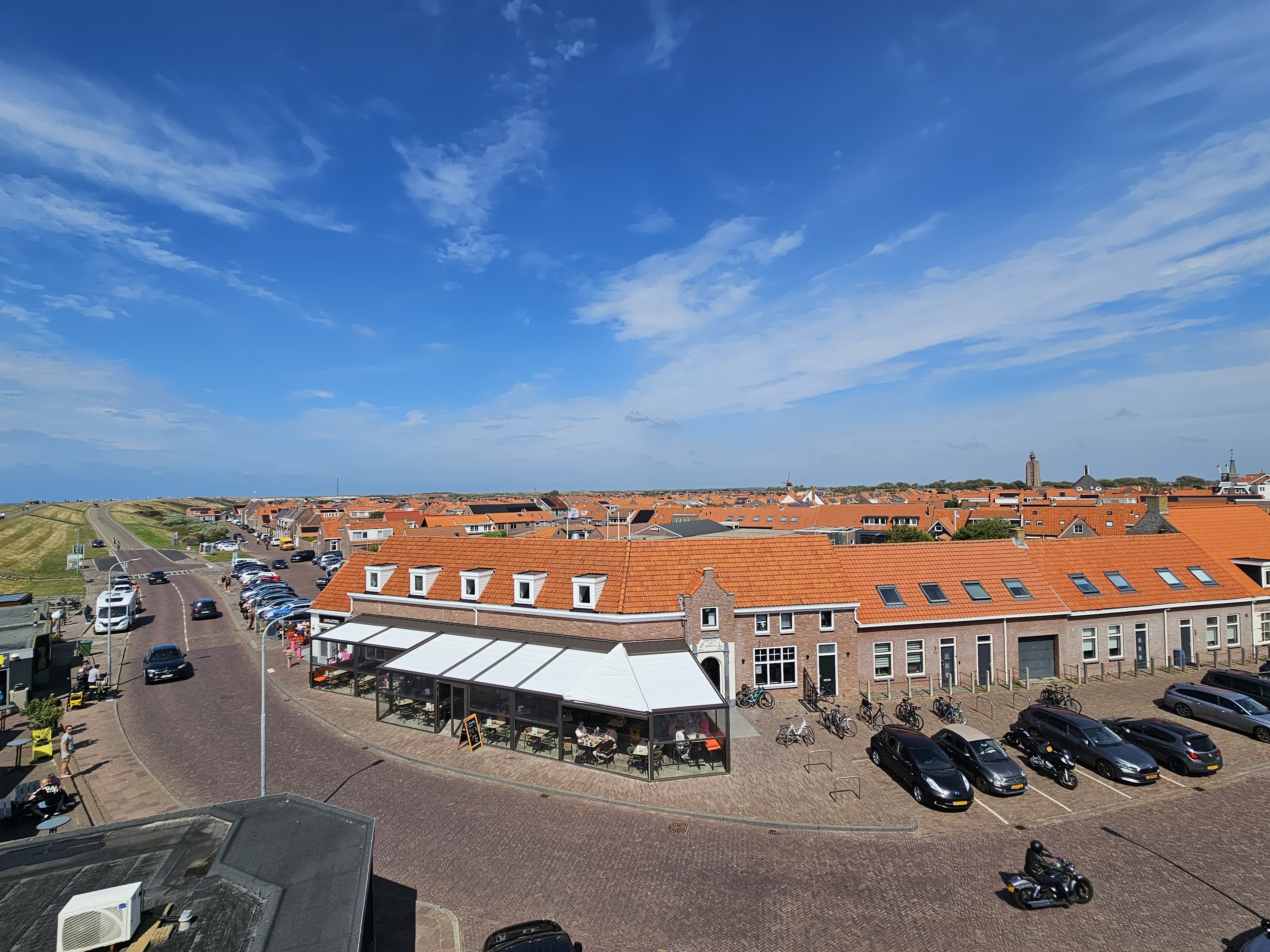
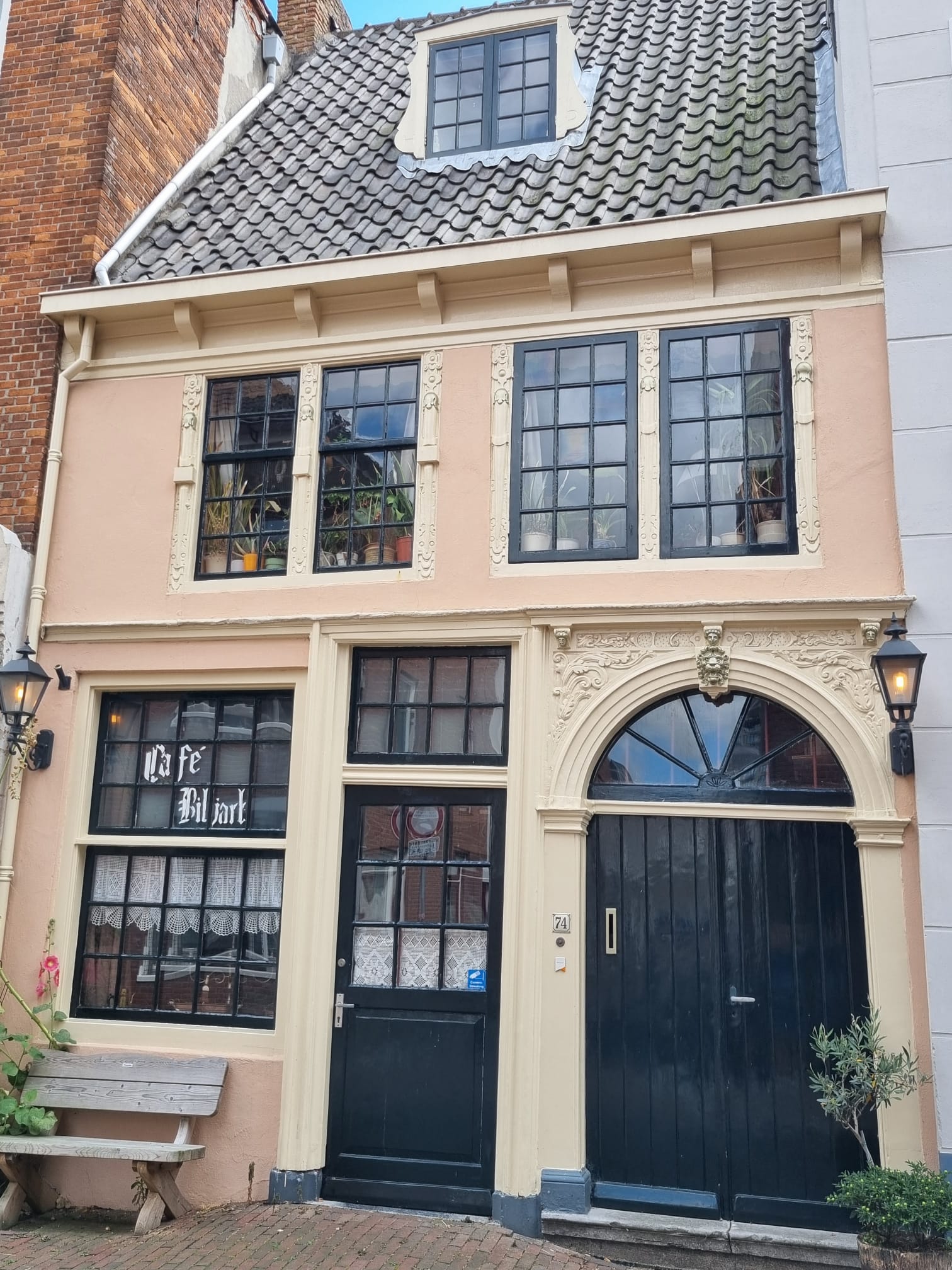
As usual, we wandered around, exploring different sites, including cathedrals, even though there were only a few in the small village of Westkapelle.
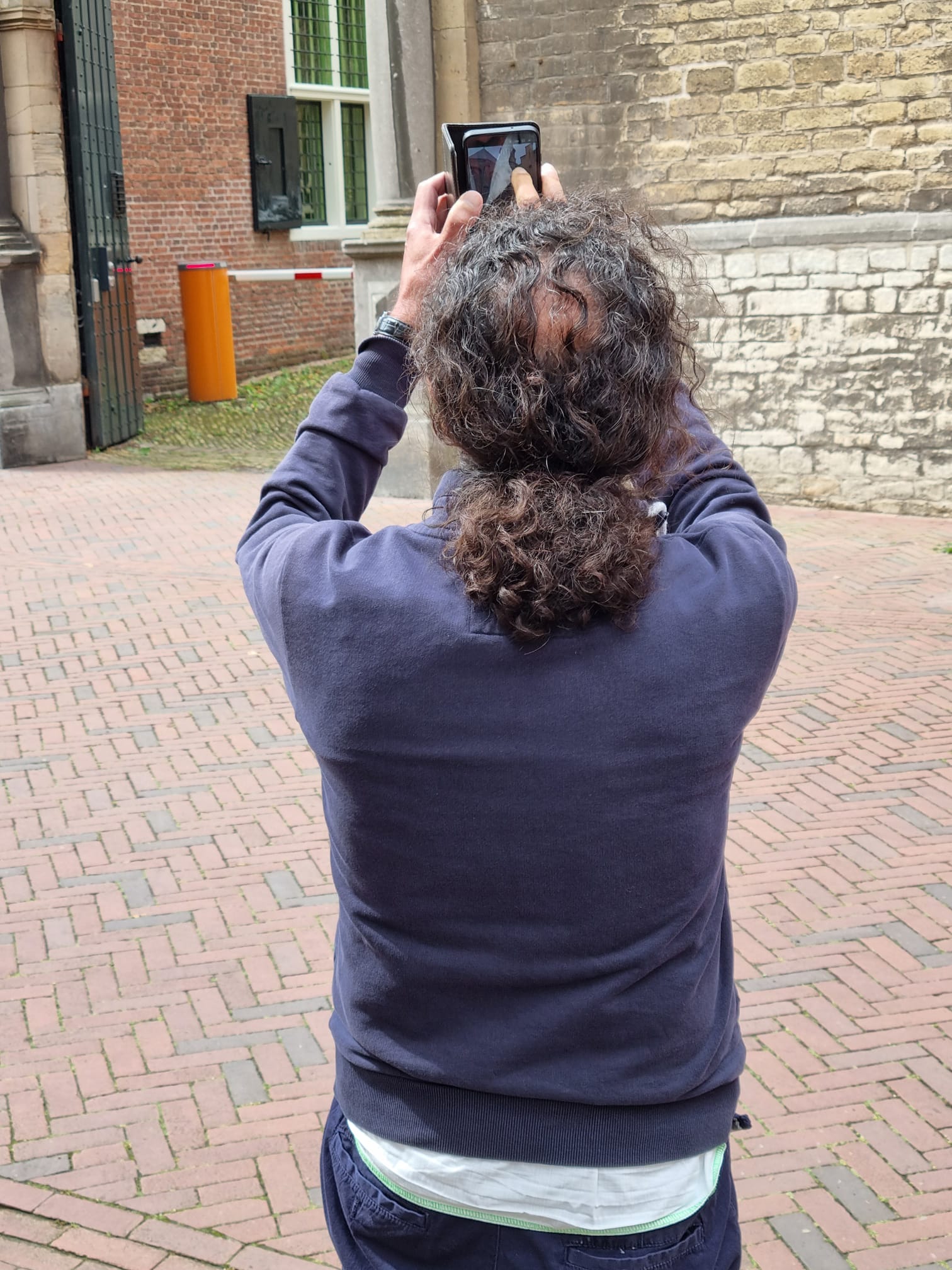
Finally, I must admit that it wouldn’t have been possible without a bike tour! And, as you might notice, I’ve lost some hair from the wind!
Wishing everyone a fantastic time! Take care of yourselves, and remember there’s a whole world beyond the internet waiting to be explored. Enjoy your treats, but be mindful not to overdo it!
The dynamic principle of fantasy is play, a characteristic also of the child, and as such, it appears inconsistent with the principle of serious work. But without this playing with fantasy, no creative work has ever yet come to birth. The debt we owe to the play of imagination is incalculable. It is, therefore, short-sighted to treat fantasy, on account of its risky or unacceptable nature, as a thing of little worth. ~Carl Jung; Psychological Types Ch. 1; Page 82. Fantasy is the creative function—the living form is a result of fantasy. Fantasy is a pre-stage of the symbol, but it is an essential characteristic of the symbol that it is not mere fantasy. ~Carl Jung, 1925 Seminar, Page 11 Source: Carl Jung Depth Psychology
Continuing from the first part of my blog, I recall the days when Al and I created our own worlds, feeling utterly disconnected from the outside world. My childhood was filled with dreams and wishes, driven by my imagination and a touch of fantasy. Perhaps it was my name that ignited my desire to make my wishes come true, with a hint of magic.
On the other hand, I didn’t want to be treated like a child. I don’t know what the issue was; maybe it was because I’d been isolated at that age. I mean, there we were, a group of five boys, Al and me, including three cousins, all nearly the same age. One of the cousins, Ham, who was around Al’s age, about two years older than me, and the other two were roughly two years younger than me, and I was stuck in the middle.
Dream Catcher by Michael Cheval
As I remember, one evening in Mashhad, when we were visiting our aunt, we were playing hide and seek — a game like ‘catch me if you can find me!’ I was so engrossed in the game that I didn’t notice Al and Ham were missing. At first, when I caught my breath from running around to find a hiding spot, I thought, ‘What’s going on with me?’ and scolded myself for acting like a child. But then I got angry when I found out Al and Ham weren’t playing with us – they were off to see a movie, and I wanted to be there with them so badly! In the evening, when we gathered again, Al and Ham began by making a reference and a joke about the movie, which I remember was called Madame. This made me feel jealous and sad. It was so obvious that my mother recognised it and tried to comfort me, but to me, her effort was like giving milk to a crying infant! So I felt even more alone and forsaken.
In Ann Yeoman’s book, we can read: …In terms of personality traits, a strong emotional attachment to what we may call the mother-realm manifests on the one hand in a certain preciousness, a sense of specialness and difference, a fictional example of which we see in James Joice’s young hero Stephen, who is always “on the fringe,” a little apart from his fellows, an isolate. On the other hand, when out of the province of the mother and, metaphorically, the reach of the mother’s watchful eye, the mother’s son experiences an incapacity to stand on his own and embrace the risks, challenges and unpredictable fullness of life, or realise the courage “to live, to err, to fall, to triumph, to recreate life out of life,”> to cite Joice once again>(A Portrait of the Artist as a Young Amn, p. 172). As a result, the puer remains dissociated from his feelings. In order to shield himself unconsciously from suffering, he protects himself from the possibility of abandonment, rejection and disappointment with an array of defences which prevent him from fully committing himself to life in the first place. Jung describes the neurosis of such a “mother’s boy” in terms of a “secret conspiracy between mother and so…. [in which] each helps the other to betray life” He continues:
Where does the guilt lie? With the mother, or with the son? Probably with both. The unsatisfied longing of the son for life and the world ought to be taken seriously. There is in him a desire to touch reality, to embrace the earth and fructify the field of the world. But he makes no more than a series of fitful starts, for his initiative as well as his staying power are crippled by the secret memory that the world and happiness may be had as a gift from the mother. The fragment of the world which he, like every man, must encounter again and again is never quite the right one, since it does not fall into his lap, does not meet him halfway, but remains resistant, has to be conquered, and submits only to force. It makes demands on the masculinity of a man, on his ardour, above all on his courage and resolution when it comes to throwing his whole being into the scales. For this, he would need a faithless Eros, one capable of forgetting his mother and undergoing the pain of relinquishing the first love of his life. ~Carl Jung, The Syzygy, Anima & Animus, Aion, CW 9ii, par. 20-21
I may laugh at that event now, but as I recall every detail, it seems it left a particular impression on me. I know I wanted to be noticed and taken seriously. However, my mother, as she always had, saw me as her lost daughter. That’s why, when I finally found my solitude, it was mostly when I woke early in the morning in my bed and looked out of the window into the street, where the summer breeze made the leaves of the poplar tree dance. I immersed myself in my fantasy world and let my imagination run freely.
First, I want to thank all my friends for their sympathy and compassion shown in my post before my surgery.
However, as I read it myself, I wasn’t sure my suffering might be misunderstood, leading everyone to think I was yowling due to physical pain. I need to mention that I wrote about my soul’s suffering! To put it bluntly, I was concerned about my kidneys, which were the primary focus for the doctors, and whether they would function or if I would need dialysis. Having transported many such patients to their therapy in my job, I know it is not a life worth living. Therefore, I would refuse any treatment like this and allow my own body to poison me to death. But I am not alone, and I can’t imagine how my family—wife, son, or grandchildren—could ever endure this tragedy.
Anyway, I’m past the surgery now and free from those horrible catheters. However, there is some uncertainty in my blood, which causes my blood levels to fluctuate. It seems I’m over the hill, though, and if these blood levels also stabilise, I’ll be over the rainbow!!
Finally, I will only let you preview one scene while I experienced it myself; surprisingly, this happened the day after I returned home. When I came home the first day, I was utterly exhausted. I had something to eat and then slept. On the second day, my wife had to go to work, so I was alone, lying on the couch for a while. I noticed a lovely sunny evening on the terrace, and I decided to step outside and enjoy sitting on the bench in front of the garden.
As I listened to the silence of nature, I closed my eyes. Suddenly, something rushed into my mind—some memory, some dream—in which I had once wished to be free of those catheters, sitting on the bench at home. There, I began to cry! It surprised me because I have always found it challenging to cry, but this time, my tears flowed like a waterfall! At that moment, I understood how heavy my suffering was.
I am now trying to regain my energy, as I lost it entirely this year. I wish you all health and prosperity. 🙏
Next week, I have my surgery appointment, and before I go under the surgeon’s knife, as the Germans say, I wanted to say “a short” goodbye. Since I know most of you are doing very well, as I receive your posts every day, every hour, you can send your positive thoughts towards my surgical table in between!
There are no words to describe the suffering and pain I endured, as I understand that one must experience it oneself to truly grasp its affliction. I hope that none of you experience that! What I can say with certainty is that I have gained invaluable insights. I learned about my weaknesses and the extent of my power. I have discovered how low one can go and where the steps are to climb up.
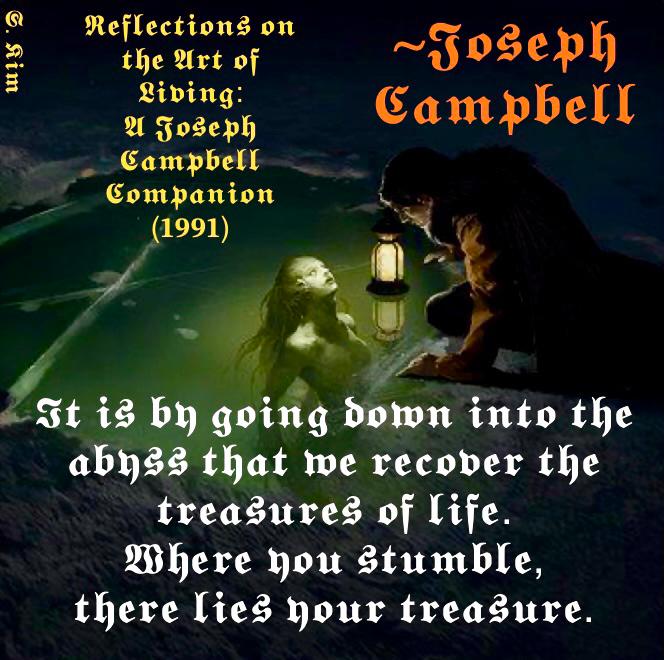
It is by going down into the abyss that we recover the treasure of life. Where you stumble, there lies your treasure. ~Joseph Campbell
I learned about my deep depression, where tiny fairies would converse with me. I’ve learned to remain resilient despite all challenges, echoing Ernest Hemingway’s words: “A man can be destroyed but not defeated.” Additionally, one of his characters, Harry Morgan, states in “To Have and Have Not”: “A man alone ain’t got no chance,” yet he persistently strives to do his best! Of course, I had support from my adorable wife, son, and a few friends. Nevertheless, during my most challenging times, it was ultimately up to me to endure that pain alone. I’m very stubborn about seeking help!
As I conclude my post, I would like to acknowledge my mentor, Dr. Jung, and his perspective on suffering:
Your ideas bring you up against a general cultural problem, which is infinitely complicated.
What is true in one place is untrue in another.
“Suffering is the swiftest steed that bears you to perfection,” and the contrary is also true.
“Breaking in” can be discipline, and this is needed for the emotional chaos of man, though at the same time it can kill the living spirit, as we have seen only too often.
In my opinion, there is no magical word that could finally unravel this whole complex of questions; nor is there any method of thinking or living or acting which would eliminate suffering and unhappiness.
If a man’s life consists half of happiness and half of unhappiness, this is probably the optimum that can be reached, and it remains forever an unresolved question whether suffering is educative or demoralising.
In any case, it would be wrong to give oneself up to relativism and indifferentism.
Whatever can be bettered in a given place at a given time should certainly be done, for it would be sheer folly to do otherwise.
Man’s fate has always swung between day and night.
There is nothing we can do to change this.
Yours sincerely,
C.G. Jung ~Carl Jung, Letters Vol. II, Page 248.
I hope everyone enjoys a tranquil and relaxing time; take care and stay healthy. 🙏💖🌹
Today (on Saturday!😮), I had to take my boss’s place, and I have just got back home, but I need to head out again soon!😜 I hadn’t planned to post anything but came across an old article I wrote years ago. So, I thought I’d share it with you before it goes stale. I hope you enjoy it somehow!🙏💖
Please don’t be shocked; this will not be an endless story! I have just a feeling that my last post about my yelping was, after all, too emotional and not clear enough.
To contemplate thereabout, I have to look at my past and review my life, but to avoid the immense length, I try to write it in a list form. First, I thank all my dear friends for their feedback, and especially among them, for their valuable suggestions.
My life is like a labyrinth; explaining this with my broken tongue (pen) is difficult.
1- It might be because of our mother’s lie to Al and me about our father’s death, which I had to carry for almost two months till I found it out by myself.
2- The next point is that Al and I were almost alone in our childhood. Our mother had to find a job to pay our father’s debt; though he was a famous writer and could be rich, he could never be a moneymaker. We had a big house with a broad yard, and you could imagine how frightening it would be for two children, nine & eleven-year-old to stay home in the evening, waiting for their mother to come home.
3- There, eternity loneliness develops, don’t you think? We have kept each other like the guardian angel, especially Al, because he was older than me, older in the year, and significantly older in mind.
4- The years passed, and we, Al and I, had made a wall to protect us. A wall, but not against our mother, a wall against the society in which we lived. That was a must, to avoid the stranger in our world. Oh yes, we have made a world just for us and nobody else. And it made us like foreigners in our own country.
5- It went all through our age of puberty, and there came the time of our mother’s death. She was married to another man then, and we (unfortunately) couldn’t accept him as a replacement for our father. Therefore, the wall grew taller and taller. The solitude casts our life.
6- We had a lot of experiences those days, so you might think twice about looking for people with walls around. I might tell you that in such countries under dictatorship and also the pressure of its traditions, the only way to escape to freedom is drugs. We had tried all possible and impossible stuff for many, many years. I can be proud to announce that I had all the drops in my veins, and now I am free of all.
7- Now about me: I have learned from my parents’ way of life that there had to be a genius to live with (in the form of a Couple. Two genius to live together… I don’t think that it might be advisable. I felt so because I had noticed how genius Al was. Therefore, I dedicated all my energy to my brother Al because I was convinced of his ability to create art. In Iran, I worked to earn money, managed a house, and all that was needed. It was, for me, a matter of course, even in our addiction period. (I was the one who could get the stuff.)
8- In all these happenings, I have forgotten to find my own identity! I know many people out there want to show me how to find it, but please stop! You have no idea!! I noticed that people, especially these days, want to give advice. (That is always calming to show the way to others) Thank you so much, but I think I am too far to see further. I might not know where I am going, but I am on my way.
9- Just to keep it short, since I lost my brother to serve him, I had to find my identity and what I am good for: I could be a musician, I could be an actor, I remember, as I gave up to make music and worked as a taxi driver, Al told me; Hey, don’t you want to continue composing? Then try writing! I thought, oh god, writing… how can I do that! I know that he knew we were both the offspring of artists. Therefore, we had to do art!




























 lampmagician
You must be logged in to post a comment.