Today I’m writing a short piece about my condition and what ultimately happened to me, for anyone’s interest. So, as you probably know, I was on vacation: first for three days with the kids, and then for two weeks in Greece. That sounds lovely, but because my urinary problems were becoming increasingly difficult, the whole experience was a real roller coaster ride for me! I wasn’t sure if I’d make it to my scheduled surgery without ending up in an emergency room in Greece—even though the Greek healthcare system is top-notch. In any case, the period from July through early August was anything but boring, but somehow I managed to get through it.
Now, I am through with the surgery, and so far, it looks like everything is okay. As I mentioned, I am feeling weak and can’t do the same things as before. I have to sit for a while after doing even a little to catch my breath. Even though I am taking antibiotics, I still feel like something isn’t right inside me. This means visiting the doctor again in the hope of solving the problems.
By the way, whenever I sit in front of a screen—whether on my phone or a computer—everything starts spinning after a while, and I have to stop immediately. So please don’t be surprised if I don’t manage to read or provide feedback on your daily or hourly posts.
As many here likely know (and some, I’m sure, feel deeply!), life isn’t easy, but we have no choice but to keep pushing forward. My political outlook has grown bleak and hopeless. You may have noticed I haven’t posted about Iran in a while. I feel like I’m being played for a fool—as if some shady game is going on behind the scenes and no one cares about people’s suffering. So let them chase profits while the Iranian opposition dreams of fame. I don’t have much time left to change or save the world. As Jalaluddin Rumi wisely said: “Yesterday I was clever, so I wanted to change the world. Today I am wise, so I am changing myself.” I’ve pretty much given up on it all.
I sincerely value your friendship, loyalty, and trust. I’ll share my contribution to the translation of Freud’s book in following. Since I will be away next week, I will be absent and leave you in peace!
Here are a few pics from our vacation to Greece. 🙏💖🌹
“Every dream, if it is really understood, not only with the intellect but really emotionally understood, has such a shot-like “Aha” effect upon one. If you do not have that, then you have not understood the dream yet…Every understood dream is like a slight electric shock into higher consciousness.” ~ Marie-Louise von Franz, Alchemical Active Imagination, pp. 55-56
Dreams: Portals to an Unfamiliar Realm! For centuries, dreams have captivated humans, acting as both a source of awe and enigma. Every night, when we sleep, we enter a realm beyond reality—a space where logic gives way to imagination and the impossible becomes normal. This mysterious world has its own rules, landscapes, and inhabitants, often reflecting our deepest fears, hopes, and desires. The true essence of dreams remains unknown. Researchers and philosophers have long debated their origins and significance. Some believe dreams are the mind’s way of processing memories and emotions, while others see them as glimpses into the subconscious that reveal our innermost thoughts. Regardless of their purpose, dreams remind us that parts of ourselves—and possibly reality—are still unexplored and mysterious. Dreams encourage us to explore our inner world and foster curiosity and self-awareness. Night after night, they show us that life is more intricate and fascinating than it appears during our waking hours. Through dreams, we glimpse a world beyond our understanding—one that often fills us with wonder or reminds us of things we’ve forgotten.
The psychological characteristics of dreams (Die psychologischen Besonderheiten des Traumes)
In this section of Freud’s book, Interpretation of Dreams, he examines the unique qualities and behaviors of dreams from a psychological viewpoint. Freud states that dreams possess distinctive characteristics that differentiate them from waking thoughts.
Since this section is lengthy, I will divide it into several parts in my translation. I hope you enjoy reading it. 🙏💖
In the scientific study of dreams, we proceed from the assumption that dreams are products of our own mental activity. Yet, the finished dream appears to us as something alien—something we feel so little urge to claim as our own creation that we are just as likely to say “Me had a dream” (mir hat geträumt) as “I dreamed” (ich habe geträumt). What is the source of this “mental alienness” of the dream? Based on our discussions regarding the sources of dreams, we might conclude that dreams do not stem from the material that finds its way into dream content; for the most part, this material is common to both dream and waking life. One might ask whether it is, in fact, alterations in the psychological processes occurring during the dream that give rise to this impression, and thus attempt to outline the dream’s psychological characteristics.
No one has emphasised the fundamental difference between dreaming and waking life more strongly, or drawn more far-reaching conclusions from it, than G. Th. Fechner in certain remarks within his Elements of Psychophysics (Vol. II, p. 520). He argues that “neither the simple depression of conscious mental life below the principal threshold nor the withdrawal of attention from external influences suffices to explain the distinctive characteristics of the dream state as opposed to waking life. Rather, he argues that the arena of dreams differs from that of waking mental imagery. “If the arena of psychophysical activity were the same during sleep and wakefulness, then, in my view, the dream could be nothing more than a continuation of waking mental imagery maintained at a lower level of intensity, and would necessarily share its content and form. But the reality is quite different.”
It has likely not become clear what Fechner meant by such a relocation of mental activity; nor, to my knowledge, has anyone else pursued the path whose trail he indicated in that remark. One would presumably have to rule out an anatomical interpretation in terms of physiological brain localisation, or even one referring to the histological layering of the cerebral cortex. Yet the idea might one day prove ingenious and fruitful if applied to a mental apparatus composed of several agencies arranged in sequence.
Other authors have contented themselves with highlighting one or another tangible psychological peculiarity of dream life and using it, for instance, as a starting point for more far-reaching attempts at explanation. It has rightly been noted that one of the principal characteristics of dream life manifests itself as early as the process of falling asleep and can be described as a phenomenon that ushers in sleep. According to Schleiermacher (p. 351), the defining feature of the waking state is that the activity of thought proceeds in terms of concepts rather than images. Now, the dream thinks primarily in images, and one can observe that, as sleep approaches—and to the same extent that voluntary activities become difficult—involuntary mental images emerge, all of which belong to the class of visual images. The inability to perform the kind of mental work we perceive as intentional, combined with the emergence of images regularly associated with this state of mental drift—these are two characteristics that remain with the dream, and that we must recognise as essential features of dream life during psychological analysis. We have learned that these images—hypnagogic hallucinations—are identical in content to dream images.
Thus, the dream thinks predominantly in visual images, though not exclusively so. It also operates with auditory images and, to a lesser extent, with impressions from the other senses. Much is also simply thought or imagined in the dream (likely represented by traces of word-presentations), just as in the waking state. Yet the only elements of content characteristic of the dream are those that behave like images—that is, those that more closely resemble perceptions than memory-images. Setting aside the debates regarding the nature of hallucinations—discussions well known to psychiatrists—we can state, in agreement with all expert authors, that the dream hallucinates, that it replaces thoughts with hallucinations. In this respect, there is no difference between visual and auditory presentations; it has been observed that the memory of a sequence of notes with which one falls asleep transforms, as one drifts off, into a hallucination of that same melody, only to give way again—upon the return to consciousness (which may alternate several times with dozing)—to the quieter and qualitatively different memory-image.
The transformation of a mental image into a hallucination is not the only way in which a dream deviates from a corresponding waking thought. From these images, the dream constructs a situation; it presents something as present and dramatises an idea—to use Spitta’s expression (p. 145). However, the characterisation of this aspect of dream life is only complete if one adds the fact that, while dreaming—as a rule (exceptions require special explanation)—one believes oneself to be experiencing events rather than thinking about them, and thus accepts the hallucinations with complete conviction. The critical realisation that one has not actually experienced anything, but merely thought—or dreamed—in a peculiar way, arises only upon waking. This characteristic distinguishes the genuine sleep dream from daydreaming, which is never confused with reality.
To be continued!
————————————————————-
Here is another quick health update: I visited my doctor—not just because I felt weak, but because my head would spin whenever I read or looked at anything online. I was experiencing vertigo. He ran blood tests and found high inflammation. I need to start antibiotics. We all must stay strong! Looking forward to seeing what the next steps bring!
Dream Stimuli and Dream Sources (Traumreize und Traumquellen)
Hello, dear friends. I’m sharing another section of Freud’s book with my translation. I hope you find it interesting and insightful. This part discusses forgetting dreams—I usually forget mine, though the ones that endure seem to stay forever. I believe we forget dreams after waking because we don’t want to remember them right away, so we push them into the unknown for later.
Anyway, Dr Freud explains why we forget our dreams, and I think his research is worth exploring, especially since Dr Carl Jung admired Freud’s work. Here are some quotes from Carl Jung’s Depth Psychology, by my good friend Lewis Lafontaine. 🙏
It is Freud’s great achievement to have put dream-interpretation on the right track. ~Carl Jung, CW 8, Para 539
“Freud was kind to people and gave them his interest; that was what cured, and that is what always cures – the human contact.” ~Carl Jung, Meetings with Jung, Page 48
Let’s proceed with Freud’s arguments. The previous chapter is available here!
Why do we forget the dream after waking up? (Warum man den Traum nach dem Erwachen vergisst?)
It is proverbial that a dream “dissolves” in the morning. Yet it is certainly capable of being remembered. After all, we know the dream only through memory after waking; yet we very often believe that we recall it only incompletely, whereas more of it was present during the night; we can observe how a dream memory—vivid in the morning—fades over the course of the day until only small fragments remain; we often know that we have dreamt, but not what we dreamt; and we are so accustomed to the experience of dreams being subject to oblivion that we do not dismiss as absurd the possibility that a person who, in the morning, knows nothing of the content or even the fact of having dreamt, might nevertheless have dreamt during the night. On the other hand, it happens that dreams display extraordinary persistence in memory. I have analysed dreams of my patients that occurred twenty-five or more years ago, and I can recall a dream of my own separated from the present by at least thirty-seven years, yet it has lost nothing of its freshness in memory. All this is very strange and, at first glance, incomprehensible.
Strümpell discusses the forgetting of dreams at greatest length. This forgetting is evidently a complex phenomenon, for Strümpell attributes it not to a single cause but to a whole series of reasons.
To begin with, the same factors that cause forgetting in waking life are at work in the forgetting of dreams. When awake, we tend to quickly forget a vast number of sensations and perceptions because they were too weak—because the mental excitation associated with them was insufficiently intense. The same applies to many dream images: they are forgotten because they were too weak, whereas stronger images that occur alongside them are remembered. However, intensity alone is not the decisive factor in retaining dream images; Strümpell, like other authors (such as Calkins), acknowledges that we often quickly forget dream images known to have been very vivid, while many of the images retained in memory are shadowy and faint. Furthermore, in the waking state, we tend to forget events that occurred only once, while remembering better those we perceived repeatedly. However, most dream images are unique experiences (though recurring dreams have been noted; cf. Chabaneix’s collection); this characteristic inevitably contributes to the forgetting of all dreams. A third reason for forgetting is far more significant. For sensations, mental images, thoughts, and the like to attain a certain degree of memorability, they must not remain isolated but rather enter into appropriate connections and associations. If one breaks a short verse down into its constituent words and jumbles them, it becomes very difficult to commit it to memory. “When well-ordered and arranged in a logical sequence, one word supports another, and the whole remains firmly, easily, and enduringly in the memory. We generally find it just as difficult—and rare—to retain nonsensical material as we do material that is confused and disordered.” Yet, in most cases, dreams lack coherence and order. Dream compositions inherently lack the basis for their own retention and are forgotten because they usually disintegrate almost immediately. – Admittedly, this view does not quite align with Radestock’s observation (p. 168) that it is precisely the strangest dreams we remember best.
Strümpell considers other factors, derived from the relationship between the dream and waking life, to be even more significant in causing dreams to be forgotten. The fact that dreams are forgotten by waking consciousness is evidently merely the counterpart to the previously mentioned fact that the dream (almost) never incorporates organised memories from waking life, but rather only isolated details torn from the familiar mental associations in which they are recalled during the waking state. Dream imagery thus finds no place within the array of mental sequences that fill the mind; it lacks all mnemonic aids. “In this way, the dream formation detaches itself, as it were, from the soil of our mental life and floats in the psychic realm like a cloud in the sky, quickly dispersed by a fresh breath of air” (p. 87). Working in the same direction is the fact that, upon waking, the encroaching sensory world immediately lays claim to one’s attention, so that very few dream images can withstand this force. They give way to the impressions of the new day just as the radiance of the stars fades before the light of the sun.
Sigmund Freud’s Letter to Carl Jung, September 19, 1907
Finally, a factor conducive to the forgetting of dreams is that most people show little interest in them to begin with. For instance, anyone who—perhaps as a researcher—takes an interest in dreams for a time will also dream more than usual during that period; this presumably means they recall their dreams more easily and more frequently. Two other reasons for the forgetting of dreams—added by Bonatelli (cited in Benini) to those proposed by Strümpell—are arguably already implicit in the latter: namely, 1) that the shift in general bodily sensation between sleep and wakefulness is unfavourable to reciprocal recall, and 2) that the different arrangement of mental imagery in dreams renders them, so to speak, untranslatable for waking consciousness.
Given all these reasons for forgetting, it becomes—as Strümpell himself emphasises—all the more remarkable that so much of our dreams is nevertheless retained in memory. The persistent efforts of authors to formulate rules for recalling dreams amount to an admission that, here too, something remains enigmatic and unresolved. Certain peculiarities in the recollection of dreams have rightly attracted special attention of late—for instance, the fact that a dream one believes to have forgotten in the morning may be recalled later in the day, triggered by a perception that happens to touch upon the dream’s—supposedly forgotten—content (Radestock, Tissié). However, the entire phenomenon of dream recall is subject to an objection that could well lead a critical observer to devalue it significantly. One might question whether our memory—which omits so much of the dream—also distorts the fragments it has preserved.
Strümpell also voices doubts about the accuracy of dream reproduction: “It easily happens, then, that waking consciousness involuntarily inserts various elements into the memory of the dream: one imagines having dreamt all sorts of things that the actual dream did not contain.” Jessen expresses himself particularly emphatically on this point (p. 547): “Moreover, when examining and interpreting coherent and logical dreams, one must give serious consideration to a circumstance that—it seems—has hitherto received little attention: namely, that the truth is almost always compromised in the process, because, when we recall a dream we have had, we—without noticing or intending to—fill in and supplement the gaps in the dream imagery. Rarely, and perhaps never, was a coherent dream actually as coherent as it appears to us in memory. Even for the most truthful person, it is scarcely possible to recount a remarkable dream one has experienced without any additions or embellishments; the human mind’s drive to perceive everything as a coherent whole is so strong that, when recalling a somewhat disjointed dream, it involuntarily supplies the missing links in the narrative.”
V. Egger’s remarks, which were certainly conceived independently, sound almost like a translation of Jessen’s words: »… l’observation des rêves a ses difficultés spéciales et le seul moyen d’éviter toute erreur en pareille matière est de confier au papier sans le moindre retard ce que l’on vient d’éprouver et de remarquer; sinon, l’oubli vient vite ou total ou partiel; l’oubli total est sans gravité; mais l’oubli partiel est perfide; car si l’on se met ensuite à raconter ce que l’on n’a pas oublié, on est éxposé à compléter par imagination les fragments incohérents et disjoints fourni par la mémoire …; on devient artiste à son insu, et le récit periodiquement répété s’impose à la créance de son auteur, qui, de bonne foi, le présente comme un fait authentique, dûment établi selon les bonnes méthodes …« {Observing dreams poses particular difficulties, and the only way to avoid error in such matters is to commit to paper, without the slightest delay, what one has just experienced and noted; otherwise, forgetting—whether total or partial—quickly sets in. Total forgetting is of no consequence, but partial forgetting is treacherous; for if one subsequently sets out to recount what has not been forgotten, one risks filling in the gaps—using one’s imagination—within the incoherent, disjointed fragments supplied by memory… One becomes an artist unwittingly, and the story, through repeated telling, comes to be believed by its own author, who then—in good faith—presents it as an authentic fact, duly established according to sound methods…}
Spitta (p. 338) holds a very similar view; he seems to assume that it is only when we attempt to reproduce the dream that we introduce order into the loosely associated dream elements—”transforming the side-by-side arrangement into a sequence or a separation, thereby adding the process of logical connection that is absent in the dream.” Now, since we possess no means of verifying the accuracy of our memory other than objective confirmation—which is impossible in the case of a dream, an experience of our own for which memory is the sole source—what value can we still attach to our memory of the dream?
_____________Stay tuned! More coming soon!_________________
Thank you all so much, dear friends. As for my condition, I was constantly bouncing around and acting without paying attention to my age. But after the recent surgery, I realise, and must admit, with my tired bones, that I am an old man now! This is the reality of life on this earth, and I accept it. I may write an extra post about that.
Egoism is a philosophical concept and a term that carries significant weight in both ethics and psychology. Derived from the Latin word “ego,” meaning “I” or “self,” egoism centres on the self as the primary, and sometimes sole, motivator of human action. The suffix “-ism” denotes a doctrine or belief, so egoism essentially refers to a system of thought based on the self.
Historically, the term began to take shape in the 18th and 19th centuries, although its roots are much older. Philosophers in ancient Greece, such as Socrates and Epicurus, discussed ideas related to self-interest and personal happiness, but the formal conceptualisation of egoism came later. In the 17th century, thinkers like Thomas Hobbes argued that humans are fundamentally motivated by self-interest, a view that laid the groundwork for later theories. Nowadays—or indeed for quite some time—however, it is perceived as an insult or as offensive. (Egoist!)
In ethics, egoism is most often discussed in two forms: psychological egoism and ethical egoism. Psychological egoism holds that humans naturally act in their own self-interest, even when their actions appear altruistic. In contrast, ethical egoism holds that individuals ought to act in their own best interests. The concept became especially prominent in the works of philosophers such as Max Stirner and Ayn Rand, who advocated the primacy of the self in moral reasoning.
I’ve personally had many experiences with ego and egoism, noticing them in my environment, and I also learned to temper my ego and let it fade away while living with my brother Al. I wanted to support him in his success and, therefore, keep hidden the desires and motivations that would feed my ego.
Today, egoism remains a controversial yet influential idea. It challenges assumptions about morality, altruism, and social responsibility, and continues to spark debate among philosophers, psychologists, and everyday thinkers alike.
“We could all be mediums, and all have absolute knowledge, if the bright light of our ego-consciousness would not dim it.”
~Marie-Louise von Franz
In Carl Jung’s psychology, the ego is the necessary centre of conscious awareness and identity, and it serves as the basis for enduring, translating, and integrating the overwhelming forces of the unconscious. “The first half of life is devoted to forming a healthy ego; the second half is going inward and letting go of it,” said Betty DeShong Meador, an American Jungian analyst. Carl Jung himself said something similar: “But we cannot live the afternoon of life according to the program of life’s morning; for what was great in the morning will be little at evening, and what in the morning was true will at evening have become a lie.” (From ‘The Structure and Dynamics of the Psyche’)
Here, I’d like to present an excerpt from Marie-Louise von Franz’s book, The Interpretation of Fairy Tales. A simple and remarkable explanation of why the ego is necessary.
Illustration at the top: Lágrima (Tear), Digital surrealist painting by Marcel Caram
The Interpretation of Fairy Tales (The Three Feathers, p. 61-62)
…Imagine, for instance, that your instinct tells you to run away in a dangerous situation. (You do not require a very conscious ego to tell you that.) If a bull chases you, you do not need to consult your ego; you had better consult your legs, which know what to do. But if the ego functions with your legs, so that while running away from the bull, you also look for a good hiding place or a fence to jump over, then the situation is perfect: your instincts and your ego function in accord with each other. If, on the other hand, you are a philosopher whose legs want to run away but who thinks: “Stop! I must first find out whether it is right to run away from a bull,” then the ego blocks the instinctual urge; it has become autonomous and anti-instinctive and then becomes a destructive nuisance, such as we see in every neurotic individual. A neurosis could even be defined as an ego formation no longer in harmony with the whole personality, whereas when the ego functions in accordance with the larger totality, it reinforces itself and improves the innate cleverness of the basic instinctive arrangement.
Naturally, sometimes the ego would also be useful in resisting instinct. Imagine, for instance, the North Arctic lemmings, which get an instinctual urge to make a migration into another country where they can start again with a new food supply. Driven by an instinctual urge, they collect together and then march on. If, by a piece of bad luck, they come to the sea or a river, they go into it and drown by the thousands. I am sure you know this story, which has always puzzled zoologists, for it shows the silly unadaptedness of some natural instinct. Konrad Lorenz once gave a lecture with many such examples; I remember one about a bird which, to please his mate in the mating season, produces an enormous red sack on his chest with which to enforce his mating songs. This red sack is so heavy that he can not fly, so his enemies gather and butcher that bird. So that is not a good invention. A beautiful red tail or a red behind like a baboon’s to please his wife would be much better and would not prevent him from flying away. So you see, instinctual patterns are not only positive. If a lemming could ask itself what it was doing and reflect that it did not want to drown, and could go back, that would be very useful for it. So that is probably why nature has invented the ego as a new instrument for us; we are a new experiment of nature, for we have an additional instrument for regulating the instinctual urges. We do not live only on our patterns of behaviour but have this strange addition known as the ego.
PS: While I’m still itching my way towards better health every day, I am not giving up hope. Next week, I will continue with the post on Freud’s work. Thank you all for being there. 🙏💖
Dream Stimuli and Dream Sources (Traumreize und Traumquellen)
Hello, friends! Building on my previous post, I want to share a new insight from Freud’s dream analysis. He emphasizes the crucial role dreams play and their profound impact on our lives. I’ve often observed that during sleep and dreaming, my body feels more sensitive than when I am awake. In dreams, our souls are much more attuned to our bodies’ condition and our traumas. As Dr Jung said: “For what is the body? The body is merely the visibility of the soul, the psyche, and the soul is the psychological experience of the body. So it is really one and the same thing.” ~Carl Jung, Zarathustra Seminar, Page 355. And: Soul and body are not two things. They are one. ~Carl Jung, Zarathustra Seminar, Page 355
Ad 3) Internal, organic bodily stimulus
If we look for the sources of dreams not outside the organism but within it, we must remember that almost all our internal organs—which, in a healthy state, scarcely make us aware of their existence—become sources of usually unpleasant sensations in states of irritation or illness. These sensations must be placed on the same level as the external stimuli that cause pain or other sensations. These are very old observations that led Strümpell, for example, to state (p. 107): “In sleep, the soul attains a much deeper and broader sensory awareness of its corporeality than in the waking state, and is compelled to receive and be affected by certain sensory impressions originating from parts and changes in its body of which it was unaware while awake.” Aristotle himself considered it entirely possible that one might be alerted in a dream to the onset of a disease that is not yet perceptible in the waking state (by virtue of the amplification the dream accords to impressions; see p. 13 above), and medical authors—who were certainly far from believing in any prophetic gift of dreams—have acknowledged this significance of dreams, at least with regard to the early warning signs of illness. (Cf. M. Simon, p. 31, and many earlier authors.)
There appears to be no shortage of authenticated examples of such diagnostic functions of dreams, even in recent times. For instance, Tissié—citing Artigues (Essai sur la valeur séméiologique des rêves[Treatise on the Semiotic Value of Dreams])—reports the case of a forty-three-year-old woman who, while seemingly in perfect health, was troubled by anxiety dreams for several years; a medical examination later revealed the onset of a heart condition to which she soon succumbed.
Established disorders of the internal organs evidently act as dream-precipitating factors for a considerable number of people. Attention is often drawn to the prevalence of anxiety dreams among those suffering from heart and lung diseases; indeed, many authors place such emphasis on this connection between dream life and physical ailment that I may here content myself with a mere reference to the literature (Radestock, Spitta, Maury, M. Simon, Tissié). Tissié even suggests that diseased organs leave a characteristic imprint on dream content. The dreams of cardiac patients are usually very brief and end with a sudden, startled awakening; the scenario of death under gruesome circumstances almost invariably plays a role in their content. Patients with lung disease dream of suffocation, crowding, and flight, and they are subject in striking numbers to the familiar nightmare—which, incidentally, Börner was able to induce experimentally by having subjects lie face down and covering their respiratory openings. In cases of digestive disorders, dreams contain imagery related to eating and disgust. Finally, the influence of sexual arousal on dream content is palpable in everyone’s experience and provides the strongest support for the entire theory of dream formation triggered by organic stimuli.
When one examines the literature on dreams, it is also quite unmistakable that certain authors (Maury, Weygandt) were led to study the problems of dreaming by the influence of their own pathological conditions on the content of their dreams.
Incidentally, the addition to the sources of dreams drawn from these indisputably established facts is not as significant as one might suppose. After all, dreaming is a phenomenon that occurs in healthy individuals—perhaps in everyone, and perhaps every night—and for which organic disease is evidently not an essential condition. For us, however, the question is not where specific dreams originate, but rather what the source of stimulation might be for the ordinary dreams of normal people.
Yet only one further step is needed to arrive at a source of dreams more abundant than any before it and seemingly inexhaustible. If it is established that the interior of the body, when diseased, becomes a source of dream stimuli, and if we grant that the mind during sleep—cut off from the outside world—can pay greater attention to the body’s interior, then it is natural to assume that the organs need not actually be diseased in order to transmit excitations to the sleeping mind, excitations that somehow turn into dream images. What we perceive only dimly in the waking state—as a general bodily sensation defined merely by its quality, to which, in the physicians’ view, all organ systems contribute—would, if it exerted a powerful influence at night and became active through its individual components, be the most potent and, at the same time, the most common source for the generation of dream images. The remaining task would then be to investigate the rules by which these organic stimuli are transformed into dream images.
We have here touched on the theory of dream formation that has become the preferred one among medical authors. The obscurity in which the core of our being—the moi splanchnique, as Tissié calls it—is hidden from our knowledge, and the obscurity surrounding the origin of dreams, are too closely related not to be linked. Moreover, the line of reasoning that identifies vegetative organic sensation as the source of dreams has another attraction for the physician: it allows for an etiological connection between dreams and mental disorders—phenomena that show such striking similarities—since alterations in general somatic sensation and stimuli arising in the internal organs are also considered to be of far-reaching significance in the genesis of psychoses. It is therefore not surprising that the theory of somatic stimulation can be traced to more than one originator who proposed it independently.
~Carl Jung; The Spiritual Problem of Modern Man; CW 10: 195.
For many authors, Schopenhauer’s line of reasoning, developed in 1851, became decisive. Our worldview arises within us because our intellect casts the impressions it receives from outside into the forms of time, space, and causality. Stimuli originating within the organism—specifically from the sympathetic nervous system—at most exert an unconscious influence on our mood during the day. At night, however, once the overpowering effect of daytime impressions has faded, those impressions rising from within can command attention—much as, at night, we can hear the trickling of a spring that the noise of the day had made inaudible. Yet how else is the intellect to respond to these stimuli than by carrying out its own characteristic function? It therefore transforms the stimuli into forms filling space and time—forms that move along the thread of causality—and thus the dream is born. Scherner and, later, Volkelt sought to examine more deeply the relationship between bodily stimuli and dream images; we shall reserve our assessment of their work for the section on dream theories.
In a particularly rigorous study, the psychiatrist Krauß traced the origin of dreams—as well as deliriums and delusions—back to the same source: the organically conditioned sensation. It is scarcely possible to conceive of any part of the organism that could not serve as the starting point for a dream or a delusional image. However, the organically conditioned sensation “can be divided into two categories: 1) that of general bodily states (coenesthesias), and 2) that of specific sensations inherent to the principal systems of the vegetative organism—of which we have distinguished five groups: a) muscular sensations, b) pneumatic, c) gastric, d) sexual, and e) peripheral.” (P. 33 of the second article.)
Krauß describes the process by which dream images arise from bodily stimuli as follows: the sensation that has been aroused, in accordance with some law of association, evokes a related mental image and combines with it to form an organic entity; however, consciousness relates to this entity differently than it normally would. For it pays no attention to the sensation itself but directs its focus entirely toward the accompanying mental images, which is precisely why this phenomenon could go unrecognised for so long (pp. 11 ff.). Krauß also uses a specific term for this process: the “transubstantiation” of sensations into dream images (p. 24).
While the influence of organic bodily stimuli on dream formation is almost universally acknowledged today, the question of the law governing the relationship between the two receives widely varying—and often obscure—answers. Within the framework of the bodily stimulus theory, the specific task of dream interpretation is to trace a dream’s content back to the organic stimuli that caused it; yet, unless one accepts the rules of interpretation discovered by Scherner, one is often confronted with the awkward fact that the source of the organic stimulus reveals itself through nothing other than the content of the dream itself.
However, there is a fairly consistent interpretation of various forms of dreams—called “typical” because they recur in so many people with very similar content. These include the well-known dreams of falling from a height, losing teeth, flying, and the embarrassment of being naked or scantily clad. The latter is said to arise simply from noticing, while asleep, that one has kicked off the bedclothes and is lying exposed. The dream of losing teeth is attributed to “dental irritation”—though this does not necessarily imply a pathological state of excitation in the teeth. According to Strümpell, the dream of flying is an apt image used by the psyche to interpret the quantity of stimulation arising from the rising and falling of the lungs, at a moment when tactile sensation in the chest has faded to the point of unconsciousness. It is this latter circumstance that mediates the sensation associated with the idea of floating. The sensation of falling from a height is said to arise when—after conscious awareness of tactile pressure has been lost—an arm drops against the body, or a drawn-up knee suddenly straightens; this restores the sensation of tactile pressure to consciousness, while the transition to conscious awareness is psychically embodied as a dream of falling (Strümpell, p. 118). The weakness of these plausible explanatory attempts evidently lies in the fact that, without further evidence, they allow various groups of organic sensations either to vanish from mental perception or to force themselves upon it, simply in order to create the constellation favourable to the explanation. Incidentally, I shall have occasion later to return to these typical dreams and their origins.
M. Simon has attempted to derive certain rules regarding the influence of organic stimuli on the determination of dream content by comparing a series of similar dreams. He states (p. 34): If, during sleep, an organic system that normally participates in the expression of an affect enters—due to some other cause—the state of excitation into which it is otherwise thrown by that affect, then the resulting dream will contain ideas appropriate to that affect.
Another rule states (p. 35): If an organic system is active, excited, or disturbed during sleep, the dream will produce images related to the performance of the organic function carried out by that system.
Mourly Vold undertook the task of experimentally demonstrating, within a specific area, the influence on dream formation posited by the theory of somatic stimuli. He conducted experiments in which he altered the positions of the sleeper’s limbs and compared the resulting dreams with these modifications. He presents the following propositions as his findings.
The position of a limb in a dream roughly corresponds to its position in reality; that is, one dreams of a static state of the limb that matches the actual one.
When one dreams of the movement of a limb, that movement always takes a form in which one of the positions assumed during its execution corresponds to the actual position.
One may also attribute the position of one’s own limb in a dream to another person.
One may also dream that the movement in question is impeded.
In the dream, the limb in the position concerned may appear as an animal or a monster, establishing a certain analogy between the two.
The position of a limb in a dream can give rise to thoughts related to that limb; for instance, if one is occupied with one’s fingers, one dreams of numbers. From such findings, I would conclude that even the theory of somatic stimuli cannot entirely eliminate the apparent freedom involved in determining the dream images to be evoked.
It will continue, though I don’t yet know exactly when. On Monday I’m heading off again—not far this time, just to a nearby hospital for another surgery! My last break (holiday) was a mix of heaven and hell. For about two weeks now, I’ve been spending a huge amount of time in the bathroom, and it’s absolutely no fun at all!! Thank you all. Be safe and well. 🙏🤗💖
I’m sharing a brief update today to avoid repeating last week’s mistake of not mentioning my absence. After three days, I took a short trip with my wife and kids. We’re also planning another two-week holiday near Athens, Greece, starting on Sunday. Although my current situation isn’t ideal, I feel like I’m in a twilight zone (pardon me; I pray to be able to empty my bladder every time I go to the toilet!). Still, I don’t want to cancel this trip, which my wife is very excited about. So, after the vacation, before the vacation!
Reflecting on my age, I don’t feel like I’ll be seventy-two soon. I don’t act like a typical person my age, and people are often surprised when they find out how old I am. I recognise that ageing brings wisdom and value: as Carl Jung said, “Life really does begin at forty. Up until then, you are just doing research.” This idea divides human life into two psychological phases, shifting the focus from survival to inner purpose. “Die Lebenswende” (translated as “The Turning Point of Life” or “The Stages of Life”), a pivotal 1930/1931 essay by Carl Jung.
Certainly, he focuses more on the mental aspect than the physical, as I observe daily that I cannot act or react as I once did. There’s a fleeting warning to slow down; I’m no longer as quick as I used to be.
Eventually, we all age gradually and need to accept our situation, but we should never lose sight of the child within us! Also, continue researching and asking questions; learning never ends. Take care, dear friends.
“Song For The Asking” Here is my song for the asking Ask me, and I will play So sweetly, I’ll make you smile This is my tune for the taking Take it, don’t turn away I’ve been waiting all my life Thinking it over, I’ve been sad Thinking it over, I’d be more than glad To change my ways for the asking Ask me, and I will play All the love that I hold inside
PS: I’ll leave the comment open, though I might reply later. You might be aware that I’m on my way and uncertain when I’ll be able to respond. I don’t want to miss your generosity; thanks in advance. 🥰🙏💖
Dream Stimuli and Dream Sources (Traumreize und Traumquellen)
While reading and translating this study from Freud’s work on dreams, I was reminded of an episode of Star Trek: The Next Generation, “Night Terrors,” due to its similarities to REM sleep. Of course, Freud was unaware of this concept; REM sleep was officially identified in 1953 by Eugene Aserinsky and Nathaniel Kleitman at the University of Chicago. Aserinsky, then a graduate student, observed rapid eye movements during sleep in both infants and adults and linked these active sleep phases to vivid dreaming. Anyway, in the classic Star Trek: The Next Generation episode “Night Terrors” (Season 4, Episode 17), the USS Enterprise crew becomes trapped in a space anomaly called a Tyken’s Rift. This Rift prevents them from entering REM sleep, leading to widespread paranoia, intense hallucinations, and aggressive behaviour unless they find a remedy. As a result, they are unable to sleep or dream and begin to daydream.
Rapid Eye Movement (REM) sleep is a unique sleep phase marked by quick eye movements, increased brain activity, and vivid dreams. It happens several times each night, making up 20-25% of an adult’s sleep. REM sleep is essential for both mental and physical health, boosting cognitive abilities such as memory, learning, and emotional regulation by helping the brain process and organise information, consolidate memories, and discard unnecessary data. Good REM sleep enhances problem-solving, creativity, and emotional stability. It also plays a role in physical recovery, especially in brain development during infancy and childhood. Disruptions to REM sleep are associated with mood disorders, memory issues, and weakened immune function. Long-term REM deprivation may lead to irritability, concentration problems, and increased stress sensitivity. Overall, REM sleep is crucial for brain function, emotional health, and physical well-being.
So, let’s now return to Freud’s concerns about dreams, stimuli, and their sources. (previous)
Ad 2) Internal (subjective) sensory excitation (Ad 2) Innere (subjektive) Sinneserregung)
Despite all objections, one must admit that the role of objective sensory excitations during sleep as dream stimuli is indisputable. If, in terms of their nature and frequency, these stimuli appear insufficient to explain all dream images, one is prompted to look for other sources of dreams that operate analogously. I do not know where the idea first arose of invoking internal (subjective) excitations within the sense organs alongside external sensory stimuli; it is a fact, however, that this is done with varying degrees of emphasis in all recent accounts of dream aetiology. “Furthermore,” says Wundt (p. 363), “subjective visual and auditory sensations—those known to us from the waking state as the ‘light chaos’ of the dark visual field, as ringing or buzzing in the ears, etc., and among them especially subjective retinal excitations—play a significant role in dream illusions, explaining the dream’s curious tendency to conjure up before the eye a multitude of similar or identical objects. We see countless birds, butterflies, fish, colourful beads, flowers, and the like spread out before us. Here, the ‘light dust’ of the dark visual field has assumed fantastic shapes; the numerous points of light that compose it are embodied in the dream as an equal number of individual images, which, owing to the mobility of the light chaos, are perceived as moving objects. – It is likely here, too, that the dream’s strong tendency towards a wide variety of animal forms has its roots, as the richness of their shapes readily adapts to the specific forms of these subjective light images.”
As a source of dream images, subjective sensory excitations evidently have the advantage of not being dependent on external chance, as objective ones are. They are, so to speak, at the disposal of any explanation that requires them. However, they fall short of objective sensory stimuli in that it is difficult, or even impossible, to obtain the kind of confirmation of their role as dream-instigators that observation and experiment yield for the latter. The primary evidence for the dream-inducing power of subjective sensory excitations comes from so-called hypnagogic hallucinations, which Johannes Müller described as “fantastic visual phenomena.” These are often highly vivid, shifting images that tend to appear during the period of falling asleep—quite regularly in many people—and may persist for a time even after the eyes are opened. Maury, who was deeply influenced by them, devoted a detailed study to them and asserted their connection—or rather, their identity—with dream images (a view also held, incidentally, by Johannes Müller). According to Maury, their emergence requires a certain mental passivity, a relaxation of attentional tension (pp. 59 et seq.). Yet it suffices to lapse into such a state of lethargy for even a second—given the appropriate predisposition—to experience a hypnagogic hallucination, from which one may wake up again, until this interplay of drifting off to sleep, repeated several times, finally concludes. If one wakes up after a relatively short time, as Maury notes, it is often possible to identify the very same images in the dream that had appeared as hypnagogic hallucinations before falling asleep (p. 134). That is what happened to Maury once with a series of grotesque figures—featuring distorted expressions and peculiar hairstyles—that pestered him with incredible persistence as he drifted off to sleep, and which he recalled dreaming about upon waking. On another occasion, while suffering from hunger due to a strict diet he had imposed on himself, he saw—hypnagogically—a bowl and a hand armed with a fork, taking some food from the bowl. In his dream, he found himself at a lavishly spread table and heard the sounds the diners made with their forks. Yet another time, as he fell asleep with irritated, aching eyes, he experienced a hypnagogic hallucination of microscopic characters that he had to decipher one by one with great effort; upon being woken after an hour, he recalled a dream featuring an open book printed in tiny type, which he had been obliged to read through laboriously.
Much like these images, auditory hallucinations of words, names, and similar sounds can also occur hypnagogically and then repeat themselves in the dream—acting, as it were, like an overture announcing the leitmotifs of the opera that begins with it. G. Trumbull Ladd, a more recent observer of hypnagogic hallucinations, follows the same path as Joh. Müller and Maury. Through practice, he managed to rouse himself abruptly from sleep—without opening his eyes—two to five minutes after drifting off; this allowed him to compare the retinal sensations, which were just fading, with the dream images persisting in his memory. He asserts that a close relationship between the two was evident in every instance: the luminous points and lines of the retina’s intrinsic light provided, as it were, the outline or schematic framework for the dream figures perceived by the mind. For example, a dream in which he saw lines of clear print—which he proceeded to read and study—corresponded to an arrangement of luminous retinal points in parallel lines. To use his words: the clearly printed page he had read in his dream dissolved into an object that, to his waking perception, resembled a fragment of an actual printed sheet viewed—from too far away to discern details—through a tiny hole in a piece of paper. Ladd—without, incidentally, underestimating the central role of the phenomenon—suggests that hardly any visual dream occurs within us that does not draw upon the material of the retina’s internal states of excitation. This applies particularly to dreams occurring shortly after falling asleep in a dark room.
A sequel will continue, though I can’t say when I’ll be able to do this or any other post! Thank you all. 💖🙏
I remember watching an intriguing film, A Dangerous Method, years ago, directed by David Cronenberg. It’s based on Christopher Hampton’s play and is “drawn from true-life events.” The film offers a fictionalised account of the complex six-year relationship between Sigmund Freud and Carl Jung, including a period when they shared a patient, Sabina Spielrein. I find the dynamic between Freud and Jung fascinating, and their connection with the remarkable Sabina Spielrein adds even more intrigue.
Before I proceed with my translation of Freud’s dream analysis (The last part, here!), I want to begin with a brief essay by Susan E. Schwartz, a Jungian Analyst, on the intriguing relationship between Jung and Freud. My thanks go to Laura London for sharing it on @JungianLaura on X. It is definitely included in an episode of Speaking of Jung: Interviews with Jungian Analysts.
“From Jung’s point of view, Freud initially fulfilled the role of a respected father figure. Jung hoped to have the autonomy and freedom to pursue his scientific enquiry, based on Freud’s ideas but revised in light of his own research. This research led to his interpretations, revisions, and additions, including his views on the nature and function of libido, and to the broadening of ideas about the complex and the collective unconscious. Jung’s ideas meant departing from the Freudian focus on the Oedipus complex by incorporating universal archetypal themes and by elaborating and reinterpreting the concept of the Self.
Jung and Freud ended their powerful, earth-shaking connection, leaving a compelling residue of feelings, concepts, and differences that influenced subsequent followers. Their mutual, unconscious and unmet expectations left the profession in opposition. Over the years, they have remained polarised like those dysfunctional fathers and sons who cannot communicate, include each other or share ideas.” (Though I tend more towards Tesla and Edson as examples, mine!)
~Susan E. Schwartz, PhD, Absent Fathers, Yearning Sons: A Jungian Analysis of the Father-Son Dynamic, p. 61
Photo by Liam Daniel. From the film, A Dangerous Method (since we don’t have many photos of Jung and Freud together).
Let’s explore Freud’s attempt to interpret dreams. Although it might seem somewhat primitive, there’s much to learn from these basic perspectives. As Dr Jung states,
“one of the most important sources of the primitive belief in spirits is dreams. People often appear as actors in dreams, and primitive individuals easily believe these figures to be spirits or ghosts. For them, dreams hold a much greater significance than they do for civilised people.” ~Carl Jung, CW 8, Para 574
Dream Stimuli and Dream Sources (Traumreize und Traumquellen)
What is meant by “dream stimuli” and “dream sources” can be illustrated by referring to the popular saying, “Dreams come from the stomach.” Underlying these concepts is a theory that views the dream as the result of a disturbance to sleep. One would not have dreamed had something disturbing not stirred during sleep, and the dream is the reaction to that disturbance.
Discussions of the precipitating causes of dreams occupy the greatest space in authors’ accounts. It goes without saying that this problem could only arise once the dream had become a subject of biological research. The ancients, who regarded the dream as a divine message, had no need to seek a source of stimulation for it; the dream originated in the will of a divine or demonic power, and its content derived from that power’s knowledge or intention. For science, the question immediately arose as to whether the stimulus for dreaming was always the same or could be manifold, and with this came the consideration of whether the causal explanation of the dream fell within the province of psychology or, rather, of physiology. Most authors seem to assume that the causes of sleep disturbance—that is, the sources of dreaming—can take many forms, and that somatic stimuli, no less than mental excitations, can serve as dream instigators. Opinions, however, diverge widely on which of these dream sources should be prioritised and how they should be ranked by their significance in the dream’s formation.
When the enumeration of the sources of dreams is complete, four types emerge—which have also been used to classify dreams: 1) External (objective) sensory excitation. 2) Internal (subjective) sensory excitation. 3) Internal (organic) bodily stimulus. 4) Sources of stimulation that are purely psychic.
Sigmund Freud in his study.
Ad 1) The external sensory stimuli (Die äußeren Sinnesreize)
The younger Strümpell—son of the philosopher whose work on dreams has already served us several times as a guide to the problems of dreaming—famously reported the case of a patient suffering from general anaesthesia of the body surface and paralysis of several higher sense organs. Whenever the few remaining sensory gateways to the outside world were closed off for this man, he would fall asleep. When we wish to go to sleep, we all tend to seek a situation resembling the one in Strümpell’s experiment: we close the most important sensory gateways—our eyes—and try to shield the other senses from any stimulus or any change in the stimuli acting upon them. We then fall asleep, even though we never fully succeed in this endeavour; we can neither completely keep stimuli away from our sense organs nor entirely eliminate the excitability of those organs. The fact that we can be awakened at any time by stronger stimuli serves as proof that “the mind remains in continuous connection with the external world even during sleep.” The sensory stimuli that reach us during sleep can very well become sources of dreams.
There is a wide range of such stimuli—from the inevitable ones inherent in the state of sleep (or those that sleep merely allows to occur occasionally) to the chance stimulus capable of, or destined to, put an end to sleep. Intense light may penetrate the eyes, a noise may become audible, or an odoriferous substance may irritate the nasal mucosa. During sleep, we may expose parts of the body through involuntary movements—thereby subjecting them to a sensation of cold—or generate sensations of pressure and touch by shifting our position.
A fly might sting us, or a minor nocturnal mishap might assail several senses at once. Observers have collected a series of dreams in which the stimulus was identified upon waking, and a portion of the dream content corresponded closely enough to the stimulus for it to be recognised as the source of the dream.
I cite here a collection of such dreams—stemming from objective, more or less accidental, sensory stimulation—following Jessen (p. 527): Any indistinctly perceived noise evokes corresponding dream images; the rolling of thunder transports us into the midst of a battle; the crowing of a rooster can transform into a person’s scream of terror; and the creaking of a door can trigger dreams of burglaries. If we lose our bedcovers during the night, we might dream that we are walking about naked or have fallen into water. If we lie askew in bed with our feet protruding over the edge, we might dream that we are standing at the brink of a terrifying abyss or plunging from a steep height. If our head happens to slip beneath the pillow, a massive rock looms over us, on the verge of burying us under its weight. An accumulation of semen produces voluptuous dreams; localised pain gives rise to the notion of suffering abuse, hostile attacks, or physical injury…
“Meier (*Attempt at an Explanation of Sleepwalking*, Halle 1758, p. 33) once dreamt that he was set upon by several individuals who laid him flat on his back on the ground and drove a stake into the earth between his big toe and the next. As he imagined it in his dream, he awoke to find a straw wedged between his toes. According to Hennings (*On Dreams and Sleepwalkers*, Weimar 1784, p. 258), on another occasion—when he had pinned his shirt somewhat tightly around his neck—he dreamt that he was being hanged. Hoffbauer dreamt in his youth of falling from a high wall, and upon waking, noticed that the bed frame had come apart and that he had indeed fallen… Gregory reports that he once placed a hot-water bottle at his feet before going to bed and subsequently dreamt of a journey to the summit of Mount Etna, where he found the ground’s heat almost unbearable. Another person, after having a blister plaster applied to his head, dreamt that he was being scalped by a band of Native Americans; a third, sleeping in a damp shirt, believed he was being dragged through a river. A gout attack occurring during sleep led a patient to believe he was in the hands of the Inquisition and enduring the agonies of torture (Macnish).”
The argument based on the resemblance between a stimulus and the content of a dream can be further substantiated if one can induce dreams corresponding to a specific stimulus by deliberately applying sensory stimuli to a sleeping person. According to Macnish, Giron de Buzareingues had already conducted such experiments. “He left his knees uncovered and dreamed that he was travelling on a mail coach at night; he noted that travellers would be well aware of how cold one’s knees get in a carriage at night. On another occasion, he left the back of his head uncovered and dreamed that he was attending an open-air religious ceremony—for it was the custom in the country where he lived to keep one’s head covered at all times, except on occasions such as the one just mentioned.”
Maury shares new observations on dreams induced in himself. (A series of other attempts met with no success.)
1) His lips and the tip of his nose are tickled with a feather. – He dreams of a terrible torture; a pitch mask is placed on his face and then torn off, taking the skin with it.
2) Scissors are sharpened against a pair of tweezers. – He hears bells ringing, then the alarm bell, and is transported back to the June Days of 1848.
3) He is made to smell Eau de Cologne. – He is in Cairo, in the shop of Johann Maria Farina. This is followed by wild adventures that he cannot recall in detail.
4) He is lightly pinched on the back of the neck. – He dreams that a blister plaster is being applied to him and thinks of a doctor who treated him as a child.
5) A hot iron is brought close to his face. He dreams of the “Chauffeurs” (bands of robbers in the Vendée who employed this form of torture) who have sneaked into the house and are forcing the residents to hand over their money by thrusting their feet into a brazier. Then the Duchess of Abrantés appears; in the dream, he is her secretary.
8) A drop of water is poured onto his forehead. – He is in Italy, sweating profusely and drinking white Orvieto wine.
9) Candlelight is repeatedly shone on him through red paper. – He dreams of the weather and heat, and finds himself once again in a storm at sea—one he had actually experienced on the English Channel.
D’Hervey, Weygandt, and others made further attempts to experimentally induce dreams.
The “remarkable ability of the dream to weave sudden impressions from the sensory world into its fabric in such a way that they form a catastrophe—one for which the ground had already been gradually prepared—within that dream” has been noted by several observers (Hildebrandt). “In my younger years,” this author recounts, “I would sometimes use the familiar alarm clock—usually attached to a timepiece—to ensure I rose at a specific hour each morning. It happened to me fully a hundred times that the sound of this instrument fitted into a seemingly very long and coherent dream in such a way that the entire dream appeared to have been constructed solely for that moment, finding in it its true, logically indispensable climax—its natural, predestined conclusion.”
I will quote three of these waking dreams again for a different purpose.
Volkelt (p. 68) recounts: “A composer once dreamed that he was holding class and was about to explain something to his students. He had already finished and turned to one of the boys with the question: ‘Did you understand me?’ The boy shouted like a madman: ‘Oh yes.’ Annoyed by this, he told him to stop shouting. But then the whole class shouted: ‘Orja!’ To which they replied:
‘Eurjo!’” And finally: ‘Fire whoop!’ And now he awakens to real fire whoop shouts in the street.”
Garnier (Traité des facultés de l’âme, 1865), in Radestock, reports that Napoleon I was awakened by the explosion of the infernal machine from a dream he had while sleeping in his carriage, which allowed him to relive the crossing of the Tagliamento and the Austrian cannonade, until he awoke with the startled cry: “We are undermined!”
A dream experienced by Maury has become famous (*Le sommeil*, p. 161). He was ill and lying in bed in his room; his mother was sitting beside him. He dreamt of the Reign of Terror during the Revolution, witnessed gruesome scenes of murder, and was finally summoned before the tribunal himself. There he saw Robespierre, Marat, Fouquier-Tinville, and all the tragic heroes of that ghastly era—he answered for his actions, was sentenced after various incidents that left no imprint on his memory, and was then led to the place of execution, accompanied by a vast multitude. He climbed the scaffold; the executioner strapped him to the plank; it tipped over; the guillotine blade fell; he felt his head being severed from his body, woke up in sheer terror—and discovered that the bed’s headboard had fallen down and struck his cervical vertebrae, in a manner strikingly similar to the guillotine blade.
Linked to this dream is an interesting discussion—initiated by Le Lorrain and Egger in the *Revue philosophique*—about whether and how the dreamer can compress such an apparently vast wealth of dream content into the brief interval between the perception of the waking stimulus and the act of waking up.
Examples of this kind make objective sensory stimuli during sleep appear to be the most reliably established of all dream sources. Indeed, this is the only source that plays a role in the layperson’s understanding. If one asks an educated person—otherwise unfamiliar with the literature on dreams—how dreams originate, they will undoubtedly answer by citing a case known to them in which a dream was explained by an objective sensory stimulus recognised after waking. Scientific inquiry, however, cannot stop there; it finds grounds for further questions in the observation that the stimulus acting upon the senses during sleep does not appear in the dream in its actual form. Still, it is represented instead by another idea that bears some relationship to it. Yet the relationship connecting the dream stimulus and the resulting dream is, in Maury’s words, *une affinité quelconque, mais qui n’est pas unique et exclusive* [a certain affinity, though not a unique and exclusive one] (Analogies, p. 72). Consider, for instance, three of Hildebrandt’s “alarm-clock dreams”; one is then compelled to ask why the same stimulus produced such diverse dream outcomes, and why it gave rise to precisely these particular ones:
(p. 37) “So, I am out for a walk on a spring morning, strolling through the greening fields towards a neighbouring village; there, I see the inhabitants—dressed in their Sunday best, with hymnbooks tucked under their arms—making their way in large numbers to the church. Of course! It is Sunday, and the early service is about to begin. I decide to attend, but first—feeling somewhat overheated—I pause to cool off in the cemetery surrounding the church. While reading various epitaphs there, I hear the bell-ringer ascending the tower and spot the small village bell high up—the one that will signal the start of the service. It hangs motionless for quite a while, then begins to swing—and suddenly its strokes ring out, bright and piercing—so bright and piercing, in fact, that they put an end to my sleep. For the sound of the bell is actually coming from my alarm clock.”
“A second scenario. It is a bright winter day; the streets are piled high with snow. I have agreed to go on a sleigh ride, but must wait a long time for the announcement that the sleigh is waiting outside. Now come the preparations for boarding—the fur coat is put on, the footmuff brought out—and finally I am seated in my place.
Yet departure is delayed a moment longer, until the reins give the waiting horses the signal they can feel. Then they pull away; the vigorously shaken bells strike up their familiar Janissary music with such intensity that it instantly tears apart the gossamer web of the dream. Once again, it is nothing more than the shrill sound of the alarm clock.”
“One more example! I see a kitchen maid walking down the corridor toward the dining room, carrying several dozen stacked plates. The column of porcelain in her arms looks to me as if it is about to lose its balance. ‘Watch out,’ I warn, ‘the whole load is going to crash to the floor.’ Naturally, the inevitable objection follows—that she is used to this sort of thing, and so on—all the while I continue to watch the woman with anxious eyes. Sure enough, she stumbles at the threshold—the fragile crockery falls, clattering and crashing into a hundred shards across the floor. But—as I soon realise—the sound that continues endlessly is not actually a clatter, but a distinct ringing; and the person now waking up recognises that this ringing is simply the alarm clock doing its job.”
The question of why the mind misinterprets the nature of an objective sensory stimulus during a dream has been answered by Strümpell—and, to much the same effect, by Wundt—by stating that, when faced with such stimuli while asleep, the mind operates under conditions that give rise to illusions. We recognise and correctly interpret a sensory impression—that is, we assign it to the category of memories where, based on all prior experience, it belongs—provided the impression is sufficiently strong, distinct, and enduring, and we have the time necessary for this mental process. If these conditions are not met, we misinterpret the object that gives rise to the impression; we form an illusion based upon it.
“If someone is walking in an open field and perceives a distant object indistinctly, they might initially mistake it for a horse.” Upon closer inspection, the interpretation of a resting cow might suggest itself, and finally, the image might resolve with certainty into that of a group of seated people. The impressions the mind receives from external stimuli during sleep are similarly indeterminate in nature;
It forms illusions based on them, as the impression awakens a greater or lesser number of memory images, through which the impression acquires its psychological significance. Which of the many relevant spheres of memory yields the associated images, and which of the possible associative connections come into play,
remains—even according to Strümpell—impossible to determine and is left, as it were, to the caprice of the mind’s own workings.
We are faced with a choice here. We can admit that the underlying principles of dream formation cannot really be pursued any further, and thus forgo asking whether the interpretation of the illusion triggered by a sensory impression is subject to other conditions as well. Or we might be led to suspect that the objective sensory stimulus acting upon the sleeper plays only a modest role in the dream, and that other factors determine which memory images are evoked. Indeed, when one examines the experimentally induced dreams of Maury—which I have recounted in such detail for this very purpose—one is tempted to say that the experiment actually accounts for the origin of only one of the dream elements; the rest of the dream content appears far too autonomous and too specifically detailed to be explained by the single requirement that it must be compatible with the experimentally introduced element. One even begins to doubt the illusion theory and the power of the objective impression to shape the dream when one learns that this impression sometimes undergoes the most peculiar and far-fetched interpretation within the dream. For instance, M. Simon recounts a dream in which he saw gigantic figures at tables and distinctly heard the terrifying clatter produced by their jaws striking together as they chewed. Upon waking, he heard the sound of a horse galloping past his window. If the noise of the horse’s hooves did indeed evoke ideas from the realm of memories associated with *Gulliver’s Travels*—specifically the stay among the giants of Brobdingnag and the virtuous horse-creatures (an interpretation I would venture to offer without any explicit support from the author)—must not the selection of this particular set of memories—so unusual in relation to the stimulus—have been facilitated by other motives as well?
P.S. Thank you for reading, even though this post is a bit longer than usual! I’ll see if I can post again next week—heaven knows. Thanks again, and all the best to you. 🤗🙏💖
I have kept writing about my brother Al regularly every day of his anniversary.However, yesterday, the day he left the Earth, all the negative feelings stemming from the issues I am facing overwhelmed me, leaving me unable to think clearly and without energy. In any case, the precise date isn’t very significant, since Al is always on my mind. While I don’t view death as an end, Carl Jung’s words always echo in my ears: ‘Death is a drawing together of two worlds, not an end.’ We are the bridge.
Still, before I melt into the chair from the heat, it is good to have a review.
It is one of the unforgettable memories that I would like to share with you here:
You came, sweating, on a hot summer afternoon, and I was surprised. You were on military duty, far away in the south, but suddenly you were there. You said, “I can’t anymore!” You had escaped that mess! In Iran, two years of military service are mandatory, and if one refuses, they have no chance of finding a job and will be sent to jail.
When it was your turn for military service, I was very worried about you; I knew we were not suited to the military, since our mother wanted to send us to a military school because she was tired of our unconventional behaviour. Still, one of our family members, a general, advised her not to do so. He told her that we were the sons of a thinker and intellectual, and that this was controversial for military school.
“Military intelligence is a contradiction in terms,” as Groucho Marx once said. However, during the first three months of your service, you were in northern Tehran, could often come home, and found wonderful, unconventional friends there. Still, after that, they sent you far away to the south, far from home, far from your room, music, and solitude. After about two weeks, you left everything behind, came home, went to your room, put on a Beatles vinyl (Abbey Road), lay down, and listened. Oh yes, I wasn’t a revolutionary like you yet and was a bit conservative! I asked you what would happen to you after this escape, about your life and your future. It doesn’t matter to me, he said; it is not my world! I asked, What world is yours? And he answered, “It is a world inhabited all by crazy people!”
Of course, it took me a while to understand your stance on that crazy world. I remember it well. I was in the bathroom, under the shower, and there, like Archimedes, I cried out, “Eureka! Eureka! I know now what the matter is: I know now that I don’t know!” It’s been about nineteen years since you, in your belief, transitioned to that level of existence. May you have found your crazy world by now. I can still see the image before my eyes; the moment you were lying on the ground, listening to music, while I sat helplessly before you. Still, that haunting, sad song brings tears to my eyes. I think of you so often!
PS: I might be unavailable next week as I plan to visit a friend, unless I need urgent surgery and must stay in hospital. We’ll see how things unfold! Wishing everyone a peaceful and wonderful time.
Today, I am concluding the section on Memories in dreams. Freud gathered many ideas and examples on this topic, which is interesting. However, it also made me think of something larger and more profound.
As we read the following section of this chapter, we can see how the memories in Freud’s analysis remind us of Jung’s purposes for symbols. I believe Jung further examined the role of memories in dreams to illustrate their purpose, delving deeper into this concept through his understanding of symbols.
Dr Jung examines how dreams employ symbolic imagery rooted in the collective unconscious and explains how interpreting these symbols can yield a deeper understanding of the self and the human mind. Dreams are the royal road to the unconscious, using symbols that are not direct language but images rooted in the collective unconscious. Symbols bridge the conscious mind and inner worlds, carrying deep, multifaceted meanings that extend beyond personal experience and often reference universal archetypes. Interpretation involves exploring these associations to uncover unconscious wisdom and promote balance and individuation. Symbols in dreams facilitate dialogue with inner depths, revealing fears, desires, and potentials, and engaging us in the ongoing drama of the human soul.
Now let’s refocus on our starting point: the beginning! Sequel to the previous season.
The Material of Dreams—Memory in the Dream (Das Traummaterial – Das Gedächtnis im Traum)
I can recount a dream of my own here, in which the impression to be recalled is replaced by a connection. In the dream, I saw a person whom I knew to be the doctor from my hometown. His face was indistinct, yet it merged with the image of one of my high school teachers whom I still encounter occasionally. Upon waking, I could not determine what connection linked the two individuals. However, when I asked my mother about the doctor from those early years of my childhood, I learned that he had been one-eyed, and the high school teacher whose figure had overlaid the doctor’s in the dream was also one-eyed. Thirty-eight years had passed since I last saw the doctor, and to the best of my knowledge, I had never thought of him in my waking life.
It sounds as though a counterweight to the outsized role played by childhood impressions in dream life is being proposed when several authors claim that elements from one’s earliest days can be detected in most dreams. Robert (p. 46) even states: In general, the normal dream concerns itself only with impressions from the most recent days. We shall see, however, that the theory of dreams constructed by Robert imperatively demands such a relegation of the oldest impressions and a foregrounding of the most recent ones. Yet the fact to which Robert gives expression is—as I can confirm from my own investigations—valid. An American author, Nelson, suggests that the impressions most frequently utilised in dreams are those from the day prior to the day of the dream or from three days earlier, as if the impressions from the day immediately preceding the dream were not yet sufficiently faded or distant.
Several authors who did not wish to question the intimate connection between dream content and waking life have noted that impressions which intensely occupy waking thought only appear in dreams after they have been somewhat pushed aside by the mental work of the day. Thus, as a rule, one does not dream of a beloved deceased person during the initial period when grief completely consumes the survivor (Delage). However, one recent observer, Miss Hallam, has also collected examples of the opposite pattern and asserts the validity of psychological individuality in this regard.
The third, most peculiar, and most baffling characteristic of memory in dreams manifests itself in the selection of the material reproduced; for, unlike in the waking state, it is not merely the most significant elements that are retained, but—on the contrary—even the most trivial and inconspicuous details are deemed worthy of remembrance. Here, I shall let those authors speak who have expressed their astonishment most emphatically.
Hildebrandt (p. 11): “For the curious thing is that the dream generally draws its elements not from the great and profound events, not from the powerful and driving interests of the day just past, but from the incidental details—from the worthless scraps, so to speak—of the recent or more distant past. A shattering death in the family, under the impression of which we fall asleep late, remains blotted out of our memory until the first moment of waking forces it back upon us with distressing intensity. In contrast, the wart on the forehead of a stranger we encountered—someone we did not give another thought to after passing by—plays a role in our dream” …
Strümpell (p. 39): “… such cases where the analysis of a dream uncovers components that, while originating in the experiences of the previous day or the day before that, were nevertheless so insignificant and valueless to waking consciousness that they were consigned to oblivion shortly after the experience itself. Such experiences might include, for instance, casually overheard remarks or the superficially observed actions of another person, fleeting perceptions of objects or individuals, isolated snippets from something one has read, and the like.”
Havelock Ellis (p. 727): The profound emotions of waking life, the questions and problems on which we spread our chief voluntary mental energy, are not those which usually present themselves at once to dream consciousness. It is so far as the immediate past is concerned, mostly the trifling, the incidental, the »forgotten« impressions of daily life which reappear in our dreams. The psychic activities that are awake most intensely are those that sleep most profoundly.
Binz (p. 45) takes the very characteristics of memory in dreams under discussion as an occasion to express his dissatisfaction with the explanations of dreams that he himself had previously supported: “And the natural dream poses similar questions to us. Why do we not always dream of memory impressions from the days immediately past, but instead often plunge—without any discernible motive—into a past that lies far behind us and has all but faded away? Why does consciousness in dreams so often receive the impression of indifferent memory images, while the brain cells—precisely where they harbour the most vivid traces of past experiences—usually remain silent and dormant, unless an acute reactivation during waking hours had stirred them shortly before?”
It is easy to see how the peculiar preference of dream-memory for the trivial—and therefore disregarded—elements of daily experiences was bound, in most cases, to lead to a failure to recognise the dream’s dependence on waking life altogether, or at least to make it difficult to demonstrate that dependence in any individual instance. Thus, it was possible for Miss Whiton Calkins, in her statistical analysis of her own dreams (and those of her associate), to be left with eleven per cent of the total in which no connection to waking life was apparent. Hildebrandt is surely right in asserting that all dream images could be explained genetically if we were to devote the time and sufficient concentration to tracing their origins. He calls this, of course, “an extremely laborious and thankless task.” For it would usually amount to unearthing all manner of psychologically worthless items from the most remote corners of the memory’s storehouse—bringing back to light all sorts of completely inconsequential moments from the distant past, buried perhaps as early as the very next hour. Yet I cannot help but regret that this astute author allowed himself to be deterred from pursuing a path that began so inconspicuously; it would have led him directly to the heart of dream interpretation.
The behaviour of dream-memory is certainly of the utmost significance for any theory of memory whatsoever. It teaches that “nothing we have once possessed mentally can ever be completely lost” (Scholz, p. 34). Or, as Delboeuf puts it, »que toute impression même la plus insignifiante, laisse une trace inaltérable, indéfiniment susceptible de reparaître au jour« (“that every impression, even the most insignificant, leaves an unalterable trace, indefinitely capable of reappearing”)—a conclusion to which so many other pathological phenomena of mental life likewise point. One should bear in mind this extraordinary capacity of memory in dreams in order to vividly appreciate the contradiction inherent in certain dream theories—to be discussed later—that seek to explain the absurdity and incoherence of dreams by positing a partial forgetting of what is known to us during the day.
One might, for instance, hit upon the idea of reducing the phenomenon of dreaming entirely to remembering—viewing the dream as the expression of a reproductive activity that does not rest even at night and that exists as an end in itself. Reports such as those by Pilcz would seem to support this view; they suggest that demonstrable, fixed relationships exist between the time of dreaming and the dream content, such that deep sleep reproduces impressions from the distant past. In contrast, the dream reproduces recent impressions as morning approaches. However, such a conception is rendered unlikely from the outset by the way the dream handles the material to be recalled. Strümpell rightly points out that repetitions of actual experiences do not occur in dreams.
The dream may well make a start in that direction, but the subsequent link fails to appear; it emerges in altered form, or something entirely alien takes its place. The dream yields only fragmentary reproductions. This is certainly the rule, to such an extent that it allows for theoretical application. Yet exceptions do occur in which a dream repeats an experience just as completely as our waking memory can. Delboeuf recounts the story of one of his university colleagues (who currently teaches in Vienna) who, in a dream, relived in every detail a perilous carriage ride—one in which he had escaped an accident only by a miracle. Miss Calkins mentions two dreams that consisted of the exact reproduction of an experience from the previous day, and I myself shall later have occasion to report an instance known to me of the unaltered recurrence of a childhood experience in a dream. One might, for instance, be tempted to reduce the phenomenon of dreaming entirely to that of remembering—viewing the dream as the expression of a reproductive activity that does not rest even at night and serves as an end in itself.
The upcoming post will address dream stimuli and sources. However, I am currently facing some health-related uncertainties. My urologist and I view my condition as critical, yet during a discourse at the hospital on Thursday, I was scheduled for surgery in August. So it’s all up in the air whether I can work on the new post; I need to consult my doctor next week! Wishing everyone good health and safety. 🤗💖🙏🌹












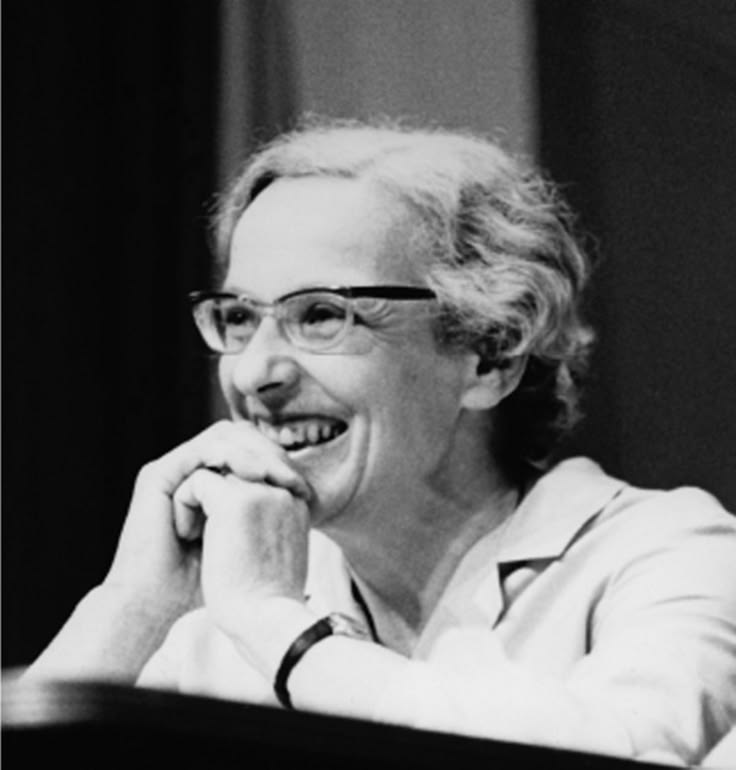
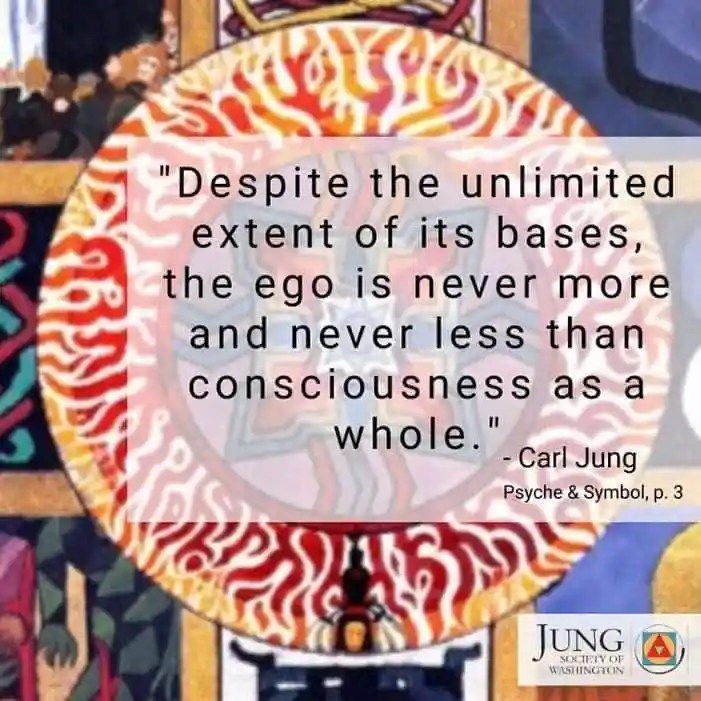

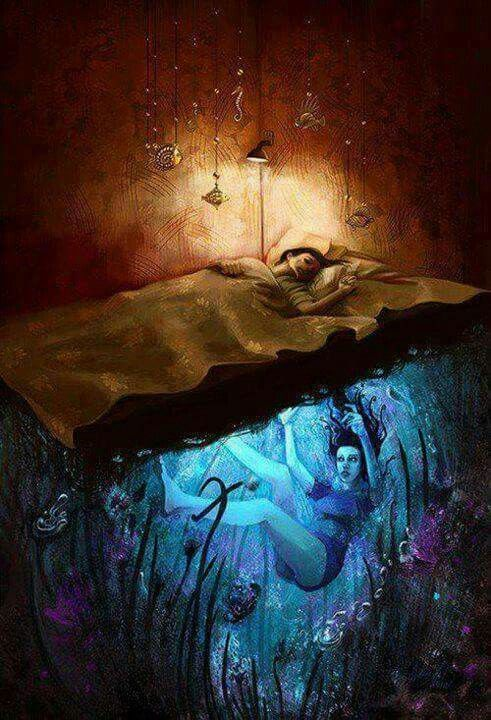















You must be logged in to post a comment.