

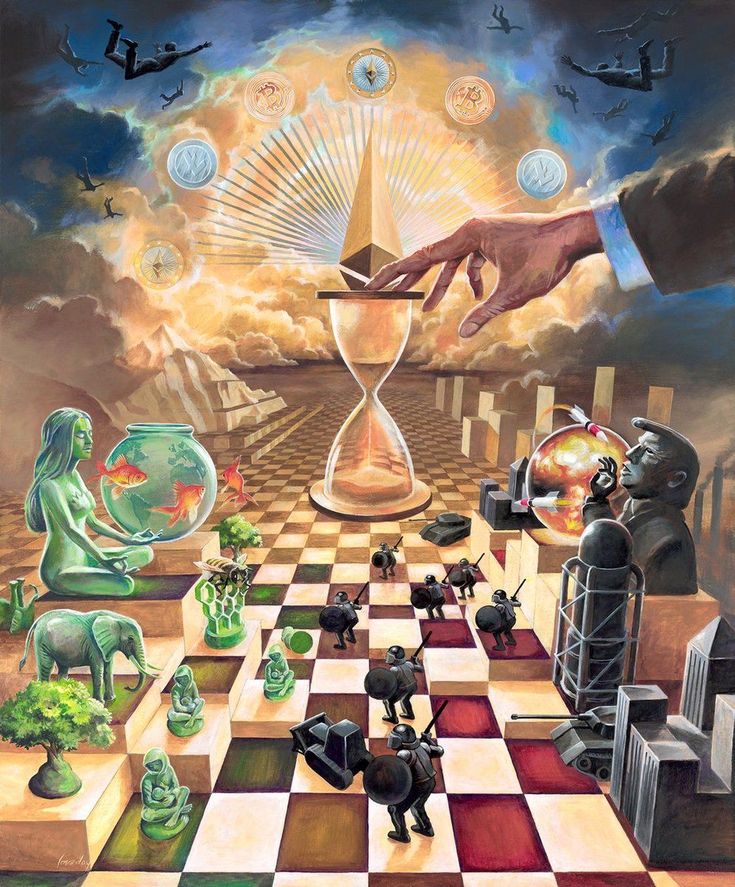
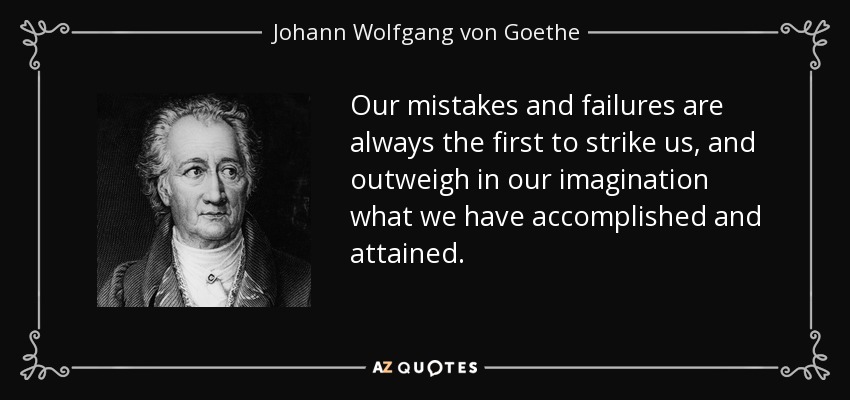
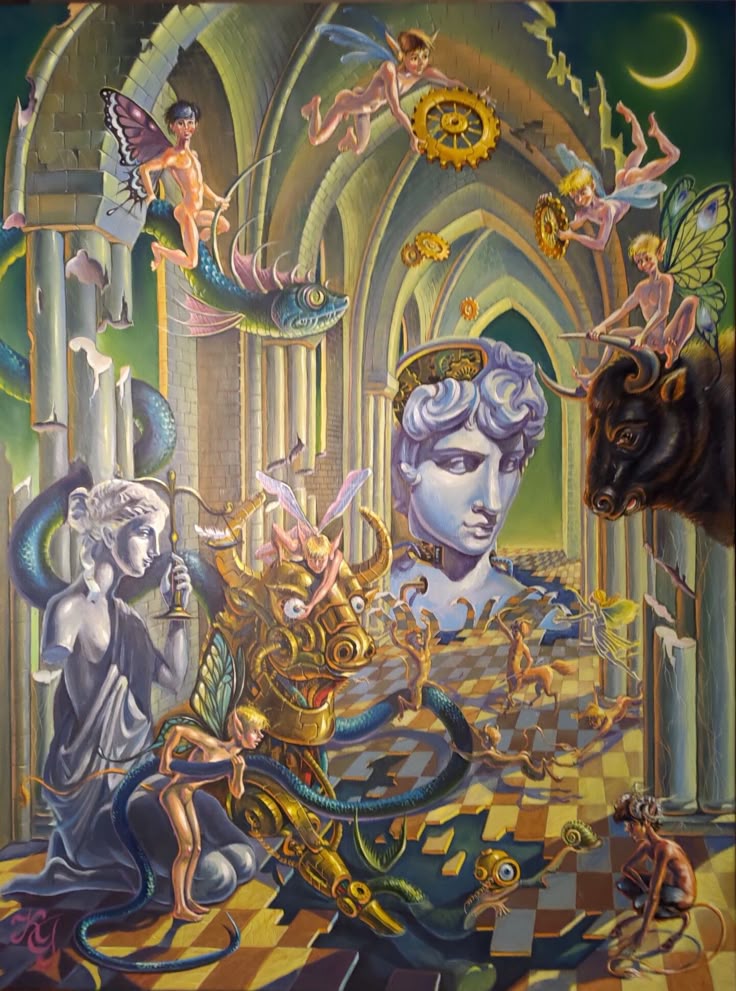
The dynamic principle of fantasy is play, a characteristic also of the child, and as such, it appears inconsistent with the principle of serious work. But without this playing with fantasy, no creative work has ever yet come to birth. The debt we owe to the play of imagination is incalculable. It is, therefore, short-sighted to treat fantasy, on account of its risky or unacceptable nature, as a thing of little worth.
~Carl Jung; Psychological Types Ch. 1; Page 82.
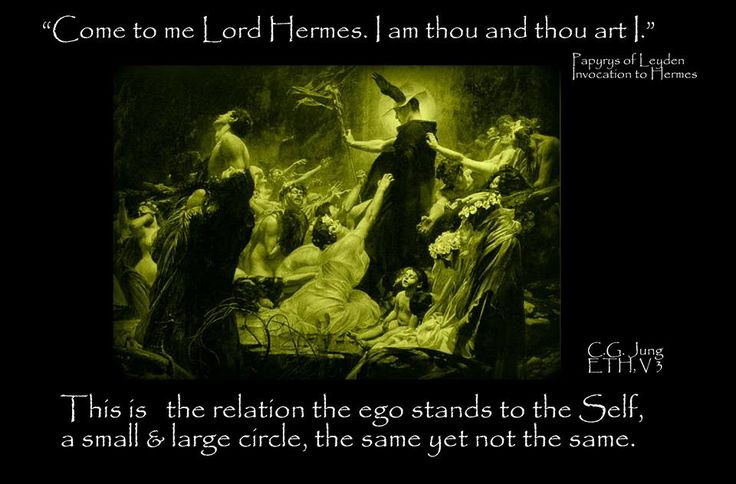
Fantasy is the creative function—the living form is a result of fantasy. Fantasy is a pre-stage of the symbol, but it is an essential characteristic of the symbol that it is not mere fantasy.
~Carl Jung, 1925 Seminar, Page 11
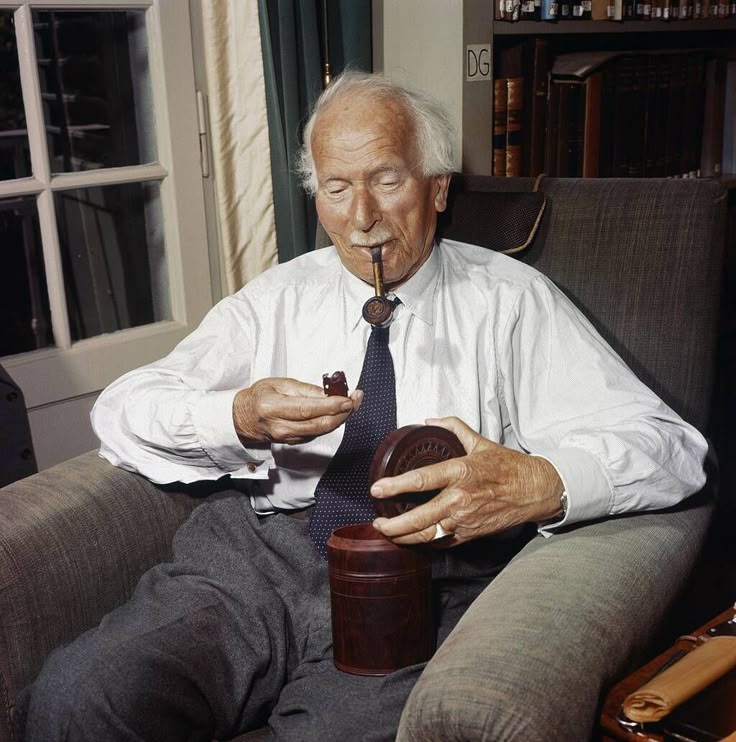
Source: Carl Jung Depth Psychology
Continuing from the first part of my blog, I recall the days when Al and I created our own worlds, feeling utterly disconnected from the outside world. My childhood was filled with dreams and wishes, driven by my imagination and a touch of fantasy. Perhaps it was my name that ignited my desire to make my wishes come true, with a hint of magic.
On the other hand, I didn’t want to be treated like a child. I don’t know what the issue was; maybe it was because I’d been isolated at that age. I mean, there we were, a group of five boys, Al and me, including three cousins, all nearly the same age. One of the cousins, Ham, who was around Al’s age, about two years older than me, and the other two were roughly two years younger than me, and I was stuck in the middle.

As I remember, one evening in Mashhad, when we were visiting our aunt, we were playing hide and seek — a game like ‘catch me if you can find me!’ I was so engrossed in the game that I didn’t notice Al and Ham were missing. At first, when I caught my breath from running around to find a hiding spot, I thought, ‘What’s going on with me?’ and scolded myself for acting like a child. But then I got angry when I found out Al and Ham weren’t playing with us – they were off to see a movie, and I wanted to be there with them so badly! In the evening, when we gathered again, Al and Ham began by making a reference and a joke about the movie, which I remember was called Madame. This made me feel jealous and sad. It was so obvious that my mother recognised it and tried to comfort me, but to me, her effort was like giving milk to a crying infant! So I felt even more alone and forsaken.

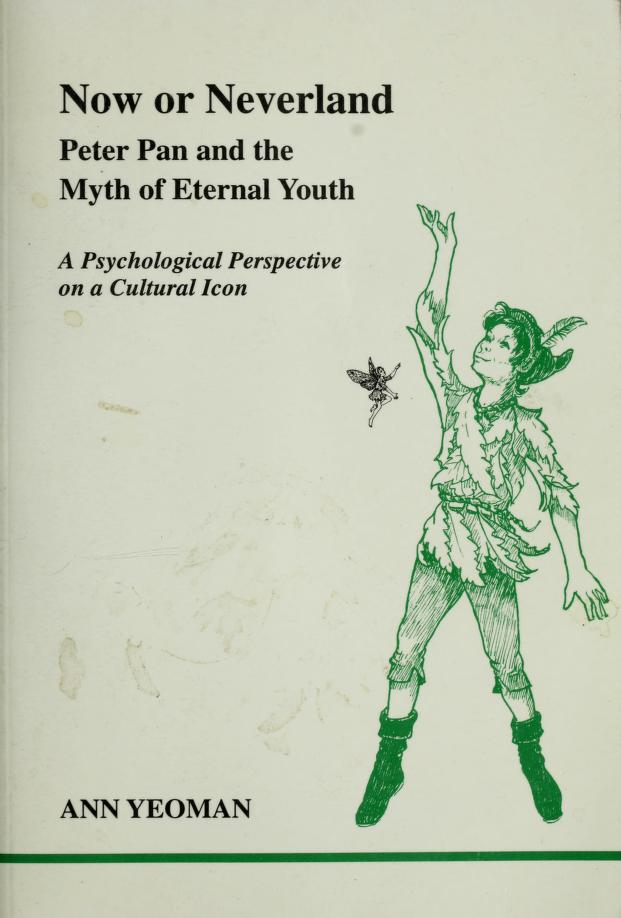
In Ann Yeoman’s book, we can read:
…In terms of personality traits, a strong emotional attachment to what we may call the mother-realm manifests on the one hand in a certain preciousness, a sense of specialness and difference, a fictional example of which we see in James Joice’s young hero Stephen, who is always “on the fringe,” a little apart from his fellows, an isolate. On the other hand, when out of the province of the mother and, metaphorically, the reach of the mother’s watchful eye, the mother’s son experiences an incapacity to stand on his own and embrace the risks, challenges and unpredictable fullness of life, or realise the courage “to live, to err, to fall, to triumph, to recreate life out of life,”> to cite Joice once again>(A Portrait of the Artist as a Young Amn, p. 172).
As a result, the puer remains dissociated from his feelings. In order to shield himself unconsciously from suffering, he protects himself from the possibility of abandonment, rejection and disappointment with an array of defences which prevent him from fully committing himself to life in the first place.
Jung describes the neurosis of such a “mother’s boy” in terms of a “secret conspiracy between mother and so…. [in which] each helps the other to betray life” He continues:
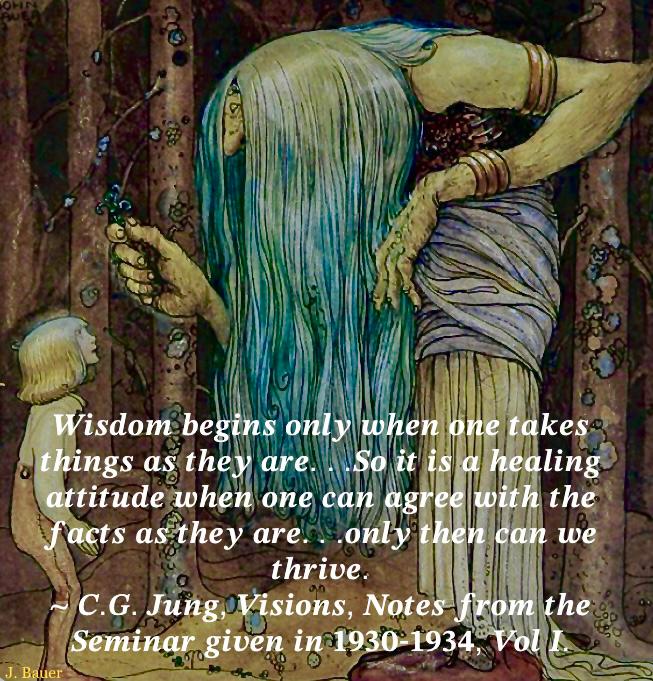
Where does the guilt lie? With the mother, or with the son? Probably with both. The unsatisfied longing of the son for life and the world ought to be taken seriously. There is in him a desire to touch reality, to embrace the earth and fructify the field of the world.
But he makes no more than a series of fitful starts, for his initiative as well as his staying power are crippled by the secret memory that the world and happiness may be had as a gift from the mother. The fragment of the world which he, like every man, must encounter again and again is never quite the right one, since it does not fall into his lap, does not meet him halfway, but remains resistant, has to be conquered, and submits only to force.
It makes demands on the masculinity of a man, on his ardour, above all on his courage and resolution when it comes to throwing his whole being into the scales. For this, he would need a faithless Eros, one capable of forgetting his mother and undergoing the pain of relinquishing the first love of his life.
~Carl Jung, The Syzygy, Anima & Animus, Aion, CW 9ii, par. 20-21
I may laugh at that event now, but as I recall every detail, it seems it left a particular impression on me. I know I wanted to be noticed and taken seriously. However, my mother, as she always had, saw me as her lost daughter. That’s why, when I finally found my solitude, it was mostly when I woke early in the morning in my bed and looked out of the window into the street, where the summer breeze made the leaves of the poplar tree dance. I immersed myself in my fantasy world and let my imagination run freely.
I will definitely try to write another episode.🙏💖













 lampmagician
You must be logged in to post a comment.