Today, I want to share something familiar, maybe ordinary, yet an important issue: Marriage! Of course, we can translate it into the modern language as a partnership, friendship, bedmate or lifemate, etc. But the main point is how much a couple should merge into each other, how close they must be and how deep.
Rene Magritte; Perfect Woman
I’ve had various experiences in the realm of relationships. I’ve had many different connections with different women, and you can imagine how much effort it took to understand the intricacies of this adorable gender. However, my current wife is the first and only one I’ve married. It took me about twenty-three years until to say “yes” and marry her and two more years to move in together. It wasn’t easy for either of us, but we’ve slowly but surely learned to respect each other’s boundaries and individualities over the years. We share one Life but have our own dreams, all while maintaining love and respect for each other.
I have spent my life trying to understand the crucial topic in psychology called individuality. I finally succeeded with the help of Dr. Jung. It is essential for discovering and proving my uniqueness.
As it turns out, Kahlil Gibran also agrees with me. Here, I share a part of his book, “The Prophet”, about Marriage. I hope you enjoy reading it. Thanks, and have a peaceful weekend.
Sing and dance together and be joyous, but let each one of you be alone. Even as the strings of a lute are alone, though they quiver with the same music.
“Love is the only freedom in the world because it so elevates the spirit that the laws of humanity and the phenomena of nature do not alter its course_” Text and art by Kahlil Gibran
On Marriage, From the Book “The Prophet”
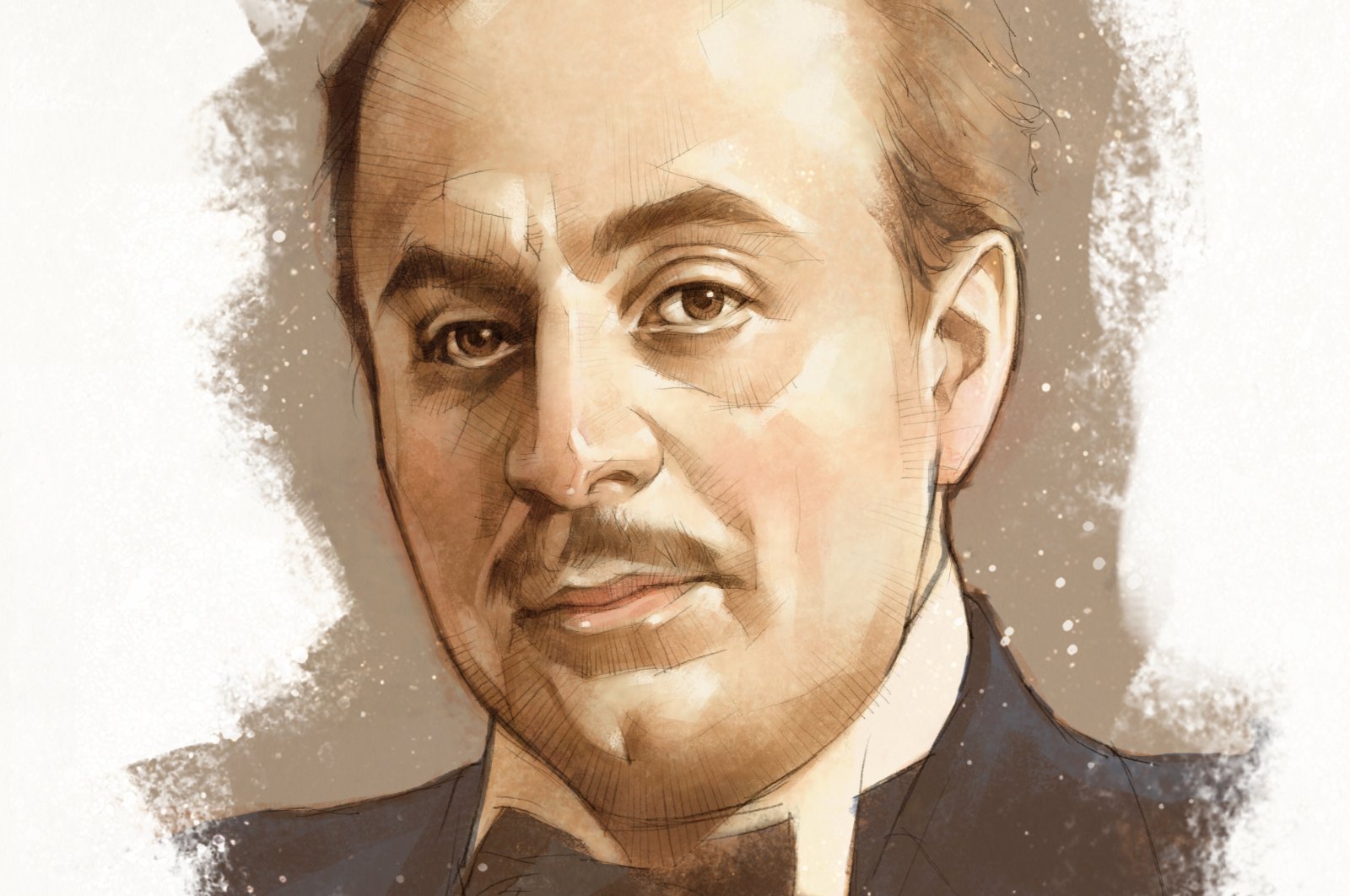
An illustration of Khalil Gibran. (Shutterstock)
Then Almitra spoke again and said: And what of Marriage, master? And he answered, saying: You were born together, and together you shall be forevermore. You shall be together when the white wings of death scatter your days. Aye, you shall be together even in the silent memory of God. But let there be spaces in your togetherness. And let the winds of the heavens dance between you. Love one another, but make not a bond of love: Let it rather be a moving sea between the shores of your souls. Fill each other’s cup but drink not from one cup. Give one another of your bread but eat not from the same loaf. Sing and dance together and be joyous, but let each one of you be alone. Even as the strings of a lute are alone, they quiver with the same music. Give your hearts, but not into each other’s keeping. For only the hand of Life can contain your hearts. And stand together, yet not too near together: For the pillars of the temple stand apart, And the oak tree and the cypress grow not in each other’s shadow.
When my brother, Al, was in the hospital to undergo surgery to remove a tumour from his brain, one of the professors told him that we humans know almost nothing ( just ten per cent) about how our brains work – The rest is still a puzzle! Therefore, unexplained phenomena, such as strange things like seeing ghosts, daydreams, or schizophrenia, are always fascinating topics for inquisitive minds.
According to Dr Carl Jung: …in schizophrenia, the complexes have become disconnected and autonomous fragments, which either do not reintegrate back to the psychic totality, or, in the case of remission, are unexpectedly joined together again as if nothing happened” (1939).
Franz Kafka Dreams >Wrestling matches every night<
During our trip to Serbia (I will write a post about it soon), I brought along some books as I do on any trip. This time, I discovered some surprises. While renovating the apartment, I found a book I couldn’t remember owning. Upon picking it up, I found a shopping receipt in the book dating back to 1995. It was clear that the book belonged to Al. Apart from a few novels, Franz Kafka wrote thousands of letters about his thoughts, dreams, and daydreams, and I was excited to have this particular book. The book is in German, and I translated a description and one of his letters about his dreams. I often considered the similarities between Kafka and Dostoevsky, as the latter frequently had daydreams like a schizophrenic. In this dream, Dostoevsky is interestingly present! I hope you will enjoy it.
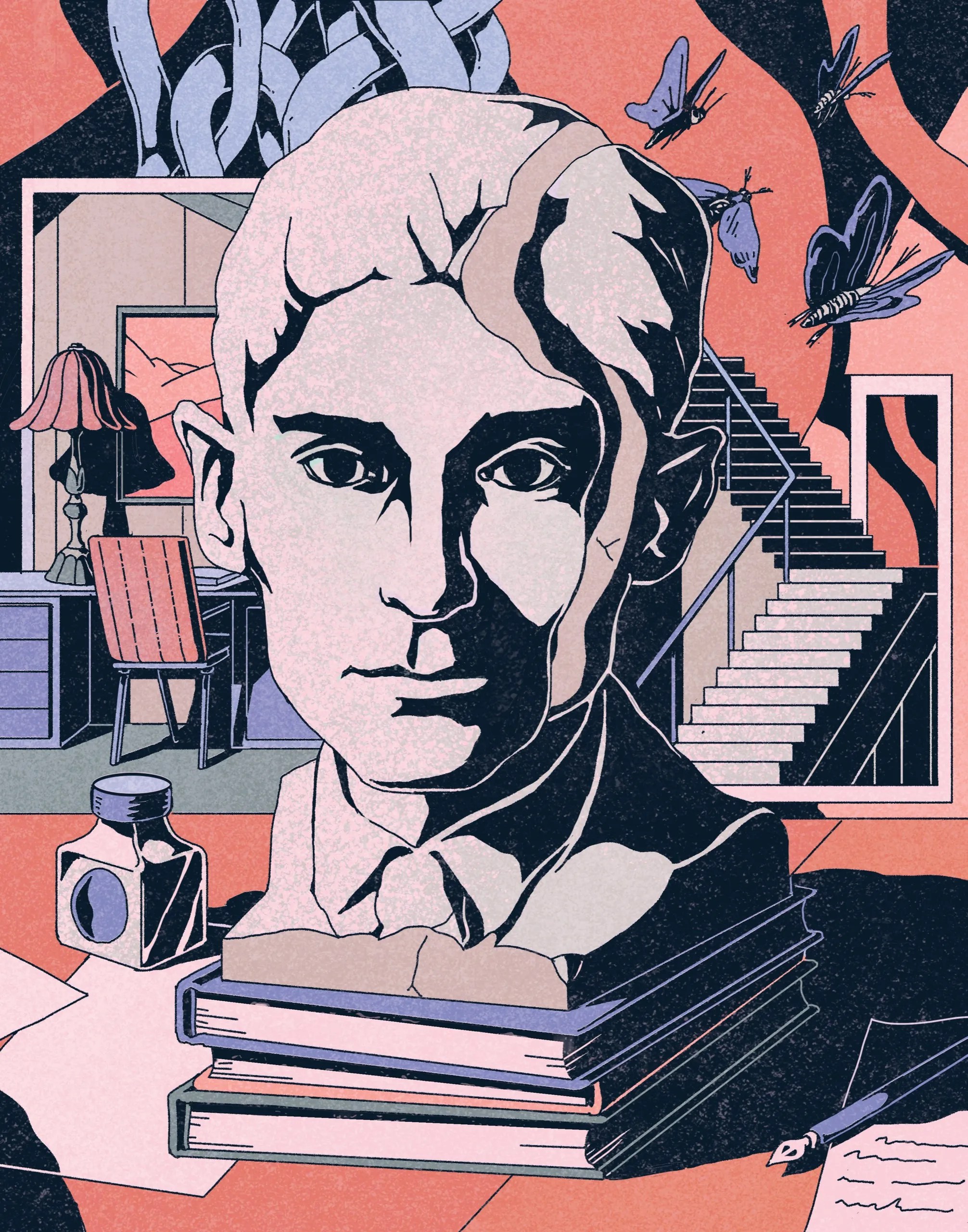
The New Yorker
According to Jean-Paul, dreams substantially affect a poet because he is used to fantasy. In contrast, Kafka’s dreams intensified his daytime fears. Taken out of context, his dreams form an interesting “storybook” of events and changes involving real people and places from his life. Kafka’s descriptive notes allow the reader to relive each dream-like episode as if watching a film vividly. This collection also serves as a documentary, presenting the dreams chronologically and reproducing Kafka’s comments on the phenomenon of dreams and dreaming.
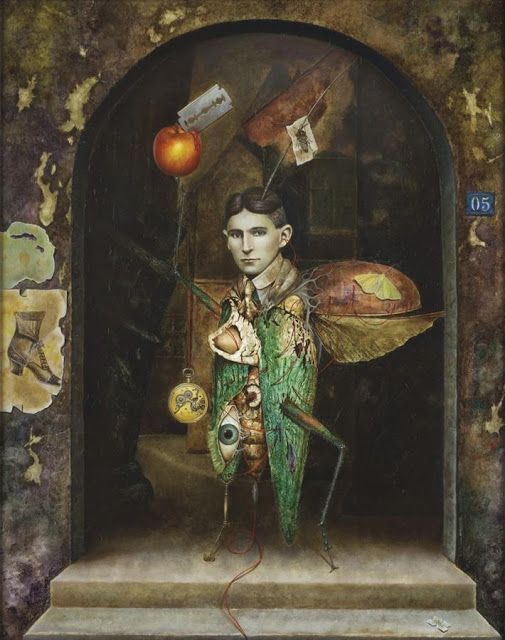
Frank Kortan – THE METAMORPHOSiS
Gregor Samsa woke up one morning to find himself transformed into a monstrous vermin. Franz Kafka’s “The Metamorphosis” challenges readers to accept this transformation as real, denying the possibility of dismissing it as merely a dream. This may frustrate those who rely on reason to understand the world and expect literature to assist them in this endeavour. In 1916, Franz Herwig criticized the rejection of realism and its associated positive aspects in an essay about the authors of the series “The Judgement Day,” in which Kafka’s story appeared. Gregor Samsa’s story “The Metamorphosis” challenges our understanding of reality and urges us to see the world in a new light. Kafka emphasizes that incomprehensible forces are shaping our lives, which may be more influential than we can rationally explain. According to his commentary on the story “The Judgement,” which he wrote in one go from ten o’clock in the evening to six o’clock in the morning, this is the only way to write in such a context—with a complete openness of body and soul! In this type of writing, the usual censorship of the mind is primarily eliminated. Everything can be risked, and a great fire is prepared for everyone for the strangest ideas, in which they perish and rise again.
Dream! [To Milena Jesenska, August 1920; M 170-172]
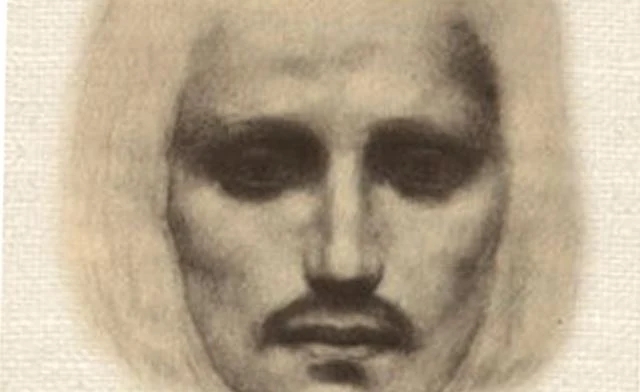
Today, I think I dreamt of you for the first time since I’ve been in Prague. A dream towards morning, short and heavy, still caught up in sleep after a bad night. I know little about it. You were in Prague; we were walking along Ferdinand Street, a little opposite Vilimek, in the direction of the quay; some acquaintances of yours were walking past on the other side; we turned to look at them; you spoke of them, perhaps there was also talk of Krasa [I know he is not in Prague, I will find out his address]. You said as usual, but there was something incomprehensible, indescribable about rejection in it; I didn’t mention it but cursed myself, thereby only expressing the curse that was on me. Because we were in the coffee house, probably in the Kaffee Union (it was on the way, and it was also the coffee house from Reiner’s last evening), a man and a girl were sitting at our table, but I couldn’t remember them. Then, there was a man who looked very similar to Dostoyevsky but young, with a deep black beard and hair. Everything, for example, the eyebrows and the bulges over the eyes, were incredibly strong. Then you were there, and I. Again, nothing betrayed your aloof manner, but the rejection was there.
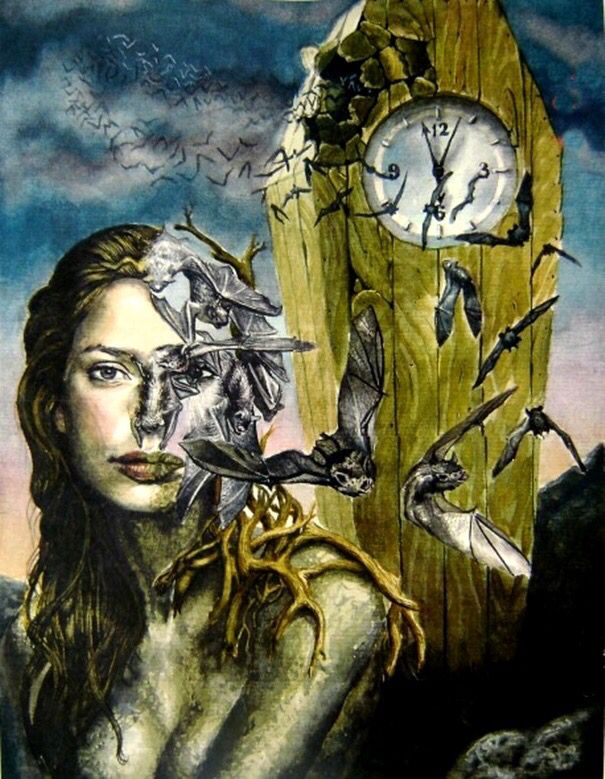
Painting: Jorge Ignacio Nazabal
Your face was – I could not look away from the tormenting oddity – powdered, and it was overly obvious, clumsy, bad; it was probably hot, and so whole powder lines had formed on your cheeks; I can still see them in front of me. Again and again, I leaned forward to ask why you were powdered; when you noticed that I wanted to ask, you asked obligingly – the rejection was simply not noticeable – >What do you want?< But I could not ask, I did not dare, and yet I somehow suspected that being powdered was a test for me, a crucial test, that I should ask, and I wanted to but did not dare. And so the sad dream rolled over me. At the same time, the Dostoyevsky man tormented me. His behaviour towards me was similar to yours but still a little different. When I asked him something, he was very friendly, sympathetic, leaned over, and open-hearted. Still, when I didn’t know what to ask or say – this happened every moment – he would withdraw with a jerk, sink into a book, know nothing more about the world and especially not about me, disappear into his beard and hair. I don’t know why I found this unbearable, again and again – I couldn’t do anything else – I had to pull him over to me with a question and again and again, I lost him through my own fault! 💖🙏🤗
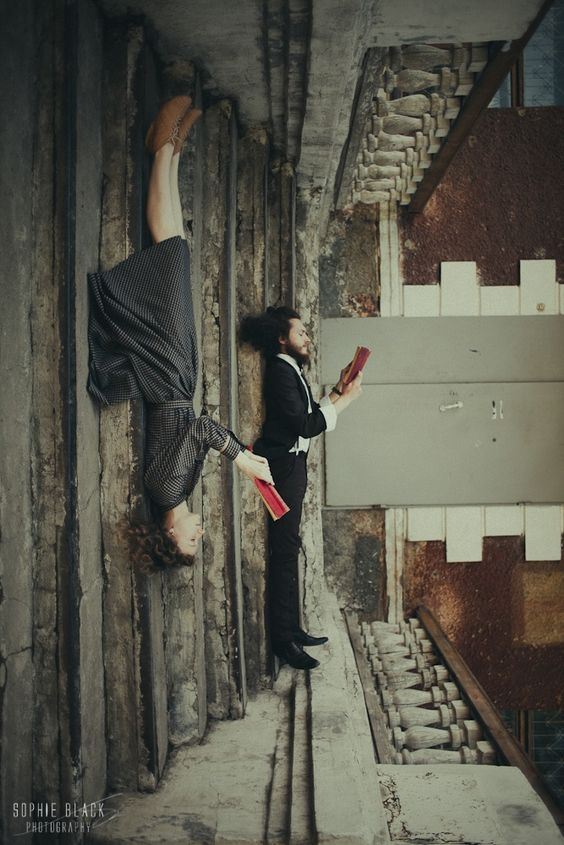
The Imagen at top: Youri Ivanov – Artiste Russe (Russian)
This year is the 100th anniversary of Kafka’s death, and I thought it would be a good opportunity to write about my impressions of him and his works. Of course, I must mention that it does not have to be his specific birthday or the day he died; I never search the web to find out about an event and write about it, as some are doing on WordPress! The main reason is that I have known him and his works since I was young and always appreciated his solitude before society. Second, I see and hear many documentaries and TV series here in Germany for his anniversary, as the Germans always welcome a genius who writes in their language into their art world. Therefore, to put it bluntly, I had to write this article first in German and translate it into English. Because these days, I hear and read his works all in that language.
Franz Kafka (1883 – 1924), a German-language Bohemian writer, was born in Prague as the son of a middle-class Jewish merchant family.
As per literary scholar Reiner Stach, who studied Franz Kafka for over two decades and published a three-volume Kafka biography with S. Fischer Verlag, Kafka himself was uncertain about his historical classification. Stach quotes Kafka’s famous saying, “I am the end or the beginning.” Kafka intended to express that he may represent the end of a long tradition of classical literature, coming from Goethe, Kleist, and perhaps Flaubert, who was already modern and is an endpoint here. Alternatively, he may start something completely new from the fragments he inherited from tradition instead of falling apart.
Max Brod once said that Kafka was more ambitious than his talent. Maybe he’s right! He helped him, believed in him, and encouraged him to write his thoughts as books.
Franz Kafka and Max Brod
As one of his numerous lovers, Milena Jesenská, a Czech journalist and writer who was non-Jewish and married, once said to him: I have never met a person like you, and I assume it that’s because there has never existed anyone like you.
He explained it himself:
The enormous world that I have in my head. But how to free me and free them without tearing? And I would rather tear it up a thousand times than hold it back or bury it in me. That’s why I’m here; that’s very clear to me. (Sokel, Walter H. 2001). Man cannot live without a permanent trust in something indestructible within himself, though both that indestructible something and his own trust in it may remain permanently concealed. (Gray, Ronald 1973)
The drama (on stage) is more exhausting than the novel because we see everything that we otherwise only read about. (Source: Kafka, diaries. October 28, 1911)
The fortune that flatters you most is most likely to deceive you.
Franz Kafka was convinced that his writing was inadequate, although he had much more to say. In his short story collection, A Hunger Artist, he wrote: “Forgive me everything,” whispered the hunger artist. Only the supervisor, pressing his ear against the cage, understood him. “Certainly,” said the supervisor, tapping his forehead with his finger to indicate to the staff the state the hunger artist was in, “we forgive you.” “I always wanted you to admire my fasting,” said the hunger artist. “But we do admire it,” said the supervisor obligingly. “But you shouldn’t admire it,” said the hunger artist. “Well then, we don’t admire it,” said the supervisor, “but why shouldn’t we admire it?” “Because I had to fast. I can’t do anything else,” said the hunger artist.
He died of Tuberculosis, or better to say, the cause of death seemed to be starvation: the condition of Kafka’s throat made eating too painful for him. By the way, Kafka’s mental health was a topic of debate. Marino Pérez-Álvarez suggests schizophrenia based on his diaries and “The Metamorphosis”. Alessia Coralli and Antonio Perciaccante diagnosed borderline personality disorder, worsened by Kafka’s insomnia complaints. Joan Lachkar developed a model describing Kafka’s fears of abandonment, anxiety, depression, and parasitic dependency needs in “The Metamorphosis“. Meanwhile, Manfred M. Fichter believes Kafka was anorexic.
But in my opinion, it’s all doctors prattling! Kafka had (like a few other known artists and geniuses like Dostoevsky, Mozart, Carl Jung, Van Gogh and…) a sensitive mind and soul who looked immense, broader and more profound in human society and the man itself, so deep that the artist himself cannot discern it. He was a Mozart in the matter of literature! Kafka’s writing, whether a letter or a book, had a wealth of words and topics to recount. In his book Der Process (The Trial), he doesn’t criticize only the political system; K, the main character, is a victim of not being understood by his population. He writes about the trial of his own solitude, his isolation in society and his strangeness towards others.
He even asked Dora Diamant, his faithful companion in his last days in his dying bed, and wanted her to burn all his works after his death!
He died shortly before his 41st birthday in a private sanatorium outside Vienna. A week later, on June 11, 1924, he was buried in a simple ceremony at Prague’s New Jewish Cemetery.
In his final days, he asked his doctor for a lethal dose of morphine. When the doctor refused, he told his doctor: if you don’t do it, you will be my murderer!
What matter is with you? Regina, my wife, asked me a few days ago. I looked at her with confusion and asked what she meant. She said she was referring to my lack of enthusiasm towards my work; I used to be excitedly busy with my WordPress and would run to my room every morning to write a new story, but she noticed that I had lost that passion lately. After considering this, I had to admit that she was right. I seem to be losing the drive and motivation to create new stories. As I analysed myself, like so often I do, I have noticed that I am (too much) involved in very high themes with such great individuals like Dr Jung, Nietzsche, Gibran, etc., and I feel a bit exhausted, “intermingle with the greats is not everybody’s job!”
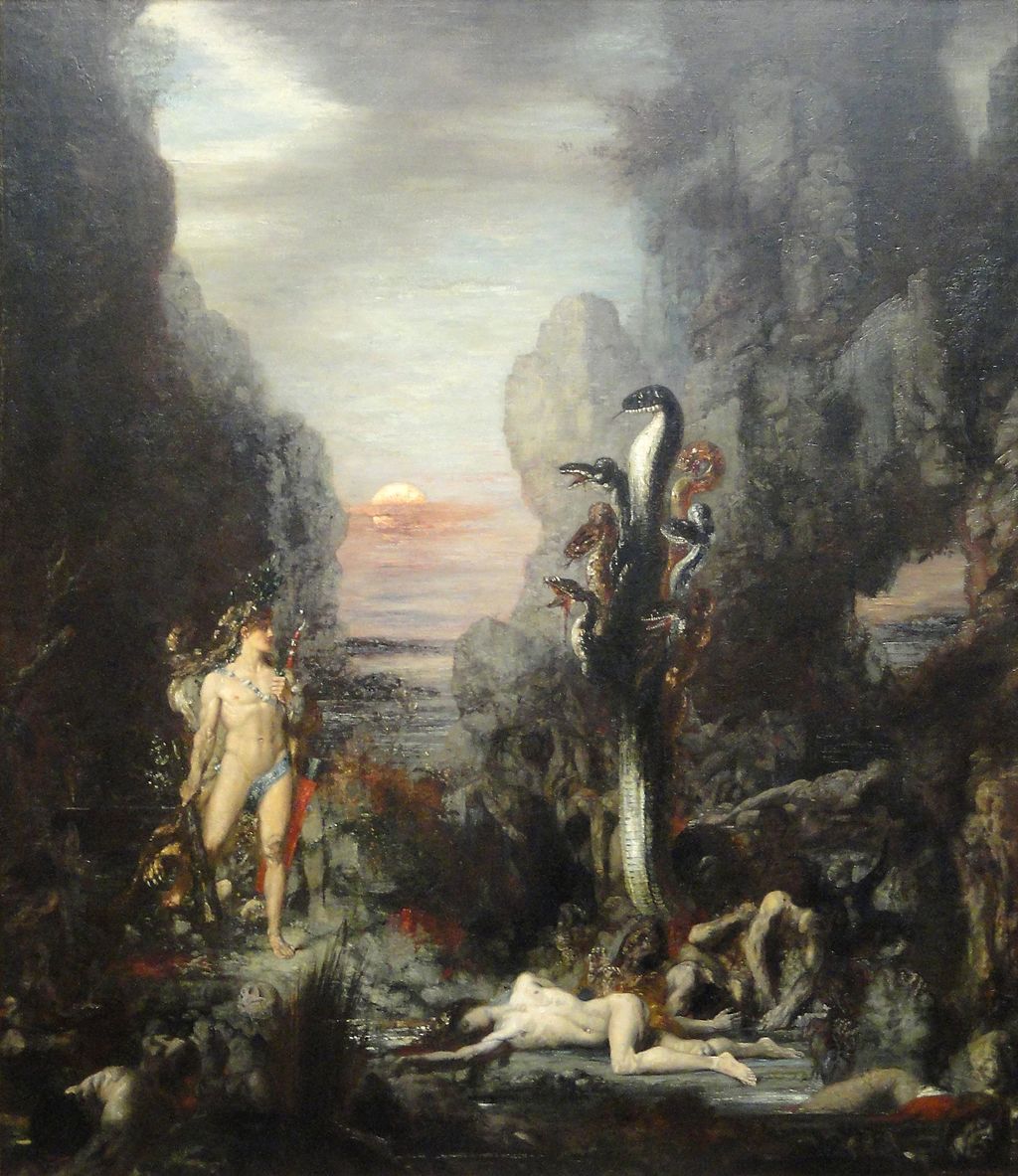
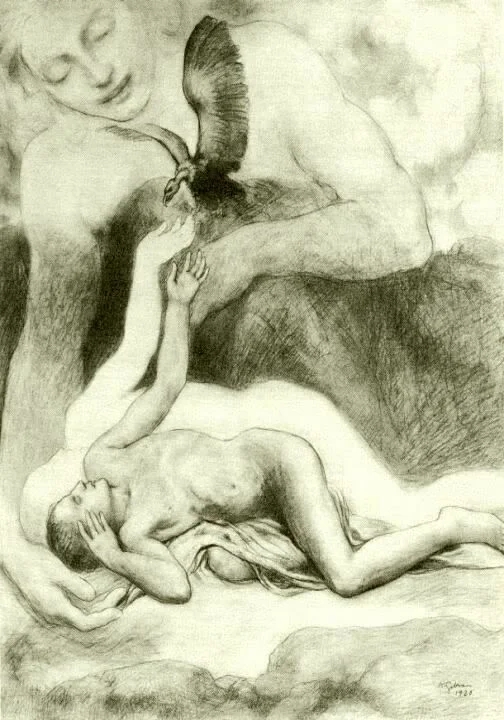
Hercules and the Lernaean Hydra, 1875-1876, by Gustave Moreau – Art Institute of Chicago
I believe that one’s expectations are crucial in determining success. I have noticed that with each article I write, I tend to push myself to do better and aim higher, which might be good. (I must thank YOU, all my lovely friends, who inspired me so much).🙏💖🙏 But, I have also realized that sometimes I may have gone too far, just like Icarus, whose wings melted in the sun’s rays and fell. This is where the book ‘Great Expectations’ by Charles Dickens becomes relevant. We must be honest with ourselves and know where we stand. Ultimately, happiness is not an unachievable goal but a state of inner peace and calmness.
Hence, I decided to come down and take it more easily. Although this new post is from Nietzsche, as I stumbled upon lately, it is a short text and relevant today: losing the child inside us! This child gives us the imagination to have fantasies. Nietzsche noticed it centuries ago, and it is didactic.
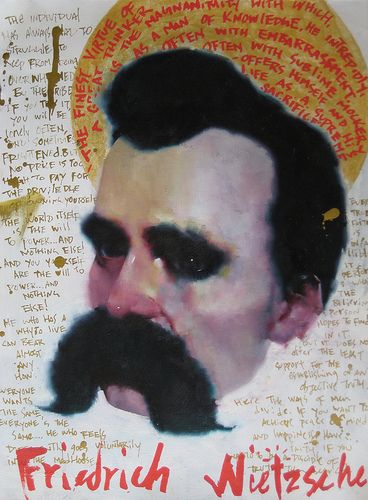
The Free Spirit, from Beyond Good and Evil, par. 31, by Friedrich Nitzsche
I had to work on translation to make Nietzsche’s complex grammar more understandable!😉
At a young age, one worships and despises without that art of nuance, which is the best gain in life, and one has to pay a fair amount of punishment for having attacked people and things with Yes and No in this way. Everything is set up so that the worst of all tastes, the taste for the unconditional, is cruelly fooled and abused until people learn to put a little art into their feelings and rather dare to try something artistic, like the right ones do Artists of Life do. The anger and awe that characterizes youth does not seem to rest until it has manipulated people and things so that it can be vented on them – youth is itself something more counterfeit and deceitful. Later, when the young soul, tormented by loud disappointments, finally turns back suspiciously on itself, still hot and wild, even in its suspicion and remorse: How angry they are now, tearing themselves apart impatiently, how taking revenge for their long self-delusion as if they had been voluntary blindness! In this transition, one punishes oneself by distrusting the feelings; one tortures one’s enthusiasm through doubt; one even feels one’s good conscience as a danger, as it were as a self-concealment and a weariness of one’s finer honesty; and above all, they take orientation, fundamentally oriented against ‘youth’. – A decade later, they realize that all of this was still -youth!
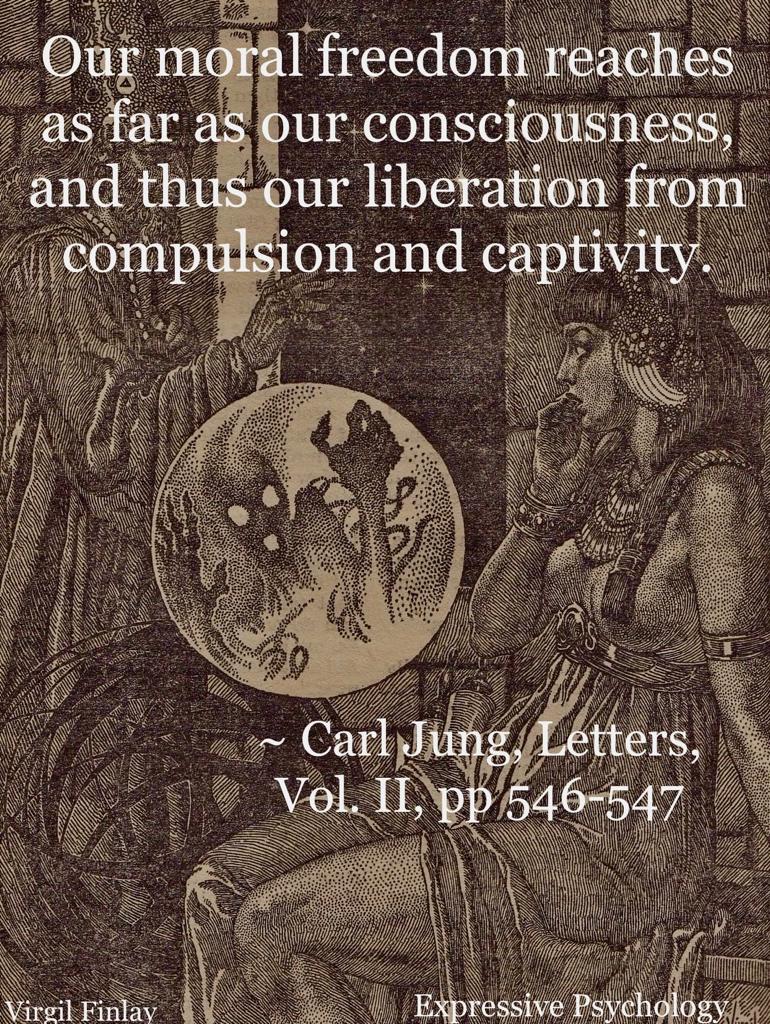
Our moral freedom reaches as far as our consciousness and, thus, our liberation from compulsion and captivity. ~Carl Jung, Letters Vol. II, pages 546-547 (from C.J. Depth Psychology)
By Petra Glimmdall 💖🙏
These days, because of my activities in helping the Iranian people, I have been deeply involved in establishing a fair and just system based on sound laws to help the Iranian people. However, finding a suitable constitution for a young nation (in the term of democracy) is not easy. It is not only the laws that make society fair; every individual must learn how to live in a democratic society.
Understanding freedom depends on the laws and anti-laws we legislate! Kahlil Gibran has an excellent explanation. I hope you enjoy it.
From The Prophet
Painting by Kahlil Gibran 1883-1931 – Tutt’Art@
People of Orphalese, you can muffle the drum, and you can loosen the strings of the lyre, but who shall command the skylark not to sing?
Then the lawyer said, but what of our laws, master? And he answered: You delight in laying down laws, Yet you delight more in breaking them. Like children playing by the ocean who build sand towers with constancy and then destroy them with laughter. But while you build your sand towers, the ocean brings more sand to the shore, and when you destroy them, the ocean laughs with you. Verily, the ocean always laughs with the innocent.
But what of those to whom life is not an ocean, and man-made laws are not sand towers, But to whom life is a rock, and the law a chisel with which they would carve it in their own likeness? What of the cripple who hates dancers? What of the ox who loves his yoke and deems the elk and deer of the forest stray and vagrant thin?
What of the old serpent who cannot shed his skin and calls all others naked and shameless? And of him who comes early to the wedding feast and, when over-fed and tired, goes his way, saying that all feasts are violations and all feasters are lawbreakers?
What shall I say of these save that they, too, stand in the sunlight, but with their backs to the sun? They see only their shadows, and their shadows are their laws. And what is the sun to them but a caster of shadows? And what is it to acknowledge the laws but to stoop down and trace their shadows upon the earth? But you who walk facing the sun, what images drawn on the earth can hold you? You who travel with the wind, what weather vane shall direct your course? What man’s law shall bind you if you break your yoke but upon no man’s prison door? What shall you fear if you dance but stumble against no man’s iron chains? And who is he that shall bring you to judgment if you tear off your garment yet leave it in no man’s path?
People of Orphalese, you can muffle the drum and loosen the strings of the lyre, but who shall command the skylark not to sing?
“Whereas the truth is that the State in which the rulers are most reluctant to govern is always the best and most quietly governed, and the State in which they are most eager, the worst.” ― Plato, The Allegory of the Cave
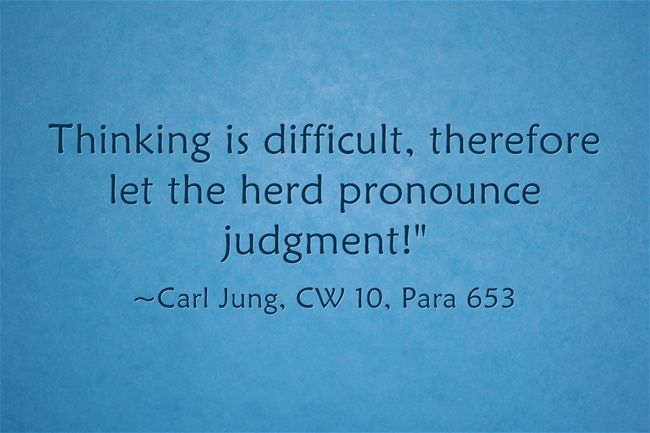
These days, there is a huge need for us to look more profoundly into the world around us and be aware of all that is happening, even if it hurts! As I wanted to retake a look at my archive, the following of the previous articles (1, 2, 3) suddenly fell on my lap.
I believe there is no reason to be afraid of expressing critical opinions. However, some governments or regimes in the world may hold opposing views. It shows for sure that we are on the right path!
“Most people are not just comfortable in their ignorance, but hostile to anyone who points it out.” ― Plato, The Allegory of the Cave.
Apart from what Dr. Jung said, I have shared some quotes from Plato first. I think he is a novice in this way of philosophy because, unlike Aristotle, he didn’t accept compromising arguments and tried to find a way towards the truth, even if it was bitter or unpleasant. However, my prominent persons are these two geniuses: Orwell and Huxley.
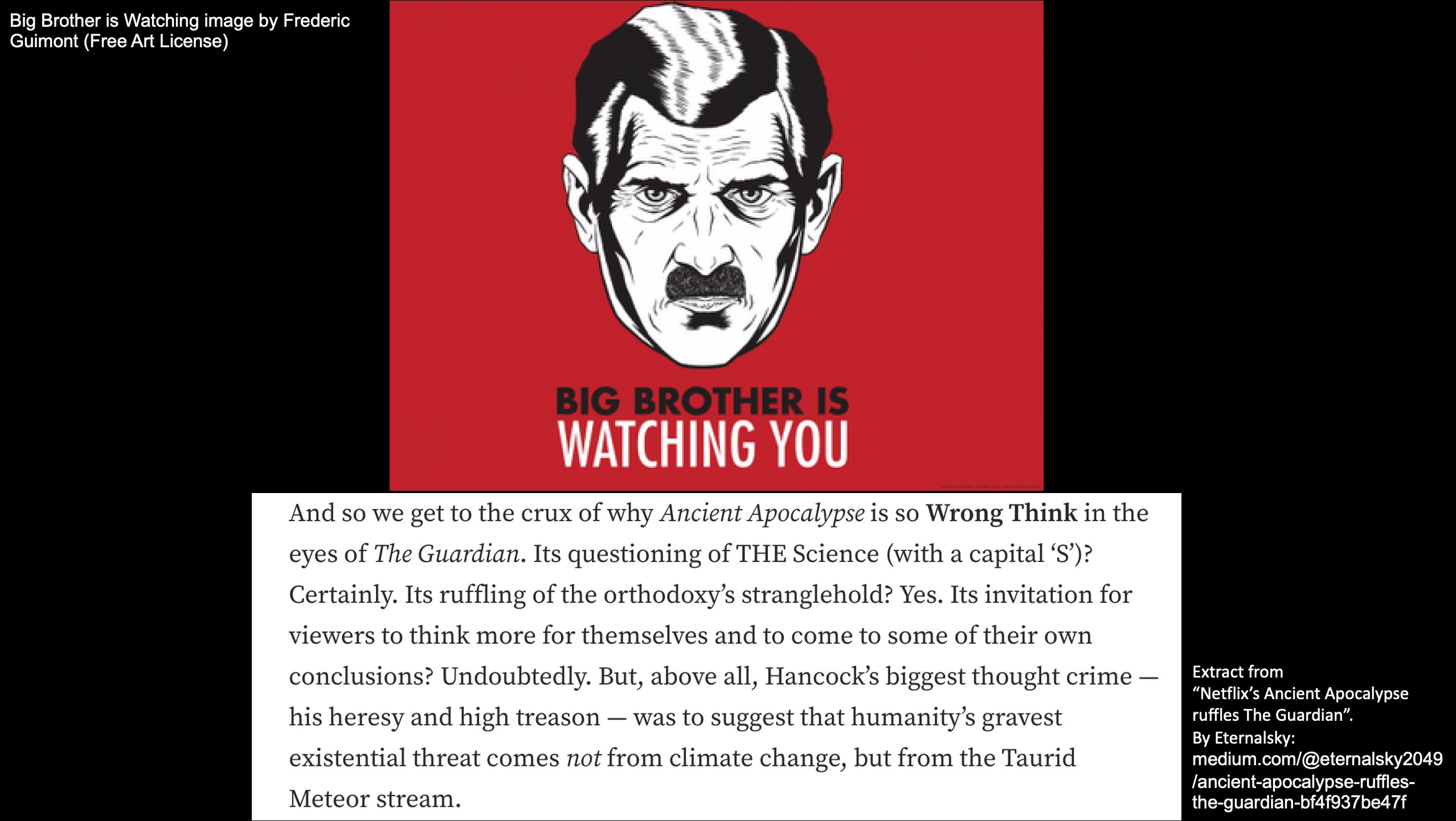
Remaining open-minded and considering all possibilities is essential, even if it may sound like a conspiracy theory. The threat of getting caught up in the minutiae of our everyday lives is increasing, and we risk becoming trapped in a cage of our own making. Therefore, we better unlock our mind potential! I have no issue reiterating that Orwell and Huxley are among the most valuable thinkers we can learn from.
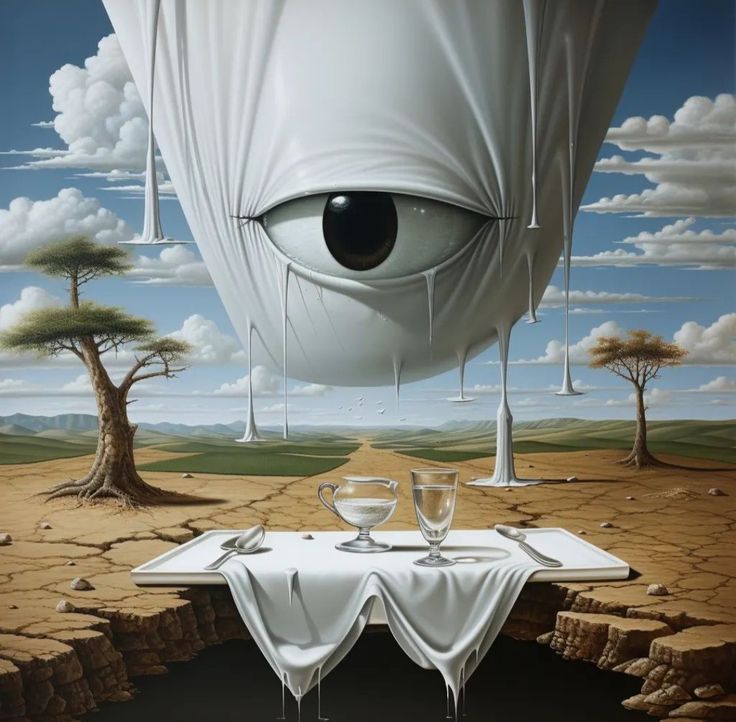
FmXGFftXoAUtZiu
“What Orwell feared were those who would ban books. What Huxley feared was that there would be no reason to ban a book, for no one wanted to read one. Orwell feared those who would deprive us of information. Huxley feared those who would give us so much that we would be reduced to passivity and egoism. Orwell feared that the truth would be concealed from us. Huxley feared the truth would be drowned in a sea of irrelevance. “Orwell feared we would become a captive culture. Huxley feared we would become a trivial culture, preoccupied with some equivalent of the feelies, the orgy porgy, and the centrifugal bumblepuppy. However, it seems that the Orwell vision didn’t work out, and the Huxley vision is more beneficial.
As Orwell’s vision may partly be limited to various parts of the world, Huxley’s narrative seems to envision and capture today’s world more powerfully, as his vision is more in tune with today’s challenging problems. Global consumerist culture is prevalent, and the impact of social class stratification in many cultures is strongly felt, especially during the COVID-19 pandemic (the completely disparate experiences of the pandemic by the rich and the poor). A massive emphasis on pleasure, hedonism, and mere happiness rather than the culture of questioning and critical thinking could be observed in many societies of today’s world.
Here is a 16-minute clip to better catch his concept.
In a letter that Huxley wrote to Orwell, he refers to:
Partly because of the prevailing materialism and respectability, nineteenth-century philosophers and men of science were unwilling to investigate the odder facts of psychology for practical men, such as politicians, soldiers and policemen, to apply in the field of government. Thanks to the voluntary ignorance of our fathers, the advent of the ultimate revolution was delayed for five or six generations. Another lucky accident was Freud’s inability to hypnotize successfully and his consequent disparagement of hypnotism. This delayed the general application of hypnotism to psychiatry for at least forty years. But now psychoanalysis is combined with hypnosis; hypnosis has been made easy and indefinitely extensible through barbiturates, which induce a hypnoid and suggestible state in even the most recalcitrant subjects.








 lampmagician
You must be logged in to post a comment.