Hi lovely friend, I’m back now from my holidays trip and want to share some of the events and pics about this vacation.
Though, to put it bluntly, I’ve got such a day in which have not so much energy! I don’t know if you might experience such days; I feel arrrggg…brrrgh!! not the lust of doing something
Anyway, at least I begin with some nice pictures of the arrival and the first days. That’s why I named this Nr; 1 😀
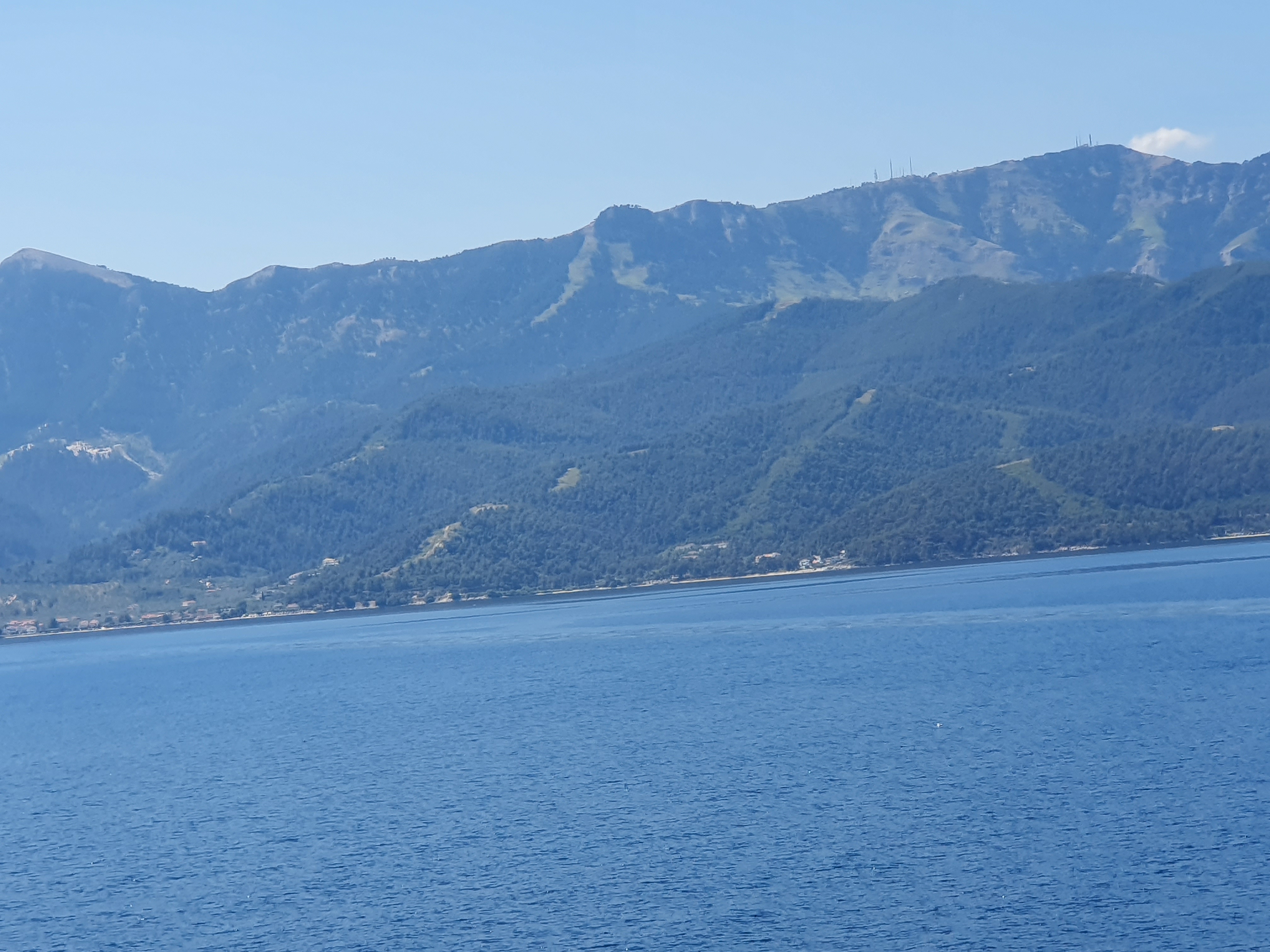
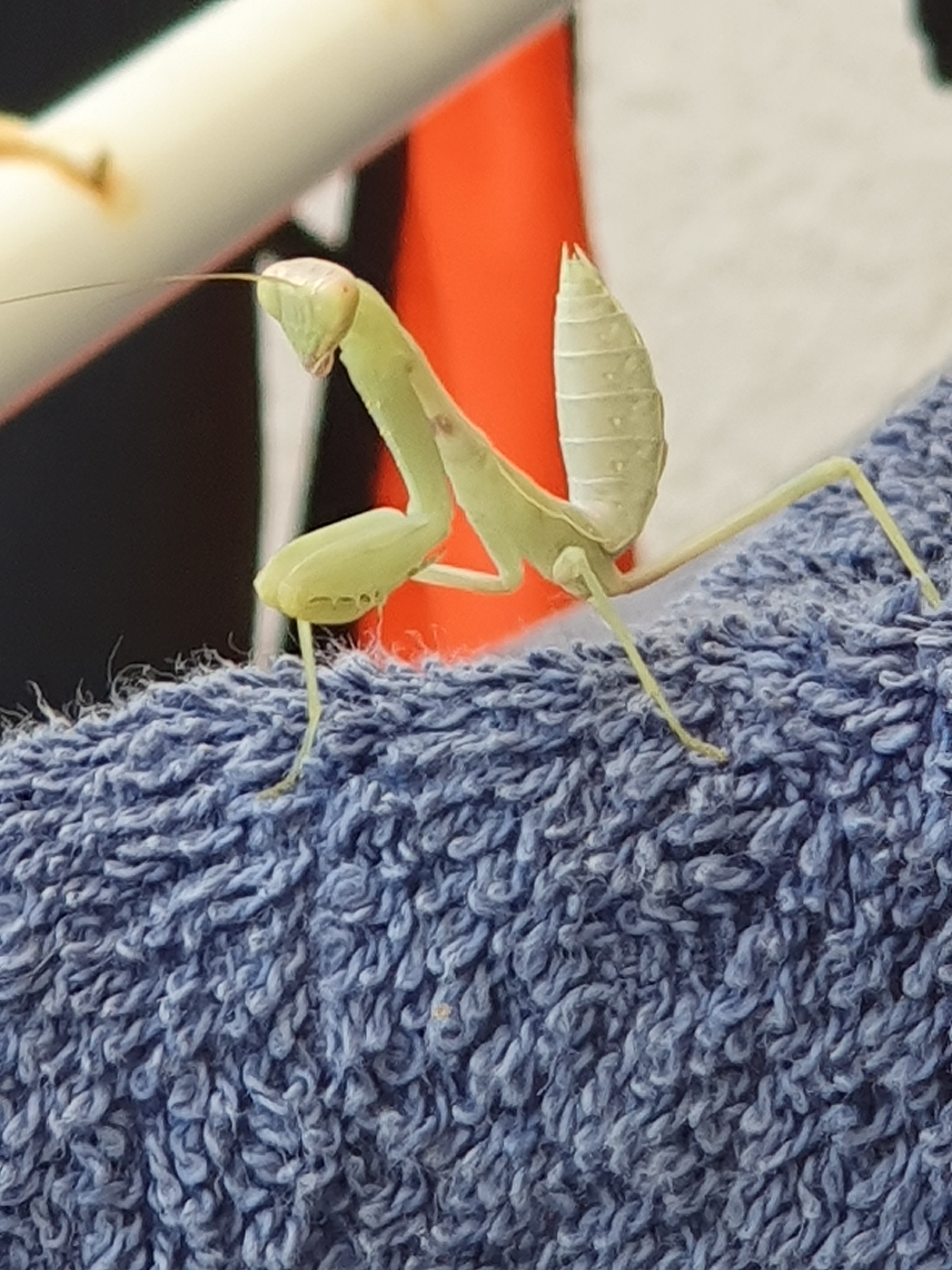
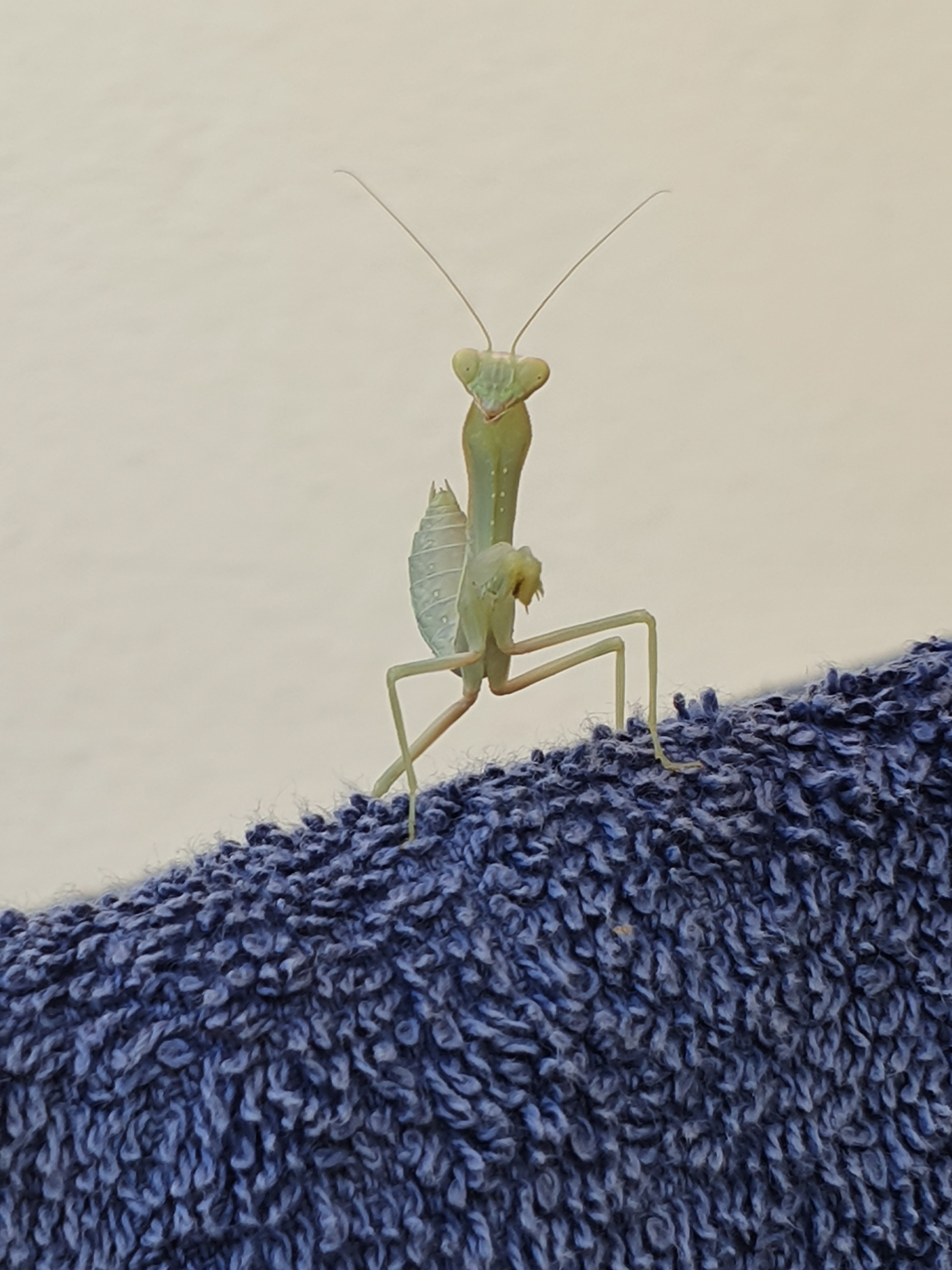
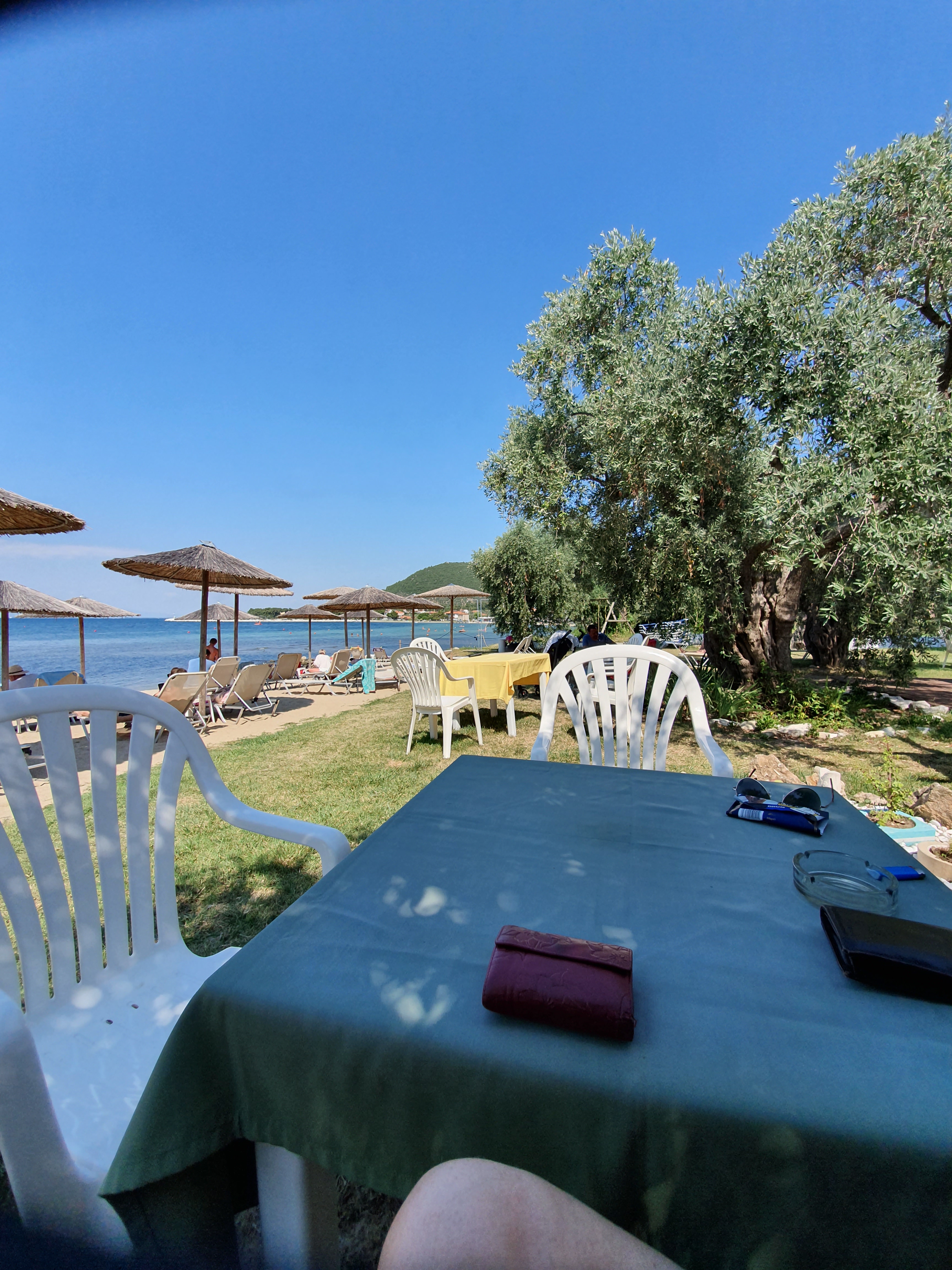
On the ferry from mainland to the Island The first day and the first and the only visitor on our balcony 🙂I have taken a short video which I will share it later separately 😉 from our placethe wonderful calm Aegean (I’m sunbathing 😀 )
Finally, I dare to write about my parents’ love story, as I once announced my intention to do so. I said “to dare” because I never could be fully aware of it; I was a little kid those days, and in those seven years of my beginning to know my environment, I experienced my Dad, and there are vague remembrances in my memories.
As I’m digging in my dusty uncertainty, I can see some pictures of my Dad and Mam in some romantic ways; I was just in my 5th year, told them they should lie down on the ground beside each other, and I pushed their faces towards one another so that their lips met… (what a child!!) And, of course, I can still hear his steps, walking to and fro, up there on the second floor; in these moments, we are commanded to keep silent because he is writing. He had his territory on the second floor, a big office room with books all around on the shelves on the walls, and when he got there, we couldn’t have any claim on our father; our mother was rigorous there about. I understood it after my brother and I had lived alone. He was often portrayed as a father, although he had never agreed with this.
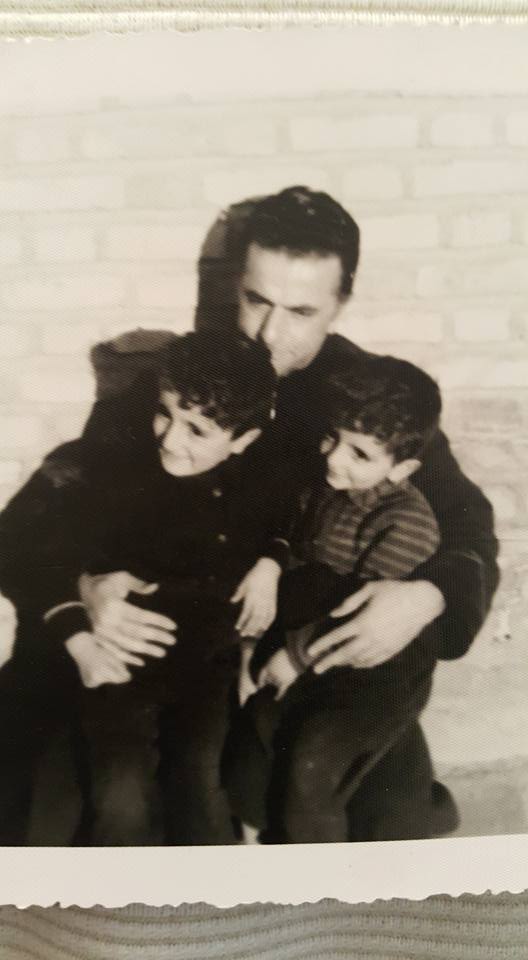
Al, Dad & me, as you might see, our father looks very pensive!?
Also, I recall how Dad came downstairs with his belt when we, as children, were not quiet enough, and there was my brother Al, who received the most beatings. But also, I remember when he came down as I was sick, and my mother called the doctor to come and give me an injection, and you can swear that I called all gods to help me keep this unfortunate doctor away from me. And yes, there was no chance for my Dad to come downstairs and look for these yellings and chase the doctor out of the house; in this very moment, his heart was more full of love towards me than for my health, or he just wanted to finish this tumult! In any case, he almost threw the doctor out of the house and kissed me in protection; I will never forget his wonderful smiling face as I lay in fever in bed, and his beautiful face came towards mine.
And just a little more: I see him (Dad) sitting on the sofa, wearing his socks in an agitated and furious way, shouting to Mother, who was in the kitchen, “So, then I get outdoors.” I hear Mother shouting back, “GO!” I’m sitting in front of him on the carpet, asking, Where are you going, Father? Nowhere, he backed!
So, having talked enough, let’s get to the love story. Although I don’t know all about it, I’ve heard and read about it. My mother had to get married at a very young age, as it was customary in the 1930s. But her husband was a general and, as it meant to be, a man of brutality. He loved our mother, but in his way, he kissed and beat her! They were no longer than three or four years together and had offspring, Soroosh, till my mother got enough and decided to escape.
She was surely not able to do it as easily as possible today. Therefore, she established a connection with her sister, Rakhshandeh (also known as Khalle Rakhshy). Of course, she was one of, let me count, the eighth of her sisters, but she was also one of the pioneers of fighting for women’s rights in those days.
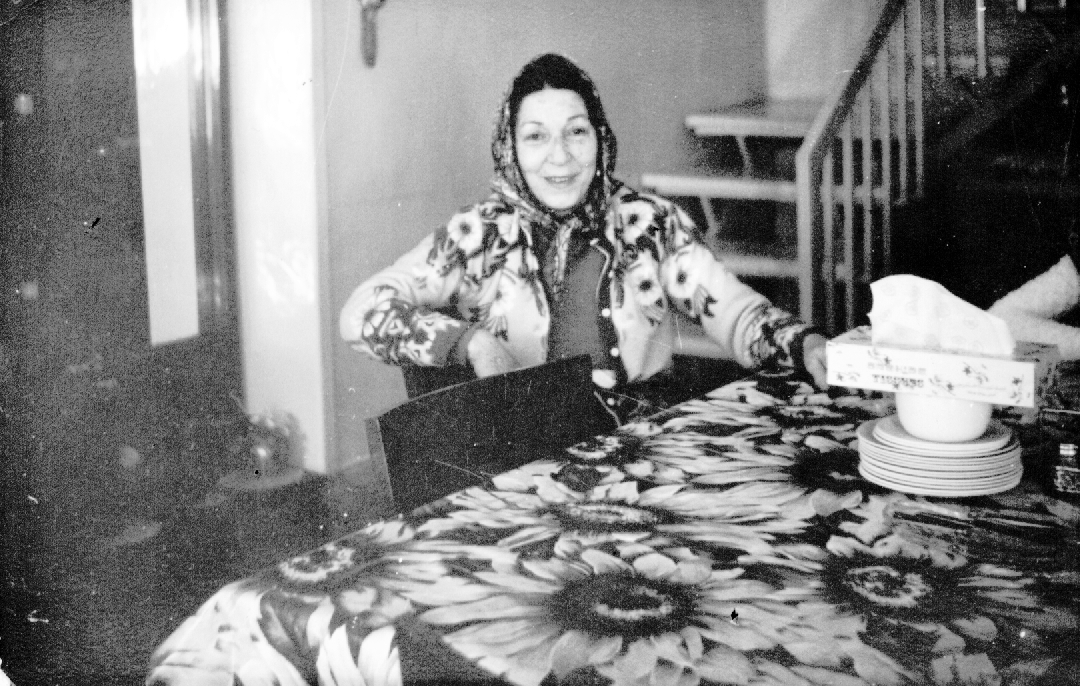
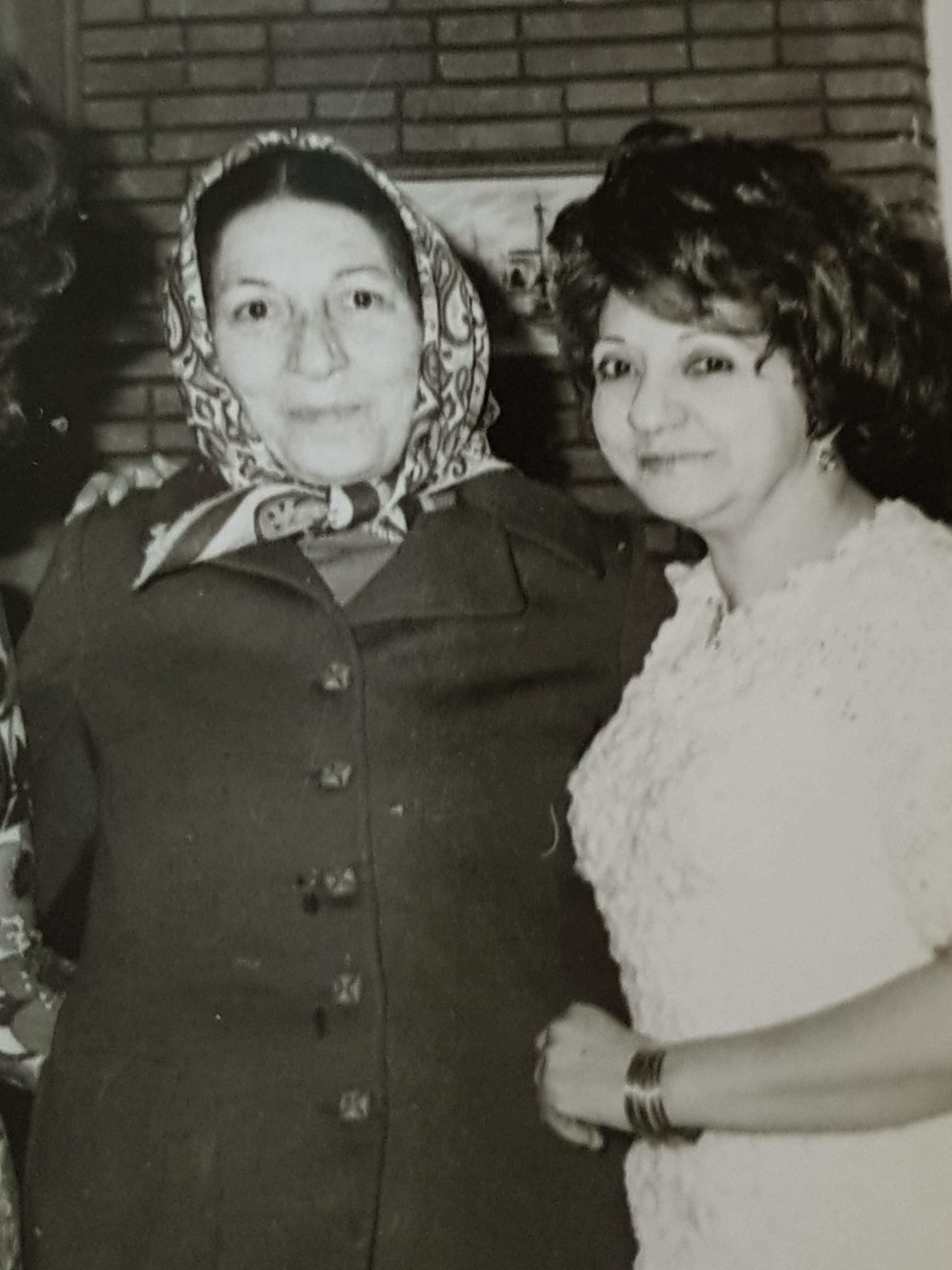
Khalle (aunt) Rakhshy
Although this picture is later from that time, I had seen a pic of her in those days; the picture showed a laughing girl dressed in white, and I tell you, dressed very generously in comparison to that time, she was working as a nurse in one of the vast and famous hospitals in the big town: Mashhad, a city in far eastern Iran, and as my Mom told us once; she had a life like the girls in the Woodstock time! She was a woman of life; nobody could get near her. She was married then, and her husband was a wonderful man who had no objections.
Anyway, in this picture, as you can see, she looks in another way; that is because, as I heard, she had visions and a meeting with the prophets! And I tell you, I believed her because she always knew something happened before it happened! She had the might of a foreseer.
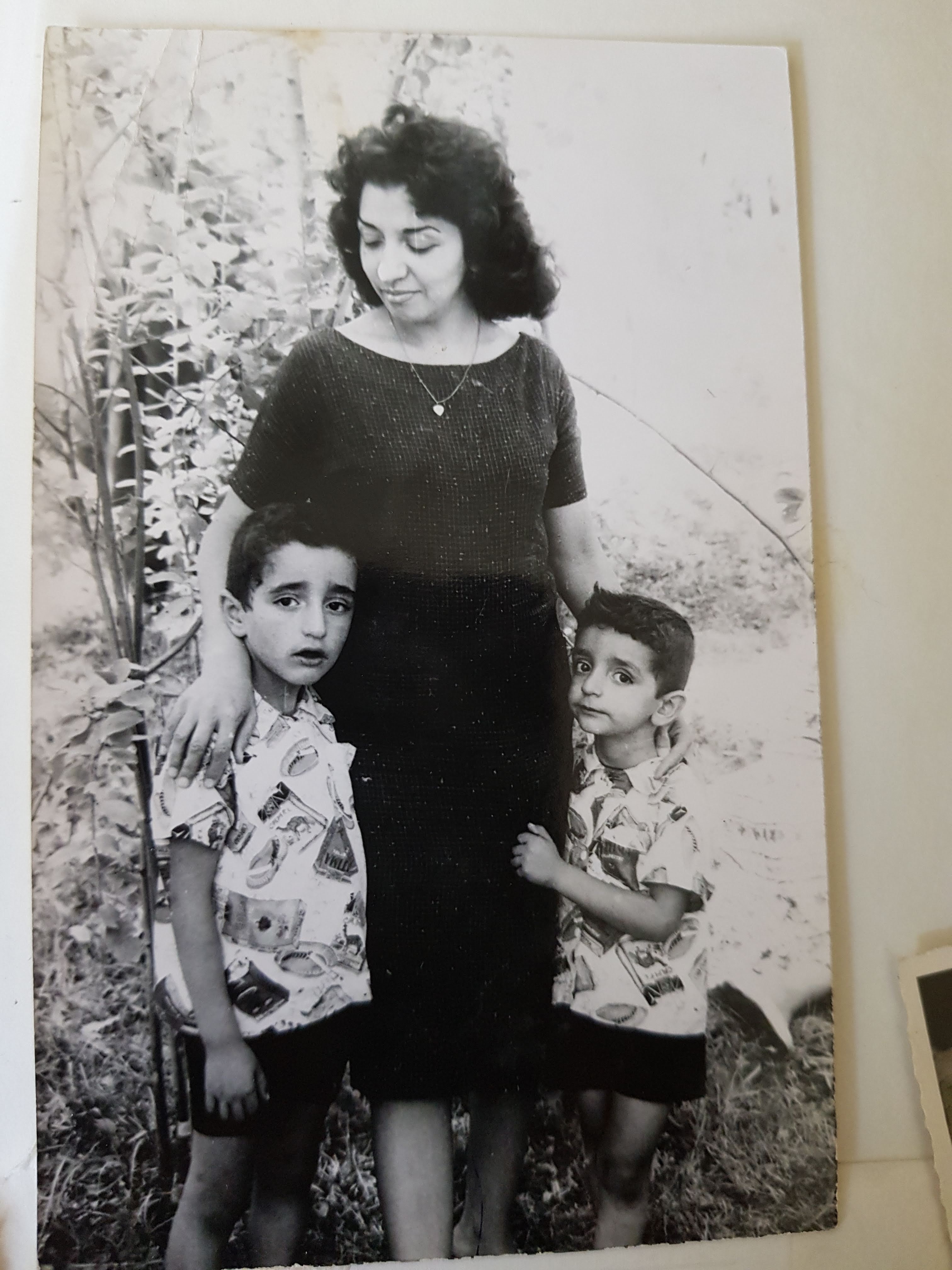
Herewith my Mom
Anyway, she had rescued our mother and got her into her big old house. As I once heard, a snake lived in the attic for many years, protecting the house. To put it bluntly, I was often there, every summer, but never met this snake, though; I had heard some creeping noise on the roof now and then when I stayed there.
So, my aunt got a divorce for Mom, as she knew how to do it back then. Now, she had noticed how sensitive her sister was and found out why: her love for one of the most famous writers of that time, my Dad.
Also, she was clever enough to arrange to let them meet each other, and she was sure it’d work out; my father was a famous writer at that time and almost in her forties, and my mother was just about twenty. In any case, she planned a meeting; she’d heard that my father was just for a short stay in the town and lured him into the house. As he belted the ring, my aunt pushed my mother to open the door, and there it happened. Mother was in love with my father through his books, and my father was amazed at my mom’s beauty when she opened the door. Then they got married.
Both in love
Of course, it’s begun a challenge of love and hate! I think it’s a well-known story in the life of every artist throughout world history. But stunningly, my mother took the patience; I believe she merely contended that her husband is a cherished, renowned writer, and many women admired him, as my mother did. Therefore, everybody must endure the pain!
There, the story of unforgiven love began. My Dad was famous enough to be invited to travel not only around Persian cities but also to foreign countries. It wasn’t enough for my Mom; there was another problem as well. Dad was against the dictatorship. He was against the Shah’s regime and the Mullahs’ existence. He was a Muslim believer, but in a mystical sense. He had even been hated by the Muslim clergy.
Let politics be on the side. Many young girls have adored him, and their affection has inspired him. However, over time, this affection faded somewhat, and his inspiration diminished as well. Thus, my mother, in her genuine love, chose to write him anonymous love letters, encouraging his creativity to produce more stories.
I think my Mom knew there was something, especially with my brother Al
I must mention that my father had to supply all of us, but he could only write, and nothing else. He was, as some artists might be, a man of art and not of money! That was not an easy life, I promise, as in the end, I might say the lasted ten-year love story got its end, as our parents came home after a marriage party and in the middle of the night my father got a brain attack and left us little kids and a young inexperienced beloved wife with owing much!
Wow! I didn’t think that it would get so long! Anyhow, thank you for your patience, and I think you will need it more if you like because, after this, I have much to tell about our life; it goes more dramatically 🙂 Have a wonderful weekend 💖
A very interesting question. Do they have some? Or are we aware of our own? I don’t know if I have some 😀 but surely I would wish to have a “Consciousness-Ometer”!
here is an amazing research about that; Take a look, be honest, and be aware of your good “conscience” on your “consciousness” 😉
Author: Tam Hunt Affiliate Guest in Psychology, University of California, Santa Barbara
How can you know that any animal, other human beings, or anything that seems conscious, isn’t just faking it? Does it enjoy an internal subjective experience, complete with sensations and emotions like hunger, joy, or sadness? After all, the only consciousness you can know with certainty is your own. Everything else is inference. The nature of consciousness makes it by necessity a wholly private affair.
These questions are more than philosophical. As intelligent digital assistants, self-driving cars and other robots start to proliferate, are these AIs actually conscious or just seem like it? Or what about patients in comas – how can doctors know with any certainty what kind of consciousness is or is not present, and prescribe treatment accordingly?
In my work, often with with psychologist Jonathan Schooler at the University of California, Santa Barbara, we’re developing a framework for thinking about the many different ways to possibly test for the presence of consciousness.
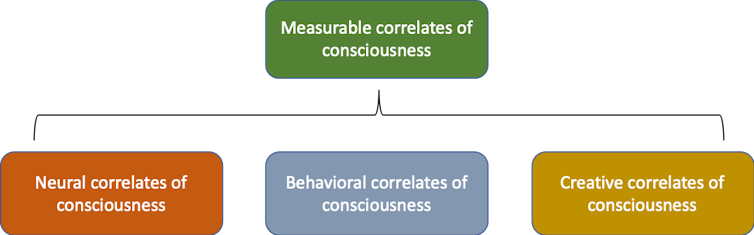
There is a small but growing field looking at how to assess the presence and even quantity of consciousness in various entities. I’ve divided possible tests into three broad categories that I call the measurable correlates of consciousness.
There are three types of ways to gauge consciousness.
You can look for brain activity that occurs at the same time as reported subjective states. Or you can look for physical actions that seem to be accompanied by subjective states. Finally, you can look for the products of consciousness, like artwork or music, or this article I’ve written, that can be separated from the entity that created them to infer the presence – or not – of consciousness.
Neural correlates of consciousness
Over the last two decades, scientists have proposed various ways to probe cognition and consciousness in unresponsive patients. In such cases, there aren’t any behaviors to observe or any creative products to assess.
You can check for the neural correlates of consciousness, though. What’s physically going on in the brain? Neuroimaging tools such as EEG, MEG, fMRI and transcranial magnetic stimulation (each with their own strengths and weaknesses), are able to provide information on activity happening within the brain even in coma and vegetative patients.
Cognitive neuroscientist Stanislas Dehaene has identified what he calls four signatures of consciousness – specific aspects of brain activity he deems necessary for normal consciousness. He focuses on what’s known as the “P3 wave” in the dorsolateral cortex – the part of the brain behind the top of your forehead – because it seems to correlate most reliably with normal conscious states. He also focuses on long-range synchronized electric fields between different parts of the brain as another key signature of consciousness.
In tests which look for these signals in vegetative and minimally conscious patients, Dehaene and his colleagues have successfully predicted which patients are most likely to regain more normal states of consciousness.
Sid Kouider, another cognitive neuroscientist, has examined infants in order to assess the likelihood that very young babies are conscious. He and his team looked for specific neural signatures that go along with subjective experience in adults. They looked specifically for a certain type of brain waves, similar to the P3 wave Dehaene focuses on, that are reliable indicators of consciousness in adults. They found clear analogs of the P3 wave in the brains of babies as young as five months old. Kouider concludes – unsurprisingly – that even young babies are very likely conscious in various complex ways, such as recognizing faces.
Behavioral correlates of consciousness
When considering potentially conscious entities that can’t communicate directly, and that won’t allow neuroscientific measurement tools on their head (if they even have heads), it’s possible to consider physical behaviors as clues for the presence and type of consciousness.
You know that a massive range of human behaviors are accompanied by conscious experience. So when you see similar behaviors in other animals or even non-animals, can you reasonably infer the presence of consciousness?
What’s going on in there? Maggie Villiger, CC BY-ND
For example, are cats conscious? Their brain architecture is a little different than humans’. They have very minimal prefrontal cortex, which some scientists think is the center of many higher-order activities of the human brain. But is a prefrontal cortex necessary for consciousness?
Cat behavior is complex and pretty easy to map onto human behavior in many ways. Cats purr, flex their toes and snuggle when petted, in similar ways to people demonstrating pleasure when physically stimulated – minus the purrs, of course. They meow loudly for food when hungry and stop meowing when fed. They demonstrate curiosity or fear about other cats or humans with various types of body language.
These and many other easily observable behaviors add up to convincing evidence for most people that cats are indeed conscious and have rich emotional lives. You can imagine looking for other familiar behaviors in a rat, or an ant or a plant – if you see things close enough to what you’d expect in conscious humans, you may credit the observed creature with a certain type of consciousness.
Creative correlates of consciousness
If, for whatever reason, you can’t examine neural or behavioral correlates of consciousness, maybe you can look to creative outputs for clues that would indicate consciousness.
For example, when examining ancient megalithic structures such as Stonehenge, or cave paintings created as far back as 65,000 years ago, is it reasonable to assume that their creators were conscious in ways similar to us? Most people would likely say yes. You know from experience that it would take high intelligence and consciousness to produce such items today, so reasonably conclude that our ancient ancestors had similar levels of consciousness.
What if explorers find obviously unnatural artifacts on Mars or elsewhere in the solar system? It will depend on the artifacts in question, but if astronauts were to find anything remotely similar to human dwellings or machinery that was clearly not human in origin, it would be reasonable to infer that the creators of these artifacts were also conscious.
Researchers could conduct a kind of “artistic Turing Test”: ask study participants to consider various artworks and say which ones they conclude were probably created by a human. If AI artwork consistently fools people into thinking it was made by a person, is that good evidence to conclude that the AI is at least in some ways conscious? So far AI aren’t convincing most observers, but it’s reasonable to expect that they will be able to in the future.
Can anyone get a definitive answer about the presence of consciousness, and how much? Unfortunately, the answer to both questions is no. There is not yet a “consciousness-ometer,” but various researchers, including Dehaene, have some ideas.
Neuroscientist Giulio Tononi and his colleagues like Christof Koch focus on what they call “integrated information” as a measure of consciousness. This theory suggests that anything that integrates at least one bit of information has at least a tiny amount of consciousness. A light diode, for example, contains just one bit of information and thus has a very limited type of consciousness. With just two possible states, on or off, however, it’s a rather uninteresting kind of consciousness.
Rather than integrated information as the key measure of consciousness, however, we focus on resonance and synchronization and the degree to which parts of a whole resonate at the same or similar frequencies. Resonance in the case of the human brain generally means shared electric field oscillation rates, such as gamma band synchrony (40-120 Hertz).
Our consciousness-ometer would then look at the degree of shared resonance and resulting information flows as the measure of consciousness. Humans and other mammals enjoy a particularly rich kind of consciousness, because there are many levels of pervasive shared synchronization throughout the brain, nervous system and body.
Tests for consciousness are still in their infancy. But this field of study is undergoing a renaissance because the study of consciousness more generally has finally become a respectable scientific pursuit. Before too long it may be possible to measure just how much consciousness is present in various entities – including in you and me.
This is for the first time that I write a tribute about my brother on this site, who “changed the level” as he wrote in his last novel as picturing the death.
He left on this day in 2007 because of a fiendish brain tumour and I reminded this day always on FB but now I feel much cosier to share it here with you.
Of course, in my opinion, to lose a beloved one lingers all the time in the heart and mind. But to mention the very day; Birthday or dying day, is normally the highest point of this memory, as one is much closer than ever.
Yes, we were an unusual pair; when I was born he was just 20 months old and after a year of my residence on this earth, one day when my mother was outdoor, he suggested Dad that they should take the chance to make an end on this cranky kinky and whimsical trouble and threw him out!!
But I survived by the help of Dad and despite all our differences, became fine to each other. Especially, when our father died by a brain stroke, I was just seven years old and Al, my brother, almost a year older was nevertheless much wiser and his brain further than mine, therefore, he took the place of the protectionist.
And as father was just a writer with no idea about making money, he left us with a huge depth and Mom, although, as a young widow, had to find ways to pay all them off. Therefore, we were mostly alone in our big house. But with all exciting moments, we got through these all troubles and it brought us much nearer and closer together.
Anyway, He was a very happy freethinker and sometimes very hard; an honest critical genius with a generous heart.
I don’t believe in ghosts as some might do but in a might behind this earthly life and I feel it beside me, as my brother or Mom or Dad. With always love and gratitude ❤ ❤
Hey Friends! There I get another version of this issue as I give it the No; 2, because I’ve written once about this effect in my life but now I get another point, and this is the Burnout at work!
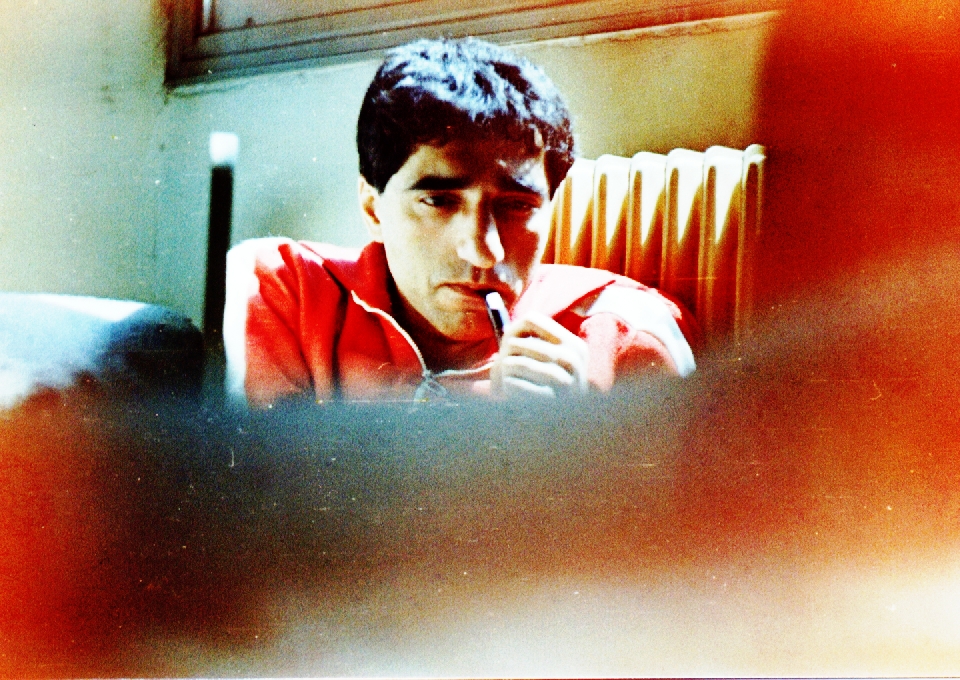
Of course, please don’t look at the cravat, I’d never use it!! 😀
But the case is; as you might mention; I am writing a post on Tuesday on which I must normally be at work, but I’m at home 😉
I just wanna say the case; Burning Out is very serious and we might take care of it.
It is because I’ve got really a burnout last week. Let me tell you the story as short as I can; it’s may be repeated to tell that I’m working as a taxi driver in Germany and it might be right when one of my regular guest; a retired pastor and a wonderful man, once on the way, when we were talking about literature and I quote something from Shakespeare, he told me; “oh my God! you know Shakespeare? then you are downcasted!!”
You know, when I must do something, I’ll try to do it perfectly. And when I stayed here in Germany, the only chance for me to earn my own money was to do this job. Therefore, I tried to do it as a good driver, maybe the best 😉 then I became a very famous and beloved one in this small town. But unfortunately, it got a lot; I get sometimes in minutes’ beat phone calls one after another and you might imagine how hard is that when I’m driving the car in the streets 😛
Anyway, Yesterday I’ve got to my doctor and told the story and asked him if I needed a neurologist. You are not mad Mr Fazel! he said; only exhausted.
And now I have to take a rest and reading and writing and enjoying the good life, then gathering power to back to another one; wildlife!!!
May the force be with you all and have a nice week ahead ❤ ❤
Last weekend, as some friends might know, I shared my busy weekend because of getting guests. My dear and adorable friend Deborah Gregory http://www.theliberatedsheep.com/ Had kindly suggested me to tell about my experiences on this.
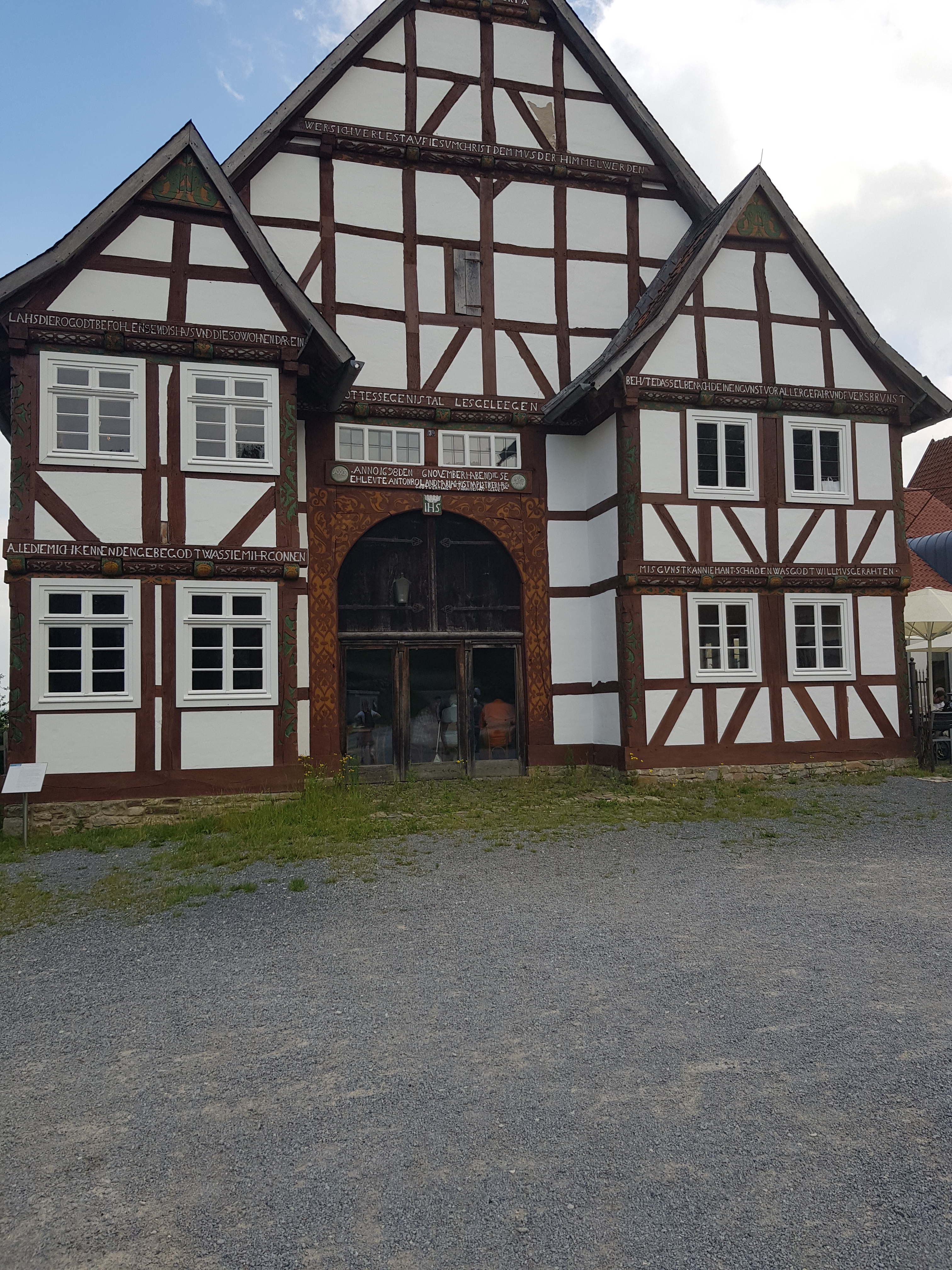
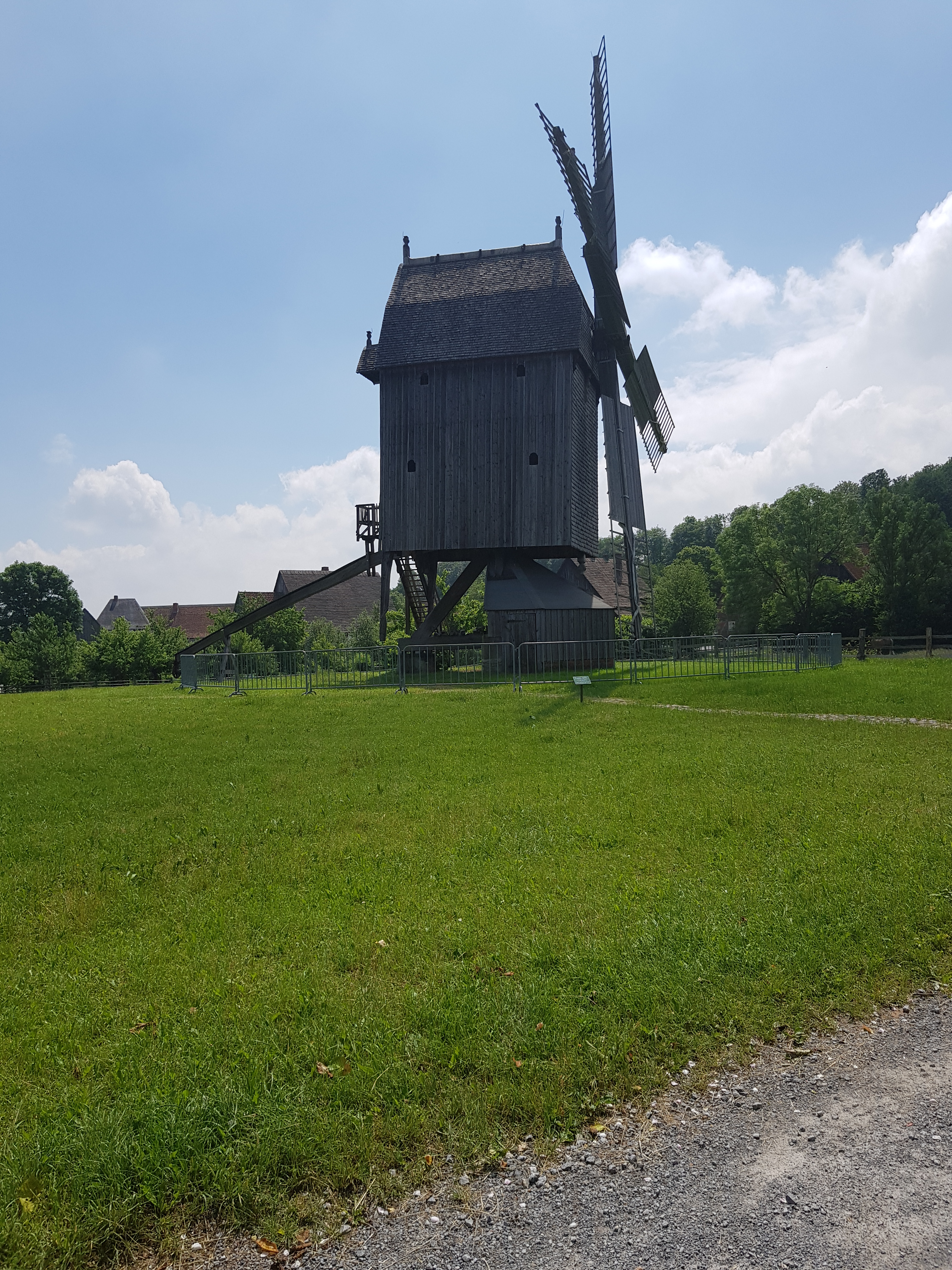
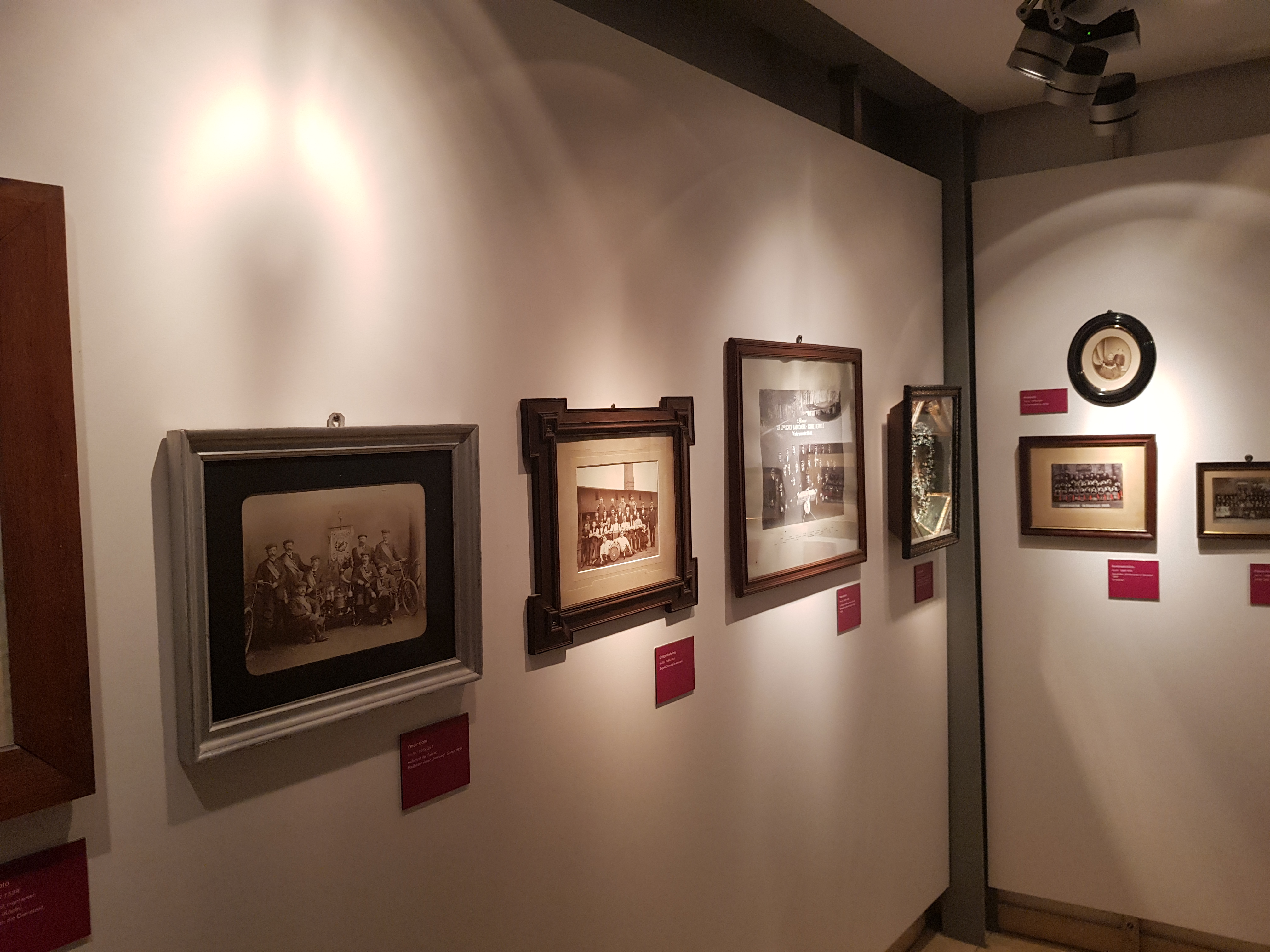
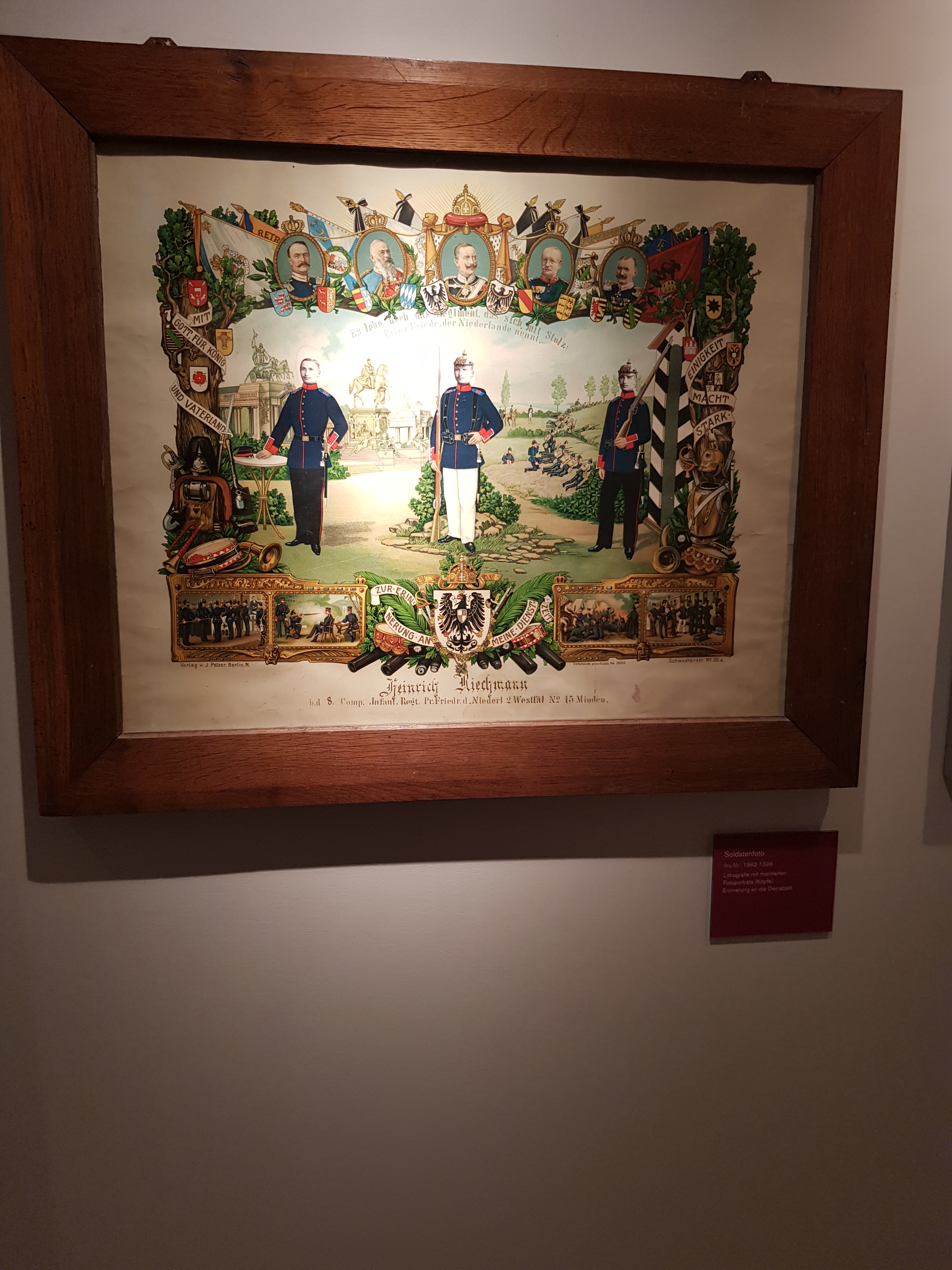
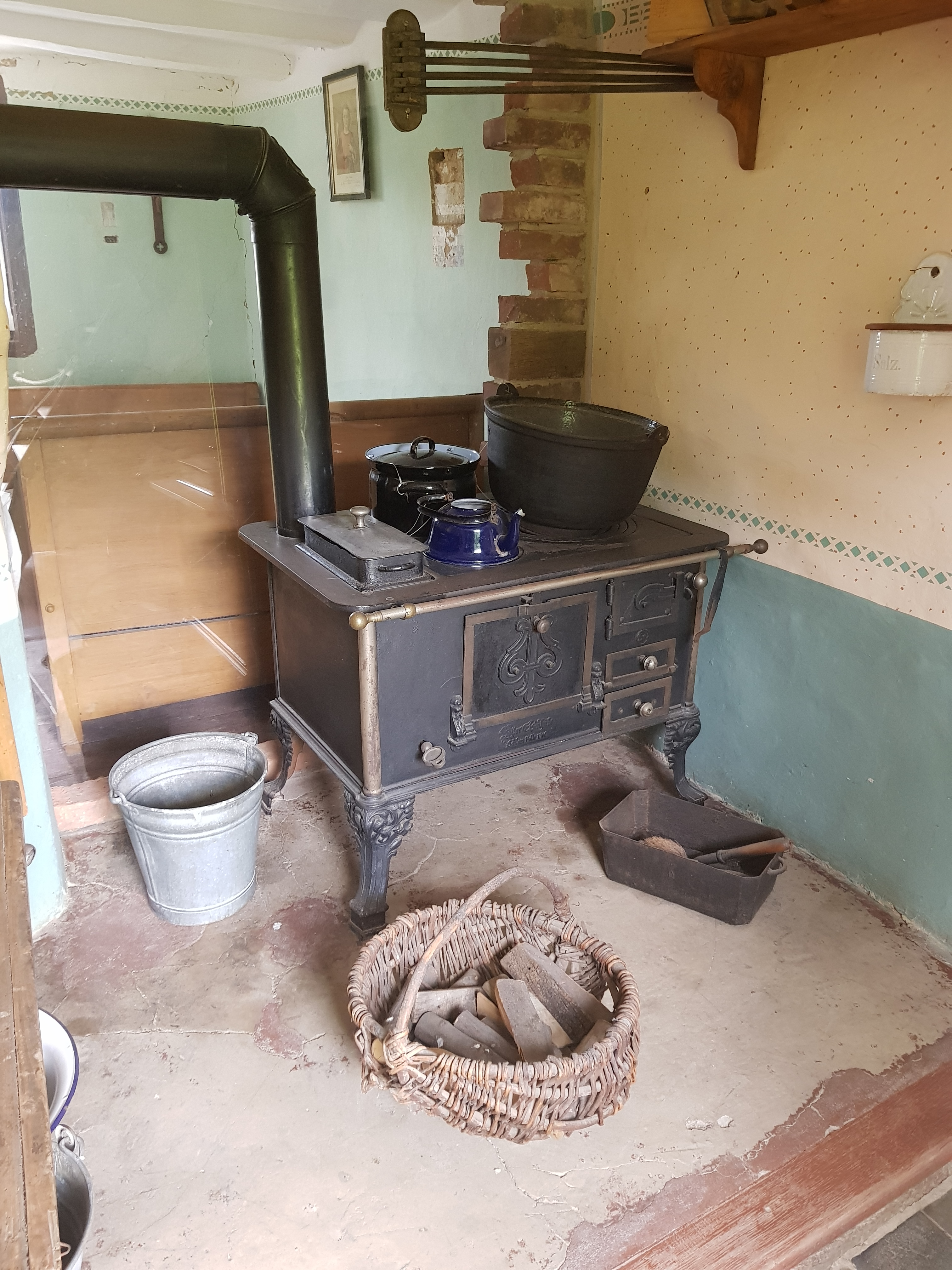
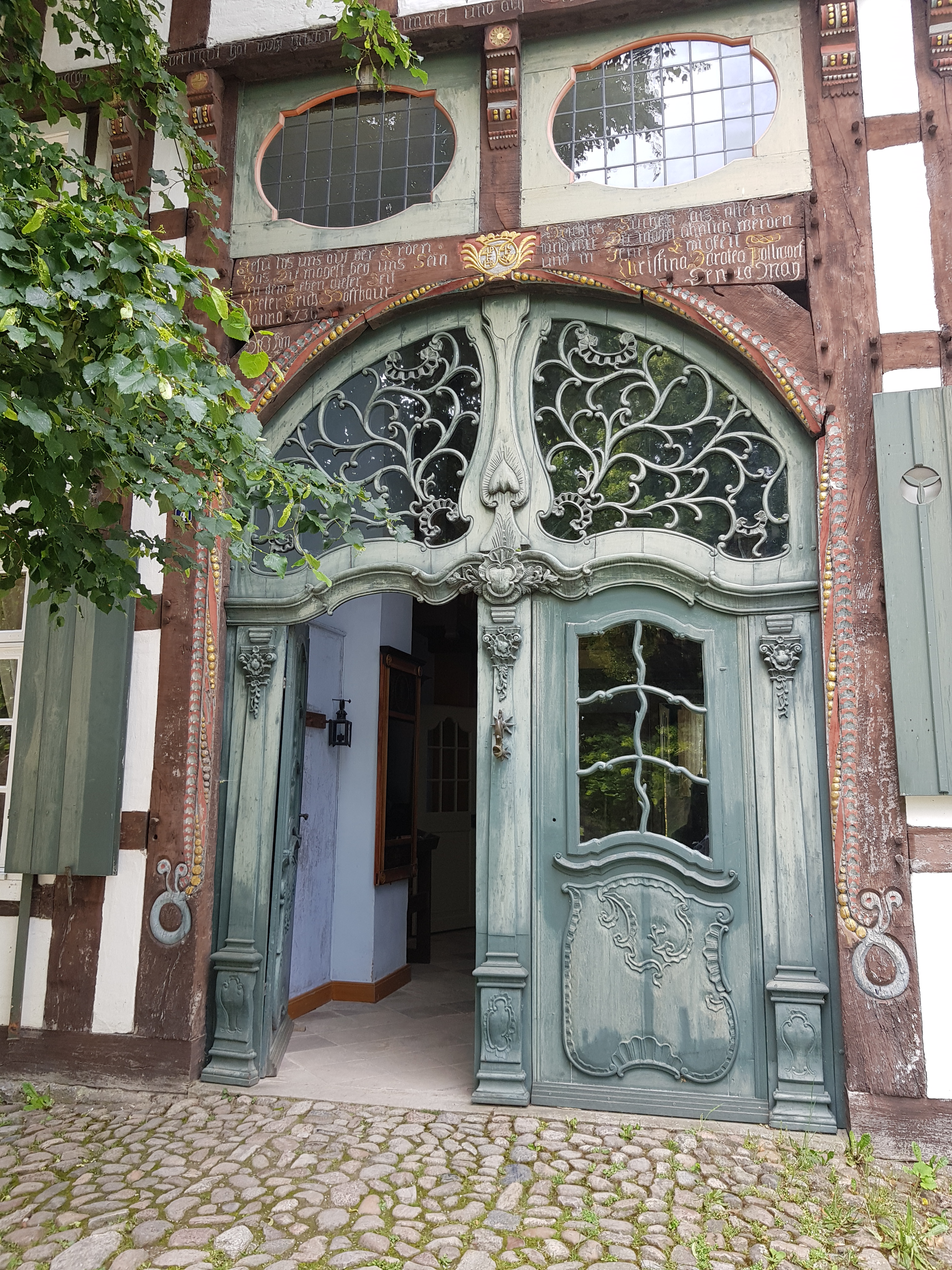
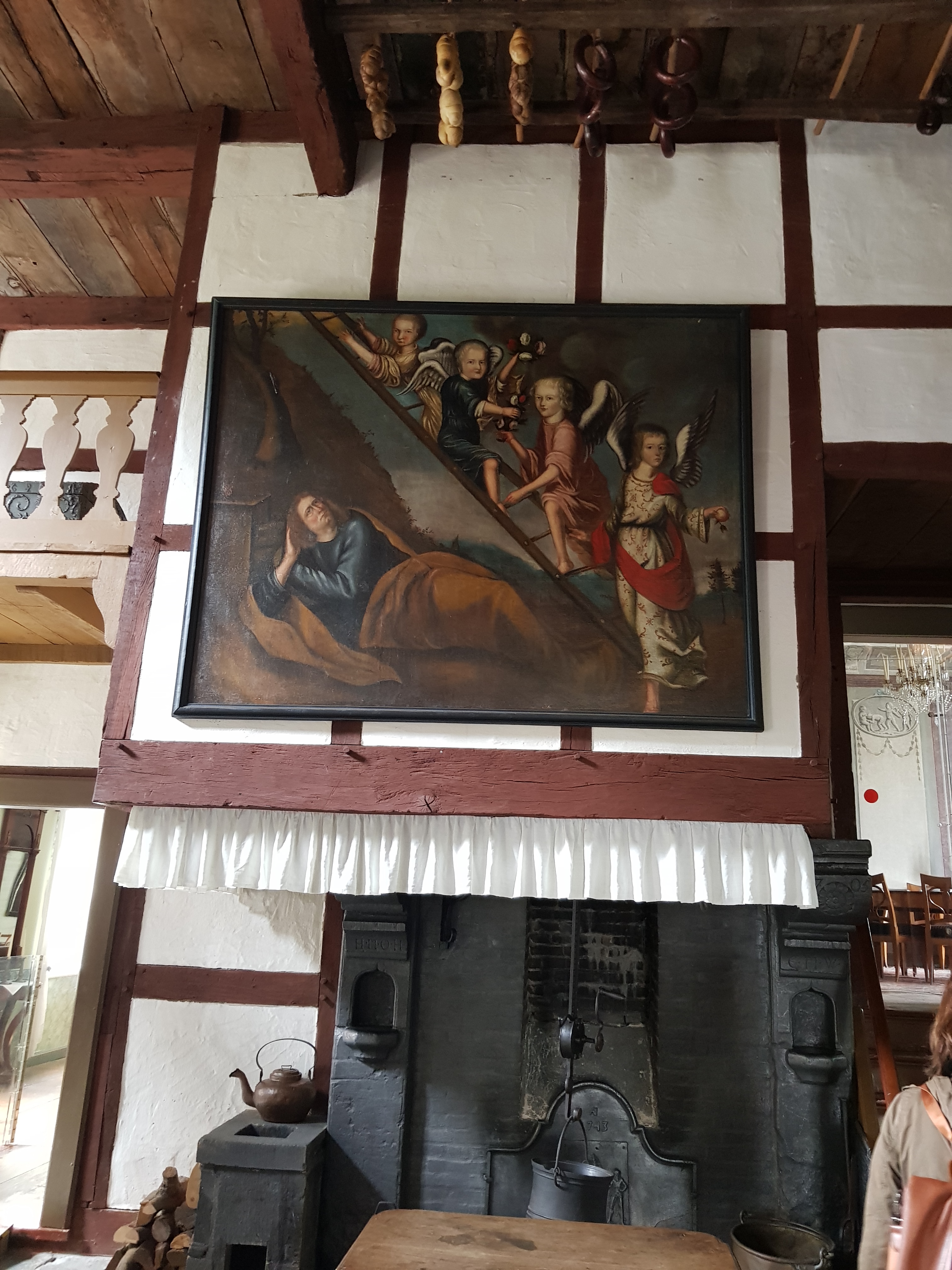
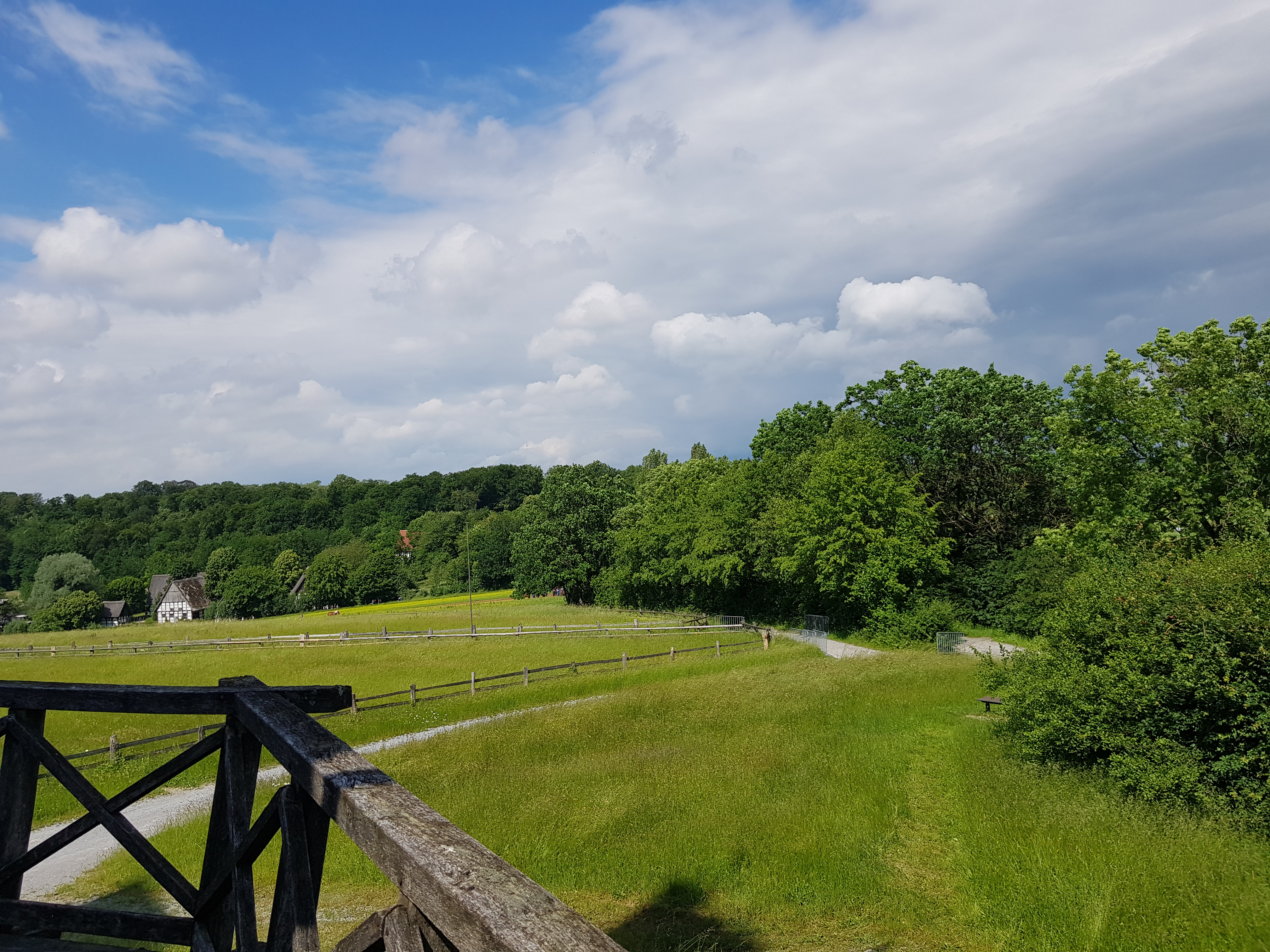
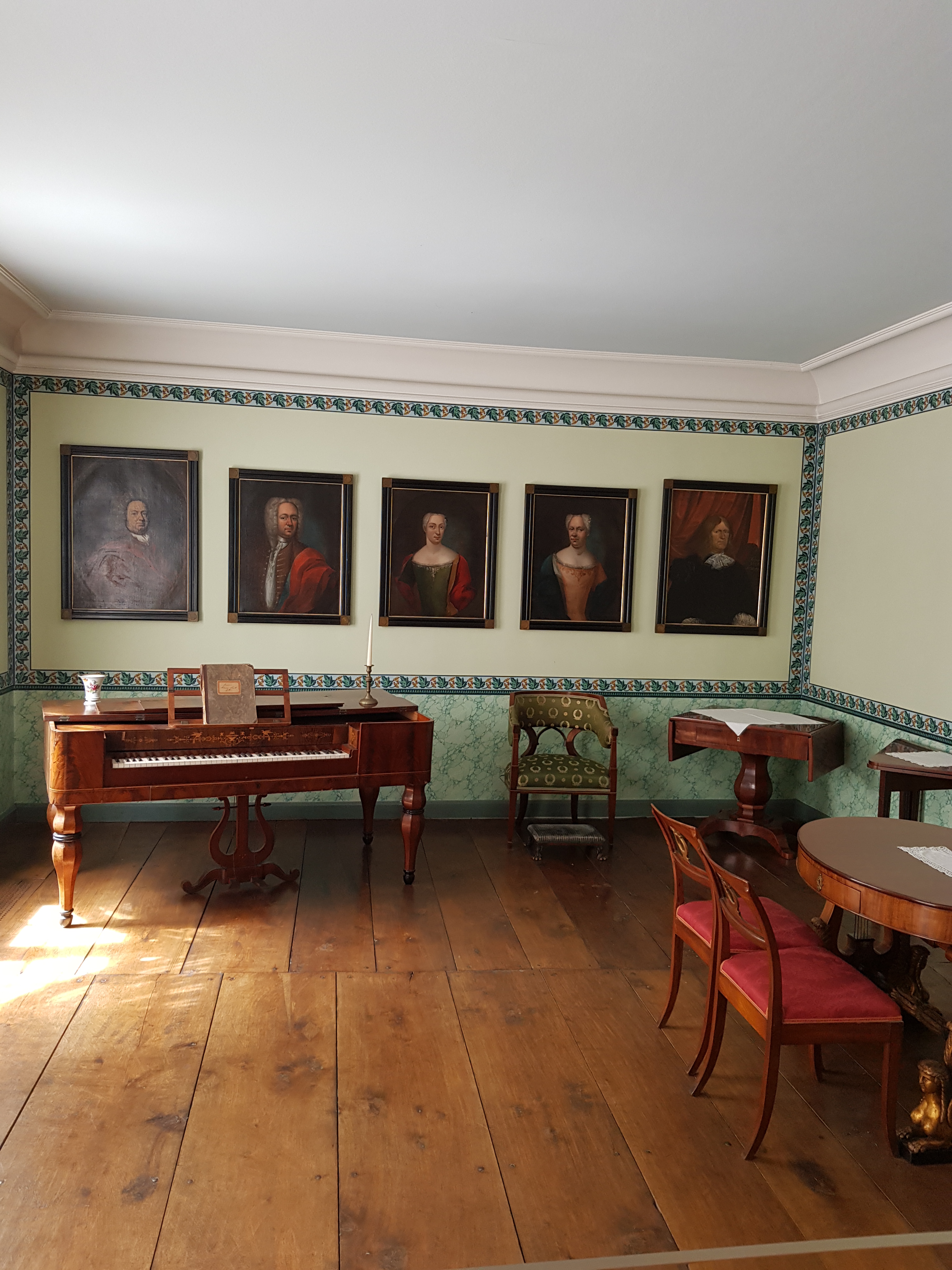
I don’t want to write about the common and frequent events like sitting, talking about this and that or barbeque in the backyards garden, which are happening as usual 😉 I wanna just tell about our visit in the Open Air Museum near Detmold, a small but very beautiful city in the OWL (Eastern Westphalia, Germany)
A wonderful and wide landscape in which one must have much time and of course, being young enough to reach all the places in that area.
Yes we haven’t got much 😀 only could visit the part of Paderborns village. but what we’ve got I’d tried to document by my Smartphone to share with you here. I hope you’ll enjoy 🙂 ❤
very convenient for the lazy ones 😉 I wished I’d save the smell too; it was fantastic!
To put it bluntly, I have not a tiny problem if any hit song sounds like any other song!! If you might heard about; Beatles Yesterday sounds like a piece of whom or,,, I know an example: the famous song; Hotel California seems being a sincerely copy of Jethro Tull’s “We used to know” but Ian Anderson the head of Jethro Tull after hearing this annonce, shrugged the shoulders and answered: what a… it is a wonderful song isn’t?
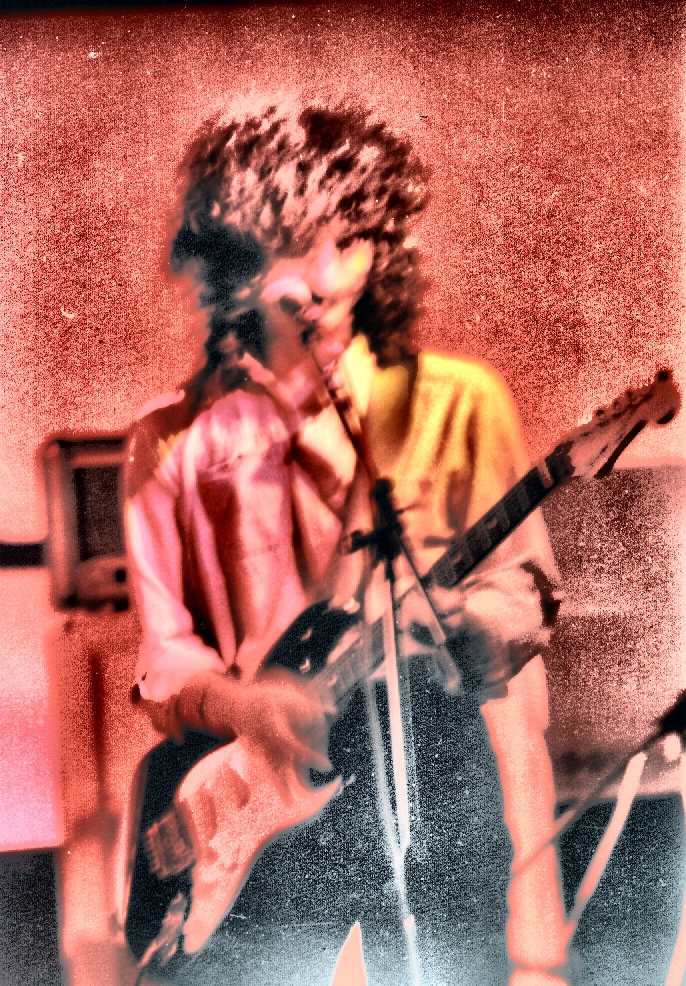
Anyway, I am since a long time a musician and I have some experiences about composing musics (I was not a lucky one 😀 ) and I know how it is a wonderful feeling when you get an idea from your most favourite song from your beloved musician.
only for proof; me on the stage in the 90’s
anyhow, the music world is unlimited, and also the sonority is floating all in the air, we only must keep silence a listen to them; it is just wonderful.
You might wonder what would I mean, yes, sure it looks a little weird but I can explain it; I have many experiences about finding out how many masterpieces in the music world, might be stolen or pilfered by any other song in the past. That is actually bullshits!” because, as I once was a musician and I had got also many themes from the older music hits and combine a new one, it was a great enjoyment for me as I’d believe that it would be surely a great enjoyment for the compositor for seeing how could be music unlimited.
Wayne’s World kind of ruined “Stairway to Heaven” for me. Yes, it’s been 27 years, but I still can’t help but think of Wayne turning to the camera with his stoner grin, saying “Denied!” when the guitar store clerk points out a “No Stairway to Heaven” sign. It was not a song I took particularly seriously, but I respected the fact that it took itself so seriously… and threaded my way out of the room if someone picked up a guitar, earnestly cocked an ear, and played those gentle opening notes.
Now I giggle even when I hear the magisterial original intro. This is not the fault of Zeppelin but of the many who approach the Zeppelin temple of rock grandiosity unprepared, attempting riffs that only Jimmy Page could pull off with authority. At least the joke gave us a way to talk about the phenomenon: in lesser hands than Led Zeppelin’s “Stairway” can sound… well, a bit ridiculous (with apologies to Dolly Parton.) Although accused (and acquitted) of ripping off the opening notes to Spirit’s instrumental “Taurus,” the song is all Zeppelin in every possible way.
“Stairway” is a representative sampler pack of the band’s signature moves: mixing folk rock and heavy metal with a Delta blues heart; exploding in thunderheads of John Bonham drum fills and a world-famous Page solo; Plant screaming cryptic lyrics that vaguely reference Tarot, Tolkien, English folk traditions and “a bustle in your hedgerow”; John Paul Jones’ wildly underrated multi-instrumental genius; bizarre charges of Satanic messages encoded backwards in the record…. (bringing to mind another Wayne’s World actor’s character.)
“Stairway… crystallized the essence of the band,” said Page later. “It had everything there and showed us at our best. It was a milestone.” It set a very high bar for big, emotional rock songs. “All epic anthems must measure themselves against ‘Stairway to Heaven,’” writes Rolling Stone. It is “epic in every sense of the word,” says the Polyphonic video at the top, including the literary sense. It can “make you feel like you’re part of a different time, part of a different world. It can make you feel like you’re part of a story.”
That story? “One of the greatest narrative structures in human history,” the Hero’s Journey, as so famously elaborated by Joseph Campbell in The Hero With a Thousand Faces—an archetypal mythological arc that has “permeated stories for as long as humans have told them.” Not only do Robert Plant’s mystical lyrics reflect this ancient narrative, but the song’s composition also enacts it, building stage by stage, from questioning to questing to battling to returning with the wisdom of how “to be a rock and not to roll.”
The song’s almost classical structure is, of course, no accident, but it is also no individual achievement. Hear the story of its composition, and why it has been so influential, despite the jokes at the expense of those it influenced, in the Polyphonic video at the top and straight from Jimmy Page himself in the interview above.
Out of all of Zeppelin’s many epic journeys, “Stairway” best represents “the reason,” as cultural critic Steven Hyden writes, “why that band endures… the mythology, that Joseph Campbell idea of an epic journey into the wild that Zeppelin’s music represents, the sense that when you listen to this band, you feel like you’re plugging into something bigger and more profound than a band.” Or that the band is opening a doorway to something bigger and more profound than themselves.
I must confess that if I have ever like any “ism” I’d rather be Feminist! They are unpredictable!
You know, Men. I mean we all men, we have ruled the world since the religions began to rule and we were so satisfied with our result that we have hidden our heads (and in the same way our brains) in the sand with our regulated, controlled, fixed way of life to settle everything, according to our wish, and thought laughingly; all is the best!
But now, if we really look around us with the opened eyes (opened-minded) we can clearly see what we have failed; to ignore the fear and make something new.
Yes my dear same gender, we have made so many rules for our benefits and missed the point of; “just let it run free”. now there they are; Women and they rock definitely. There here, is one of my most recommended favourites. ❤
There is nothing more to say but enjoy this essential be presented. 🙂 🙂
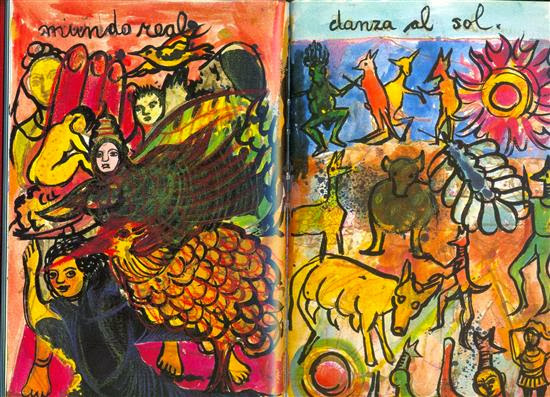
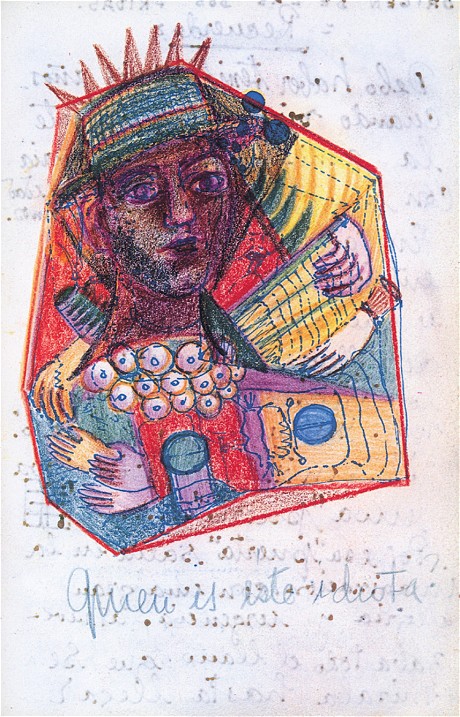
When we admire a famous artist from the past, we may wish to know everything about their lives—their private loves and hates, and the inner worlds to which they gave expression in canvases and sculptures. A biography may not be strictly necessary for the appreciation of an artist’s work. Maybe in some cases, knowing too much about an artist can make us see the autobiographical in everything they do. Frida Kahlo, on the other hand, fully invited such interpretation, and made knowing the facts of her life a necessity.
She can hardly “be accused of having invented her problems,” writes Deborah Solomon at The New York Times, yet she invented a new visual vocabulary for them, achieving her mostly posthumous fame “by making her unhappy face the main subject of her work.”
Her “specialty was suffering”—her own—“and she adopted it as an artistic theme as confidently as Mondrian claimed the rectangle or Rubens the corpulent nude.” Kahlo treated her life as worthy a subject as the respectable middle-class still lifes and aristocratic portraits of the old masters. She transfigured herself into a personal language of symbols and surreal motifs.
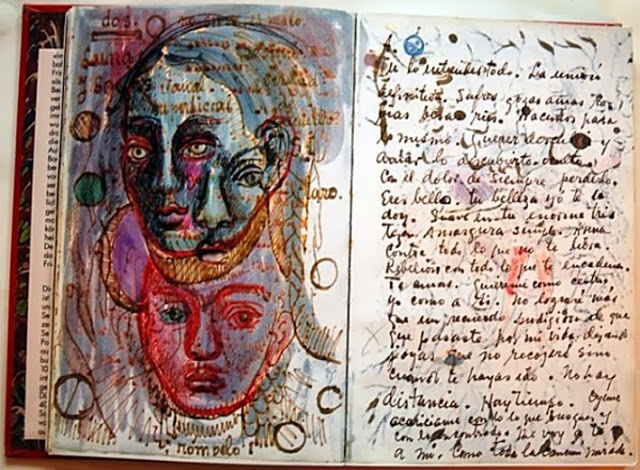
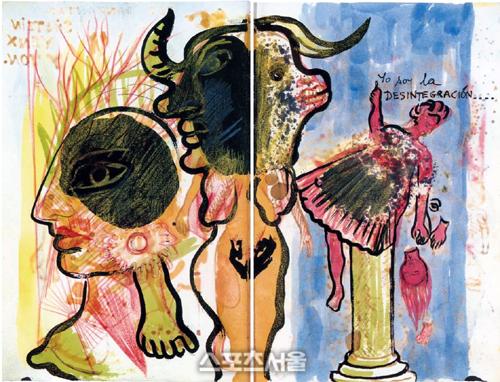
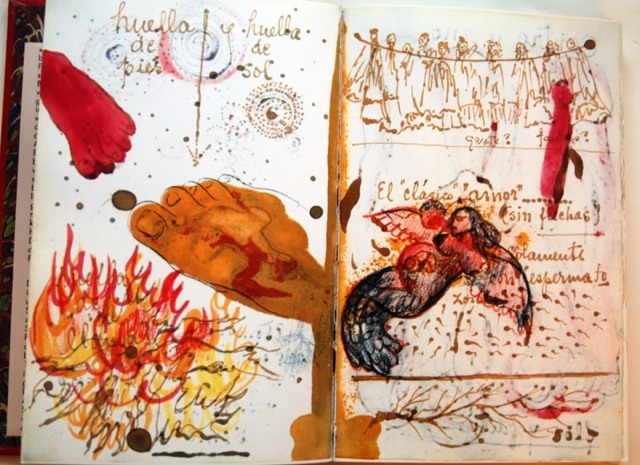
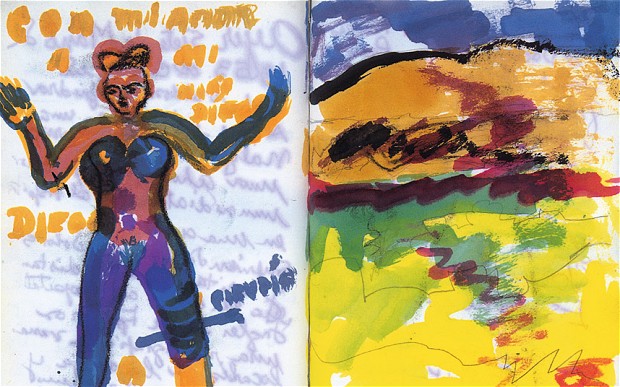
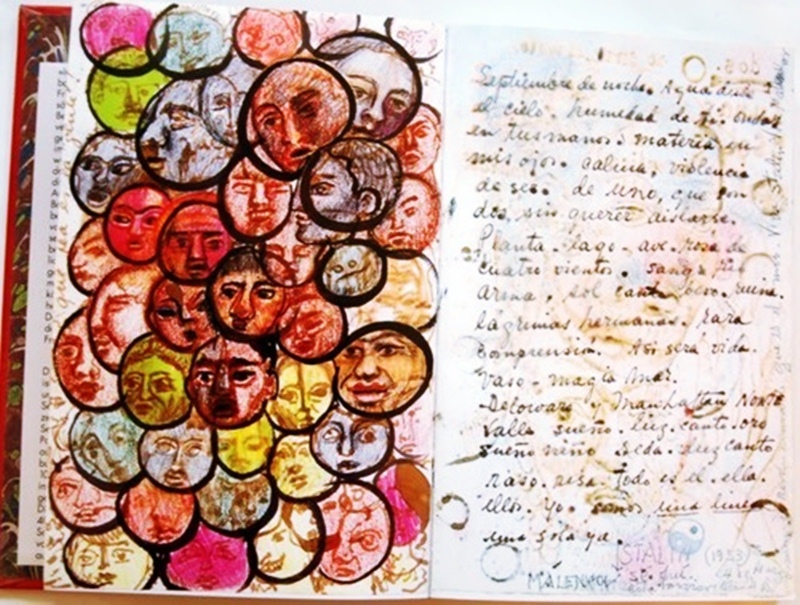
This means we must peer as closely into Kahlo’s life as we are able if we want to fully enter into what Museum of Modern Art curator Kirk Varnedoe called“her construction of a theater of the self.” But we may not feel much closer to her after reading her wildly-illustrated diary, which she kept for the last ten years of her life, and which was locked away after her death in 1954 and only published forty years later, with an introduction by Mexican novelist Carlos Fuentes. The diary was then republished by Abrams in a beautiful hardcover edition that retains Fuentes’ introduction.
If you’re looking for a historical chronology or straightforward narrative, prepare for disappointment. It is, writes Kathryn Hughes at The Telegraph, a diary “of a very particular kind. There are few dates in it, and it has nothing to say about events in the external world—Communist Party meetings, appointments at the doctor’s or even trysts with Diego Rivera, the artist whom Kahlo loved so much that she married him twice. Instead it is full of paintings and drawings that appear to be dredged from her fertile unconscious.”
This descriptions suggests that the diary substitutes the image for the word, but this is not so—it is filled with Kahlo’s experiments with language: playful prose-poems, witty and cryptic captions, free-associative happy accidents. Like the visual autobiography of kindred spirit Jean-Michel Basquiat, her private feelings must be inferred from documents in which image and word are inseparable. There are “neither startling disclosures,” writes Solomon, “nor the sort of mundane, kitchen-sink detail that captivates by virtue of its ordinariness.” Rather than exposition, the diary is filled, as Abrams describes it, with “thoughts, poems, and dreams… along with 70 mesmerizing watercolor illustrations.”
Kahlo’s diary allows for no “dreamy identification with its subject” notes Solomon, through Instagram-worthy summaries of her dinners or wardrobe woes. Unlike her many, gushing letters to Rivera and other lovers, the “irony is that these personal sketches are surprisingly impersonal.” Or rather, they express the personal in her preferred private language, one we must learn to read if we want to understand her work. More than any other artist of the time, she turned biography into mythology.
Knowing the bare facts of her life gives us much-needed context for her images, but ultimately we must deal with them on their own terms as well. Rather than explaining her painting to us, Kahlo’s diary opens up an entirely new world of imagery—one very different from the controlled self-portraiture of her publicbody of work—to puzzle over.
One can really explore this genius for a long time and never get tired of!
He was and is the genius of all time as we look not only to his fascinating paintings but into his experiments and researches in all about.
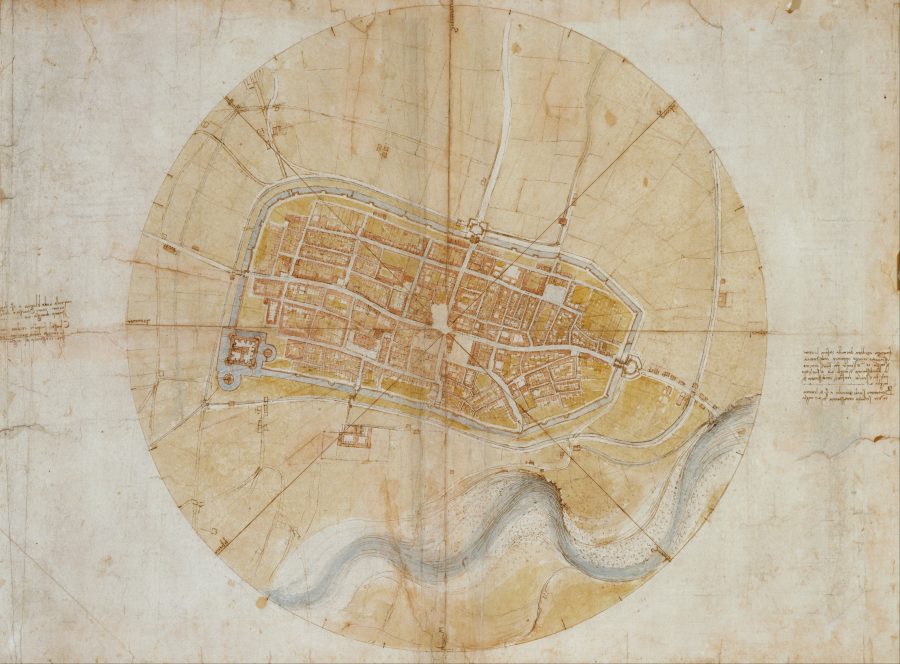
And now I have found another genius work as he drew a map exactly as we’d see in our time only with the help of satellites!
How could he see these, with a clandestine satellite?! Stunningly he was always speaking of the power of simplicity.
No, surely not. He could do it with his imaginations. I can remember as a young boy, watching old wonderful science fiction TV series, in one of them; it was about a man who has been found on a planet lonesome, the finders asked him to come with them on their spaceship to explore the universe but he didn’t want to leave his planet; I can fly all over where I want, in my dreams, with my imagination, he said.
Yes, Leonardo was also able to use his. Actually, we must try using our imagination to find out how Leonardo da Vinci could draw so precisely the Imola city of Italy without a spaceship! 😉 It blows one’s mind to try doing it!
So, here I share again an article about this great genius, hoping you enjoy it. With thanks ❤
When I look at maps from centuries ago, I wonder how they could have been of any use. Not only were they filled with mythological monsters and mythological places, but the perspectives mostly served an aesthetic design rather than a practical one. Of course, accuracy was hard to come by without the many mapping tools we take for granted—some of them just in their infancy during the Renaissance, and many more that would have seemed like outlandish magic to nearly everyone in 15th century Europe.
Everyone, it sometimes seems, but Leonardo da Vinci, who anticipated and sometimes steered the direction of futuristic public works technology. None of his flying machines worked, and he could hardly have seen images taken from outer space. But he clearly saw the problem with contemporary maps. The necessity of fixing them led to a 1502 aerial image of Imola, Italy, drawn almost as accurately as if he had been peering at the city through a Google satellite camera.
“Leonardo,” says the narrator of the Vox video above, “needed to show Imola as an ichnographic map,” a term coined by ancient Roman engineer Vitruvius to describe ground plan-style cartography. No streets or buildings are obscured, as they are in the maps drawn from the oblique perspective of a hilltop or mountain. Leonardo undertook the project while employed as Cesare Borgia’s military engineer. “He was charged with helping Borgia become more aware of the town’s layout.” For this visual aid turned cartographic marvel, he drew from the same source that inspired the elegant Vitruvian Man.
While the visionary Roman builder could imagine a god’s eye view, it took someone with Leonardo’s extraordinary perspicacity and skill to actually draw one, in a startlingly accurate way. Did he do it with grit and moxie? Did he astral project thousands of miles above the city? Was he in contact with ancient aliens? No, he used geometry, and a compass, the same means and instruments that allowed ancient scientists like Eratosthenes to calculate the circumference of the earth, to within 200 miles, over 2000 years ago.
Leonardo probably also used an instrument called a bussola, a device that measures degrees inside a circle—like the one that surrounds his city map. Painstakingly recording the angles of each turn and intersection in the town and measuring their distance from each other would have given him the data he needed to recreate the city as seen from above, using the bussola to maintain proper scale. Other methods would have been involved, all of them commonly available to surveyors, builders, city planners, and cartographers at the time. Leonardo trusted the math, even though he could never verify it, but like the best mapmakers, he also wanted to make something beautiful.
It may be difficult for historians to determine which inaccuracies are due to miscalculation and which to deliberate distortion for some artistic purpose. But license or mistakes aside, Leonardo’s map remains an astonishing feat, marking a seismic shift from the geography of “myth and perception” to one of “information, drawn plainly.” There’s no telling if the archetypal Renaissance man would have liked where this path led, but if he lived in the 21st century, he’d already have his mind trained on ideas that anticipate technology hundreds of years in our future.
I lost my mother when I was eighteen years old, and I must confess that from this time, I have found out how worthy she was for my brother and me, though our lifetime together was not so easy.
I miss you, but your love and all you have done for us remain in my heart and mind.
Love to all you friends with your thoughts on your loving mother. ❤ ❤































 lampmagician
You must be logged in to post a comment.