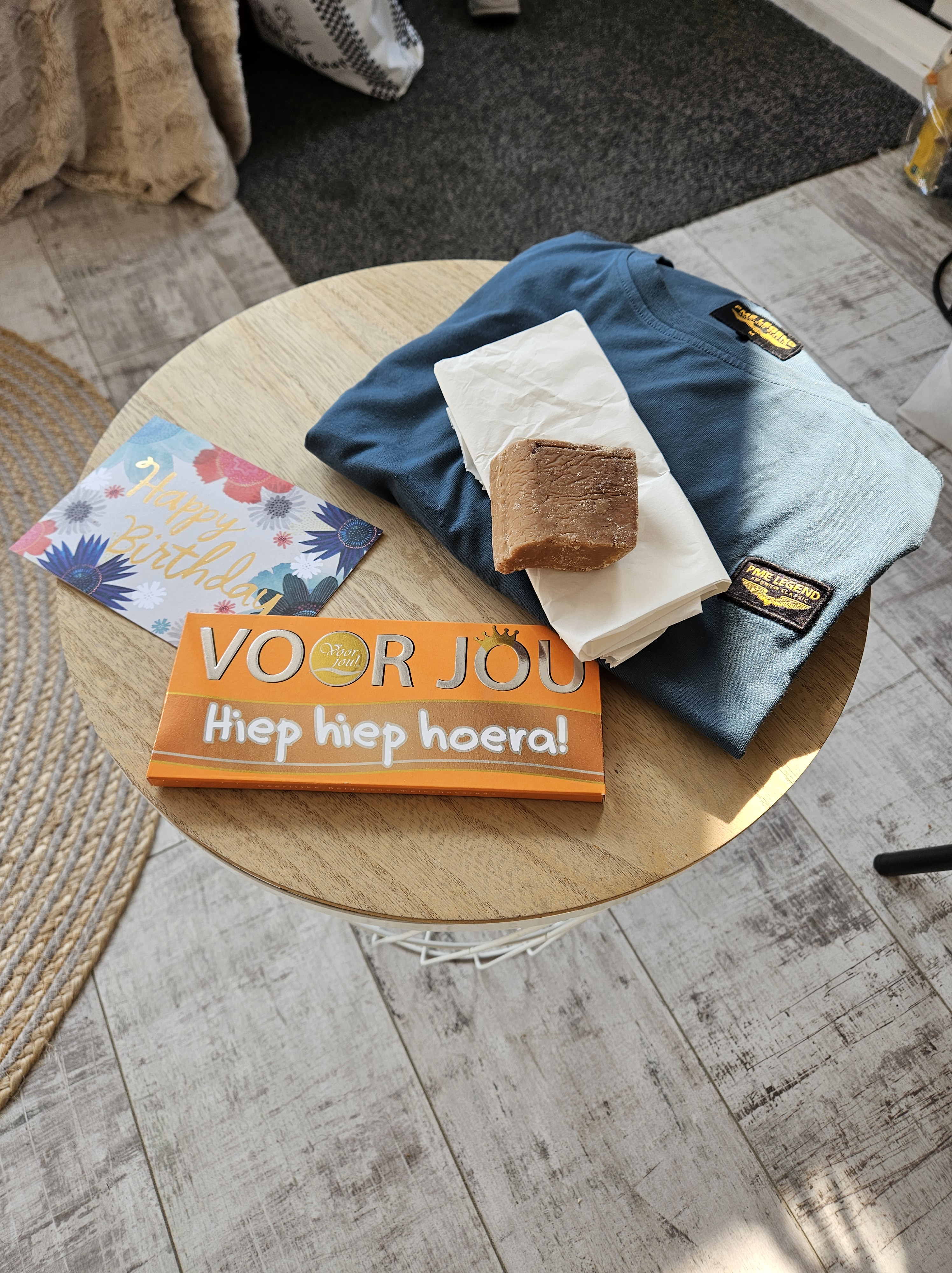
Foreword: I spent most of the day, from early morning to the afternoon, at a birthday party hosted by my wife’s colleague. Since I will be visiting a friend next week and won’t be at home, I thought I’d share my “two” posts today. Here is the second one!
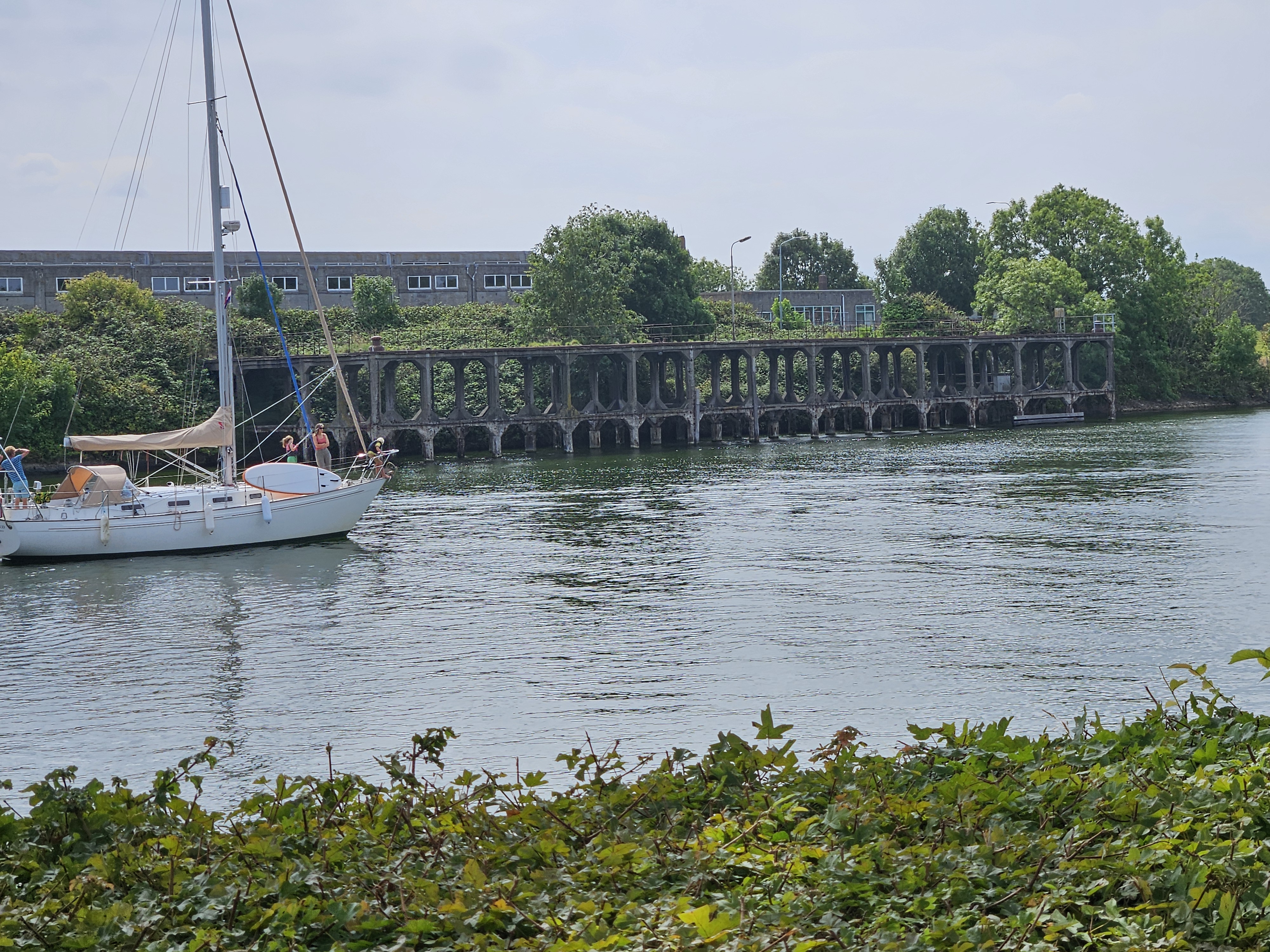
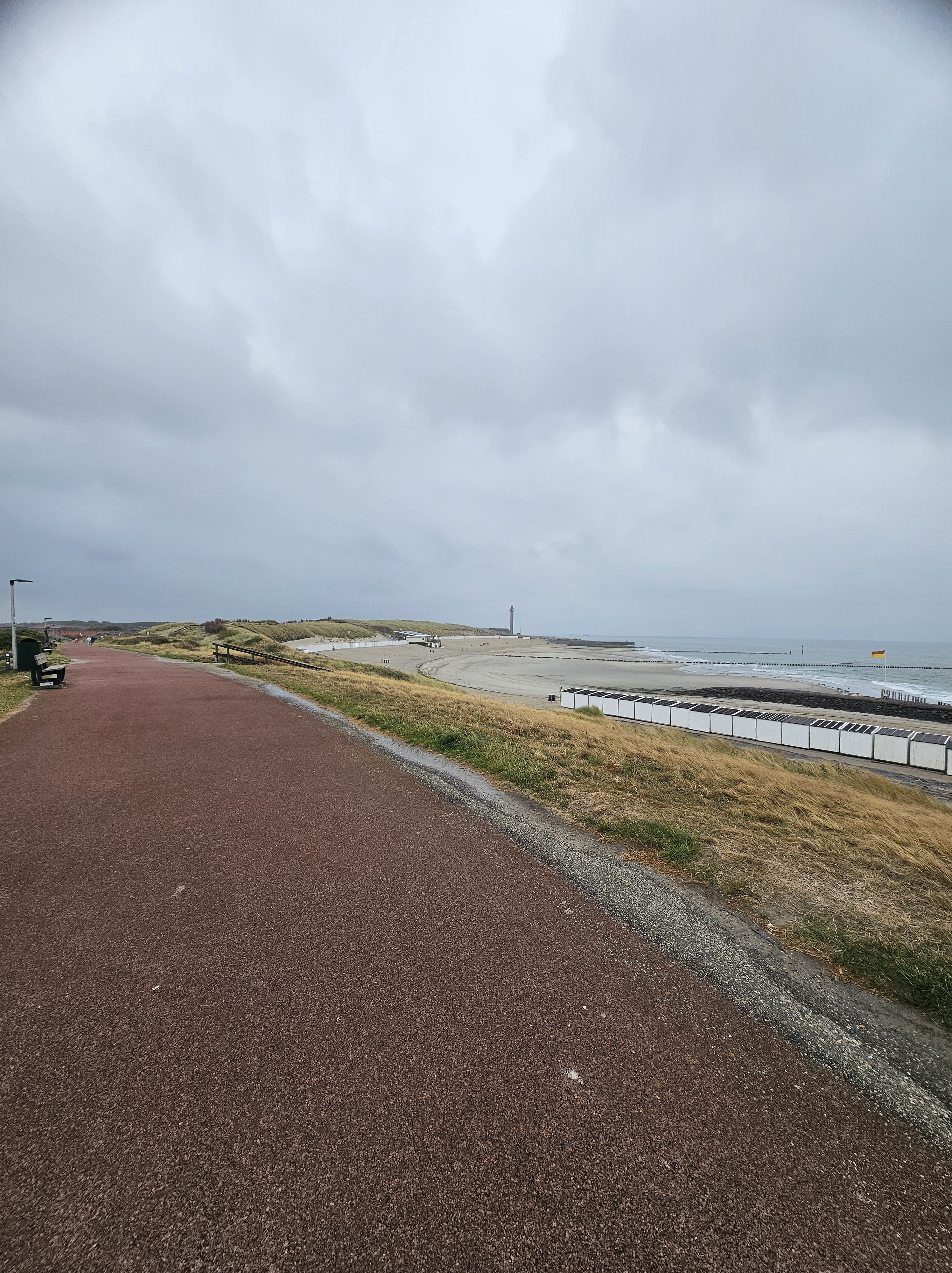
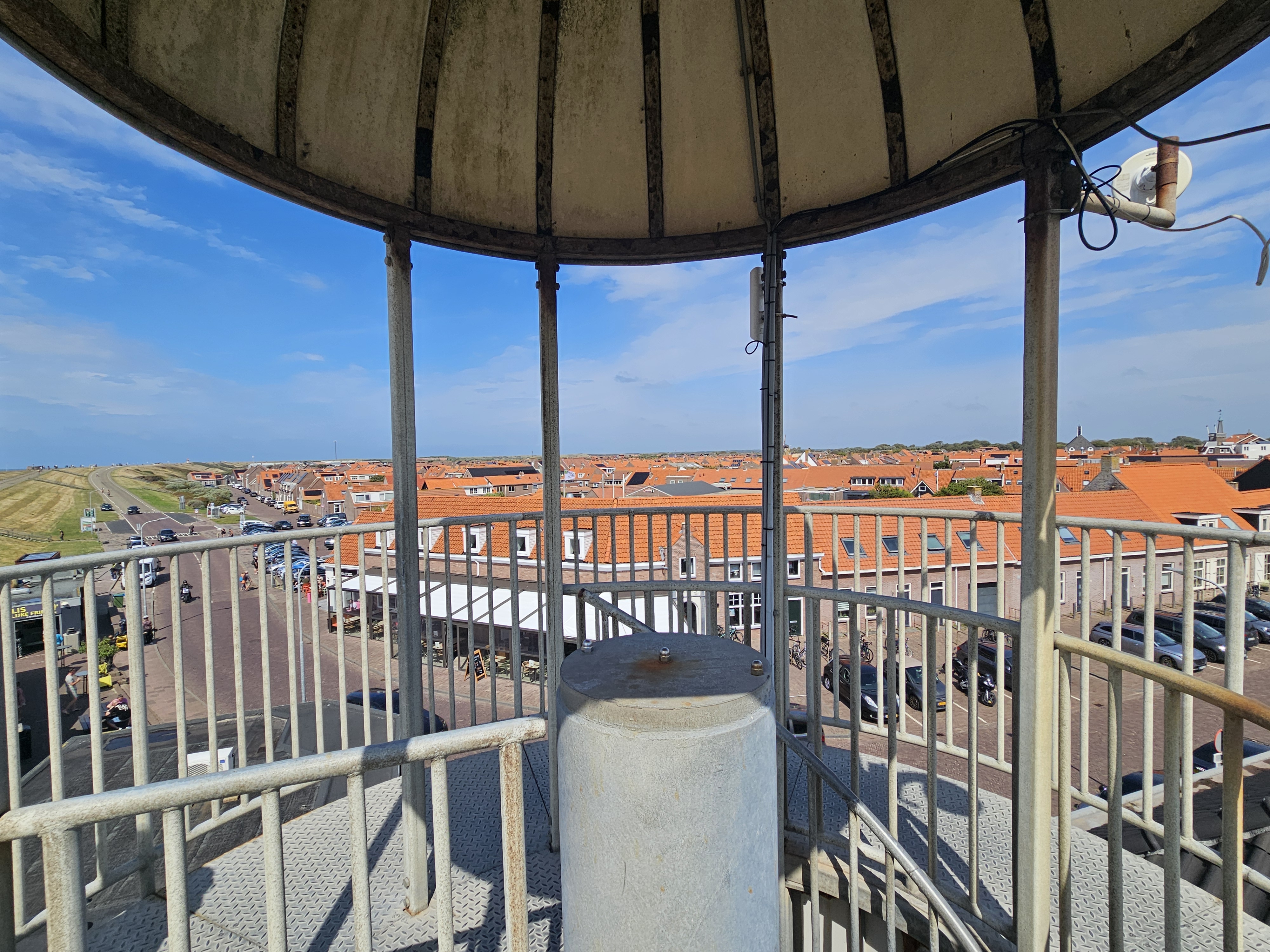
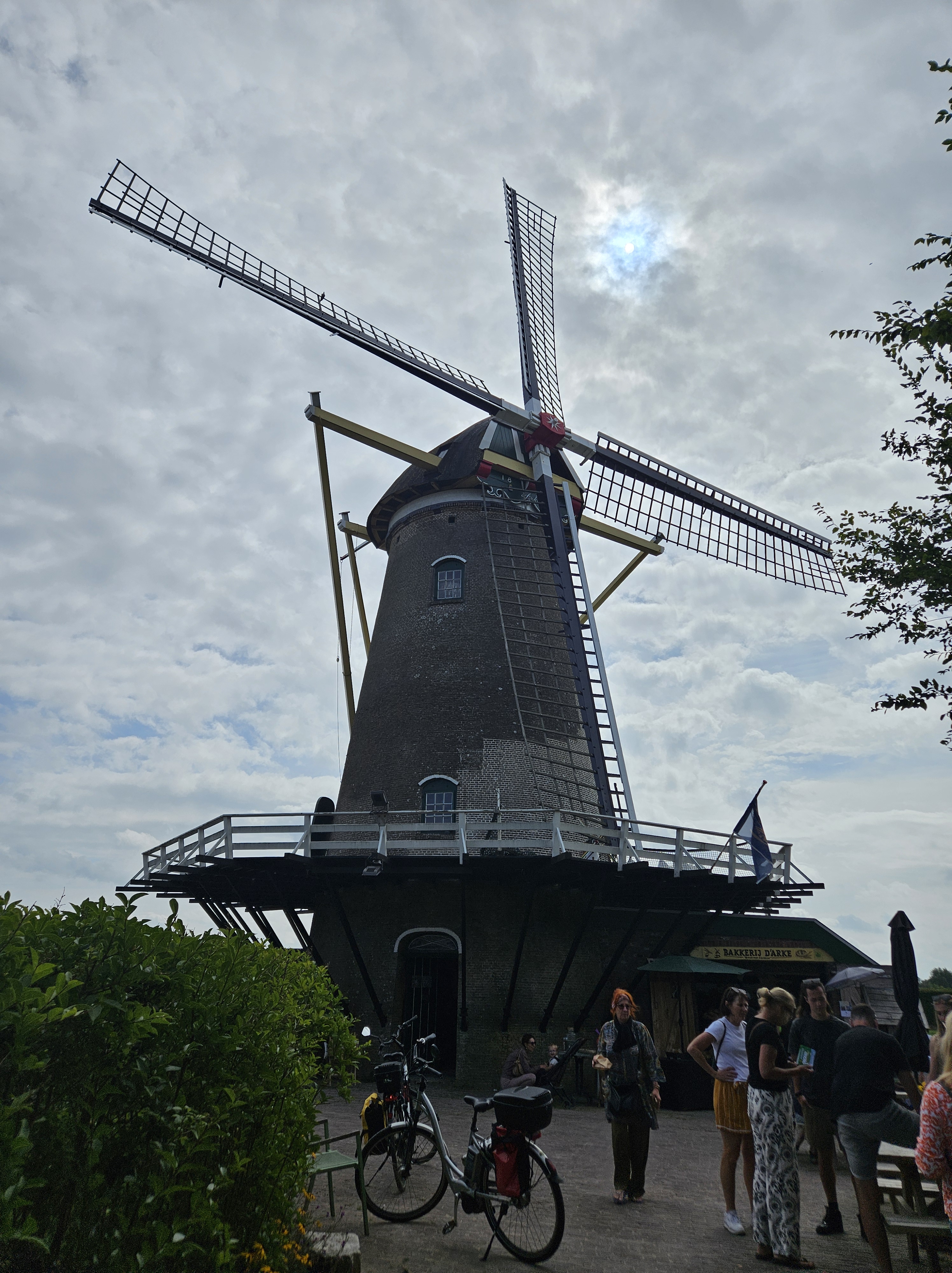
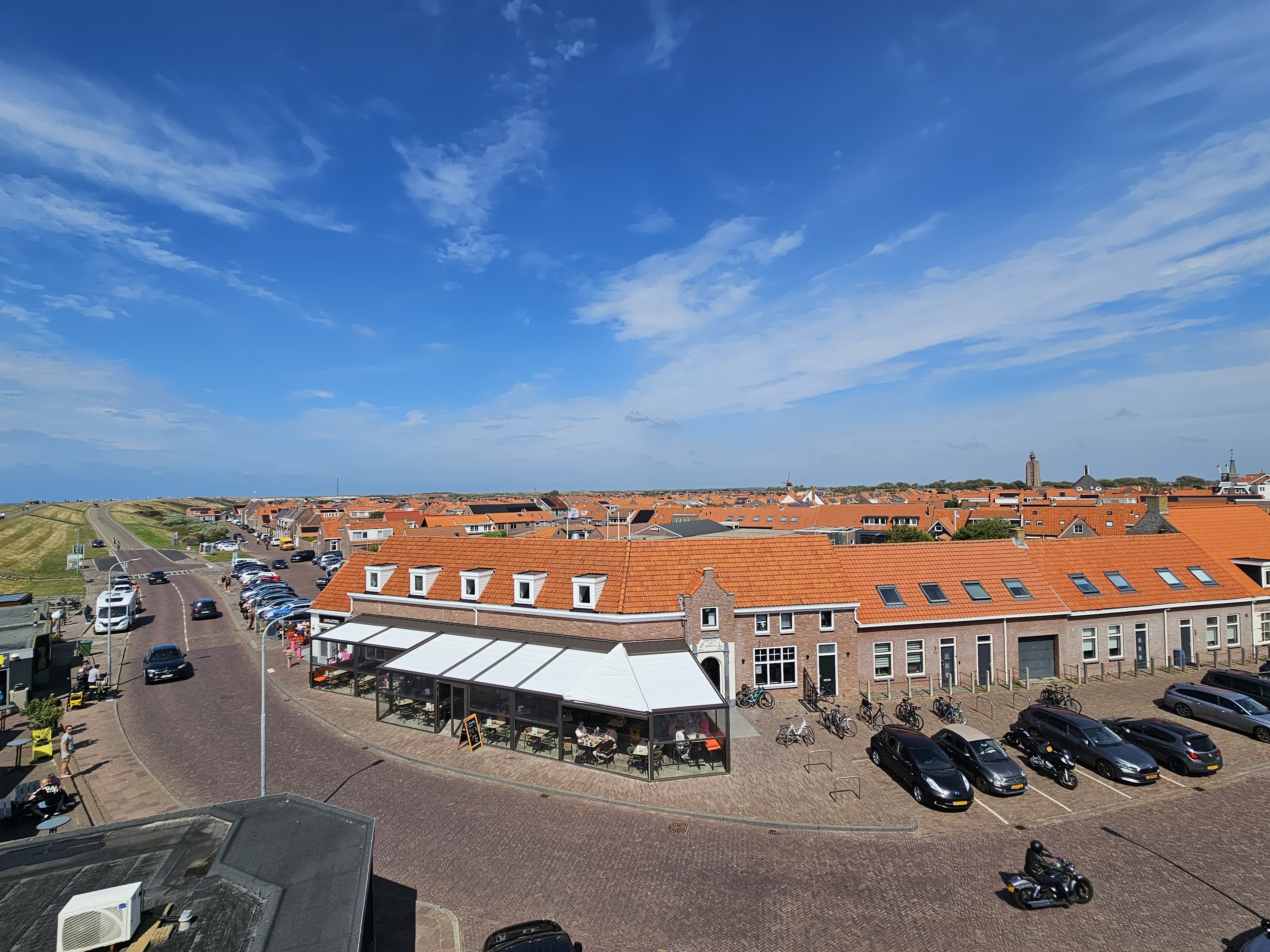
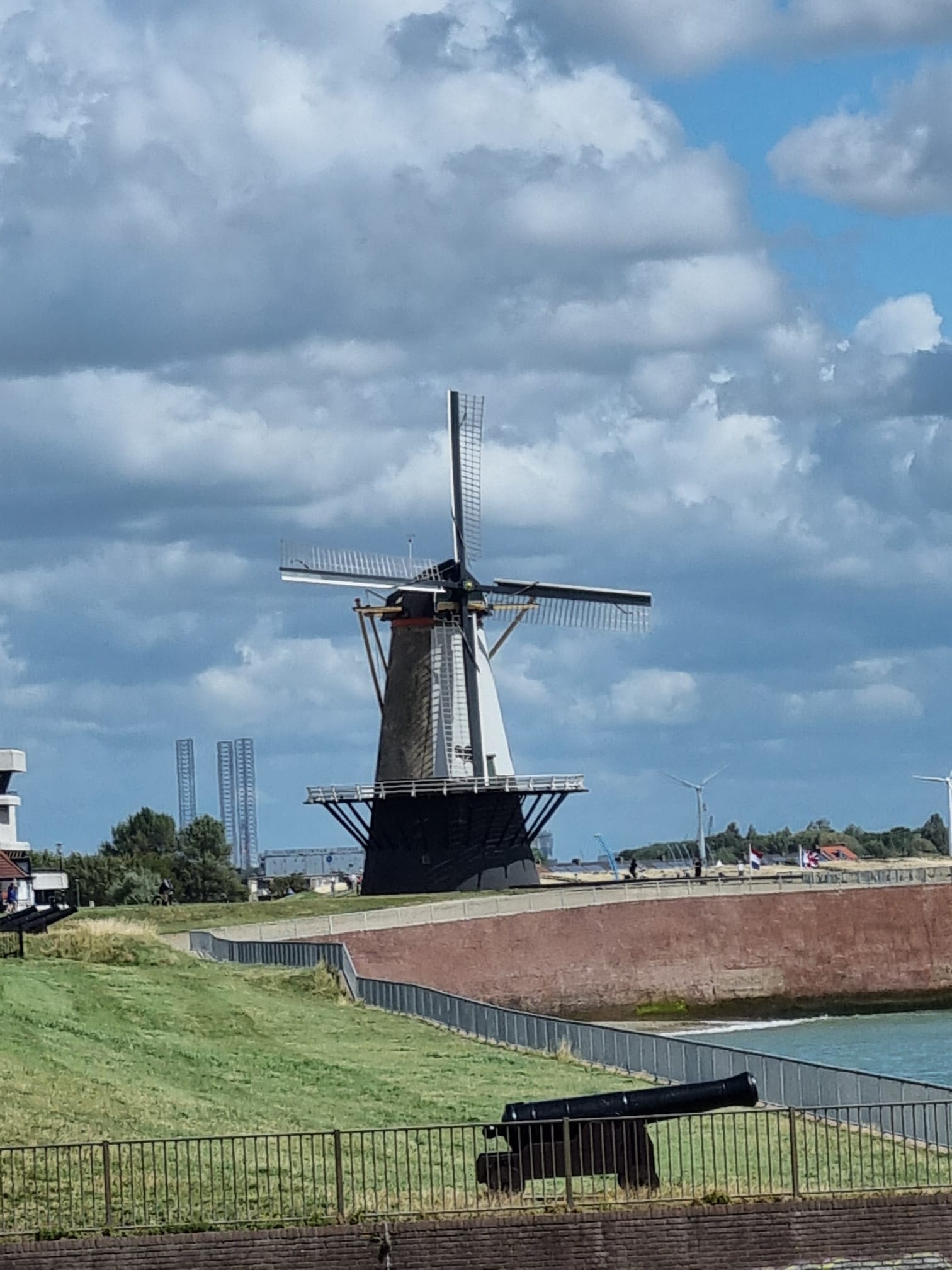
I believe I posted my last travel report quite some time ago; therefore, I have decided to pause sharing deep, tragic, and pensive ones and instead share something amusing! Although this trip could have been more enjoyable if summer had truly arrived, unfortunately, the temperature refused to rise above twenty degrees, and the wind stubbornly refused to change its direction from north to south.
Actually, we, or rather my lovely wife (!), aim to plan vacations in sunny, warm destinations—what we miss most during the year in Germany. This year, because of my health issues, she organised a trip to Holland so we could return home quickly if needed. As you likely know, good weather in northern Europe can be quite unpredictable. It often depends on luck, but unfortunately, we didn’t have any this time!
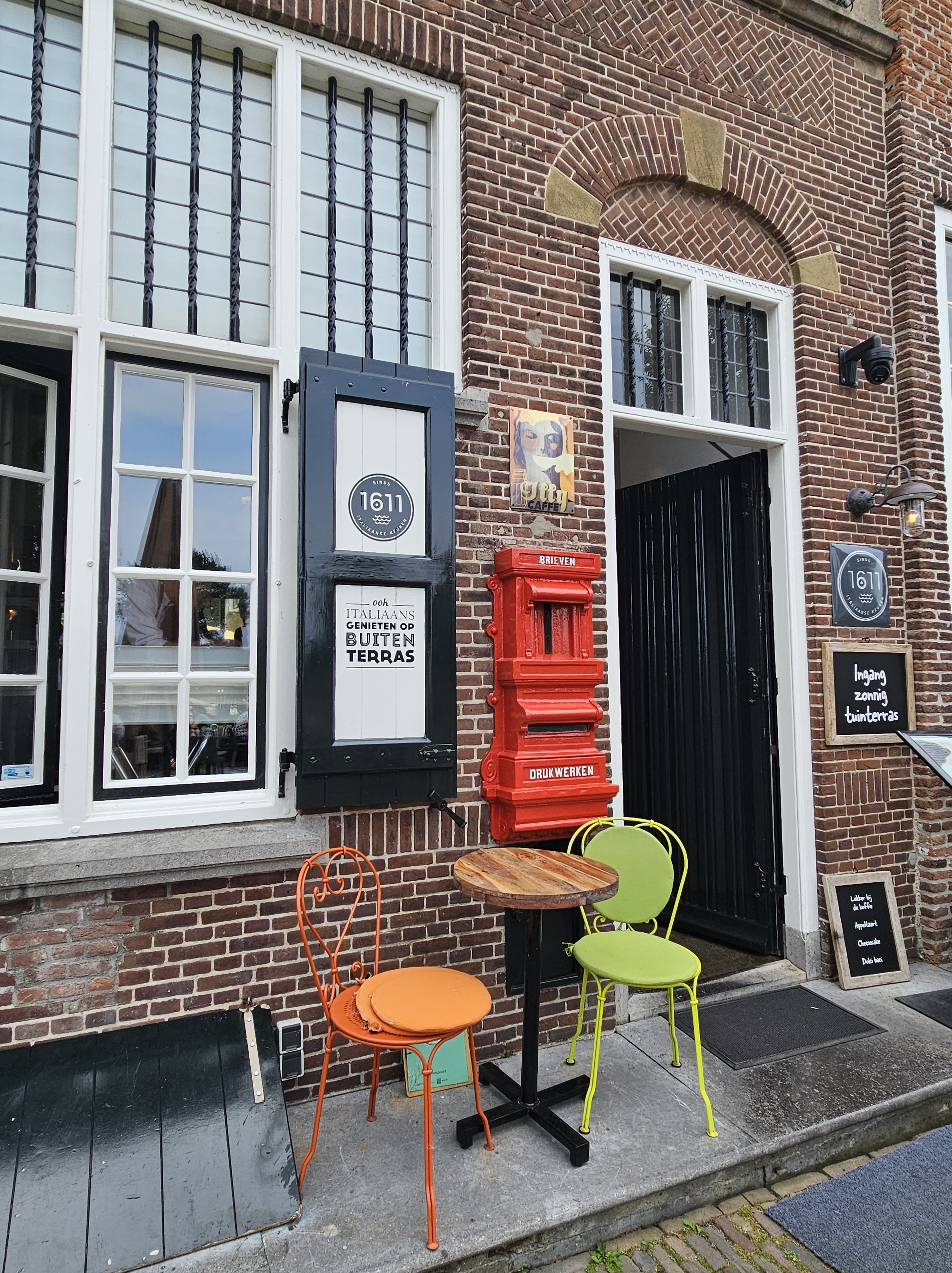
I even developed a thirty-degree fever after we ran back to our apartment in the rain and storm following dinner at a restaurant, and I was lying flat for two days!
Of course, it wasn’t all bad; we also enjoyed some sunshine, especially on my birthday. The great gods, Zeus, Poseidon, or Boreas (the god of the cold north wind and winter), protected us and allowed the sun to shine while the wind rested.
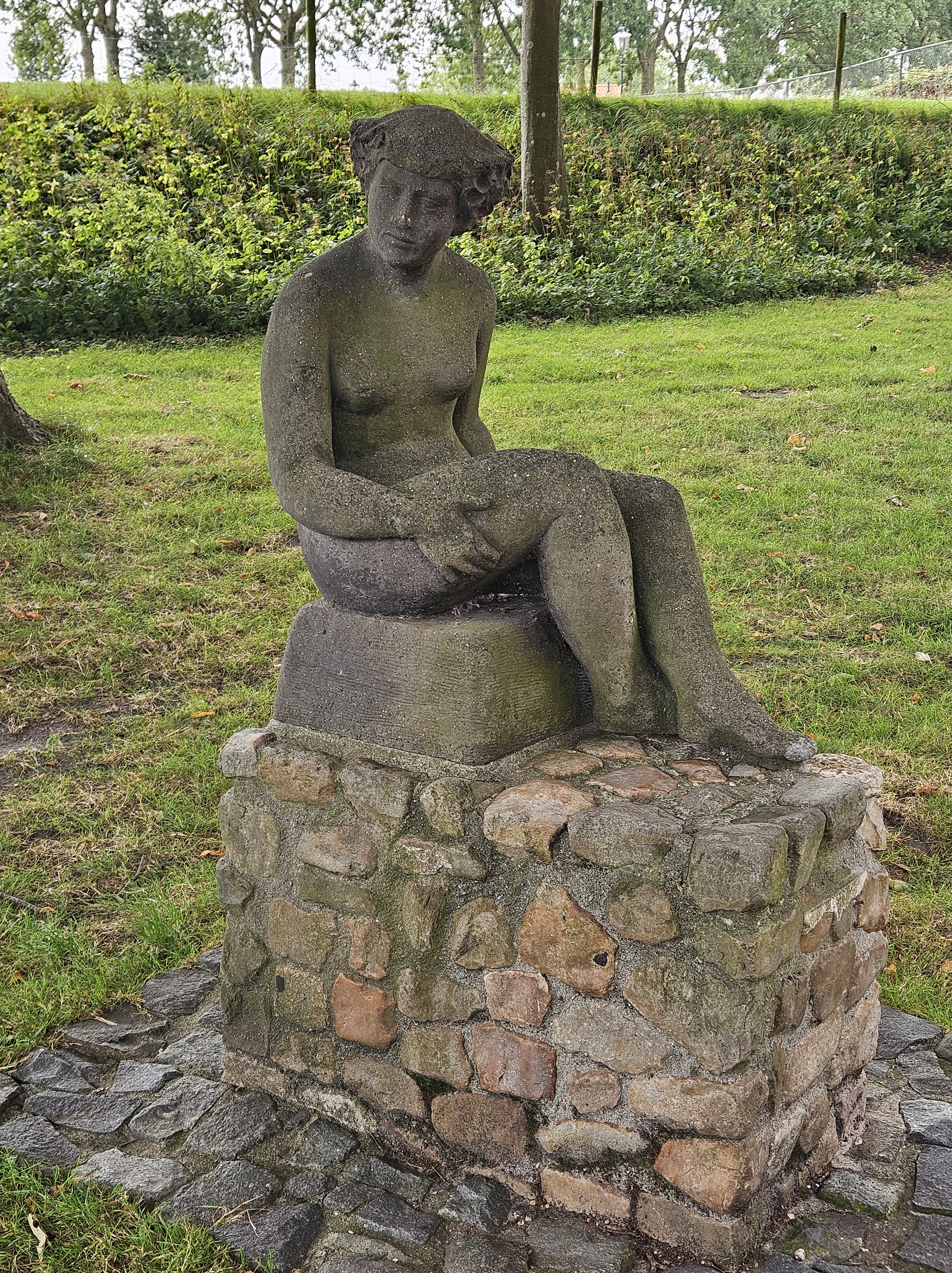
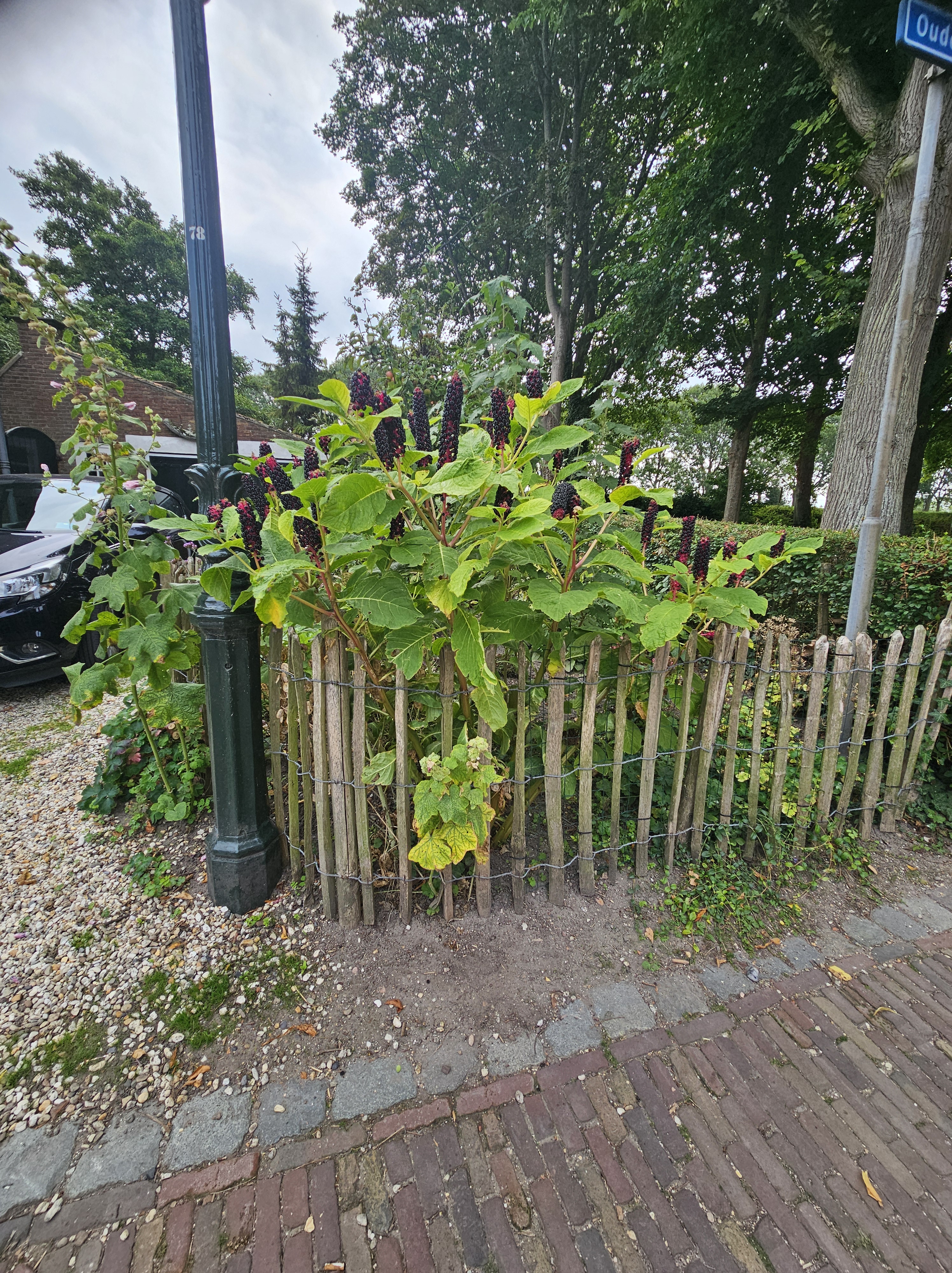
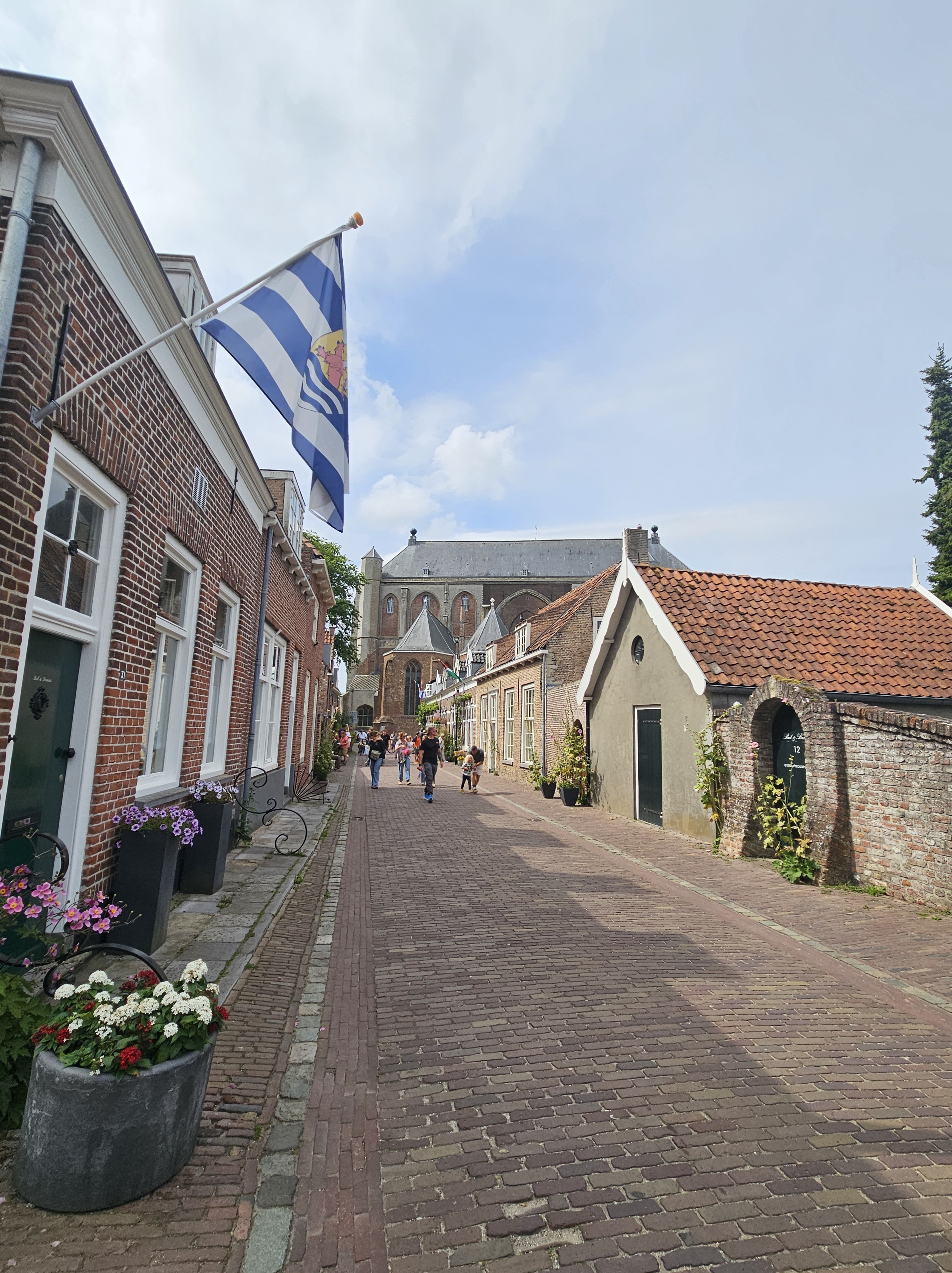
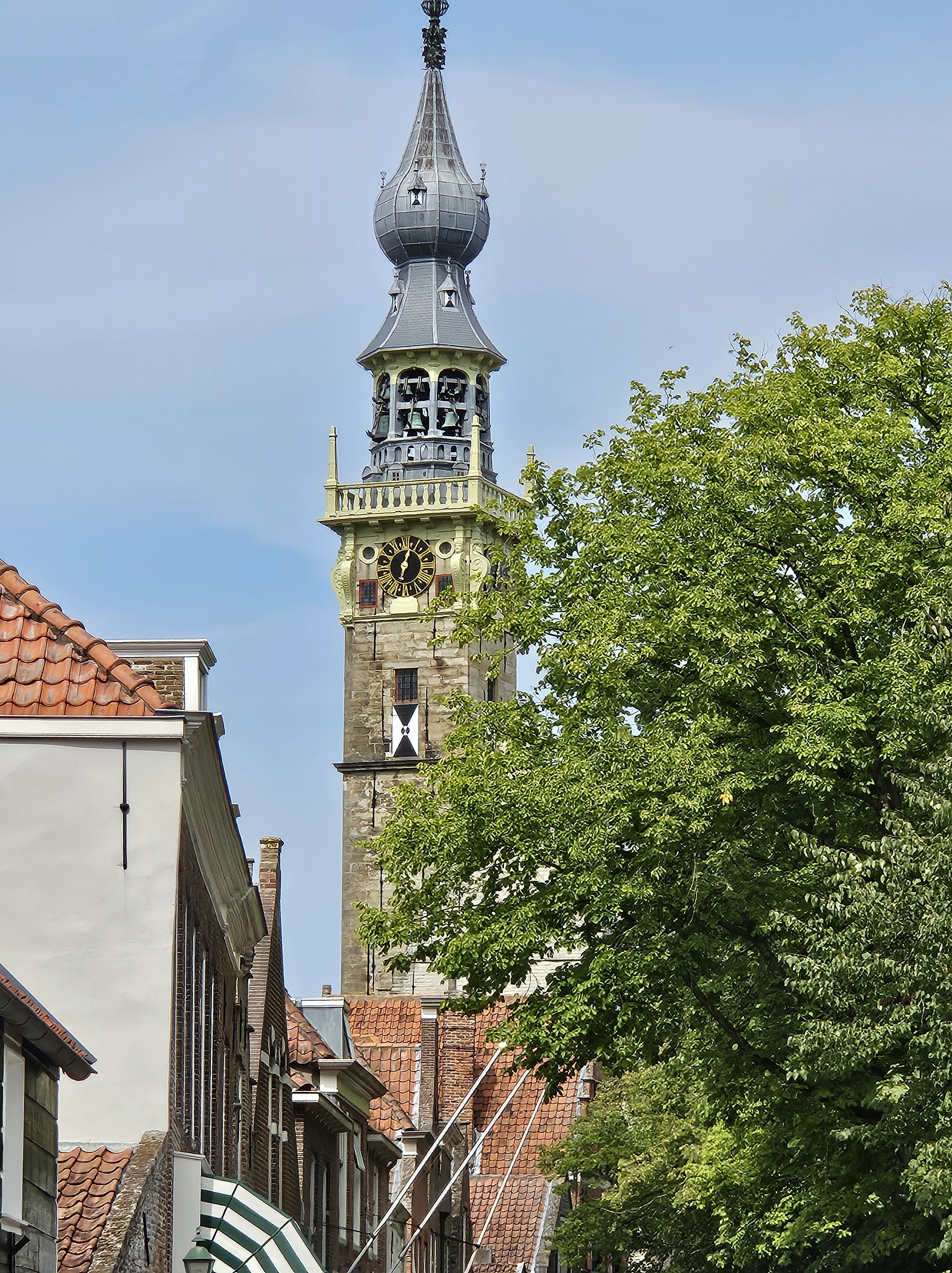
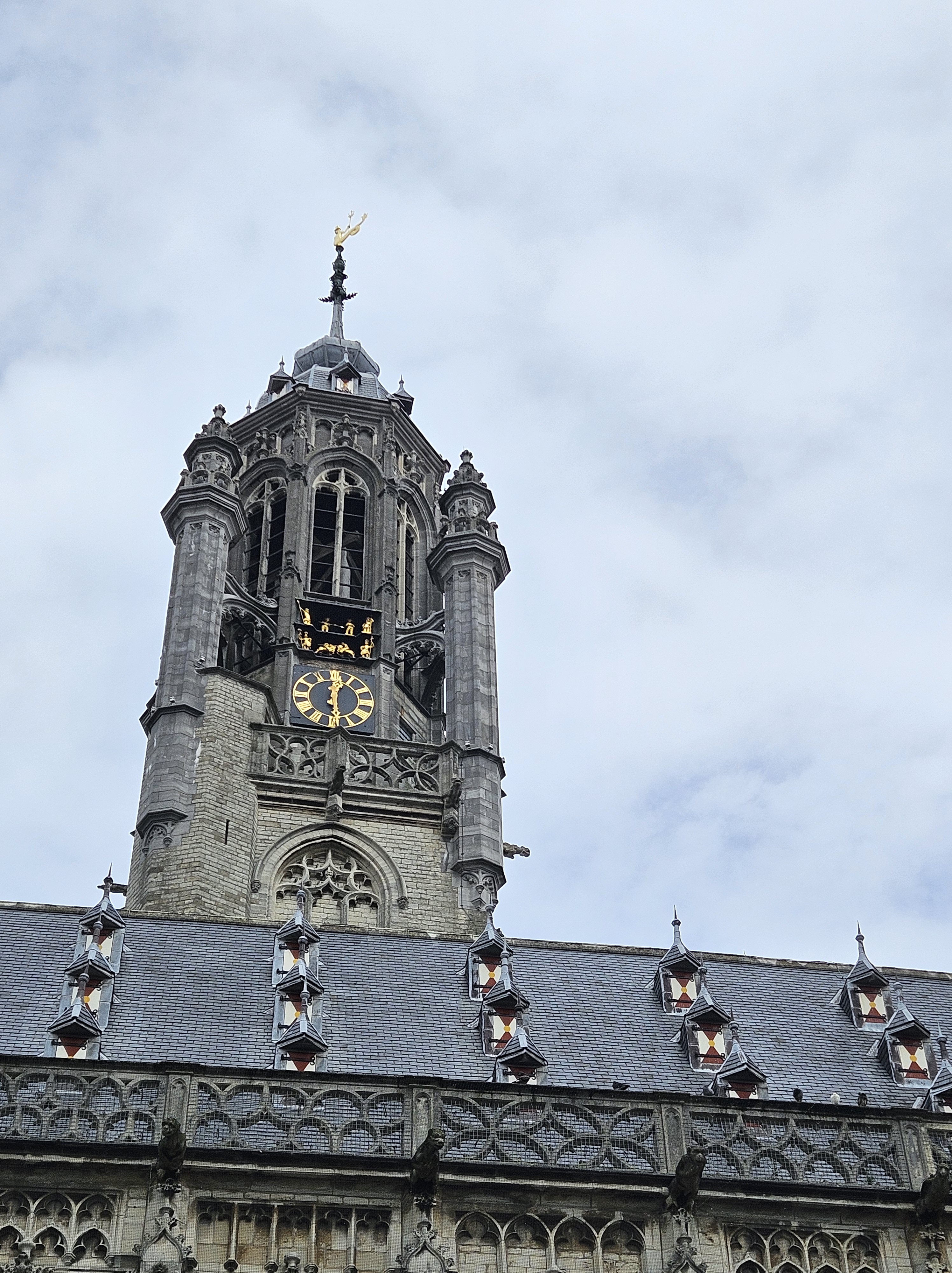
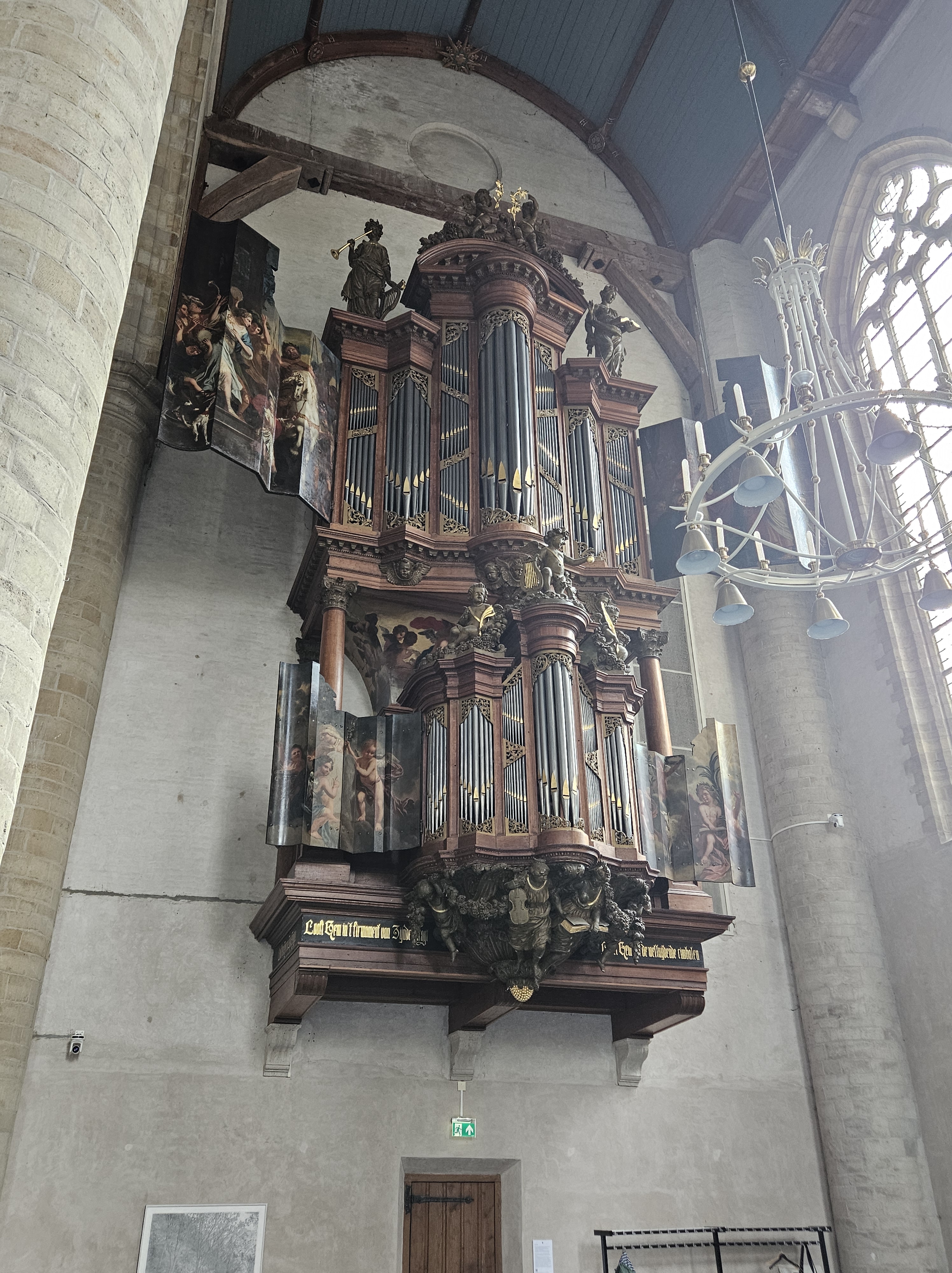
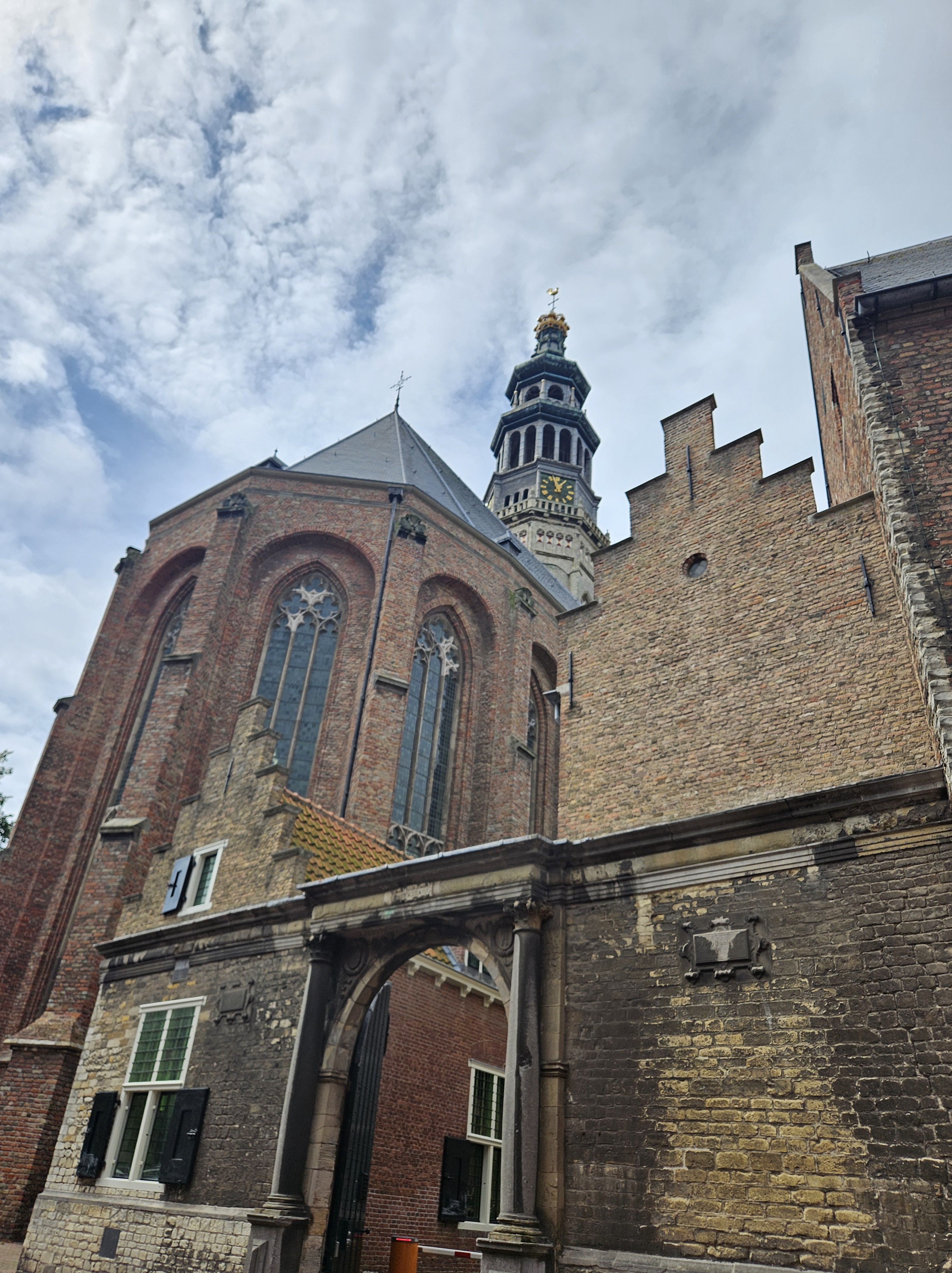
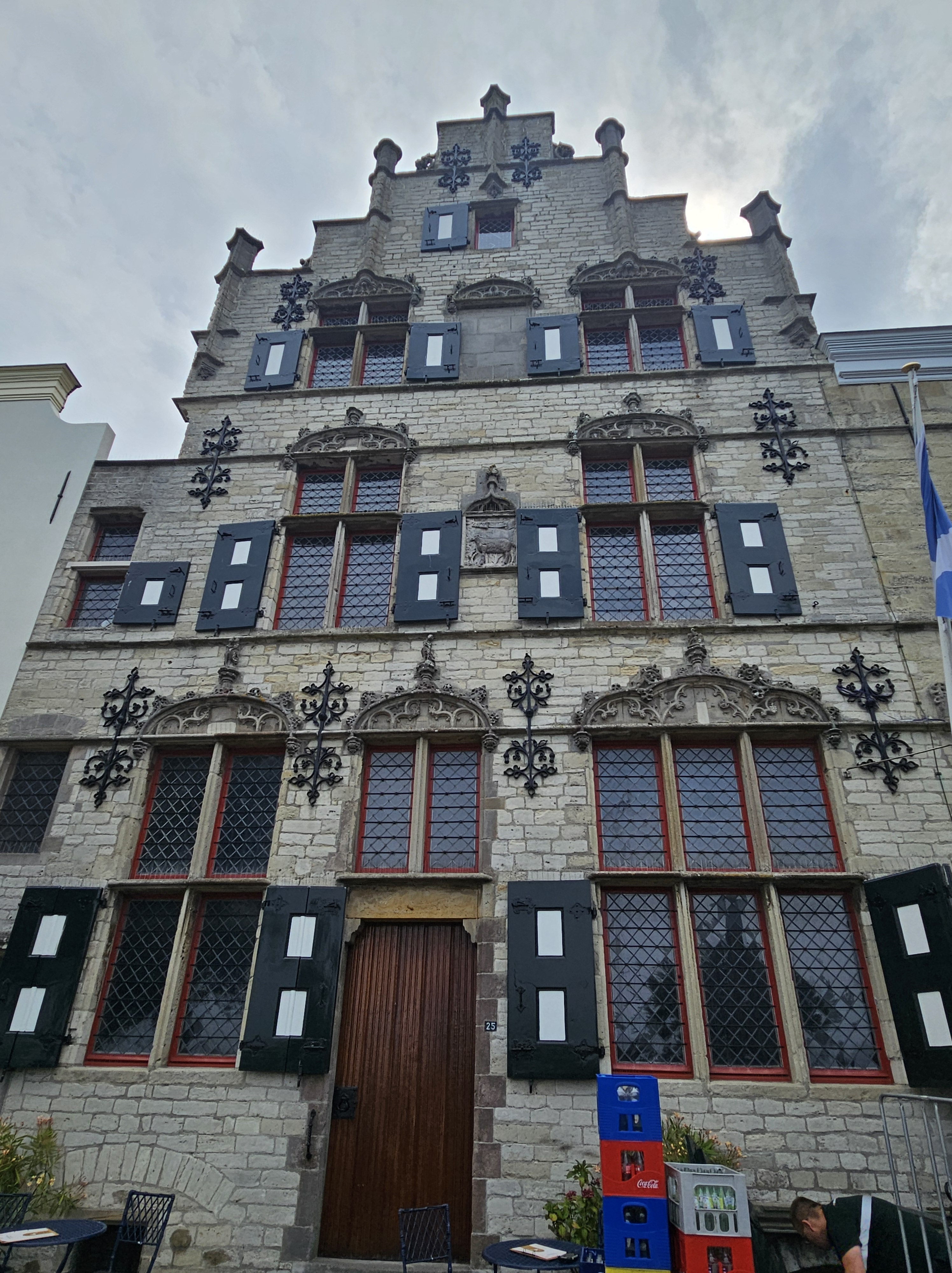
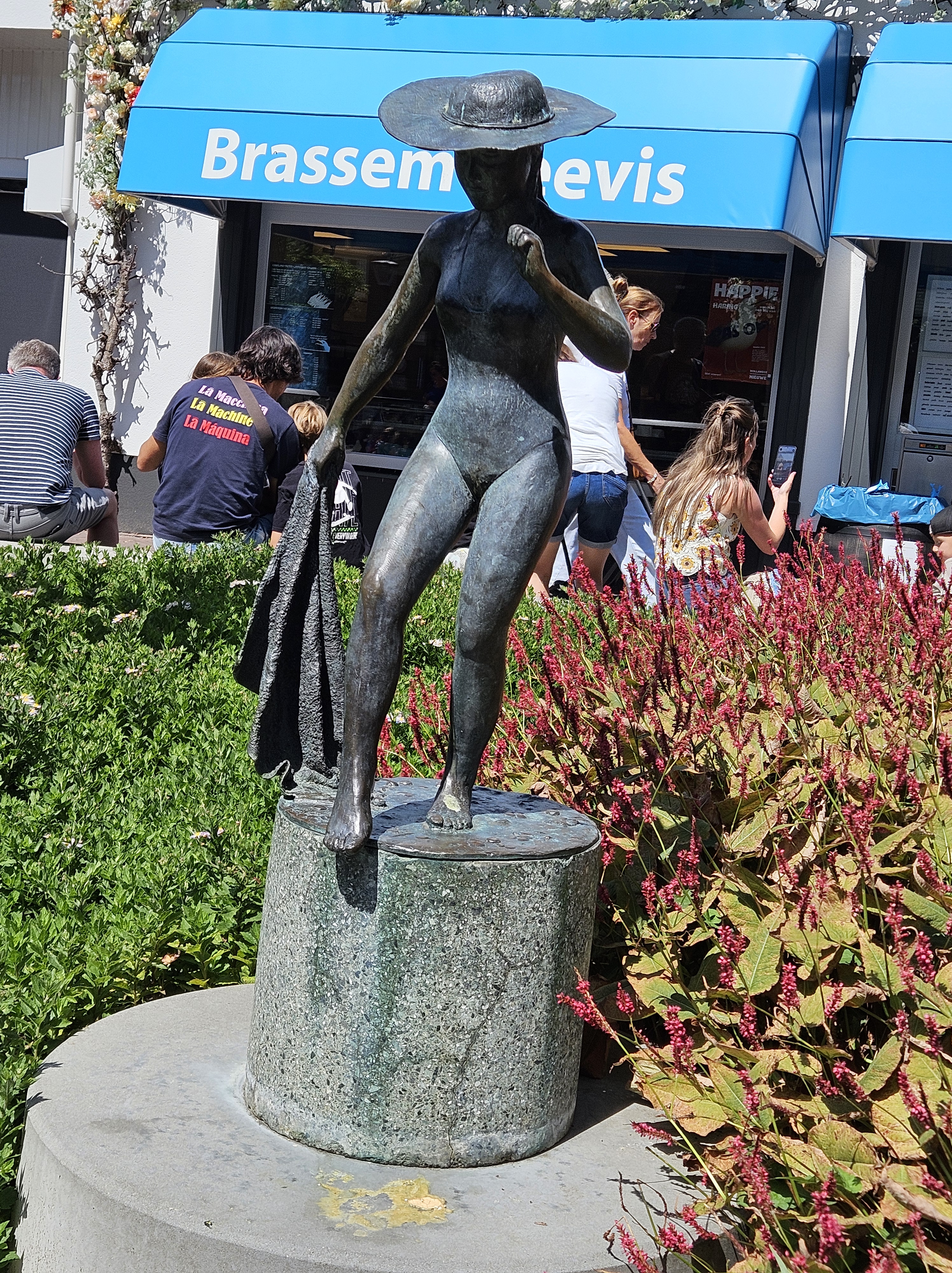
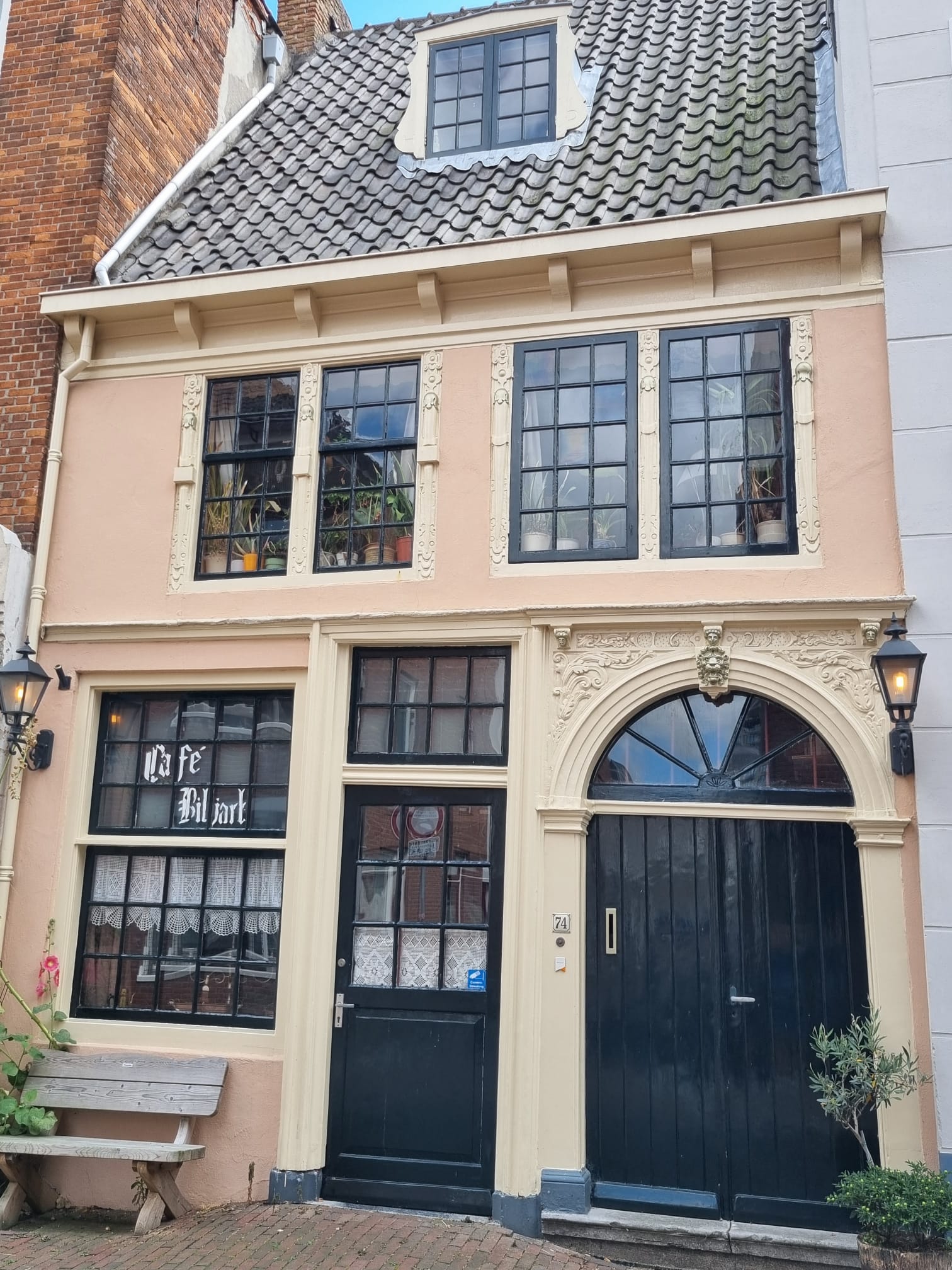
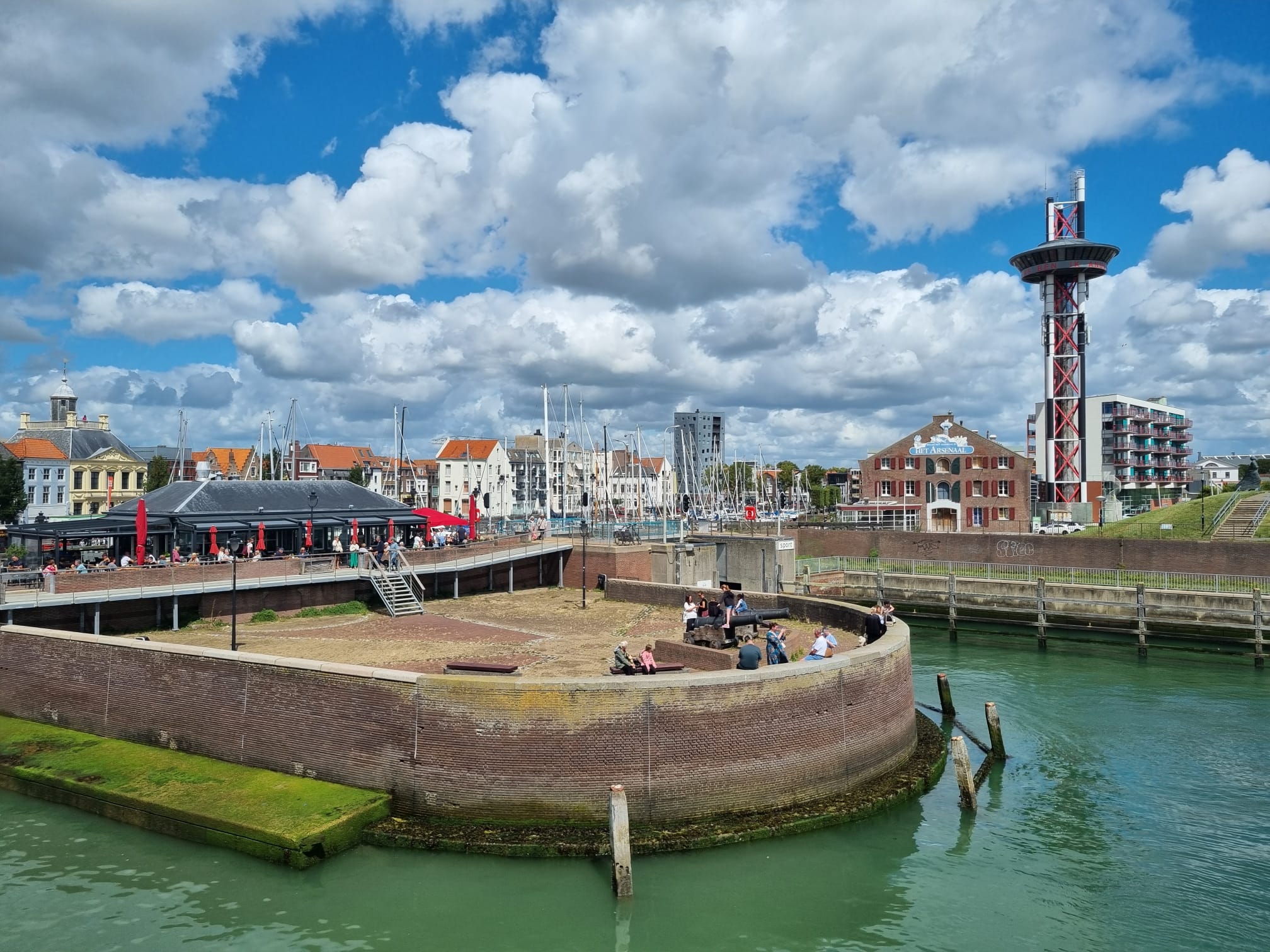
As usual, we wandered around, exploring different sites, including cathedrals, even though there were only a few in the small village of Westkapelle.
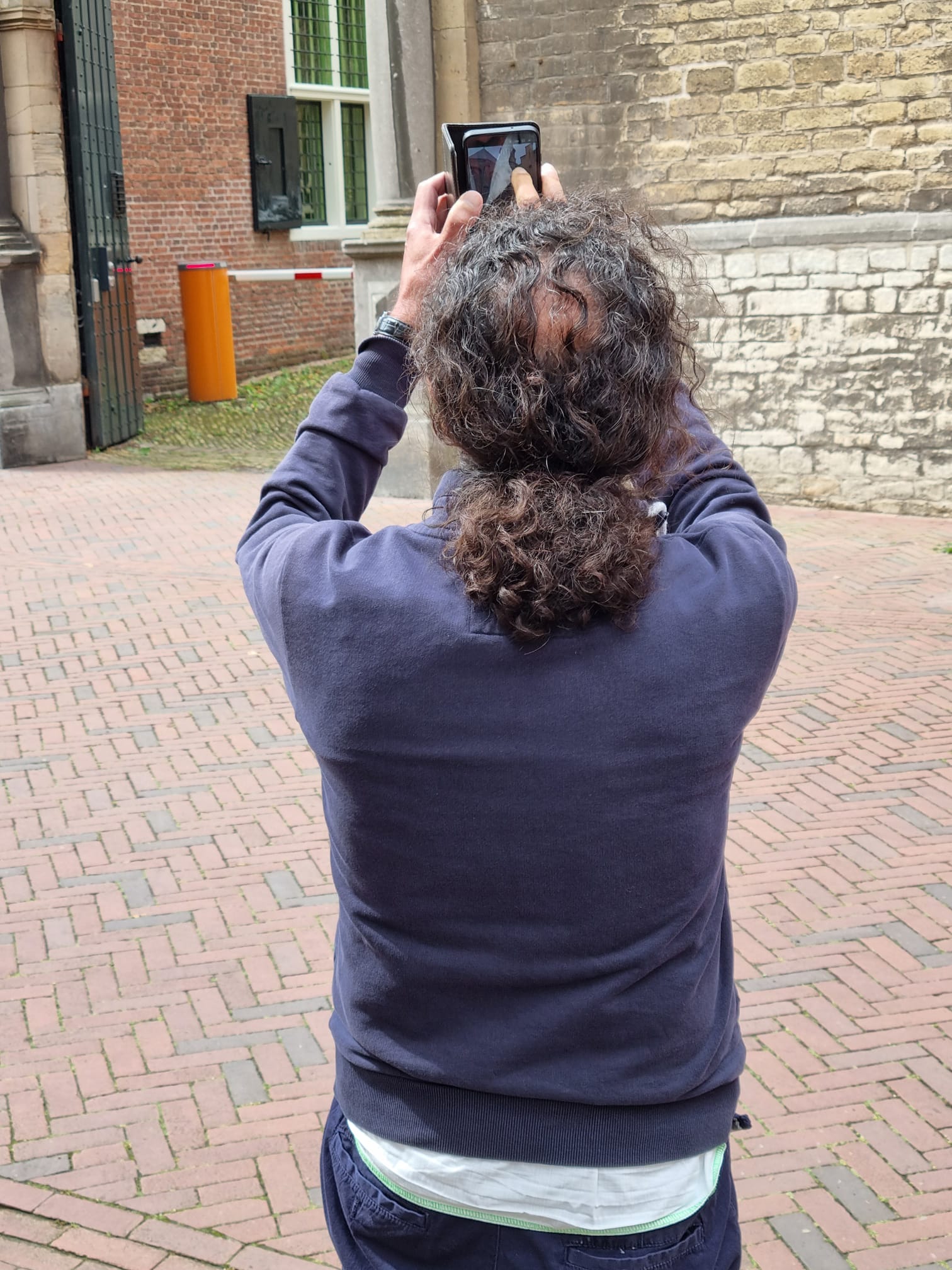
Finally, I must admit that it wouldn’t have been possible without a bike tour! And, as you might notice, I’ve lost some hair from the wind!
Wishing everyone a fantastic time! Take care of yourselves, and remember there’s a whole world beyond the internet waiting to be explored. Enjoy your treats, but be mindful not to overdo it!
The dynamic principle of fantasy is play, a characteristic also of the child, and as such, it appears inconsistent with the principle of serious work. But without this playing with fantasy, no creative work has ever yet come to birth. The debt we owe to the play of imagination is incalculable. It is, therefore, short-sighted to treat fantasy, on account of its risky or unacceptable nature, as a thing of little worth. ~Carl Jung; Psychological Types Ch. 1; Page 82. Fantasy is the creative function—the living form is a result of fantasy. Fantasy is a pre-stage of the symbol, but it is an essential characteristic of the symbol that it is not mere fantasy. ~Carl Jung, 1925 Seminar, Page 11 Source: Carl Jung Depth Psychology
Continuing from the first part of my blog, I recall the days when Al and I created our own worlds, feeling utterly disconnected from the outside world. My childhood was filled with dreams and wishes, driven by my imagination and a touch of fantasy. Perhaps it was my name that ignited my desire to make my wishes come true, with a hint of magic.
On the other hand, I didn’t want to be treated like a child. I don’t know what the issue was; maybe it was because I’d been isolated at that age. I mean, there we were, a group of five boys, Al and me, including three cousins, all nearly the same age. One of the cousins, Ham, who was around Al’s age, about two years older than me, and the other two were roughly two years younger than me, and I was stuck in the middle.
Dream Catcher by Michael Cheval
As I remember, one evening in Mashhad, when we were visiting our aunt, we were playing hide and seek — a game like ‘catch me if you can find me!’ I was so engrossed in the game that I didn’t notice Al and Ham were missing. At first, when I caught my breath from running around to find a hiding spot, I thought, ‘What’s going on with me?’ and scolded myself for acting like a child. But then I got angry when I found out Al and Ham weren’t playing with us – they were off to see a movie, and I wanted to be there with them so badly! In the evening, when we gathered again, Al and Ham began by making a reference and a joke about the movie, which I remember was called Madame. This made me feel jealous and sad. It was so obvious that my mother recognised it and tried to comfort me, but to me, her effort was like giving milk to a crying infant! So I felt even more alone and forsaken.
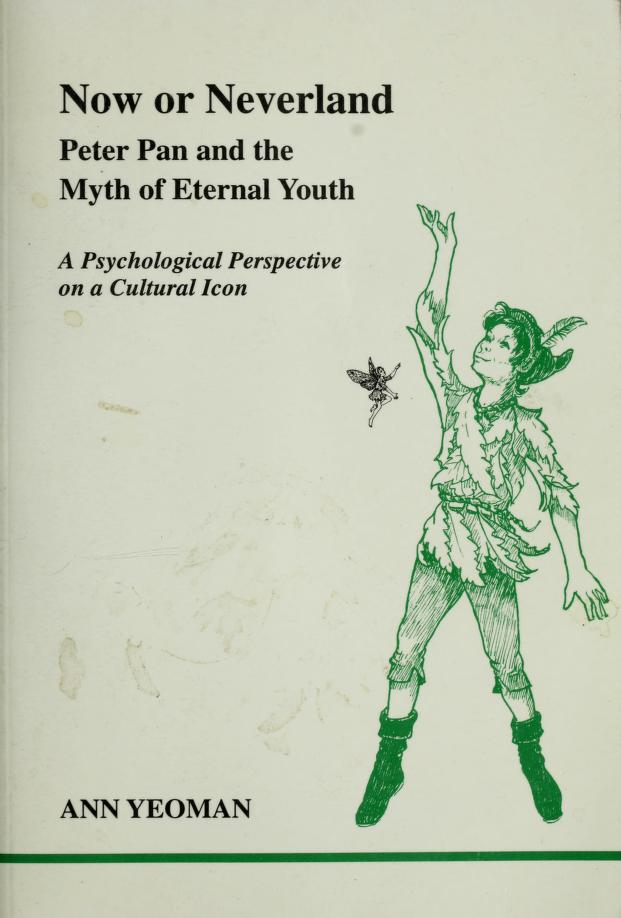
In Ann Yeoman’s book, we can read: …In terms of personality traits, a strong emotional attachment to what we may call the mother-realm manifests on the one hand in a certain preciousness, a sense of specialness and difference, a fictional example of which we see in James Joice’s young hero Stephen, who is always “on the fringe,” a little apart from his fellows, an isolate. On the other hand, when out of the province of the mother and, metaphorically, the reach of the mother’s watchful eye, the mother’s son experiences an incapacity to stand on his own and embrace the risks, challenges and unpredictable fullness of life, or realise the courage “to live, to err, to fall, to triumph, to recreate life out of life,”> to cite Joice once again>(A Portrait of the Artist as a Young Amn, p. 172). As a result, the puer remains dissociated from his feelings. In order to shield himself unconsciously from suffering, he protects himself from the possibility of abandonment, rejection and disappointment with an array of defences which prevent him from fully committing himself to life in the first place. Jung describes the neurosis of such a “mother’s boy” in terms of a “secret conspiracy between mother and so…. [in which] each helps the other to betray life” He continues:
Where does the guilt lie? With the mother, or with the son? Probably with both. The unsatisfied longing of the son for life and the world ought to be taken seriously. There is in him a desire to touch reality, to embrace the earth and fructify the field of the world. But he makes no more than a series of fitful starts, for his initiative as well as his staying power are crippled by the secret memory that the world and happiness may be had as a gift from the mother. The fragment of the world which he, like every man, must encounter again and again is never quite the right one, since it does not fall into his lap, does not meet him halfway, but remains resistant, has to be conquered, and submits only to force. It makes demands on the masculinity of a man, on his ardour, above all on his courage and resolution when it comes to throwing his whole being into the scales. For this, he would need a faithless Eros, one capable of forgetting his mother and undergoing the pain of relinquishing the first love of his life. ~Carl Jung, The Syzygy, Anima & Animus, Aion, CW 9ii, par. 20-21
I may laugh at that event now, but as I recall every detail, it seems it left a particular impression on me. I know I wanted to be noticed and taken seriously. However, my mother, as she always had, saw me as her lost daughter. That’s why, when I finally found my solitude, it was mostly when I woke early in the morning in my bed and looked out of the window into the street, where the summer breeze made the leaves of the poplar tree dance. I immersed myself in my fantasy world and let my imagination run freely.
It’s a lovely day today, and it feels like summer is making one last bid to say goodbye. I was out in the garden, but not sunbathing – I had to mow the lawn! As tenants, these sorts of tasks are our responsibility. And now, after giving the flat a good vacuum, I thought it was a good time to write a post.
Tomorrow is Leonard Cohen‘s birthday, and I thought it would be a great chance to celebrate with a poem by Pablo Neruda as a tribute. The theme is human curiosity (the ‘Whys!’), how little we know, and, as Leonard Cohen suggests, why not stand on your own two feet and be your own individual?
There’s no doubt that they’re still alive, truly in our hearts, thanks to their lasting arts and wisdom.
Through a closed mouth, the flies enter by Pablo Neruda:
Why, with those red flames at hand, Are rubies so ready to burn?
Why does the heart of the topaz reveal a yellow honeycomb? Why does the rose amuse itself by hanging the colour of its dreams? Why does the emerald shiver like a drowned submarine?
Why does the sky grow pale under the June stars? Where does the lizard’s tail Get its fresh supply of paint? Where is the underground fire That revives the carnations?
Where does the salt acquire The transparency of its glance? Where did the coal sleep That it awoke so dark? And where, where does the tiger buy Its stripes of mourning, its stripes of gold?
When did the jungle begin to breathe its own perfume? When did the pine tree realise its own sweet-smelling consequence? When did the lemons learn The same laws as the sun?
When did smoke learn to fly? When do roots converse? What is water like in the stars? Why is the scorpion poisonous? Is the elephant benign?
What is the tortoise brooding on? Where does shade withdraw to? What song does the rain repeat? When are the birds going to die? And why should leaves be green?
What we know is so little, and what we presume so much, So slowly do we learn that we ask questions, then die. Better for us to keep our pride for the city of the dead on the day of the departed, And there, when the wind blows through the holes in your skull, It will unveil to you such mysteries, whispering the truth to you through the spaces that were your ears.
I shall forever remember those days when Al and I closed many doors one after another to society, and by listening to Cohen’s songs, we immersed ourselves in our solitude.
Does fantasy lead to escape, or to the embracing of a new perspective? In other words, does it support psychic growth or impede it? That distinction is often complicated by paradox, but it helps to ask ourselves, “Is concentrating on this fantasy or daydream opening my creative possibilities, or is this sapping my ego strength in the real world?” ~Marion Woodman
This excerpt begins Marion Woodman‘s foreword from Ann Yeoman’s book, Now or Neverland, which I read some time ago, thanks to Deborah Gregory‘s recommendation, and I am very grateful for it.
Frankly, when I began reading this book, I felt at home; I saw myself as a puer aeternus, struggling to stay balanced on life’s rollercoaster.
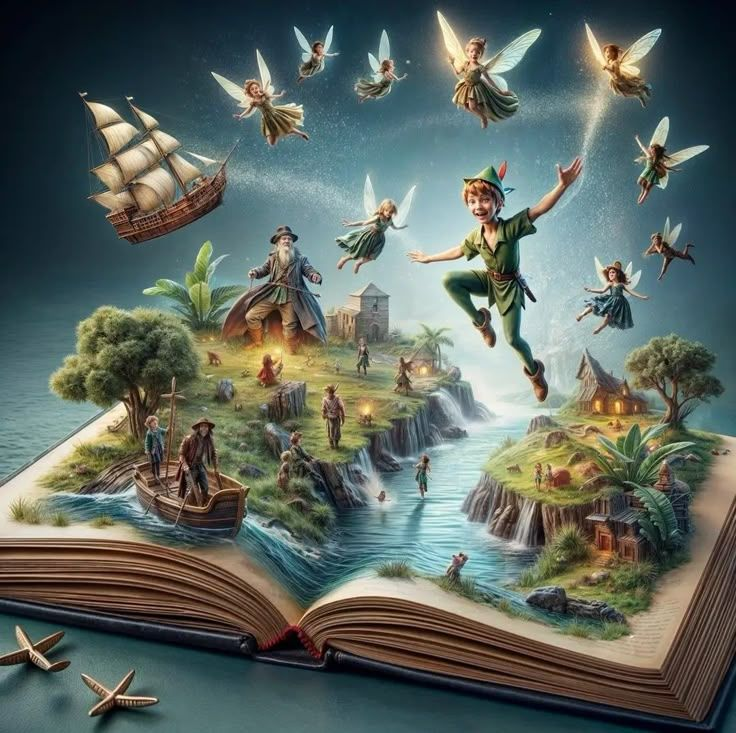
Traditionally, the term ‘puer aeternus’ (Latin for ‘eternal boy’) is used to describe a child-god who remains eternally young. In Carl Jung’s psychology, it refers to an older person whose emotional life remains stuck in adolescence, often referred to as the “Peter Pan syndrome”. Jung suggests that the puer lives a “provisional life” due to a fear of being trapped. They seek independence, resist boundaries, and find restrictions intolerable. In Greek mythology, the term ‘puer aeternus’ originates from the Metamorphoses, an epic poem by Roman poet Ovid (43 BC – c. 17 AD) that explores Greek and Roman myths. Ovid refers to the child-god Iacchus as “puer aeternus” and praises his role in the Eleusinian mysteries. Iacchus is linked to Dionysus and Eros. The puer represents a deity of vegetation, resurrection, and divine youth, similar to Tammuz, Attis, and Adonis.
Senex is a Latin term that literally means “old man.” It can also be used to describe: a wise, elderly person, an archetype. The wise older person (also known as senex, sage, or sophos) is an archetype outlined by Carl Jung, as well as a familiar literary figure, often portrayed as a stock character. Such a figure can be a profound philosopher renowned for wisdom and sound judgment.
Marie-Louise Von Franz summarised her view of the puer as follows: None of his reactions are particularly personal or special. He becomes a type—the type of the puer aeternus. He becomes an archetype, and if you become that, you are not at all original… He is merely the archetype of the eternal-youth god, and, therefore, he has all the features of the god: he has a nostalgic longing for death, he thinks of himself as being something special, and he is the one sensitive being among all the other tough sheep. He will have a problem with an aggressive, destructive shadow that he will not want to live with and generally projects. There is nothing special whatsoever. The worse the identification with the youthful god, the less individual the person, although he himself feels so special. (Puer Aeternus, pp. 121f) Another type of puer that does not display the charm of eternal youth, nor does the archetype of the divine youth shine through him. On the contrary, he lives in a continual sleepy daze, and that, too, is a typical adolescent characteristic… The sleepy daze is only an outer aspect, however, and if you can penetrate it, you will find that a lively fantasy life is being cherished within. (Puer Aeternus, p.2)
Reflecting on my childhood, after my father passed away and my mother kept it a secret from my brother Al and me, I became very introverted. Once I learned the truth, I simply didn’t want to grow up. Al and I drew closer because of our mother’s lie, and over time, during our youth, we swapped roles as eternal children. Initially, I wanted to remain a child forever, while Al, aware of our father’s death almost from the moment it happened, tried to act as a mature older brother to look after me.
As we entered puberty, our roles underwent significant changes. I developed a strong sexual desire much earlier and believed I had to act like a man to attract girls, while Al began creating his own solitary world. For many years, this condition persisted. Although I was accepted into Al’s world and was part of it, I was the one who had to maintain contact with the outside world. As a result, I assumed the role of the senex, but I longed for my puer aeternus and tried to keep it concealed yet protected.
Let’s conclude this now, and I look forward to discussing this topic further in the next part. 🖖🙏
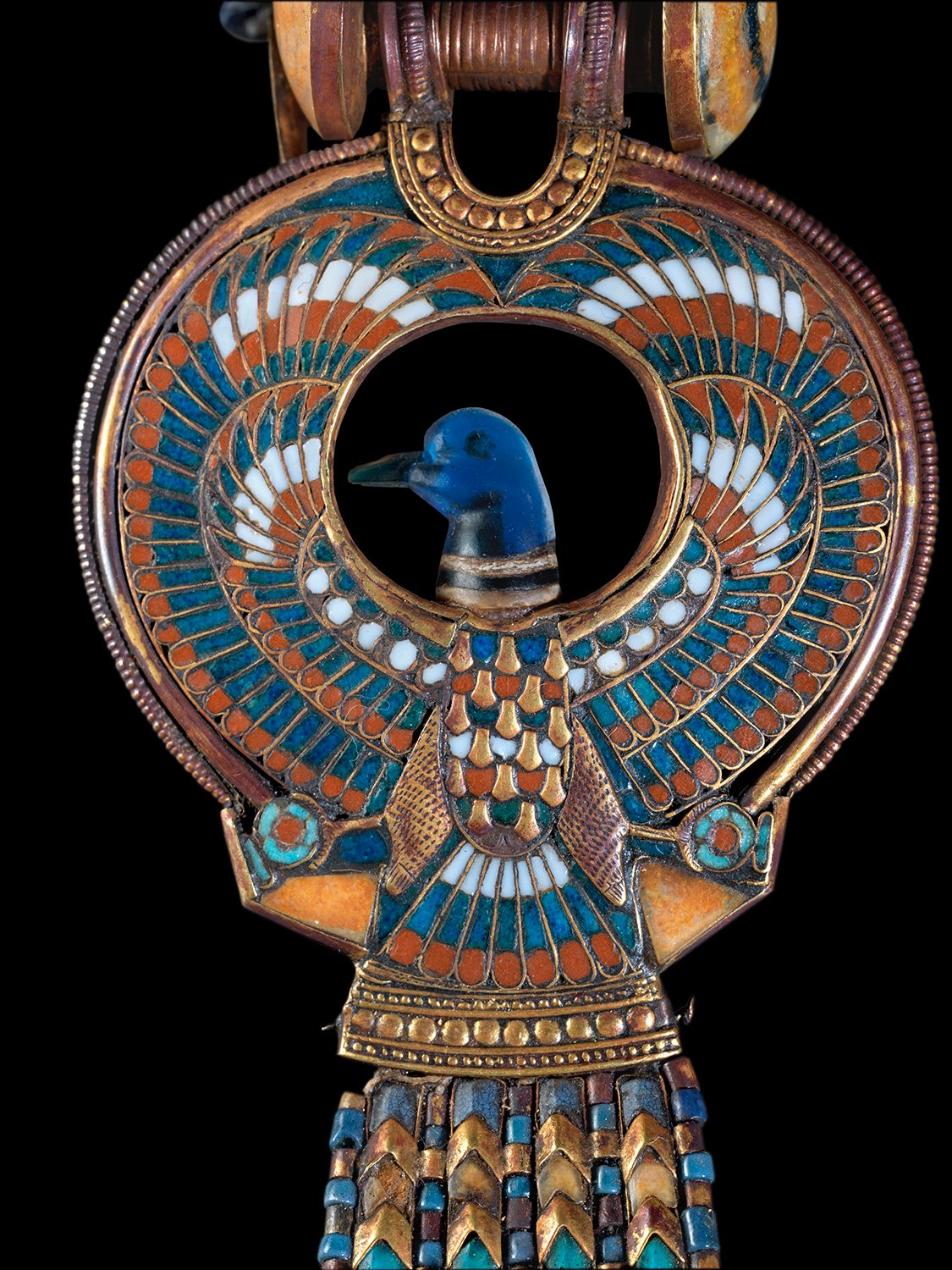
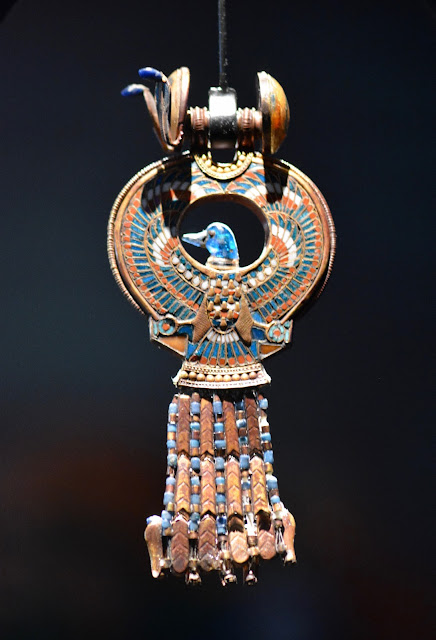
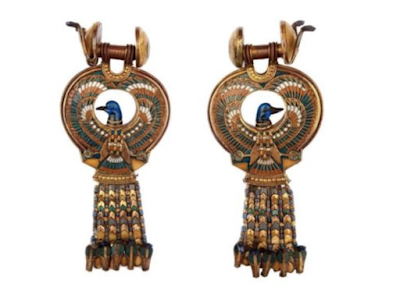
These earrings are the most striking of the four pairs found in Tutankhamun’s tomb. The ducks with outstretched wings create a circular shape, and their feet hold the shen symbol. The head is made of translucent blue glass, while the wing is crafted in cloisonné.
Hanging below the duck are gold and blue glass beads, each featuring five uraei (rearing cobras). The earrings show a high level of aesthetic sophistication, and the duck held a particular erotic significance.
Let’s appreciate and enjoy Marie Grillot‘s vivid portrayal of this captivating divine gem.
(It’s clear I am not happy about naming a character in this article, but I am committed to getting the translation right; just to mention!)
Bluebird Earrings – Gold, glass, quartz, travertine, faience – 18th Dynasty From the treasure chamber of Tutankhamun’s tomb, discovered in November 1922 by Lord Carnarvon and Howard Carter in the Valley of the Kings (KV 62) Ref.: Carter 269a(1) – JE 61969-a – GEM 485
These “bluebird earrings,” as Christiane Desroches Noblecourt aptly called them, and these “gold-encrusted earrings in the shape of an ousekh necklace with a blue glass falcon,” as Zahi Hawass describes them, are one of five pairs found in Tutankhamun’s treasure.
The “Blue Bird” Earrings – gold, glass, quartz, travertine, faience – 18th Dynasty In the rectangular box 269a, placed in chest 269 From the treasure chamber of Tutankhamun’s tomb, discovered in November 1922 by Lord Carnarvon and Howard Carter in the Valley of the Kings (KV 62) Ref.: Carter 269a(1) – JE 61969-a – GEM 485-a The Griffith Institute – Tutankhamun: Anatomy of an Excavation The Howard Carter Archives – Photographs by Harry Burton
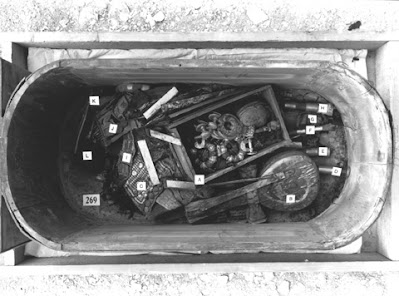
They had all been deposited in a rectangular box (number 269a) placed in a charming wooden chest (number 269). Shaped like a cartouche, it is topped with a flat lid, decorated with the king’s birth name written in delicate colored hieroglyphs. It can be identified, “in situ”, in the photos taken by Harry Burton in the “Treasury Room” whose “official opening” took place on February 17, 1923.
With a height of 12.1 cm and a width of 4.4 cm, these earrings are made of “gold, glass paste, translucent blue glass and pale orange-white-blue melted glass” for Christiane Desroches Noblecourt. At the same time, Zahi Hawass sees, instead, in the gold inlays, besides the glass, quartz, travertine and earthenware…
Bluebird Earrings – Gold, glass, quartz, travertine, faience – 18th Dynasty From the treasure chamber of Tutankhamun’s tomb, discovered in November 1922 by Lord Carnarvon and Howard Carter in the Valley of the Kings (KV 62) Ref.: Carter 269a(1) – JE 61969-a – GEM 485-a Published here in the exhibition catalogue “Tutankhamun and His Time” (1963)
Their heavy and imposing suspension system consists of two tubes, one sliding inside the other, which are passed through the lobe involving an extensive “perforation”. These two elements “are decorated on both sides: at the rear, a hemispherical boss (0.85 cm, diam.) of translucent quartz lined with pigment; at the front, a hemispherical boss (0.95 cm, diam.) of translucent quartz supported by a pigment, forming a solar disk, with two uraei” specify Howard Carter and Alfred Lucas.
The central element consists of a bird with outstretched wings curved inwards, which makes them meet almost forming a circle. They are, like the body, worked according to the cloisonné method… For Zahi Hawass: “The wings of the falcon, and the details at the place where they meet, form a large collar called usekh”.
Bluebird Earrings – Gold, glass, quartz, travertine, faience – 18th Dynasty From the treasure chamber of Tutankhamun’s tomb, discovered in November 1922 by Lord Carnarvon and Howard Carter in the Valley of the Kings (KV 62) Ref.: Carter 269a(1) – JE 61969-a – GEM 485-a
The bird’s head, which does not resemble that of a falcon, cannot but raise questions, just as it raised questions for Howard Carter: “It is interesting to note that the sun falcon, Herakhtes, has, for some inexplicable reason, the head of a mallard (Anas boscas) in semi-translucent blue glass”…
The bird’s legs are almost horizontal and the talons enclose a shen sign, a symbol of eternity…
The “Blue Bird” Earrings – gold, glass, quartz, travertine, faience – 18th Dynasty – at the time of their discovery from the treasure chamber of Tutankhamun’s tomb, discovered in November 1922 by Lord Carnarvon and Howard Carter in the Valley of the Kings (KV 62) ref.: carter 269a(1) – JE 61969-a – GEM 485-a The Griffith Institute – Tutankhamun: Anatomy of an Excavation The Howard Carter Archives – Photographs by Harry Burton
Under its tail, a slightly curved gold plate, decorated with pellets, serves as a hook for the lower part of the loops. It is composed of curious “flexible hanging appendages, composed of openwork plates with a geometric pattern interlaced by five rows of blue and gold cylindrical beads, ending in five uraei heads” (“Tutankhamun and his era”)… When discovered, as Harry Burton’s photos show, these “tassels” were fragmentary and in poor condition… A successful restoration has restored them to their original appearance.
Howard Carter noted that these ear ornaments had signs of wear, indicating that they had been worn, most likely until adolescence, by the young king… He did note, during the examination of Tutankhamun’s mummy, that his earlobes were pierced. In “The Tomb of Tutankhamun – The Annexe and Treasury”, he adds this interesting detail: “The gold mask that covered his head also had pierced earlobes, but the holes had been carefully filled with small discs of thin gold leaf, suggesting a desire to conceal this fact”…
Bluebird Earrings – Gold, glass, quartz, travertine, faience – 18th Dynasty From the treasure chamber of Tutankhamun’s tomb, discovered in November 1922 by Lord Carnarvon and Howard Carter in the Valley of the Kings (KV 62) Ref.: Carter 269a(1) – JE 61969-a – GEM 485-a The Griffith Institute – Tutankhamun: Anatomy of an Excavation The Howard Carter Archives – Photographs by Harry Burton
This pair of earrings, Carter 269a(1), has been transferred to the Egyptian Museum in Cairo, where it was recorded in the Journal of Entries under the reference JE 61969. Its new reference at the Grand Egyptian Museum in Giza is GEM 485-a.
It should be noted that one of the earrings was featured in the exhibition “Tutankhamun, the Pharaoh’s Treasure”, whose initial worldwide tour, which began in 2018, was reduced to Los Angeles, Paris, and London due to the pandemic.
The Griffith Institute – Tutankhamun: Anatomy of an Excavation – The Howard Carter Archives – Description in Murray-Nuttall Handlist – Pair of ear-rings – JE 61969; Card/Transcription No.: 269a1-1 http://www.griffith.ox.ac.uk/gri/carter/269a(1)-c269a1-1.html http://www.griffith.ox.ac.uk/gri/carter/269a(1)-p1471.html Christiane Desroches Noblecourt, Life and Death of a Pharaoh, Hachette, 1963 Christiane Desroches Noblecourt, Tutankhamun and His Time, Petit Palais, Paris, 17 February-July 1967, Ministry of State for Cultural Affairs, 1967 Cyril Aldred, Jewels of the Pharaohs, ed. Thames & Hudson Ltd., London, 1978 Nicholas Reeves, Tutankhamun: Life, Death, and Discovery of a Pharaoh, Editions Errance, 2003 Howard Carter, The Tomb of Tutankhamun, Volume 3: The Annexe and Treasury, Bloomsbury, London, 2014 Marc Gabolde, Tutankhamun: Pygmalion, 2015 Zahi Hawass, Exhibition Catalogue “Tutankhamun: Treasures of the Golden Pharaoh,” IMG Melcher Media, 2018
The first layer we encounter in the unconscious is what Jung called the shadow, usually those parts of ourselves we don’t like, don’t know, or don’t want to know. The shadow can be repressed within us, like a cancer, or projected outward onto others as qualities we dislike most in a person or group. The negative shadow can present us with a shortcoming to be overcome. The positive can show us a meaningful part of ourselves that we should recognise and live out.
~Carl Jung, Wounded Healer of the Soul, Claire Dunne


































 lampmagician
You must be logged in to post a comment.