Throughout history, influential politicians have often been seen as shapers of destiny and architects of society. However, some may believe that, behind their visible authority, they function more like puppets controlled by unseen forces than as independent leaders. This view suggests that true power lies elsewhere, with politicians serving as public faces for deeper, more ingrained interests.
Certainly, some independent individuals with strong personalities have risen to the top to realise their ideas, such as Napoleon and Hitler. However, the modern political landscape is shaped by complex networks of corporations, lobbyists, and special interest groups that wield significant economic and informational influence. These groups often set policy priorities and legislative agendas. Politicians, even charismatic ones, depend on them for campaign funding, media support, and advice. In return, their decisions may be subtly or overtly influenced to benefit those maintaining the political machinery.
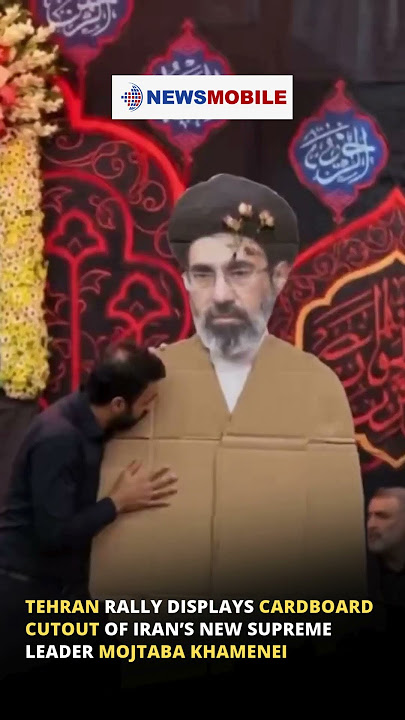
You may have come across this (real!) depiction of Iran’s new leader of the Islamic regime!
Furthermore, bureaucracies, party apparatuses, and global institutions further diminish individual agency, ensuring that politicians follow established paths rather than forge new ones. Dissenters risk marginalisation, while conformists are rewarded with stability and progress. In conclusion, although influential politicians seem to possess significant power, their actions and decisions are often dictated by external forces; they frequently serve as puppets on the public stage—animated not by their own will, but by the hands that pull their strings. If we examine their behaviour and interpret their language through their speech, we can easily read between the lines: they speak clearly and directly when they are prepared for what they need to say, but when caught unawares by a new, unexpected topic, they start babbling and repeating themselves.
In my view, the world aims to dissolve the individual into the crowd, with personality fading away under the “New World Order” to facilitate control.
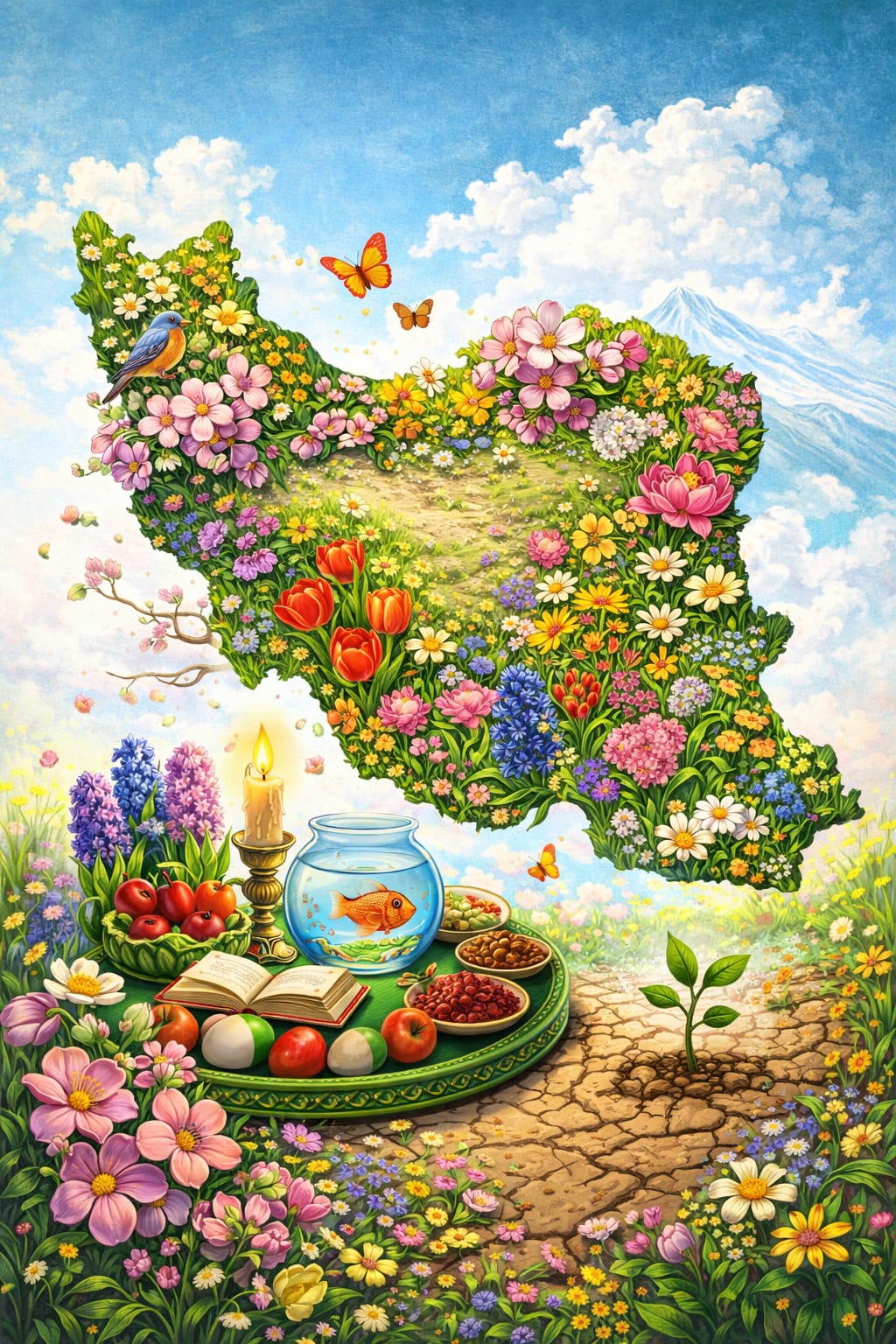
As you might know, yesterday marked the arrival of the Spring Equinox and the Persian New Year. I feel a twilight sensation between grief and bliss. However, I could just be hopeful that the coming year will be filled with peace, freedom, and justice.
I hope that next year, flowers will blossom instead of bullets, bombs, or executions. 💖🌹
I think this platform is a great space to express feelings, and, as my dear friend and excellent writer Shehanne Moore advises, I allow my thoughts to flow openly.
As you might have guessed, I am currently at a loss for words! My mind feels cluttered, and I struggle to focus as I normally would. The situation in Iran is deteriorating, and additionally, the responses from Western audiences, whether Iranian or not, lead to more confusion.
This surreal piece shows a volcano with an angry face, erupting with floral smoke and blood across a barren landscape. An eye above sheds tears that turn into blood, symbolising both creativity and destruction. Flowers representing beauty and fantasy are destroyed by lava and blood. I chose this image to express my fleeting feelings about the current state of the world.
Many people call for peace, but they often lack a clear understanding of or haven’t deeply considered what has been happening in Iran over the years. Simply saying “stop the war” is insufficient, as it raises the question: which war do they mean? I am referring to two wars: one that is ongoing now, and another that the regime has been waging against the Iranian people for many decades.
Of course, I don’t judge everyone equally. I have honest friends deeply concerned about innocent lives, such as the over a hundred schoolgirls killed at their school at the conflict’s start. Wars inevitably cause innocent casualties. The scenes in Gaza following Israeli strikes are truly unforgettable! But I see no difference between dying from regime bullets or American and Israeli bombs. There may be a point where bombing foreigners could help end this suffering.
The Iranian people find themselves in a dilemma. Naturally, they do not want war, but at the same time, they oppose this murderous regime. As a result, they are trying to endure this terrifying situation. I remember vividly when I lived in Iran, those days of conflict with Iraq. In those days, or rather, those nights, Al, some friends, and I would gather together in one of our friends’ flats and play cards all night long, until the bombs started falling. Simply put, we did not want to die in our sleep!
It felt like a lottery; the question was, who would win next? One could either win or lose; there was no draw!
People in Iran are taking similar actions now; what else can they do? But those who live in freedom and peace, presenting themselves in an intellectual and civilised manner, say that war must be stopped! And I still ask: “Which war are they referring to!”?
Ultimately, I recognise that the situation centres on money and power, and I can only hope that the Iranian people are on the advantageous side. 💖🙏
With a warm greeting to all my friends, I didn’t want to keep writing critical articles repeatedly, although I see no way to look away from all these terrible happenings around me, and around you all, for sure.
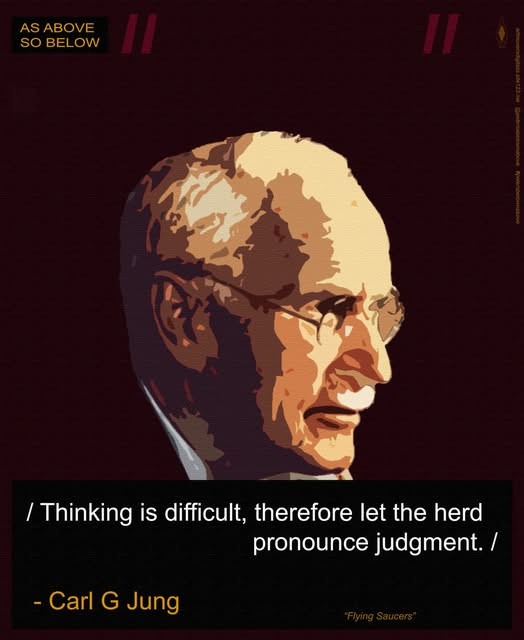
Although this topic is quite old—one that Al and I came across in our youth as we distanced ourselves from the masses—we initially believed it was a characteristic of the Third World due to inadequate education systems. However, later observing in the West, we realised it is very common there as well. Therefore, I decided to analyse it, at least for my own understanding, to explore how it might be possible:
As I observe the world and its phenomena, I repeatedly notice the absence of consideration, recklessness, and ignorance shown by many people, and above all, the lack of individuality.
It is not a matter of living in the third world, which we might argue is due to poor education or oppressive rulers! That already happens in the free world!
I think people are getting lazier, aiming for a more comfortable life without the stress of thinking, decision-making, or solitude, which leads to a loss of their individuality. As AI advances, the significance of the self-mind diminishes; the artificial mind assumes creative functions, rendering learning unnecessary.
They often prefer to be part of a crowd that takes them somewhere, no matter the outcome. This reduces the need to use the mind, enabling everyone to enjoy life effortlessly and without deep understanding; making judgments becomes simpler.
I’ve often met people with such judgments; they use these to solve problems that require thought or research to discover the truth, and then they feel proud of their ingenuity.
In this chaos, a deep examination of issues quickly leads to dismissal, labelling as an outsider and a foreigner, and, subsequently, isolation.
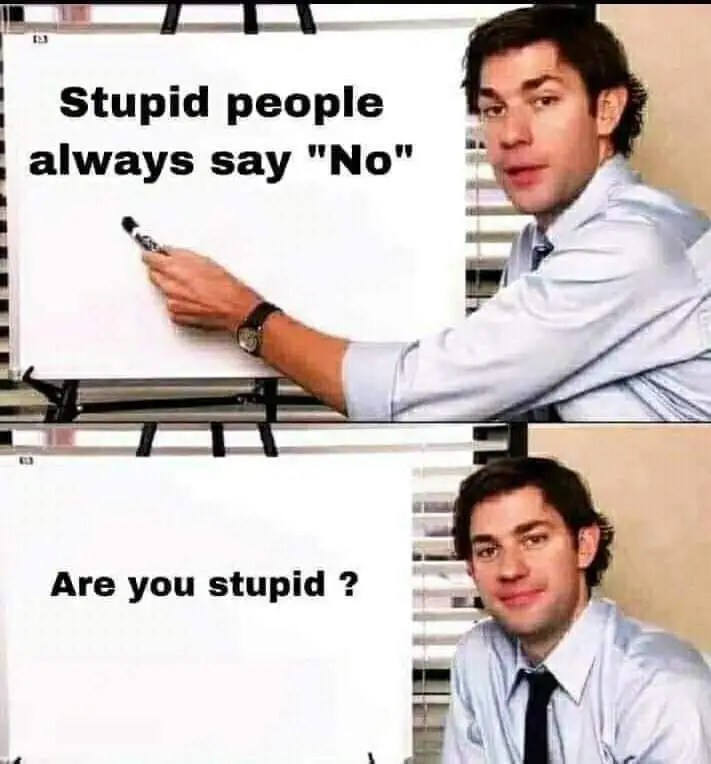
Benjamin Franklin’s expression is quite adept: “We are all born ignorant, but one must work hard to remain stupid.”!
The main profit, naturally, goes to the politician. Populism comes to the fore; the bigger the mouth and the louder the voice, the more it draws the crowds, because there is a greater resemblance among them; the stupid always gravitate towards the same type!
I am witnessing the severe turmoil in Iran. The son of Iran’s late Shah, echoing President Trump, urged people to protest against the Mullahs’ regime. “We are coming!” they both declared. Many took to the streets, risking their lives, and thousands have lost their lives. Yet, no one has offered them support. Now, helping the Iranian people is forgotten, as President Trump proudly discusses a deal with the murderous regime!!
One no longer faces the agony of decision – no more being spoiled for choice! They lose their individuality and dreams. Imagination wanes, and visions grow shallow. And those who manage to protect their minds from such propaganda and attempt to stay aware of their own thoughts will be marginalised and become outsiders.
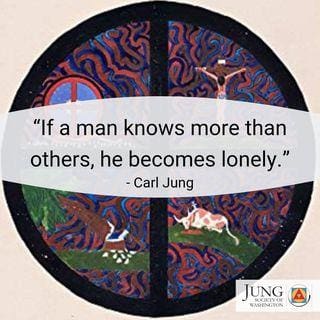
The loneliness began with the experiences of my early dreams, and reached its climax at the time I was working on the unconscious. If a man knows more than others, he becomes lonely. But loneliness is not necessarily inimical to companionship, for no one is more sensitive to companionship than the lonely man, and companionship thrives only when each individual remembers his individuality and does not identify himself with others. ~Carl Jung, MDR, Pages 355-356
In this video, the narrator references Carlo M. Cipolla‘s ideas on stupidity and on people deemed stupid. This seems to serve as an overall summary.
“Stupidity is an indiscriminate privilege of all human groups and is uniformly distributed according to a constant proportion.” And, “non-stupid individuals underestimate the potential for damage by stupid people and fail to recognise the cost of dealing with them.” ~Carlo M. Cipolla
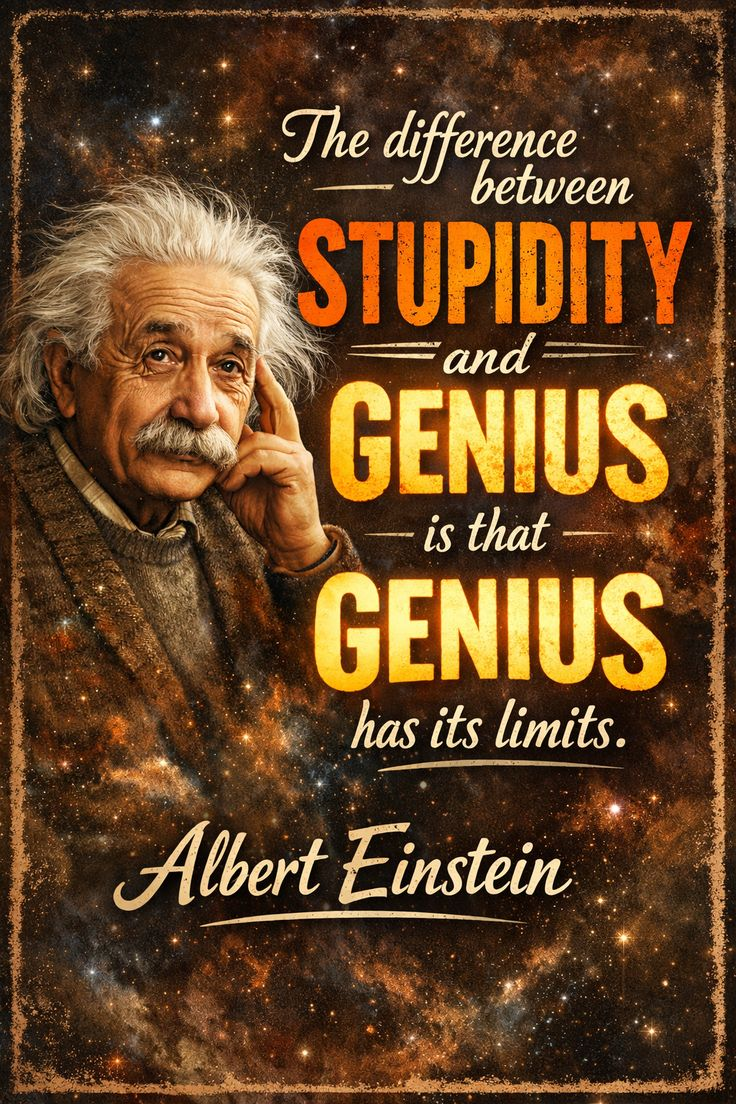
“The difference between stupidity and genius is that genius has its limits”!! ~Albert Einstein
I must admit that I am at least pleased to be here, among such wonderful friends, who give me hope for a better future for humanity! Take care and stay vigilant.🙏✌️
It makes no sense! Sorry to start with these words, but I am truly on the verge of exhaustion. I am trying to keep my mind clear to write stories on my site as usual, though I have not succeeded as I hoped. Actually, it is not only the massacre of my compatriots in my birthland causing chaos in my mind, but also my thoughts and opinions on these events, which differ greatly from those of others, who, like me, have been living in exile for many years. However, there’s a difference: other Iranians in exile have carried their country and traditions with them, but I left them behind and fled from what Khomeini called the “thirty-six million counterintelligence organisation!!” I abandoned my limited thoughts from my past to find a new life, or more precisely, to develop a new, broader way of thinking.
In the early stages of the 1979 revolution, when Tehran’s major newspapers called Khomeini the Leader (Imam) and many intellectuals and advocates of freedom supported this, Al and I differentiated ourselves by stopping our support. We debated the wrongfulness of this action, while others argued, “Let the Shah be dethroned, then Khomeini will be out of the way!” It reminded me of Dr Sigmund Freud, who, in the mid-1930s, said one must stop this ill-minded (Adolf Hitler), but nobody listened!
Al and I have always kept a distance from society, so I am accustomed to solitude. However, I find it puzzling that since the Women-Live-Freedom Revolution began, more Iranians have been including me in their online groups. While I feel honoured, I often disagree with their actions but cannot openly communicate my views due to my speech impediment.
Swimming against the stream remains challenging, even though it has become my routine. I am grateful for Dr Jung’s valuable support in helping me manage that burden and how to carry that weight.
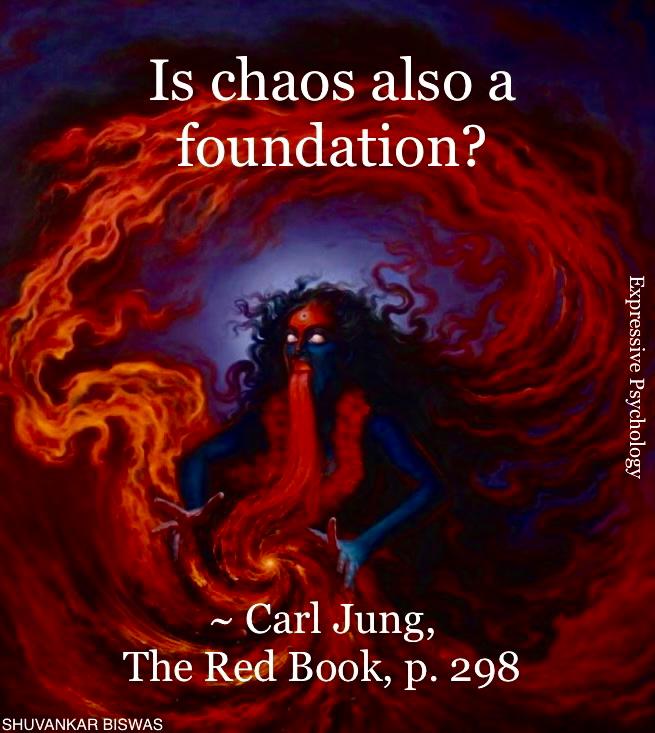
Dr Jung famously said, “In all chaos there is a cosmos, in all disorder a secret order.” He believed that the unconscious, which often seems chaotic to the conscious mind, actually has a deeper structure. Instead of viewing chaos only as destruction, Jung saw it as essential for creativity and growth. When old mental frameworks break down, it allows new, more integrated ones to form. Overthinking and mental chaos can sometimes mirror the shadow—those unconscious, repressed parts of ourselves. To explore this chaos, we must confront these disowned aspects, not just try to control thoughts. Jung’s goal wasn’t to push the mind into perfect order but to integrate its chaotic parts to achieve wholeness.
Anyway, I think I can share my thoughts more openly here because I believe you understand better!
I’m including my short essay, which I’ve shared multiple times in those groups, but it seems like either friends don’t grasp the points or simply don’t want to.
This relates to the primary question that preoccupied me: not just a warning about the awakening seen in all these events, but also an understanding of who the real enemy truly is.
Knowing the real enemy!
Throughout all these years of the Iranian uprising, I have wondered if it is clear to the opposition who or what the real enemy is: the Revolutionary Guards, the entire Islamic regime, or Khamenei himself. I am not sure if these are the real enemies – especially the last one, as we, the old-timers who were in Iran during the revolution, should have known Khamenei well. He came as a Hojjatoleslam, remained a Hojjatoleslam, and then became the leader through Rafsanjani. Anyway, many questions remain unanswered for me, and I continue to think about them until they become clear. In fact, the change or so-called political opening under the Shah’s regime began in the mid-seventies. I remember that this space started with television, from children’s programs to theatre performances, with the slogan: “We will wake you up!” Television also began showing full-length films that had previously been censored or banned. The street demonstrations were for freedom and a free press and were not religious in nature. However, following the Cinema Rex fire and Khomeini’s trip from Iraq to France, these events were framed in religious terms. I believe that at that time, Western influence took over the revolution to protect it from leftist ideologies and Soviet interference. Even reputable newspapers such as Kayhan and Ettelaat referred to Khomeini as the Imam, and, unfortunately, the intellectual community supported this move, hoping to spread the revolution. Ultimately, it led them to lose focus on the revolution’s main principles. Of course, we are aware of the process of how the revolution progressed and won. But here a question arises: how is it possible for the West to lead the revolution as a religious action under the rule of the mullahs, but not to consider its own subsequent interests? America and Britain spent money and overthrew the government of Dr Mossadegh in a coup. Still, suddenly, in the 57 revolution, they abandoned everything and left the future of Iran to fate with a mullah government? Did they think that simply preventing the revolution from falling into the hands of the leftists, regardless of what would happen next, was enough? I can never imagine such a thing! I believe that this was a long-term plan to take control of Iran, to create a regime under its command, without any ideology, and simply to destroy the country and kill the future geniuses and thinkers, as we have been witnessing for years. Yes! I believe that this regime has no ideology; as we remember from the very beginning, they purged the intruders by assassinating or bombing and killing the ideologues and their leaders. And this monkey game of endangering Iran’s nuclear program is simply a tactic to spread fear and panic, with the aim of greater success and greater influence. I conclude that our primary enemy is the same as it has always been, and the only way to fight this dangerous and eternal enemy is to remain awake and aware.
Thanks, everyone, for reading and hopefully understanding my perspective.🙏💖
I believe in them more than they believe in themselves. Franz Kafka
I stayed silent throughout these days, despite the pain in my heart. With my wet, excited eyes, I observed the events in Iran. I saw large crowds of young people, both girls and boys, demonstrating courageously and risking their lives—more than during the last forty years of uprisings—fighting against the Mullahs’ regime tyranny for freedom. But what a dream! As I heartbreakingly knew, the influential figures behind the scenes never allowed a free Iranian state to emerge, and they employ the same tactics as they did with the 1953 coup against the Mossadegh government.
From the beginning of the Mullah regime’s rule, I realised it was simply another Western invention. It appeared different: instead of backing America, it called for its death, but ultimately, the result was the same- control was maintained! And unfortunately, I see the West, with their puppet loudmouth as the front, trying to install another puppet in power in Iran to keep control and reap benefits.
That’s unfortunate: so much bloodshed without any reward! Willy Brandt, the former German Chancellor, once asked: ‘Must one practise democracy, or should one dare to embrace it?’ The real question is: practising for how long and at what cost? Certainly, friends and activists outside Iran may disagree or be hesitant to agree with my perspective. I understand that my view is blunt and unsettling, but the truth is undeniably tough to face.
I didn’t want to dwell on these disappointing events, but when my dear friend Resa asked how I felt, I decided to write a few words, and I leave it to you to judge the role of the great politicians in power. Also, I don’t want to share many photos or videos as they can deeply affect anyone who watches them. 🙏
Hello everyone! Today, I want to share some thoughts that have been on my mind for a while about our world—a chaotic place—and explore the reasons behind it.
Many ideas and thoughts were swirling in my mind, and since I am not sufficiently professional to keep them all there, I hesitated to write this. However, after reading an article by The Borderline Crisis, a highly recommended blog, it encouraged me to share my thoughts.
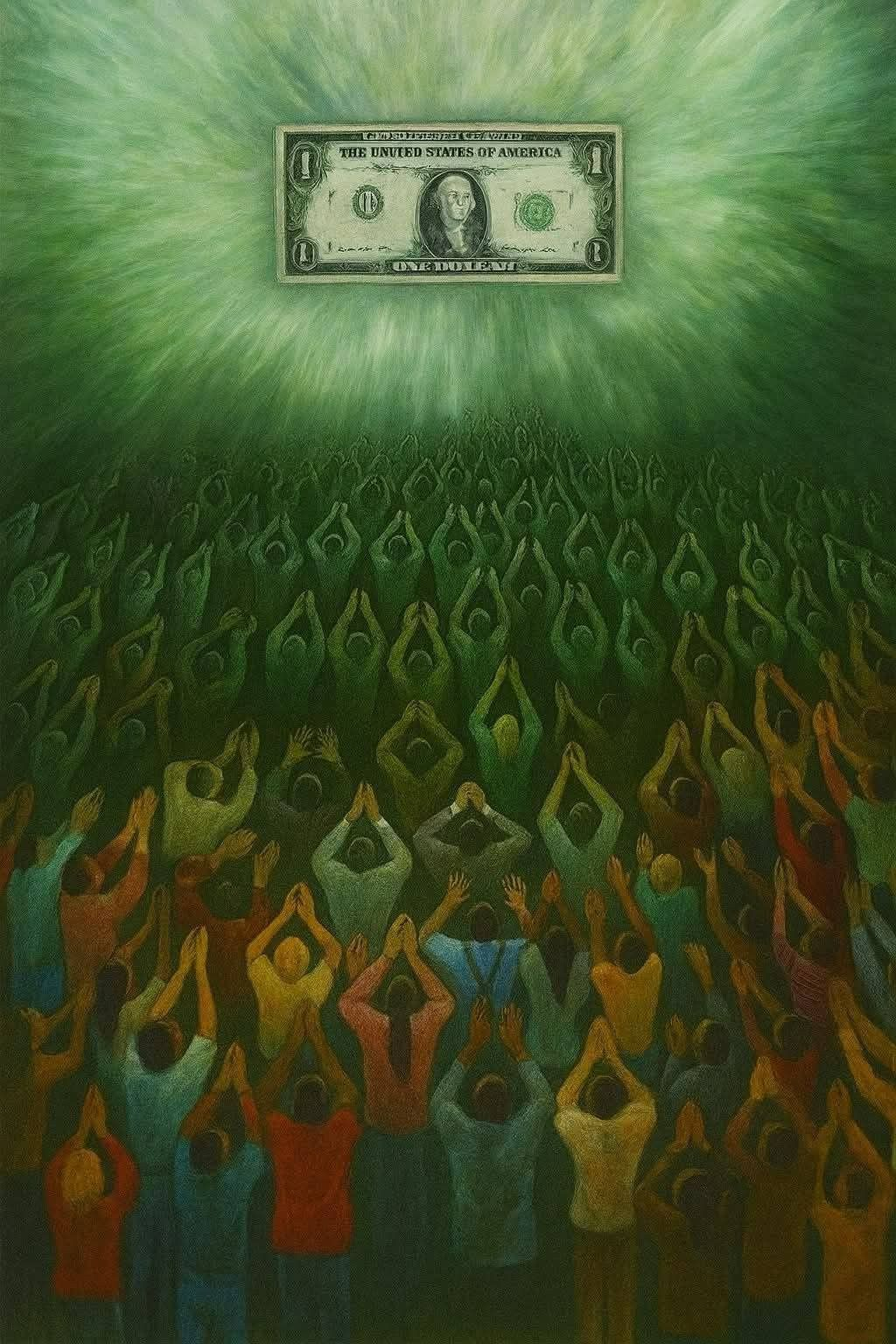
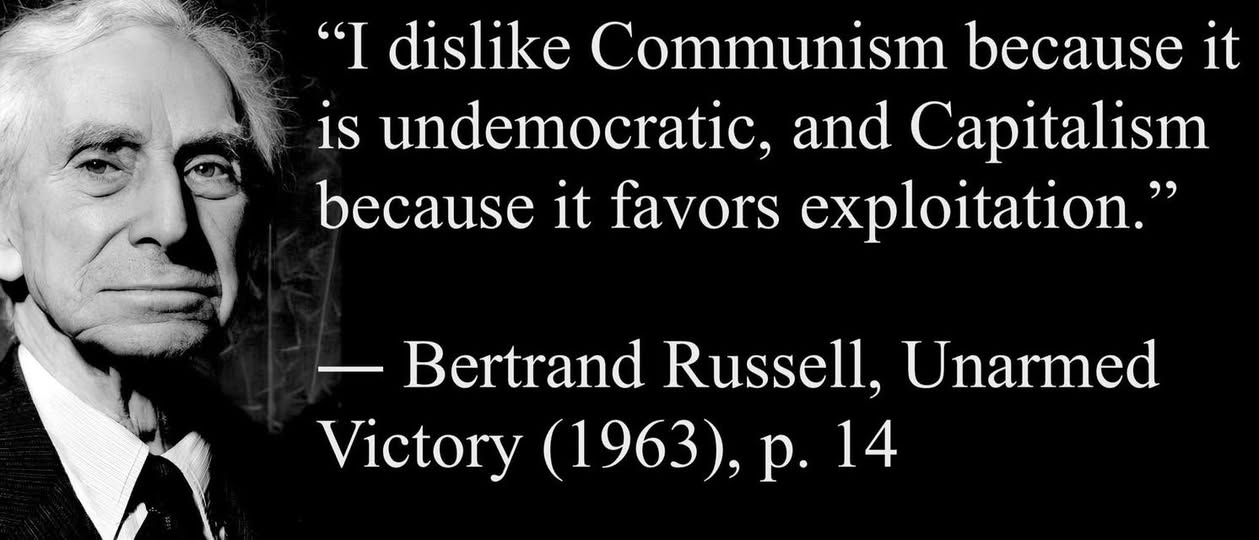
As we watch and ponder, the world and its inhabitants hurriedly head towards an abyss filled with wars and violence, driven by an unknown purpose. The wealthy continue to grow richer, while the poor become increasingly poorer. Every compassionate person wonders about the cause and reason. That was also my question, and I realised it all comes down to money. Or, more accurately, it can be best described as capitalism. Hold on!!! Please don’t walk away; I am not a communist and have no intention of promoting such ideas. I fully agree with Bertrand Russell, who stated:
“I dislike Communism because it is undemocratic and Capitalism because it favours exploitation.“ — Bertrand Russell, Unarmed Victory (1963), p. 14
Thus, concerns regarding communism and its foundational principles have diminished, while capitalism continues to gain greater influence. Why is that? Essentially, communism has shot itself in the foot by taking on a form of dictatorship, which has contributed to its decline throughout history. On the other hand, after World War II, capitalism managed to contain communism by offering people equity capital through the conventional bourgeois approach, thereby generating a fear of communism.
They created opportunities for the lower class by enabling partial instalment payments, allowing them to own possessions, and helping to dispel the notions that deprived them of their belongings. They might be burdened with their mortgage for life, but they have some possessions, such as their own house, car, TV, washing machine, etc. This approach gained popularity worldwide, including in Europe and even in Iran before the 1979 revolution. We adopted an American-style lifestyle, characterised by luxury and instalment-based spending!
This approach has been cleverly devised to encourage pride in possessions and stimulate a desire for more. I see it as a fundamental aspect of capitalism, as it drives competition among neighbours, cities, or nations to increase their assets. Consequently, people become fixated on winning more and acquiring larger and better possessions.
I call it Greed! This trait isn’t found in nature but only among humans. I noticed it wasn’t present in the communist world, as I observed when interacting with my East German customers, whom I took to visit doctors during my daily work. They all expressed satisfaction with their lives in the former GDR. One of them, a tiny older woman, told me she lived peacefully with her neighbours, free of stress, feeling a genuine sense of community and helpfulness among friends and comrades. Even one of the younger people I met at a disco one evening, who recently escaped to the West, told me that everything wasn’t too bad there. She mentioned that travelling abroad was somewhat challenging due to restrictions, but she was eager to experience and connect with different cultures.
Nevertheless, the actual outcome of reunifying East and West Germany has shown how capitalism can significantly disrupt the peaceful life of a population, exposing them to the allure and splendour of Western society, yet leaving them in a state of longing. You may be aware that after the USSR’s withdrawal from East Germany, Western investors closed all remaining factories and manufacturing facilities. This was done to conceal from the capitalist world that factories in the communist system were still operational and that life was proceeding normally there. By the way, the education system has failed under the communist dictatorship, as shown by how individuals in East Germany can swiftly adopt fascist tendencies from a corrupt communist system.
Yes! Capitalism seeks to make you see and believe only in its world and nothing else. Accordingly, the modern bourgeoisie wields enormous power to keep people conservative and instils in them a fear of losing their possessions.
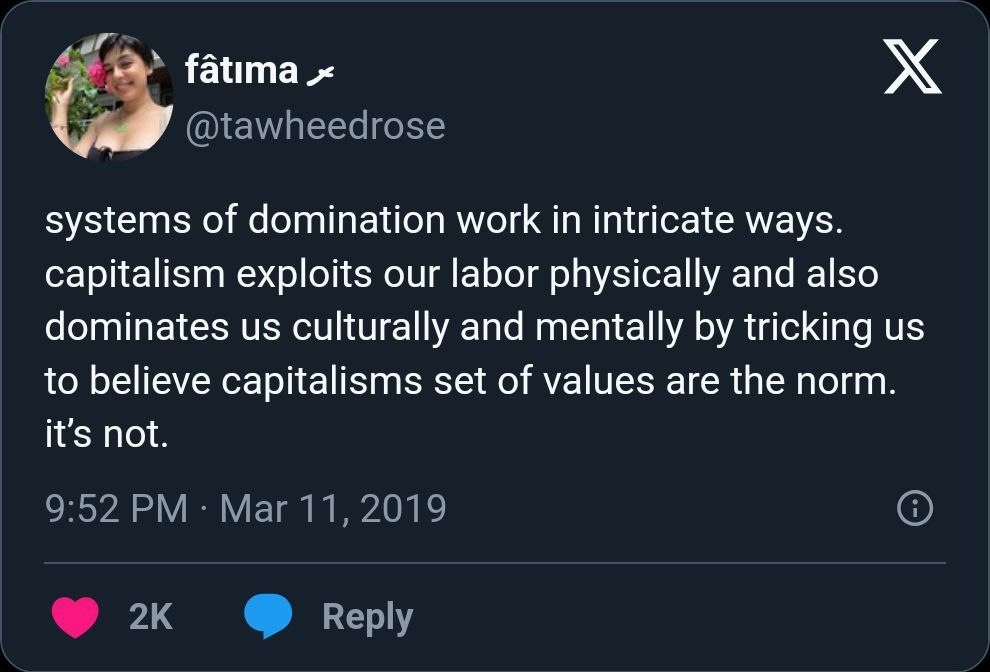
Capitalism is like a worm lurking in every part of our lives, often unnoticed. This allows it to operate while we concentrate on our own concerns, such as increasing profits! Even within the art world, artists are rarely solely focused on creating their work without also considering its sale and marketing. The traditional model, where an artist creates and a manager handles everything else, is outdated. I don’t mean to suggest that all managers are honest, but it does help artists who need a quiet life to focus on their art. You are all artists, aiming to display your work here. However, if you look around, you might realise that this way of life has consumed your thoughts so completely that you no longer feel longing or curiosity about the world’s happenings. You have been completely absorbed in your own concerns related to your personal domain.
On the other hand, the craving for increased luxury and comfort remains constant. Capitalism knows no limits and is frequently used by millionaires to display wealth, which can lead middle-class individuals to develop an excessive obsession. Since not everyone can achieve millionaire status, this seemingly out-of-reach desire often results in anger, frustration, dissatisfaction, and sometimes depression. This may lead to feelings of impatience, envy, increased sensitivity, and an abrupt loss of patience. You might have observed that people in the streets shout at each other over trivial matters, drive aggressively, and honk their horns frequently. I believe this behaviour stems from capitalism.
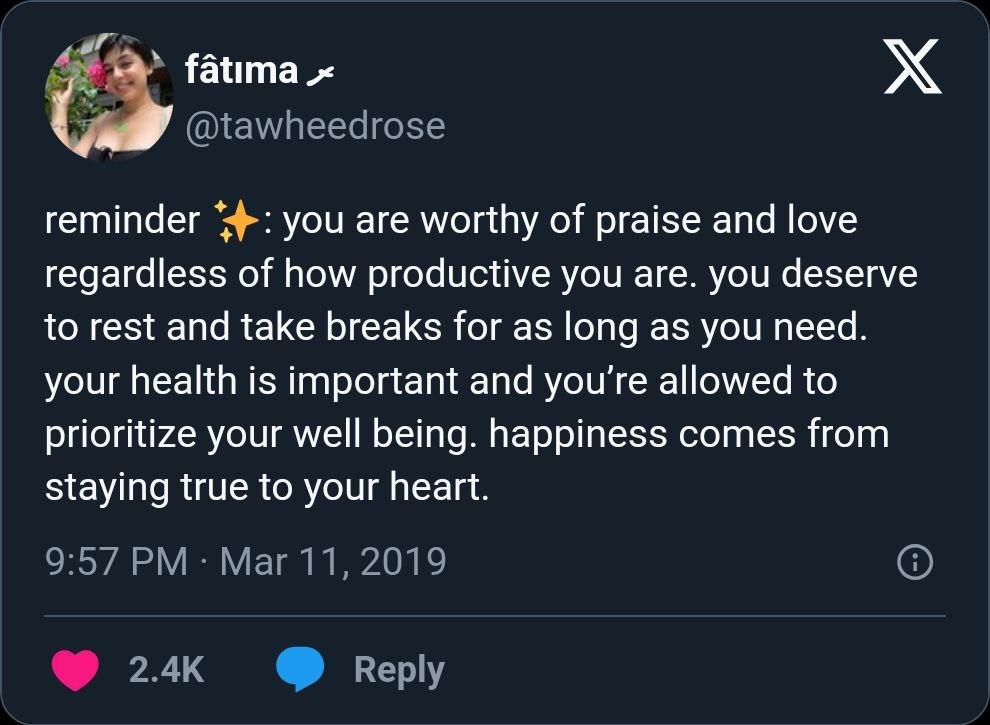
Here is an excellent explanation of capitalism I came across, not on X but somewhere else I can’t recall.
The key question is: what steps should we take? I believe our initial move should be to build a society rooted in accessible, high-quality education and robust, free healthcare, as many societal problems originate from these sectors. Following that, we need to develop a proper social democratic system—one that Rosa Luxemburg aimed to reinforce in the early 20th century, not the shallow versions currently promoted by some political parties.
I’m not discussing a proletariat dictatorship; a free society is the most important of all. I referenced Rosa Luxemburg to demonstrate my commitment to freedom, as Luxemburg followed a similar path:
She celebrated the Russian Revolution, but in a posthumously published manuscript, she sharply criticised the authoritarian policies of the Bolsheviks, advocating for democratic freedoms and famously stating, “Freedom is always and exclusively freedom for the one who thinks differently.”
She has been revered by many on the left as a martyr for the revolution. At the same time, her theories, particularly her emphasis on spontaneity and democracy, were strongly criticised by the Leninist and Stalinist traditions of orthodox communism.
In a genuine social democracy, we can devalue prices and quantities, thereby promoting a more quality-oriented lifestyle. In the capitalist world, we observe every day that prices are steadily rising, and I wonder why!
We don’t require a luxurious, speedy car or a mansion to live; these are just materials that our souls don’t need. If we carefully reflect on our lives, we will surely identify moments of genuine relaxation. I think those times are when we need fewer things and find happiness with less. Lao-Tzu offered some insightful thoughts on living with less:
“One who is content is rich.”
“He who accumulates much treasure has much to lose.”
“The greatest gift is contentment.”
Here is an excellent explanation I took from my esteemed teacher and friend, Jean Raffa, from her recent article, concerning the essence of our existence.:
Our culture profits from our yearning by promising surface solutions like money, power, safety, appearance, possessions, and sex. These things satisfy your instincts for the short term. But beneath the world’scacophonous clamour, the yearning remains. Who, amidst the hubbub, can hear the quiet voices of those who would direct you to the inner world? It’s hard to believe anything there could fulfil your needs. Harder still to pull yourself away from outer demands you’re trying desperately to fulfil. You have no time. And even if you did, how would you begin? You don’t know the way. Who would guide you? It’s too humiliating to ask for help. “I was not looking for my dreams to interpret life, but rather for my life to interpret my dreams.” ~Susan Sontag
And finally, who could articulate it more eloquently than Carl Jung:
“Your vision will become clear only when you can look into your own heart. Who looks outside, dreams; who looks inside, awakes.”
~Carl Jung, Letters Volume I, Page 33.
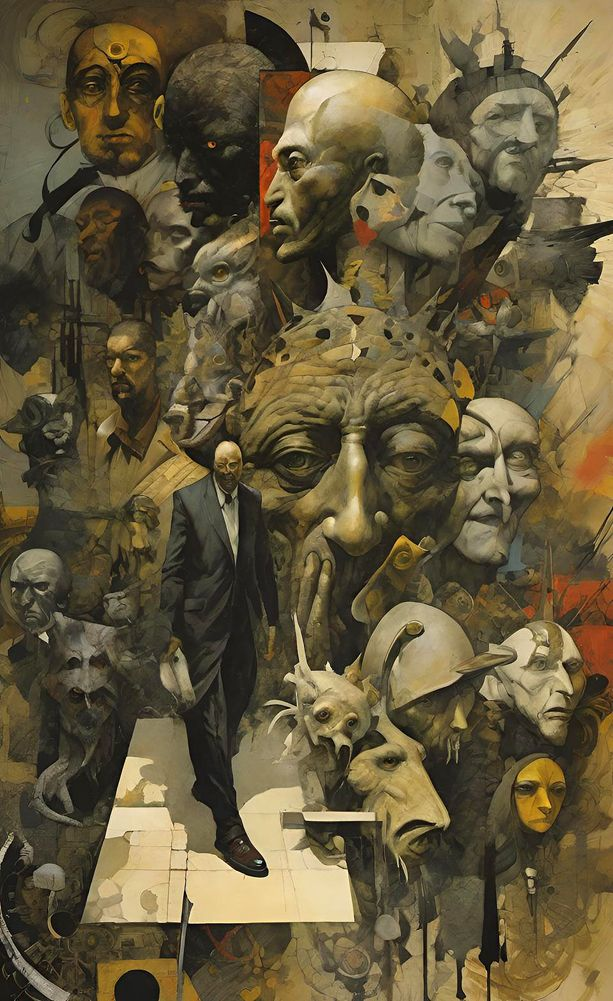
Image credit at the top; snugsomeone (Maciej) | DeviantArt
Sorry! I can’t simply ignore this issue or stop worrying about the current situation. Perhaps it’s because I was born and raised in a dictatorship, which gives me a deeper understanding of the coming danger than many of my friends here, who have mostly been born and live in freedom.
The question is, when a nation feels disappointed with its situation and confused about its future, how easily can its patriotism be aroused and nationalism used to heal its social wounds? It is not related to a country’s political governing and social freedom, as we observe it occurring in both directories and Western democratic nations. I often wonder why people tend to embrace nationalism during moments of last-ditch pride, frequently seen in contexts like football national cups (a common occurrence in South America), historical racism (as observed in German history), or in leaning on their ancient heritage (as seen with figures like Mussolini in Italy and the Persians, which still resonates today).
Through scientific understanding, our world has become dehumanized. Man feels himself isolated in the cosmos. He is no longer involved in nature and has lost his emotional participation in natural events, which hitherto had a symbolic meaning for him… He no longer has a bush-soul identifying him with a wild animal. His immediate communication with nature is gone forever, and the emotional energy it generated has sunk into the unconscious. (C. G. Jung 1948/1980, para 585)
In today’s world, and likely in the years to come, politics will inevitably influence our lives, whether we want it to or not. I don’t intend to denigrate anyone, but when a single individual holds leadership in one of the most influential roles in the world with vast authority, it raises alarms about the potential for tyranny. And I’m sure all friends here must admit that no one will be immune to that seduction!
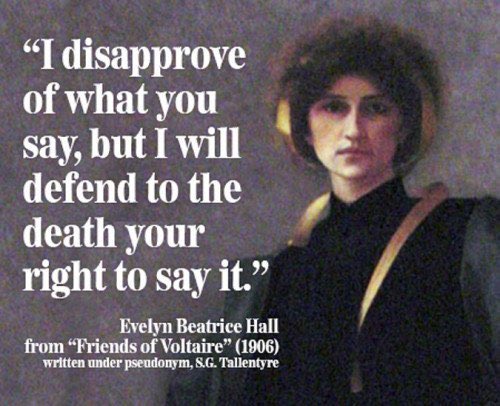
The word “democracy” originates from the Greek terms “demos,” meaning “people,” and “kratos,” meaning “power.” Therefore, democracy can be understood as the “power of the people”—a form of governance that relies on the people’s will. The idea of democracy derives its moral strength – and popular appeal – from two fundamental principles: 1- Individual Autonomy: This principle asserts that no one should be subject to rules others impose. People should be able to control their own lives within reasonable limits. 2- Equality: This principle holds that everyone should have the same opportunity to influence society’s decisions. Essentially, it emphasizes the disempowerment of concentrated power held by a single individual, transforming governance into a system where leaders serve the population rather than rule over them.
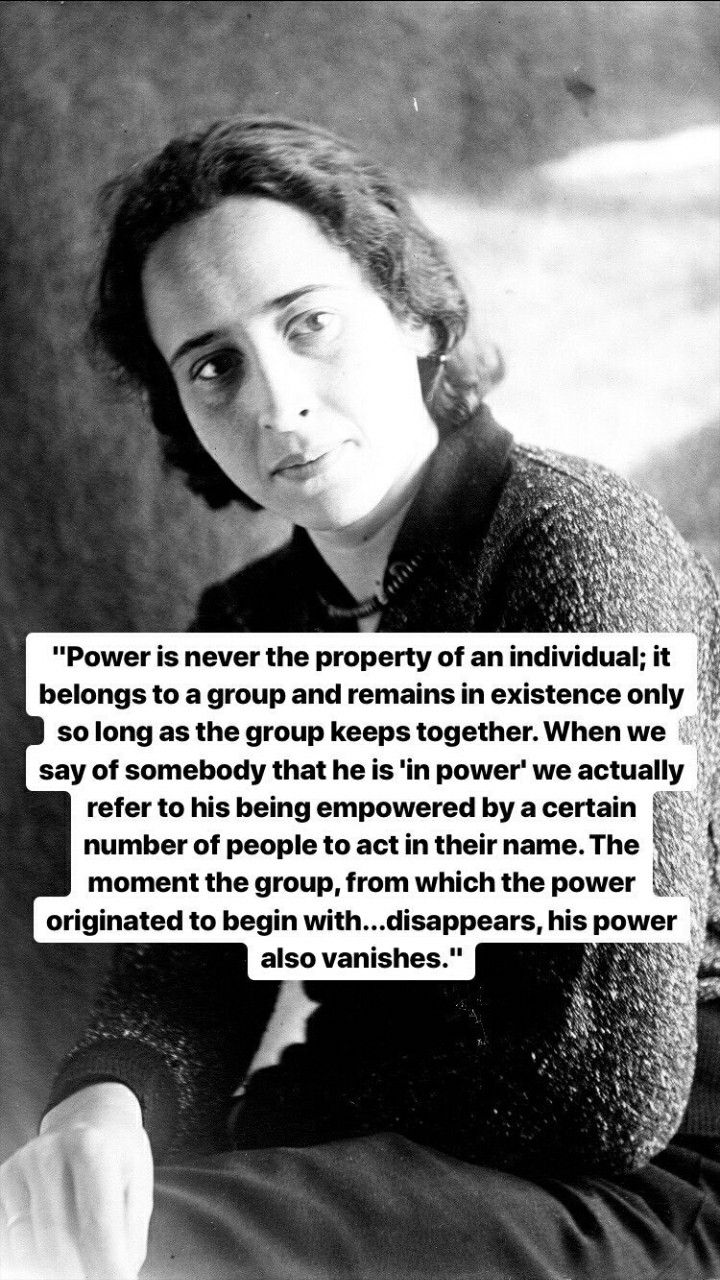
Lyndsey Stonebridge explains in her book “We Are Free To Change The World” (Hannah Arendt’s Lessons of Love and Disobedience): >In Arendt’s sense, having a free mind means turning away from dogma, political certainties, theoretical comfort zones, and satisfying ideologies. It means learning instead to cultivate the art of staying true to reality’s hazards, vulnerabilities, mysteries, and perplexities because, ultimately, that is our best chance of remaining human.< She also reflects that fundamental questions about the human condition are not beside the point in dire political times; they are the point. How can we think straight amidst cynicism and mendacity? What is there left to love, to cherish, to fight for? How can we act to secure it best? What fences and bridges do we need to build to protect freedom, and which walls do we need to destroy?
Hannah Arendt closely examined the regimes of Hitler and Stalin, their functionaries, the ideology of scientific racism, and the role of propaganda in creating what she described as “a curiously varying mixture of gullibility and cynicism.” This mixture is how individuals are expected to respond to their leaders’ ever-changing lies. In her 1951 work, “Origins of Totalitarianism,” she elaborated that this combination of gullibility and cynicism is prevalent across all levels of totalitarian movements:
In an ever-changing, incomprehensible world, the masses had reached the point where they would simultaneously believe everything and nothing, think that everything was possible and nothing was true… The totalitarian mass leaders based their propaganda on the correct psychological assumption that, under such conditions, one could make people believe the most fantastic statements one day and trust that if the next day they were given irrefutable proof of their falsehood, they would take refuge in cynicism; instead of deserting the leaders who had lied to them, they would protest that they had known all along that the statement was a lie and would admire the leaders for their superior tactical cleverness.
It is important to recognize the significant danger of trusting someone who makes promises. Why do such individuals often resort to constant and blatant lying? One reason is that it serves as a way to control their subordinates completely. These followers may feel compelled to abandon their own integrity to echo outrageous falsehoods, subsequently becoming tied to the leader through feelings of shame and complicity. Professor Jacob T. Levy from McGill University highlights the insights of prominent thinkers like George Orwell, Hannah Arendt, and Vaclav Havel. He notes that they can help us identify a specific type of falsehood. He states that “saying something obviously untrue and forcing your subordinates to repeat it earnestly in their own words is a shocking demonstration of power over them. This practice was widespread in totalitarian regimes.”
“You can read my lips… Repeat my words as I repeat them! Doesn’t this sound familiar? Arendt and others noted— as Levy writes— that “being forced to repeat an obvious lie makes it clear that you’re powerless.” She also identified how an avalanche of lies can render a populace unable to resist, a phenomenon we now refer to as ” “gaslighting”:
The result of a consistent and total substitution of lies for factual truth is not that the lie will now be accepted as truth and truth be defamed as a lie, but that the sense by which we take our bearings in the real world—and the category of truth versus falsehood is among the mental means to this end—is being destroyed.
However, time will reveal how a people or a nation can differentiate between right and wrong and how much their practice of democracy can help them recognize truth and falsehood. Democracy is not a gift that can be simply given; it requires thorough training to achieve its ultimate goal.
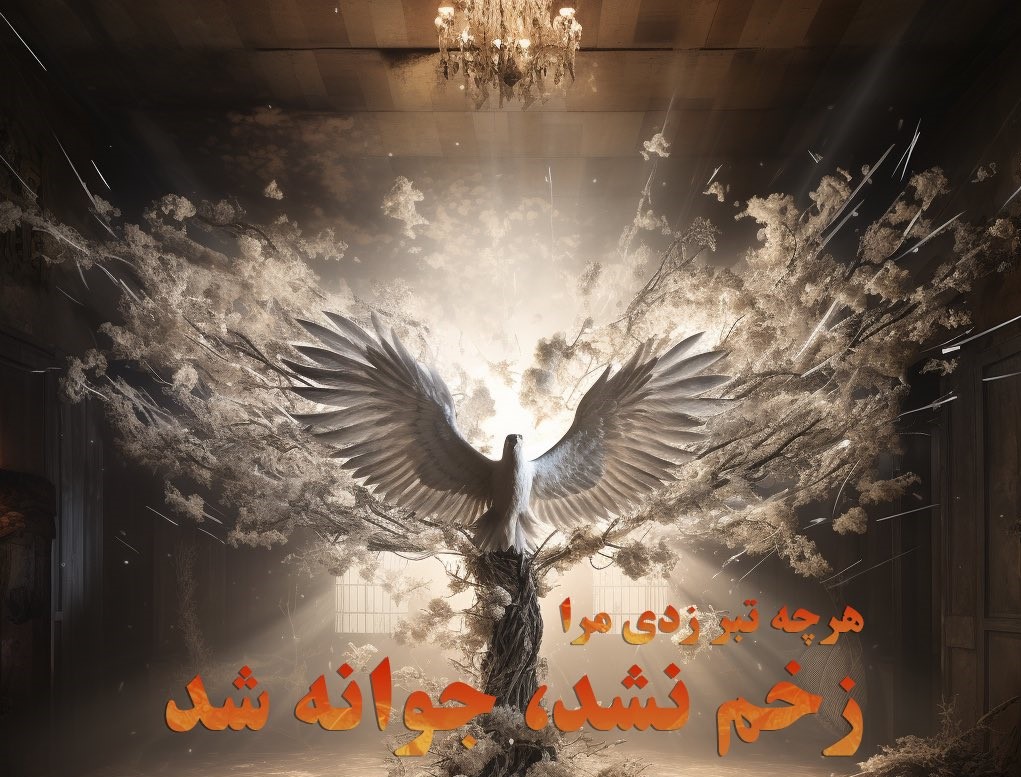
Whatever you shot me, it left no scar; it sprouted!
Many events are happening worldwide, but most are disheartening: millions of refugees, wars, hunger, uncertainty, and executions. However, I want to focus on the last one and have to, again, urge the world to put an end to it. It appears there is a systematic plan to eliminate the young—those full of hopes, dreams, and potential. They represent the future of Iran, brimming with creativity and energy, and they are at risk of being destroyed.
via Euronews
I don’t want to hurt my friends, but it appears that a brutal regime in the Middle East aims to massacre the youth and destroy the wealth of ancient and precious folk and their country!
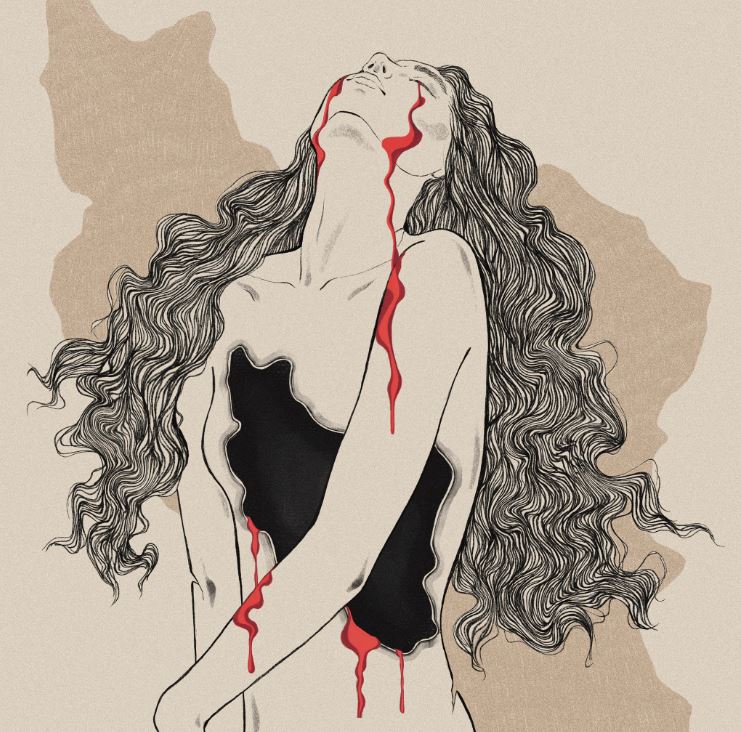
Iran-hair, via Ruth Millington: ‘For my brave Iranian sisters’ by r0yart @_r0yart
The Islamic Regime searches for them on purpose to get them, jail them, and execute them. Prisons, including special facilities for political prisoners, are present in the political history of many countries. In Iran, one such prison is known as Evin. It should have been demolished after the fall of the Shah; however, the mullahs found it to be much more advantageous for their purposes.
Woman-Life-Freedom- via Amnesty International
I have often mentioned that global superpowers benefit from having a chaotic regime or a wild dog in that region, like the Mullah Regime. They maintain control over those countries through fear, hoping that the West will take action against this threat. But how long should it go until no common sense remains there? And then, Westerpower engages another favourite doll to work with?!
Azadeh’ [Ah-Z-ah-d eh] (Persian: آزاده) ‘Meaning: She who is Free’ by Luna @lunaleonis
I believe you are as muddled as I am; what can we do? I just shout to the world: Stop this terrifying terror against humanity and our outstanding youth!
We might only keep praying for the lives of those who want their right to live, which is their inalienable right. The right to live in freedom!
Last week, I came across this song by Joan Baez and found it so pertinent to the topic because she always sang for the people who fought for their rights. #Woman_Life_Freedom!💖✊🙏
“There But For Fortune”
Joan Baez
Show me the prison, show me the jail Show me the prisoner whose life has gone stale And I’ll show you a young (wo)man With so many reasons why And there but for fortune, go you or I…
Show me the alley, show me the train Show me the hobo who sleeps out in the rain And I’ll show you a young (wo)man With so many reasons why And there but for fortune, go you or I, mm, mm
Show me the whiskey, stains on the floor Show me the drunkard as he stumbles out the door And I’ll show you a young (wo)man With so many reasons why And there but for fortune go you or I…
Show me the country where the bombs had to fall Show me the ruins of the buildings, once so tall And I’ll show you a young land With so many reasons why And there but for fortune go you and I, you and I.
This question has been lingering in my mind for many years, but now it is more emphatic and clear before my eyes. It has also particularly stressed my mind since I have been trying to help young people in Iran and how some of them (especially those who are not inside Iran but in Western countries) are waiting for someone to come and help them drop down the Mullahs regime.
Besides that, I noticed it not only in Iran but in the West, even in the USA, as many people are looking for a rescuer to bring them and their country to the top!
Apart from the monarchists’ opposition, who wished to see the king back on the throne, most people genuinely tried to help free Iran. However, I noticed they struggled to communicate and engage in discussion. It’s understandable, given how long they’ve lived under a dictatorship—one must learn democracy! We should realize that if someone has different opinions from ours, they are not our enemy. In fact, differing viewpoints can provide valuable perspectives on an issue. I made an effort to help them understand this concept, though it wasn’t easy. It’s interesting to compare this situation to the current state in the U.S., where one candidate calls another an enemy. I often heard Mr. Trump say in his speeches, “Don’t trust the other side; they are against you and your fortune,” referring to the Democrats as enemies. This rhetoric reminds me of the Shah’s regime, where anyone opposing the Shah was considered an enemy of the people and the country. We see similar behaviour in the Islamic regime today.
I think the readers of my blog already know about my point of view on the behaviour of the world superpower and their lobbyism towards the Third World, especially Iran and my complaint about their trading with the Mullah’s regime. Therefore, I don’t need to emphasize my belief in their corruption. Still, I wonder how some people could choose an alternative like Donald Trump. We might think there are always idiots in the world, but I even see some intellectuals whom I know and value are in between (like great writers in WordPress or on Facebook, whom I appreciate much) and whose reactions are focused on the absurdity and corruption of the current rulers. Haven’t we experienced so often that changing rulers does not affect improving the problems in the world? But should we believe here comes the superman?!! This wish has existed since eternity and will remain as a wish forever!
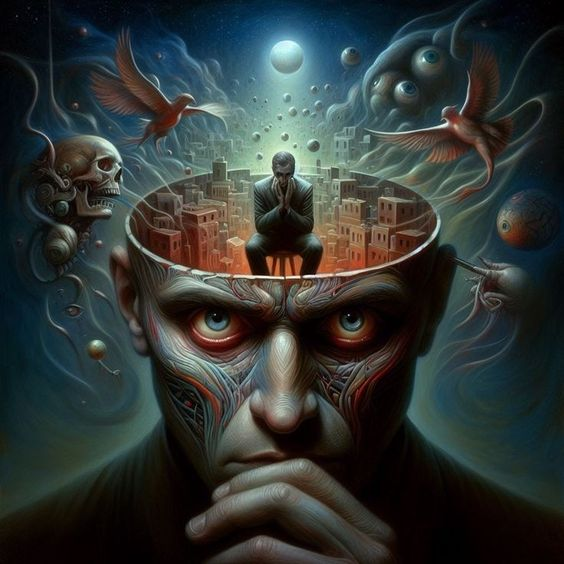
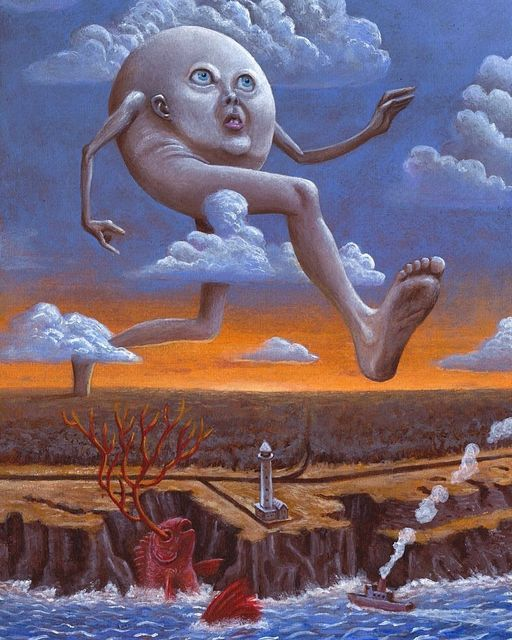
Surreal paintings by Italian artist Paolo Uberti (born 1968).
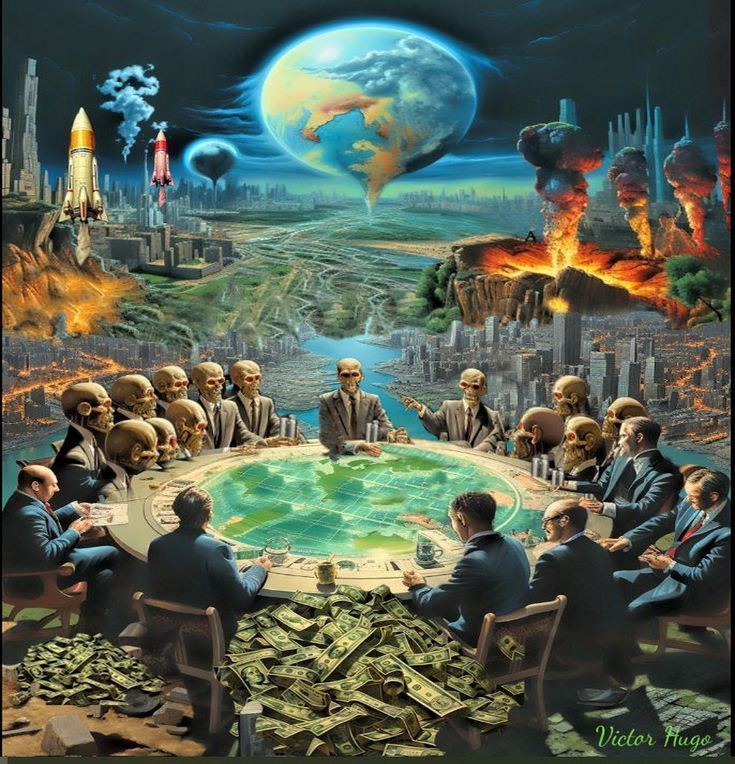
I don’t have anything against anyone. I believe a person is not very important, but the system behind runs the wheels of the world order, not any specific person. The USA is a superpower and has a significant influence on the world. You may think of a conspiracy, but I tell you, I have my own. However, I believe that the president of the US does not seem to have as much power as he seems to have. There is a system of the New World Order, which controls everything happening throughout the world.
By the way, Mr Trump is a believer and a religious man. Is he the new last prophet?
“A tyrant must put on the appearance of uncommon devotion to religion. Subjects are less apprehensive of illegal treatment from a ruler they consider god-fearing and pious.” Aristotle, Politics by Aristotle
Now, back to Trump. I myself had not heard his name in world politics until he ran for president in 2016. I might be nobody, but here is his political career via Wikimedia:
Trump registered as a Republican in 1987; a member of the Independence Party, the New York state affiliate of the Reform Party, in 1999; a Democrat in 2001; a Republican in 2009; unaffiliated in 2011; and a Republican in 2012.
In 1987, Trump placed full-page advertisements in three major newspapers expressing his views on foreign policy and how to eliminate the federal budget deficit. In 1988, he approached Lee Atwater, asking to be put into consideration to be Republican nominee George H. W. Bush‘s running mate. Bush found the request “strange and unbelievable”.
In 2011, Trump speculated about running against President Barack Obama in the 2012 election. He appeared first at the Conservative Political Action Conference (CPAC) in February 2011 and gave speeches in early primary states. In May 2011, he announced he would not run. Trump’s presidential ambitions were generally not taken seriously at the time. Actually, he wasn’t taken seriously. Even at the beginning of the 2016 election, he looked like a jock! But the keyword he used permanently, “I make America great again”, had worked on the mass!
I have heard there is a movie called The Apprentice, which faced many challenges and required significant effort to reach the screen, but it has finally been released. This biographical drama explores Donald Trump’s career as a real estate businessman in New York during the 1970s and 1980s, along with his relationship with attorney Roy Cohn. The film is directed by Ali Abbasi and written by Gabriel Sherman. It features Sebastian Stan as Trump, Jeremy Strong as Cohn, Martin Donovan as Trump’s father, Fred, and Maria Bakalova as Trump’s first wife, Ivana. I believe it is worth watching, not only because the director is an Iranian-Danish filmmaker!😉😅
“So, that’s why (I want to reiterate that I have nothing against any person, and my opposition remains to the Democratic Party due to their longstanding dealings with Iran), how could Donald Trump be an idealist capable of bringing peace, happiness, and freedom to all of humanity or at least to Americans?” He was born a millionaire and has done business throughout his whole life! For me, he can never be trusted; I would rather be confronted with corrupt rulers, which I can handle!!
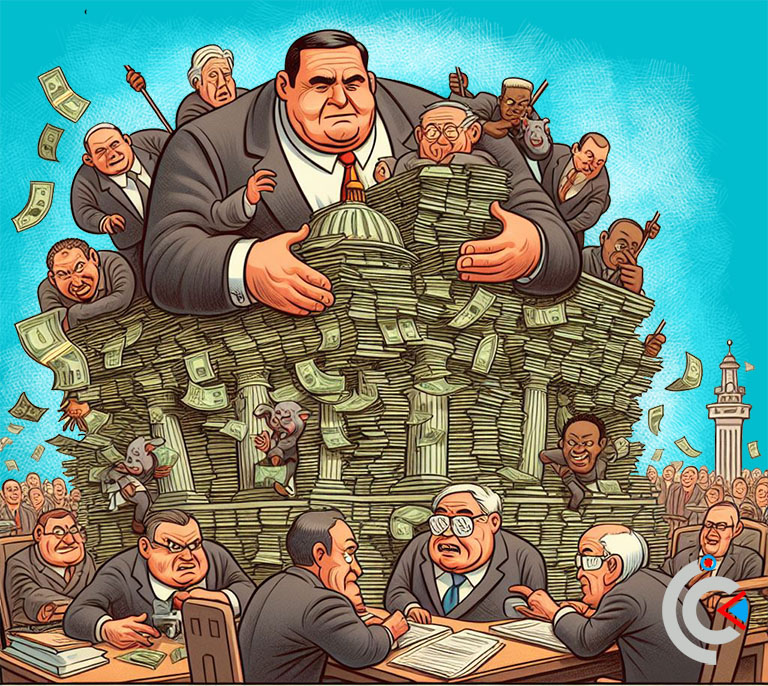
Ethics and Power Navigating the Complexities of Political Behavior_ (political cartoons)
Now, let’s focus on the main issue: the longing for a redeemer, saviour, or hero. Throughout human history, people have gazed at the sky and anticipated the arrival of a Messiah. Consider the three major religions: Jews (still awaiting), Christians (experienced once and now awaiting his return), and Muslims (Shiites) anticipating the arrival of the twelfth Imam, Mehdi. I simply wonder where we stand as individuals. The world problem is an individual problem! (Taken from my adorable teacher and friend Jean Raffa)
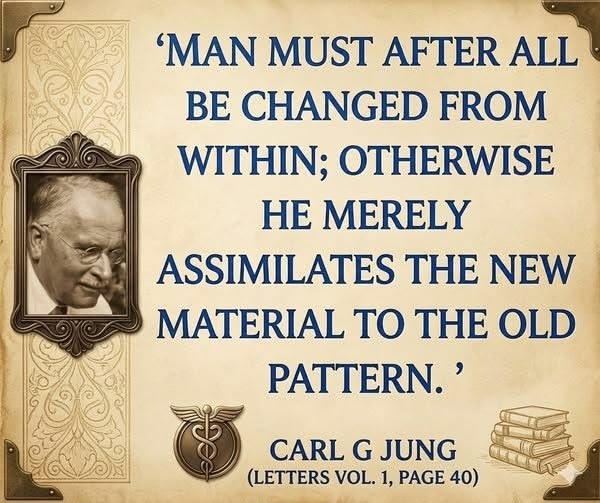
Dr Jung in Carl Jung Letters Volume 1 (It was Brigitta of Sweden (1303 -1373) who helped me to gain insight.) Says:
It is, therefore, better not to “understand” people who might be heroes because the same fate might befall oneself. One can be destroyed by them. In wanting to understand, ethical and human as it sounds, there lurks the devil’s will, which, though not at first perceptible to me, is perceptible to the other. Understanding is a fearfully binding power, at times a veritable murder of the soul as soon as it flattens out vitally important differences. The core of the individual is a mystery of life, which is snuffed out when it is “grasped.” [UNSIGNED] ~Carl Jung, Letters Vol. 1, Pages 31-32 Text credit by Carl Jung Depth Psychology
Anyway, I shared my opinion, hoping that it offended no one! On the other hand, the idea of seeing a woman, Kamala Harris, as the first female president is appealing, although Barack Obama, representing Black Americans, didn’t achieve everything we had hoped for!
I want to express my heartfelt thanks and best wishes to all my friends. I hope our paths will lead us to a fair and just goal. I appreciate your support.🙏💖🌹
Out of the darkness, through the open window of Birth, human life comes to the earth; it dwells for a while before our eyes into the darkness, and then, through the open window of Death, it vanishes out of sight. Annie Besant
This post may serve as a brief introduction to a significant revolution in a fledgling nation striving for its freedom and the right to lead a happy and healthy life. I decided to write this article because, in my latest post, I mentioned a short note about women and their fight for their rights in Iran, and one of my adorable friends, Petra Glimmdall, asked me to write a more extensive article about this happening.
I’ve written about this topic onceortwice before! However, I’ll do my best to provide more details about one of the most widespread, laborious, and challenging struggles for freedom faced by the people of a vast country with a rich history. They have come a long way in their quest for rights but have not yet achieved their goal.
Iran has a long history of uprising, starting with the Persian Constitutional Revolution at the beginning of the twentieth century (1905-11), which could hold on but annihilated and oppressed by Reza Khan Pahlavi‘s ambition and selfishness (1925), up to the nationalize Iran’s oil industry under Dr Mossadegh‘s government (1951-53), which has been collapsed by Mohammad Reza Pahlavi’s coup d’état, until 1979 the revolution against Shah’s regime which Islamic treacherous Mullahs had stolen. Now we see there is no end to this!
However, this time, the heart of the issue is women who hold the head of the rope in their hands, and these protests represent the first uprising led by women.
New Yorker Women in Iran, Illustration by Roshi Rouzbehani
The Women’s Life Freedom Movement in Iran started in September 2022 after the tragic death of Mahsa (Jina) Amini. She was a young Iranian woman who was arrested by the morality police for not wearing her hijab correctly and found dead in the hospital a few days later.
In fact, the Iranian uprising began in 2009 during the so-called Green Movement. This occurred after the presidential election that year, and the people felt deceived by the extremists in front of the regime, although it was a pretext to rebel against them.
Even then, there was a woman who fanned the flame of the Green Movement revolution: Neda Agha-Soltan, an Iranian student of philosophy, who was participating in the protests with her music teacher and was walking back to her car when she was fatally shot in the upper chest.
It took some months then after the Islamic Regime brutally suppressed the revolution by banning international media, cutting off the internet for a week and killing more than one thousand and five hundred protestors.
This time, however, it has been ongoing for about two years, and it seems to be gaining momentum because, in my opinion, it is under the banner of Women, Life, and Freedom. It is not just for the Iranian people but for all people (especially women) around the world.
Honestly, I am a pessimist, not specialized in the Iranian future, but rather in the human condition as a whole. I have some theories that some might consider conspiratorial! However, I believe that for many decades, the actions in Iran, particularly the Islamic Regime, have been under the control of great powers like the USA and other interested authorities. I’m just trying to reason: How can it be that a regime that is unpopular and hated from within and is subjected to constant sanctions from outside remains in power so calmly and shows no weakness?! The West certainly supports this.
Significant changes will occur in the Near and Middle East when the time comes. When is this time? It is when weapons factories achieve good sales, when Putin’s regime becomes weak (though Putin shouldn’t go away!), and when peace is restored. At that point, it will be time for a regime change in Iran. These are my predictions!
Do you smile like the Rose at loss and gain? For the Rose, though its petals may be torn and asunder, it still smiles on, and it is never cast down. Maulana Jalaluddin Rumi
Finally, to help you understand the core of this uprising, I’m showing you an example named Nika, Nika Shakarami. She is one of many victims of this injustice and brutality—a girl, as you can see in this short video, with lots of dreams, full of hopes and a joyful heart and soul. She was one of the first victims of the Mahsa (Jina) revolution, possibly because of their optimism in believing the uprise would soon win.
Here is a new report of her brutal death, which BBC broadcasted:
I have added two more videos about the history of the Iranian uprising to provide you with additional fundamental information.
I believe I have mentioned this before, but I want to reiterate that I understand everyone faces different challenges in life, and nothing is easy. While I value every thought and acknowledgement, I would appreciate your sympathy and empathy, my dear friends. May the justice win at last! 🙏💖🙏✊















 lampmagician
You must be logged in to post a comment.