Honestly, I wasn’t sure if I could write a second post this week, as I arrived Thursday late back home from the trip to Southern Germany, and I was almost flat after a long drive with many car crashes and some pile-ups (thank goodness we were just spectators in the traffic jam). Yet, I know a specific resistance within me calls for expressing my feelings for freedom and justice. Therefore, I decided to share some artwork from Victor Jara, one of my favourites in the matter of resistance, in company with another warrior, Pablo Nerud.
I discovered Victor Jara and his music in the early 1970s when Chile began its transition towards democracy. Following the fall of the Shah’s regime, I learned more about his work. Victor Jara was undoubtedly a legend, and I loved his music. He composed music for Pablo Neruda’s poems. He performed at a ceremony honouring him when Neruda was awarded the Nobel Prize in Literature in 1972, so we have two masters of art here to speak about human rights!
I am sharing this with you because there is a lot of talk about separatism in Iran at the moment, which is causing fear that Iran will be split up. However, this justification is baseless because all the people and ethnicities of Iran are united in seeking human rights and fair politics. Here, Pablo Neruda, through Victor Jara’s music and voice, says what it’s all about!
Aquí Me Quedo (I’ll stay here)
I do not want the country divided Not even bled by seven knives I want the light of Chile raised About the new house built
I do not want the country divided We all fit in my land And those who believe they are prisoners They go away with their melody
The rich have always been foreigners Let them go to Miami with their aunts I do not want the country divided They go away with their melody
I do not want the country divided We all fit in my land I stay to sing with the workers In this new history and geography
And in this song, one of his masterpieces, he humbly highlights the importance of rights and justice!
I do not sing for singing Yo no canto por cantar
not even for having a good voice, ni por tener buena voz,
I sing because the guitar canto porque la guitarra
It makes sense and reason. tiene sentido y razón.
It has a heart of earth Tiene corazón de tierra
and dove wings, y alas de palomita,
It’s like holy water es como el agua bendita
holy glories and sorrows. santigua glorias y penas.
This is where my song fits Aquí se encajó mi canto
as Violeta said como dijera Violeta
working guitar guitarra trabajadora
with the smell of spring. con olor a primavera.
It’s not a rich man’s guitar Que no es guitarra de ricos
not anything that looks like ni cosa que se parezca
my song is from the scaffolding mi canto es de los andamios
to reach the stars, para alcanzar las estrellas,
that the song has meaning que el canto tiene sentido
when it beats in the veins cuando palpita en las venas
of the one who will die singing del que morirá cantando
the true truths, las verdades verdaderas,
not fleeting flattery no las lisonjas fugaces
nor foreign fame ni las famas extranjeras
but the song of a market sino el canto de una lonja
to the bottom of the earth. hasta el fondo de la tierra.
That’s where everything comes Ahí donde llega todo
and where it all begins y donde todo comienza
I sing that it has been brave canto que ha sido valiente
It will always be a new song. siempre será canción nueva.
I wish you a happy Easter filled with leisure and joy. Stay safe and stay tuned. 💖🙏🌹💕💥🍷
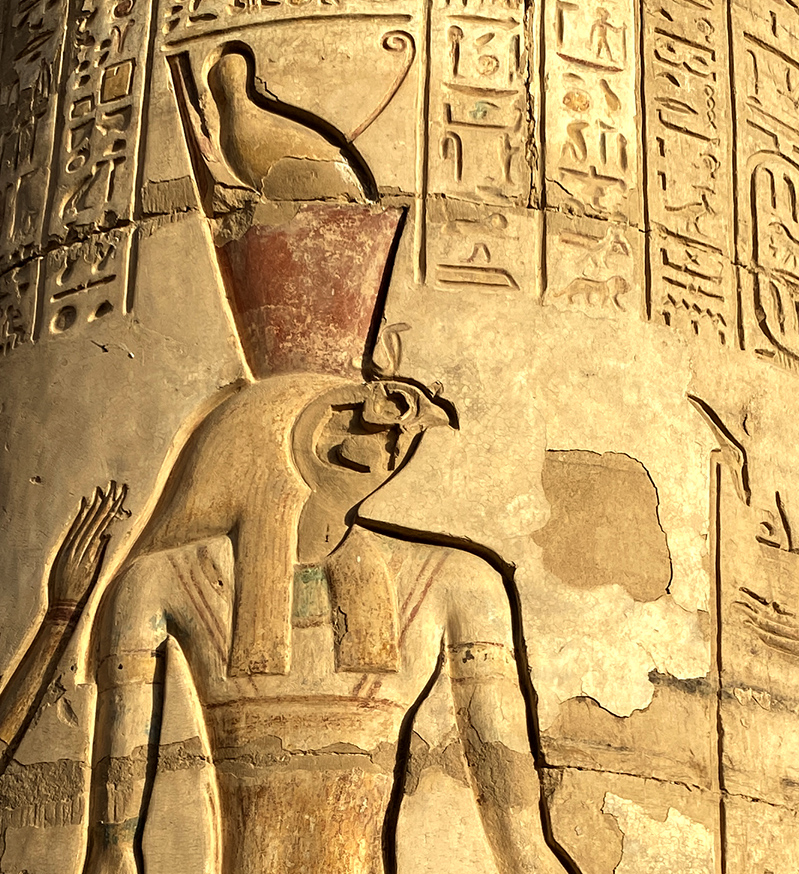
Since Horus was considered the sky, he was also considered to contain the Sun and Moon. Egyptians believed that the Sun was his right eye and the Moon his left and that they traversed the sky when he, a falcon, flew across it.
As the title image shows, Horus is usually depicted as a falcon. But now, the brilliant Marie Grillot shows us a unique image of this deity.
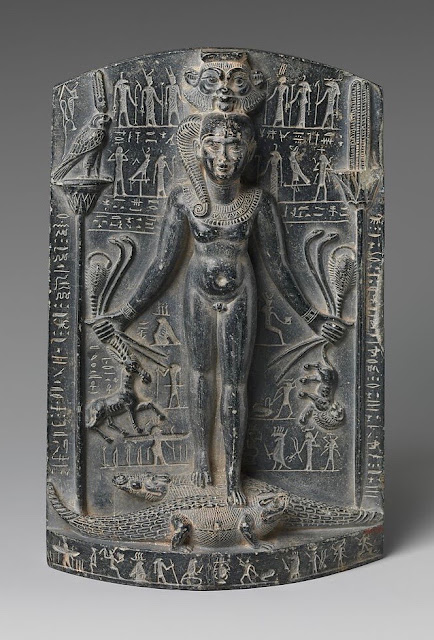
The infant Horus is often pictured on stelae in the act of trampling two crocodiles and holding dangerous animals in his hands. The water poured on these objects, by flowing across their surface covered with magic spells, gained the power of healing whoever drank it from the stings of scorpions and the bites of snakes.
Stele of Horus: the magic that heals
Magic stele or “Cippus of Horus” – chlorite schist – Ptolemaic period – around 332-280 BC AD Metropolitan Museum of Art in New York – entry number 20.2.23 – museum photo
These “magical” steles, representing Horus on crocodiles, found in many museums, are generally dated from the Late Period to the end of the Roman era. “Called ‘Cippus of Horus’, they are usually carved from a hard, black stone, their upper edge is rounded, and they can be briefly described as follows: on the front of the stele, Horus as a child (Harpocrates) is presented in relief. It is standing on two crocodiles, and he holds snakes, scorpions, a lion and a horned animal (ibex?), all these representations being associated with Seth, the god of evil. On the head of Horus is a god,’ The ancient,’ who resembles the god Bes and, with Horus, thus represent the ancient god who perpetually regains his youth and strength,” specifies Wallis Budge in “Amulets & Magic”.
Their size seems to have yet to meet any specific criteria, whether made of soapstone, schist, greywacke, basalt, or sometimes limestone, copper alloy, wood, or even anhydrite.
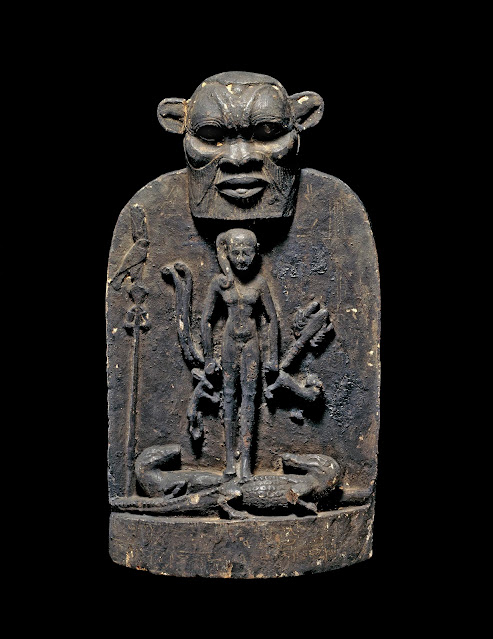
Horus controlling harmful animals – magic stele – stone – Ptolemaic period, 332 – 30 BC Department of Egyptian Antiquities of the Louvre Museum – E 20008 – museum photo
Their iconography, as described by Wallis Budge, may vary somewhat, but their highly balanced composition remains. As a child, Horus is represented in the centre, frontally, in high relief; his chubby body is naked. He still wears the side braid from childhood, and often, a uraeus adorns his forehead. In the middle of the arch, just above his head, is the face of a leonine god, grimacing and bearded, comparable to Bes. However, the threatening species that Horus masters with his hands and feet may differ. They are generally “strong and dangerous desert animals (scorpions, snakes, lion, oryx) held by the tail or by their horns. This motif shows the domination of Horus over these powerful animals and the dangers they can represent,” indicates the Metropolitan Museum of Art in New York (presentation notice of the MMA stele 20.2.23).
Their lateral edges are occupied by sacred emblems, such as the lotus of the god Nefertum on the right and a papyrus stem surmounted by a falcon on the left. These elements are sometimes based on the Oak sign, symbolizing eternity.
Cippus of Horus on the Crocodiles – Ptolemaic period – 3rd century BC AD Brooklyn Museum – entry number 60.73 – museum photo
These steles are inscribed with magical formulas which, to release their healing power, had to be “either immersed in water that the patient drank, thus imbuing themselves with the virtues of the magical texts and the image, or rubbed on the site of the injury.”
Thus, in “Amulets of Ancient Egypt”, Carol Andrews recalls: “We know that they were installed in the precincts of the temples so that water could be poured over them to absorb the magic of their scenes and formulas; “once drunk, the water offered prophylactic protection against the creatures in question or perhaps healed those already bitten or stung.” Thus, “Drinking the water that had been left to flow on the stele was to the benefit of the protection that Isis exercised over her son and brought healing”.
In “Animals and Pharaohs”, Florence Maruejol contextualizes their use thus: “Often worn out, the so-called steles of Horus on the crocodiles were manipulated by magicians who tried to cure their patients”…
Stele of Horus on crocodiles – cippi of Horus – schist – Ptolemaic period Egyptian Museum in Cairo – CG 9401 – on display at NMEC in Fustat In “The Egyptian Museum in Cairo”, Abeer El-Shahawy recalls that: “magic, prayer and medicine complemented each other in ancient Egypt and people in need, in danger, suffering from illness or disease and illness prayed in front of such stelae. Stele of Horus on the crocodiles – cippi of Horus – schist – Ptolemaic period Egyptian Museum in Cairo – CG 9401
For protection—and perhaps of a “preventive” nature—they were also present in chapels at the start of desert tracks (filled with dangers) and had a special place in homes. We have even found them in collective baths, where the humid environment was certainly conducive to the frequentation of snakes.
They all refer to an episode in the legend of Horus: “Son of Isis and Osiris, the child was raised by his mother in a remote place, the marshes of the Delta, to escape the vengeance of the god Seth who had put his father to death. But, one fine day, young Horus was bitten by a venomous animal: he owed his survival only to the magical practices of his mother, Isis and the god Thoth, who knew the most secret formulas. This miraculous healing was, in a way, a model for all Egyptians and left them a little hope for desperate cases,” explains Christiane Ziegler in “Ancient Egypt at the Louvre” (E 10777).
Ancient Egyptian medicine combined scientific knowledge with healing magic. In “The Egyptian Museum in Cairo”, Abeer El-Shahawy recalls that: “magic, prayer and medicine complemented each other in ancient Egypt and people in need, in danger, suffering from illness or disease and illness prayed in front of such stelae.
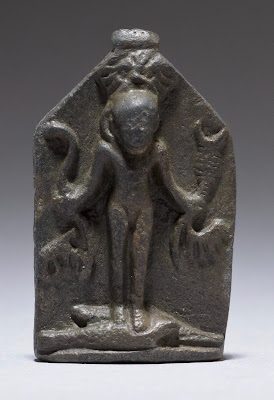
There are also “miniature steles” that one could carry with oneself. The Metropolitan Museum of Art in New York, which has several examples, indicates that these small models were considered “an amulet for magical protection rather than transmitting magic to the water poured over them for drinking”.
Miniature cippus of Horus – magic stele – copper metal Ptolemaic period – around 332 – 30 BC-AD – MMA New York – entry number: 23.6.19
In his reference study on “The ‘healing’ statues in ancient Egypt”, Pierre Lacau indicates that: “The typical stele of Horus on the crocodiles must therefore be considered as a true repertoire of ‘amulets’ and ‘formulas’ which the Egyptians could have at their disposal against bites; it is an arsenal or a codex containing the most varied weapons or remedies. We can, therefore, understand the extraordinary popularity that it was able to enjoy. All the provinces of Egypt have it used… They could be dedicated in temples, kept at home, or carried on one’s person like an amulet…
These steles testify to the force that magic exerted on the ancient Egyptians. They also reflect the fervour of the power granted to the “Medou-Neter,” the hieroglyphs, which in this specific case turn out to be, according to their etymology, sacred or divine writings.
I am sharing an article with you at an unusual time for two reasons. First, today marks the beginning of Spring (around 6.26 am, CET), also celebrated as the ancient Persian New Year. Second, I’ll be travelling to Southern Germany for a few days over the weekend into the next, so I thought it would be an opportunity to write a few words.
This is a joyful celebration to leave behind dark and cold times and welcome brightness and warmth; the only difference to Easter is that this fiesta marks the start of a new year. It all sounds friendly and happy, though, as you might know, there is no happiness left to celebrate in Iran. Of course, the brave Iranians do celebrate it nonetheless, even though it coincides with the mourning Islamic month of Ramadan!
It looks like a never-ending battle between ancient traditional Persian ceremonies and the imposed Arabic religion. I don’t want to shout out like some lofty patriotic people who still try to prove a trampled and destroyed glory that might have been perfectly installed by Cirus the Great during his reign, who had built an enormous empire based on human rights but slowly was destroyed not only by the Arabs but even before that by the latest dynasties and their avaricious religious monks.
One of the most significant mistakes humans can make is relying on who or what they were in the past rather than who or what they are now. This happened in Iran many years ago and continues to happen now, as people keep talking about their glorious history. It seems that Iranian monarchists are attempting to use the pride of ancient Persia to promote their cause, much like how Mussolini tried to do the same with Rome for Italy. However, I struggle to understand these sentiments from my Persian friends here in Germany, who constantly talk about the greatness of Persia and its past strength. But where is that glory now? I believe that traditions can be beneficial if used consciously. A sense of pride can serve as a foundation for creating a better world for all humans.
Anyway, I wish all the people of Iran, every ethnicity or folk, a happy Nowruz with great hope for casting freedom, equality and prosperity all over the country. This will happen because the leaders are women! #Woman_Life_Freedom
Illustration by Marina Terauds
I’m finishing this post with a short piece by an Iranian artist, Parisa Alipour. Be safe and well, everybody.🙏💖🌟✌🤗
At the top: Photo by Cory Grace / Freer and Sackler Galleries, Smithsonian Institution
Hope dies last! Which of the most lasting gifts you can give yourself is that Live your life this way* To enjoy the moment Don’t be someone’s lame… ✍ #Parisa_Zabli_Pour 📚 @audiobo0ok
I’m not sure if any of you have experienced a feeling like I did a few days ago. It’s hard to put into words, but I will try: I had a few things I wanted to remember and sort out in my head, but I wasn’t sure if they were just dreams or had actually happened!
Have you ever had moments when you couldn’t tell if something that happened the previous day was real or just a dream? It reminded me of schizophrenia, which was quite frightening. It’s like having a blurred line between reality and imagination, making it challenging to distinguish what’s real and what’s not. The reason for all this may be a dream I had the night before.
That night, I had a dream I can still recall. In the dream, I saw Robbie Williams, who had released an album that wasn’t a hit! The album was dull, and he was pretty upset about it, though he always had great help from his mate Guy Chambers. I haven’t ever been a big fan of his and haven’t purchased any of his singles. I have only heard his songs on the radio and listened to them once, and not more. That’s why I find it strange that he appeared in my dream.
Next, a young girl appeared during my dream and offered me her new album. I liked that, though she said she would mix it up with Robbie Williams’ album. Truthfully, they matched perfectly together and became a great hit!
When I told my wife about that, she said it was time for me to begin writing music again! Her advice refers to my earlier time in Germany.
It was around the early ’90s when I used to play guitar on the streets, and as I had only music in my head, I attempted composing, and I managed to write a few songs, which I recorded using an MC (my friends who are my age would know what I am referring to!). The recordings included drums, rhythm guitar, solos, and vocals. I played all these by myself in my tiny room those days with the help of two cassette recorders; poor me! You should see how talented I was!! I suppose this MC is in our basement, in a plastic bag, spending the last minutes of her life.
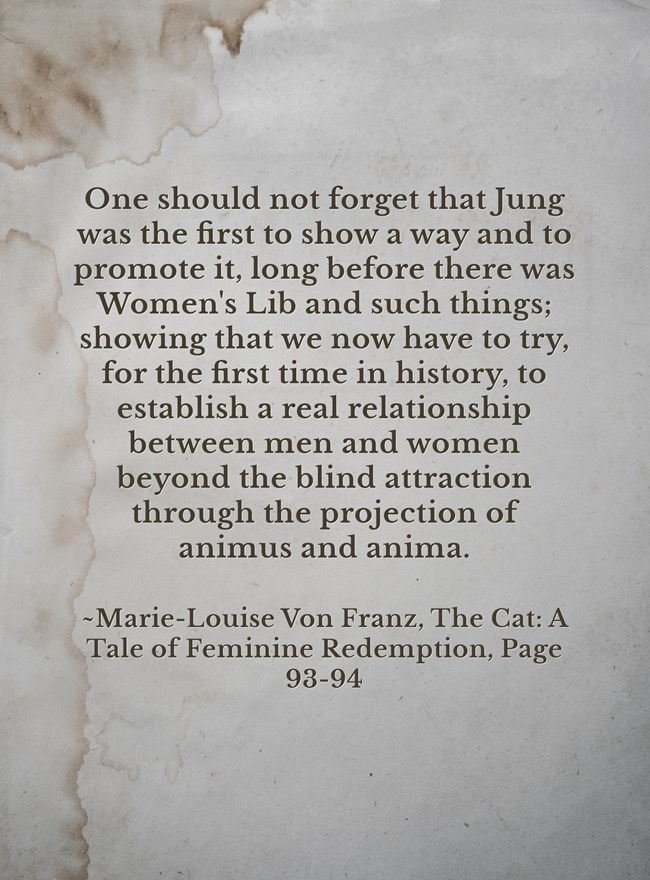
The main subject I aim to cover is our everyday lives and how boring they can be. Therefore, I took my recent post from Facebook with a quote by Marie-Louise von Franz on this topic. I will compare it with the life of an artist who can live without any single sign of being bored.
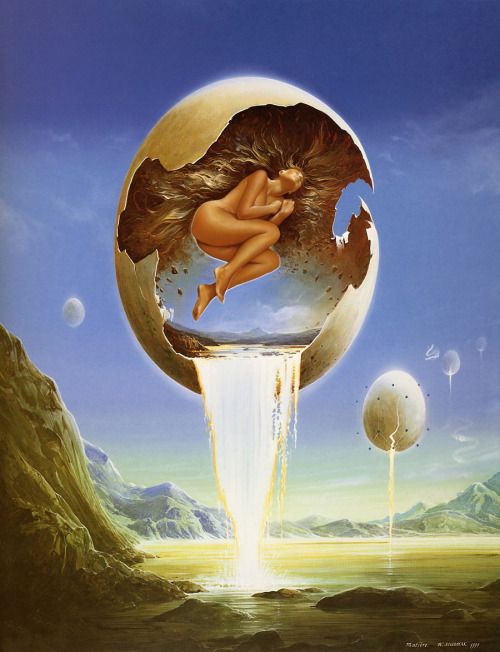
Illustration by Wojtek Siudmak – Matter.
Boredom is a symptom of life being dammed up, that one does not know how to get what one has within oneself into reality. — Marie-Louise von Franz, The Problem of the Puer Aeternus
While considering my own, my wife’s, or my friend’s everyday lives, I often ponder why everything seems so mundane. Even the weekends, which should be a time for rest and enjoyment, can sometimes feel dull and uneventful, especially for those who work tirelessly throughout the week. One does plan to enjoy a meeting, going to Cinema to watch a good movie, or driving for a side trip, the time runs out fast like the wind, and it is again the damnd Monday! Of course, it might be because I am retired now and have a view from a distance. I believe that the problem is the lack of creativity. Most people end up in jobs they have never chosen or desired; they do that only to make money. Don’t you think these repeated days doing almost the same thing make it no fun anymore? However, for an artist, every new day is a challenge in creating new art.
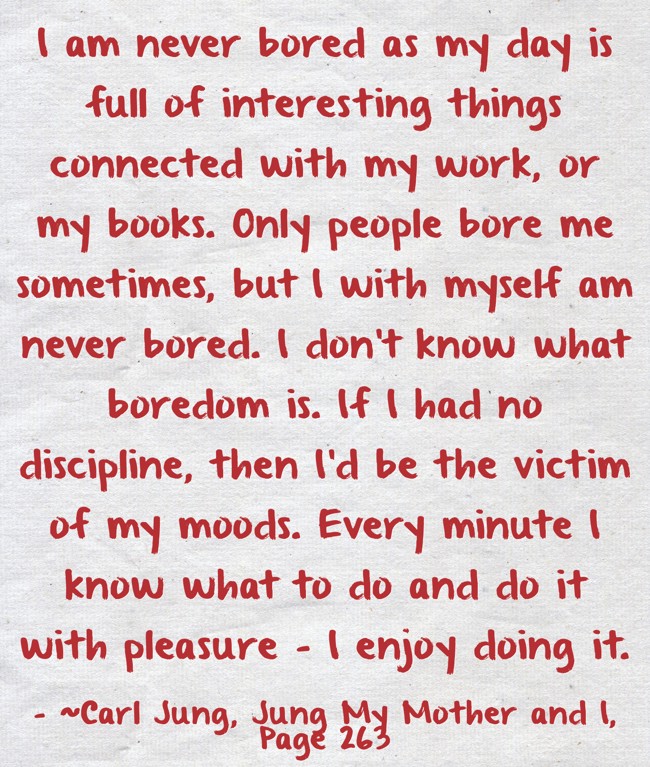
The pointé is here in Dr. Jung’s words; even then, I comprehended it much better now.
Via Quozio
How can an artist’s life notbe boring?
As a child, I had different career aspirations, such as becoming a pilot, free of borders or terrain. Still, in my youth, my only wish was to be a music composer, and every morning, I would go to my studio to make a new song. That’s why I think the lucky people who make art or do something similar will never feel bored!
I am convinced that we all were created to create, and art is our way of creating. Therefore, when we are forced to do something else without lust and passion, which, unfortunately, has become common in society, the outcomes are wasted fruits.
After pouring out my heart with the hope that I will achieve my goal of conveying my message to you, I want to mention that next week is the Easter holiday, and I will probably be absent and miss your kind reactions and feedback. However, I might try to post using the WP timer! Let’s see what happens; until then, I appreciate your visits and hope you have a lovely time, everybody. 🤗💖💥🖖
Howard Carter, a British archaeologist born on May 9, 1874, in Swaffham, Norfolk, England, is known for his significant contribution to Egyptology. In 1922, he discovered the most complete tomb of King Tutankhamun, which remains one of the most celebrated and richly endowed discoveries in the history of Egyptology. Carter passed away on March 2, 1939, in London.
Here is the story of his accidental discovery of one of the ancient heritages, as we might know it from the acts of the adventurers, with heartfelt thanks to the brilliant Marie Grillot.
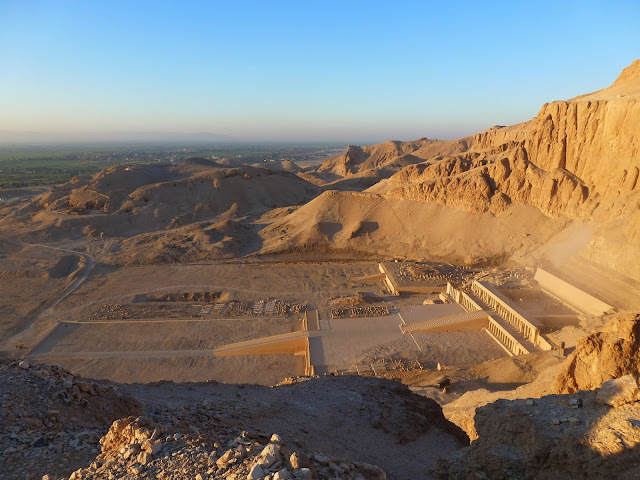
The tomb called “Bab el-Hossan” discovered in 1900 by Howard Carter, is, in fact, a cenotaph of Montouhotep II: its location (pit), in front of his funerary temple, is visible in the middle-left of this photo (photo Daniel Lefèvre)
It was in October 1891 that Howard Carter arrived in Egypt to work as a draftsman and copyist for Percy Edward Newberry at the Egypt Exploration Foundation. Then, from 1893, still for the EEF, but this time under the direction of Edouard Naville, he copied the bas-reliefs of Deir el-Bahari intended to illustrate the Egyptologist’s work “The Temple of Deir el-Bahari”. In this context, the one who, in November 1922, will emerge from oblivion, Tutankhamun will make, in an entirely fortuitous manner, his first discovery… This “adventure” will stretch over two years and is worthy of Indiana Jones! It began in November 1898, on an exceptionally grey and rainy day in the Theban necropolis and the rocky cirque of Deir el-Bahari.
Carter is concerned about the impact of these rains on the temple murals. So, he decides to go to the site “with his colleague Charles Sillem” to observe and estimate potential damage.
The tomb called “Bab el-Hossan” discovered in 1900 by Howard Carter, is, in fact, a cenotaph of Montouhotep II: its location (pit) is visible here
While he is in front of the temple of Montouhotep, his horse’s foot sinks into a hole… and they both fall! Carter gets up and hastens to examine what caused the fall. “Looking in the small hole formed there, I saw the traces of stonework”, he relates.
He was very intrigued and then opened up to Edouard Naville. As this sector is not in the area of his concession, he attaches little importance to it and does not encourage him to carry out other investigations.
For his part, Howard Carter will not forget this place; he promises to return there to further the research.
To do this, he knows that he must wait for his professional situation to evolve, which will happen quickly. Indeed, in 1899, Gaston Maspero, back at the head of the Antiquities Service, appointed him general inspector of monuments in Upper Egypt.
The following year, finally feeling free to carry out his first “independent” excavation, Howard Carter returned to the site and saw his intuition confirmed: it was indeed a burial! The work to clear what will be known as “Bab el-Hossan” (the horse’s grave) will prove gigantic!
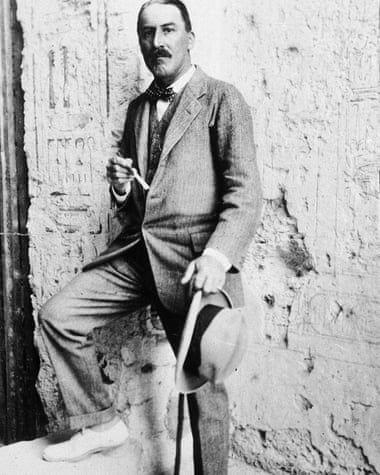
Portrait of a young Howard Carter (author and date unknown)
The opening, which will have to be enlarged, leads to a corridor dug into the rock, 17 meters deep, leading to a sealed door. The clearing carried out with a large team that nevertheless takes turns tirelessly takes an incredible amount of time.
Behind the door, Carter encounters a new 150-meter corridor leading to a large room. Inside, draped, wrapped, and wrapped in linen, is a giant statue!
A well leads to a second chamber located around thirty meters lower. In it, Carter finds vases, pots, and boat models. In another well, a wooden chest bears the name of a pharaoh. This inscription will allow the statue to be identified.
Statue of Montouhotep II – painted sandstone – from his cenotaph located under his temple of Deir el-Bahari discovered in 1900 by Howard Carter in what is generally referred to as: “Bab el-Hossan.” Egyptian Museum in Cairo – JE 36195
It is made of painted sandstone and is 1.38 m high and 0.47 m wide. It represents Montouhotep II, ruler of the 11th dynasty. He sits on his throne, wearing the red crown of Lower Egypt and the white habit of jubilee (sed). His broad face, full lips, and a false beard are black.
Its eyes are painted white with black pupils. His hands are black, and his arms are crossed on his chest in the Osiriac position. His legs, also black, are very thick, even disproportionate. In their “Official Catalog of the Egyptian Museum in Cairo,” Mohamed Saleh and Hourig Sourouzian put forward this interesting hypothesis about the colour of its complexion: “It seems that the statue was painted black before burying it.”
As for Rosanna Pirelli (“The Wonders of the Egyptian Museum in Cairo”), she analyzes this particular representation of the sovereign as follows: “This is a strong and hieratic image of the second unifier of the pharaonic state after Menes. The statue symbolizes the double nature of the pharaoh who, during his lifetime, embodies the falcon god Horus, the mighty conqueror, while in death, he is identified with Osiris, the sovereign of the deceased.
Statue of Montouhotep II – painted sandstone – from his cenotaph located under his temple of Deir el-Bahari discovered in 1900 by Howard Carter in what is generally referred to as: “Bab el-Hossan.” Egyptian Museum in Cairo – JE 36195 – photo of the museum
Did Howard Carter discover the tomb of the great pharaoh? Mohamed Saleh and Hourig Sourouzian say, “The statue of Montouhotep had been ritually buried in a vault under the terrace (of his temple) and which seems to have been the initial tomb of the king, before having been transformed into a cenotaph. The entrance from this vault opened into the forecourt of the funerary monument of Montouhotep.”
Montouhotep II (“may Montu be satisfied”) reigned between 2061 and 2010 BC. AD. He led an important policy of cultural and commercial restoration.
Location of the temple of Montouhotep (partly ruined today) in the rocky cirque of Deir el-Bahari
His funerary complex located at Deir el-Bahari was, perhaps, according to the hypothesis put forward by Edouard Naville, a temple with a double terrace topped by a small pyramid. Today, it is primarily degraded and cannot be visited. However, it can be seen from the temple of Hatshepsut, or better yet, an overview of it from the path linking Deir el-Bahari to Deir el-Medineh, which overlooks it.
This statue, “found under the hoof of a horse,” is exhibited at the Cairo Museum (JE 36195). It represents a magnificent example of the renaissance of Egyptian art from the beginning of the Middle Kingdom…
It is important to point out that, in “Howard Carter, The Path to Tutankhamun”, T.G.H. James tells us that this discovery had not been up to what Howard Carter had expected… “His disappointment was deep enough in itself, but worse still, it was increased by the fact that he had committed the stupidity to inform Lord Cromer, the British Consul General, who actually held power in Egypt, suggesting that it was possible that a tomb, possibly royal, had been found. As Maspero wrote to Naville: ‘ ‘He announced his discovery too early to Lord Cromer. Lord Cromer came to witness his success and is now in despair, having been unable to show him anything of what he had predicted. I console him as best I can because “He’s a really good boy, and he does his duty very well.”
Unfortunately, this experience led Nicholas Reeves to say in “Ancient Egypt: The Great Discoveries” that Carter then decided that, for any possible future discovery, he would wait until he was absolutely sure of what he had found before making the announcement. For Tutankhamun, he adopted this strategy:”…
Nicholas Reeves, Richard H. Wilkinson, The Complete Valley of the Kings, The American University in Cairo Press, 1996 Mohamed Saleh, Hourig Sourouzian, Official Catalogue of the Egyptian Museum in Cairo, Verlag Philippe von Zabern, 1997 Francesco Tiradritti, Treasures of Egypt – The wonders of the Egyptian Museum in Cairo, Gründ, 1999 Nicholas Reeves, Ancient Egypt. The Great Discoveries, Thames & Hudson, 2002, The Great Discoveries of Ancient Egypt Editions du Rocher, 2001 National Geographic Guide, The Treasures of Ancient Egypt at the Egyptian Museum in Cairo, 2004 The Egyptian Museum in Cairo, Abeer El-Shahawy, Matḥaf al-Miṣrī, American Univ in Cairo Press, 2005 Statue of King Mentuhotep the Second http://www.globalegyptianmuseum.org/record.aspx?id=14914 The Egyptian Museum in Cairo, Abeer El-Shahawy, Matḥaf al-Miṣrī
Rocky cirque of Deir el Bahari: on the right, the temple of Hatshepsut; set back, barely visible, the temple of Thoumosis III, and to the left, the temple of Menthouhotep in the courtyard of which Bab El-Hossan was found – photo taken from the Luxor City Facebook page.
I must confess that I am baffled, and my brain is stomping repeatedly! I don’t know if it’s because of the stressful week I left behind or if my age is getting in touch!! Sometimes, I felt like a fly diving from a cake to a saucy treat as I jumped from FB to the X (ex-Twitter) and back to my Email box in one and a half minutes!!
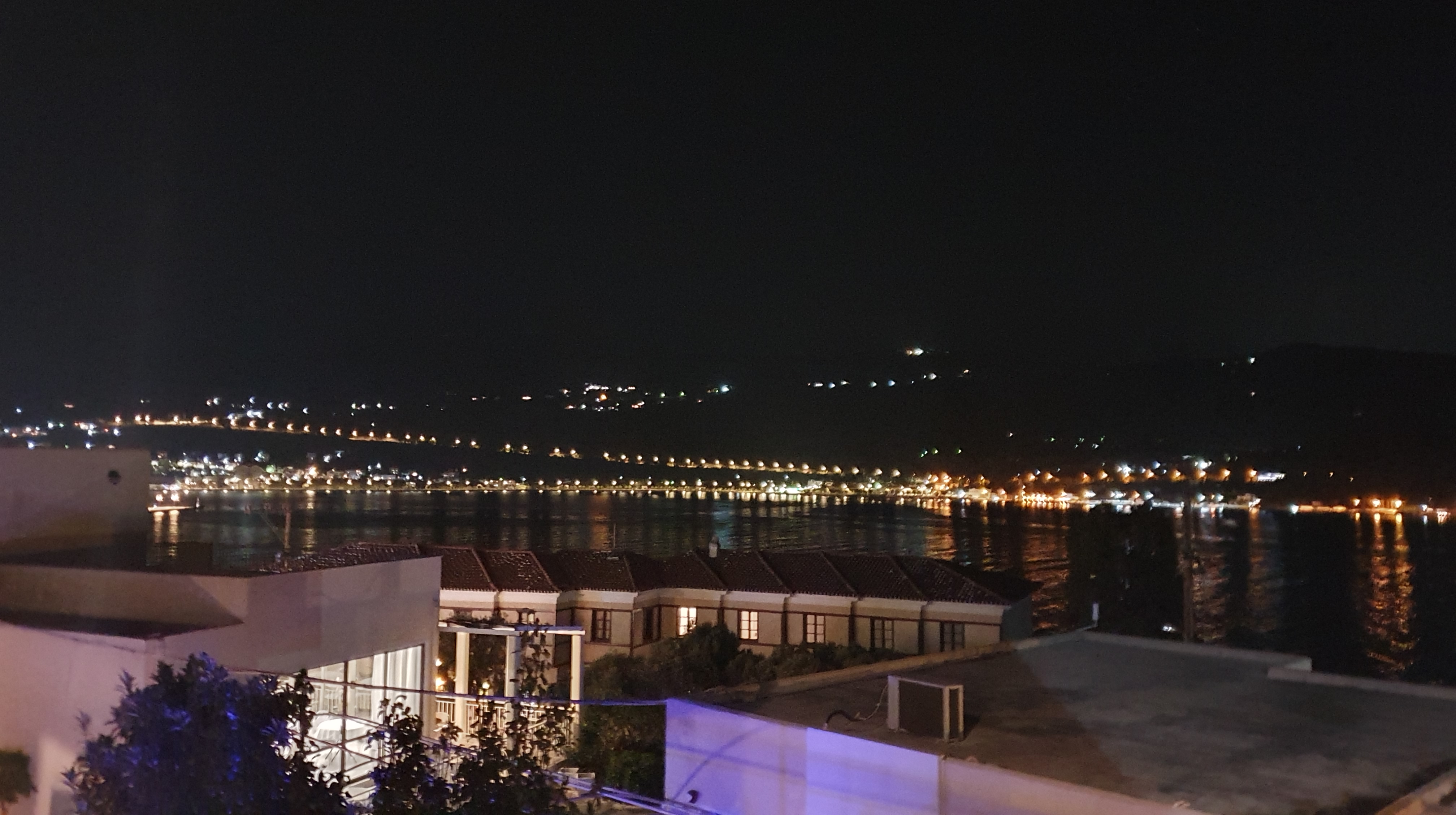
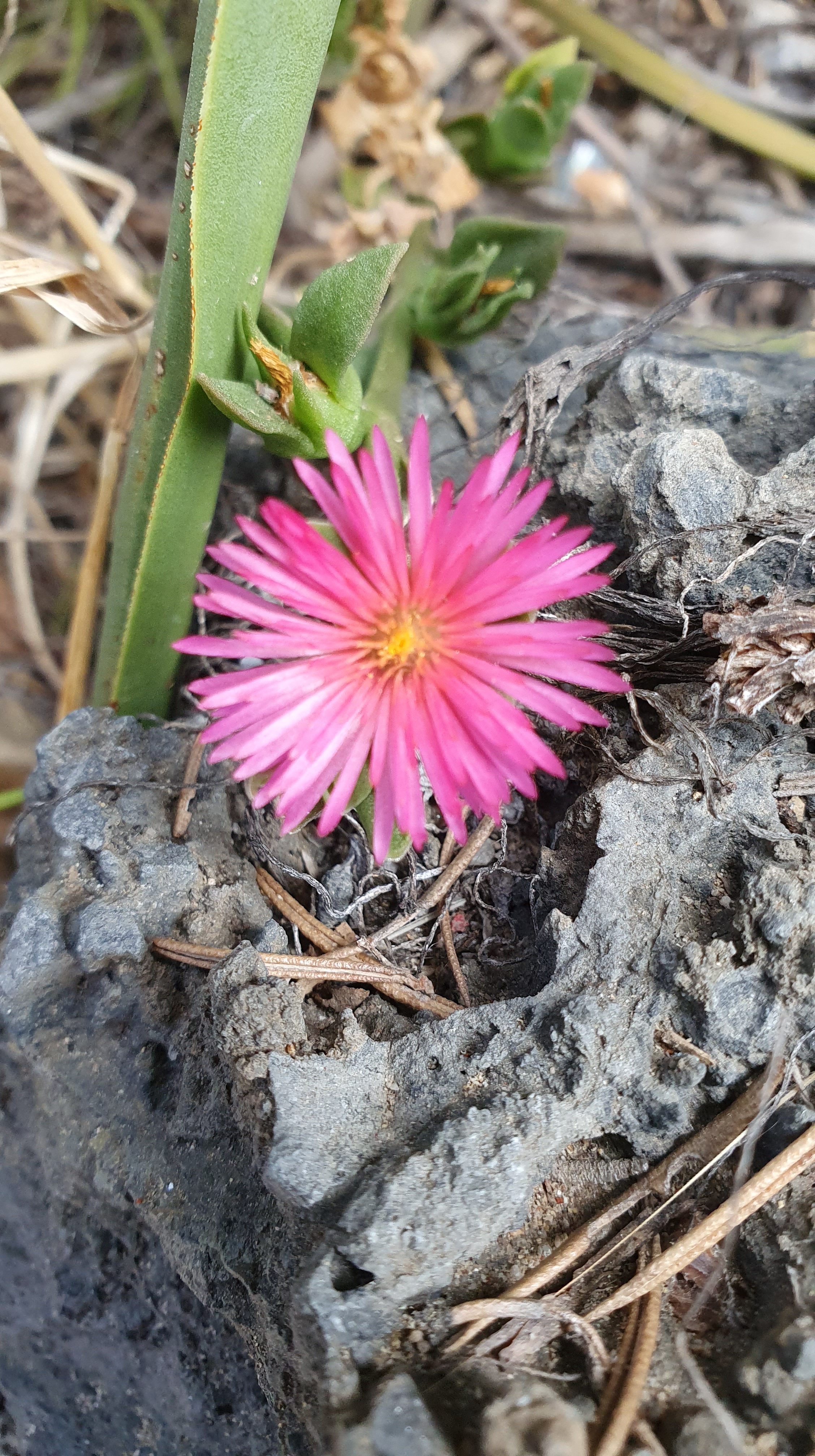
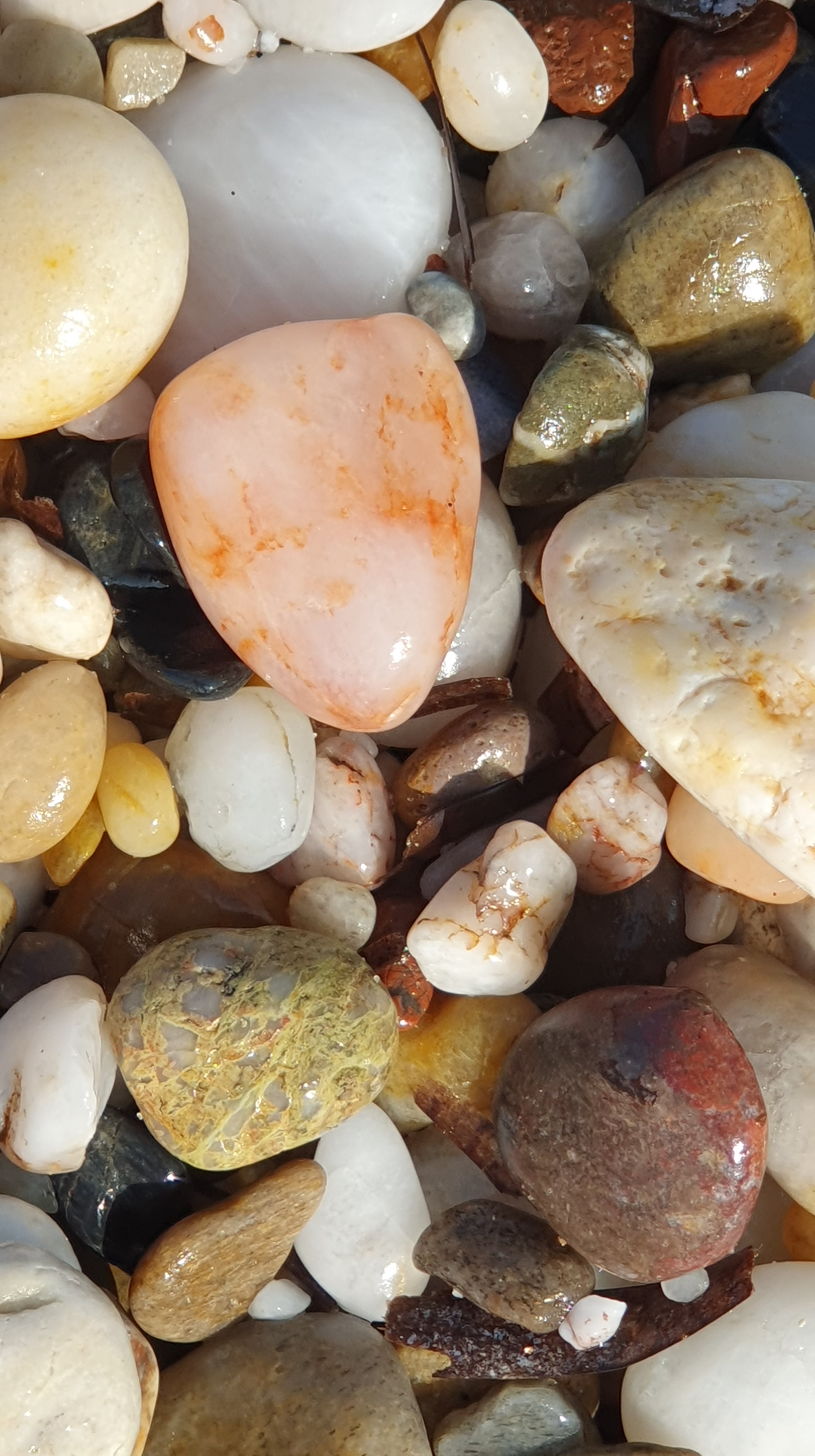
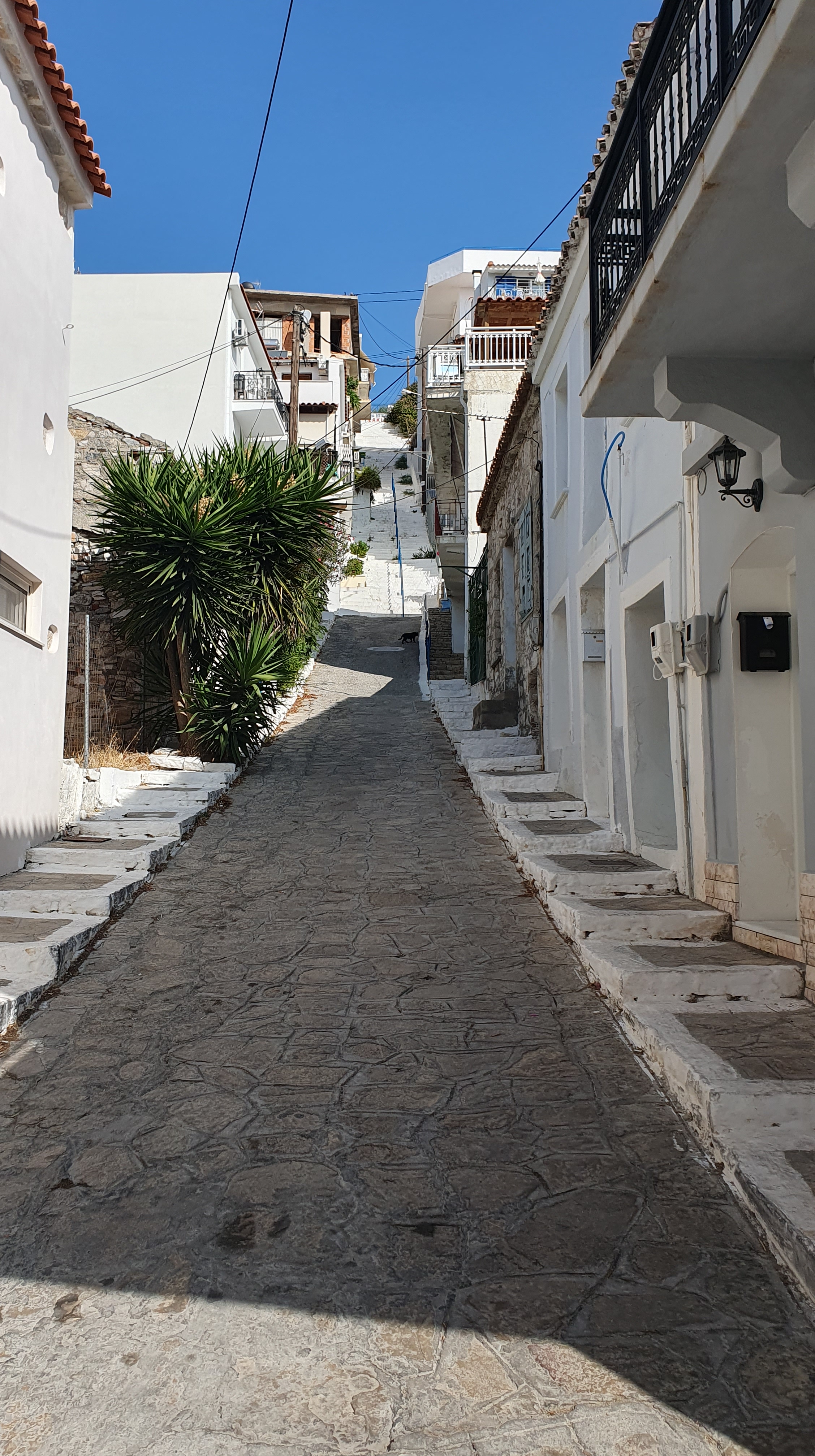
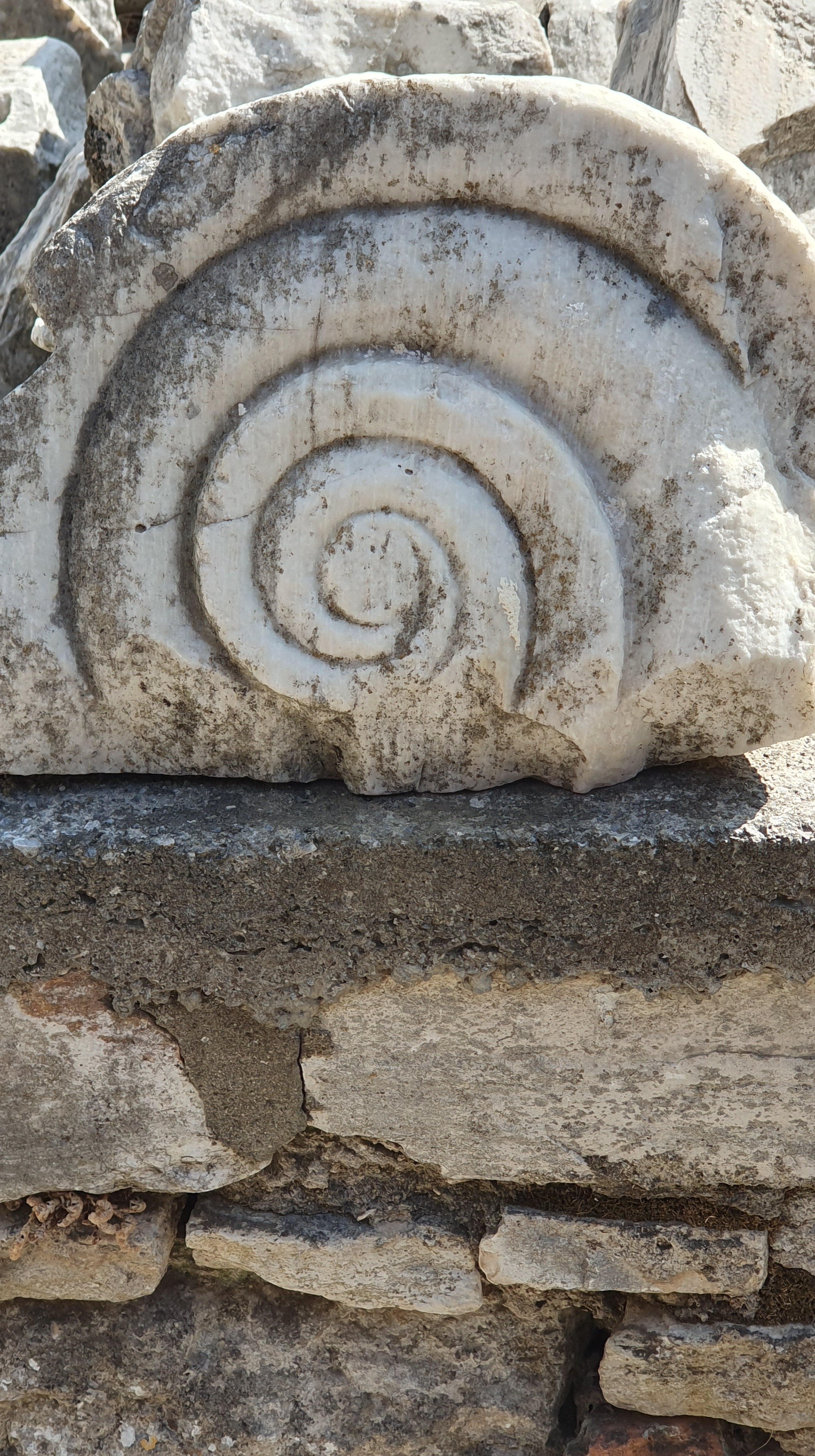
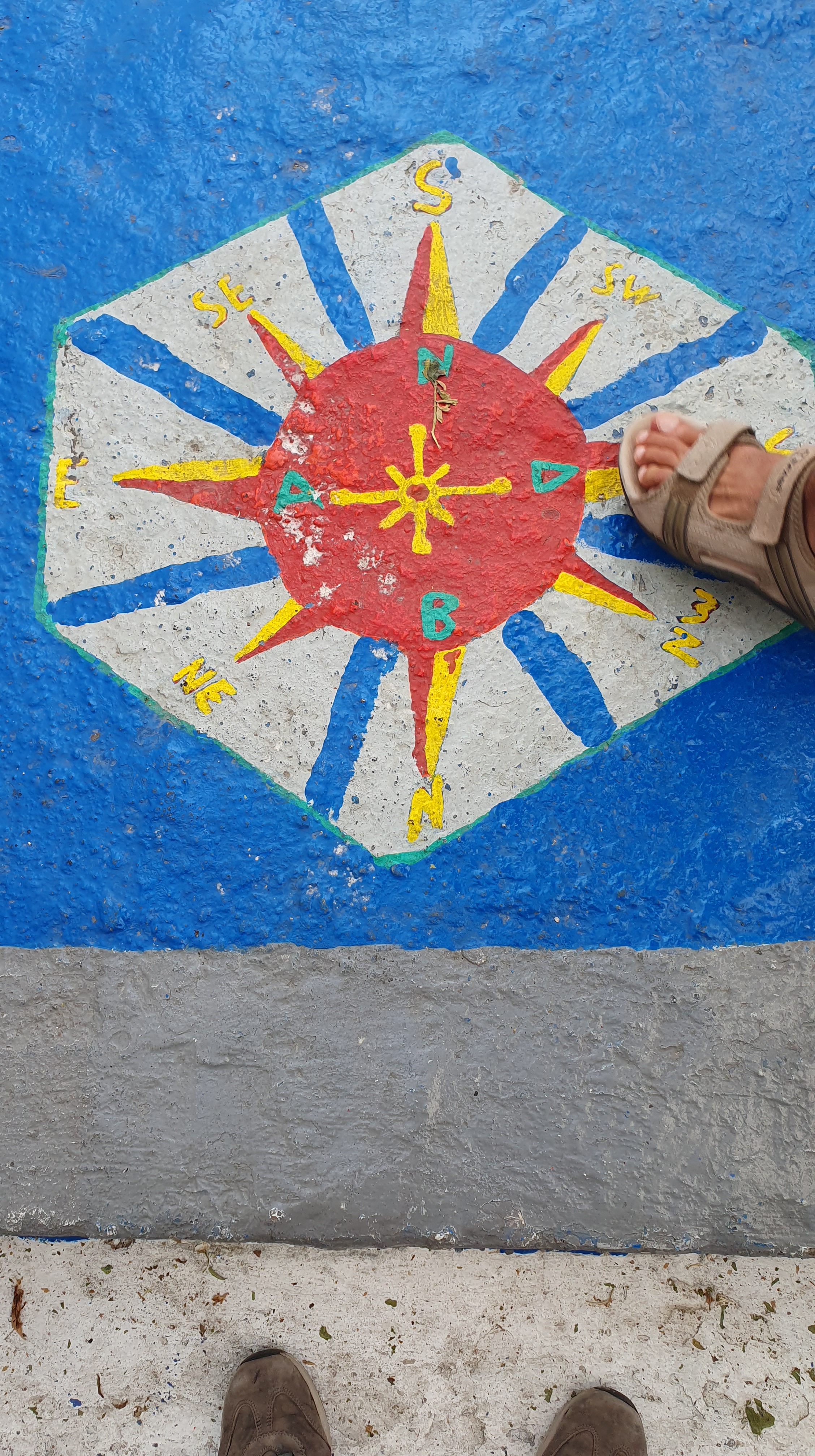
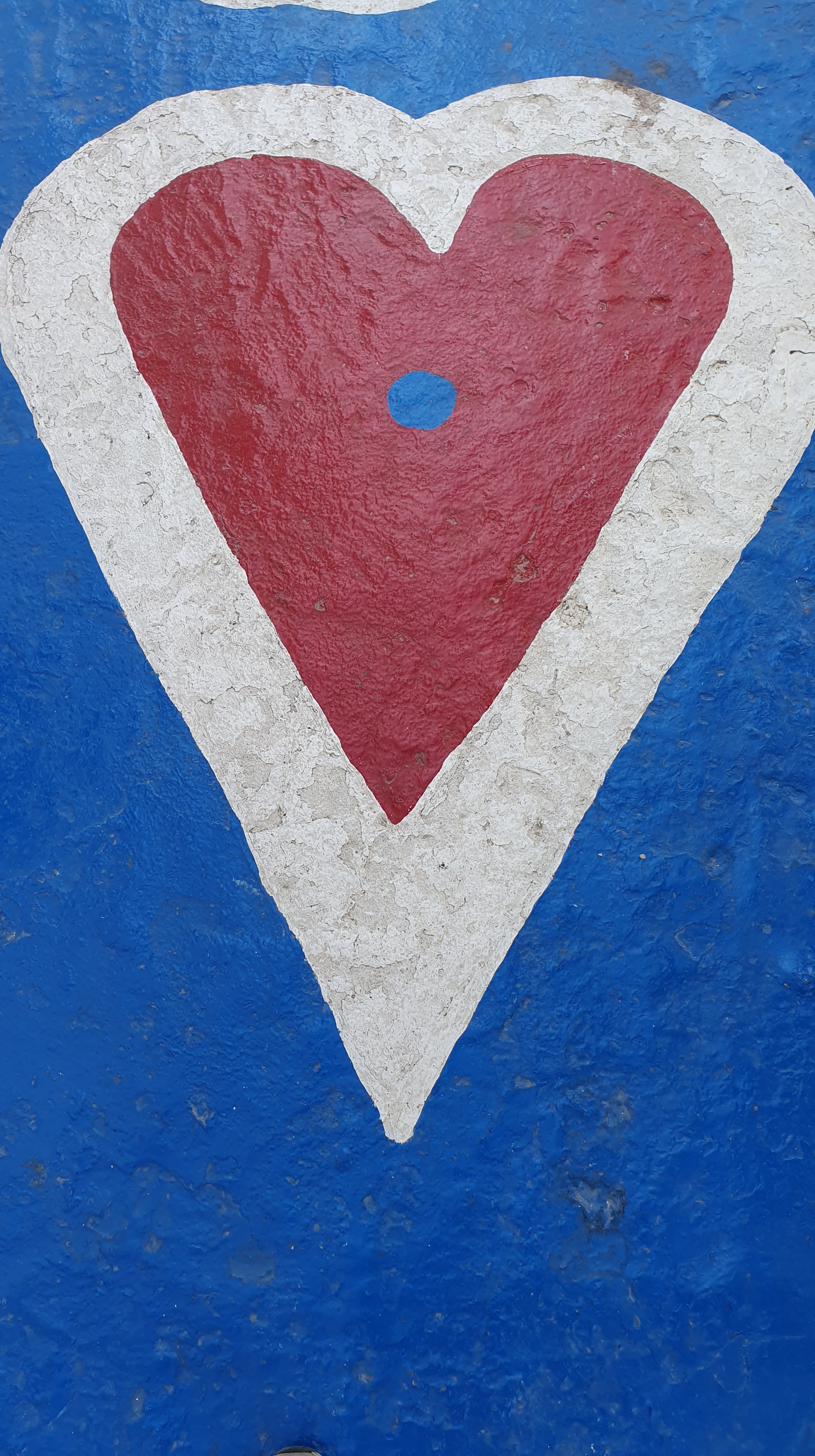
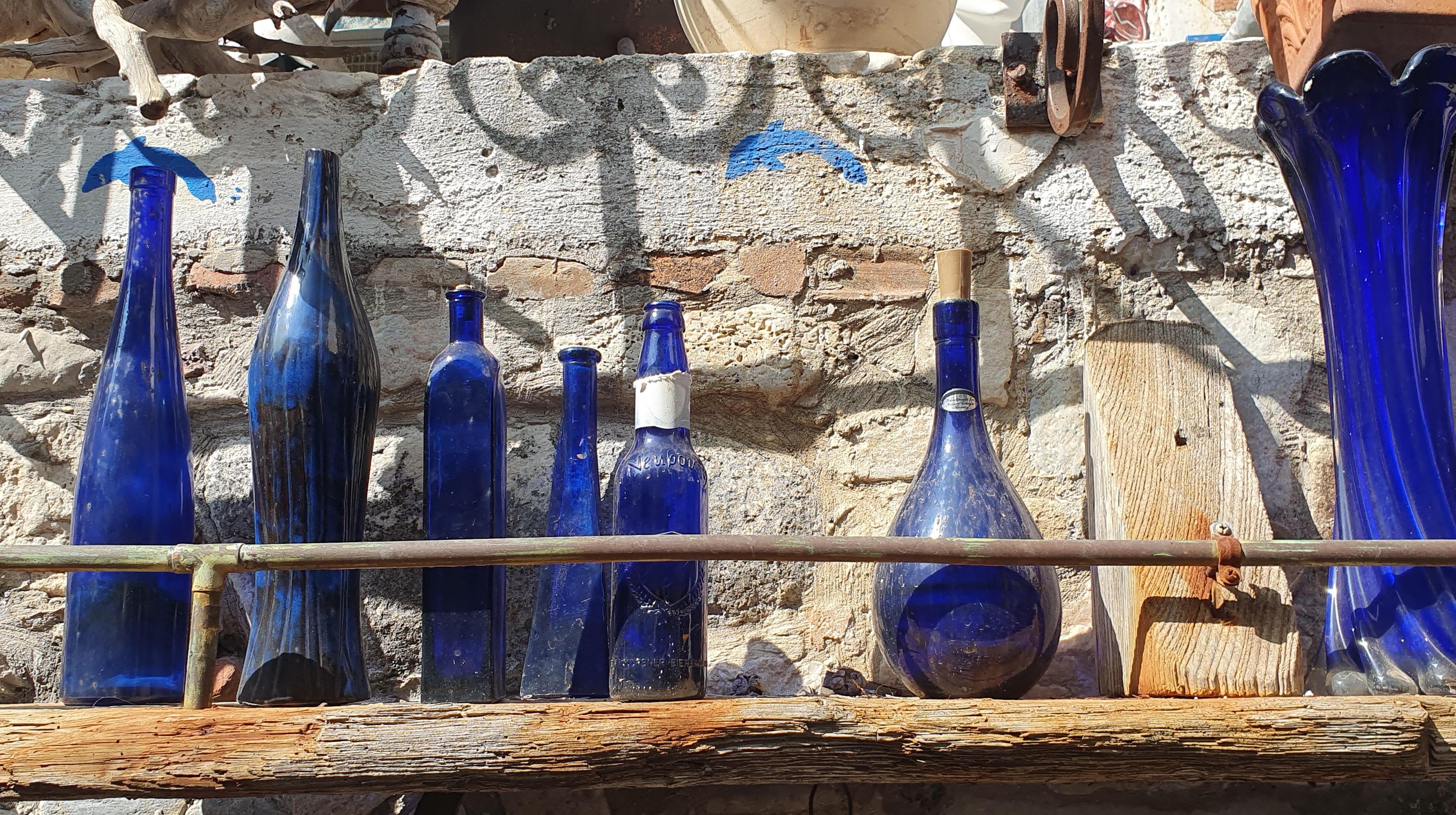
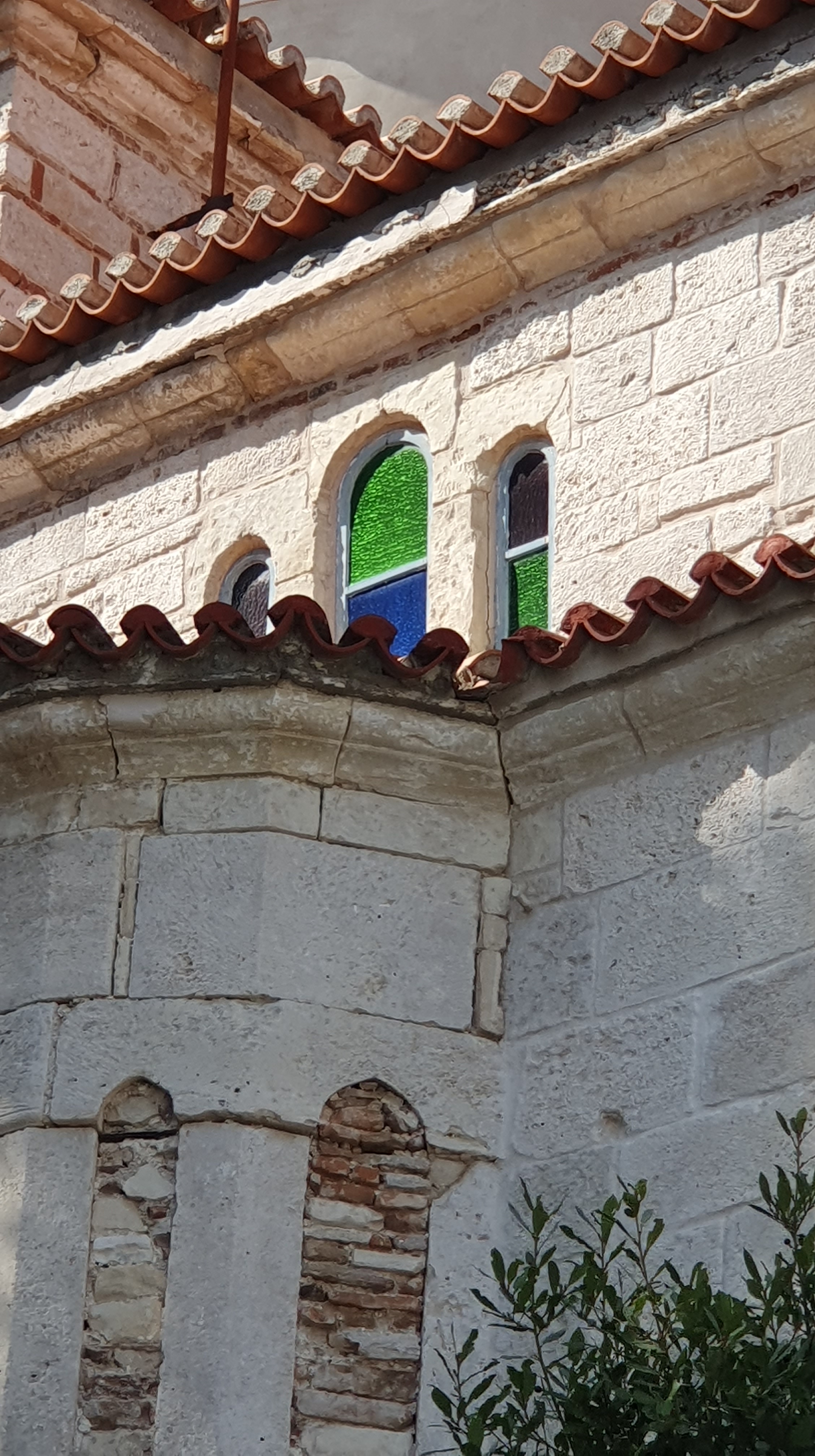
In any case, long story short, with the help of my better side for my second post of this day, I continue the report of the trip to Samos. In the name of “International Women’s Day”, her pictures, according to femininity, are much more intense than my littleness.
And an eye for detail;
Well, she still does love me!
And here is her Blue Street:
SO! Despite all the circumstances, I have reached out to my friends to give them a good feeling. I appreciate your presence and will try not to moan more in your beautiful ears.
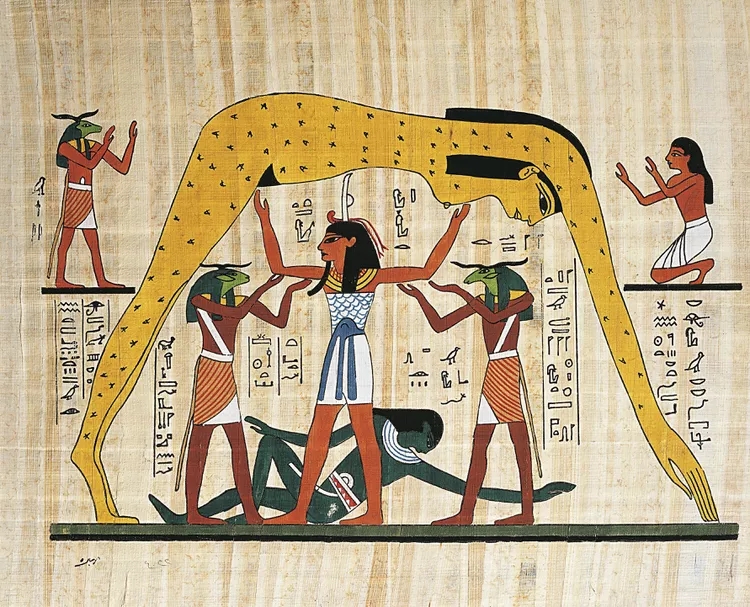
Egyptian civilization. Papyrus. Scene of creation. The sky-goddess Nut, covered with stars, is generated by Geb, the god of the earth. Reconstruction of a fresco from a tomb at Thebes, Valley of the Kings. Cairo, Istituto Del Papiro
As we all know, yesterday marked International Women’s Day, and many posts were published on this topic. I apologize for being late to the celebration; I was until now occupied with my grandson, Ilias! This is the first time I have decided to participate in this acknowledgement match, not just because of a lack of time but because I have some reservations about celebrating a cause on a single day and then forgetting about it for the rest of the year. Perhaps it’s true that those in charge choose to memorialize and celebrate under a specific title to alleviate their guilt instead of resolving the issues. However, I believe in using this special day to awaken their consciousness and galvanize them into action.
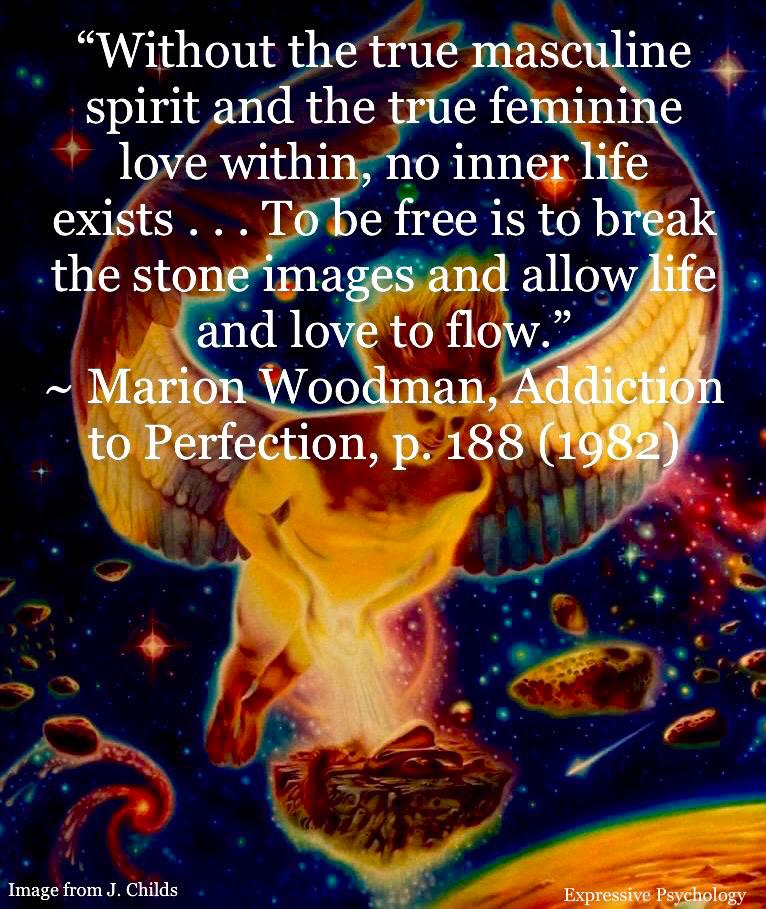
How well described Marion Woodman about the core of the issue.
via Petra Glimmdall 🙏💖
I have frequently written about women’s missing rights and opportunities in society, and I have noticed that progress is being made. A recent example is the approval of a new law by the French parliament to add the right to abortion to their constitution. Bravo! Viva France!
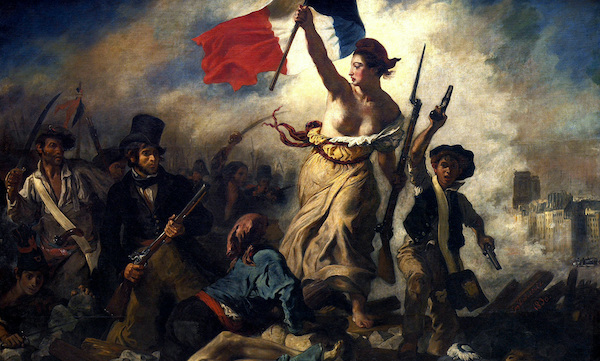
Liberté, Égalité, Fraternité:
The concept is that if we believe in the duality of everything: cold – warm, above – below, bright – dark, woman – man, etc. Then, they not only mutually prove each other’s existence but also complement each other’s evolution. To comprehend these concepts, we should ponder twice (as the Germans say: Nachdenken!). Coldness would hold no significance if we always had everything cold and were unaware of warmth. Similarly, if we were constantly surrounded by brightness without ever experiencing darkness, we would never be able to comprehend the value of brightness. And it would be the same about feminine and masculine: Anima & Animus.
C. G. Jung introduced terms to describe specific functions of the human “soul” and “mind” ( Anima and Animus, Latin). I have published a partitional post about this issue before. Anima names the feminine unconscious factor in a man, while animus applies to the corresponding masculine factor in a woman’s unconscious.
I believe these are suitable lessons that will make us aware of how to help each other along the difficult path towards achieving the goal or the Self. This is how we can help each other because without encountering the other side, we are incomplete!
However, I have to repeat myself sadly, of man’s blindness as his stupid vanity has damaged a perhaps brave new world!
I still keep looking around me and observing my behaviour in life, and I wonder more and more how much obsession overwhelms me! I mean all the effort I use to be perfect. I strive for everything to go flawlessly, to the point where even the slightest mistake is unacceptable. I know it’s crazy, but I fear leaving things incomplete or unfinished as I grow older. Maybe because the mistakes of the past cannot be rectified or compensated?! I’m aware that this may seem almost autistic, and I make a conscious effort to maintain balance in all aspects of my life. However, it’s not an easy feat. Of course, as we age, we tend to become more carefree as we are on the way to kicking the bucket, or better to say, changing the level, we realize that things lose their worth. One positive aspect of ageing is that we become less concerned about things and more carefree.
A few days ago, I suddenly remembered an old movie comedy from decades ago when I was a teenager. Its name was “Kiss Me, Stupid“, an American movie from 1964, directed by the master of comedy, Billy Wilder. The story is about an amateur songwriting team, Barney Cliff Osmond and Orville Ray Walston, who suddenly find a famous musician, Dino Dean Martin, drunk and lost on his way to their gas station and trick him into staying a while so they can get his influence to publish their songs. Orville offers Dino a place to stay but becomes worried when he learns that Dino needs to have sex every night to avoid headaches upon waking up!
He and Barney arrange for Polly the Pistol Kim Novak, a saloon waitress, to pose as Orville’s wife, Felicia Farr and satisfy Dino, but Orville can’t handle it at all.
Anyway, in this movie, the main psycho character, in my opinion, is Orville, who, with his jealousy and obsession with love and his women, screws everything up! I don’t want to give away the entire plot, as you may watch it someday. I just want to say I was very angry with him when I watched this film; his acting to keep everything for himself was unbelievable, but now I have some sympathy for him. Nonetheless, I would never act in his way. I believe he was jealous of Dino for being loved by every woman!
Now that I am at an age where this topic is no longer relevant, I feel that time dashes, and we must make the most of every minute. I recently came across a Persian anecdote in a WhatsApp exchange, and I found it amusing, so I decided to translate and share it with you. Take care, and have a great weekend.🤗🙏💖
image by crilleb50
Life in a Nutshell.
One day, some old friends who were all 40 years old wanted to make a date to have dinner together. After checking different restaurants, they finally agreed to go to Ali Agha’s restaurant because there are beautiful working maids….!
Ten years later, when they were all 50, they decided to have dinner together again. And after checking different restaurants, they finally agreed to go to Ali Agha’s restaurant because it has delicious food.
Ten years later, at 60, they again decided to have dinner together and finally agreed to go to Ali Agha restaurant because it has a calm and quiet environment.
Ten years later, at 70, they decided to have dinner together again. Finally, after checking different restaurants, they decided to go to Ali Agha restaurant because it has an elevator and a particular way for wheelchairs!
And finally, ten years later, when they were all 80 years old, they decided to have dinner together again. After checking different restaurants, they finally agreed to go to “Ali Agha” restaurant because they all concluded that they had never been there…!!
The advice we get from this story is a clear view of the play of life that is always on the screen! So, use the present time in the best way. 😉
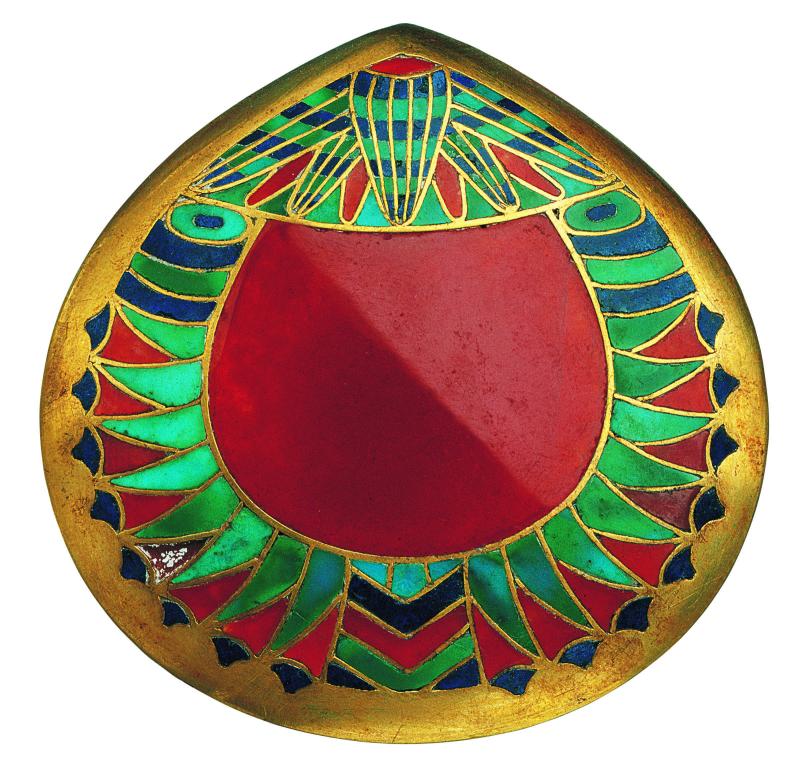
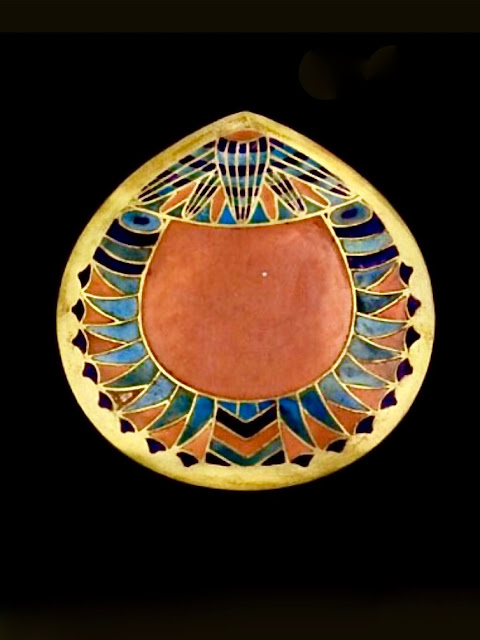
This fascinating jewel is not only a designer piece but a symbol of birth and rebirth! Here is another brilliant article by Marie Grillot about the secret of this magical lotus jewel, which will remain forever.
This pendant comes from the treasure of Princess Mérit (Mereret), whose tomb was found in March 1894 by Jacques de Morgan in the sector of the “northern pyramid” of Dahchour.
Kha and Merit receive offerings on a painted chest from two of their children. By Museo Egizio
Cloisonné gold pendant of a princess of Dahchour
Cloisonné gold pendant of Princess Merit (Mereret) – gold, carnelian, turquoise, lapis lazuli Middle Kingdom – 12th Dynasty – Reigns of Sesostris III and Amenemhat III – 1878 – 1798 BC-AD discovered in his tomb in Dahchour on March 6, 1894, during excavations carried out by Jacques de Morgan Egyptian Museum in Cairo – CG 53070 – JE 30877 – photo of the museum
This lovely pendant is made of cloisonné gold, garnished with semi-precious stones. The brilliance that the gems reflect, their perfect execution, and their exceptional state of conservation make it difficult to believe that they are almost… 4000 years old!
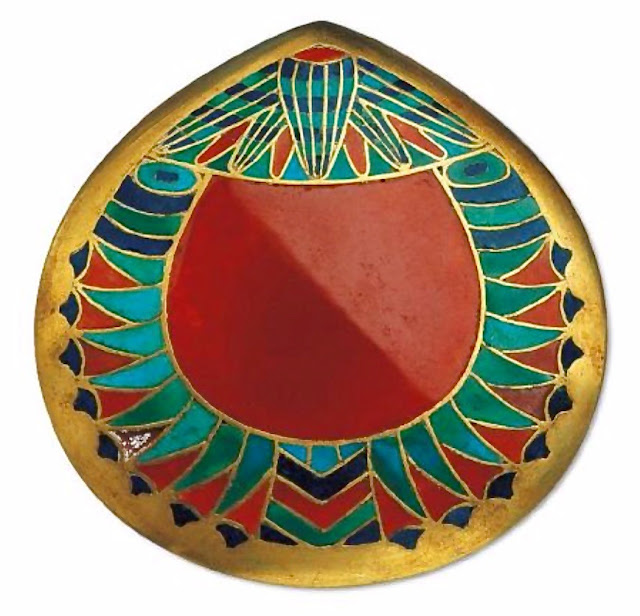
It takes the shape of a “convex” shell, the upper part representing an open lotus flower. Its petals, pointing downwards, are made of a delicate and luminous cloisonné composed of turquoise, lapis lazuli and carnelian.
Cloisonné gold pendant of Princess Merit (Mereret) – gold, carnelian, turquoise, lapis lazuli Middle Kingdom – 12th Dynasty – Reigns of Sesostris III and Amenemhat III – 1878 – 1798 BC-AD discovered in his tomb in Dahchour on March 6, 1894, during excavations carried out by Jacques de Morgan Egyptian Museum in Cairo – CG 53070 – JE 30877 published here in “Jewelry and goldsmiths. Booklet 3”, Émile Vernier
“Under this area, the main decoration develops. The middle is occupied by a carnelian of unusual dimensions: 0 m. 021 millimetres high and 0 m. 026 millimeters wide. Its general shape is close to a circle, part of which is cut by the upper area. All around the carnelian, a decoration is developed made, in the axis, of alternating cloisonné chevrons: lapis, carnelian and turquoise, and on each side, curved serrations of turquoise, leaving between them curvilinear triangles in carnelian followed by other small triangles of lapis, then approaching the upper area, alternating bands of lapis and turquoise and ending with an ellipse in turquoise having as its middle a small ellipse of lapis is framed by a fairly wide edge where the gold is bare. The reverse is made of a concave plate of plain gold, where we see a horizontal ring in the upper part, flat and vertically striated,” explains Emile Vernier (Jewelry and goldwork. Booklet 3).
Cyril Aldred’s interpretation follows: “The pendant… is inlaid with a motif inspired by the lotus flower from which is suspended a crown of stylized flower petals, ending in a pendant of three chevrons”.
As for Nigel Fletcher-Jones (“Ancient Egyptian Jewelry”), he specifies that “The pendant was originally suspended from a chain of gold beads to which twenty-six small oyster shells were soldered at regular intervals”.
Cloisonné gold pendant of Princess Merit (Mereret) – gold, carnelian, turquoise, lapis lazuli Middle Kingdom – 12th Dynasty – Reigns of Sesostris III and Amenemhat III – 1878 – 1798 BC-AD discovered in his tomb in Dahchour on March 6, 1894, during excavations carried out by Jacques de Morgan Egyptian Museum in Cairo – CG 53070 – JE 30877 – photo of the museum
This jewel is loaded with symbols and “powers”… Thus, the oyster shell was, for a short period of the Middle Kingdom, an amulet which, according to Carol Andrews (Amulets of Ancient Egypt) “, gave health” and brought well-being to the person who wore it… As for the lotus, which is very present in Pharaonic iconography, it is not only the symbol of birth but also that of rebirth.
The stones used are also loaded with symbolism. In “The Gold of the Pharaohs”, Christiane Ziegler provides these details: “The ‘méfékat’ turquoise was extracted from Sinai where the pharaohs launched mining expeditions. Its luminous colour, evoking the growth of young shoots in spring, was synonymous with vitality and joy. Its presence in the funerary equipment undoubtedly gave the dead the joy of rebirth.” Carnelian, Héréset, “possessed the invigorating virtues of blood”. As for lapis lazuli, she explains to us: “in ancient myths, it constituted the beard and hair of the gods and had virtues comparable to those of turquoise”…
Pyramid of Amenemhat III in Dahchour Photo by Jacques de Morgan published in “Excavations at Dahshur”, 1894
This pendant comes from the treasure of Princess Mérit (Mereret), whose tomb was found in March 1894 by Jacques de Morgan in the sector of the “northern pyramid” of Dahchour.
In his work “Excavations at Dahchour”, published the same year, he relates: “The underground necropolis that I had just opened was therefore not the tomb of the king, but rather the gallery of the princesses, one of the annexes of the tomb principal. Later, I discovered among the treasures the names of the princesses Hathor-Sat and Merit and the titles of a sixth royal daughter on the worm-eaten remains of a wooden box. Then he adds, “Meticulous examination of the floor of the galleries revealed on March 6 a cavity dug in the rock at the foot of sarcophagus C. The ground was loose,e and the worker’s foot sank into the middle of the moving debris. A few blows of the pickaxe revealed its treasures: gold and silver jewels and precious stones were there, piled up in the middle of the worm-eaten fragments of a box where they had once been kept. “
Cloisonné gold pendant of Princess Merit (Mereret) – gold, carnelian, turquoise, lapis lazuli Middle Kingdom – 12th Dynasty – Reigns of Sesostris III and Amenemhat III – 1878 – 1798 BC-AD discovered in his tomb in Dahchour on March 6, 1894, during excavations carried out by Jacques de Morgan Egyptian Museum in Cairo – CG 53070 – JE 30877 published here in “Excavations at Dahshur” by Jacques de Morgan
Georges Legrain, who worked alongside him, was responsible for drawing up the first jewellery catalogue and faithfully reproducing drawings and watercolours. The large number of pieces to be presented will mean that this pendant will be described in a laconic manner: “Bivalve shell decorated with multicoloured stones on its convex part. The main design represents a lotus flower supporting an indefinite red object, from which herbs escape …”
Jacques de Morgan brandishing one of the pieces of Dahchour’s treasure (Princess Khnoumit’s tiara) during its discovery in April 1894 in the funerary complex of Amenemhat II in Dashour (drawing published in “L’Illustration” on May 11, 1895)
We can only subscribe to the words of Pierre Tallet in his work “Sesostris III and the end of the 12th Dynasty”: “One last area where the ending 12th dynasty seems to have particularly excelled is that of jewellery. The royal necropolises of this period thus delivered the first truly important collection of Egyptian jewellery, for the most part, intended for women in the pharaoh’s entourage: jewellery and toiletries from Sat-Hathor-Iounet to El-Lahoun, Mereret… These different lots of Precious objects, where gold, silver and various fine stones such as lapis lazuli, turquoise, amethyst and carnelian abound, give an idea of the splendour in which the royal family lived.
This pendant was registered in the Journal of Entries of the Cairo Museum under the reference JE 30877 and in the General Catalogue CG 53070.
Marie Grillot
Sources:
Excavations at Dahchour, Jacques de Morgan, Berthelot, M. (Marcellin), Legrain, Georges Albert, 1865-1917; Jquier, Gustave, 1868-1946; Loret, Victor, 1859-1946; Fouquet, Daniel https://archive.org/details/fouillesdahcho01morg/page/n213/mode/2up Dahchour excavations: 1894-1895, Jacques de Morgan, Wien 1903, http://digi.ub.uni-heidelberg.de/diglit/morgan1903/0049 Jewellery and goldsmiths. Booklet 3, Number 52640-53171, by Mr. Émile Vernier http://gallica.bnf.fr/ark:/12148/bpt6k57740426/f96.item.r=52859.texteImage Summary list, booklet published in 1894 by M. de Morgan; Excavations at Dahchour, II; Morgan’s catalogue, 1897 by Morgan Jacques. Letter on the latest discoveries in Egypt. In: Reports of the sessions of the Academy of Inscriptions and Belles-Lettres, 38th year, N. 3, 1894. pp. 169-177; https://doi.org/10.3406/crai.1894.70401https://www.persee.fr/doc/crai_0065-0536_1894_num_38_3_70401 Jewellery and goldsmiths. Booklet 3, Number 52640-53171, by Mr. Émile Vernier http://gallica.bnf.fr/ark:/12148/bpt6k57740426/f96.item.r=52859.texteImage The gold of the pharaohs – 2500 years of goldsmithing in ancient Egypt, Catalogue of the summer 2018 exhibition at the Grimaldi Forum in Monaco, Christiane Ziegler Jewels of the Pharaohs, Cyril Aldred, ed Thames & Hudson Ltd. London, 1978 Ancient Egyptian Jewelry: 50 Masterpieces of Art and Design, 2019, Fletcher-Jones, N, The American University in Cairo Press Ancient Egyptian Jewelry, Carol Andrews, Harry N. Abrams, INC., Publishers, 1991 Amulets Of Ancient Egypt, Carol Andrews, published for Trustees of the British Museum by British Museum Press https://archive.org/details/AmuletsOfAncientEgypt_201707 Treasures of Egypt – The wonders of the Egyptian Museum in Cairo, Francesco Tiradritti




























 lampmagician
You must be logged in to post a comment.