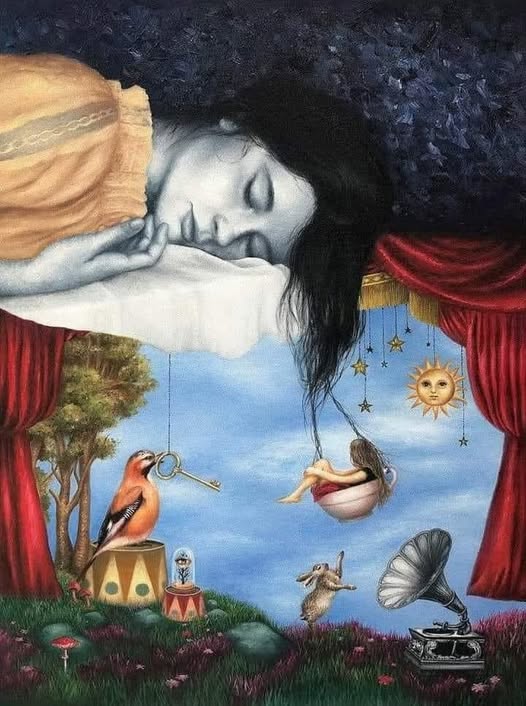
Back again from Extraneous, with Kafka and a Daydream!

Standard

When my brother, Al, was in the hospital to undergo surgery to remove a tumour from his brain, one of the professors told him that we humans know almost nothing ( just ten per cent) about how our brains work – The rest is still a puzzle! Therefore, unexplained phenomena, such as strange things like seeing ghosts, daydreams, or schizophrenia, are always fascinating topics for inquisitive minds.

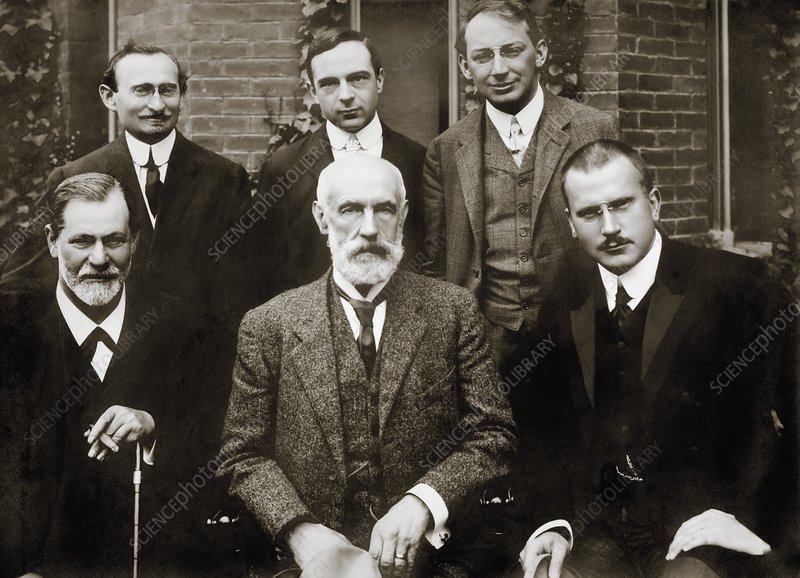
According to Dr Carl Jung: …in schizophrenia, the complexes have become disconnected and autonomous fragments, which either do not reintegrate back to the psychic totality, or, in the case of remission, are unexpectedly joined together again as if nothing happened” (1939).

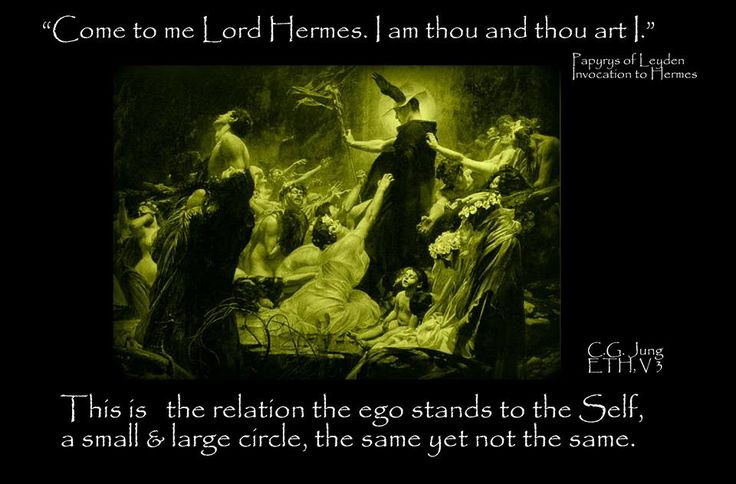
Franz Kafka Dreams >Wrestling matches every night<

During our trip to Serbia (I will write a post about it soon), I brought along some books as I do on any trip. This time, I discovered some surprises. While renovating the apartment, I found a book I couldn’t remember owning. Upon picking it up, I found a shopping receipt in the book dating back to 1995. It was clear that the book belonged to Al. Apart from a few novels, Franz Kafka wrote thousands of letters about his thoughts, dreams, and daydreams, and I was excited to have this particular book. The book is in German, and I translated a description and one of his letters about his dreams. I often considered the similarities between Kafka and Dostoevsky, as the latter frequently had daydreams like a schizophrenic. In this dream, Dostoevsky is interestingly present! I hope you will enjoy it.

The New Yorker

According to Jean-Paul, dreams substantially affect a poet because he is used to fantasy. In contrast, Kafka’s dreams intensified his daytime fears. Taken out of context, his dreams form an interesting “storybook” of events and changes involving real people and places from his life. Kafka’s descriptive notes allow the reader to relive each dream-like episode as if watching a film vividly. This collection also serves as a documentary, presenting the dreams chronologically and reproducing Kafka’s comments on the phenomenon of dreams and dreaming.

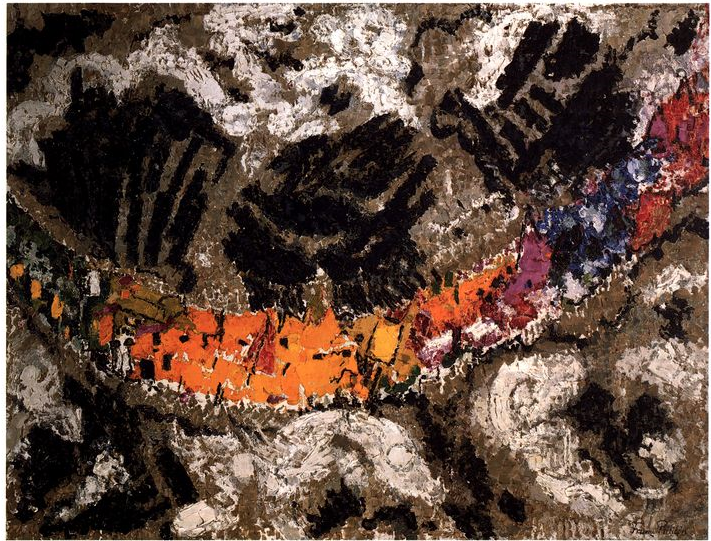
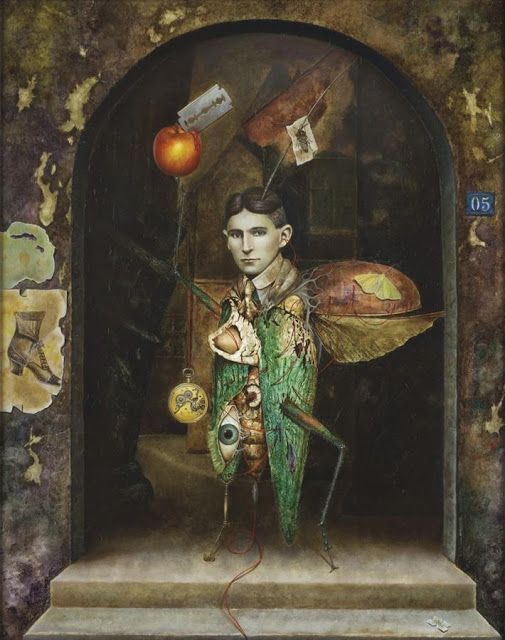
Frank Kortan – THE METAMORPHOSiS

Gregor Samsa woke up one morning to find himself transformed into a monstrous vermin. Franz Kafka’s “The Metamorphosis” challenges readers to accept this transformation as real, denying the possibility of dismissing it as merely a dream. This may frustrate those who rely on reason to understand the world and expect literature to assist them in this endeavour. In 1916, Franz Herwig criticized the rejection of realism and its associated positive aspects in an essay about the authors of the series “The Judgement Day,” in which Kafka’s story appeared. Gregor Samsa’s story “The Metamorphosis” challenges our understanding of reality and urges us to see the world in a new light. Kafka emphasizes that incomprehensible forces are shaping our lives, which may be more influential than we can rationally explain. According to his commentary on the story “The Judgement,” which he wrote in one go from ten o’clock in the evening to six o’clock in the morning, this is the only way to write in such a context—with a complete openness of body and soul! In this type of writing, the usual censorship of the mind is primarily eliminated. Everything can be risked, and a great fire is prepared for everyone for the strangest ideas, in which they perish and rise again.

Dream!
[To Milena Jesenska, August 1920; M 170-172]

Today, I think I dreamt of you for the first time since I’ve been in Prague. A dream towards morning, short and heavy, still caught up in sleep after a bad night. I know little about it. You were in Prague; we were walking along Ferdinand Street, a little opposite Vilimek, in the direction of the quay; some acquaintances of yours were walking past on the other side; we turned to look at them; you spoke of them, perhaps there was also talk of Krasa [I know he is not in Prague, I will find out his address]. You said as usual, but there was something incomprehensible, indescribable about rejection in it; I didn’t mention it but cursed myself, thereby only expressing the curse that was on me. Because we were in the coffee house, probably in the Kaffee Union (it was on the way, and it was also the coffee house from Reiner’s last evening), a man and a girl were sitting at our table, but I couldn’t remember them. Then, there was a man who looked very similar to Dostoyevsky but young, with a deep black beard and hair. Everything, for example, the eyebrows and the bulges over the eyes, were incredibly strong. Then you were there, and I. Again, nothing betrayed your aloof manner, but the rejection was there.

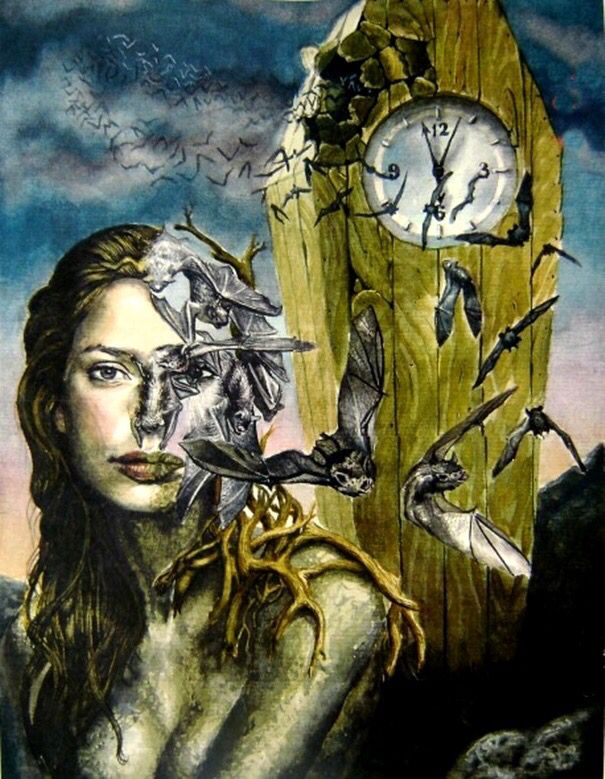
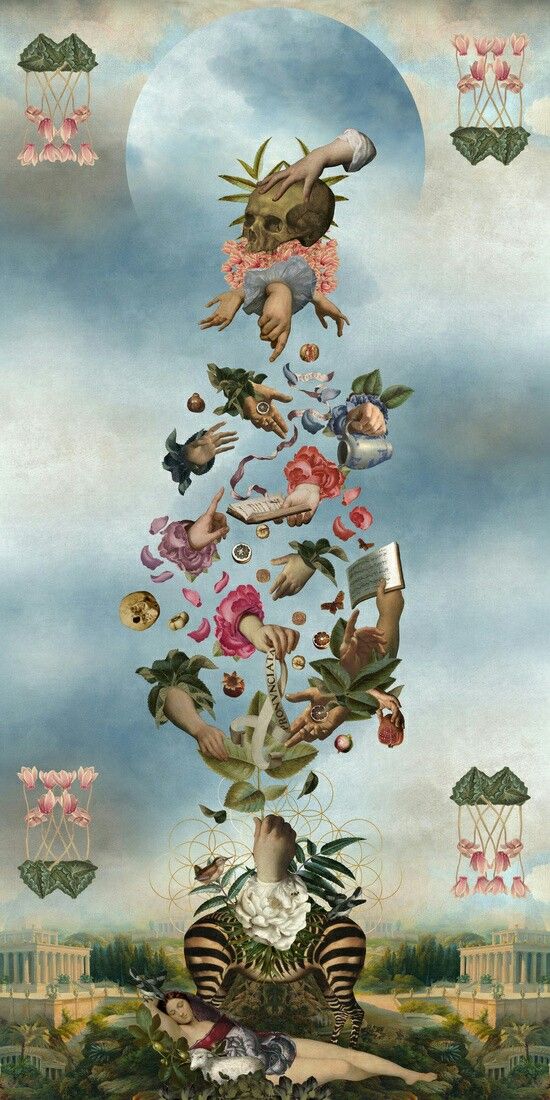
Painting: Jorge Ignacio Nazabal

Your face was – I could not look away from the tormenting oddity – powdered, and it was overly obvious, clumsy, bad; it was probably hot, and so whole powder lines had formed on your cheeks; I can still see them in front of me. Again and again, I leaned forward to ask why you were powdered; when you noticed that I wanted to ask, you asked obligingly – the rejection was simply not noticeable – >What do you want?< But I could not ask, I did not dare, and yet I somehow suspected that being powdered was a test for me, a crucial test, that I should ask, and I wanted to but did not dare. And so the sad dream rolled over me. At the same time, the Dostoyevsky man tormented me. His behaviour towards me was similar to yours but still a little different. When I asked him something, he was very friendly, sympathetic, leaned over, and open-hearted. Still, when I didn’t know what to ask or say – this happened every moment – he would withdraw with a jerk, sink into a book, know nothing more about the world and especially not about me, disappear into his beard and hair. I don’t know why I found this unbearable, again and again – I couldn’t do anything else – I had to pull him over to me with a question and again and again, I lost him through my own fault! 💖🙏🤗

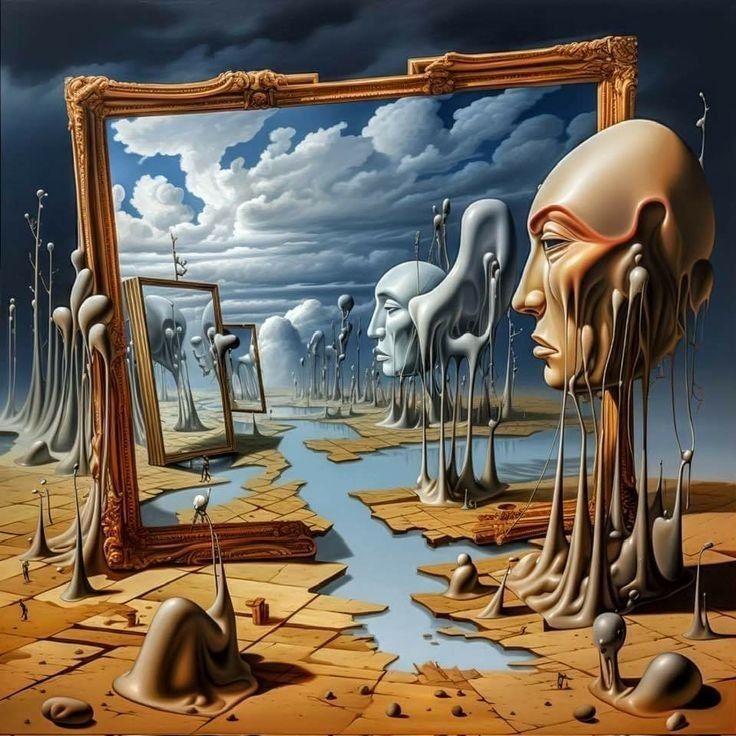
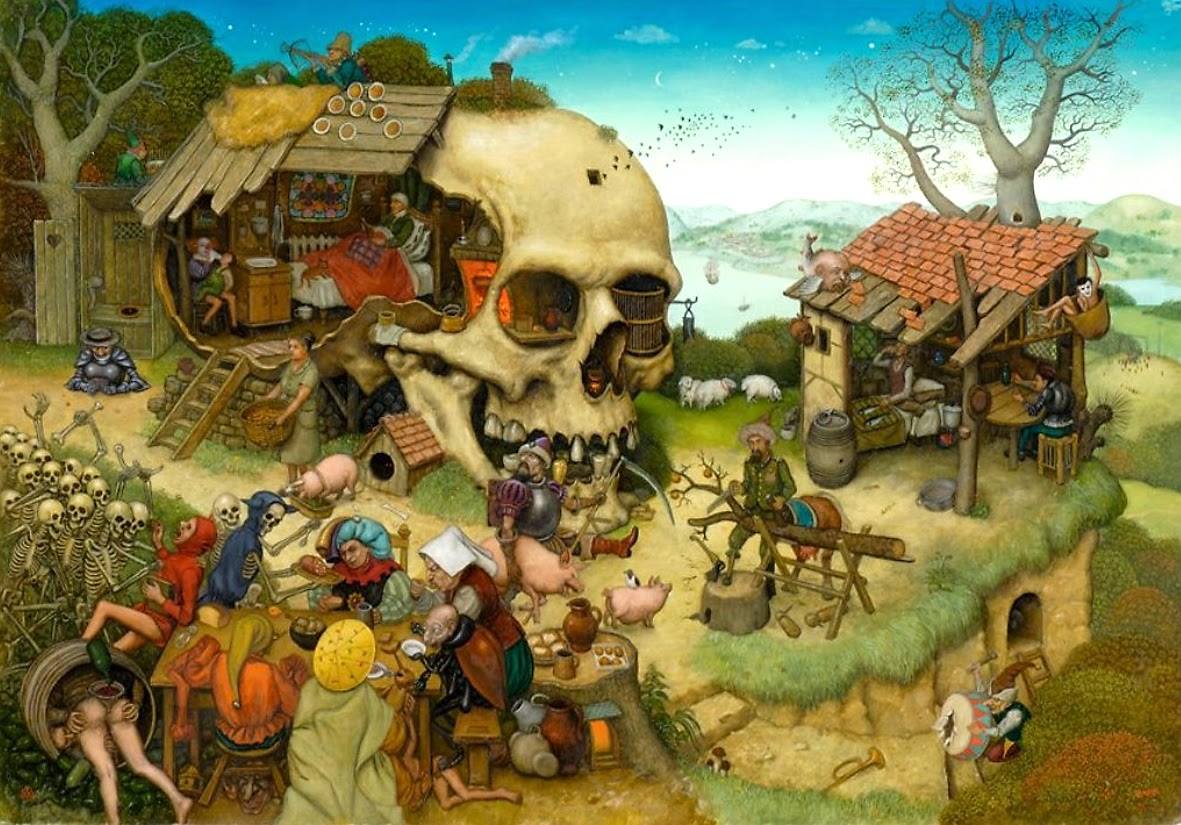
The Imagen at top:  Youri Ivanov – Artiste Russe (Russian)

The Everyday Boredom of Life!

Standard

I’m not sure if any of you have experienced a feeling like I did a few days ago. It’s hard to put into words, but I will try: I had a few things I wanted to remember and sort out in my head, but I wasn’t sure if they were just dreams or had actually happened!

Have you ever had moments when you couldn’t tell if something that happened the previous day was real or just a dream? It reminded me of schizophrenia, which was quite frightening. It’s like having a blurred line between reality and imagination, making it challenging to distinguish what’s real and what’s not. The reason for all this may be a dream I had the night before.

That night, I had a dream I can still recall. In the dream, I saw Robbie Williams, who had released an album that wasn’t a hit! The album was dull, and he was pretty upset about it, though he always had great help from his mate Guy Chambers. I haven’t ever been a big fan of his and haven’t purchased any of his singles. I have only heard his songs on the radio and listened to them once, and not more. That’s why I find it strange that he appeared in my dream.

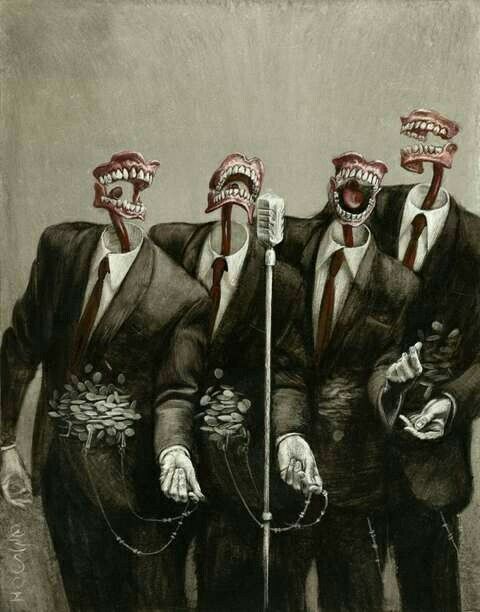
Painting by Santiago Caruso

Next, a young girl appeared during my dream and offered me her new album. I liked that, though she said she would mix it up with Robbie Williams’ album. Truthfully, they matched perfectly together and became a great hit!

When I told my wife about that, she said it was time for me to begin writing music again! Her advice refers to my earlier time in Germany.

It was around the early ’90s when I used to play guitar on the streets, and as I had only music in my head, I attempted composing, and I managed to write a few songs, which I recorded using an MC (my friends who are my age would know what I am referring to!). The recordings included drums, rhythm guitar, solos, and vocals. I played all these by myself in my tiny room those days with the help of two cassette recorders; poor me! You should see how talented I was!! I suppose this MC is in our basement, in a plastic bag, spending the last minutes of her life.

The main subject I aim to cover is our everyday lives and how boring they can be. Therefore, I took my recent post from Facebook with a quote by Marie-Louise von Franz on this topic. I will compare it with the life of an artist who can live without any single sign of being bored.

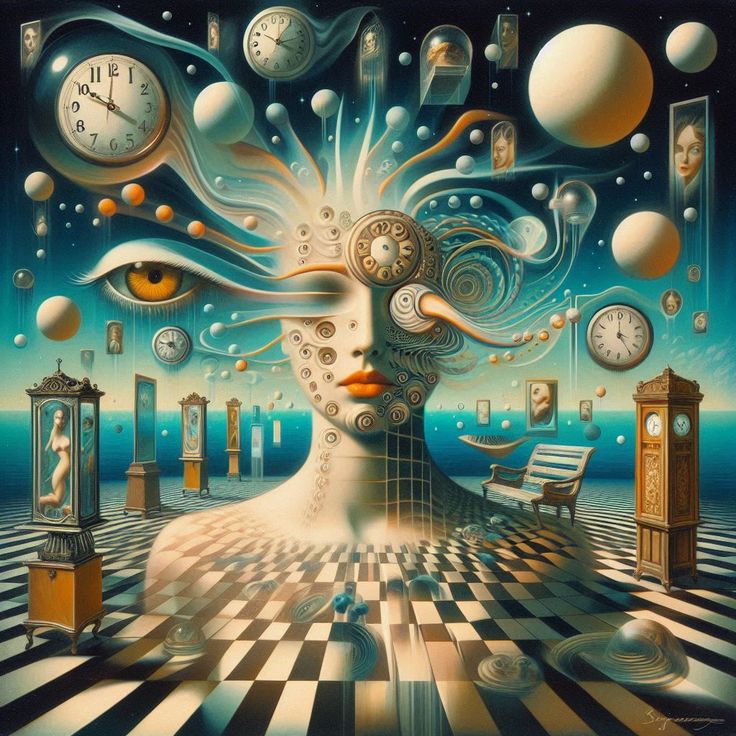
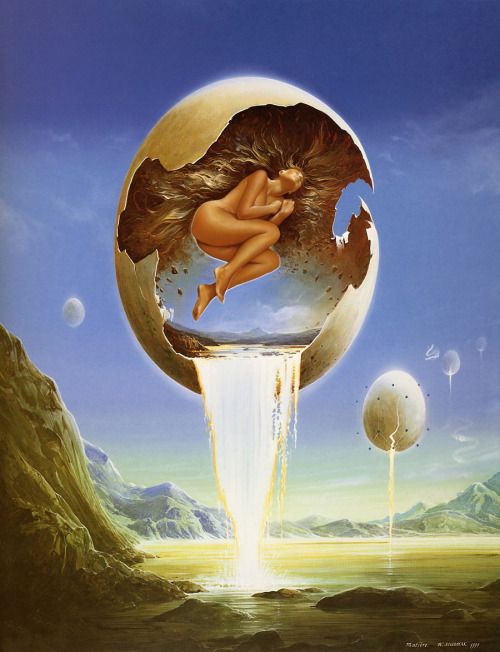
Illustration by Wojtek Siudmak – Matter.

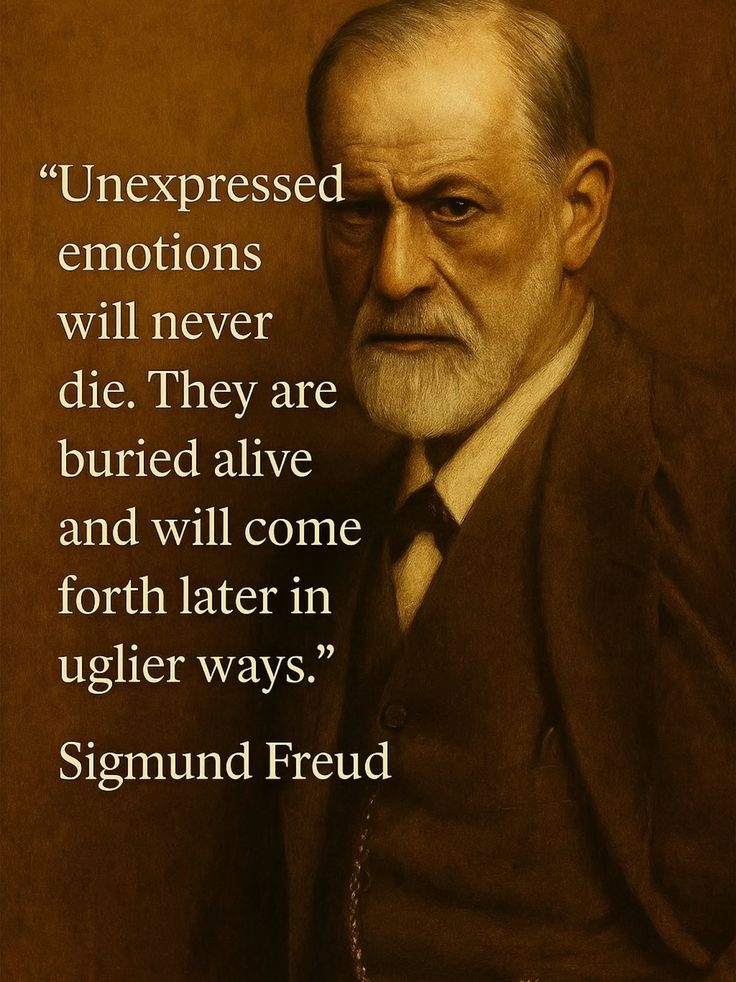
Boredom is a symptom of life being dammed up, that one does not know how to get what one has within oneself into reality. — Marie-Louise von Franz, The Problem of the Puer Aeternus

While considering my own, my wife’s, or my friend’s everyday lives, I often ponder why everything seems so mundane. Even the weekends, which should be a time for rest and enjoyment, can sometimes feel dull and uneventful, especially for those who work tirelessly throughout the week. One does plan to enjoy a meeting, going to Cinema to watch a good movie, or driving for a side trip, the time runs out fast like the wind, and it is again the damnd Monday! Of course, it might be because I am retired now and have a view from a distance.
I believe that the problem is the lack of creativity. Most people end up in jobs they have never chosen or desired; they do that only to make money. Don’t you think these repeated days doing almost the same thing make it no fun anymore? However, for an artist, every new day is a challenge in creating new art.

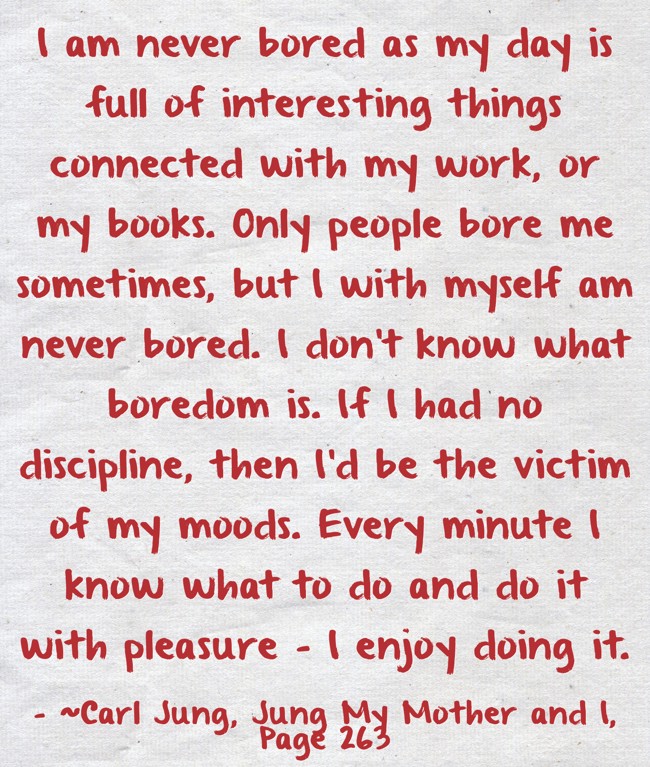
The pointé is here in Dr. Jung’s words; even then, I comprehended it much better now.

Via Quozio

How can an artist’s life not be boring?

As a child, I had different career aspirations, such as becoming a pilot, free of borders or terrain. Still, in my youth, my only wish was to be a music composer, and every morning, I would go to my studio to make a new song. That’s why I think the lucky people who make art or do something similar will never feel bored!

I am convinced that we all were created to create, and art is our way of creating. Therefore, when we are forced to do something else without lust and passion, which, unfortunately, has become common in society, the outcomes are wasted fruits.

After pouring out my heart with the hope that I will achieve my goal of conveying my message to you, I want to mention that next week is the Easter holiday, and I will probably be absent and miss your kind reactions and feedback. However, I might try to post using the WP timer! Let’s see what happens; until then, I appreciate your visits and hope you have a lovely time, everybody. 🤗💖💥🖖

The illustration at the top is by Micha Lobi.

The Way of What is to Come.

Standard

The Red Book by C. G. Jung, Liber Primus fol. i(v)

As I continue to read Carl Jung’s book, The Red Book, I find myself wondering how his words are so relatable to me. They touch me deeply and feel familiar. I do not speak often and tend to keep to myself. However, I want to learn how to express myself more creatively using images. I long to see a sign of mercy that will give me hope and belief, even though I still wish to have visions like Jung had.

He conversed with the spirits, the spirit of the time, the spirit of depth, talking about the Supreme Meaning by the fact that he is laughter and worship; a bloody laughter and a bloody worship. A sacrificial blood binds the poles. Jung has his humanity for help: What solitude, he said, what a coldness of destruction you lay upon me when you speak such! Reflect on the destruction of being and the streams of blood from the terrible sacrifice that the depth demands (Referring to Jung’s vision). Dr Jung had visions which became a reality throughout his time. He was excited, not sure if schizophrenia was threatening him. However, every genius seems to have this ability, as my brother Al had it.

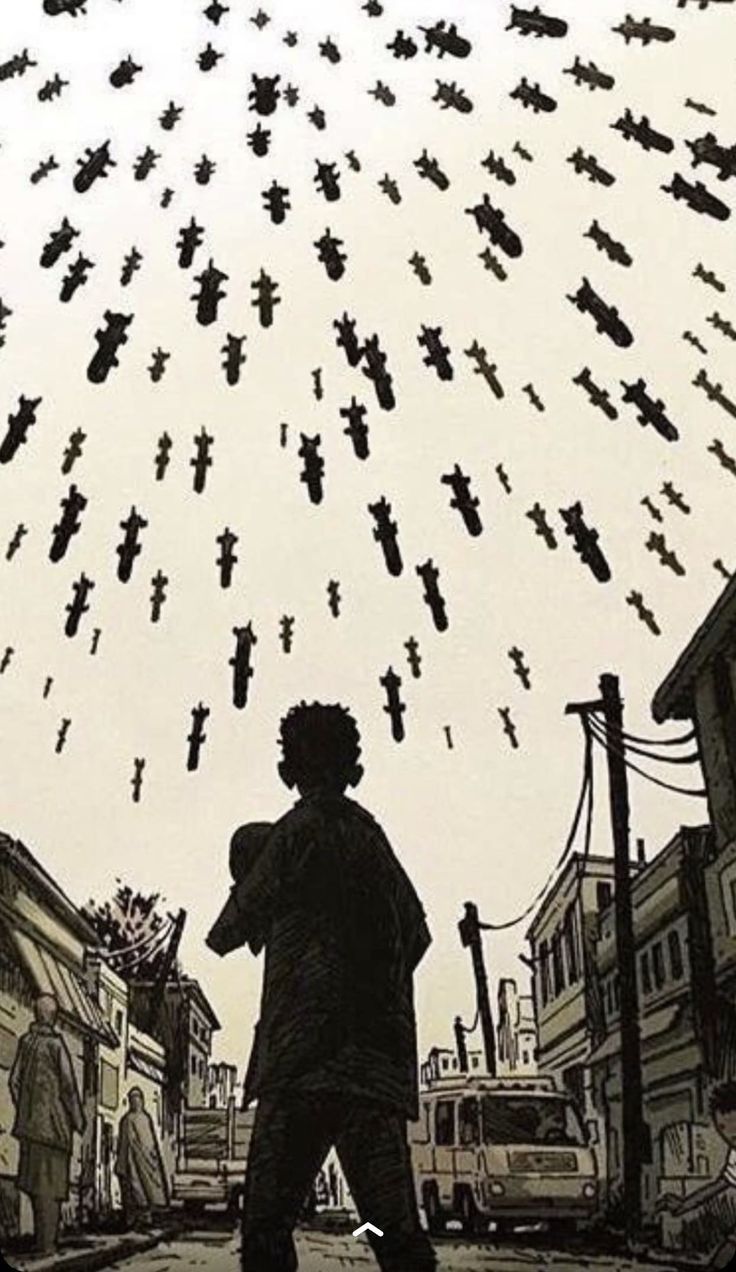
As we observe the world today, starting wars easily, bombing, and killing have become routine occurrences, it might not be necessary for us to have the kind of visions that Dr. Jung had in his time. However, his words hold significance since they reflect a deeper insight into the human psyche.

Carl Jung On Psychosis
Carl Jung Depth Psychology

Let’s read what he speaks about his visions:

“But the spirit of the depths uttered: No one can or should halt sacrifice. Sacrifice is not destruction; sacrifice is the foundation stone of what is to come…
“The mercy that happened to me gave me belief, hope, and sufficient daring not to resist the spirit of the depths further but so utter his words. But before I could pull myself together to really do it, I needed a visible sign that would show me that the spirit of the depths in me was, at the same time, the ruler of the depths of world affairs.

It happened in October 1813, when I was living alone on a journey. During the day, I was suddenly overcome by a vision in broad daylight: I saw a terrible flood that covered all the northern and low-lying lands between the North Sea and the Alps. It reached from England up to Russia and from the coast of the North Sea right up to the Alps. I saw yellow waves swimming through rubble and the death of countless thousands.

Carl Jung: “On Pictures In Psychiatric Diagnosis” – Carl Jung Depth Psychology

The vision lasted two hours; it confused me and made me ill. I was not able to interpret it. Two weeks passed, then the vision returned, still more violent than before, and an inner voice spoke: “”Look at it; it is completely real, and it will come to pass. You cannot doubt this.“” I wrestled again for two hours with this vision, but it held me fast. It left me exhausted and confused. And I thought my mind had gone crazy.

Jung discussed this vision on several occasions, stressing different details like in his 1925 seminar Introduction to Jungian Psychology (p. 44f), to Mircea Eliade, and Memories (pp. 199-200):

{Jung’s versions were frightening as he saw even a sea of blood over the northern lands. He explains: }

As a psychiatrist, I became worried, wondering if I was not on the way to “doing a schizophrenia,” as we said in the language of those days… I was just preparing a lecture on schizophrenia to be delivered at a congress in Aberdeen, and I kept saying to myself: “I’ll be speaking of myself! Very likely, I’ll go mad after reading out this paper.” The congress was to take place in July 1914 – exactly the same period when I saw myself in my three dreams voyaging on the Southern seas. On July 31st, immediately after my lecture, I learned from the newspapers that war had broken out. Finally, I understood. And when I disembarked in Holand on the next day, nobody was happier than I. Now, I was sure that no schizophrenia was threatening me. I understood that my dreams and my visions came to me from the subsoil of the collective unconscious. What remained for me to do now was to deepen and validate this discovery. And this is what I have been trying to do for forty years.

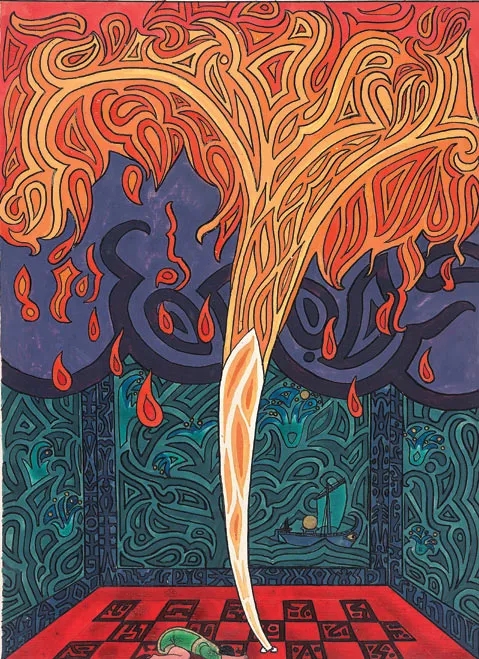
The fire from the egg in Carl Jung’s Red book

In the year 1914, in the month of June, at the beginning and end of the month, and at the beginning of July, I had the same dream three times: I was in a foreign land, and suddenly, overnight and right in the middle of the summer, a terrible cold descended from space. All seas and rivers were ice-locked, and every green living thing had frozen.
The second dream was thoroughly similar to this. But the third dream at the beginning of July went as follows: I was in a remote English land. It was necessary that I return to my homeland with a fast ship as speedily as possible. I reached home quickly. In my homeland, I found that in the middle of summer, a terrible cold had fallen from space, which had turned every living thing into ice. There stood a leaf-bearing but fruitless tree, whose leaves had turned into sweet grapes full of healing juice through the working of the frost (like the ice wine). I picked some grapes and gave them to a great waiting throng.

[Draft: This was my dream. All my efforts to understand it were in vain. I laboured for days. Its impression, however, was powerful (p.9). Jung also recounted this dream in Memories].

Can we interpret the end of his dream, where sweet grapes are present, as a positive outcome of human madness? Who knows! Anyhow, hope dies last.🙏💖

Source: The Red Book by C. G. Jung, Liber Novus, A Reader’s Edition; Sonu Shamdasani

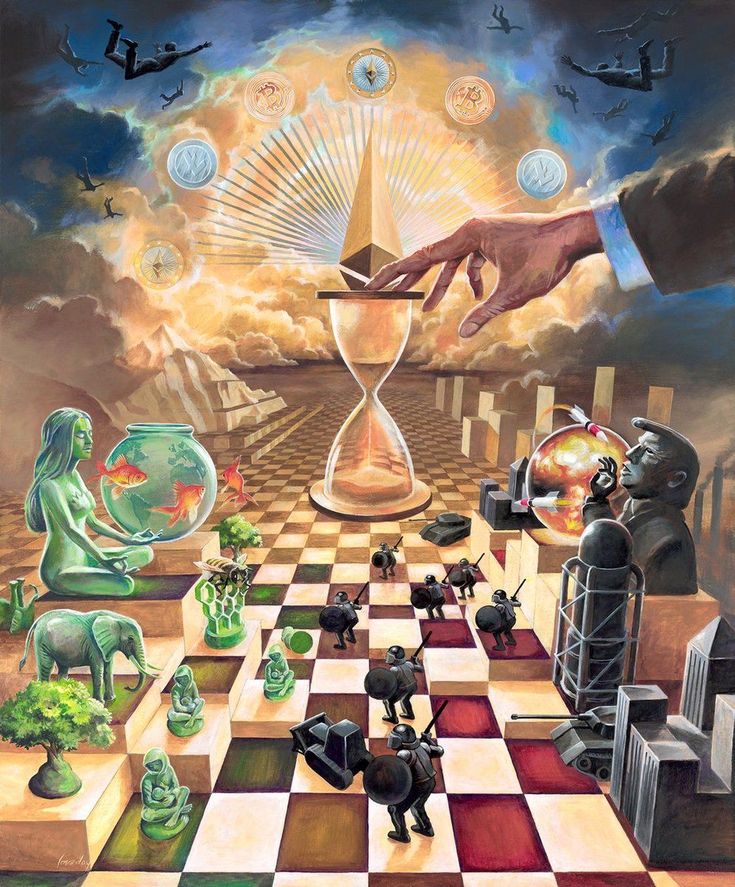
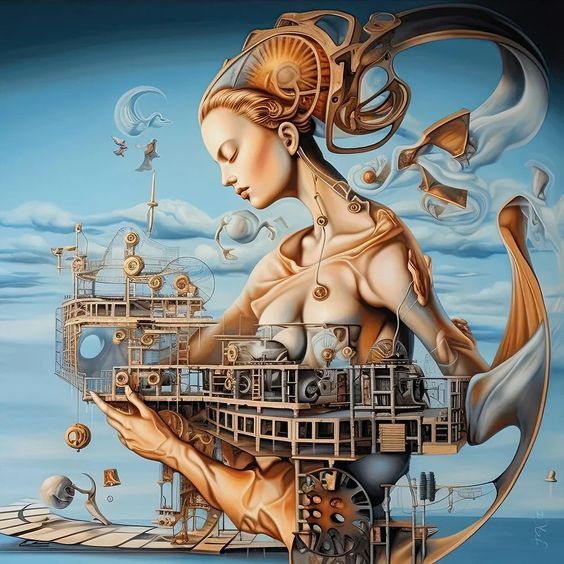
Title illustration by Mariusz Lewandowski