
Al, Me, our Close Encounters of the Second Kind, and Dr C.G.Jung! Part 3 (Including odd Visions, Dreams and Concepts. Abduction!?!)
Kortizes
In this third part, I want to tell you about the after-effects on us (at least on me) of our experience that night. (here & here are the last parts if one hasn’t read them yet.🙏)
These after-effects, what I mean, are the dreams and some spectacular visions which I had.
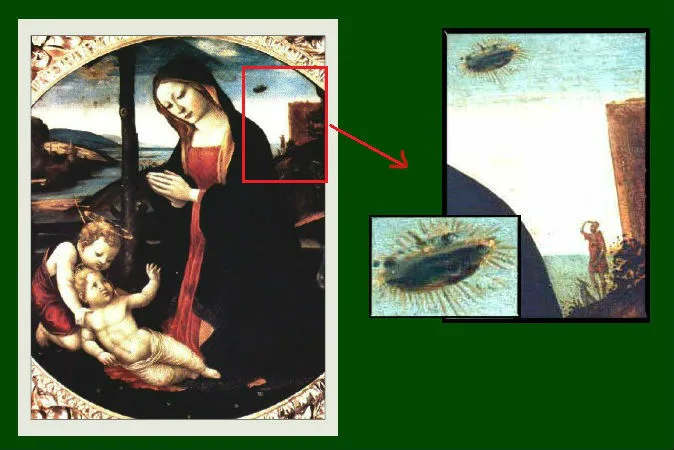
But first, let’s have a look at our past (historical and religious). We see these Sagas talking about the Gods and Goddesses coming from above (the sky) down to the Earth. I can remember well once I asked my Mum; why when we pray, we hold our hands towards the sky and look there up? She answered; because the Earth is full of sin and filth, and the sky is pure and innocent. I don’t know if she found it out herself or picked it up somewhere, but in any case, it convinced me.
Yahoo/Movies
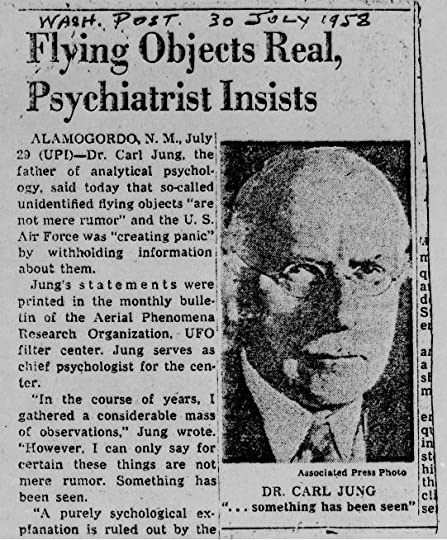
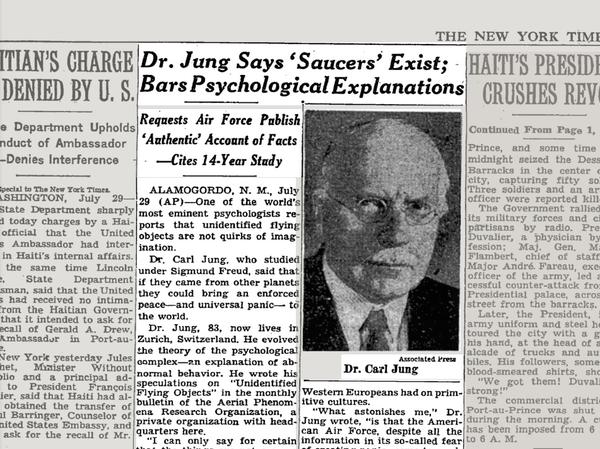
Here Dr Jung explains;
“In the threatening situation of the world today, when people are beginning to see that everything is at stake, the projection-creating fantasy soars beyond the realm of earthly organizations and powers into the heavens, into interstellar space, where the rulers of human fate, the gods, once had their abode in the planets… Even people who would never have thought that a religious problem could be a serious matter that concerned them personally are beginning to ask themselves fundamental questions. Under these circumstances, it would not be surprising at all if those sections of the community who ask themselves nothing were visited by `visions,’ by a widespread myth seriously believed in by some and rejected as absurd by others.”–C. G. Jung, in Flying Saucers?
After our encounter that very night, I’ve begun having dreams whenever I took a nap. These naps are common to the addicted people currently in a hangover state. Unfortunately, I can only remember two of them; 1- I dreamed that Al and I were lying on our couch looking TV. Suddenly I noticed the ground beside me was digging out, and a coffin came out of the Earth. My heart was beating fast, and I saw a sign like a cross on the top of the casket. Then, the cover slipped aside; as I eagerly looked inside, I woke up!
2- I dreamed about that night of our encounter on the roof. That was actually the continuation of that moment when the ship stood directly above our heads. In my dream, it hovered a while and came down in front of us, and a gate (a big door) opened, and some small creatures (typical aliens) came out of it. They walked nearer, took Al over their hands, and carried him into the ship. Then everything turned white in front of my eyes; I couldn’t see anything, only white and I woke up! We didn’t talk so much about these dreams. Al has always been a good dreams interpreter, but he kept silent about these too.
When we came to Germany, an issue caught us up in the early 90s: Abduction. Although this is an old issue, it became famous in the early 60s, with the Betty and Barney Hill abduction generating widespread publicity. I don’t want to get into the details and cause a long read. I just want to mention that it became trendy in the 70s and 80s through many books with hypnotized Inhalt and many movies on this topic. And as Al and I were in the free world, we began immediately to deal with this topic.

There were many books to read, and we’ve got most of them, among others; Whitley Strieber, David M. Jacobs, Budd Hopkins, Raymond E. Fowler, and John E. Mack, whom we have met personally in the Bern, Switzerland, in a three-day seminar on this issue. Hopkins, Jacobs and Mack’s accounts of alien abduction became a prominent aspect of ufology under Dr Jung’s thesis on psychological experiments. . Of course, one must mention that one of the organizations was Erich von Däniken.
In this seminar was that we had an opportunity to talk to Dr Mack; That was the second day, late afternoon, when Al and I sat at one of the tables, suddenly we saw him with his secretary standing near our table and looking confused, saying; who is here English speaking?! Al raised his hand, and he ran to us at once and said, thank goodness, here all are speaking German!
Anyway, we began to talk, and as he asked about our experiences, we told him our stories and then I told him about my dream of this. He laughed and said, you are who was brought to the ship and not your brother!
Dr Mack was a wonderful, friendly and intellectual man who enthusiastically worked with many people who had abduction experiences (abductees) and tried to help them with hypnotizing to solve their trauma. Unfortunately, On Monday, September 27, 2004, he died in London after a (dubious) car crash, and many questions remain unanswered.

Dreamstime.com
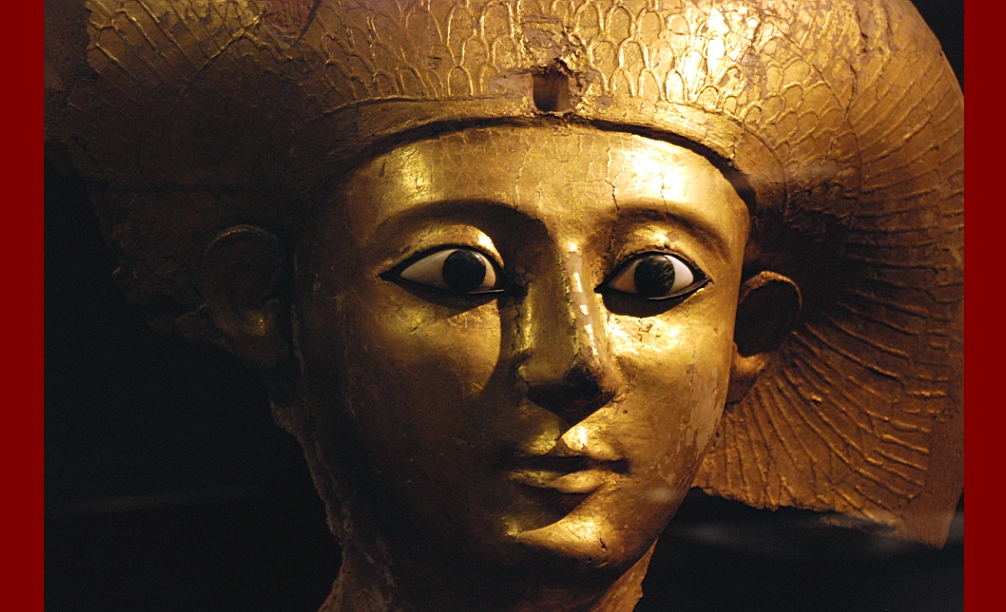
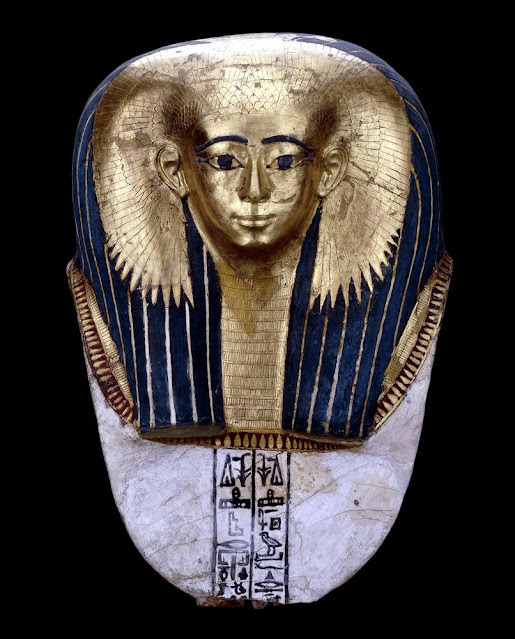
In the coming years, I had many visions like seeing shadows and hearing voices, especially on the nights when I slept; someone called my name so loudly that I woke up! But one of them is so weird that I must write here: it was one or two years before my brother Al left this Earth; I say it because I have a strange feeling that it has something to do with that. I was swamped with my work those days, and I remember I was exhausted and wanted to sleep. When I lay down on my bed and closed m eyes, I saw a face in front of me, inside my eyelid! It was so clear that I shockingly opened my eyes. I looked around and wondered what it was? I closed my eyes but saw it again, as it never faded. I opened my eyes somehow terrifyingly. Shortly said, I did it several times, and with every closing of my eyes, it was clearly present. Finally, I gave up and stared into my eyelids at this face; it was somehow feminine according to my feeling, and she was so real. My heart was beating faster as we were looking straight at each other. She had a round naked head and big beautiful eyes; after a while, she slowly closed her eyes as if telling me: everything would be alright, considerable suffering would come, but everything would be okay! And I went into a deep sleep.
In any case, these all are weird and inexplicable to me. Maybe someday, somewhere, I will find the answer somehow.
The strange thing about these kidnappings is that those affected have the same signage from these aliens worldwide. I don’t know if I was kidnapped or not; maybe you are too. In any case, these memories stay with me. Let’s see; perhaps the truth will show itself in the future. 😉🤗🙏💖











































 lampmagician


You must be logged in to post a comment.