Hi Friends. it’s a holiday today in some of the states in Germany (the catholic ones) not because of the Halloween but because of an old catholic ceremony to honoured the beloved ones who past away. The All Saint’s Day (here we call it Allerheiligen) it is a day to go to the cemeteries and remember of the loss.
I am at home to take the benefit of this but not going to the cemetery, not only because of my nonreligious opinion but surely for me it isn’t necessary to go to the cemetery to remember my beloved one, I have them in my heart and when I go there it’s just to look after if everything is okay!
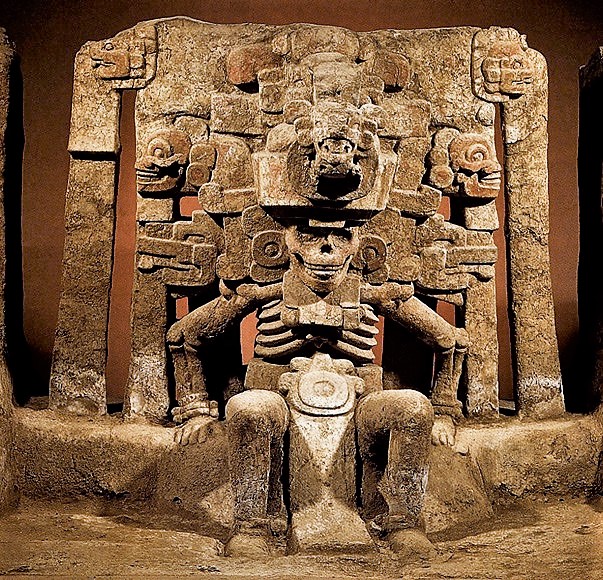
So now the reason of my writing is that I read an article in The Conversation a very interesting Website about the very ceremony of today by catholic, is not their invention but originally the Aztecs had it in those days. https://theconversationus.cmail19.com/t/r-l-jddthkjt-uihidylylr-n/
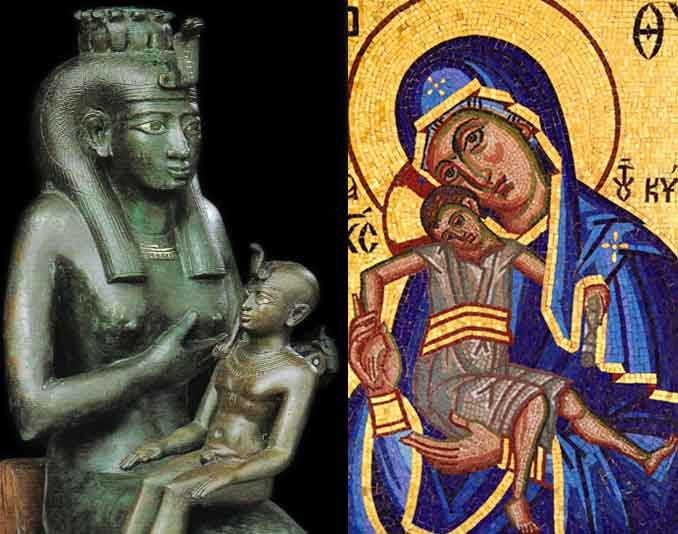
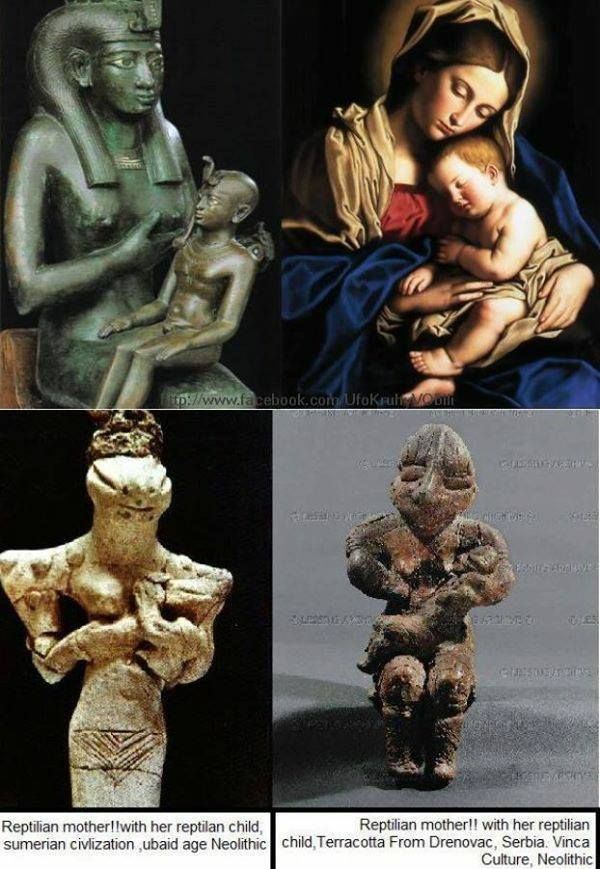
In the older history; about Mary & Jesus and Isis & Horus
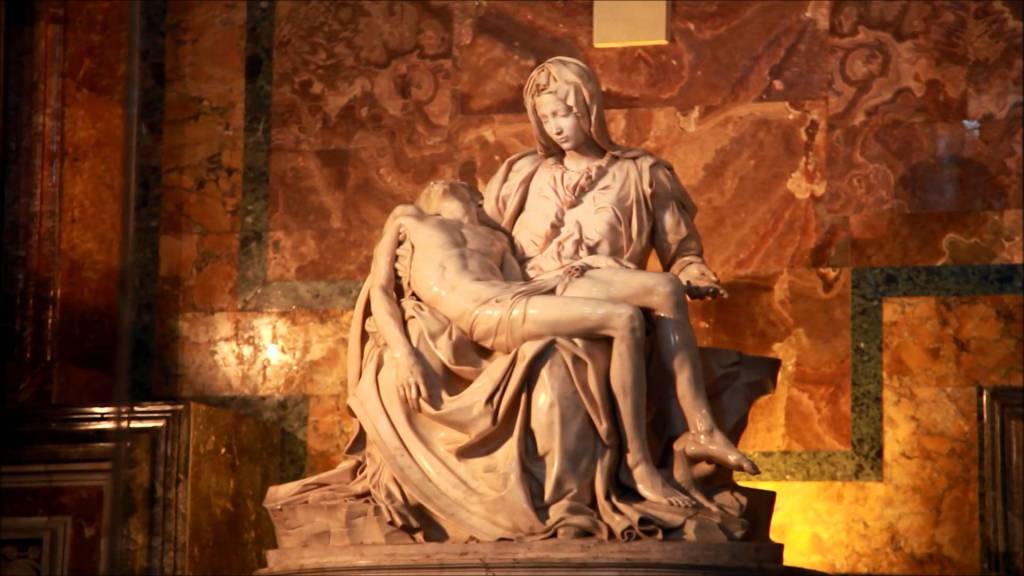
It’s really obvious as we look into the ancient history of mankind, we can find many similarities in between; for example, the famous Pieta(s) which isn’t found by the Christ on Mary’s lap:
I have found it always exciting to look after our history and from where have been all come from? There must be something important in our ancient time which had influenced all through history until now.
CONFORTABLEMENT ENGOURDI Hello, hello, hello, hello Il y a quelqu’un là-dedans ? Hoche la tête si tu peux m’entendre. Il y a quelqu’un à la maison ?
Allez, allez, allez maintenant. J’ai entendu dire que tu te sentais mal Eh bien, je peux soulager ta douleur Et te remettre sur pied
Relax, relax, relax, relax J’ai d’abord besoin d’informations Juste les faits de base Peux-tu me montrer où ça fait mal ?
Il n’y a pas de douleur, tu t’éloignes. La fumée d’un bateau lointain à l’horizon Tu n’arrives que par vagues Tes lèvres bougent, mais je n’entends pas ce que tu dis. Quand j’étais enfant, j’avais de la fièvre. Mes mains ressemblaient à deux ballons Maintenant, j’ai de nouveau ce sentiment. Je ne peux pas t’expliquer, tu ne comprendrais pas. Ce n’est pas comme ça que je suis. Je suis devenu confortablement engourdi
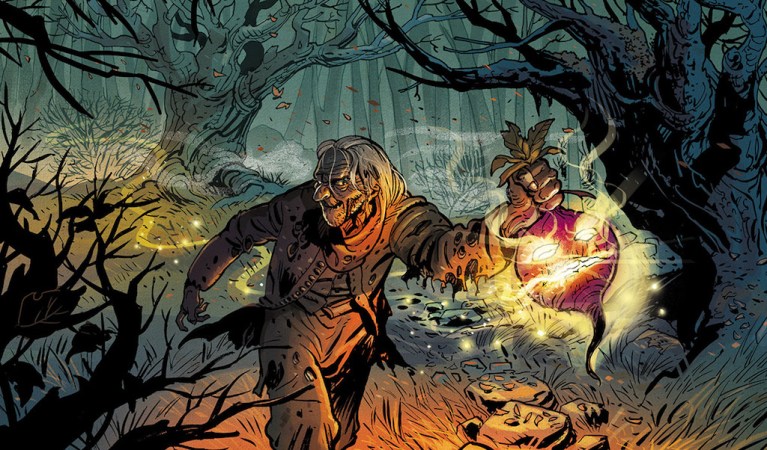
Halloween/Samhain has arrived, before I share the Spooky Tale of Stingy Jack I’d like to share some slices of pumpkin wisdom with you. This is my favorite time of year when the green leaves turn into dazzling scarlet and harvest gold. Fiery Mountain Ash show off their orange and gold, wearing their burgundy berries peaking beneath sparse leaves. Did you know these large orange gourds are fruit? A member of the gourd family Curcurbitacae pepo along with squash, gherkins, cucumbers and melons. In 2018 Steve Geddes of Boscawen, New Hampshire, grew a great pumpkin weighing in at a whopping 2,528 pounds! That’s a pumpkin that would make Linus from the peanuts gang radiate with glee. According to Guinness World Records on-line, https://www.guinnessworldrecords.com/world-records/largest-pie-pumpkin “The largest pumpkin pie weighs 1,678 kg (3,699 lb) and was made by New Bremen Giant Pumpkin Growers (USA) at New Bremen Pumpkinfest in New Bremen, Ohio…
Sweet and chaste
White mist of dawn
Tinseled dew glaze
Blades of grass..
The day comes undone
A pastel embraced rush
Beguiling farewell to
The silence of sleep.
Midnight stars lull
To the sun-struck lilts of birds
Chrysanthemum clouds offer the moon
A ride home..
On lyrical wings, gossamer.
A floral wind takes shape
In the green of leaves
Air fills with breath of flowers

I breathe into my dreams
Feeling the unfolding of my soul
I see your face draped by smiles

Your smile warmer than the morning sun.
After the death of his old friend, Albert Einstein said “Now Besso has departed from this strange world a little ahead of me. That means nothing. People like us … know that the distinction between past, present and future is only a stubbornly persistent illusion.”
New evidence continues to suggest that Einstein was right – death is an illusion.
Our classical way of thinking is based on the belief that the world has an objective observer-independent existence. But a long list of experiments shows just the opposite. We think life is just the activity of carbon and an admixture of molecules – we live awhile and then rot into the ground.
We believe in death because we’ve been taught we die. Also, of course, because we associate ourselves with our body and we know bodies die. End of story. But biocentrism – a new theory of everything – tells us death may not be the terminal event we think. Amazingly, if you add life and consciousness to the equation, you can explain some of the biggest puzzles of science. For instance, it becomes clear why space and time – and even the properties of matter itself – depend on the observer. It also becomes clear why the laws, forces, and constants of the universe appear to be exquisitely fine-tuned for the existence of life.
Until we recognize the universe in our heads, attempts to understand reality will remain a road to nowhere.
Consider the weather ‘outside’: You see a blue sky, but the cells in your brain could be changed so the sky looks green or red. In fact, with a little genetic engineering we could probably make everything that is red vibrate or make a noise, or even make you want to have sex like with some birds. You think its bright out, but your brain circuits could be changed so it looks dark out. You think it feels hot and humid, but to a tropical frog it would feel cold and dry. This logic applies to virtually everything. Bottom line: What you see could not be present without your consciousness.
In truth, you can’t see anything through the bone that surrounds your brain. Your eyes are not portals to the world. Everything you see and experience right now – even your body – is a whirl of information occurring in your mind. According to biocentrism, space and time aren’t the hard, cold objects we think. Wave your hand through the air – if you take everything away, what’s left? Nothing. The same thing applies for time. Space and time are simply the tools for putting everything together.
Consider the famous two-slit experiment. When scientists watch a particle pass through two slits in a barrier, the particle behaves like a bullet and goes through one slit or the other. But if you don’t watch, it acts like a wave and can go through both slits at the same time. So how can a particle change its behavior depending on whether you watch it or not? The answer is simple – reality is a process that involves your consciousness.
Or consider Heisenberg’s famous uncertainty principle. If there is really a world out there with particles just bouncing around, then we should be able to measure all their properties. But you can’t. For instance, a particle’s exact location and momentum can’t be known at the same time. So why should it matter to a particle what you decide to measure? And how can pairs of entangled particles be instantaneously connected on opposite sides of the galaxy as if space and time don’t exist? Again, the answer is simple: because they’re not just ‘out there’ – space and time are simply tools of our mind.
Death doesn’t exist in a timeless, spaceless world. Immortality doesn’t mean a perpetual existence in time, but resides outside of time altogether.
Our linear way of thinking about time is also inconsistent with another series of recent experiments. In 2002, scientists showed that particles of light “photons” knew – in advance – what their distant twins would do in the future. They tested the communication between pairs of photons. They let one photon finish its journey – it had to decide whether to be either a wave or a particle. Researchers stretched the distance the other photon took to reach its own detector. However, they could add a scrambler to prevent it from collapsing into a particle. Somehow, the first particle knew what the researcher was going to do before it happened – and across distances instantaneously as if there were no space or time between them. They decide not to become particles before their twin even encounters the scrambler. It doesn’t matter how we set up the experiment. Our mind and its knowledge is the only thing that determines how they behave. Experiments consistently confirm these observer-dependent effects.
Bizarre? Consider another experiment that was recently published in the prestigious scientific journal Science (Jacques et al, 315, 966, 2007). Scientists in France shot photons into an apparatus, and showed that what they did could retroactively change something that had already happened in the past. As the photons passed a fork in the apparatus, they had to decide whether to behave like particles or waves when they hit a beam splitter. Later on – well after the photons passed the fork – the experimenter could randomly switch a second beam splitter on and off. It turns out that what the observer decided at that point, determined what the particle actually did at the fork in the past. At that moment, the experimenter chose his past.
Of course, we live in the same world. But critics claim this behavior is limited to the microscopic world. But this ‘two-world’ view (that is, one set of physical laws for small objects, and another for the rest of the universe including us) has no basis in reason and is being challenged in laboratories around the world. A couple years ago, researchers published a paper in Nature (Jost et al, 459, 683, 2009) showing that quantum behavior extends into the everyday realm. Pairs of vibrating ions were coaxed to entangle so their physical properties remained bound together when separated by large distances (“spooky action at a distance,” as Einstein put it). Other experiments with huge molecules called ‘Buckyballs’ also show that quantum reality extends beyond the microscopic world. And in 2005, KHC03 crystals exhibited entanglement ridges one-half inch high, quantum behavior nudging into the ordinary world of human-scale objects.
We generally reject the multiple universes of Star Trek as fiction, but it turns out there is more than a morsel of scientific truth to this popular genre. One well-known aspect of quantum physics is that observations can’t be predicted absolutely. Instead, there is a range of possible observations each with a different probability. One mainstream explanation, the “many-worlds” interpretation, states that each of these possible observations corresponds to a different universe (the ‘multiverse’). There are an infinite number of universes and everything that could possibly happen occurs in some universe. Death does not exist in any real sense in these scenarios. All possible universes exist simultaneously, regardless of what happens in any of them.
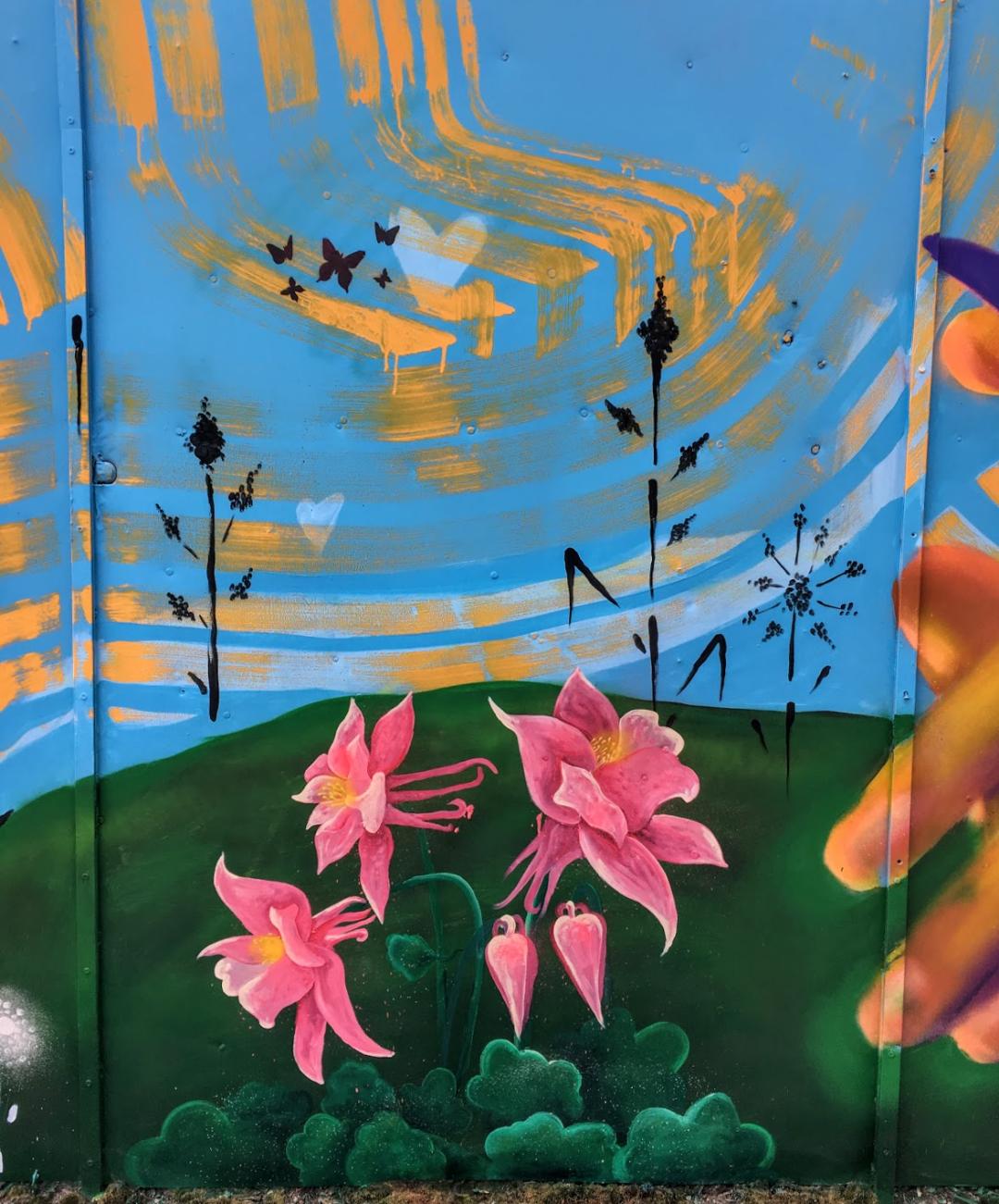
Life is an adventure that transcends our ordinary linear way of thinking. When we die, we do so not in the random billiard-ball-matrix but in the inescapable-life-matrix. Life has a non-linear dimensionality – it’s like a perennial flower that returns to bloom in the multiverse.
“The influences of the senses,” said Ralph Waldo Emerson “has in most men overpowered the mind to the degree that the walls of space and time have come to look solid, real and insurmountable; and to speak with levity of these limits in the world is the sign of insanity.”
The Freiberger Mulde (Czech: Freiberská Mulda, also called the Östliche Mulde or Eastern Mulde) is the right-hand, 124-kilometre-long (77 mi) headstream of the river Mulde, whose catchment covers an area of 2,981 km2 (1,151 sq mi) in the Czech Republic and Germany in central Saxony. It has a volumetric flow of 35.3 m3/s (1,250 cu ft/s) which is greater than that of the other headstream, the Zwickauer Mulde (or Westliche Mulde or Western Mulde) who flow is about 26.4 m3/s (930 cu ft/s),[2] which is nevertheless the longer stream.
I just have to think of a lovely river-song which I loved and used to play on the streets in the youngest times 😉
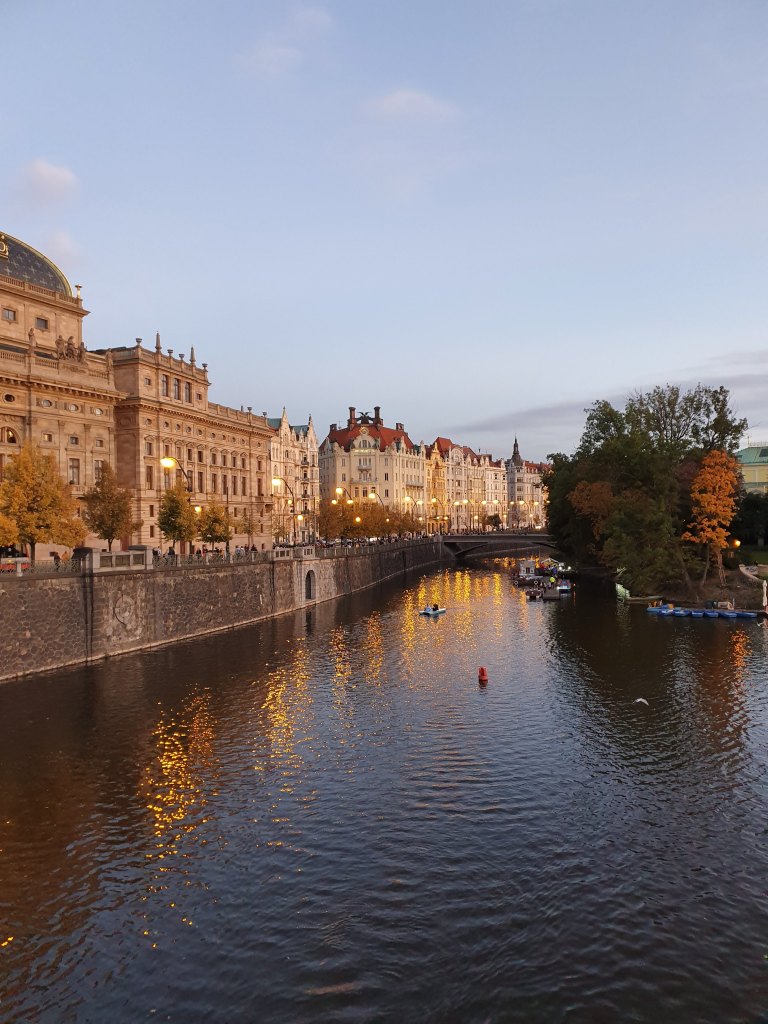
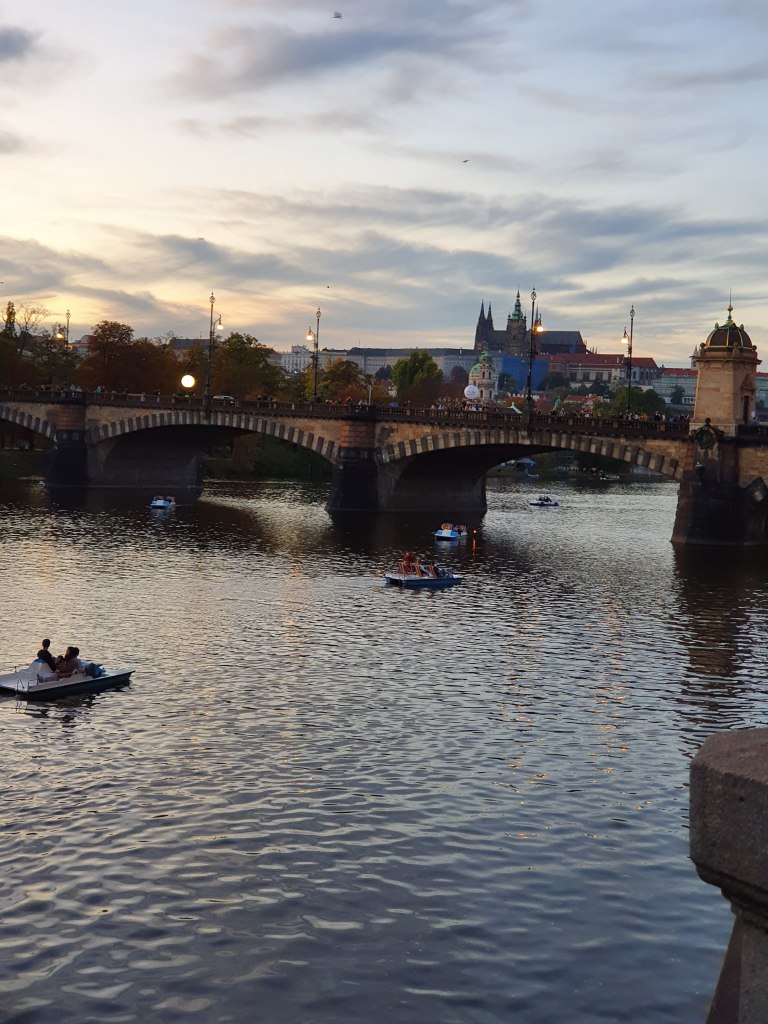
That is really one of the most beautiful and calm rivers as I’ve ever seen. As I walked along with this marvellous streaming, my mind was floating with Smetana’s Vltava (The Moldau), great Czech composer. http://Bedřich Smetana – Wikipedia
this piece fulfilled my soul as I’s watching the sparkles on the water surface.
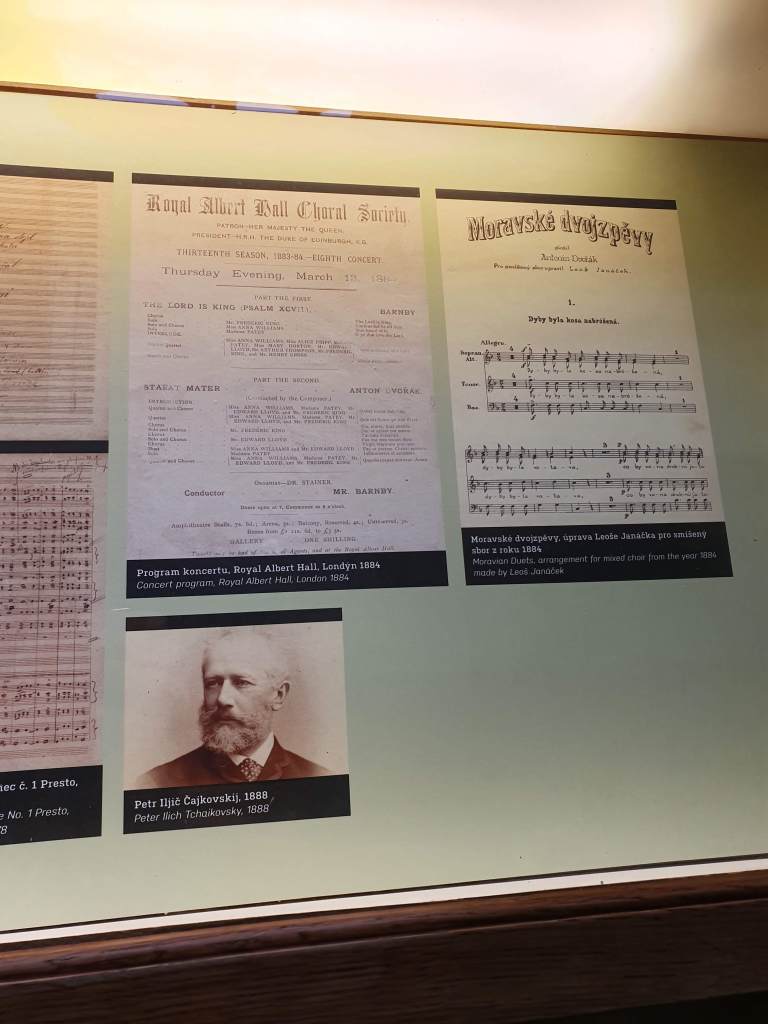
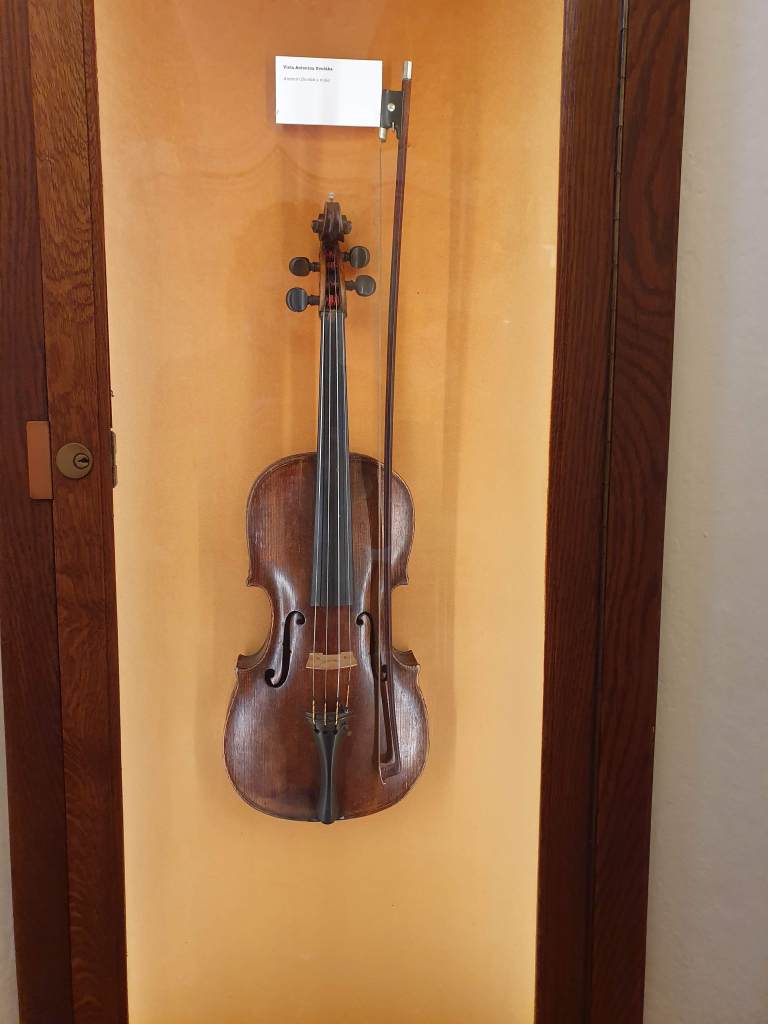
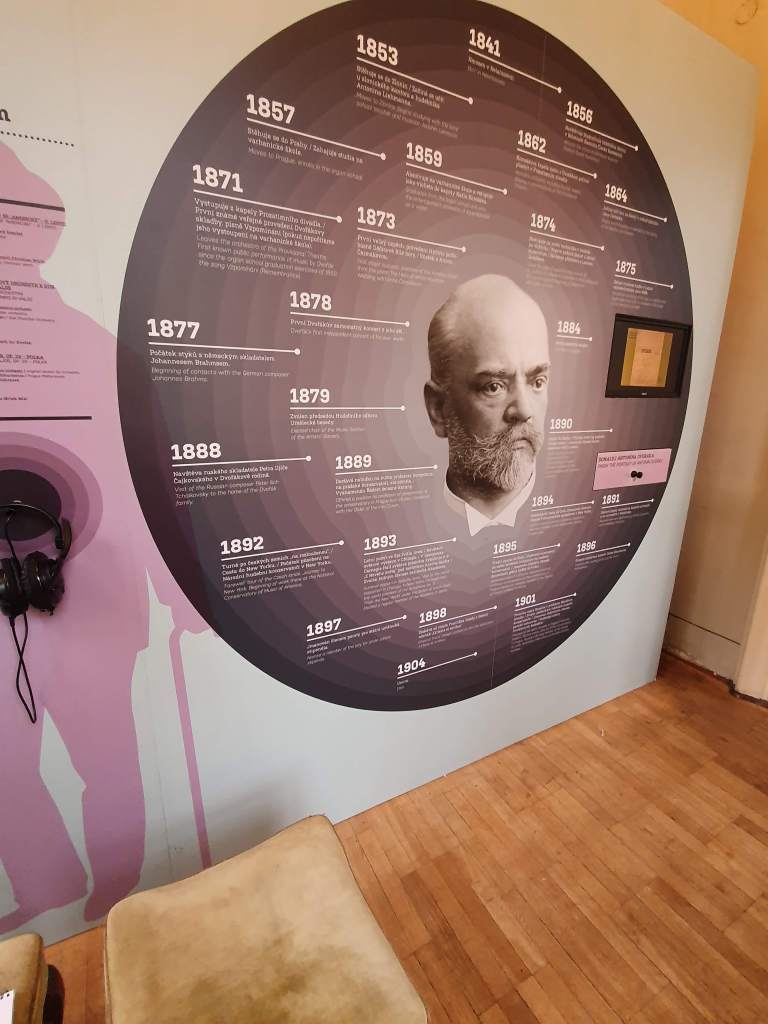
I have lost much time to search for one piece by Dvorak which I love but couldn’t find it.. damn!! Anyway, I have not share yet my favourite piece; Franz Kafka, and I will try next weekend to do it s, then; to be continued 😉 . Thank you all lovely friends and wish you a wonderful weekend ❤ ❤
“Leonardo da Vinci wrote in his Notebooks: “It should not be hard for you to stop sometimes and look into the stains of walls, or ashes of a fire, or clouds, or mud or like places in which … you may find really marvellous ideas.”
― C.G. Jung, Man and His Symbols
With thanks for continuing this wonderful description 🙏💖🙏


















 lampmagician
You must be logged in to post a comment.