
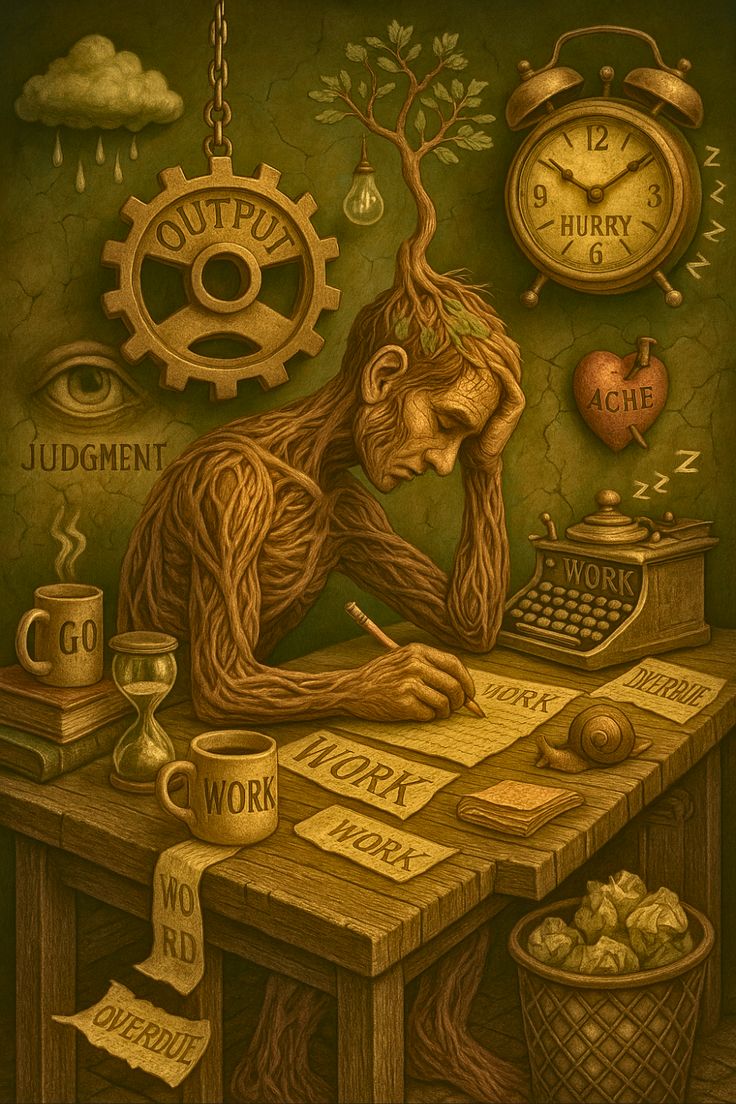
It makes no sense! Sorry to start with these words, but I am truly on the verge of exhaustion. I am trying to keep my mind clear to write stories on my site as usual, though I have not succeeded as I hoped.
Actually, it is not only the massacre of my compatriots in my birthland causing chaos in my mind, but also my thoughts and opinions on these events, which differ greatly from those of others, who, like me, have been living in exile for many years.
However, there’s a difference: other Iranians in exile have carried their country and traditions with them, but I left them behind and fled from what Khomeini called the “thirty-six million counterintelligence organisation!!” I abandoned my limited thoughts from my past to find a new life, or more precisely, to develop a new, broader way of thinking.
In the early stages of the 1979 revolution, when Tehran’s major newspapers called Khomeini the Leader (Imam) and many intellectuals and advocates of freedom supported this, Al and I differentiated ourselves by stopping our support.
We debated the wrongfulness of this action, while others argued, “Let the Shah be dethroned, then Khomeini will be out of the way!”
It reminded me of Dr Sigmund Freud, who, in the mid-1930s, said one must stop this ill-minded (Adolf Hitler), but nobody listened!
Al and I have always kept a distance from society, so I am accustomed to solitude. However, I find it puzzling that since the Women-Live-Freedom Revolution began, more Iranians have been including me in their online groups. While I feel honoured, I often disagree with their actions but cannot openly communicate my views due to my speech impediment.
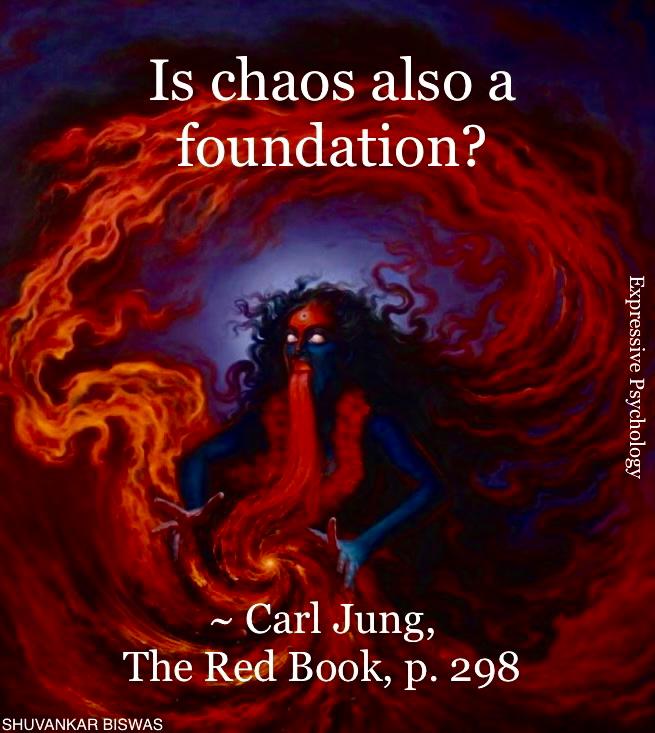
Swimming against the stream remains challenging, even though it has become my routine. I am grateful for Dr Jung’s valuable support in helping me manage that burden and how to carry that weight.
Dr Jung famously said, “In all chaos there is a cosmos, in all disorder a secret order.” He believed that the unconscious, which often seems chaotic to the conscious mind, actually has a deeper structure. Instead of viewing chaos only as destruction, Jung saw it as essential for creativity and growth. When old mental frameworks break down, it allows new, more integrated ones to form. Overthinking and mental chaos can sometimes mirror the shadow—those unconscious, repressed parts of ourselves. To explore this chaos, we must confront these disowned aspects, not just try to control thoughts. Jung’s goal wasn’t to push the mind into perfect order but to integrate its chaotic parts to achieve wholeness.
Anyway, I think I can share my thoughts more openly here because I believe you understand better!
I’m including my short essay, which I’ve shared multiple times in those groups, but it seems like either friends don’t grasp the points or simply don’t want to.
This relates to the primary question that preoccupied me: not just a warning about the awakening seen in all these events, but also an understanding of who the real enemy truly is.
Knowing the real enemy!
Throughout all these years of the Iranian uprising, I have wondered if it is clear to the opposition who or what the real enemy is: the Revolutionary Guards, the entire Islamic regime, or Khamenei himself. I am not sure if these are the real enemies – especially the last one, as we, the old-timers who were in Iran during the revolution, should have known Khamenei well. He came as a Hojjatoleslam, remained a Hojjatoleslam, and then became the leader through Rafsanjani.
Anyway, many questions remain unanswered for me, and I continue to think about them until they become clear.
In fact, the change or so-called political opening under the Shah’s regime began in the mid-seventies. I remember that this space started with television, from children’s programs to theatre performances, with the slogan: “We will wake you up!” Television also began showing full-length films that had previously been censored or banned. The street demonstrations were for freedom and a free press and were not religious in nature. However, following the Cinema Rex fire and Khomeini’s trip from Iraq to France, these events were framed in religious terms.
I believe that at that time, Western influence took over the revolution to protect it from leftist ideologies and Soviet interference. Even reputable newspapers such as Kayhan and Ettelaat referred to Khomeini as the Imam, and, unfortunately, the intellectual community supported this move, hoping to spread the revolution. Ultimately, it led them to lose focus on the revolution’s main principles.
Of course, we are aware of the process of how the revolution progressed and won. But here a question arises: how is it possible for the West to lead the revolution as a religious action under the rule of the mullahs, but not to consider its own subsequent interests? America and Britain spent money and overthrew the government of Dr Mossadegh in a coup. Still, suddenly, in the 57 revolution, they abandoned everything and left the future of Iran to fate with a mullah government? Did they think that simply preventing the revolution from falling into the hands of the leftists, regardless of what would happen next, was enough?
I can never imagine such a thing! I believe that this was a long-term plan to take control of Iran, to create a regime under its command, without any ideology, and simply to destroy the country and kill the future geniuses and thinkers, as we have been witnessing for years. Yes! I believe that this regime has no ideology; as we remember from the very beginning, they purged the intruders by assassinating or bombing and killing the ideologues and their leaders.
And this monkey game of endangering Iran’s nuclear program is simply a tactic to spread fear and panic, with the aim of greater success and greater influence.
I conclude that our primary enemy is the same as it has always been, and the only way to fight this dangerous and eternal enemy is to remain awake and aware.
Thanks, everyone, for reading and hopefully understanding my perspective.🙏💖

 lampmagician
You must be logged in to post a comment.