
via https://oulbooks.com/blogs/news/84600068-kali-the-misunderstood-goddess
January 26, 2016
Goddess Kali (pronounced Kaali) baffles the modern mind. The image of Kali would probably give a nightmare to a tender mind or even appear grotesque. But for centuries, India has known Kali as raw feminine energy and as a manifested Goddess. Though she is fierce, no child growing up in India fears Kali. So, what’s in this fierce female form of Kali that makes her a Divine mother in India? Or is Kali yet another tool in the ancient Indian pedagogy to communicate quantum truths to lay intelligence?

Face to face with Kali…
If Goddess Kali was to come face to face with us, this is how she would show up – She would be ferocious, dark, wild-haired, wearing a mala (garland) of skulls around her neck (Kapalini), having several hands with many weapons in them but one hand with the cut-head of a demon. Her blood-lust tongue will be protruding from her mouth, her eyes would be red and her face and breasts sullied with blood. Well, this is how she is described in the scriptures.
This form though wild may not be so dissimilar to an exploding star in the cosmos or even a tsunami. What is a supernova in the cosmos is Kali to the human mind? Kali is said to be the manifestation of the terrible function of matter. Meeting Kali could be akin to a tsunami from the very same ocean that was gentle a minute ago – lashing smoothly onto the beaches. That’s the Kali experience according to the scriptures. India knows Kali, hence her form doesn’t scare anyone in India. Kali is ultimately understood to be the very dynamic, expressive and concretized force of the unmanifest reality.

Kali as in the sourcebooks…
It’s no surprise that the modern mind scoffs at such imagery. The scientific mind thinks this is mumbo-jumbo-voodoo stuff without making any attempt to learn more. The very sourcebooks where Kali is mentioned is almost never looked at. But it’s not their fault. Subjective stuff cannot be put under the microscope. After all spiritual things are best understood spiritually not scientifically. Just as we have freakish looking nebulae in the textbooks of astronomy, so is Kali in the books of Indian spirituality as a burst of energy. Yet in the source-book on Kali, she is the “Achintya rupa Charite Sarva shatru vinaashini” meaning “You of unimaginable beautiful form and energy, destroyer of all obstacles…” and she is ‘Jayanti’ (Ever-Victorious) and ‘Mangala Kali’ (Ever-Auspicious).
The imagery of Kali that comes from a spiritually advanced and mature Indian civilisation has to but sublime and sophisticated. The treatment is transformational. The spiritual teachers suggest that to understand Kali is to give way to insightful knowledge that is the culmination of a subjective self-discovery. The deeper level of understanding required to understand Kali seems to be in the realm of a quantum subjective experience rather than an intellectual one. After all the suggestive name Kali comes from the word “Kaal” or time which is a subjective concept. Primarily Kali projects herself as the power of “Time” that devours all. Kali also means “black”.

The Mahanirvana Tantra says,
“Just as all colours disappear in black, so all names and forms disappear in Kali.”
The authoritative classic ‘Devi Mahatyam’ in the Maarkendeya Purana invokes Kali to:
“Please endow this self with knowledge….You who destroy negative thoughts, You who tears apart ignorance, to this self who bows to you…….She with the gloriously resplendent countenance, the destroyer of the great ego, is seated upon the lotus of peace.”
A cosmic power of destruction is thus depicted in this imagery of an awe-inspiring and renewing aggression. The Indian sourcebooks declare that the ferocious Kali is actually the divine mother whom no devotee fears, rather with whom millions of worshipers have a very loving bond.

Insights on Kali…
Kali, as we understand from the Indian scriptures, is a manifestation of Shakti -the personification of the universal creative energy. In typical Vedantic explanation, Kali is the fiery manifestation of the unmanifest which has in itself all powers – just as the earth shows her power in a volcano. This is further explained by the experiences and insights on Kali by today’s spiritual teachers and scholars.
Spiritual teacher Bob Kindler, in his insightful book ‘Twenty-Four Aspects of Mother Kali’ writes,
“Kali, the boundless ocean of spiritual wisdom is the Divine Mother of the Universe. She manifests countless beings abiding in an infinite set of worlds, seen and unseen, gross and subtle, hidden and exposed. Ultimately, she is realised as the sense of limitless Consciousness, Infinite, indivisible, all pervading and absolute“.
Elizabeth U.Harding in her book ‘Kali: The Black Goddess’ explains
“As the Master of Time, Kali consumes all things. Everyone must yield to her in the end. Kali confronts man with his pitiful finite attachments, devours them, and then spits them back out in a different form in a different time. Thus the wheel turns…”
David Kinsley, the Canadian Professor of religion, in his book ‘The Sword and the Flute — Krsna and Kali’, notes
“the tumultuous, wild, uncontrollable aspects of the divine… are elaborated and pushed to extreme lengths in Kali.”
The Indic scholar David Frawley in his book “Tantric Yoga and the Wisdom Goddesses’ explains
“Kali teaches us that if we give up our attachment to the events of our lives, we gain mastery over time itself… the resurrection of the Divine Self within us.”

The episode of Raktabheeja and Kali…
A despot named Raktabheeja (a personification of toxic-negativity and tyranny) had a boon that every drop of his spilt blood would clone him. So in the battle with Goddess Durga, every time he gets killed he multiplies. Kali is summoned out of an impulse by Goddess Durga appears and devours him to deactivate his boon. About the slaying of Raktabheeja, the Devi Mahatmyam says gives out the hidden meaning of this episode thus
“Raktabijavadhe devi chandamunda vinaashini, Rupam dehi jayam dehi yasho dehi dvisho jahi”
meaning
To you who slew (vadhe) the seed of desire – Raktabheeja, Oh Goddess, destroyer (vinashini) of the demons of passion and anger (chanda and munda)
Grant us your form (rupam), Grant us victory (jayam), Grant us glory (yash), remove all hostility (disho jahi)
Symbolically for those in the path of knowledge and meditation, Raktabheeja is the untiring multiplicity of desires. To the seeker, who develops the ability to decode the suggestive language of the devouring of Raktabheeja, understands that the Kali symbolism stresses a radical self-effort to achieve peace. Indian spirituality uses such imagery and symbolism to present negative qualities as demons and annihilates their imagined egos. The contemplative seeker is also asked to the same.
Hence,
‘There must be a deep, determined, adamantine resolve, and a fight royal within, as sanguine as Kali’s ferocious sword dripping with blood; and unless the seeker of truth is ready to wear about his neck the skull-mala of these murdered false values there can be no peace or order within’,
as the world-renowned Vedanta Teacher Swami Chinmayananda puts it. Kali is ultimately the antidote to the false values that create chaos.
~ Ram Lingam



![Francis-Bacon-Three-Studies-for-Figures-at-the-Base-of-a-Crucifixion-c.1944[1]](https://lampmagician.com/wp-content/uploads/2018/05/francis-bacon-three-studies-for-figures-at-the-base-of-a-crucifixion-c-19441.jpg?w=687) Francis-Bacon-Three-Studies-for-Figures-at-the-Base-of-a-Crucifixion-c.1944 In 1936 the painter and art dealer
Francis-Bacon-Three-Studies-for-Figures-at-the-Base-of-a-Crucifixion-c.1944 In 1936 the painter and art dealer 

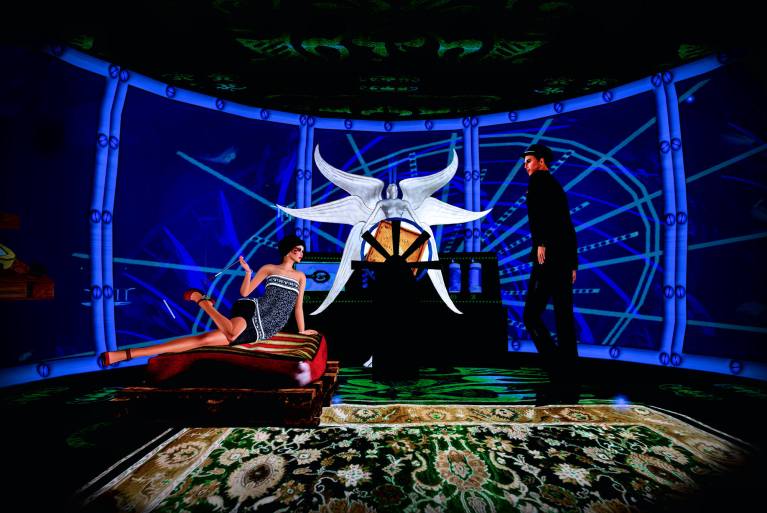
 My woman’s body is entering the dark time of the moon, even with blinding white snow lashing the windows, even with a full moon tracing its way far above thick clouds. My mood is black and soon I’ll be flowing red, and the snow will just drive on white, white, white.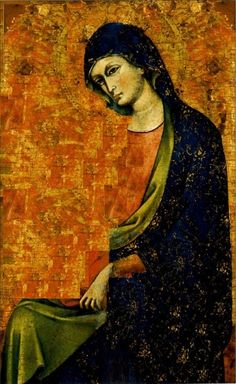

 A Music Party, 1861, Arthur Hughes.
 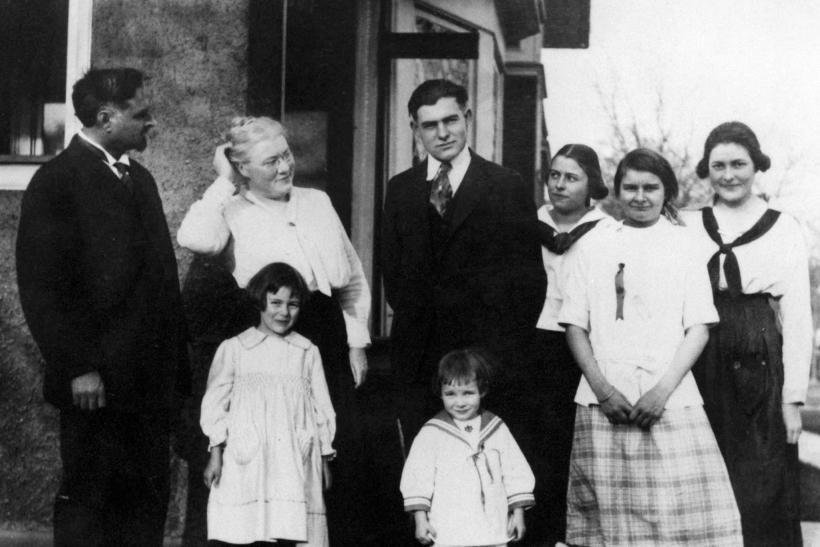 Ernest Hemingway and his family at his boyhood home at 339 N. Oak Park Place Ave in Oak Park, Illinois. 1918. The Hemingway family from left to right: his father, Dr Clarence; his mother, Mrs Grace, Ernest; Madelaine; Ursula; Marcelline and Leicester and Carol in front. Reuters file photo via
 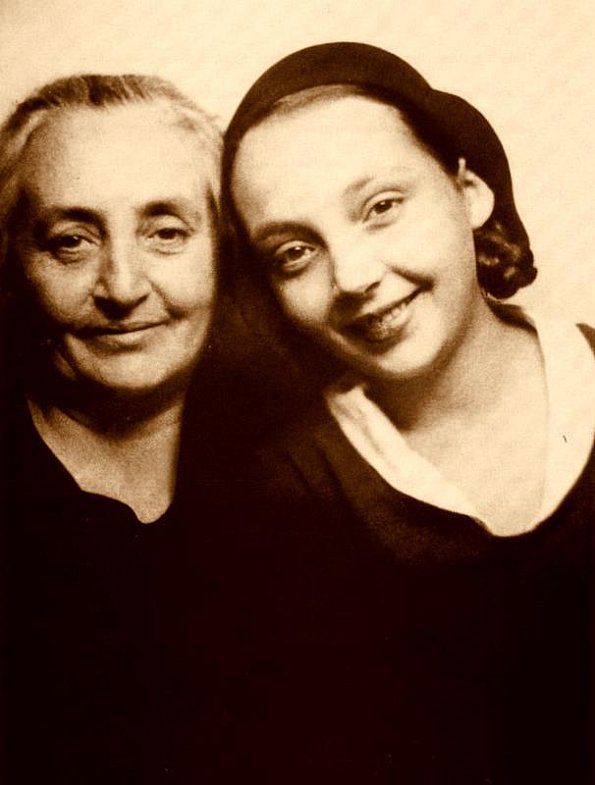 Marguerite Duras with her mother, Marie Donnadieu, via
 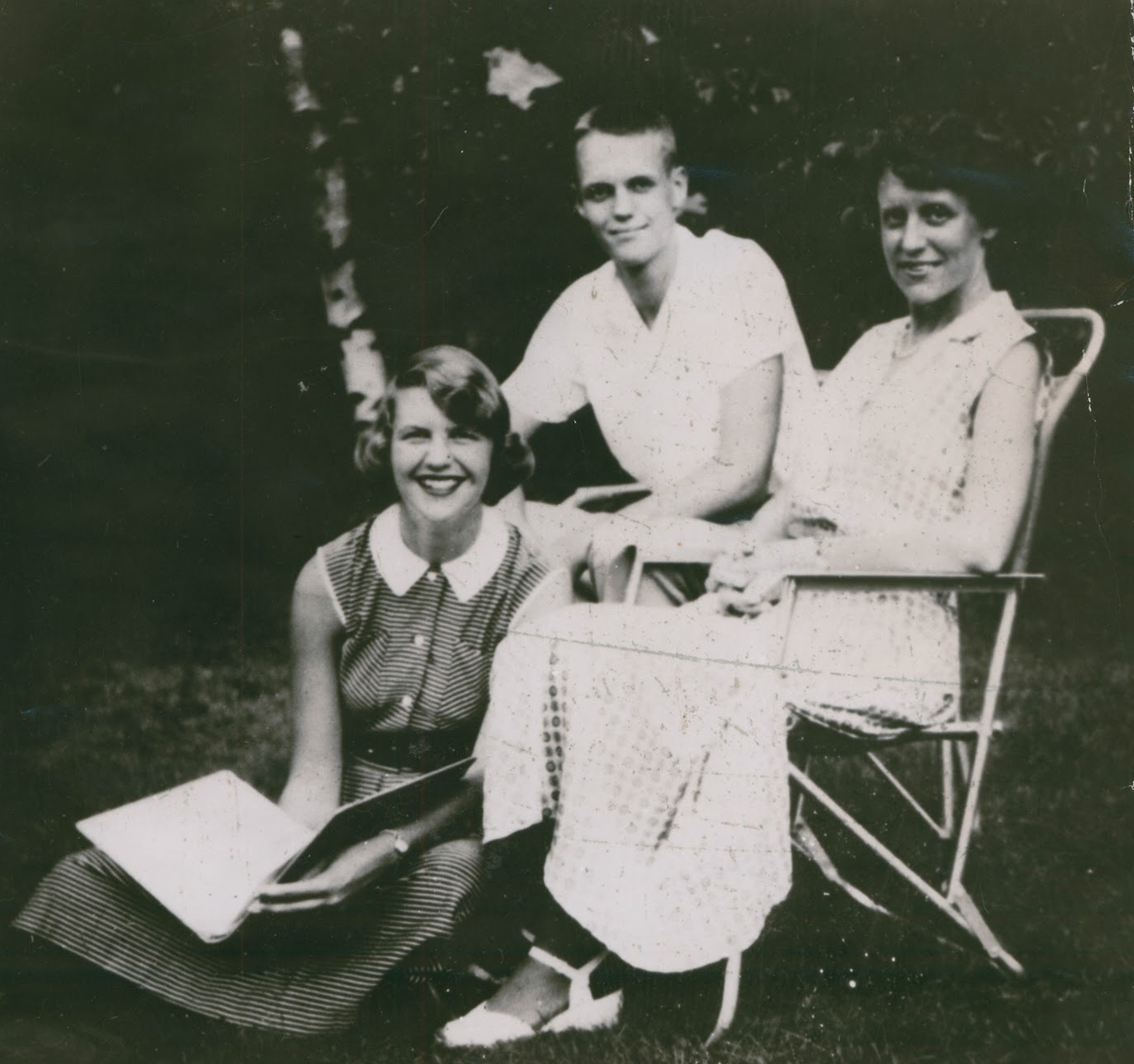 Sylvia Plath with her mother Aurelia and brother Warren, circa 1952, via
 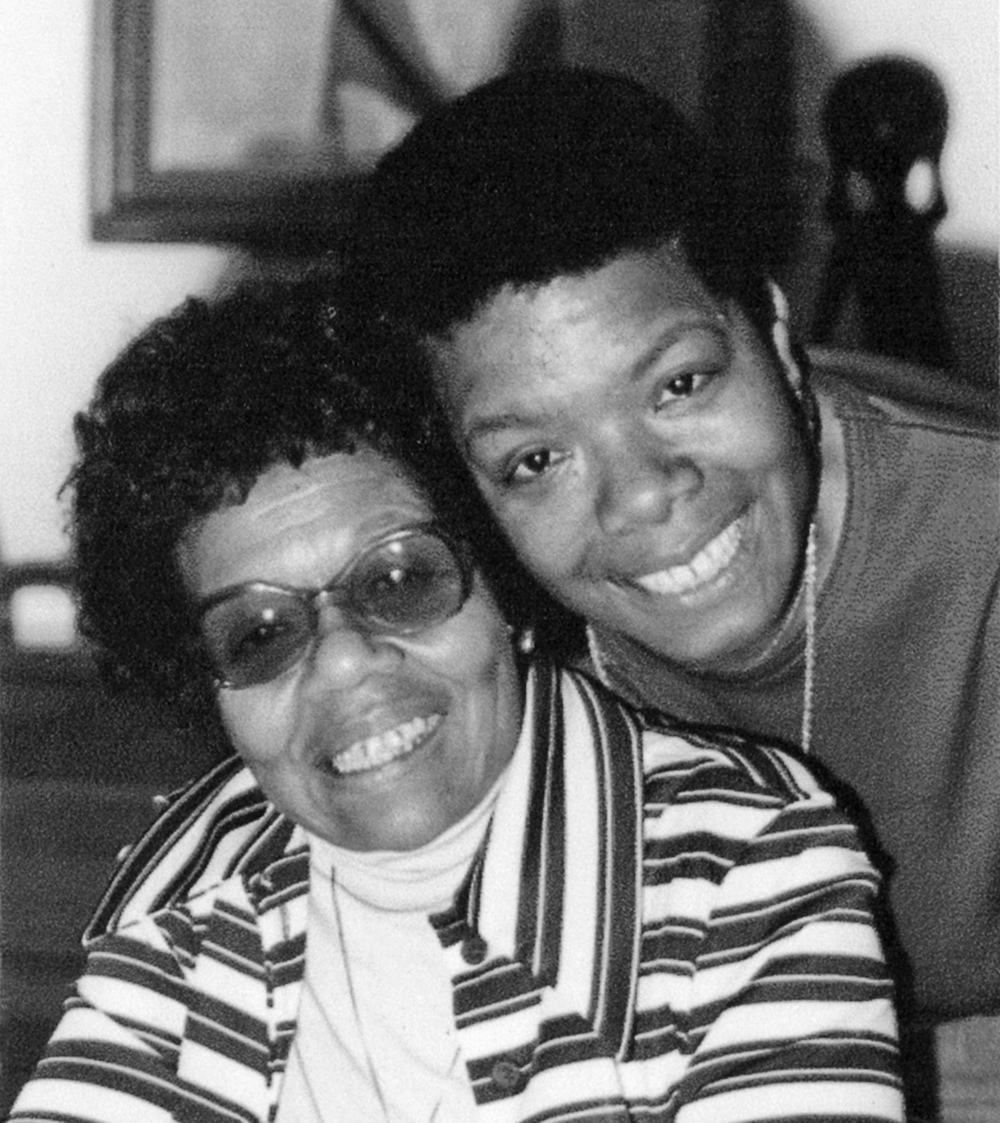 Maya Angelou and her mother, Vivian Baxter. Random House via
 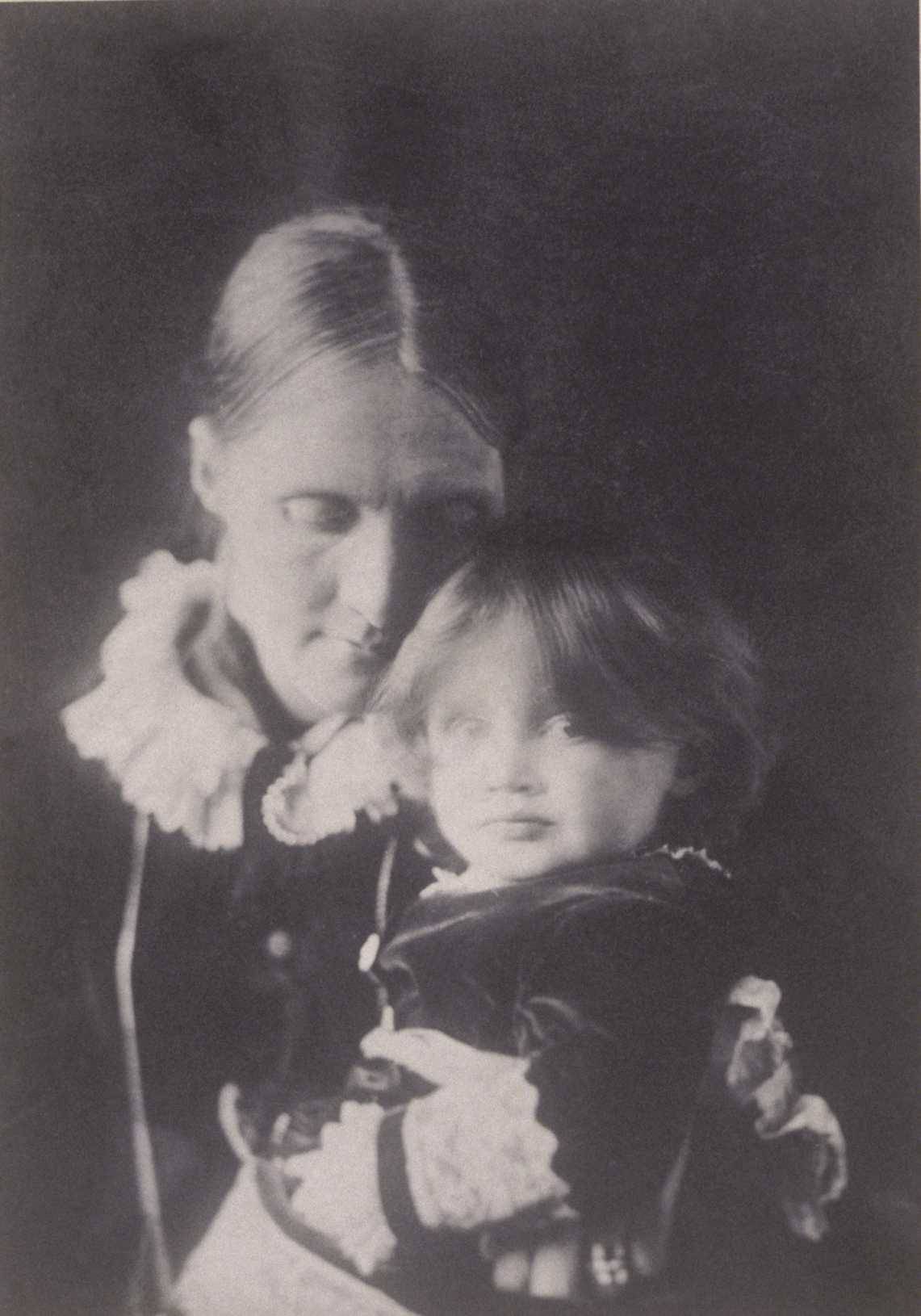 A young Virginia (Woolf) with her mother, Julia Stephen. Photo by Henry H. H. Cameron via
 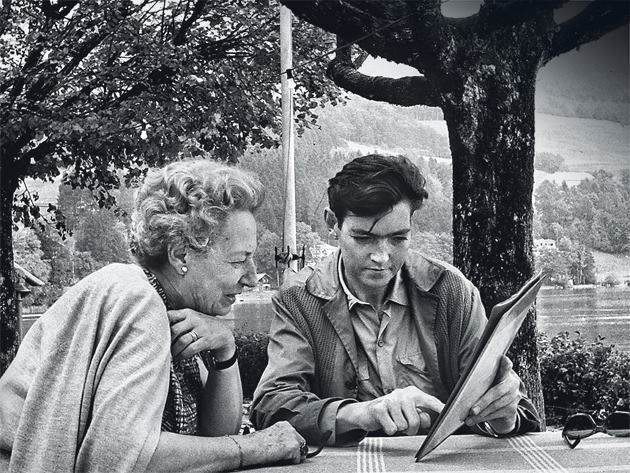 Julio Cortazar with his mother in Austria, 1963, via
 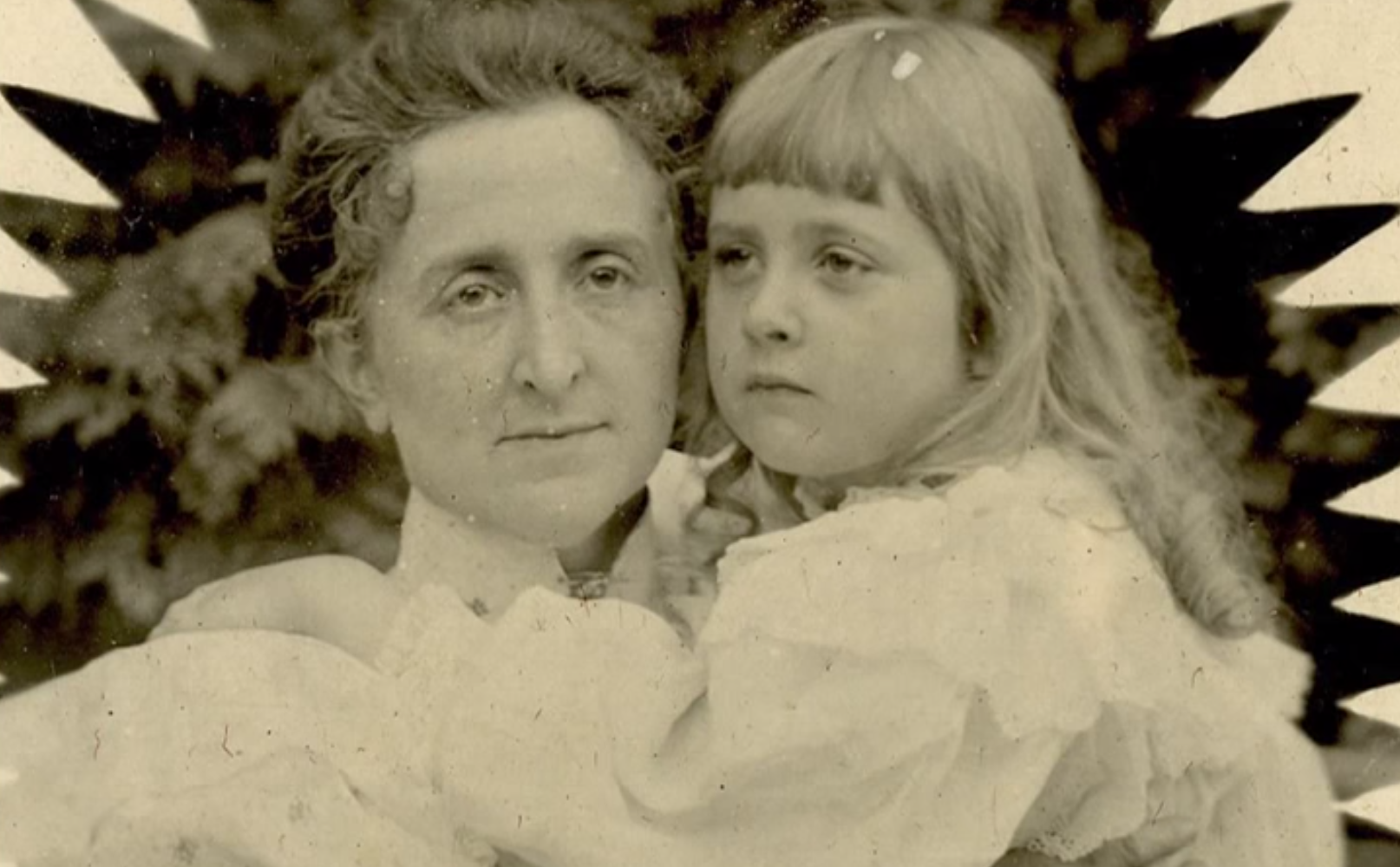 Agatha Christie with her mother, Clara, via
 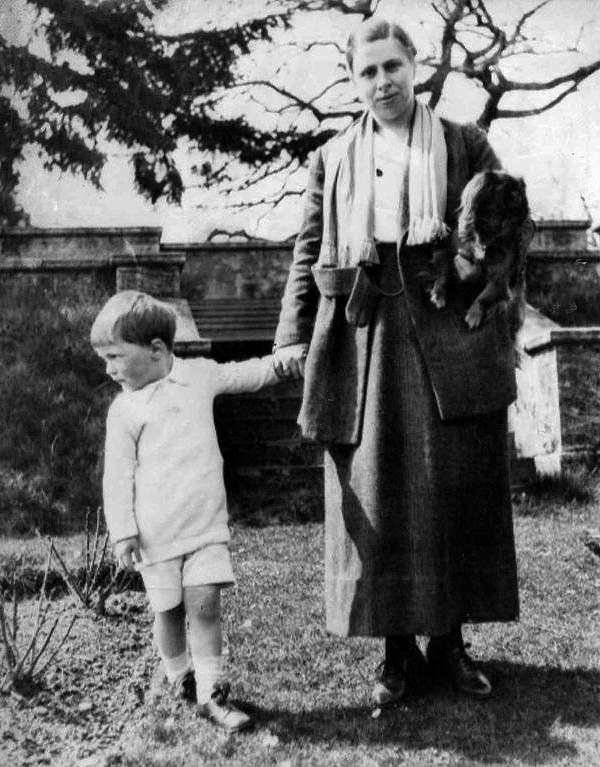 A young Roald Dahl with his mother, Sofie (and pet dog) in the garden of Ty Mynydd, circa 1919, via
 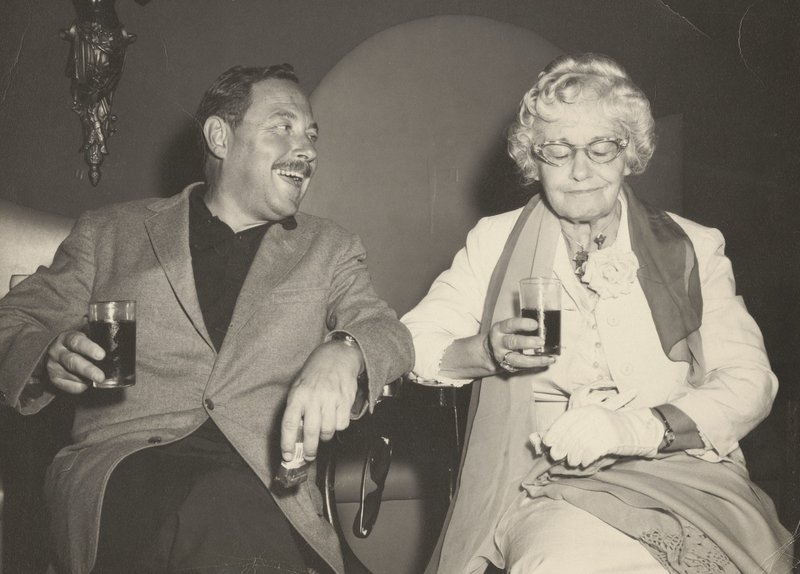 Tennessee Williams with his mother, Edwina Williams, via
  Amy Tan and her mother, Daisy, 1989, via
 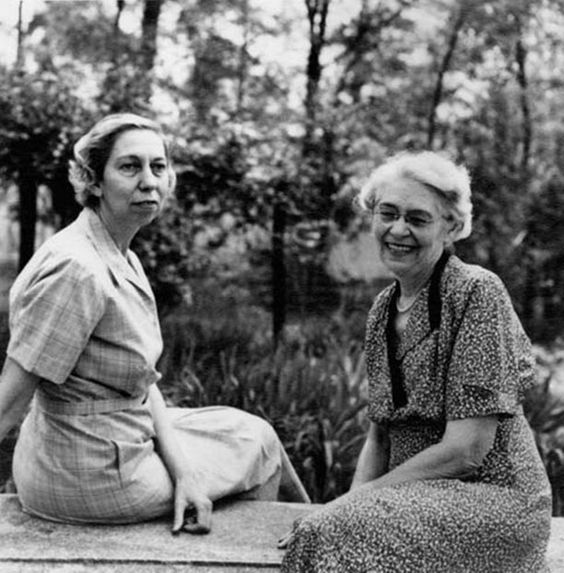 Eudora Welty and her mother, Chestina, in their garden. Photograph by Rollie McKenna, via
 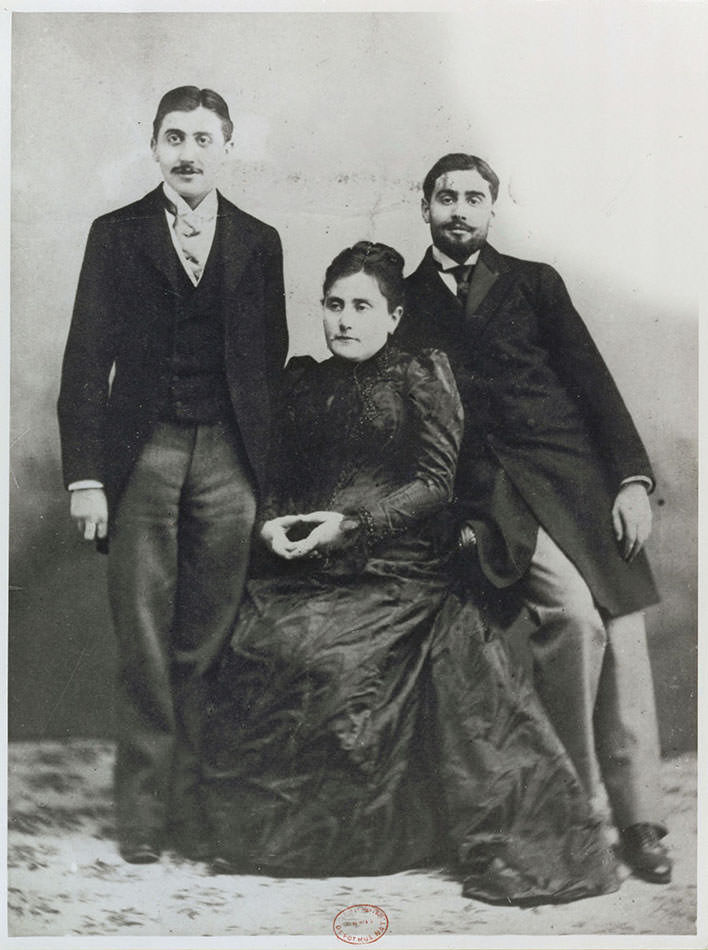 Marcel Proust with his mother, Jeanne Clémence Weil, and brother, Robert, circa 1895, via
  Arthur Miller with his mother Augusta, his father Isidore, and his new wife, Marilyn Monroe, 1956, via
 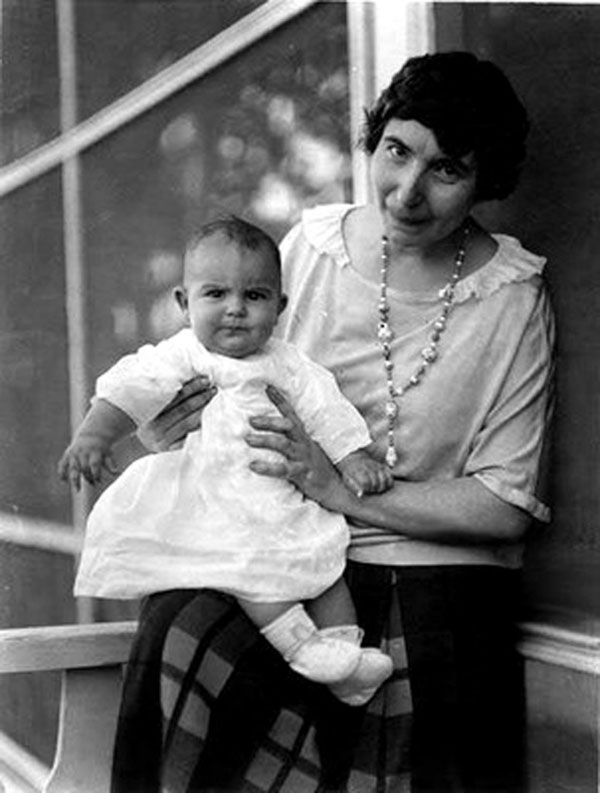 A pretty disgruntled baby Italo Calvino, with his mother, Eva Mameli Calvino, via
  10-year-old Raymond Carver with his mother Ella, and brother James, via
 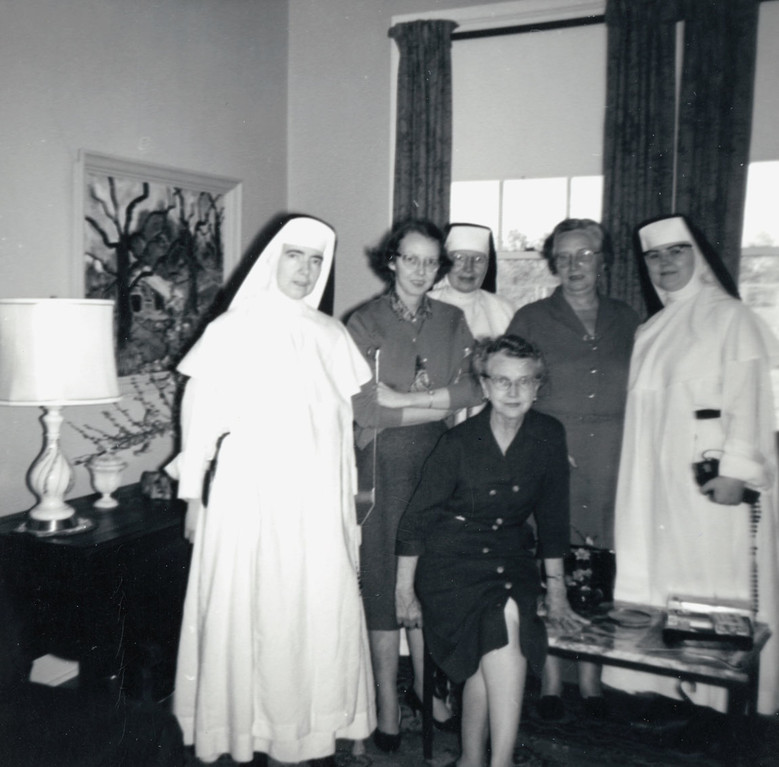 Flannery O’Connor (second from left) with a friend, some nuns (Sisters of St. Joseph of Carondelet), and her mother, Regina, in 1961, via the
  Thomas Wolfe and his mother Julia, via
 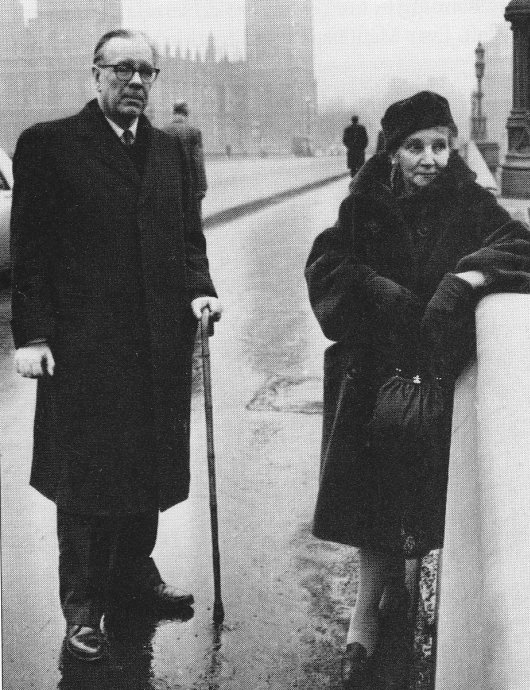 Jorge Luis Borges with his mother Leonor, on the Westminster Bridge, 1963, via
 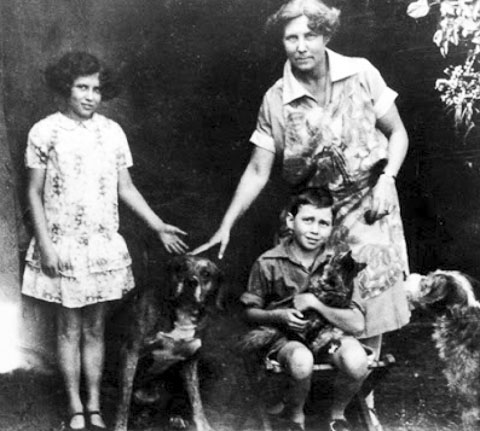 Doris Lessing with her mother Emily, her brother, and some very good dogs, via
  Marianne Moore (right) and her mother, Mary Warner Moore, Brooklyn, 1932, via
 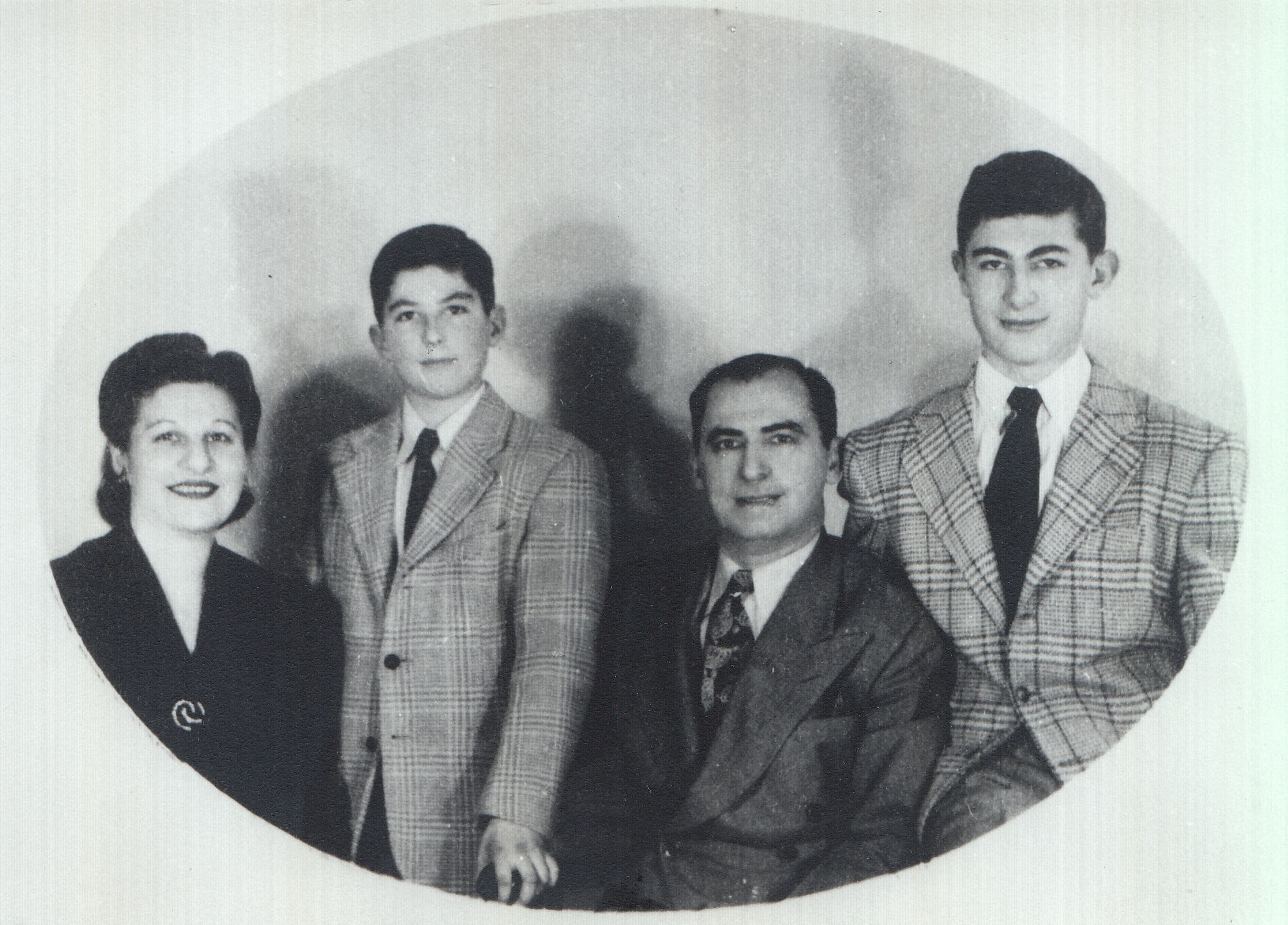 Philip Roth with his mother Bess, his father and brother, 1942, via
 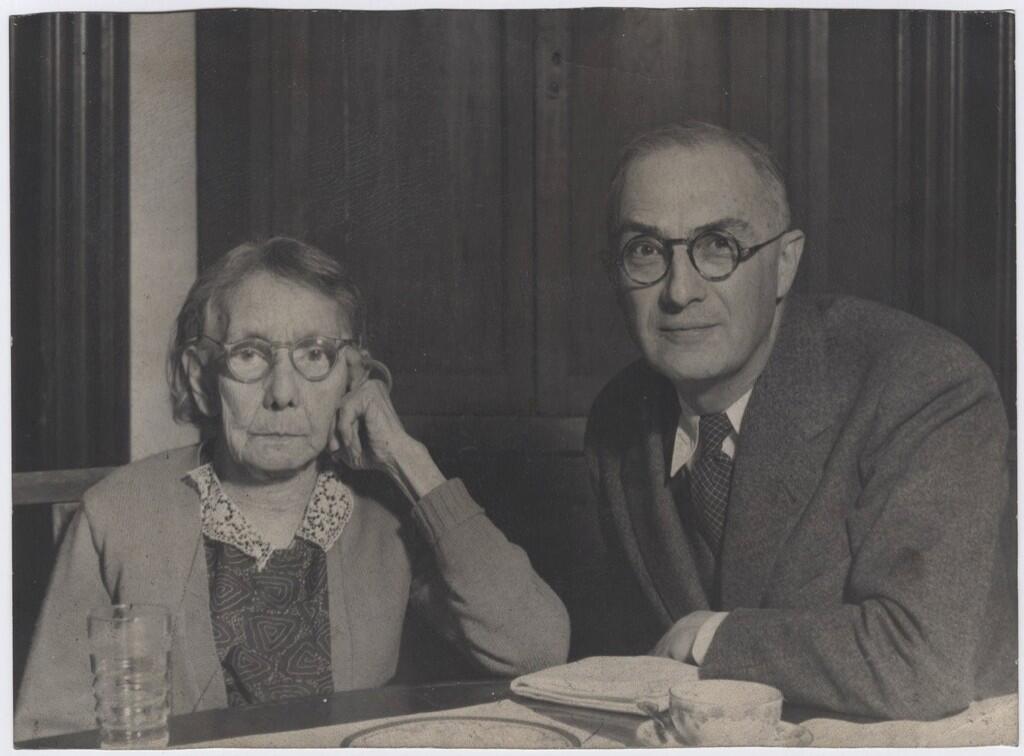 William Carlos Williams with his mother, Rachel Helena Hoeb, via
  lampmagician
You must be logged in to post a comment.