

As I talked about this topic in my last part, children have souls with a great capacity of absorbent power with their instinct to pull all the knowledge they can take. I noticed it when I witnessed my son grow up and today when I observed my grandchildren. And you might imagine how my heart breaks as I see the children in Iran can’t experience their adulthood (The execution machine is going on with no stop!). But their souls continue in their comrade’s bodies and are still there to catch the goal.
In part one, I mentioned the necessity of love and passion towards our children, but is it enough? Regina, my wife, is a teacher in a special needs school (förderschule), and there are many disabled children (18 to 20-year-old children!). Of course, I catch up a lot about how her job is going and how many difficulties arise. Apart from brutality from parents, some are too kind to their children. They show no limits and put up with everything, and it causes lots of problems for the teachers.
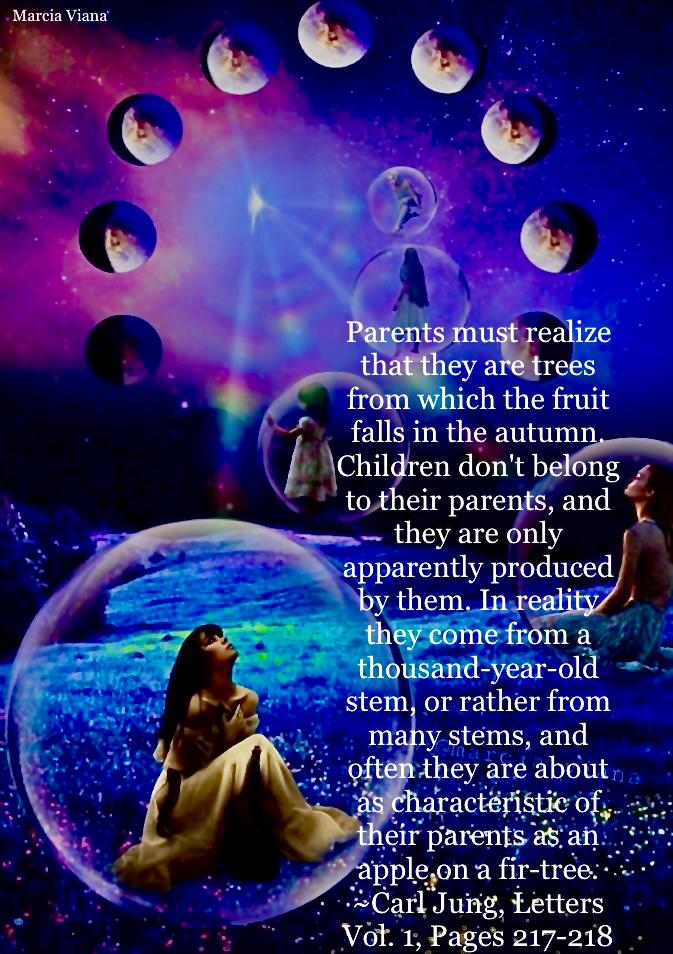
It might sound hard, but it is a pure fact!
Of course, I want to go with something other than Plato and his Utopia. However, it can also be a topic to discuss!
We see then that only giving love is not enough and sometimes even detrimental. I believe the first lesson which we must learn is that our children do not belong among our properties.
Anne Frank can also be considered an example of the child archetype from modern culture – an innocent child who, because her Life was taken away from her by the forces of evil in the world, never had the opportunity to grow up and so in the minds of the world remains ever young and pure.
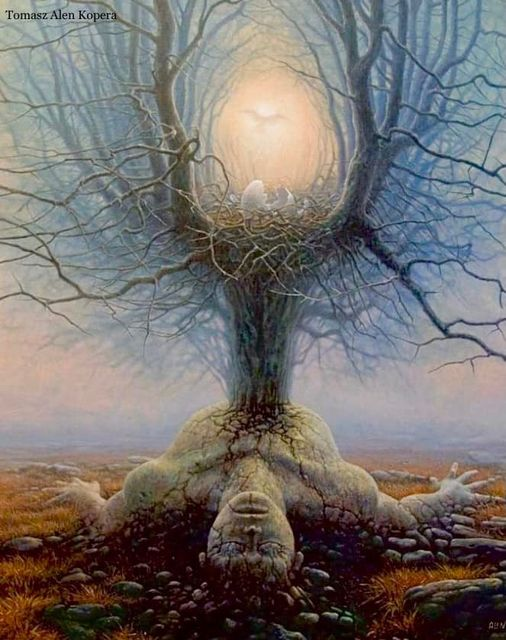
“Your children are not your children. They are the sons and daughters of Life’s longing for itself. They come through you but not from you, and though they are with you, they belong not to you yet. You may give them your love but not your thoughts. For they have their own thoughts. You may house their bodies but not their souls, for their souls dwell in the house of tomorrow, which you cannot visit, not even in your dreams. You may strive to be like them but seek not to make them like you. For Life goes not backwards, nor tarries with yesterday.” ~ Khalil Gibran.
So, let’s read some parts about the ideas and analysis of Dr Jung:
Within each of us, the Innocent is the spontaneous, trusting child that, while a bit dependent, has the optimism to take the journey. The Innocent, fearing abandonment, seeks safety. Their greatest strength is the trust and optimism that endears them to others, so they gain help and support on their quest.
Jung placed the “child” (including the child hero) in a list of archetypes representing milestones in individuation. Jungians exploring the hero myth have noted that “it represents our efforts to deal with the problem of growing up, aided by the illusion of an eternal fiction”. Thus for Jung, “the child is the potential future”, and the child archetype symbolizes the developing personality.

Others have warned, however, of the dangers posed to the parents drawn in by the “divine child” archetype – the belief in the extraordinary potential in a child. The child, idealized by parents, eventually nurtures a feeling of superiority.
Even where affected less acutely, the child archetype may inhibit psychological maturation and result in an adult who is, in essence, “Mama’s darling”. A man will end up with a solid attachment to a mother figure, either real or symbolic, and will lack the ability to form a commitment or be generative. The female version of this, specified as the “puella”, will have a corresponding attachment to her father figure.[ Wiki
The image at the top: via Mr Purrington.
Sources: Child Archetype / n. Wikipedia /
To be continued! 😊🙏
 lampmagician
🖤
LikeLiked by 1 person
🙏💖🙏
LikeLike
As always, I found your article really interesting. I think parents should avoid excesses in both idealization and grievances
LikeLiked by 1 person
You said that, my dear friend. Thank you for your thoughts.🙏🤗😘💖
LikeLiked by 1 person
You’re more than welcome, dear Aladin!
LikeLiked by 1 person
Todays kids need some of what my generation got – We soon learnt to mind our P’s and Q’s. Funny thing is it works!!!
LikeLiked by 1 person
The world is changing, my friend, but the old was always better!😉🤙
LikeLiked by 1 person
Reblogged this on Have We Had Help? and commented:
A cuffed ear never hurt anyone!
LikeLiked by 1 person
We might look deeper, brother. Thank you for giving me the honour again.
LikeLike
My husband and I tried to find the Middle Way, but we didn’t always succeed. If anger came in with discipline, I knew I’d lost my way. There always had to be love and tolerance, but with limits and guidance. I guess we did well enough since both our sons love me and loved their dad. We began studying Jung and meditating the same time we had our first child in 1970. That was fortunate for all of us.
LikeLiked by 1 person
You have done well for sure as I know your good heart and intellectual mind. And of course, Vic, that I know him through you. Thank you always for your wise and lovely words. 🙏❤️
LikeLiked by 1 person