
Month: March 2020
Quantarelli’s Formula
StandardThen don’t ask me for whom the bells toll, they toll for you and me ❤❤


I have always been of the opinion that even in the worst sistuations, just like this Covid-19 pandemic, there is something positive, a hope. The experience of disasters, somehow, often promotes social changes and, why not, the coming together of communities in order to help one another. Quantarelli explained this through a simple formula: the worse the situation is, the better people become.
Enrico Quarantelli was not an utopian, but an American sociologist, specialized in the study of reactions to disasters. He started with a tornado in Arkansas in 1952 and went on with dozens of cases.
It was after the great earthquake in Alaska in 1964 that, having noticed the same recurrent behaviors, he drew the first conclusions: catastrophic events bring the best out of humanity. It is not true that we react hysterically. Solidarity prevails over conflict. Society becomes more democratic. Class inequalities and distinctions vanish, at least…
View original post 192 more words
The Eugene Onegin Challenge – Chapter 2

Stay calm and read Pushkin 😊🙏❤
The Life is hard!
StandardI think that is, in any case all things are upside down!
My appointment for the US Visa application has been cancelled, what else? Every meeting in the US embassy has been cancelled; the doors for the European people are closed.
I am already in a city in the northern Germany (Bremen) to visit some friends may forget the chaotic situation and have some fun.
I wish you all dear friends a good health and care of yourself. Just be safe and… Cary on 🤗🙏❤❤
Fairy Tale Tuesday: Puss n Boots


Puss n Boots also known as “The Booted Cat,” is a adventurous fairy tale. Something about a cat dressed up in his fancy clothes, brings a smile to ones face.
This cherished Fairy Tale Puss in Boots, humble origins began from a fable written by Giovanni Straparola (1480-1557) Later it was rewritten by numerous authors in their country’s native language, such as Charles Perrault and the Brothers Grimm.
Puss n Boots version below is by Charles Perrault (1628-1703)
Once Upon a time,
there was a miller, who left no more estate to the three sons he had, than his Mill, his Ass, and his Cat. The partition was soon made. Neither the scrivener nor attorney were sent for. They would soon have eaten up all the poor patrimony. The eldest had the Mill, the second the Ass, and the youngest nothing but the Cat.
The poor young fellow was…
View original post 1,743 more words
Pop Art Mural

Art tells all . Masterworks 🙏❤👍

This mural is painted over paste-ups. 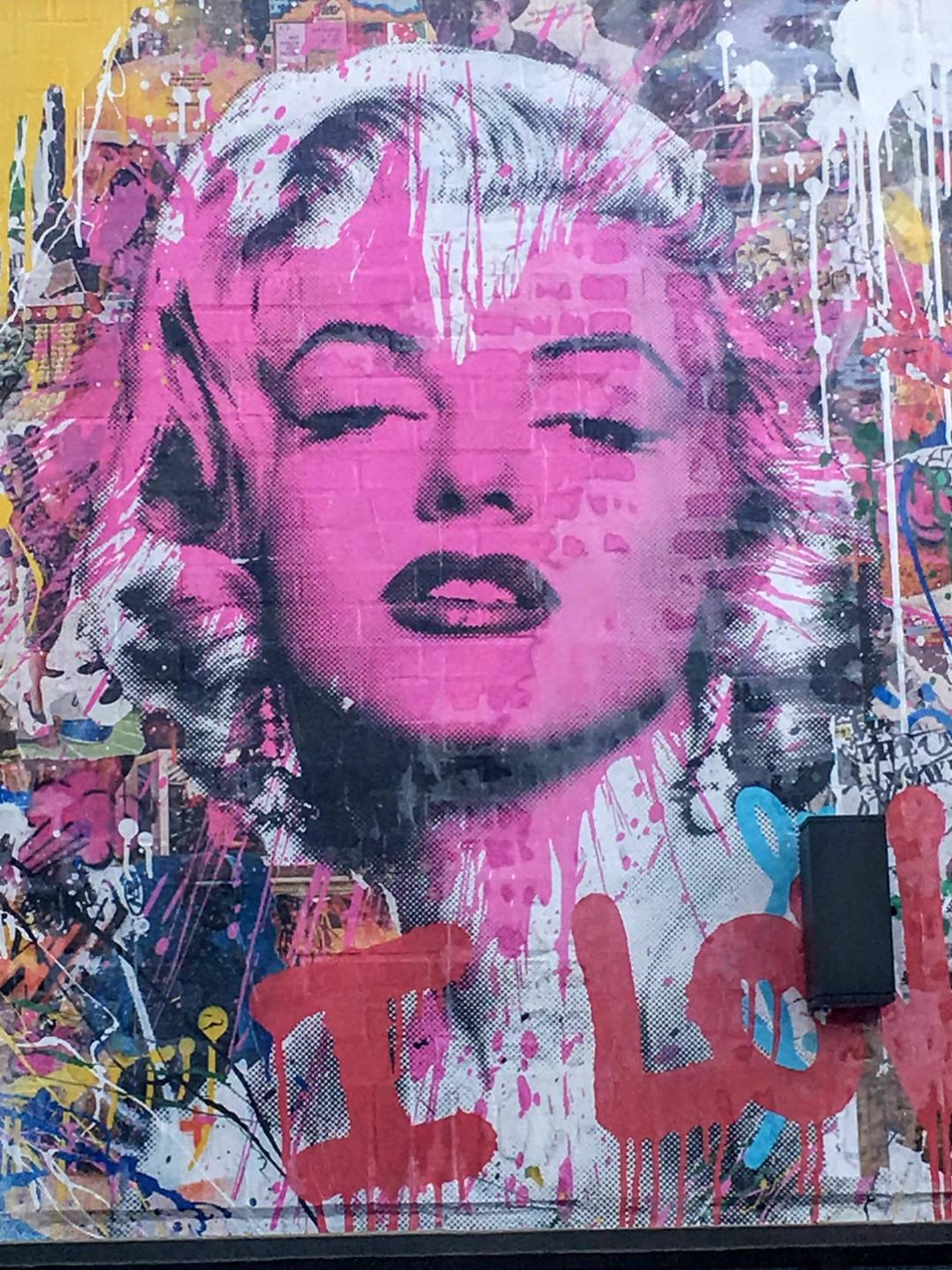
The first part was easy enough to capture, as I could step back. As it goes along the ramp, there is less and less space. It’s tighter than many alleys, and it is a high story above my head.

So, I’ll do my best to impart the feel and flow, starting left to right.


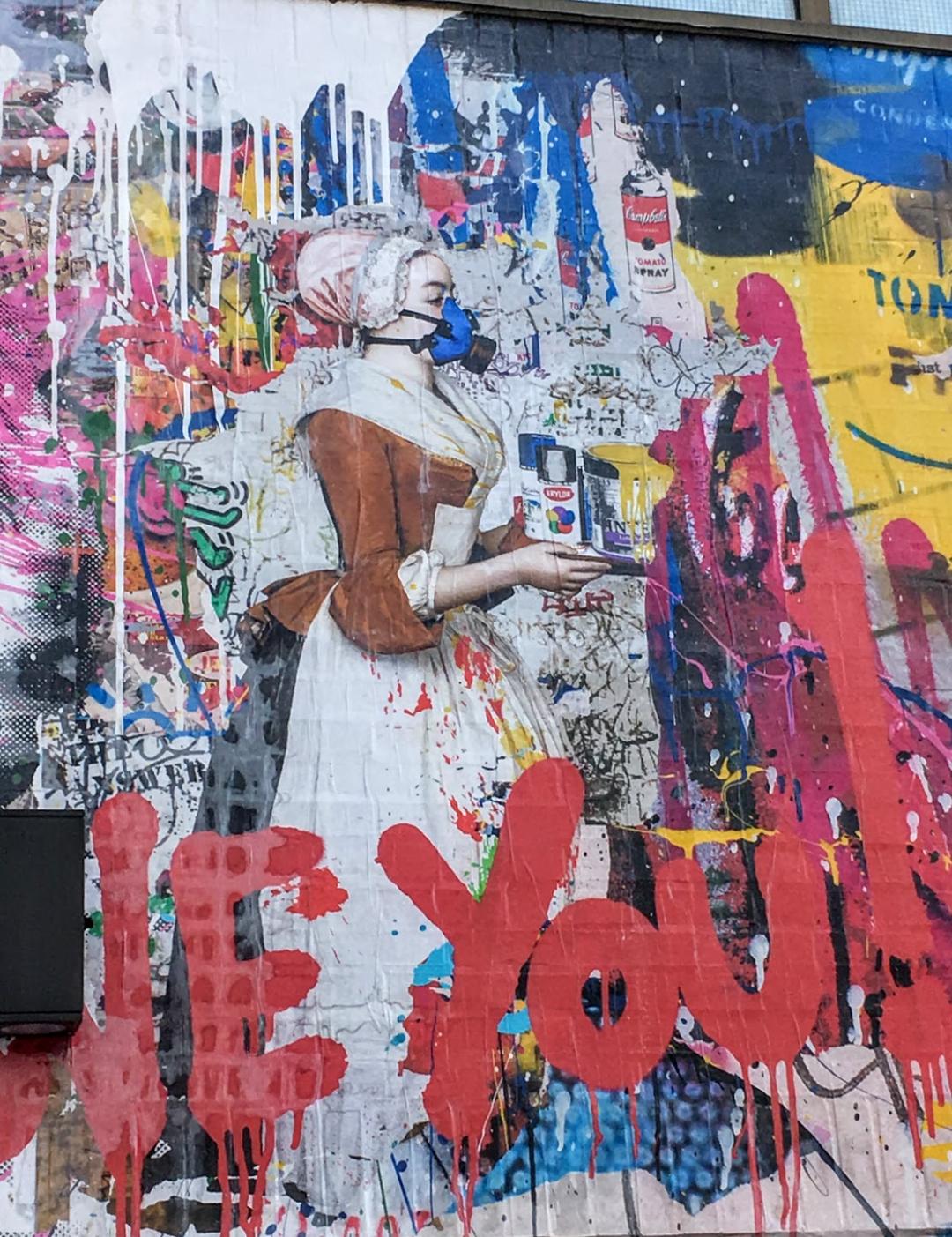
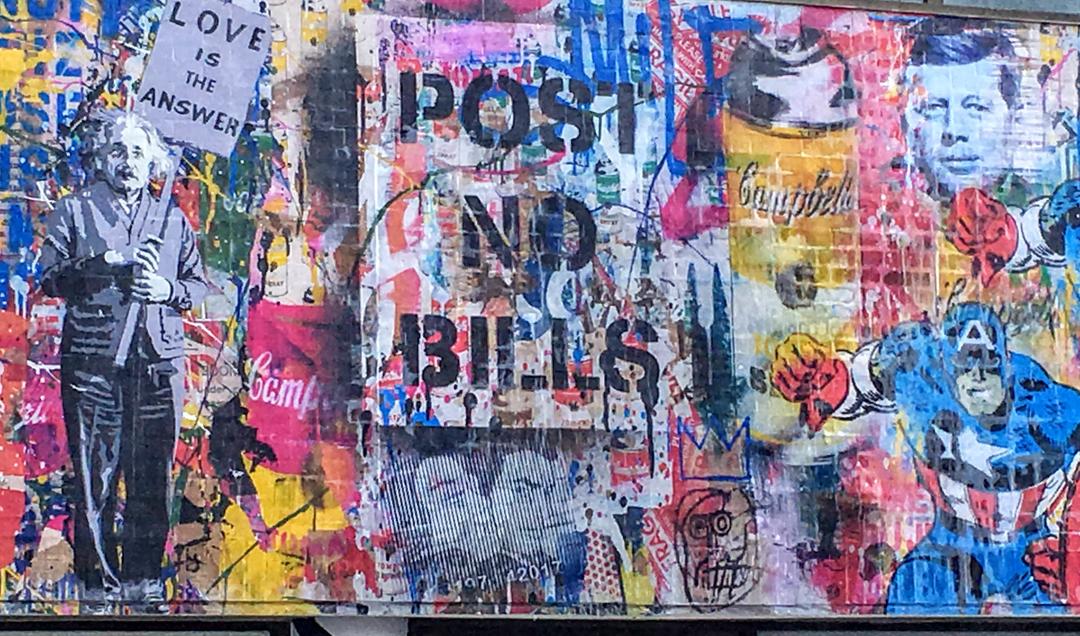



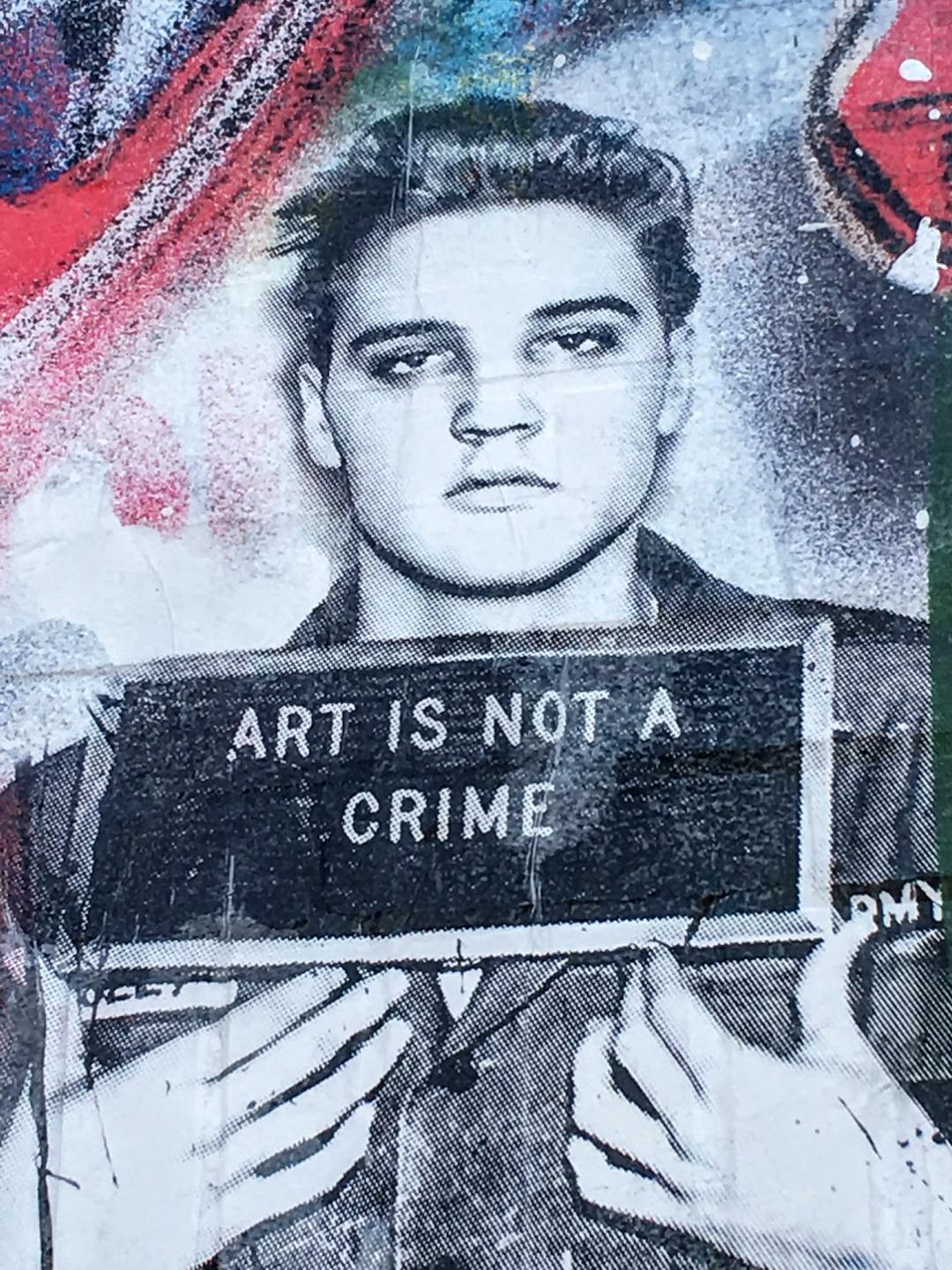
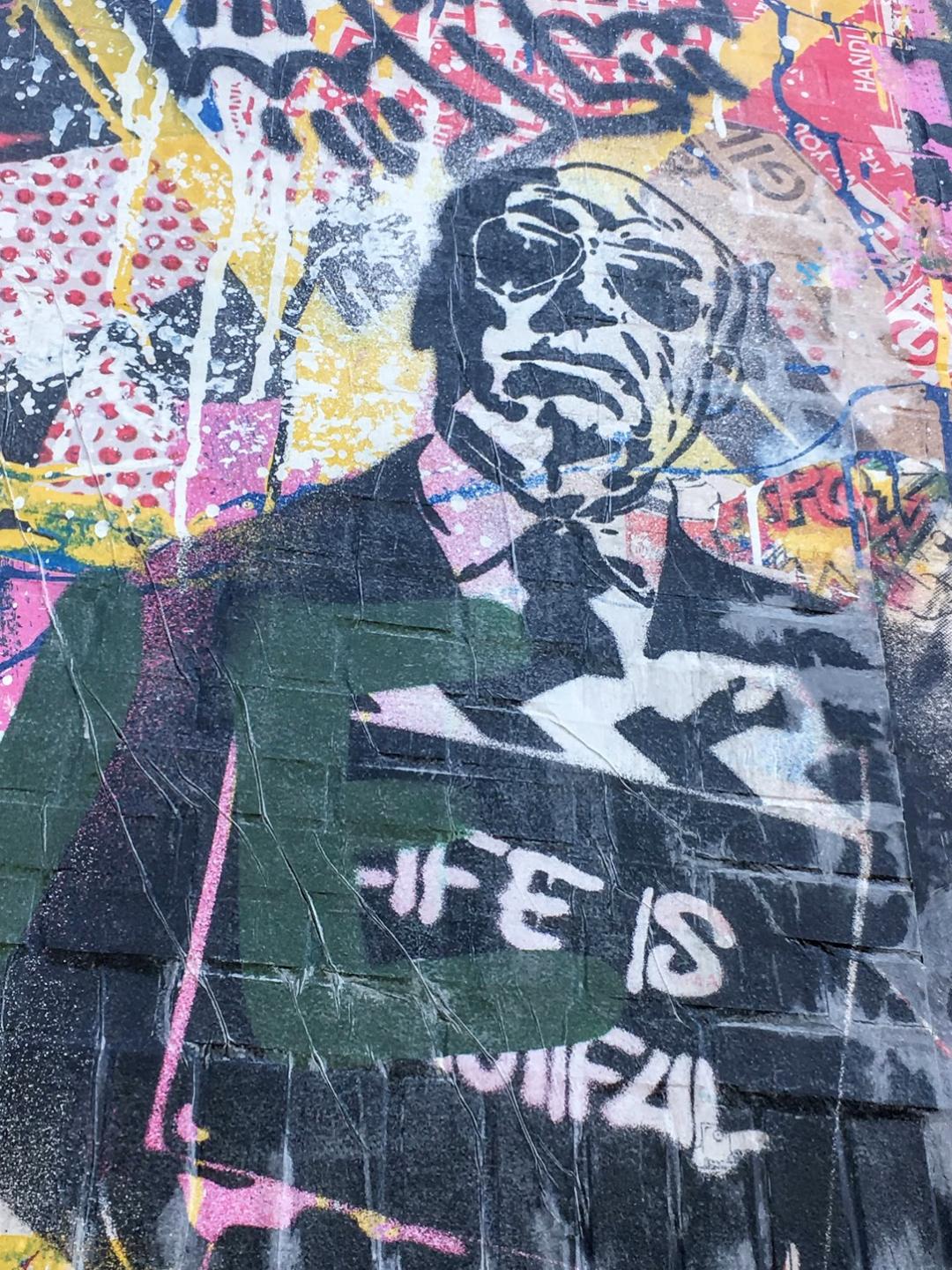

Who is that woman below?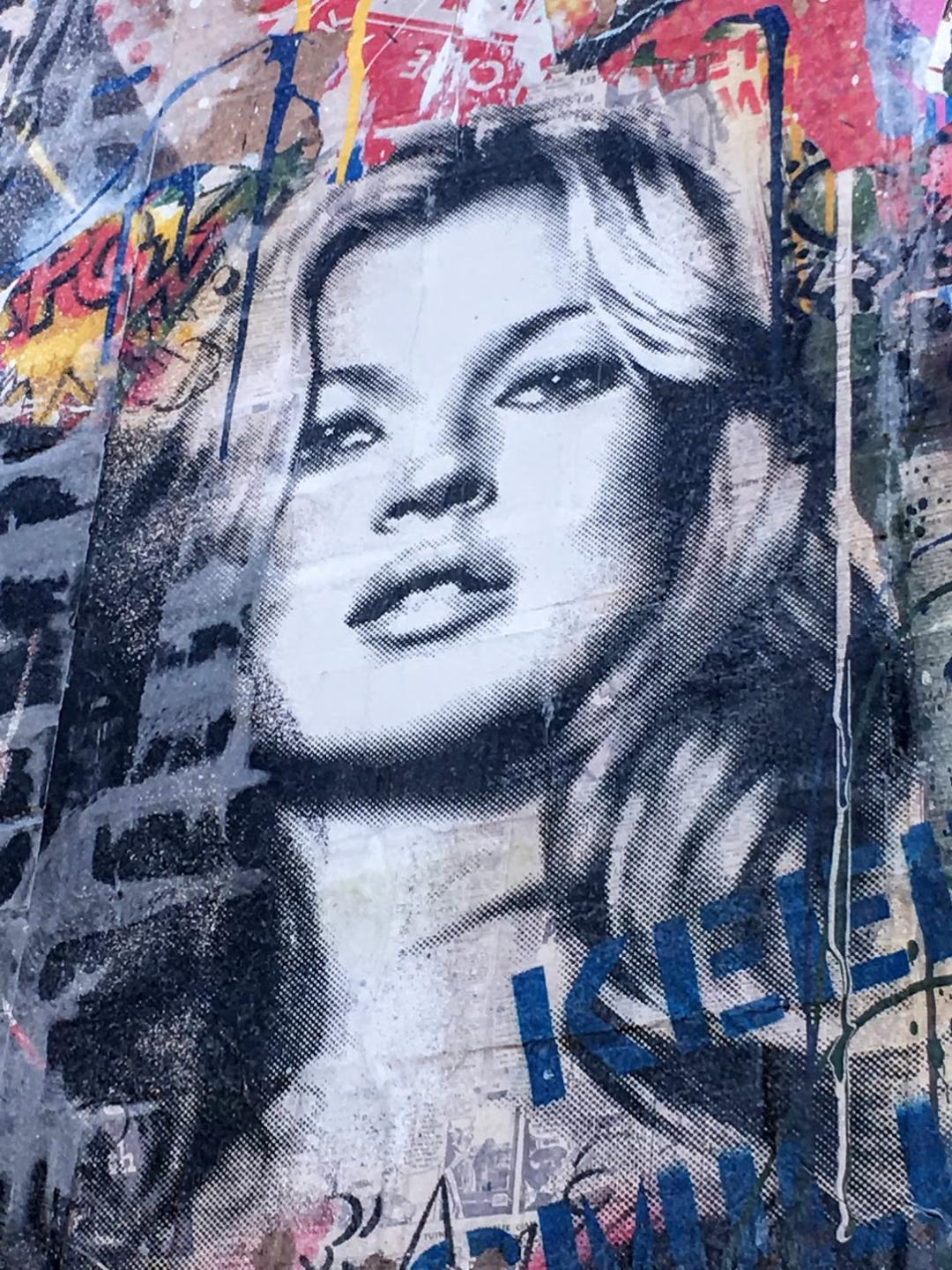
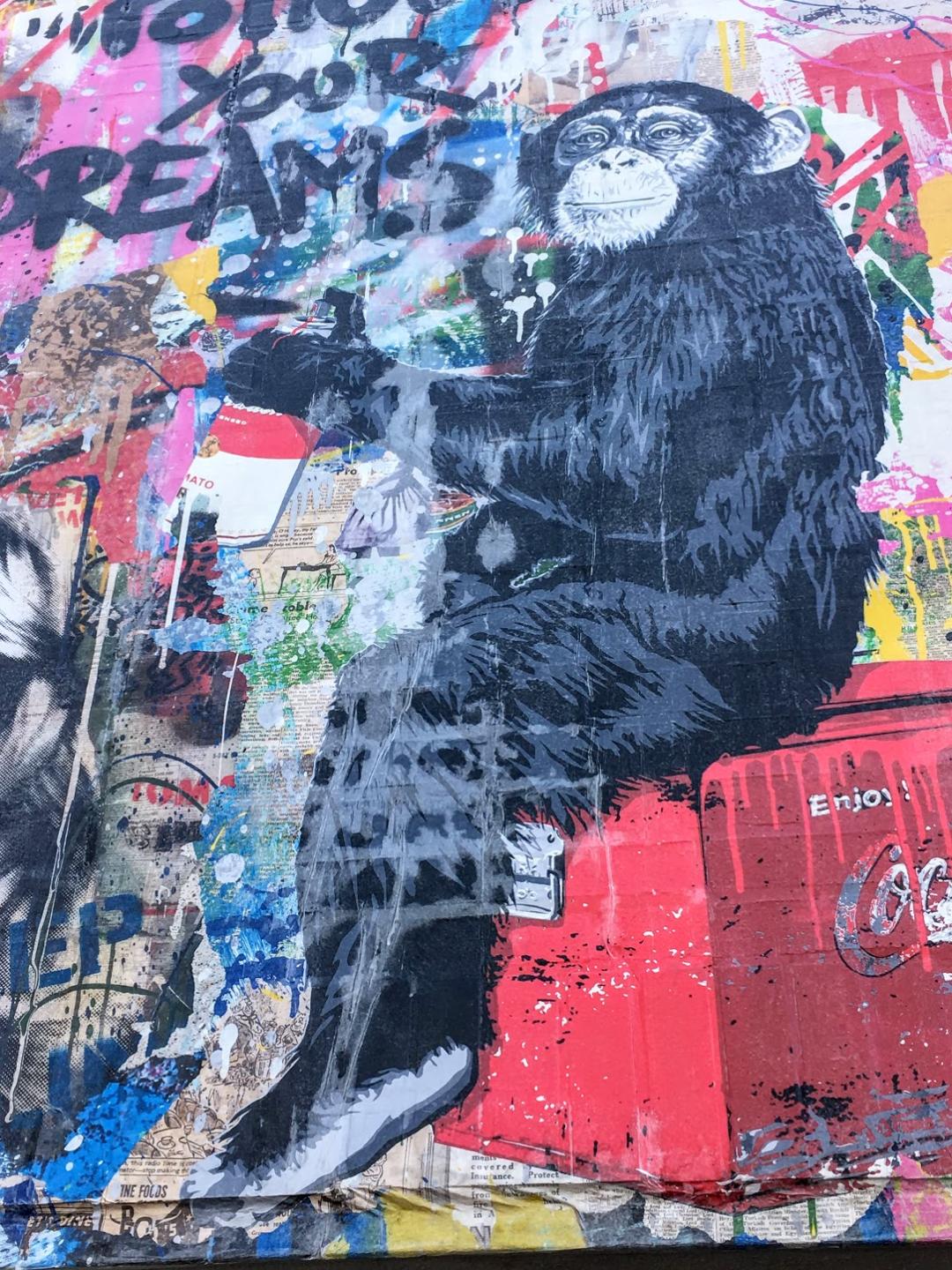
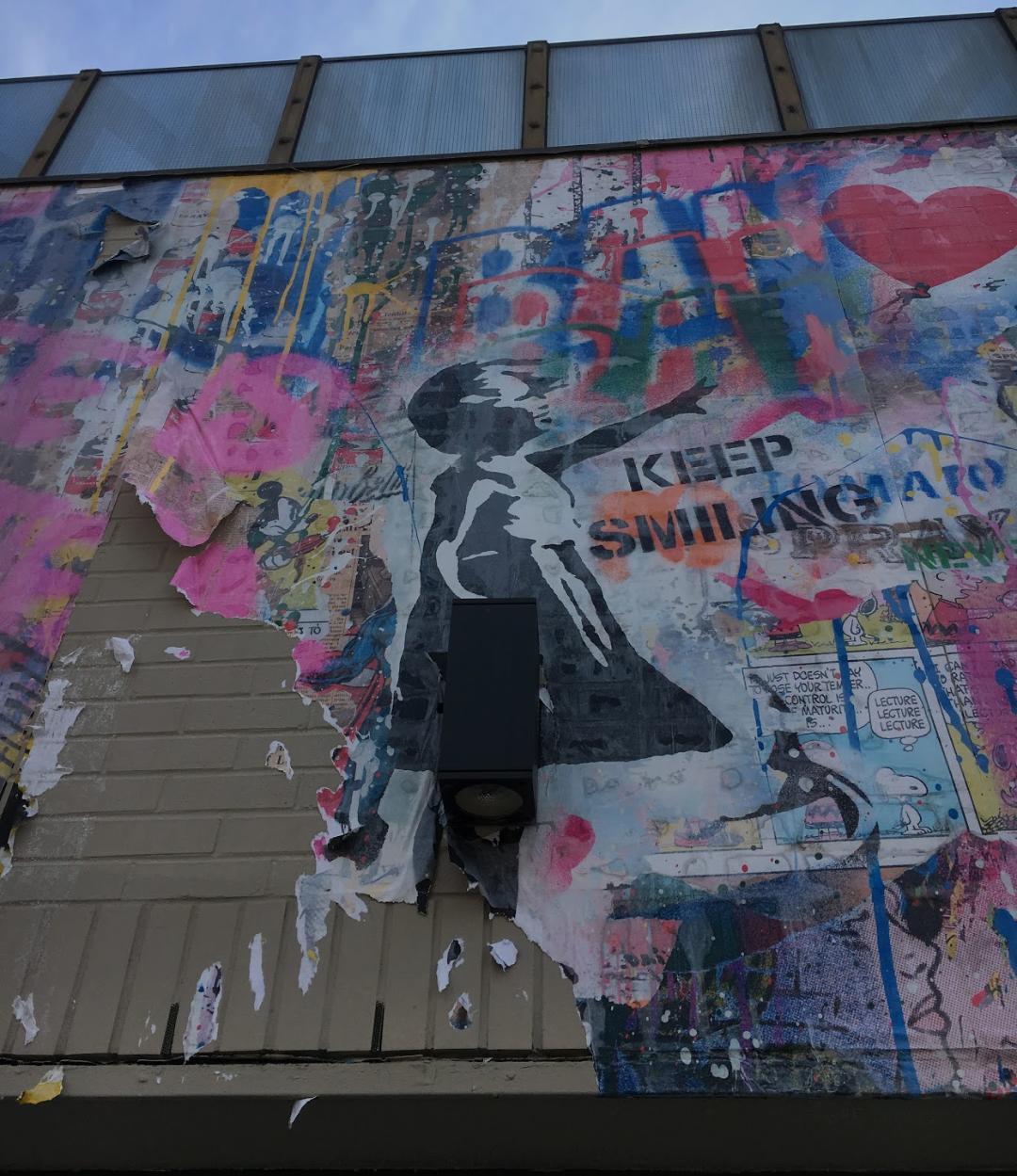
Above you can see the paste-up disintegrating.


Dali meets Warhol!

Pics taken by Resa – March 9, 2020
Toronto, Canada
The artist:


Loving Vincent
Standard
I think Vincent van Gogh, as he belongs to genius artists in this world, was one of the rare ones who had mostly suffered in his short life.
I might have a half-dozen art in me but as I have been among to a family of artists, I know how they suffer as ingrained artists and trying all in their life to bring out all these energies to create in the form of books, paintings or music etc.
Some months ago I saw in a TV magazine an announcement over this movie; Loving Vincent, and I have recorded it. But I had got barely time to watch it and almost forgotten. two days ago in the evening, my wife asked me if I still have kept the movie and could we watch it. Of course, I have responded!
This is an amazing product because it isn’t fixed on van Gogh personally, even it shows him almost as a third person. The most weight of the movie is on his suffer and in a fascinating form by his own works.
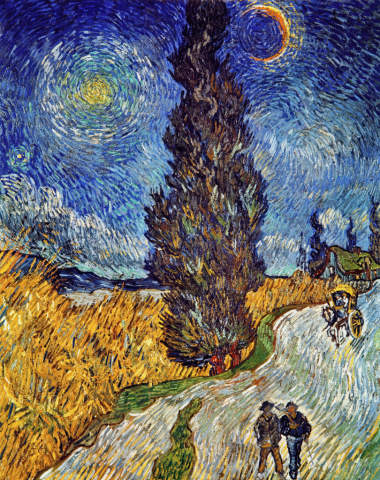
And at the end as his death remains a mystery, his last words before he goes, remain forever: I think it’s good for all of us.

Now I understand
What you tried to say to me
And how you suffered for your sanity
And how you tried to set them free
They would not listen, they did not know how
Perhaps they’ll listen now
🙏💖🙏🧡
Tomb of Sennedjem at Deir el-Medineh: 131st anniversary of its discovery
Standard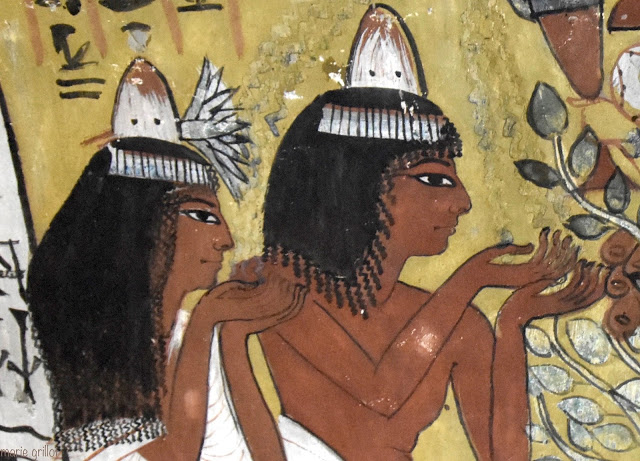
There’s never enough (for me at least) to look at this magic land because there is still a lot to discover and we are still remaining in unknown!
By my adorable friend Marie Grillot via https://egyptophile.blogspot.com/ Translated from French.
To commemorate the 131st anniversary of the discovery of the tomb of Sennedjem (TT 1) at Deir El-Medineh, a conference was organized by the Ministry of Antiquities on Sunday, February 5, 2017, at the Mummification Museum in Luxor. The communications were made by Dr. Moustafa Waziri, director general of Antiquities of Louqsor, Dr. Moustafa el-Saghir, of the Department of Antiquities, Dr. Laurent Bavay, director of the French Institute of Oriental Archeology as well as Drs. Anne-Claire Salmas and Cédric Larchet, from the same Institute, and finally, John Shearman from the American Research Center in Egypt (ARCE).
The interventions are unfortunately not available at the moment.

The village of Deir el-Medineh – then known as Set Maât (the “Place of Truth”) – was founded at the beginning of the 18th dynasty under the reign of Thutmosis Iᵉʳ, and then expanded and enlarged several times, especially under the reigns of Thutmosis III and early ramessids.

There lived, sheltered by high walls, the community of artisans who worked on the digging and decoration of the eternal dwellings of the Valley of the Kings and of the Valley of the Queens. He remained active until the reign of Ramesses XI.
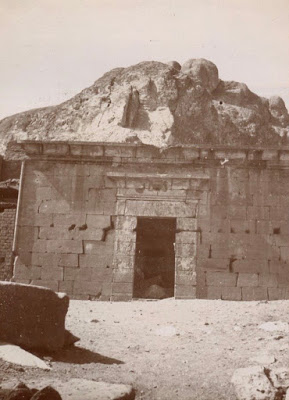
“Rediscovered” in the 19th century, he saw “scroll” many “researchers” then Egyptologists: Bernardino Drovetti, Henry Salt, Karl Richard Lepsius, Auguste Mariette, Gaston Maspero … Ernesto Schiaparelli will undertake excavations there in 1905, then the German Georg Christian Julius Möller. The site concession was then definitively awarded to Ifao in 1917; for thirty years, from 1922 to 1951, Bernard Bruyère methodically explored the site and made wonderful discoveries.

Egyptian Museum in Cairo
The tomb of Sennedjem was discovered in January 1886 by ‘gournawis’. Indeed, “in 1886, Salam Abu Duhi, a villager from Gournah was granted a concession in an area of Deir el-Medineh close to his home. After only a few days of excavations, Salam and three of his friends made a spectacular discovery : at the bottom of a still unexplored burial well, they found a wooden door whose ancient seals were intact. Salam immediately informed Maspero, who happened to be in Luxor for his annual inspection visit. ” (Hidden treasures of Egypt, Zahi Hawass).
Gaston Maspero’s correspondence with his wife Louise (Gaston Maspero – Lettres d’Égypte) gives us the extraordinary adventure “live” … So the great Egyptologist wrote to him on February 2, 1886: “They come to get me to go to the mountain: a tomb that we have been working on for eight days has finally been opened. It is virgin! It is a tomb of the XXth dynasty: the wooden door is still in place, and we have already counted eleven mummies. is a big find. I probably won’t have time to write before the post boat leaves because I don’t think we can be back before ten o’clock. ”…

He continues his story on February 3: “The cellar is about 5 m long by 3 wide. It is vaulted, with a very low vault and painted in the most vivid colors; unfortunately, the paintings and texts are only extracts from the Book of the Dead. It was filled to the top with coffins and objects: eight adult mummies, two children’s mummies, a family of those cemetery priests I told you about in the letters I wrote from Turin in 1880 (?) The mummies are superb, of a beautiful red varnish with very neat representations, but they are only the least interesting part of the find.

You know that we carried the mummies to the tomb on sledges, carried by men or dragged by oxen. Our tomb contains two of these complete sledges: first the floor, with the rings intended to pass the sticks, when we wanted to carry, then the movable panels of the catafalque in which we locked the coffin, then the ledge cover … and it is how we will exhibit everything at the Boulaq Museum. Besides that, the complete furniture: eight large canopic jars, forty small boxes with funeral statuettes, a hundred charming limestone figurines, twenty painted earthenware vases, a new different bed for the shape of the first two … In addition, a beautiful armchair with a canvas background imitating the tapestry; two stools with canvas bottom imitating red leather, a folding chair, bouquets of flowers, a cubit, an ostracon containing a very curious, although very short, historical novel. Insinger and Toda photographed the magnesium chamber and will photograph some of the objects. “

Egyptian Museum in Cairo
Jan Herman Insinger is a banker from the Netherlands who came to Luxor in order to benefit from a climate which can soothe his tuberculosis. Before having a castle built a little flashy on the edge of the Nile, he lives on board his dahabieh “Meermin” (the siren). He became close to Maspero and, during his inspections, offered him his services as a photographer. As for Eduard Toda I Güell, Consul General of Spain in Egypt from 1884 to 1886, real friendship and a relationship of trust linked him to Maspero, which led him to entrust him with important responsibilities within the archaeological mission. This is how he is at his side during the event which we relate and which is described by Jules Daressy as “one of the most interesting events in the history of excavations in Egypt”. Better still, the diplomat-archaeologist is entrusted, by the director of Antiquities called to another excavation site, with the “immediate responsibility” for clearing the tomb.

Met museum
It should be noted that, in the letter previously quoted, Gaston Maspero specifies: “It goes without saying that we bought from the fellahs the half that was due to them: it cost us 46 guineas. Once we have chosen all that is good for the museum, the sale of mummies and superfluous objects will bring us at least 60 guineas, maybe eighty who will go to the excavations of Luxor and the Sphinx. It will have been a good deal in all ways, good from a scientific point of view, since it gave us monuments of which we had no specimen, good from a financial point of view, since not only will the objects end up costing us nothing, but that we will have gained enough money for new excavations. “
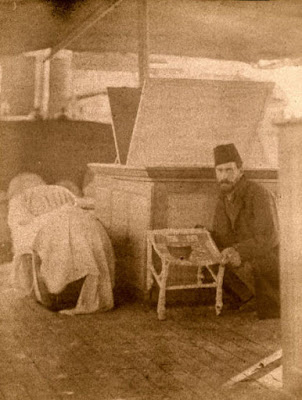
on the boat “Boulaq”, en route to Cairo (1886)
Toda Fund Library Víctor Balaguer Museum (Vilanova)
In the “Bulletin of the French Society of Egyptology” – 1988, Josep Padro reports: “In three days and with seven workers, (Toda) completely excavated the tomb and carried out the transfer of its contents on-board the ‘Boulaq’, the vessel of the Antiquities service. Once the transfer was completed, (he) drew up an inventory of the funeral furniture on the boat, with the objects collected and the mummies before his eyes. Toda also took 15 photos himself in the tomb, with the technical assistance of Insinger, which are engraved after the plates which illustrate his memoir; and he copied and translated the hieroglyphic texts, with the help of Bouriant. “
According to Bernard Bruyère: “Tomb No. 1 is not only one of the most beautiful and best-preserved in Thebes; but it is also a perfect, complete and typical example of a large family tomb comprising the four components regular, the courtyard and chapels accessible to the living, the well and the vault reserved for the dead. “

followed by two of the four fis of Horus, Amsit and Hapy
(Osirisnet.net)
The eternity home of Sennedjem is one of those open to the public in Deir el-Medineh: by the scenes and colours that cover its walls, his visit leaves an unforgettable memory!
Sources :
Gaston Maspero, “Lettres d’Égypte, Correspondance avec Louise Maspero”, Elisabeth David, Seuil, 2003
“Deir el-Medina” (Ifao)
Trésors cachés de l’Égypte, Zahi Hawass
“Eduard Toda, pionnier de l’égyptologie espagnole” (égyptophile)
“Eduard Toda i Güell” (Amigos de la Egiptologia)
“Précisions sur deux momies de l’ancienne collection Toda“, par Josep Padro
“Sennedjem TT1” (osirisnet.net)
Padro Josep, “Bulletin de la Société Française d’Égyptologie” – 1988, n°113, pp. 32-45
Sources:
Gaston Maspero, “Letters from Egypt, Correspondence with Louise Maspero”, Elisabeth David, Seuil, 2003
“Deir el-Medina” (Ifao)
Hidden treasures of Egypt, Zahi Hawass
“Eduard Toda, pioneer of Spanish Egyptology” (Egyptophile)
“Eduard Toda i Güell” (Amigos de la Egiptologia)
“Details on two mummies from the old Toda collection”, by Josep Padro
“Sennedjem TT1” (osirisnet.net)
Padro Josep, “Bulletin of the French Society of Egyptology” – 1988, n ° 113, pp. 32-45
The Goddess and the Lioness: Tefnut
A Mighty post, I am humbly honoured 🤗🙏💖🙏

 From the Waite-Colman Smith Tarot
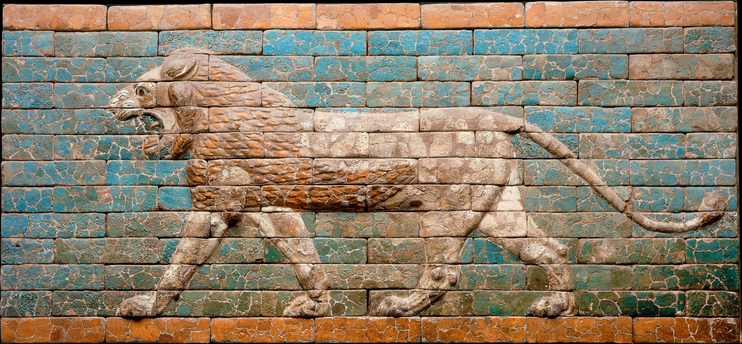
Feline imagery can be found throughout the mythic world, often associated with Goddesses.
Babylonian Inanna, Hindu Durga, Egyptian Sekhmet, even the Strength card in the Tarot all use feline imagery:
However, from a mythic (and perhaps historic) standpoint, the oldest of these Lion Goddesses was Tefnut, the Mother of the Gods…
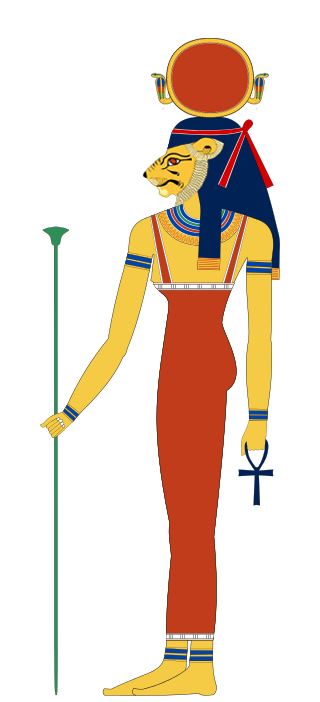 Tefnut
First there was Nun, the primordial waters.
Nun, who was mindless, inactive.
Out of those primal waters arose the first mound, the benben.
(if you look at the top of an Egyptian pyramid, your looking at a representation of the benben)
Here, the self-made God, the first of all Gods, Atum, sat.
Despite his radiance, the Solar deity grew lonely.
*
Did he sneeze them out?
Did he spit them out?
Were they the result of his masturbation?
Did he copulate with his own shadow, and bring them forth?
All have been put…
View original post 450 more words
8TH MAY 1945

“”Let their memory persist
And never be dismissed
The price of freedom never undermined””
The price of freedom is high and always valuable 🙏❤👍
 lampmagician
You must be logged in to post a comment.