KALI : THE MISUNDERSTOOD GODDESS

Standard

via https://oulbooks.com/blogs/news/84600068-kali-the-misunderstood-goddess

January 26, 2016

Goddess Kali (pronounced Kaali) baffles the modern mind. The image of Kali would probably give a nightmare to a tender mind or even appear grotesque. But for centuries, India has known Kali as raw feminine energy and as a manifested Goddess. Though she is fierce, no child growing up in India fears Kali. So, what’s in this fierce female form of Kali that makes her a Divine mother in India? Or is Kali yet another tool in the ancient Indian pedagogy to communicate quantum truths to lay intelligence?

Face to face with Kali…

If Goddess Kali was to come face to face with us, this is how she would show up – She would be ferocious, dark, wild-haired, wearing a mala (garland) of skulls around her neck (Kapalini), having several hands with many weapons in them but one hand with the cut-head of a demon. Her blood-lust tongue will be protruding from her mouth, her eyes would be red and her face and breasts sullied with blood. Well, this is how she is described in the scriptures.

This form though wild may not be so dissimilar to an exploding star in the cosmos or even a tsunami. What is a supernova in the cosmos is Kali to the human mind? Kali is said to be the manifestation of the terrible function of matter. Meeting Kali could be akin to a tsunami from the very same ocean that was gentle a minute ago – lashing smoothly onto the beaches. That’s the Kali experience according to the scriptures. India knows Kali, hence her form doesn’t scare anyone in India. Kali is ultimately understood to be the very dynamic, expressive and concretized force of the unmanifest reality.

Kali as in the sourcebooks…

It’s no surprise that the modern mind scoffs at such imagery. The scientific mind thinks this is mumbo-jumbo-voodoo stuff without making any attempt to learn more. The very sourcebooks where Kali is mentioned is almost never looked at. But it’s not their fault. Subjective stuff cannot be put under the microscope. After all spiritual things are best understood spiritually not scientifically. Just as we have freakish looking nebulae in the textbooks of astronomy, so is Kali in the books of Indian spirituality as a burst of energy. Yet in the source-book on Kali, she is the “Achintya rupa Charite Sarva shatru vinaashini”  meaning “You of unimaginable beautiful form and energy, destroyer of all obstacles…” and she is ‘Jayanti’ (Ever-Victorious) and ‘Mangala Kali’ (Ever-Auspicious).

The imagery of Kali that comes from a spiritually advanced and mature Indian civilisation has to but sublime and sophisticated. The treatment is transformational. The spiritual teachers suggest that to understand Kali is to give way to insightful knowledge that is the culmination of a subjective self-discovery. The deeper level of understanding required to understand Kali seems to be in the realm of a quantum subjective experience rather than an intellectual one. After all the suggestive name Kali comes from the word “Kaal” or time which is a subjective concept. Primarily Kali projects herself as the power of “Time” that devours all. Kali also means “black”.

The Mahanirvana Tantra says,

“Just as all colours disappear in black, so all names and forms disappear in Kali.”

The authoritative classic ‘Devi Mahatyam’ in the Maarkendeya Purana invokes Kali to:

“Please endow this self with knowledge….You who destroy negative thoughts, You who tears apart ignorance, to this self who bows to you…….She with the gloriously resplendent countenance, the destroyer of the great ego, is seated upon the lotus of peace.”

A cosmic power of destruction is thus depicted in this imagery of an awe-inspiring and renewing aggression. The Indian sourcebooks declare that the ferocious Kali is actually the divine mother whom no devotee fears, rather with whom millions of worshipers have a very loving bond.


Insights on Kali…

Kali, as we understand from the Indian scriptures, is a manifestation of Shakti -the personification of the universal creative energy. In typical Vedantic explanation, Kali is the fiery manifestation of the unmanifest which has in itself all powers – just as the earth shows her power in a volcano. This is further explained by the experiences and insights on Kali by today’s spiritual teachers and scholars.

Spiritual teacher Bob Kindler, in his insightful book ‘Twenty-Four Aspects of Mother Kali’ writes,

Kali, the boundless ocean of spiritual wisdom is the Divine Mother of the Universe. She manifests countless beings abiding in an infinite set of worlds, seen and unseen, gross and subtle, hidden and exposed. Ultimately, she is realised as the sense of limitless Consciousness, Infinite, indivisible, all pervading and absolute“.

Elizabeth U.Harding in her book ‘Kali: The Black Goddess’ explains

“As the Master of Time, Kali consumes all things. Everyone must yield to her in the end. Kali confronts man with his pitiful finite attachments, devours them, and then spits them back out in a different form in a different time. Thus the wheel turns…”

David Kinsley, the Canadian Professor of religion, in his book ‘The Sword and the Flute — Krsna and Kali’, notes

the tumultuous, wild, uncontrollable aspects of the divine… are elaborated and pushed to extreme lengths in Kali.”

The Indic scholar David Frawley in his book “Tantric Yoga and the Wisdom Goddesses’ explains

“Kali teaches us that if we give up our attachment to the events of our lives, we gain mastery over time itself… the resurrection of the Divine Self within us.”

The episode of Raktabheeja and Kali

A despot named Raktabheeja (a personification of toxic-negativity and tyranny) had a boon that every drop of his spilt blood would clone him. So in the battle with Goddess Durga, every time he gets killed he multiplies. Kali is summoned out of an impulse by Goddess Durga appears and devours him to deactivate his boon. About the slaying of Raktabheeja, the Devi Mahatmyam says gives out the hidden meaning of this episode thus

“Raktabijavadhe devi chandamunda vinaashini, Rupam dehi jayam dehi yasho dehi dvisho jahi”

meaning

To you who slew (vadhe) the seed of desire – Raktabheeja, Oh Goddess, destroyer (vinashini) of the demons of passion and anger (chanda and munda)
Grant us your form (rupam), Grant us victory (jayam), Grant us glory (yash), remove all hostility (disho jahi)

Symbolically for those in the path of knowledge and meditation, Raktabheeja is the untiring multiplicity of desires. To the seeker, who develops the ability to decode the suggestive language of the devouring of Raktabheeja, understands that the Kali symbolism stresses a radical self-effort to achieve peace. Indian spirituality uses such imagery and symbolism to present negative qualities as demons and annihilates their imagined egos. The contemplative seeker is also asked to the same.

Hence,

‘There must be a deep, determined, adamantine resolve, and a fight royal within, as sanguine as Kali’s ferocious sword dripping with blood; and unless the seeker of truth is ready to wear about his neck the skull-mala of these murdered false values there can be no peace or order within’,

as the world-renowned Vedanta Teacher Swami Chinmayananda puts it. Kali is ultimately the antidote to the false values that create chaos.

Ram Lingam


Greed and Prejudice

Standard

22 PHOTOS OF FAMOUS AUTHORS AND THEIR MOMS; “HAPPY MOTHER’S DAY”

Standard

via https://lithub.com/

by Emily Temple.  https://lithub.com/author/emily-temple/

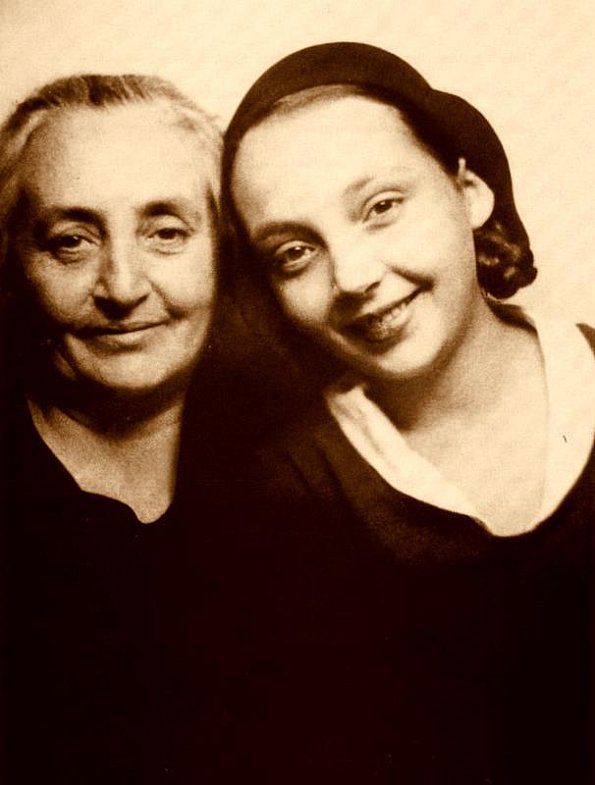
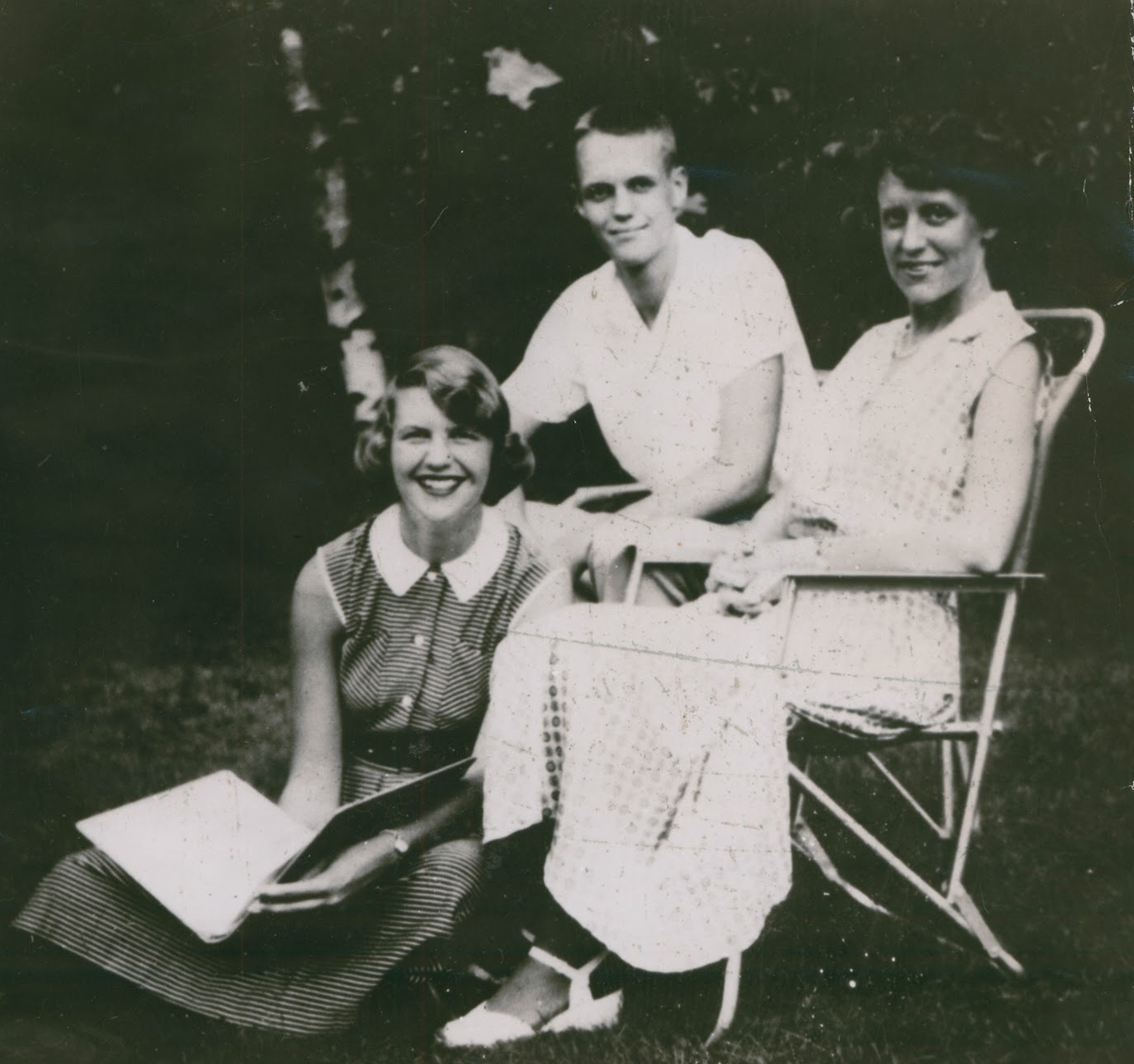
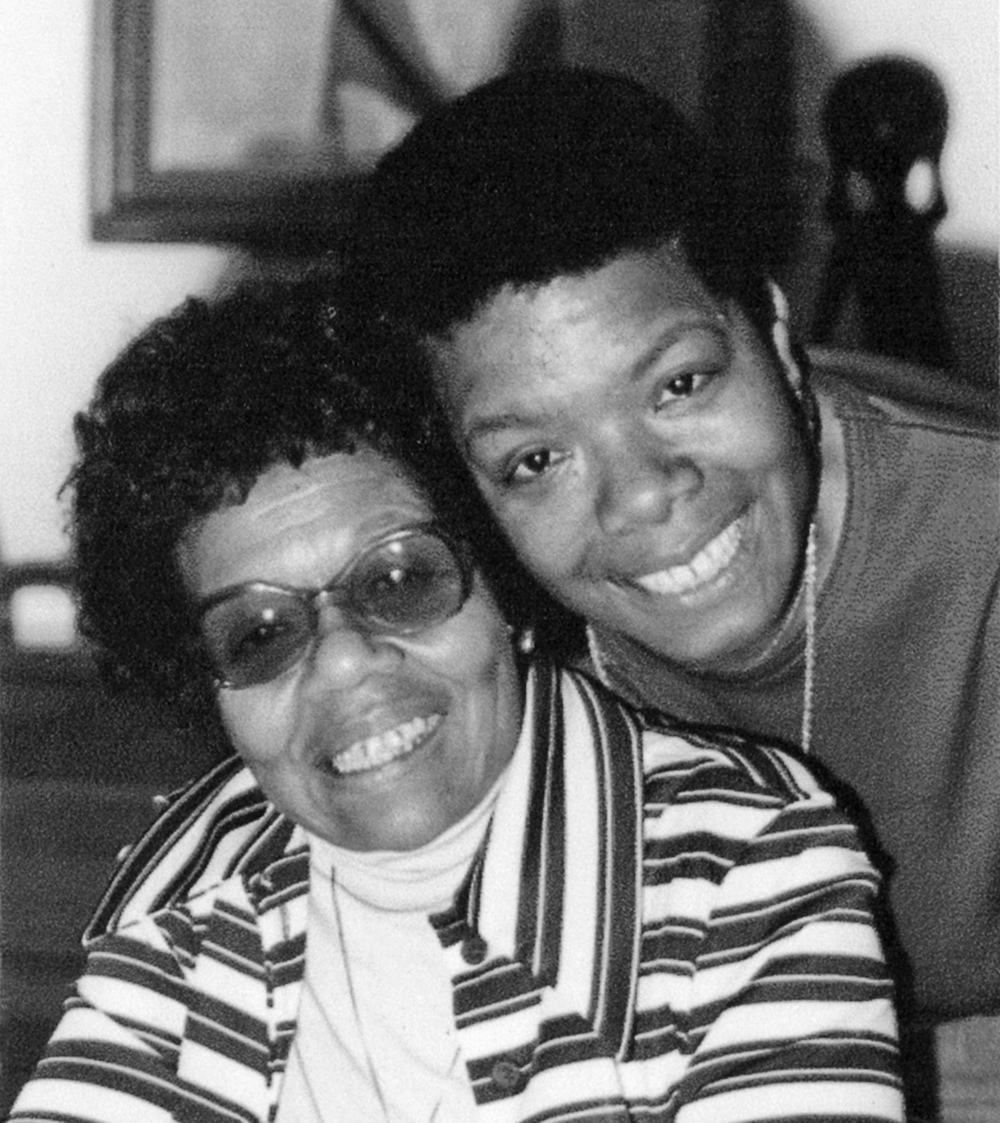
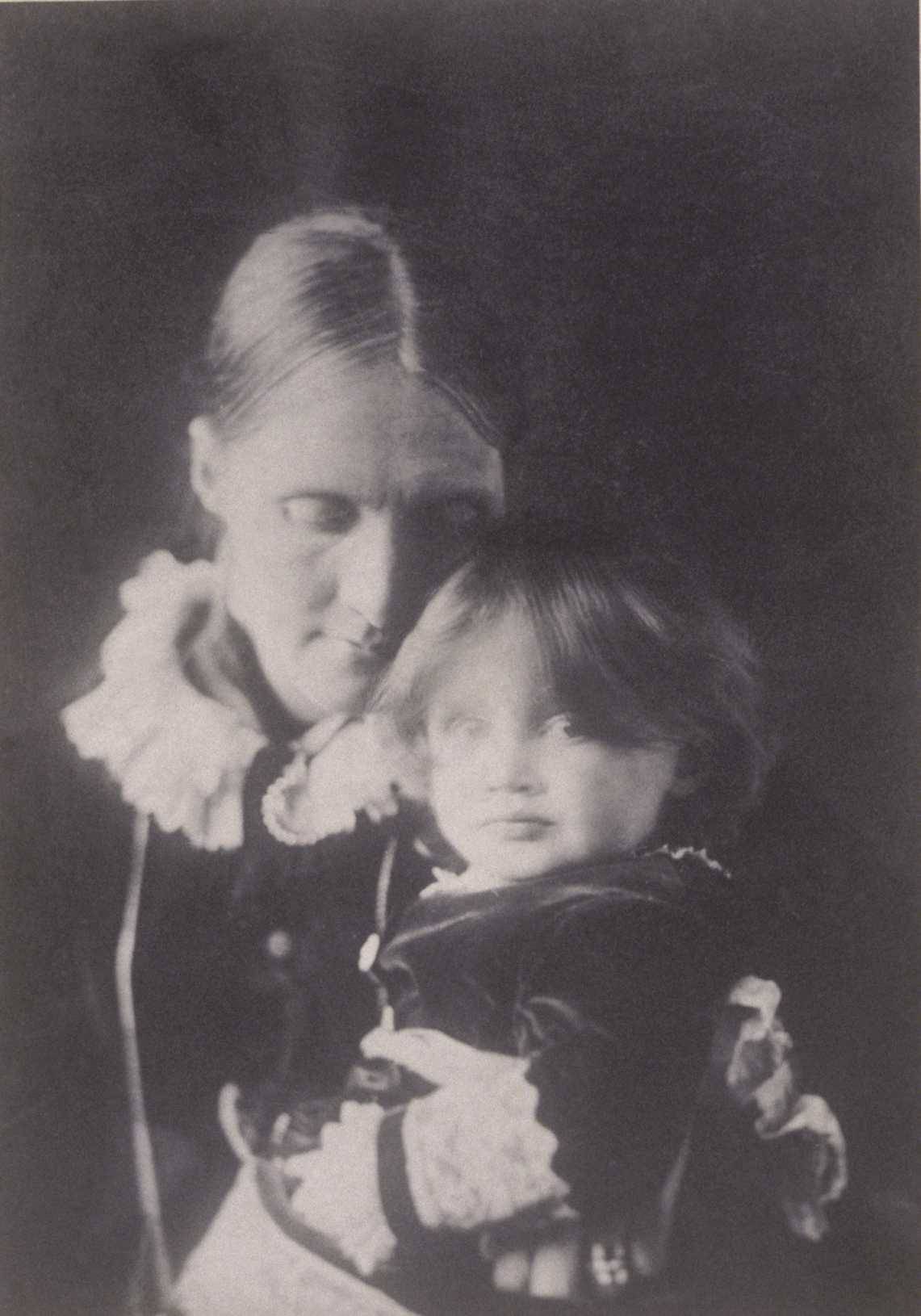
In case you haven’t noticed, this Sunday is Mother’s Day. Be nice to your mom. Maybe you could even hang out with her. I promise she’ll like it better than flowers that come in a box, or even a new book (sacrilege, I know). And hey, these twenty-two famous authors did it—even if some of them were babies at the time. So to celebrate some of our greatest writers and the women who brought them into the world, below you’ll find snapshots of Ernest Hemingway, Marguerite Duras, Jorge Luis Borges, Maya Angelou and more, all captured spending quality time with their mothers. (Flowers are nice too.)

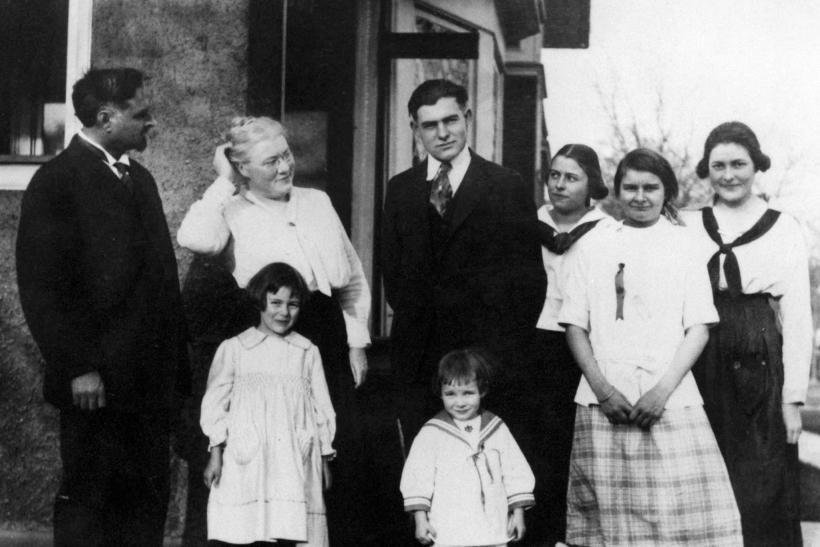
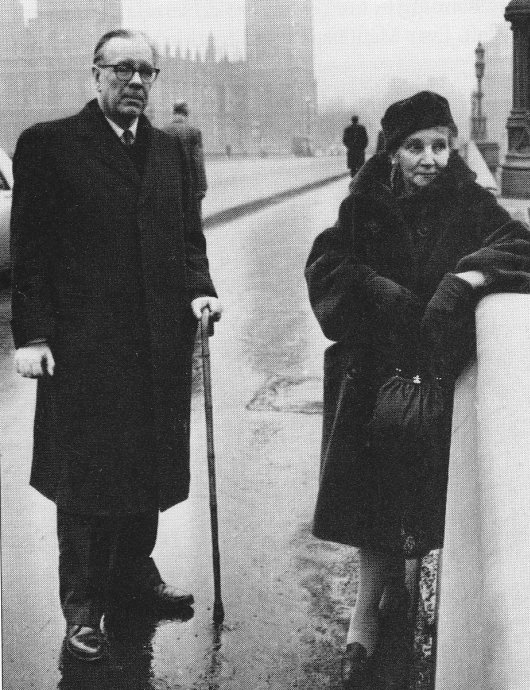
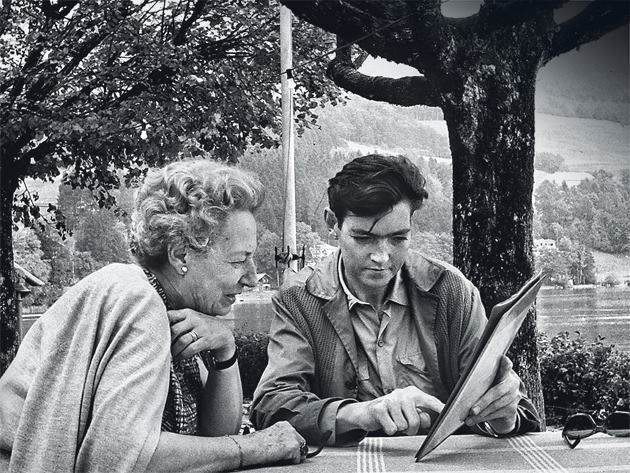
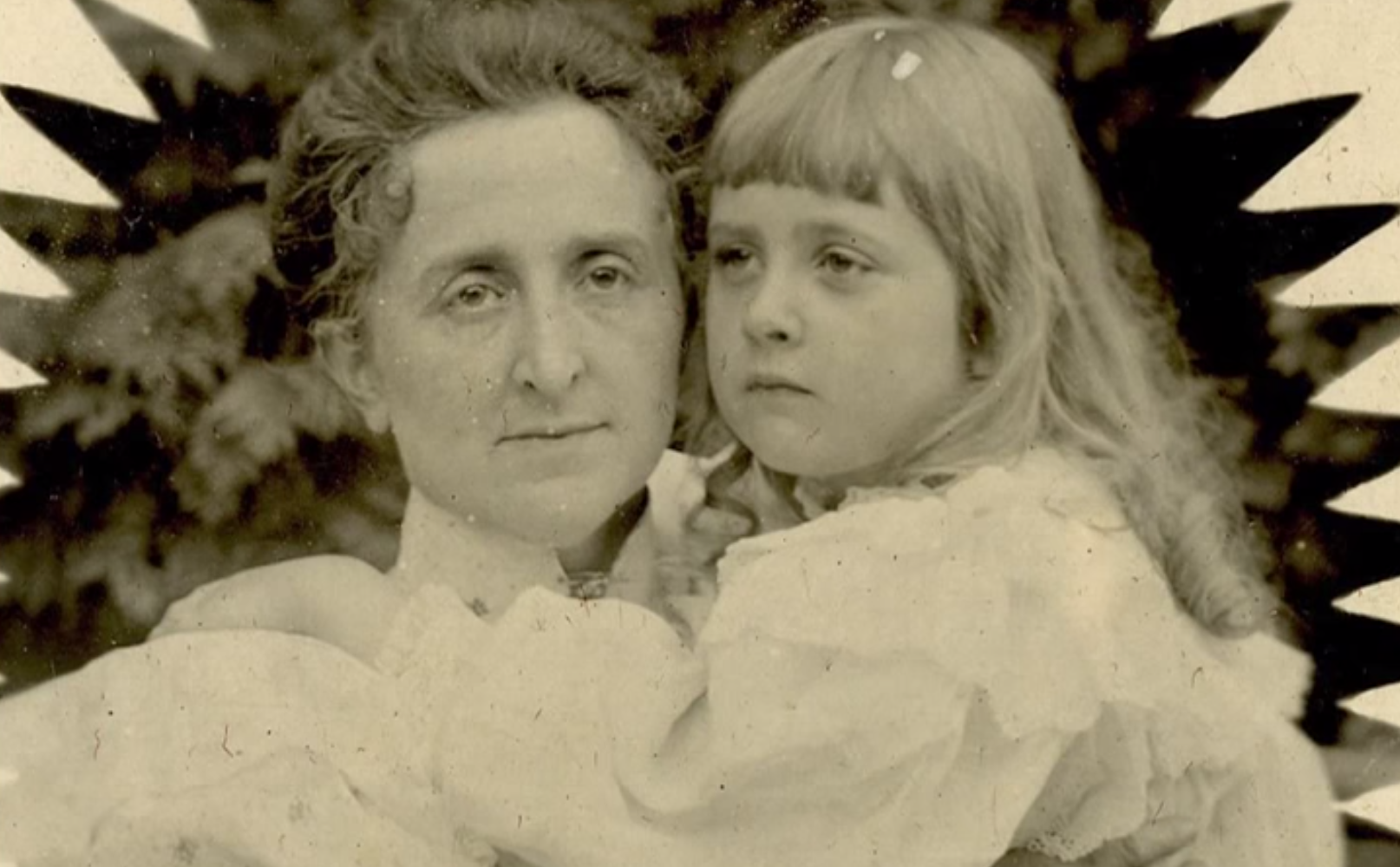
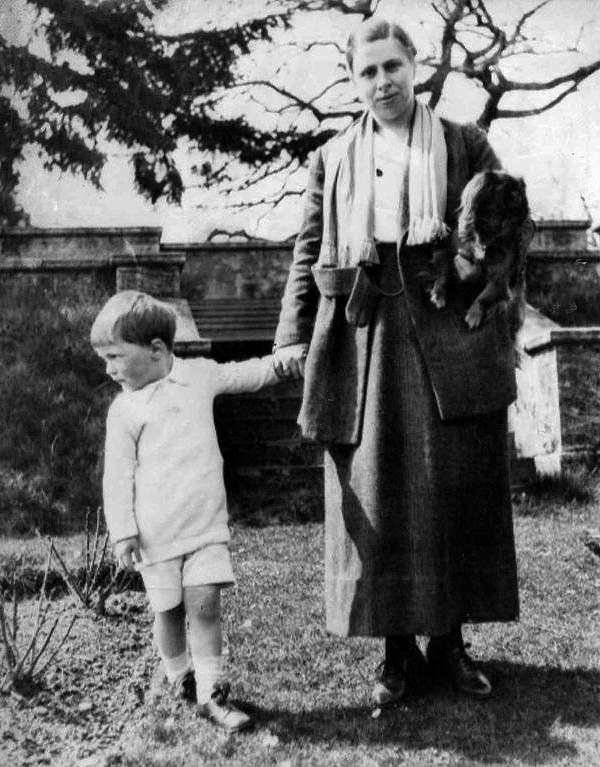
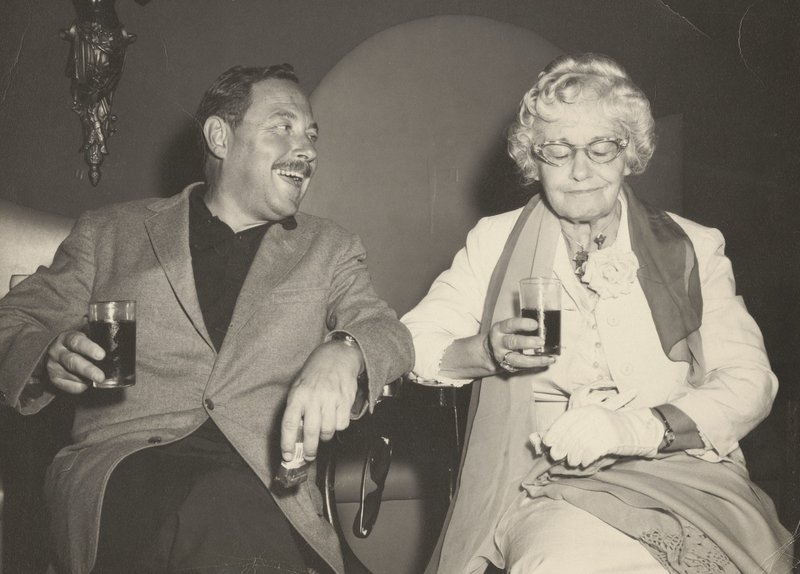
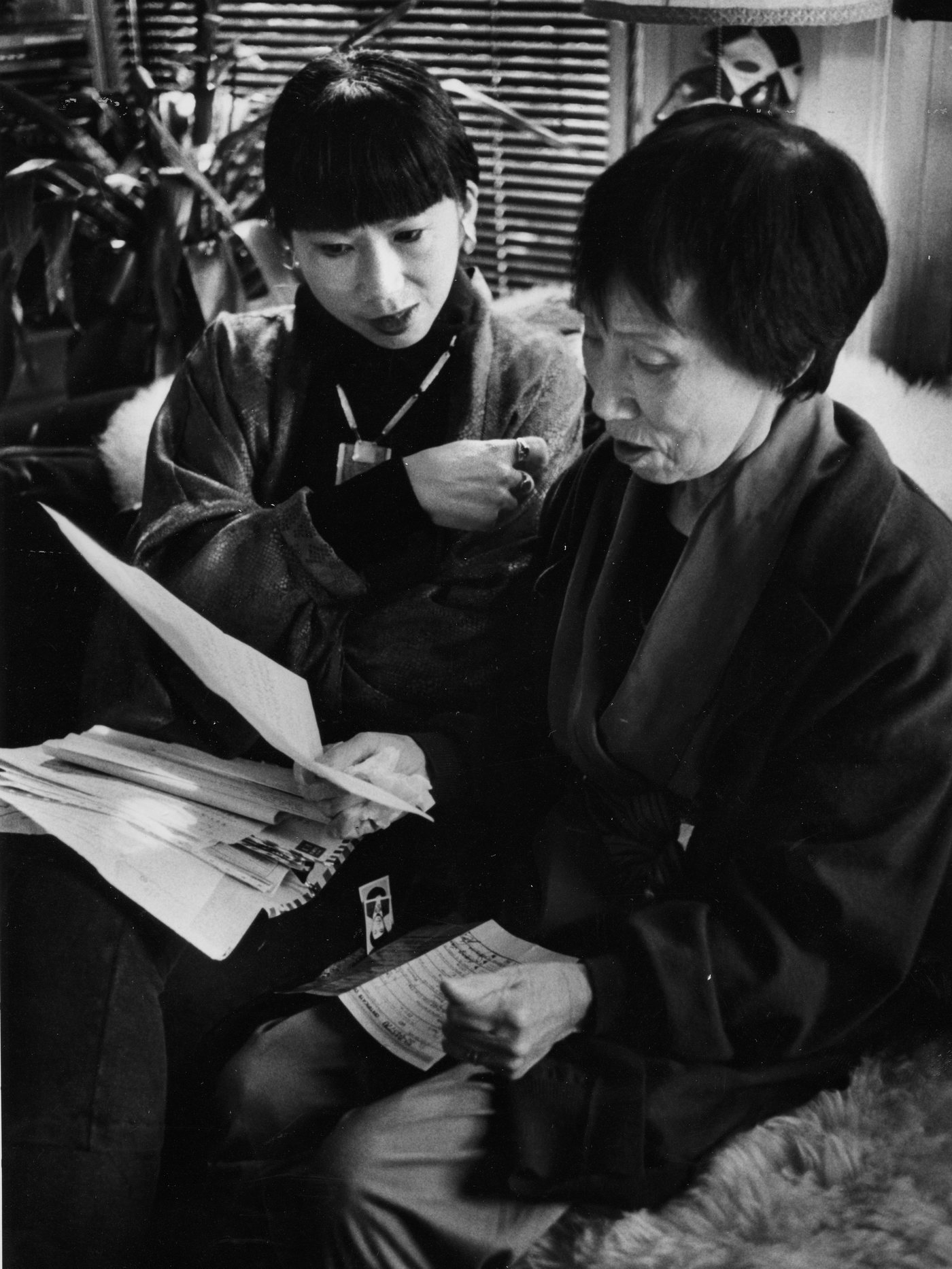
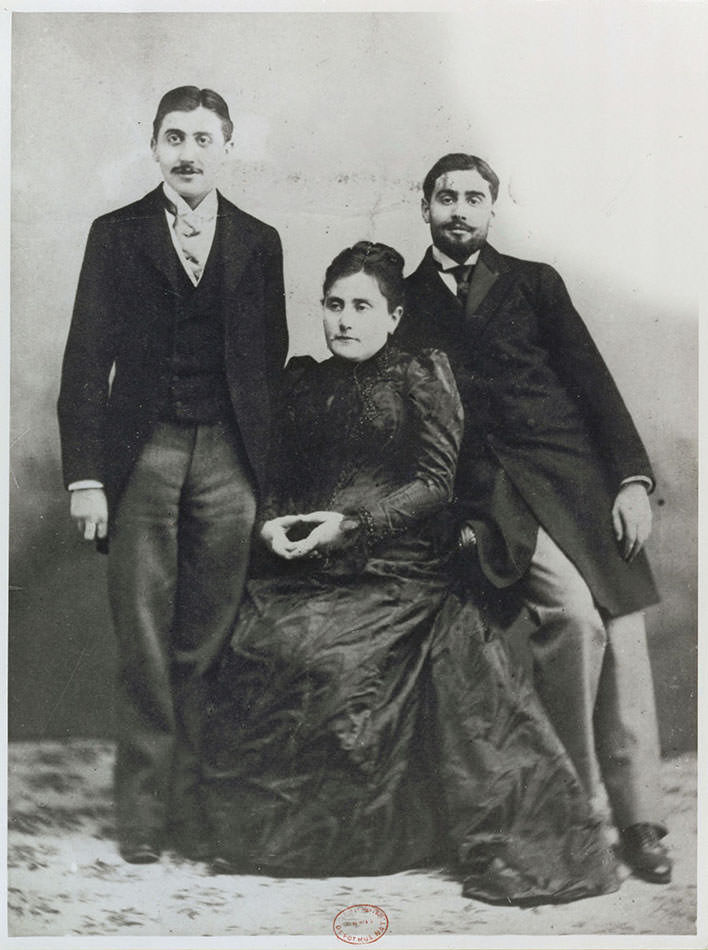
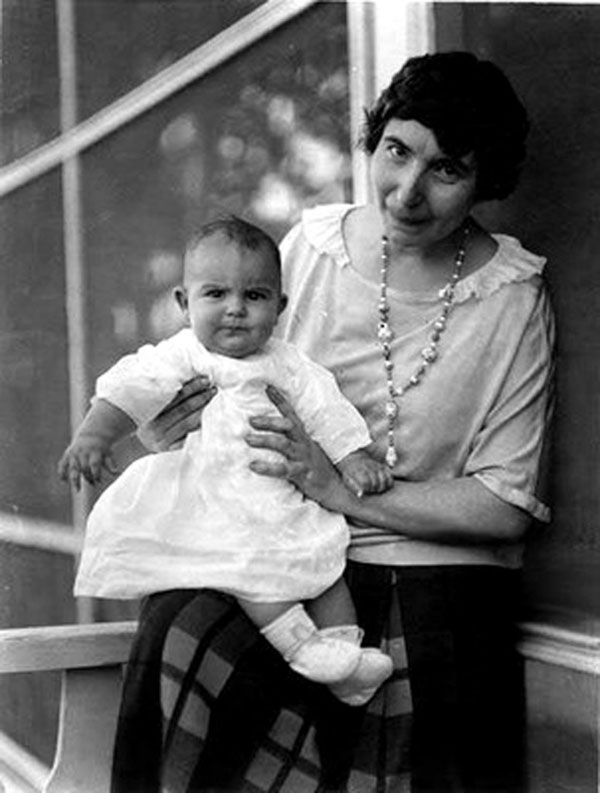
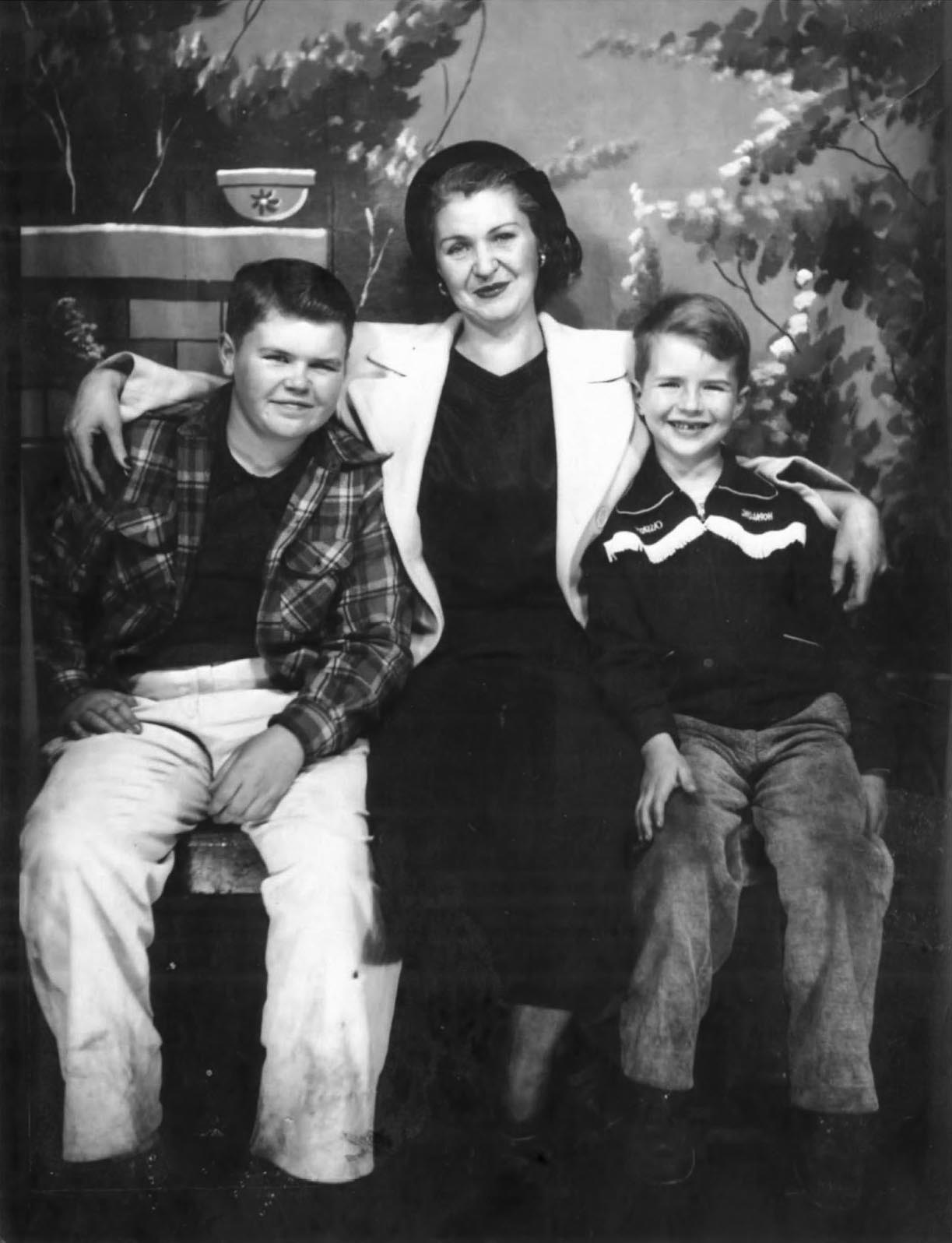
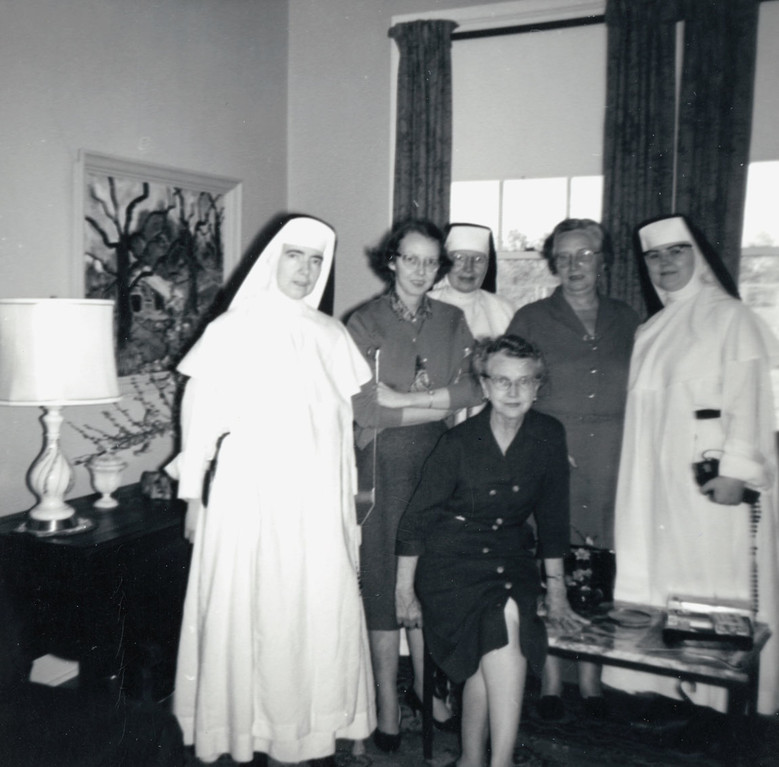
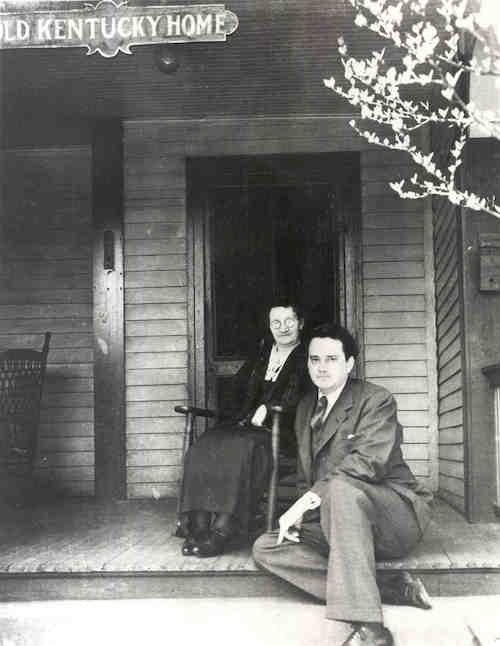
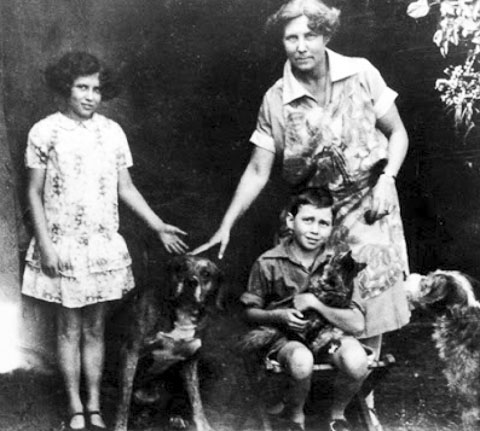
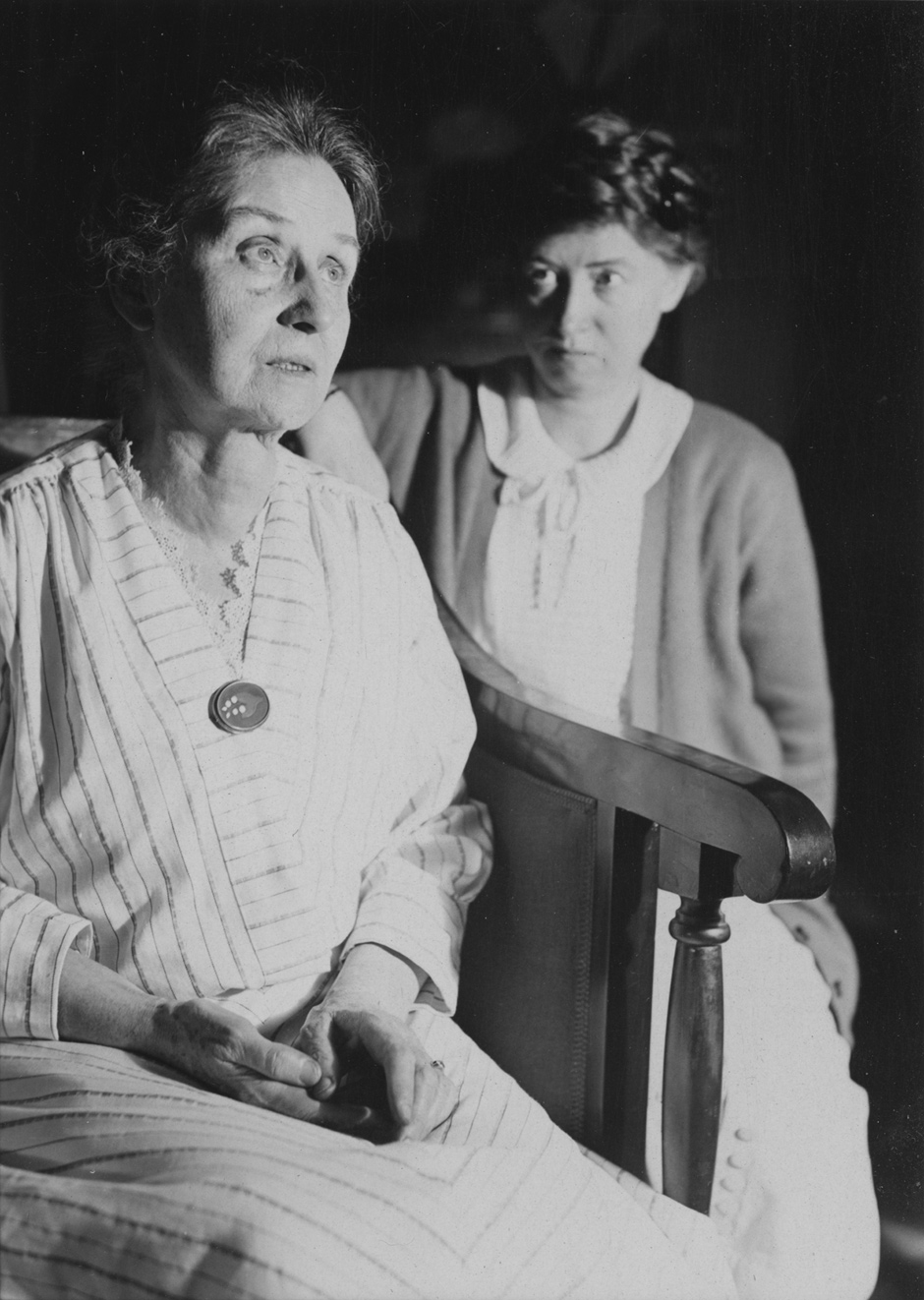
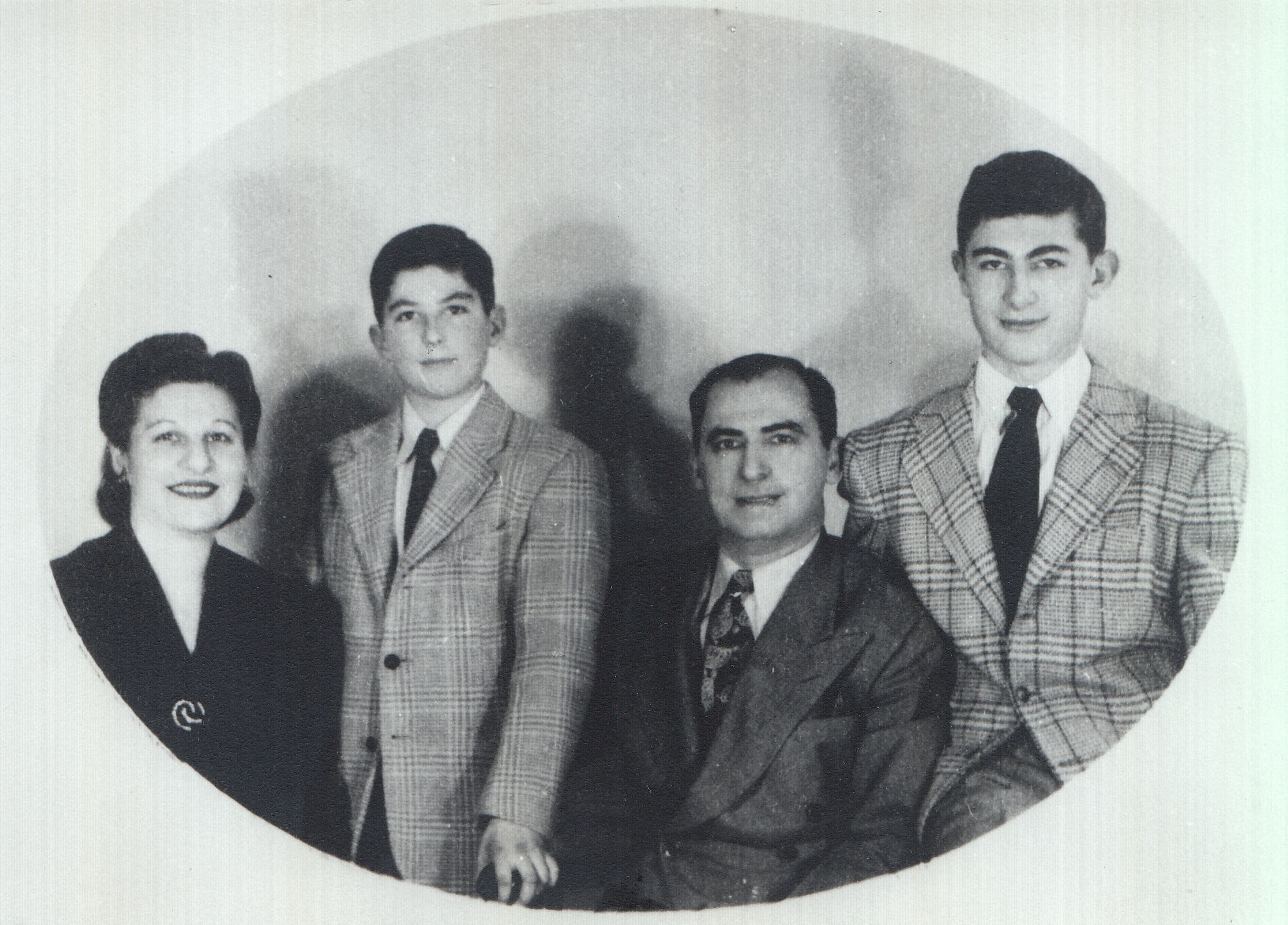
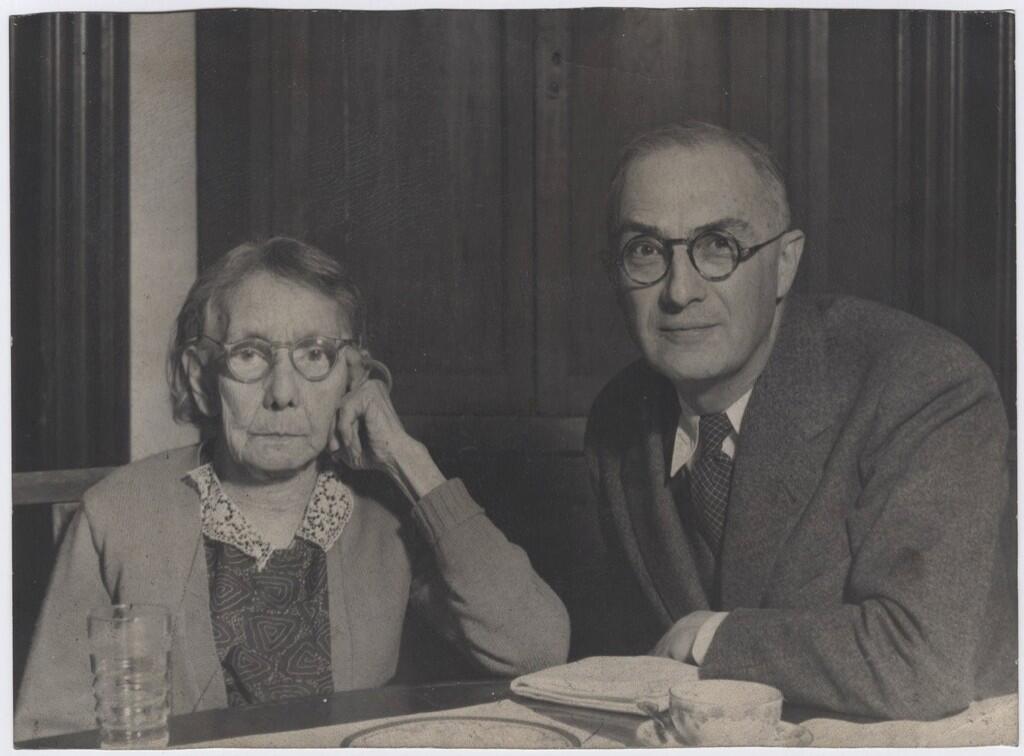
hemingway familyErnest Hemingway and his family at his boyhood home at 339 N. Oak Park Place Ave in Oak Park, Illinois. 1918. The Hemingway family from left to right: his father, Dr Clarence; his mother, Mrs Grace, Ernest; Madelaine; Ursula; Marcelline and Leicester and Carol in front. Reuters file photo via IBT.Marguerite Duras with her motherMarguerite Duras with her mother, Marie Donnadieu, via JSTORSylvia Plath with her mother Aurelia and brother Warren, circa 1952, via Vintage EverydayMaya Angelou and her mother, Vivian Baxter. Random House via NPR.virginia woolf and momA young Virginia (Woolf) with her mother, Julia Stephen. Photo by Henry H. H. Cameron via Camberwell FoxesJulio Cortazar with his motherJulio Cortazar with his mother in Austria, 1963, via Publicableagatha christie motherAgatha Christie with her mother, Clara, via Pinterest.roald dahl and momA young Roald Dahl with his mother, Sofie (and pet dog) in the garden of Ty Mynydd, circa 1919, via Roald Dahl Facts.Tennessee Williams with his motherTennessee Williams with his mother, Edwina Williams, via WNYCamy tan motherAmy Tan and her mother, Daisy, 1989, via NPReudora welty and motherEudora Welty and her mother, Chestina, in their garden. Photograph by Rollie McKenna, via Pinterestproust and momMarcel Proust with his mother, Jeanne Clémence Weil, and brother, Robert, circa 1895, via NYRBarthur miller familyArthur Miller with his mother Augusta, his father Isidore, and his new wife, Marilyn Monroe, 1956, via Infinite Marilyn MonroeA pretty disgruntled baby Italo Calvino, with his mother, Eva Mameli Calvino, via Pinterestraymond carver mother10-year-old Raymond Carver with his mother Ella, and brother James, via The Quivering Penflannery o'connor motherFlannery O’Connor (second from left) with a friend, some nuns (Sisters of St. Joseph of Carondelet), and her mother, Regina, in 1961, via the Arlington Catholic HeraldThomas Wolfe and his motherThomas Wolfe and his mother Julia, via N.C. Historic Sites.borges and motherJorge Luis Borges with his mother Leonor, on the Westminster Bridge, 1963, via This RecordingDoris Lessing with her motherDoris Lessing with her mother Emily, her brother, and some very good dogs, via Numero Cinqmarianne moore and motherMarianne Moore (right) and her mother, Mary Warner Moore, Brooklyn, 1932, via NYRBphilip roth familyPhilip Roth with his mother Bess, his father and brother, 1942, via Newark Public LibraryWilliam Carlos Williams with his motherWilliam Carlos Williams with his mother, Rachel Helena Hoeb, via William Carlos Williams.

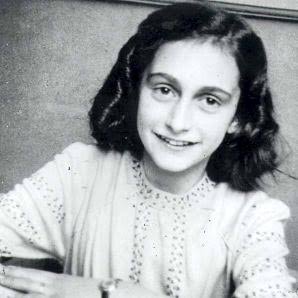
Anne Frank

Standard

Rohini's avatartruthiskef

images.jpeg

Everyone has inside of them a piece of good news. The good news is that you don’t know how great you can be! How much you can love! What you can accomplish! And what your potential is!

-Anne Frank

View original post

Nicnevin, Gaelic Witch Goddess

Standard

Nifty Buckles Folklore's avatarVal is a writer of enchanted tales, folklore and magic. Once chased by Vampire Pumpkins!

One of my favorite goddesses is the Gaelic goddess Nicnevin also known as The Queen of Elphame, Queen of the Fairies of Fife or Gyre Carlin, the Bone mother.

fairyqueen

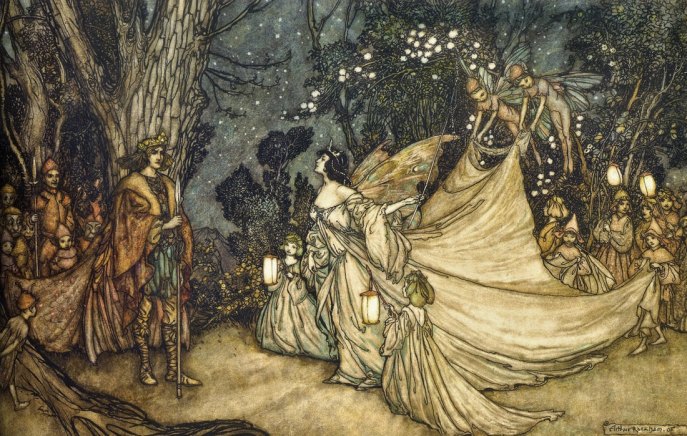
                         The Fairy Queen, illustration by Arthur Rackham

Nicnevin name evolved from the Gaelic Nic an Neamhain, meaning “Daughter of Flap,” spirit-woman or goddess who personifies the frenzied havoc of war. She is symbolized by flying geese similar to the symbols of the Roman goddess Juno. Succeeding the chaotic Christian witch trials, she was then categorized as a Seelie (benevolent fairy)  Queen of Elphame and Unseelie (malevolent fairy) Nicnevin goddess of Witches. She represents both sides of the divine feminine.

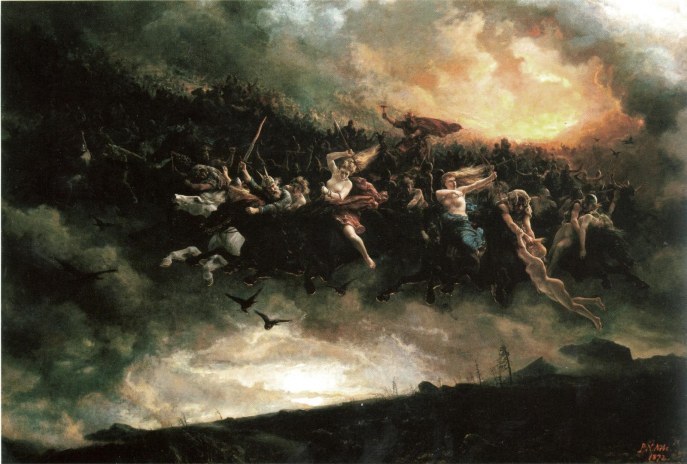
Aasgaardreien_peter_nicolai_arbo_mindre

The wild hunt: Asgårdsreien (1872) by Peter Nicolai Arbo

Nicnevin is associated with the dead riders of the night in German folklore of the Wild Hunt. She is a shape shifter representing once more the divine feminine. She…

View original post 358 more words

Piranesi’s Imaginary Prisons

Standard

Cakeordeath's avatarcakeordeathsite

Piranesi-Carceri d'invenzione (Imaginary Prisons)-1745-1761 Piranesi-Carceri d’invenzione (Imaginary Prisons)-Title Plate-1745-1761

In the mid-eighteenth century, the would be Venetian architect, etcher of Roman views and manufacturer  of hybrid artefacts, Giovanni Battista Piranesi, produced a remarkable series of prints entitled Carceri d’invenzione (Imaginary Prisons). The Imaginary Prisons can be classed as capricci, architectural fantasies, however these astounding visions would have an impact far beyond the narrow limits of this particular genre.

The first plate of fourteen prints was published between 1745-1750 and later revised with two additional etchings in 1761. It’s most obvious and immediate influence was upon the craze for the Gothic novel that swept throughout Europe in the late 18th Century. The Prisons would also exercise a considerable hold upon the imagination of the English Romantics. Not only do we find the two original gentleman junkies, Thomas De Quincey and Samuel Coleridge, discussing Piranesi at length in De Quincey’s classic autobiography and drug memoir, Confessions…

View original post 246 more words

Artie Meets the Alchemist Video! — #GetCaughtReading 2018

Standard

Teagan Riordain Geneviene's avatarTeagan's Books

Sunday, May 6, 2018

Hello, one and all!  It’s Get Caught Reading Month.  I couldn’t resist making a video for the mini-series  Chris Graham – the Story Reading Ape and I are doing in honor of this event.  Please click here for episode-1 of Artie Meets the Alchemist*.  Video trailer follows.

Learn how to win a free Kindle copy of one of my books!

***

Now, promoting my “partner in crime” Chris Graham.

My Vibrating Vertabrae cover A lovely book of poetry by Chris Graham’s mom

Amazon

Amazon UK

***

And my own shameless self-promotion…

Atonement Video Cover copy

Atonement, Tennessee

Amazon UK

Bijou front only 2

Murder at the Bijou — Three Ingredients I

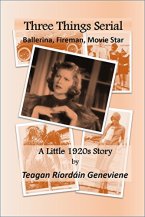
Novel-book-The Three Things Serial Story-Teagan Riordain Geneviene-The Writer Next Door-Vashti Q-spotlight-author

The Three Things Serial Story: A Little 1920s Story Kindle 

This is a work of fiction.  Characters, names, places, and incidents are either the product of the author’s imagination or are used fictitiously, and any resemblance to actual persons, living or…

View original post 75 more words

Frida

Standard

House of Heart's avatarHouse of Heart

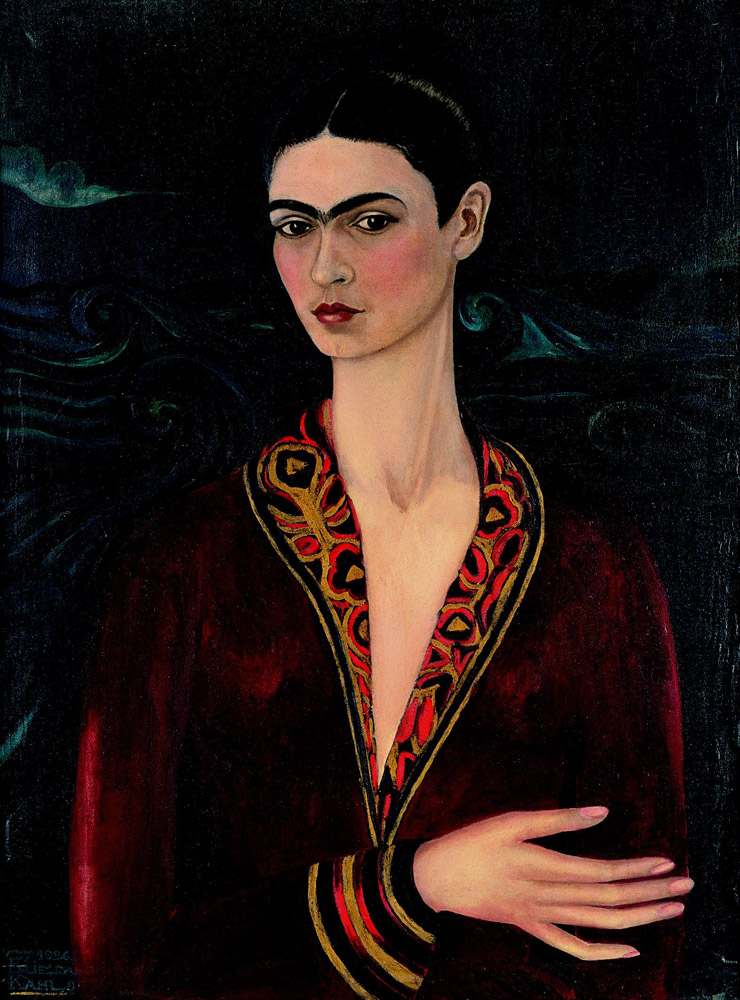
In the portrait

she wears a coral

shawl across her

shoulders.

Terracotta lips

are set in granite.

Her eyes are the

color of the earth,

they  scream the

anguish of the world.

Her image is etched

into  ragged  tapestry

hung from nails

on a farmhouse wall.

She is captured by the

hand of a woman uprising.

She is proud,

she is Mexico.

self portrait by Frida Kahlo

In honor of our beautiful neighbors to the South…Mexico

View original post

Ernest Hemingway Creates a Reading List for a Young Writer (1934)

Standard

Via: http://www.openculture.com/

Hemingway-reading-list

In the spring of 1934, a young man who wanted to be a writer hitchhiked to Florida to meet his idol, Ernest Hemingway.

Arnold Samuelson was an adventurous 22-year-old. He had been born in a sod house in North Dakota to Norwegian immigrant parents. He completed his coursework in journalism at the University of Minnesota, but refused to pay the $5 fee for a diploma. After college he wanted to see the country, so he packed his violin in a knapsack and thumbed rides out to California. He sold a few stories about his travels to the Sunday Minneapolis Tribune.

In April of ’34 Samuelson was back in Minnesota when he read a story by Hemingway in Cosmopolitan, called “One Trip Across.” The short story would later become part of Hemingway’s fourth novel, To Have and Have Not. Samuelson was so impressed with the story that he decided to travel 2,000 miles to meet Hemingway and ask him for advice. “It seemed a damn fool thing to do,” Samuelson would later write, “but a twenty-two-year-old tramp during the Great Depression didn’t have to have much reason for what he did.”

And so, at the time of year when most hobos were travelling north, Samuelson headed south. He hitched his way to Florida and then hopped a freight train from the mainland to Key West. Riding on top of a boxcar, Samuelson could not see the railroad tracks underneath him–only miles and miles of water as the train left the mainland. “It was headed south over the long bridges between the keys and finally right out over the ocean,” writes Samuelson. “It couldn’t happen now–the tracks have been torn out–but it happened then, almost as in a dream.”

When Samuelson arrived in Key West he discovered that times were especially hard there. Most of the cigar factories had shut down and the fishing was poor. That night he went to sleep on the turtling dock, using his knapsack as a pillow. The ocean breeze kept the mosquitos away. A few hours later a cop woke him up and invited him to sleep in the bullpen of the city jail. “I was under arrest every night and released every morning to see if I could find my way out of town,” writes Samuelson. After his first night in the mosquito-infested jail, he went looking for the town’s most famous resident.

When I knocked on the front door of Ernest Hemingway’s house in Key West, he came out and stood squarely in front of me, squinty with annoyance, waiting for me to speak. I had nothing to say. I couldn’t recall a word of my prepared speech. He was a big man, tall, narrow-hipped, wide-shouldered, and he stood with his feet spread apart, his arms hanging at his sides. He was crouched forward slightly with his weight on his toes, in the instinctive poise of a fighter ready to hit.

“What do you want?” said Hemingway. After an awkward moment, Samuelson explained that he had bummed his way from Minneapolis just to see him. “I read your story ‘One Trip Across’ in Cosmopolitan. I liked it so much I came down to have a talk with you.” Hemingway seemed to relax. “Why the hell didn’t you say you just wanted to chew the fat? I thought you wanted to visit.” Hemingway told Samuelson he was busy but invited him to come back at one-thirty the next afternoon.

After another night in jail, Samuelson returned to the house and found Hemingway sitting in the shade on the north porch, wearing khaki pants and bedroom slippers. He had a glass of whiskey and a copy of the New York Times. The two men began talking. Sitting there on the porch, Samuelson could sense that Hemingway was keeping him at a safe distance: “You were at his home but not in it. Almost like talking to a man out on a street.” They began by talking about the Cosmopolitan story, and Samuelson mentioned his failed attempts at writing fiction. Hemingway offered some advice.

“The most important thing I’ve learned about writing is never writing too much at a time,” Hemingway said, tapping my arm with his finger. “Never pump yourself dry. Leave a little for the next day. The main thing is to know when to stop. Don’t wait till you’ve written yourself out. When you’re still going good and you come to an interesting place and you know what’s going to happen next, that’s the time to stop. Then leave it alone and don’t think about it; let your subconscious mind do the work. The next morning, when you’ve had a good sleep and you’re feeling fresh, rewrite what you wrote the day before. When you come to the interesting place and you know what is going to happen next, go on from there and stop at another high point of interest. That way, when you get through, your stuff is full of interesting places and when you write a novel you never get stuck and you make it interesting as you go along.”

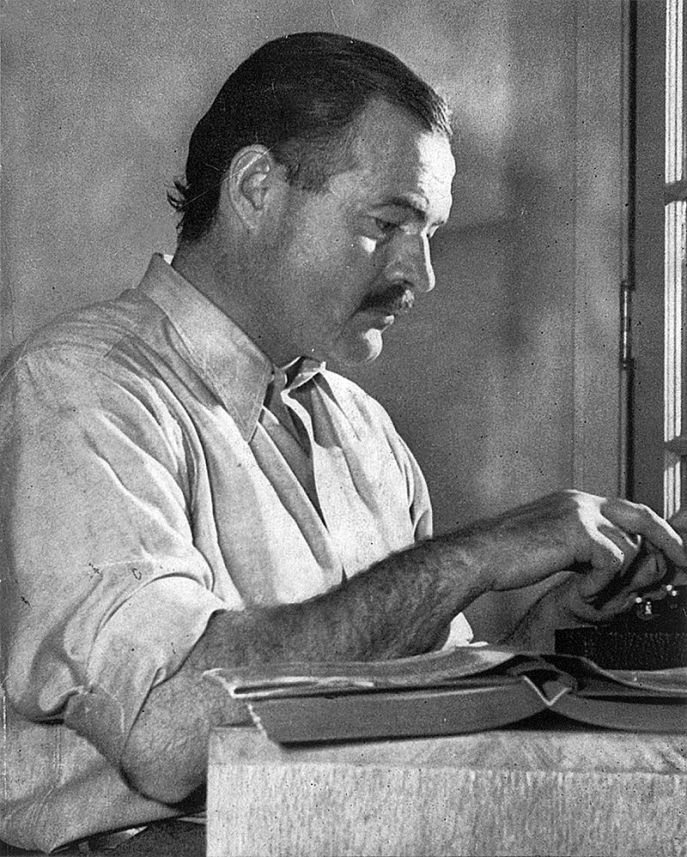
ErnestHemingway

Hemingway advised Samuelson to avoid contemporary writers and compete only with the dead ones whose works have stood the test of time. “When you pass them up you know you’re going well.” He asked Samuelson what writers he liked. Samuelson said he enjoyed Robert Louis Stevenson’s Kidnapped and Henry David Thoreau’s Walden. “Ever read War and Peace?” Hemingway asked. Samuelson said he had not. “That’s a damned good book. You ought to read it. We’ll go up to my workshop and I’ll make out a list you ought to read.”

His workshop was over the garage in back of the house. I followed him up an outside stairway into his workshop, a square room with a tile floor and shuttered windows on three sides and long shelves of books below the windows to the floor. In one corner were a big antique flat-topped desk and an antique chair with a high back. E.H. took the chair in the corner and we sat facing each other across the desk. He found a pen and began writing on a piece of paper and during the silence I was very ill at ease. I realized I was taking up his time, and I wished I could entertain him with my hobo experiences but thought they would be too dull and kept my mouth shut. I was there to take everything he would give and had nothing to return.

Hemingway wrote down a list of two short stories and 14 books and handed it to Samuelson. Most of the texts you can find in our collection, 800 Free eBooks for iPad, Kindle & Other Devices. If the texts don’t appear in our eBook collection itself, you’ll find a link to the text directly below.

Hemingway reached over to his shelf and picked up a collection of stories by Stephen Crane and gave it to Samuelson. He also handed him a copy of his own novel,  A Farewell to Arms“I wish you’d send it back when you get through with it,” Hemingway said of his own book. “It’s the only one I have of that edition.” Samuelson gratefully accepted the books and took them back to the jail that evening to read. “I did not feel like staying there another night,” he writes, “and the next afternoon I finished reading A Farewell to Arms, intending to catch the first freight out to Miami. At one o’clock, I brought the books back to Hemingway’s house.” When he got there he was astonished by what Hemingway said.

“There is something I want to talk to you about. Let’s sit down,” he said thoughtfully. “After you left yesterday, I was thinking I’ll need somebody to sleep on board my boat. What are you planning on now?”

“I haven’t any plans.”

“I’ve got a boat being shipped from New York. I’ll have to go up to Miami Tuesday and run her down and then I’ll have to have someone on board. There wouldn’t be much work. If you want the job, you could keep her cleaned up in the mornings and still have time for your writing.”

“That would swell,” replied Samuelson. And so began a year-long adventure as Hemingway’s assistant. For a dollar a day, Samuelson slept aboard the 38-foot cabin cruiser Pilar and kept it in good condition. Whenever Hemingway went fishing or took the boat to Cuba, Samuelson went along. He wrote about his experiences–including those quoted and paraphrased here–in a remarkable memoir, With Hemingway: A Year in Key West and Cuba. During the course of that year, Samuelson and Hemingway talked at length about writing. Hemingway published an account of their discussions in a 1934 Esquire article called “Monologue to the Maestro: A High Seas Letter.” (Click here to open it as a PDF.) Hemingway’s article with his advice to Samuelson was one source for our February 19 post, “Seven Tips From Ernest Hemingway on How to Write Fiction.”

When the work arrangement had been settled, Hemingway drove the young man back to the jail to pick up his knapsack and violin. Samuelson remembered his feeling of triumph at returning with the famous author to get his things. “The cops at the jail seemed to think nothing of it that I should move from their mosquito chamber to the home of Ernest Hemingway. They saw his Model A roadster outside waiting for me. They saw me come out of it. They saw Ernest at the wheel waiting and they never said a word.”

Note: An earlier version of this post originally appeared on our site in May 2013.

“Αυτός που λέει ψέματα στον εαυτό του είναι αυτός που προσβάλλεται πρώτος.” ~ Φ. Ντοστογιέφσκι

Standard

“The one who is lying to himself is the one who is first offended.” ~ F. Dostoevsky
By SearchingTheMeaningOfLife

The main thing is not to lie to yourself.
The one who is lying to himself
and believes in his own lie,
it reaches the point of not seeing any truth
neither inside nor in others –
so he loses any appreciation for others
and every self-esteem.
Do not indulge anyone, stop loving.
And not having the love begins to be distraught
passions and aches

to work and entertain.
So it reaches absolute brutality and all because it is constantly lying to others and to himself.
The one who is lying to himself
he is the first to be offended.
Why, sometimes, it is very pleasant to feel afflicted.
Is not that right;
Extract from F. Dostoevsky’s book “Brothers of Caramazev”

by SearchingTheMeaningOfLife

SearchingTheMeaningOfLife's avatarSearching The Meaning Of Life! (S.T.M.O.L)


Το κυριότερο είναι να μη λέτε ψέματα στον ίδιο τον εαυτό σας.
 Αυτός που λέει ψέματα στον εαυτό του 
και πιστεύει στο ίδιο του το ψέμα, 
φτάνει στο σημείο να μη βλέπει καμιάν αλήθεια 
ούτε μέσα του ούτε στους άλλους -
κ΄ έτσι χάνει κάθε εκτίμηση για τους άλλους
 και κάθε αυτοεκτίμηση.
 Μην εχτιμόντας κανέναν, πάβει ν΄ αγαπάει. 
Και μην έχοντας την αγάπη αρχίζει να παρασέρνεται 
απ΄τα πάθη και την ακολασία

View original post 62 more words