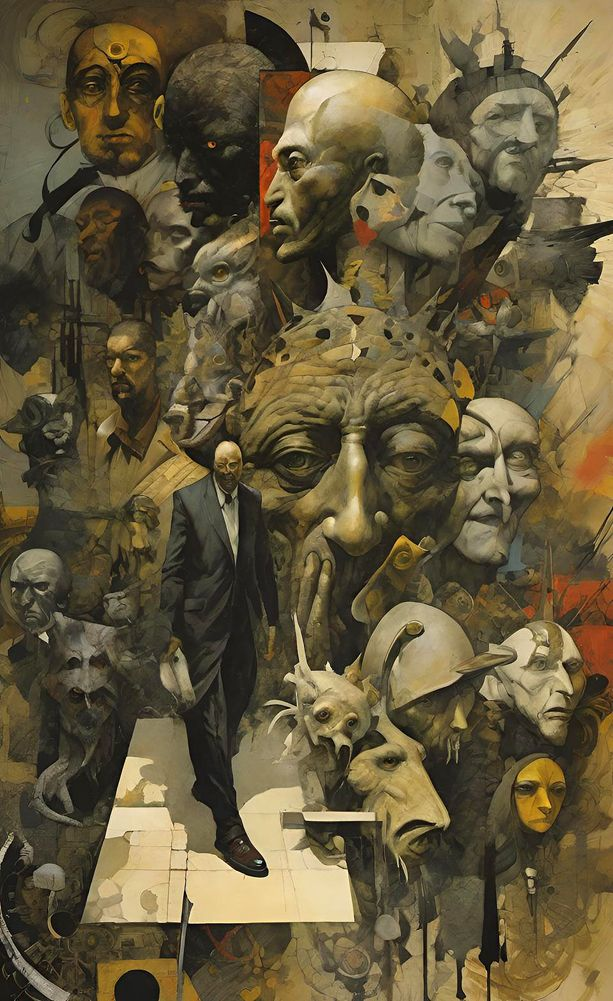
Throughout history, influential politicians have often been seen as shapers of destiny and architects of society. However, some may believe that, behind their visible authority, they function more like puppets controlled by unseen forces than as independent leaders. This view suggests that true power lies elsewhere, with politicians serving as public faces for deeper, more ingrained interests.
Certainly, some independent individuals with strong personalities have risen to the top to realise their ideas, such as Napoleon and Hitler. However, the modern political landscape is shaped by complex networks of corporations, lobbyists, and special interest groups that wield significant economic and informational influence. These groups often set policy priorities and legislative agendas. Politicians, even charismatic ones, depend on them for campaign funding, media support, and advice. In return, their decisions may be subtly or overtly influenced to benefit those maintaining the political machinery.
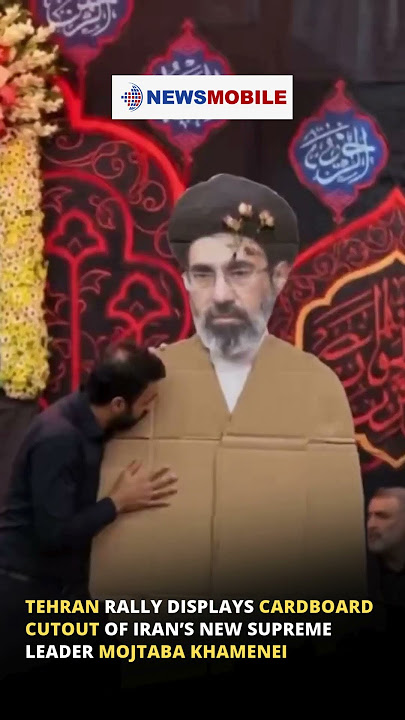
You may have come across this (real!) depiction of Iran’s new leader of the Islamic regime!
Furthermore, bureaucracies, party apparatuses, and global institutions further diminish individual agency, ensuring that politicians follow established paths rather than forge new ones. Dissenters risk marginalisation, while conformists are rewarded with stability and progress. In conclusion, although influential politicians seem to possess significant power, their actions and decisions are often dictated by external forces; they frequently serve as puppets on the public stage—animated not by their own will, but by the hands that pull their strings. If we examine their behaviour and interpret their language through their speech, we can easily read between the lines: they speak clearly and directly when they are prepared for what they need to say, but when caught unawares by a new, unexpected topic, they start babbling and repeating themselves.
In my view, the world aims to dissolve the individual into the crowd, with personality fading away under the “New World Order” to facilitate control.
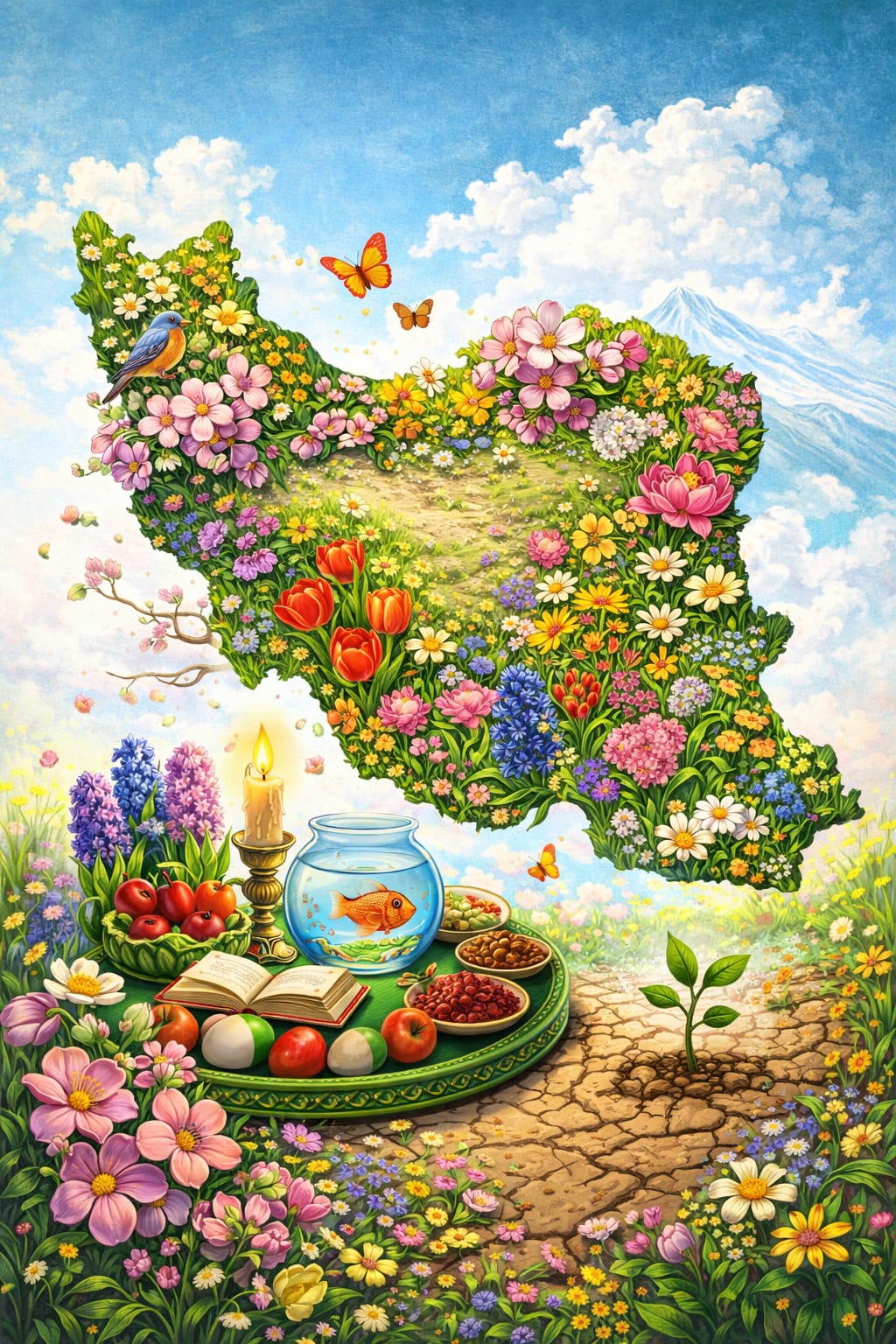
As you might know, yesterday marked the arrival of the Spring Equinox and the Persian New Year. I feel a twilight sensation between grief and bliss. However, I could just be hopeful that the coming year will be filled with peace, freedom, and justice.
I hope that next year, flowers will blossom instead of bullets, bombs, or executions. 💖🌹
Hello again, naturally! I simply want to wish you all a joyful New Year filled with love and peace. I had intended to finish an article I began a few weeks ago, but right now I am fully occupied with the current events in Iran. This situation seems quite serious this time (hopefully!). However, as I observe the events, the other parts of the world handle it very carefully, as I haven’t heard any news about it on German TV, until the “President of all time”, Trump, told the Mullah’s regime: Don’t kill people, otherwise I will get you! That was like a green light for the global “Free Press?!” to discuss and highlight this event in their coverage. Even the late Shah’s prodigal son has spoken out (after remaining silent all this time) and thanked Trump for his threat.
So, this year seems promising; let’s hope for the best! Take care, stay healthy, and stay blessed.
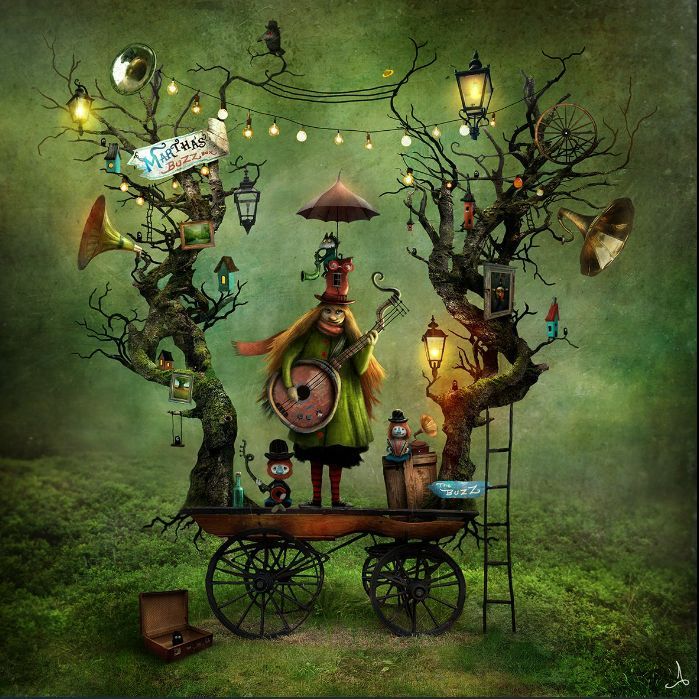
The image at the top: a digital artwork titled Martha’s Buzz by Swedish illustrator Alexander Jansson.
Ancient Egyptian history is undeniably captivating, and exploring it with a hint of femininity makes it even more alluring.
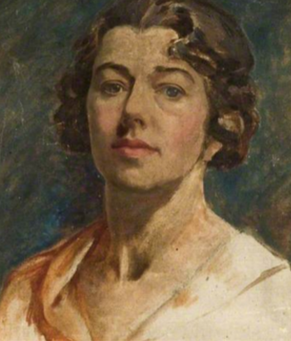
By Myrtle Florence Broome (Self Portrait). Original publication: unknown immediate source- Wiki. Fair use!
Myrtle Florence Broome (22 February 1888 – 27 January 1978) was a British Egyptologist and artist renowned for her illustrated collaboration with Amice Calverley on the Temple of Seti I at Abydos, as well as her paintings that captured the essence of Egyptian village life during the 1920s and 1930s. She was born on 22 February 1888 in Muswell Hill, London, to Eleanor Slater and Washington Herbert Broome. Broome studied art at a school in Bushey founded by Sir Hubert von Herkomer. From 1911 to 1913, she attended University College London, where she earned a Certificate in Egyptology under the guidance of Sir Flinders Petrie and Margaret Murray.
I was pleasantly surprised to come across this old post from the égyptophile site, and am excited to share this beautiful story about two women and their love for ancient Egyptian magic with you.
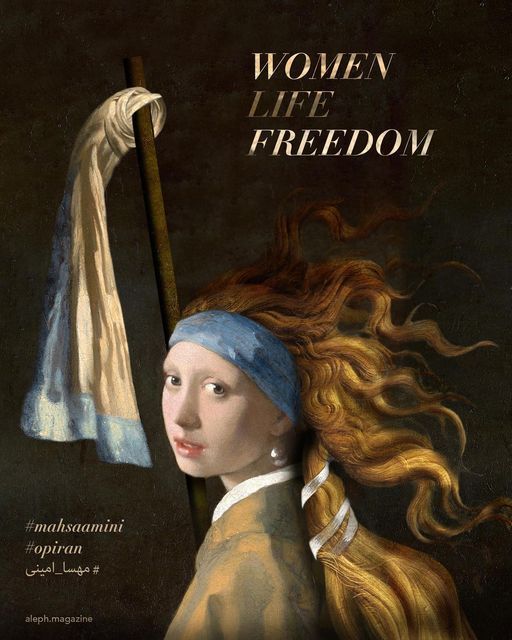
Therefore, I included the slogan of the Iranian women’s and men’s revolution, #WomanLifeFreedom, in this post, as it symbolises not only the struggle for freedom in Iran but also resonates worldwide.
Florence Broome, Egyptologist and Painter London, February 22, 1888 – Bushey, January 27, 1978 – Self-portrait on the right and, on the left, a copy of her extraordinary work at Abydos: “King Sethos receives life and dominion from the goddess Saosis” (detail)
Along with Nina de Garis Davies, Marcelle Baud, and Amice Calverley, Myrtle Florence Broome is undoubtedly one of the most gifted copyists to have worked in Egypt during the first half of the 20th century.
Myrtle was born in London’s Muswell Hill neighbourhood on February 22, 1888, into a family of music book publishers. However, it was in Bushey, Hertfordshire, that she spent much of her life, and it was there that she studied at the Beaux-Arts, developing her talents for drawing and painting.
In 1911, she joined University College London, where she studied Egyptology under the guidance of two eminent professors, Flinders Petrie and Margaret Murray, who would become the first female Egyptologists.
During the two years of classes taught by Margaret Murray, what she ironically called “the gang” was formed: it included Myrtle Broome, Guy and Winfried Brunton, Reginald (Rex) Engelbach, and Georginan Aitken, all of whom went on to have distinguished careers in Egyptology (Rex would become curator of the Cairo Museum of Antiquities).
Margaret Murray’s influence on Myrtle was undoubtedly significant, and it seems likely that she encouraged her to develop and exploit her artistic talents professionally.
Myrtle Florence Broome (left) and Amice Calverley posing in front of their “copies”
In 1927, Myrtle was at the Qau el-Kebir site, where she conducted epigraphic surveys of Middle Kingdom tombs and copied their scenes.
In 1929, she was recruited by the Egypt Exploration Society and joined Amice Calverley at Abydos. This marked the beginning of a fruitful, beautiful, and enriching collaboration that would culminate in a deep and lasting friendship.
They will spend eight seasons together, eight excellent seasons in the temple and the Osereion. The task is complex, and the concentration is extreme because recording the scenes requires very particular attention, with no room left for personal interpretation. All this in rather “primitive” working conditions, sometimes perched on ladders more than 10 m above the ground and in often oppressive heat! The Abydos team is very quickly enriched by a Canadian Egyptologist and an Austrian photographer who also do excellent work, while good humour reigns.
James Henry Breasted was at a loss for words to praise their talent and admitted that it seemed impossible to find more expert and brilliant women.
The result was published in four volumes edited between 1933 and 1958 by the Egypt Exploration Society of London and the Oriental Institute of the University of Chicago, with the financial support of John D. Rockefeller Jr. A remarkable work, of unparalleled quality, and—but?—so beautiful that it remained, in a way, almost confidential for fear of damaging the plates!
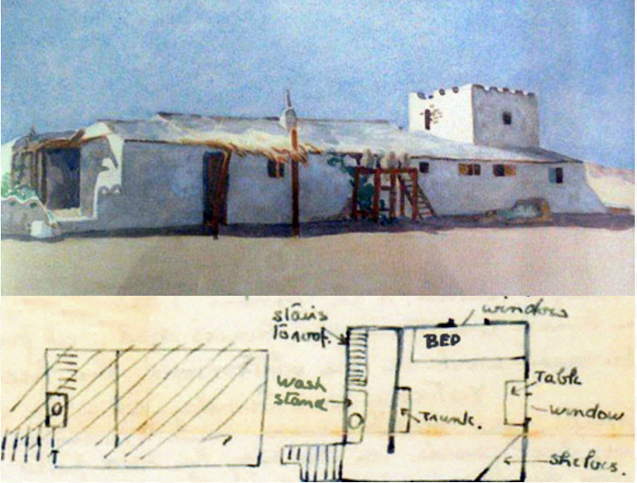
Myrtle Florence Broome’s house during her work at Abydos
The time spent in Abydos was undoubtedly one of the happiest periods of Myrtle’s life. In the small, low-rise house she lived in—and which we can see in one of her paintings—she had: “a housekeeper whom she nicknamed Nannie and a villager, called Sadiq, who served as her advisor, bodyguard, and personal assistant. Life was frugal, however, and Myrtle took great care not to exceed their allotted budget.”
Accompanied by Sadiq, Amice, and Myrtle, they took several short trips in Amice’s car to the Red Sea, Kharga, and Dakhla. Myrtle’s paintings vividly depict the desert’s colours, with shades of pink, brown, and subtle hints of golden beige.
Amice Calverley on a painting by Myrtle Florence Broome, created during one of their many “expeditions” to Egypt (c) Bushey Museum and Art Gallery; Supplied by The Public Catalogue Foundation
We feel that she loved these landscapes infinitely, that she was imbued with their colours and their light. One of her paintings is particularly touching and gives a beautiful idea of what their escapades must have been like: we see Amice sitting on a mat, near her car, taking notes in the middle of the desert! We must put ourselves in context: these two women were adventurers and pioneers!
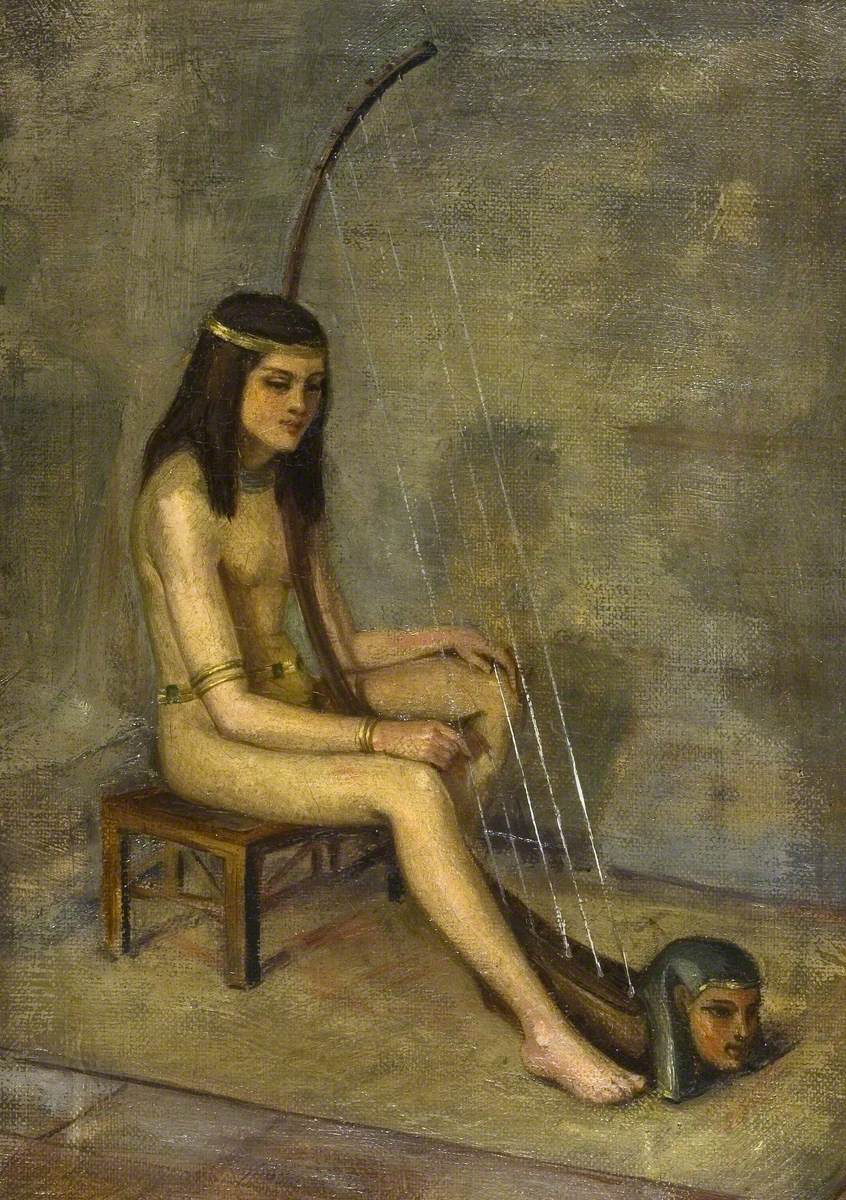
Myrtle Florence Broome, “The Pharaoh Seti I worshipping the god Osiris from the Temple of Seti I at Abydos”
Their joint mission to Abydos ended due to World War II, but they remained close until Amice’s death in April 1959.
During these seasons away from home, Myrtle wrote many letters to her family; they constitute a beautiful testimony to her life, her perspective on things, and her way of sharing them. Some of her correspondence has been deposited at the Griffith Institute in Oxford.
Myrtle Florence Broome and her dogs at Abydos
From Egypt, she brought back not only paintings, but also photographs from which one can only realise that, in addition to her immense talents and her incredible intelligence, she was also a charming woman. Her very successful self-portrait confirms this, showing us a regular face with a certain nobility in its bearing and an expressive, frank gaze. Of her love life, we know little except for a barely sketched romance with a policeman, which she immediately renounced, convinced that “in any case, it could not have worked.”
Upon her return to England in 1937, she apparently devoted herself entirely to her parents, and especially to her ailing father…
Myrtle “passed away” on January 27, 1978… And suppose you still want to know more about this artist. In that case, you can consult her archives on the Griffith Institute website or refer to the book, published in November 2020 by AUC Press: “An Artist in Abydos: The Life and Letters of Myrtle Broome” by Lee Young, with a preface by Peter Lacovara.
Sources : M.L. Bierbrier, editor, “Who Was Who in Egyptology”, third revised edition, London, 1995. Calverley, Amice Mary (1896-1959)” “Obituary notice: Myrtle Florence Broome (1887-1978)”, by John Ruffle “The Temple of King Sethos I at Abydos copied by Amice M. Calverley, with the Assistance of Myrtle F. Broome and edited by Alan H. Gardiner”, London: The Egypt Exploration Society; Chicago: University of Chicago Press, 1933-58, Vols. 1-4 “The Life of Margaret Alice Murray: A Woman’s Work in Archaeology”, Kathleen L. Sheppard “Amice Calverley”, Journal of Egyptian Archaeology 45 (1959),85-87, Janet Leveson-Gower
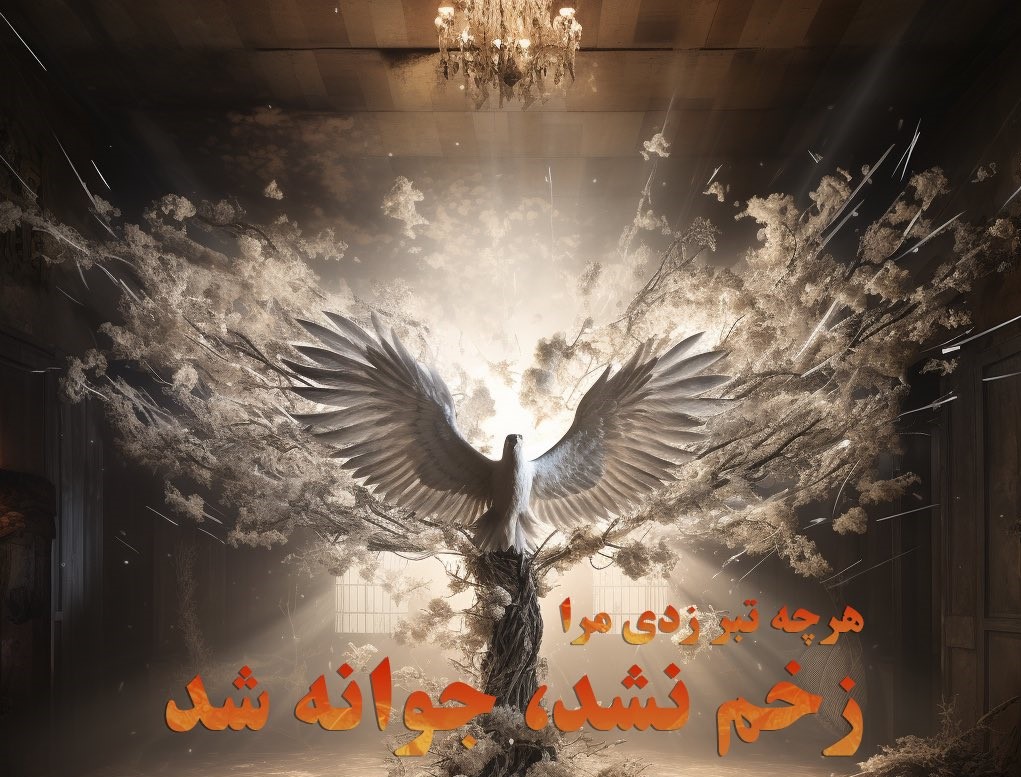
Whatever you shot me, it left no scar; it sprouted!
Many events are happening worldwide, but most are disheartening: millions of refugees, wars, hunger, uncertainty, and executions. However, I want to focus on the last one and have to, again, urge the world to put an end to it. It appears there is a systematic plan to eliminate the young—those full of hopes, dreams, and potential. They represent the future of Iran, brimming with creativity and energy, and they are at risk of being destroyed.
via Euronews
I don’t want to hurt my friends, but it appears that a brutal regime in the Middle East aims to massacre the youth and destroy the wealth of ancient and precious folk and their country!
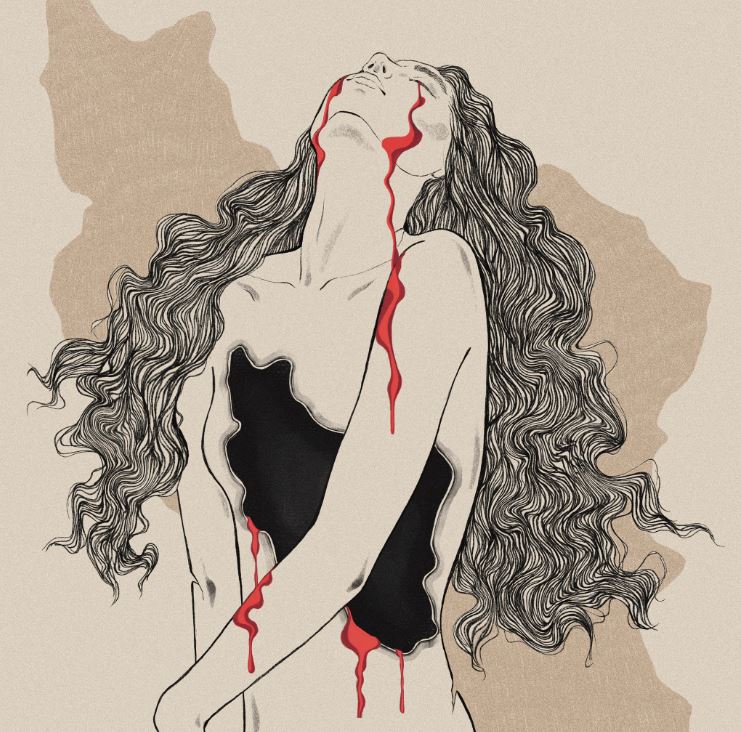
Iran-hair, via Ruth Millington: ‘For my brave Iranian sisters’ by r0yart @_r0yart
The Islamic Regime searches for them on purpose to get them, jail them, and execute them. Prisons, including special facilities for political prisoners, are present in the political history of many countries. In Iran, one such prison is known as Evin. It should have been demolished after the fall of the Shah; however, the mullahs found it to be much more advantageous for their purposes.
Woman-Life-Freedom- via Amnesty International
I have often mentioned that global superpowers benefit from having a chaotic regime or a wild dog in that region, like the Mullah Regime. They maintain control over those countries through fear, hoping that the West will take action against this threat. But how long should it go until no common sense remains there? And then, Westerpower engages another favourite doll to work with?!
Azadeh’ [Ah-Z-ah-d eh] (Persian: آزاده) ‘Meaning: She who is Free’ by Luna @lunaleonis
I believe you are as muddled as I am; what can we do? I just shout to the world: Stop this terrifying terror against humanity and our outstanding youth!
We might only keep praying for the lives of those who want their right to live, which is their inalienable right. The right to live in freedom!
Last week, I came across this song by Joan Baez and found it so pertinent to the topic because she always sang for the people who fought for their rights. #Woman_Life_Freedom!💖✊🙏
“There But For Fortune”
Joan Baez
Show me the prison, show me the jail Show me the prisoner whose life has gone stale And I’ll show you a young (wo)man With so many reasons why And there but for fortune, go you or I…
Show me the alley, show me the train Show me the hobo who sleeps out in the rain And I’ll show you a young (wo)man With so many reasons why And there but for fortune, go you or I, mm, mm
Show me the whiskey, stains on the floor Show me the drunkard as he stumbles out the door And I’ll show you a young (wo)man With so many reasons why And there but for fortune go you or I…
Show me the country where the bombs had to fall Show me the ruins of the buildings, once so tall And I’ll show you a young land With so many reasons why And there but for fortune go you and I, you and I.
Out of the darkness, through the open window of Birth, human life comes to the earth; it dwells for a while before our eyes into the darkness, and then, through the open window of Death, it vanishes out of sight. Annie Besant
This post may serve as a brief introduction to a significant revolution in a fledgling nation striving for its freedom and the right to lead a happy and healthy life. I decided to write this article because, in my latest post, I mentioned a short note about women and their fight for their rights in Iran, and one of my adorable friends, Petra Glimmdall, asked me to write a more extensive article about this happening.
I’ve written about this topic onceortwice before! However, I’ll do my best to provide more details about one of the most widespread, laborious, and challenging struggles for freedom faced by the people of a vast country with a rich history. They have come a long way in their quest for rights but have not yet achieved their goal.
Iran has a long history of uprising, starting with the Persian Constitutional Revolution at the beginning of the twentieth century (1905-11), which could hold on but annihilated and oppressed by Reza Khan Pahlavi‘s ambition and selfishness (1925), up to the nationalize Iran’s oil industry under Dr Mossadegh‘s government (1951-53), which has been collapsed by Mohammad Reza Pahlavi’s coup d’état, until 1979 the revolution against Shah’s regime which Islamic treacherous Mullahs had stolen. Now we see there is no end to this!
However, this time, the heart of the issue is women who hold the head of the rope in their hands, and these protests represent the first uprising led by women.
New Yorker Women in Iran, Illustration by Roshi Rouzbehani
The Women’s Life Freedom Movement in Iran started in September 2022 after the tragic death of Mahsa (Jina) Amini. She was a young Iranian woman who was arrested by the morality police for not wearing her hijab correctly and found dead in the hospital a few days later.
In fact, the Iranian uprising began in 2009 during the so-called Green Movement. This occurred after the presidential election that year, and the people felt deceived by the extremists in front of the regime, although it was a pretext to rebel against them.
Even then, there was a woman who fanned the flame of the Green Movement revolution: Neda Agha-Soltan, an Iranian student of philosophy, who was participating in the protests with her music teacher and was walking back to her car when she was fatally shot in the upper chest.
It took some months then after the Islamic Regime brutally suppressed the revolution by banning international media, cutting off the internet for a week and killing more than one thousand and five hundred protestors.
This time, however, it has been ongoing for about two years, and it seems to be gaining momentum because, in my opinion, it is under the banner of Women, Life, and Freedom. It is not just for the Iranian people but for all people (especially women) around the world.
Honestly, I am a pessimist, not specialized in the Iranian future, but rather in the human condition as a whole. I have some theories that some might consider conspiratorial! However, I believe that for many decades, the actions in Iran, particularly the Islamic Regime, have been under the control of great powers like the USA and other interested authorities. I’m just trying to reason: How can it be that a regime that is unpopular and hated from within and is subjected to constant sanctions from outside remains in power so calmly and shows no weakness?! The West certainly supports this.
Significant changes will occur in the Near and Middle East when the time comes. When is this time? It is when weapons factories achieve good sales, when Putin’s regime becomes weak (though Putin shouldn’t go away!), and when peace is restored. At that point, it will be time for a regime change in Iran. These are my predictions!
Do you smile like the Rose at loss and gain? For the Rose, though its petals may be torn and asunder, it still smiles on, and it is never cast down. Maulana Jalaluddin Rumi
Finally, to help you understand the core of this uprising, I’m showing you an example named Nika, Nika Shakarami. She is one of many victims of this injustice and brutality—a girl, as you can see in this short video, with lots of dreams, full of hopes and a joyful heart and soul. She was one of the first victims of the Mahsa (Jina) revolution, possibly because of their optimism in believing the uprise would soon win.
Here is a new report of her brutal death, which BBC broadcasted:
I have added two more videos about the history of the Iranian uprising to provide you with additional fundamental information.
I believe I have mentioned this before, but I want to reiterate that I understand everyone faces different challenges in life, and nothing is easy. While I value every thought and acknowledgement, I would appreciate your sympathy and empathy, my dear friends. May the justice win at last! 🙏💖🙏✊
I am sharing an article with you at an unusual time for two reasons. First, today marks the beginning of Spring (around 6.26 am, CET), also celebrated as the ancient Persian New Year. Second, I’ll be travelling to Southern Germany for a few days over the weekend into the next, so I thought it would be an opportunity to write a few words.
This is a joyful celebration to leave behind dark and cold times and welcome brightness and warmth; the only difference to Easter is that this fiesta marks the start of a new year. It all sounds friendly and happy, though, as you might know, there is no happiness left to celebrate in Iran. Of course, the brave Iranians do celebrate it nonetheless, even though it coincides with the mourning Islamic month of Ramadan!
It looks like a never-ending battle between ancient traditional Persian ceremonies and the imposed Arabic religion. I don’t want to shout out like some lofty patriotic people who still try to prove a trampled and destroyed glory that might have been perfectly installed by Cirus the Great during his reign, who had built an enormous empire based on human rights but slowly was destroyed not only by the Arabs but even before that by the latest dynasties and their avaricious religious monks.
One of the most significant mistakes humans can make is relying on who or what they were in the past rather than who or what they are now. This happened in Iran many years ago and continues to happen now, as people keep talking about their glorious history. It seems that Iranian monarchists are attempting to use the pride of ancient Persia to promote their cause, much like how Mussolini tried to do the same with Rome for Italy. However, I struggle to understand these sentiments from my Persian friends here in Germany, who constantly talk about the greatness of Persia and its past strength. But where is that glory now? I believe that traditions can be beneficial if used consciously. A sense of pride can serve as a foundation for creating a better world for all humans.
Anyway, I wish all the people of Iran, every ethnicity or folk, a happy Nowruz with great hope for casting freedom, equality and prosperity all over the country. This will happen because the leaders are women! #Woman_Life_Freedom
Illustration by Marina Terauds
I’m finishing this post with a short piece by an Iranian artist, Parisa Alipour. Be safe and well, everybody.🙏💖🌟✌🤗
At the top: Photo by Cory Grace / Freer and Sackler Galleries, Smithsonian Institution
Hope dies last! Which of the most lasting gifts you can give yourself is that Live your life this way* To enjoy the moment Don’t be someone’s lame… ✍ #Parisa_Zabli_Pour 📚 @audiobo0ok
And the story continues; the youths’ uprising moves on despite they were executed every cock crowing time: They will never surrender!
Artwork: Renato Guttuso
As hard as this weather is, wait for me
“This time is difficult, wait for me: we will live it out vividly. give me your tiny hand: let us rise up and suffer, let us experience and rejoice.
We are once more the pair who lived in bristling places, in harsh nests in the rock. This time is difficult, wait for me with a basket, with a shovel, with your shoes and your clothes.
Now, we need each other not only for the carnations’ sake, not only to look for honey: we need our hands to wash with and to make fire, and just let the hard times dare to challenge the infinity,
Actually, I attended to share an extensive article today. Still, as I found out yesterday that I had to undertake a marathon with my grandchildren until midday today, I grabbed an hour yesterday afternoon when my wife took them to get some flour from the store to bake cookies to write these words. I usually turn out all connections to the world when I have the kid with me. I hope I can utter my mind comprehended enough.
As I look back into my posts, I see two posts I have written about this Persian’s traditional old ceremony. The first one, proudly to inform my friends about one of the oldest Persian festivals, and the second one, a painful hint to this elderly celebration which has been smeared with blood and suffering. Although with the hope that it would be a peaceful one this year, what a false assumption! Someone once said: If we look at this deeply, we see the differences between the old Persian rituals & festivals and all the celebrations in Islamic Iran after the Arabs occupied Persia. In ancient Persian the rituals and feasts, contrary to the Arabs, adorn love, light, and cosiness.
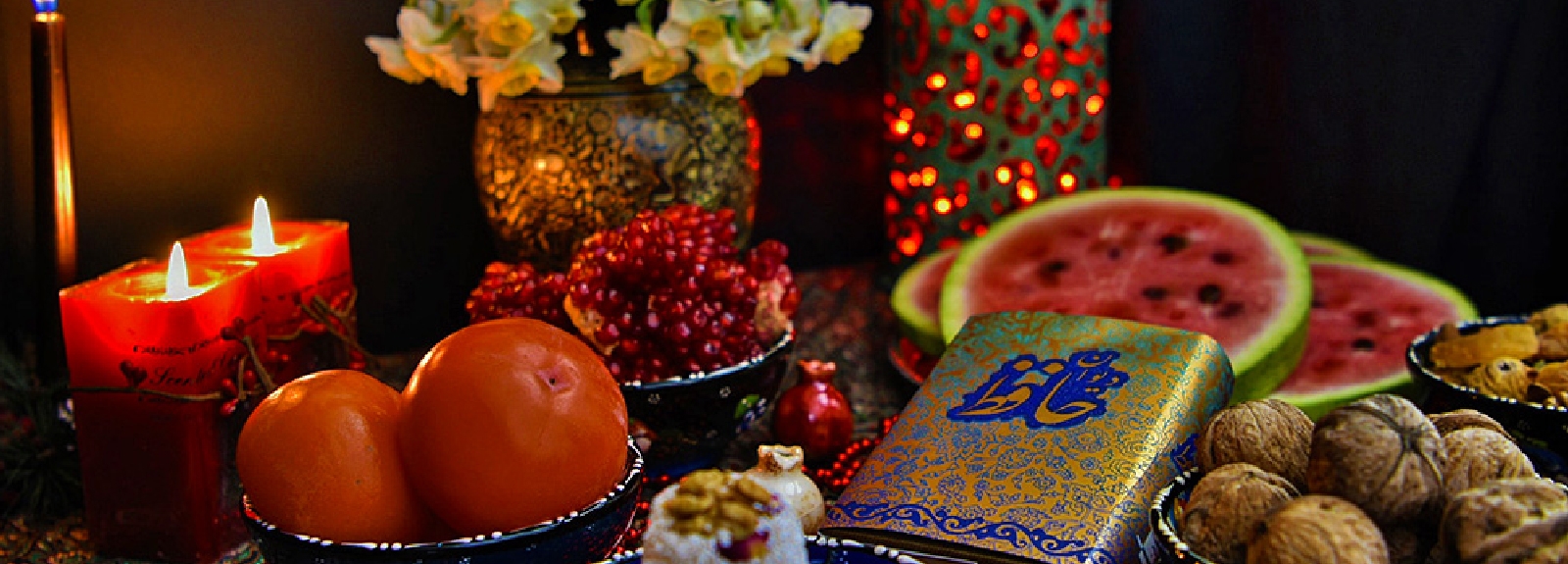
However, on every Yalda night, the Iranian winter solstice tradition, observers gather with family in a warm, cosy room and read or take an omen of fortune from FAL-E HAFEZ (Omens of Hafez) by Hafez Shirazi’s sonnets and quatrains (Ghazals). As I remember from my childhood, it was a nut and nutcracker, and the oldest woman in the family told beautiful fairytales to greet the returning sun. I am sure that this tradition will continue indefinitely under any circumstances; as I noticed on the web, they have even this year celebrated with grief and pride for their loss but with great hope to conquer evil.
It becomes clear that this fight for their right will be a war of attrition, even though it will come at the cost of bloodshed, but the secret to success is in synergy and solidarity. Together, we stand; divided, we fall!
Anyway, with my heartfelt regards, I send my best wishes to all of you, dear friend. Have a blessed Yule, Merry Christmas, and have a lovely time with your loved ones.🙏💖🌹🎅











 lampmagician
You must be logged in to post a comment.