
via What does <em>Shakespeare</em> Mean?
Month: March 2018
Pagan roots of Easter
Standard
For those who have been following my blog know I am historian with a specialist interest and knowledge in ancient history. So, the content of this article may not come to you as a surprise. As today is Good Friday, I thought it would be an opportunity to write about the origins of this Holy event beginning with resurrection.
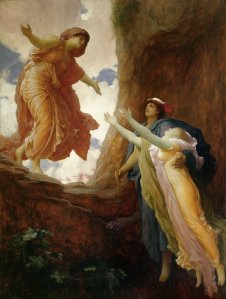 The Return of Persephone, c.1891 (oil on canvas) by Leighton, Frederic (1830-96); 203×152 cm; Leeds Museums and Galleries (City Art Gallery) U.K.; English, out of copyright
View original post 556 more words
Become Slave of Eternal Life
Standard

Never become slaves of this world, no matter how great or perfect you think your life is right now or perhaps later. Become slaves of the Lord, because the benefits that you’ll reap leads you to holiness, and the results of it all is eternal life.
Save for this

When Women Tell The Truth: #MeToo
StandardDreams of Desire 68 (Les Demoiselles d’Avignon)
Standard
 Les Demoiselles d’Avignon-Picasso 1907
The first truly Modernist painting (though change had been in the air for some time), the radical break constituted by Pablo Picasso 1907’s study of a Barcelona brothel, Les Demoiselles d’Avignon, led to Cubism and sharply divided critics.
Never before or after did Picasso spend so long on one painting as Les Demoiselles, drawing hundreds of preparatory sketches over a period of nine months. The innovation doesn’t lie with the content; the courtesan had long been a covert subject of Western Art before being explicitly identified as a prostitute by Edouard Manet’s Olympia, to becoming somewhat of a Bohemian cliche by the time of Toulouse-Lautrec in the 1890’s. Picasso’s claim to blazing, revolutionary originality lie in the form. First of all he throws five hundred years of accepted practise out of the window by abolishing perspective, then instead of the traditional curves we…
View original post 218 more words
George Kotsonis (1940, Cypriot)
Standard
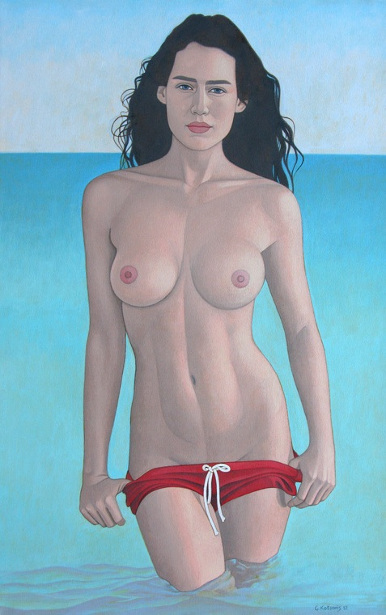 Nude
Nude
 On The Beach
 Mediterranean Light
 Nude
Nude
 Summer Smile
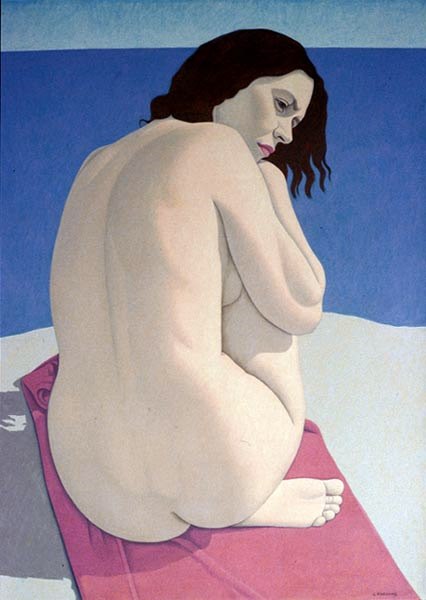 In Front Of The Sea
 Nude
Nude
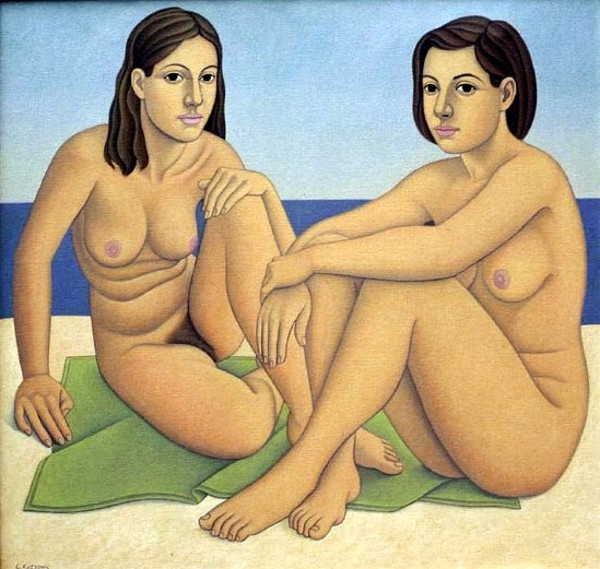 At The Beach
 Twins
Twins
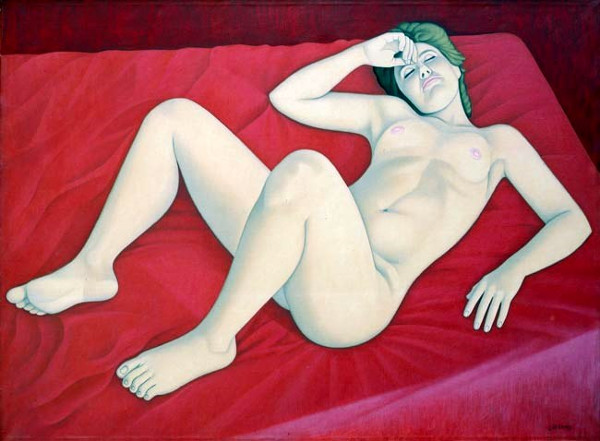 Danae
Danae
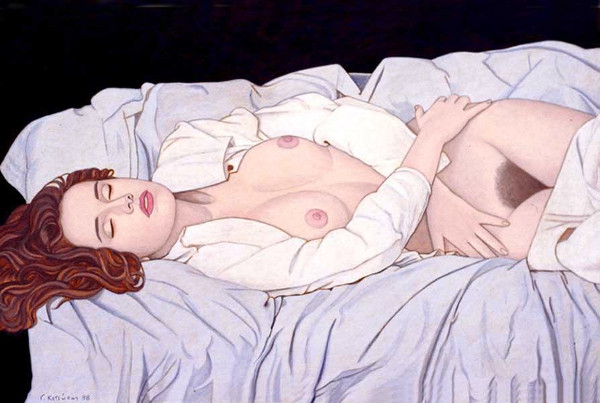 Sleeping Woman
 Reclined Nude With Hat
 Sitting Nude
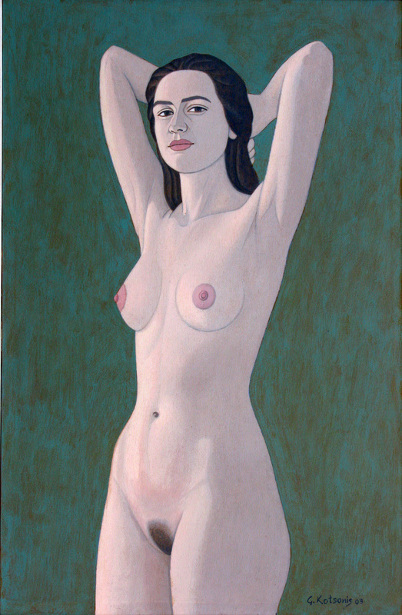 Pose
Pose
 Nude With Yellow Shirt
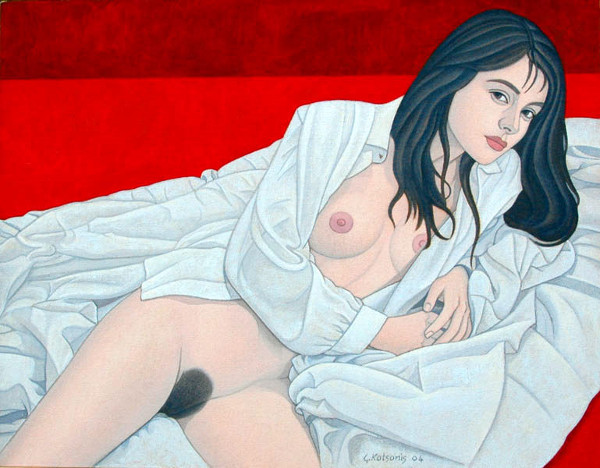 Nude With White Shirt
 Girl With White Shirt
 Nude
Nude
 Nude With White Hat
 Nude
Nude
 Filareskia
 Nude In Blue
 Nude
Nude
 Nude
Nude
 Nude
Nude
 Nude
Nude
 Relaxation
 Summer Melody
 Summer Song – Music
 Amphitrite
 Leda And The Swan
 Lovers With A White Horse
 Nymph With Centaur
 Mythical Composition
Thistledown – Midsummer Bedlam 28 — Gray Wings
StandardF. Scott Fitzgerald …
Standard
F. Scott Fitzgerald


F. Scott Fitzgerald (1896-1940) was an American writer, whose works illustrate the Jazz Age. While he achieved limited success in his lifetime, he is now widely regarded as one of the greatest American writers of the 20th century. Fitzgerald is considered a member of the “Lost Generation” of the 1920s. He finished four novels: This Side of Paradise, TheBeautifulandDamned, The Great Gatsby, and Tender Is the Night. A fifth, unfinished novel, The Last Tycoon, was published posthumously. Fitzgerald also authored four collections of short stories, as well as 164 short stories in magazines during his lifetime.

At the onset of his literary career he was enlisted in the army and sent to a training camp at Leavenworth, Texas. This was in 1917. He was able to write a 120,000-word novel in just three months. He initially worked during evening study periods and then switched to…
View original post 235 more words
Irish Faerie and Leprechaun Origin
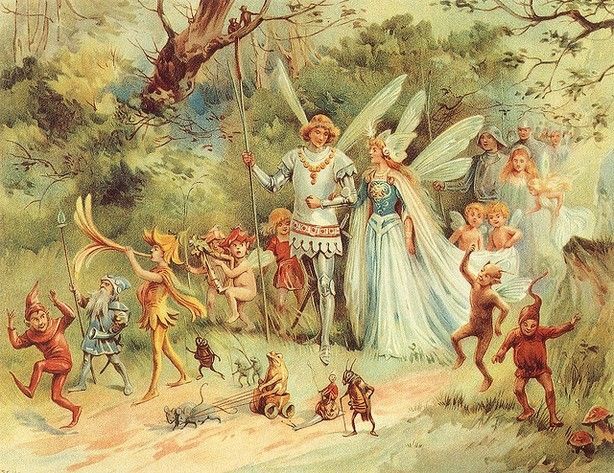
Ostara Spring Goddess and The Vernal Equinox


Spring Equinox ushers in a joyful Ostara Spring celebration. The Druids revered the Spring Equinox on the full moon of the Spring Equinox month. The Spring Equinox also called Vernal Equinox was revered by the ancient Celtic and Saxon pagans for centuries.
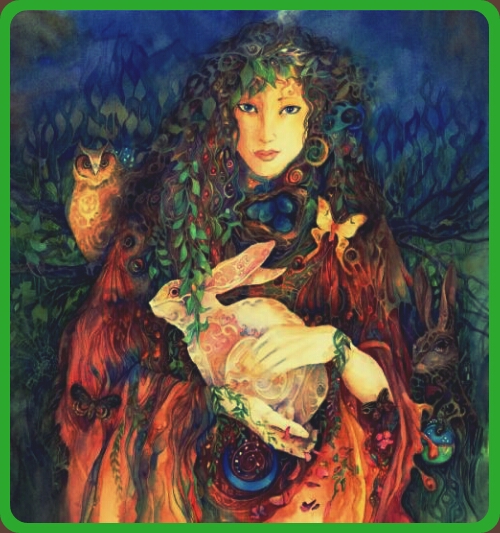
Ostara is the name of the pagan Anglo-Saxon Spring goddess, she represents dawn. Ostara is manages nature with the aid of The Horned god, securing the growth of budding plants, and fertility of nature while celebrating the welcome of the Spring equinox through dance. Below shows Ostara on the pagan wheel of the year.
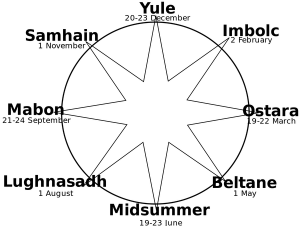
Ostara or Eustre is the namesake of the festival of Easter that ushers in spring and fertility.
In ancient times, Eosturmonap or the month of April Eustre or Ostara feasts were held in her honor by pagan Anglo-Saxons. Ostara was mentioned early in ‘The Venerable Bede,’ 673-735 ce.
The Christian Paschal month usurped…
View original post 329 more words
 lampmagician
You must be logged in to post a comment.