Actually, at the beginning of the week, I planned another challenging task: translating a work from Carl Jung. Still, I did have to settle for a short article because my wife’s sister-in-law, whom I might have mentioned before with a tumour in her head spending her last days, has finally found salvation.
In the artist’s series of interesting environmental renditions, man and his creations are of the Earth. Nothing man-made cannot be swallowed by the mossy green land on which it rests. Sometimes, even man is part of the emerald landscape that engulfs and supports architecture and makes objects. So, is it a struggle to keep afloat or an agreement to work as one? Avramidis’ thought-provoking paintings will be on display as part of his first UK solo exhibition entitled Caretakers at Jacob’s Island Gallery through October 20, 2012.
Honestly, I am not a nature expert and know little about the names of plants or flowers. I don’t know if they ever know my name! However, I know my wife, Regina, is an expert; her highest enjoyment is walking between the flowers and the trees. Therefore, I suggested walking in a beautiful part of our town to try calming her sad heart (as I have enough experience with losing loved ones!). The city where we live is not a nice one at all, but a lot of green areas surround the environment.
So, in Ralph Waldo Emerson’s words, NaturNaturees a noble human need, namely the love for Beauty. The ancient Greeks called the world a word that means ornament, beauty.
Ralph G. Emerson referred to nature as the “Universal Being”; he believed there was a spiritual sense of the natural world around him. Depicting this sense of “Universal Being,” Emerson states, “The aspect of natureNatureevout.
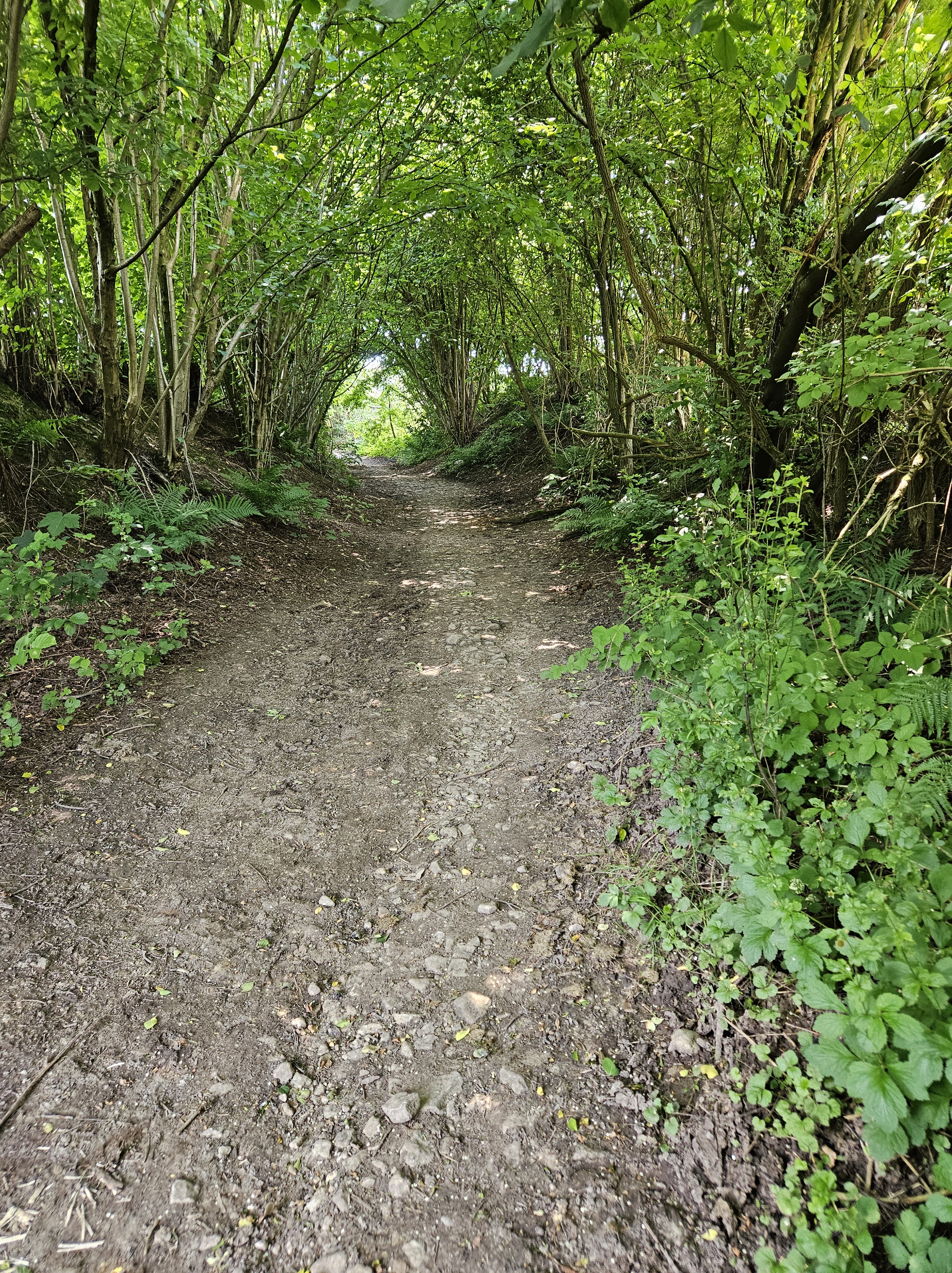
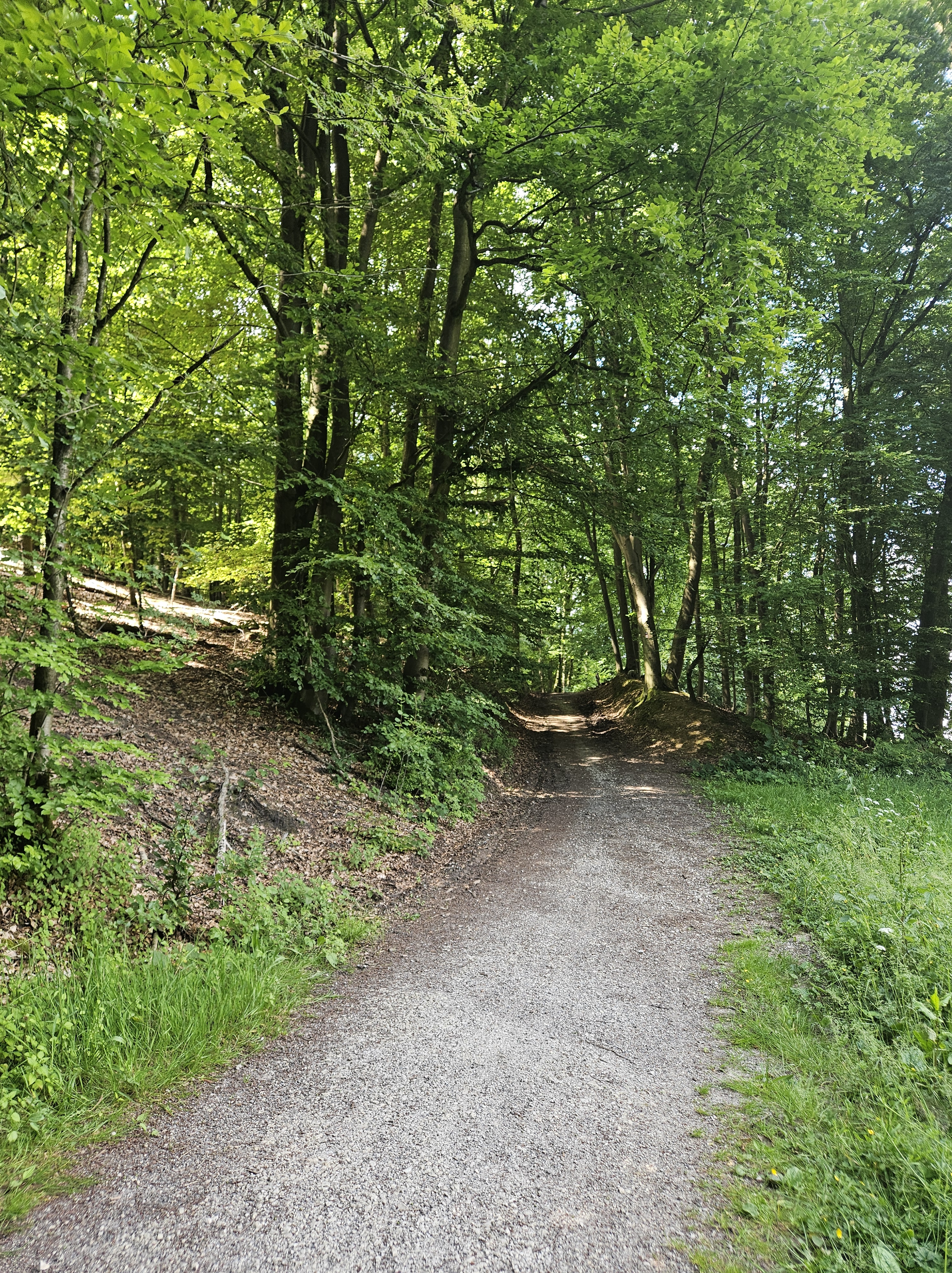
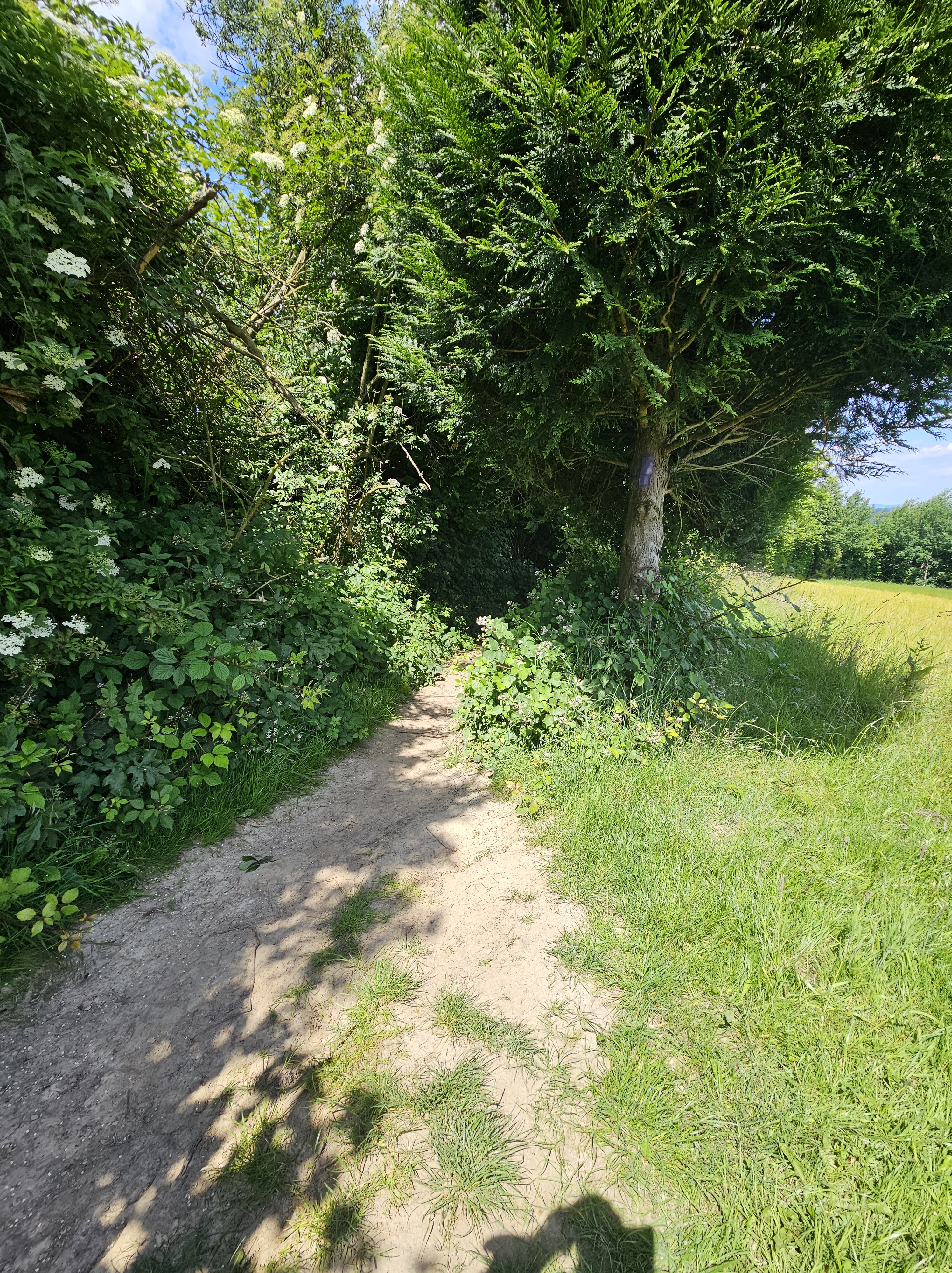
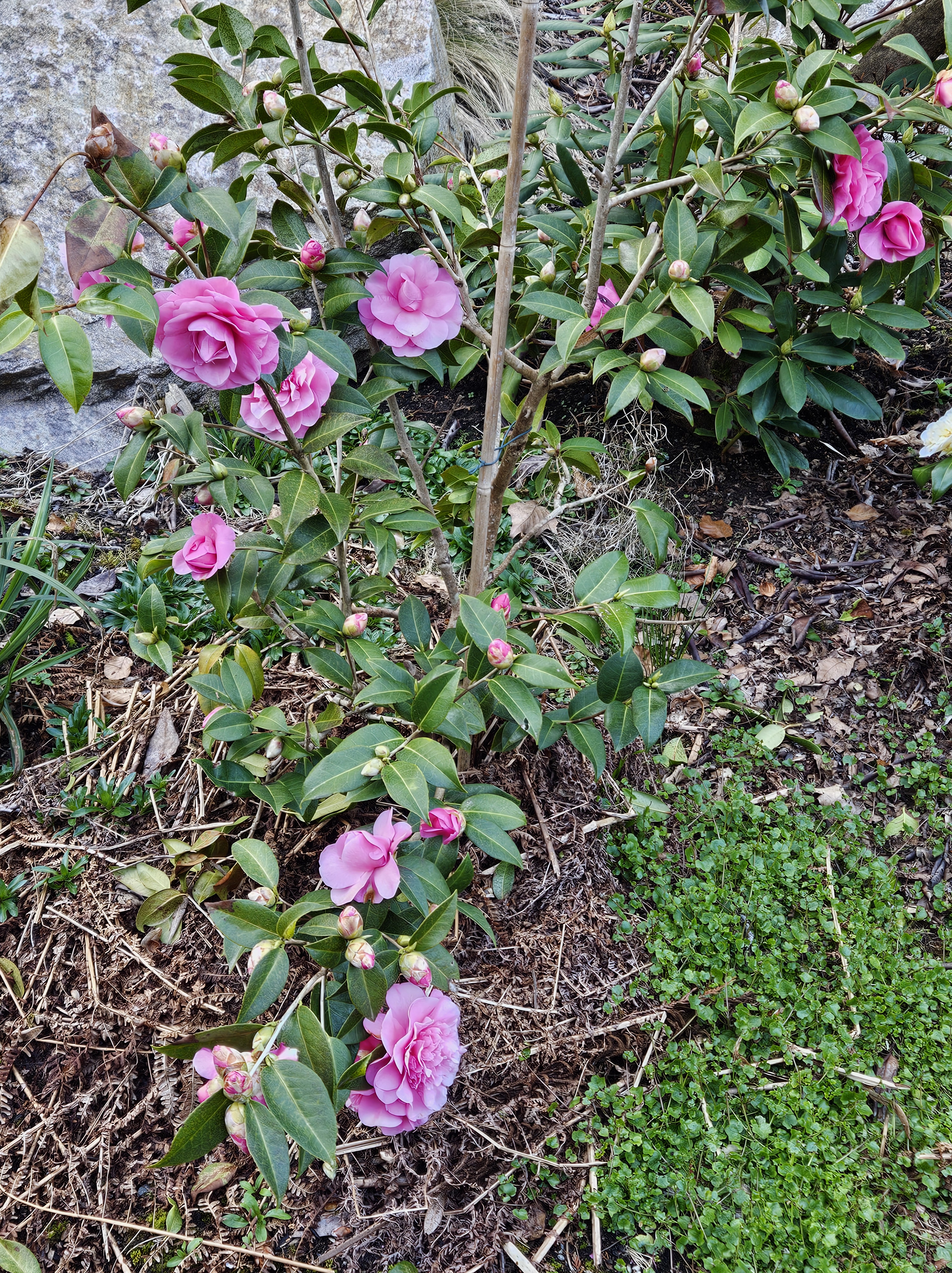
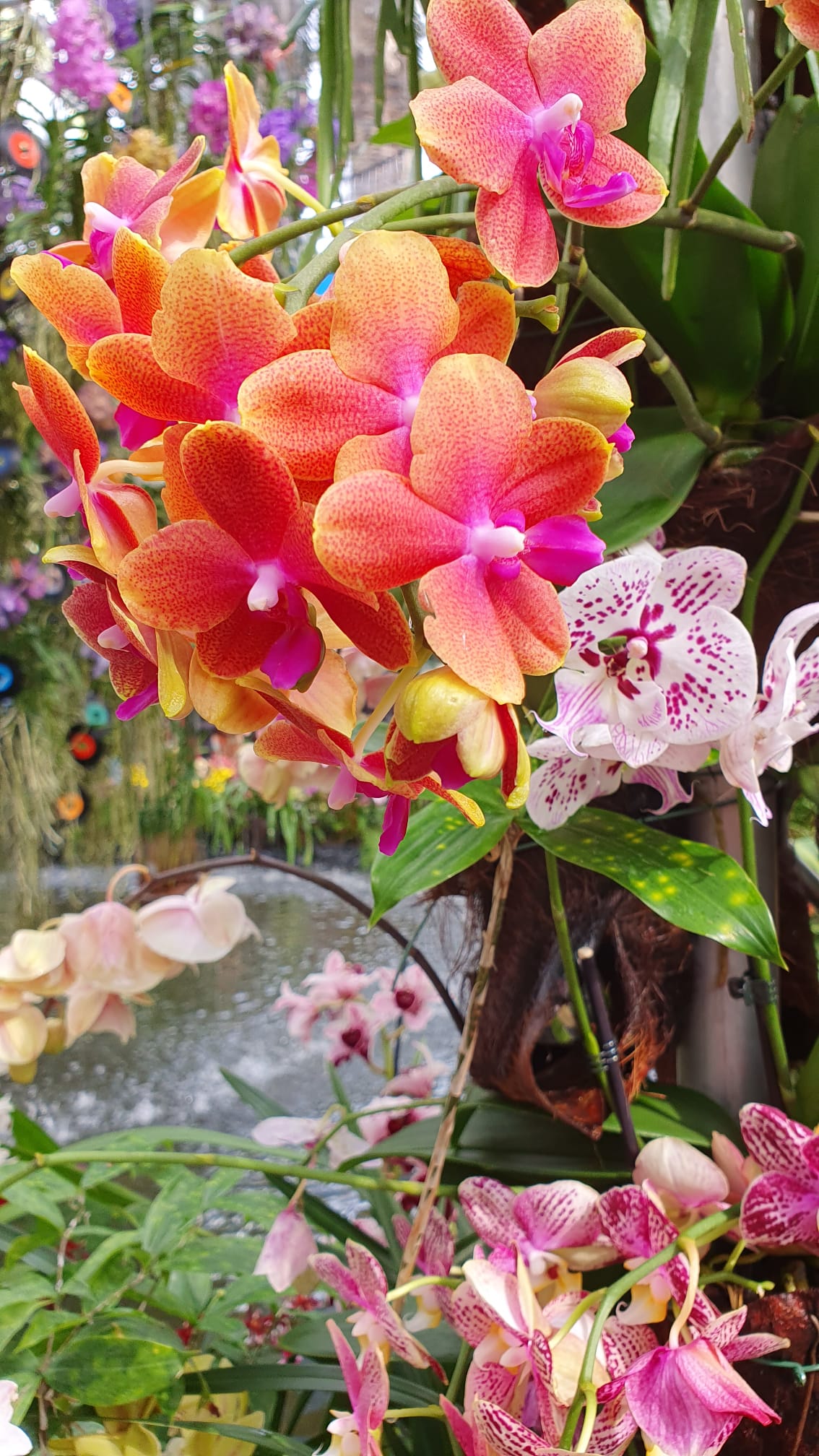
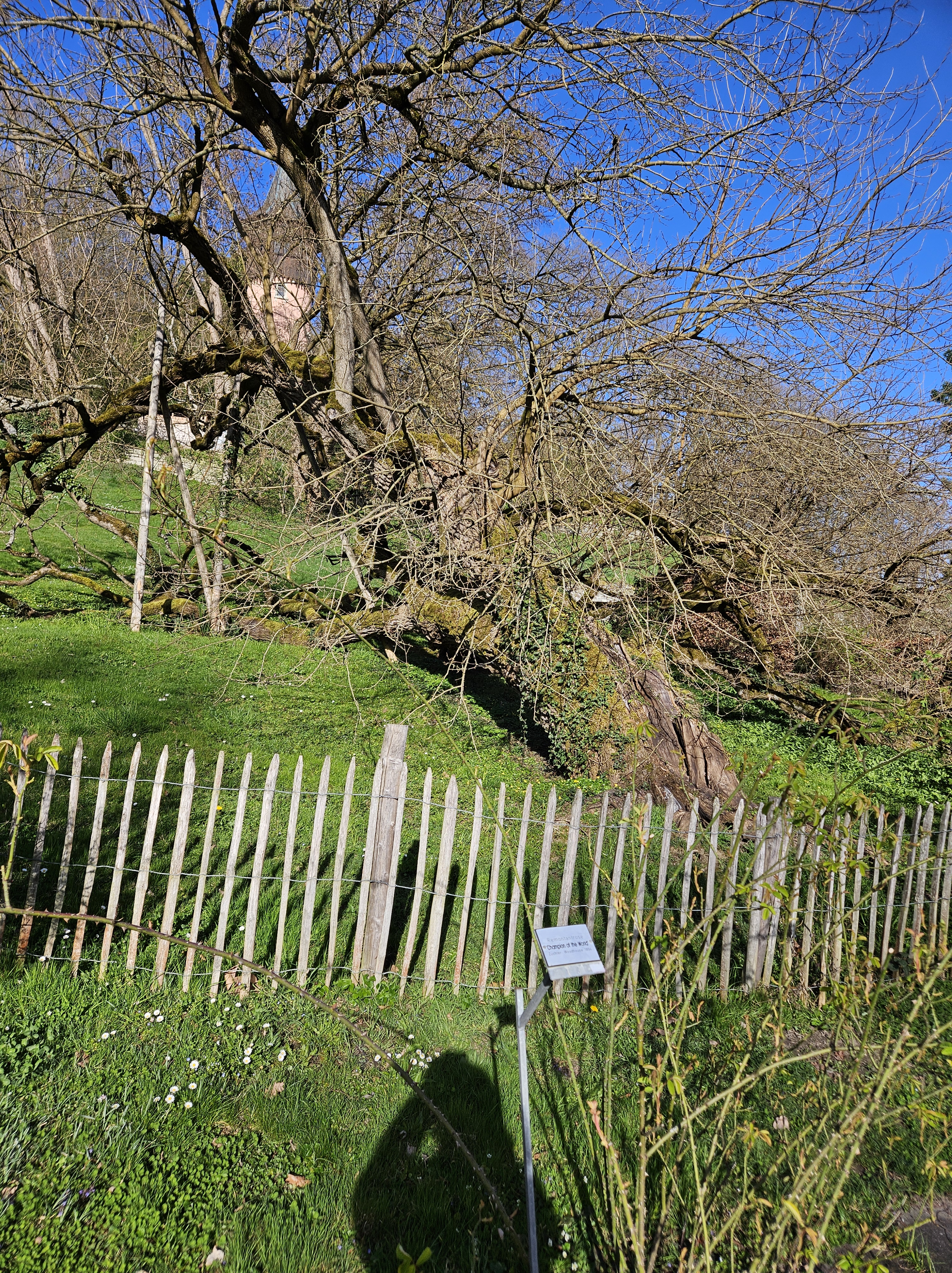
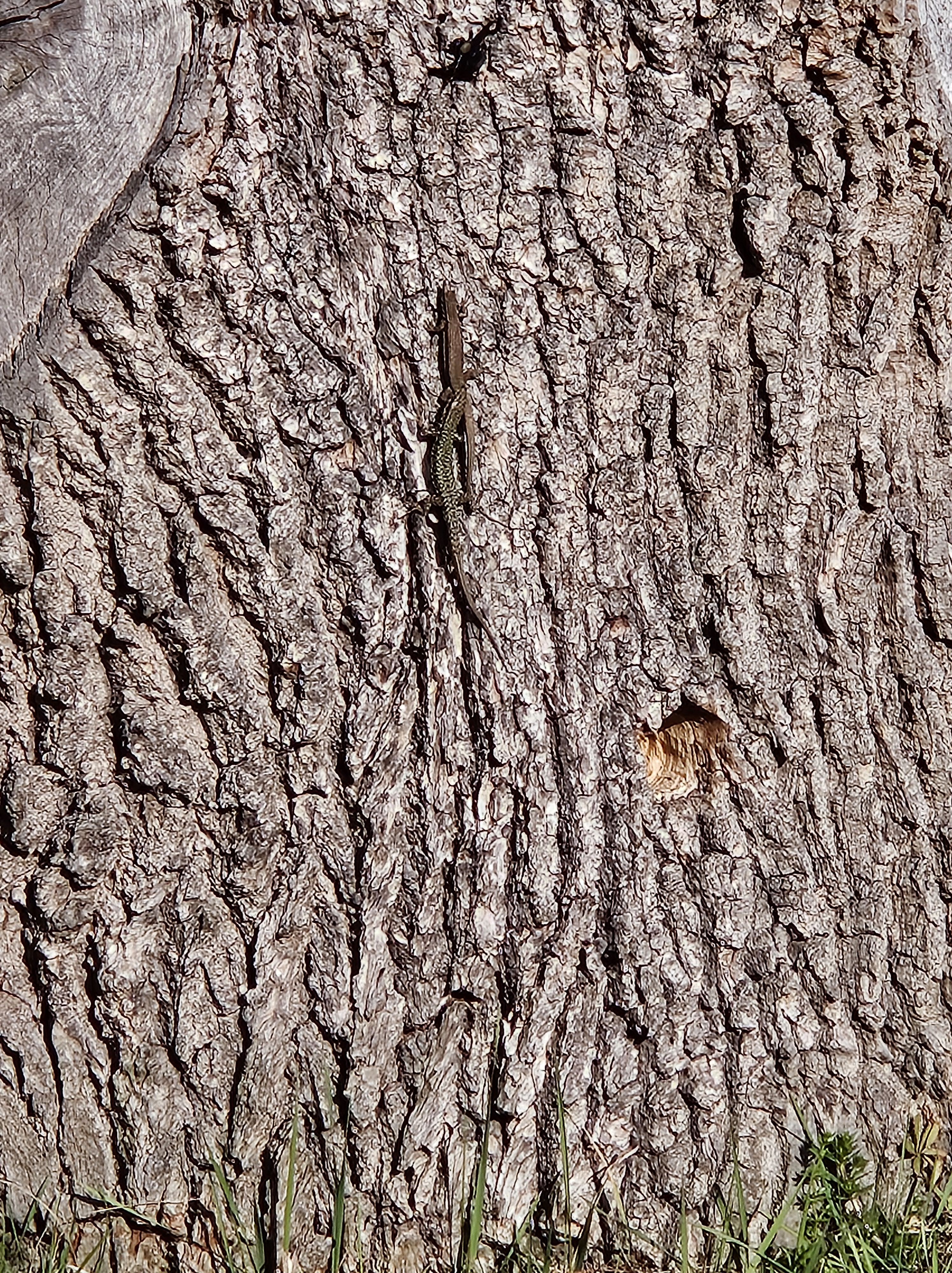
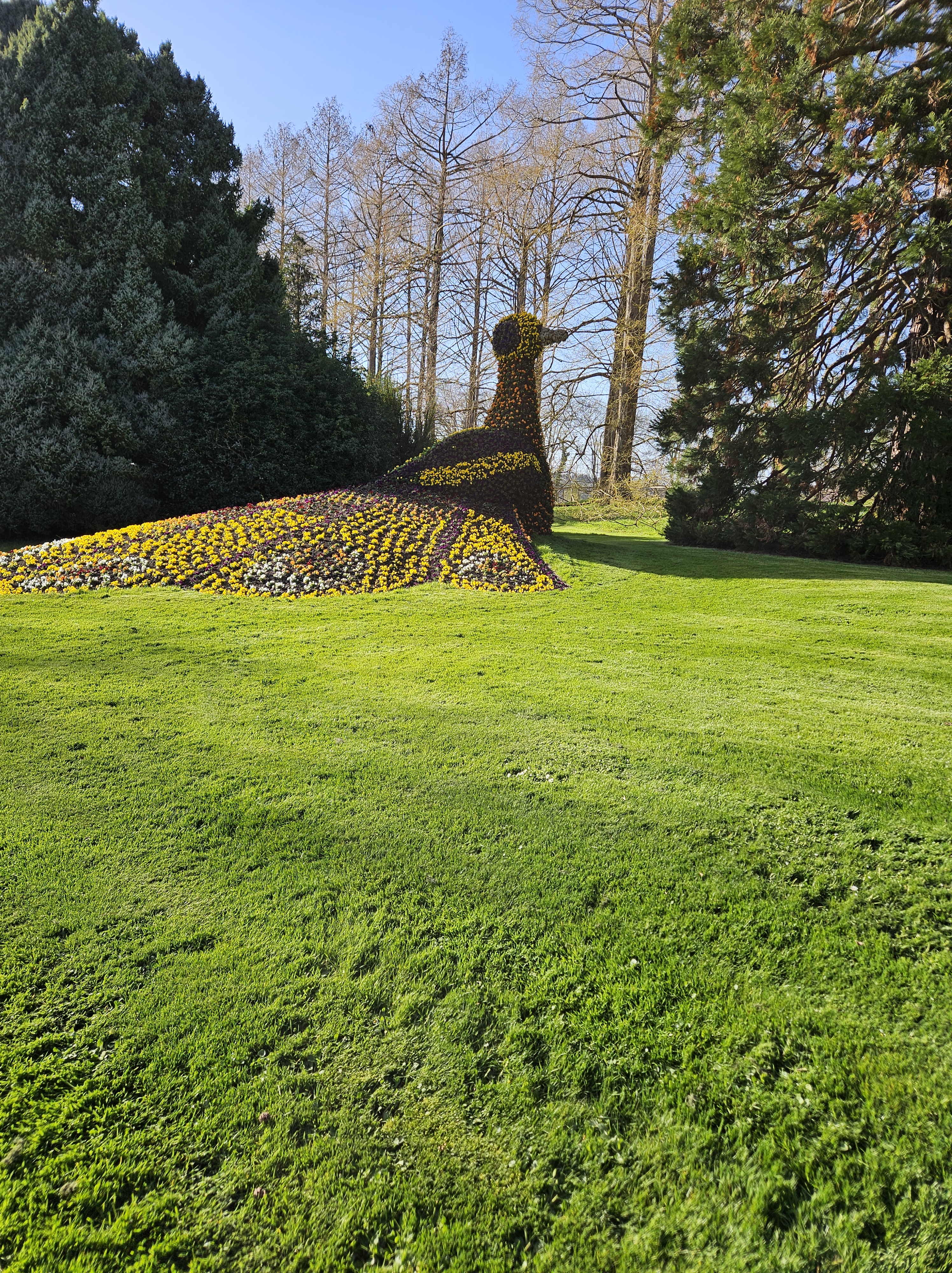
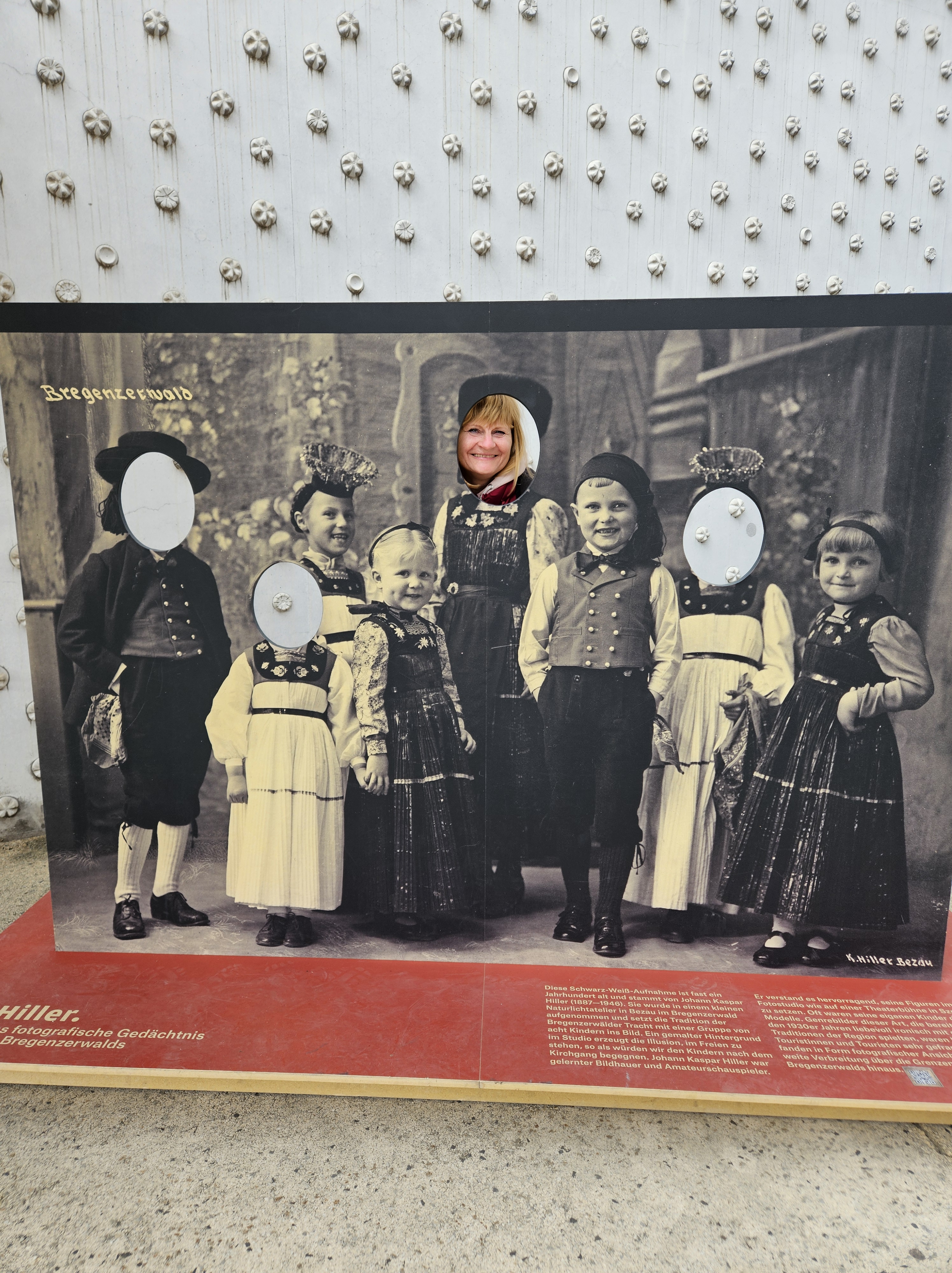
Anyway, this time, I have more pictures than words to share, and I think there is not much to say as the images speak for themselves. Here are the photos I took during our walk.
I believe there is no need to be a plant expert, as we are partly created by Mother Nature. Still, we must be aware of our essence and keep it safe as far as possible.
By the way, I got a message from WP that I have reached 1k followers! As I gratefully wonder how it could happen, I must confess that I am just happy that many of these friendly people don’t care about my humble posts or write comments; otherwise, I would be bushed!😜🙏💖
There have been many attempts to define the extraordinary feeling of love, but it is not an easy task. I know that, as I have also grappled with it repeatedly. Here, I would like to present Khalil Gibran’s approach. I hope you will enjoy it.🙏💖
The illustration on the top by Jeramondo Djeriandi
From The Prophet
Love gives naught but itself and takes naught but from itself. Love processed not nor would it be possessed; For love is sufficient unto love.
Khalil Gibran Speaks of Love
Then said Almitra, Speak to us of Love. And he raised his head and looked upon the people, and there fell a stillness upon them. And with a great voice he said: When love beckons to you, follow him, Though his ways are hard and steep.
And when his wings enfold you yield to him, Though the sword hidden among his pinions may wound you. And when he speaks to you believe in him, Though his voice may shatter your dreams as the north wind lays waste the garden.
For even as love crowns you so shall he crucify you. Even as he is for your growth so is he for your pruning. Even as he ascends to your height and caresses your tenderest branches that quiver in the sun, So shall he descend to your roots and shake them in their clinging to the earth.
Like sheaves of corn he gathers you unto himself. He threshes you to make you naked. He sifts you to free you from your husks. He grinds you to whiteness. He kneads you until you are pliant;
And then he assigns you to his sacred fire, that you may become sacred bread for God’s sacred feast.
All these things shall love do unto you that you may know the secrets of your heart, and in that knowledge become a fragment of Life’s heart.
But if in your fear you would seek only love’s peace and love’s pleasure, Then it is better for you that you cover your nakedness and pass out of love’s threshing-floor, Into the seasonless world where you shall laugh, but not all of your laughter, and weep, but not all of your tears.
Love gives naught but itself and takes naught but from itself. Love possesses not nor would it be possessed; For love is sufficient unto love.
When you love you should not say, “God is in my heart,” but rather, “I am in the heart of God.” And think not you can direct the course of love, for love, if it finds you worthy, directs your course.
Love has no other desire but to fulfil itself. But if you love and must needs have desires, let these be your desires: To melt and be like a running brook that sings its melody to the night. To know the pain of too much tenderness. To be wounded by your own understanding of love; And to bleed willingly and joyfully. To wake at dawn with a winged heart and give thanks for another day of loving; To rest at the noon hour and meditate love’s ecstasy; To return home at eventide with gratitude; And then sleep to with a prayer for the beloved in your heart and a song of praise upon your lips.
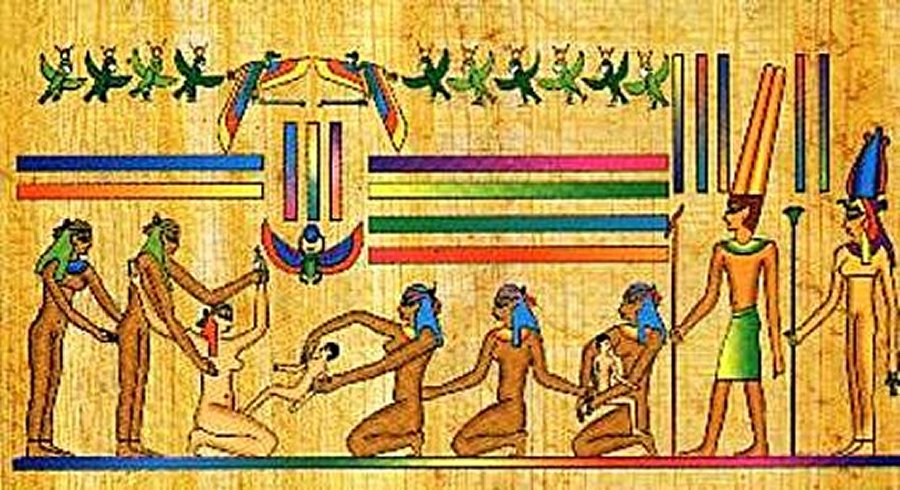
Of course, every holy book and religious ritual teaches that giving birth and having offspring is a highly important human act on this earth. No wonder, then, that it would go in the same way in ancient Egypt.
Most ancient Egyptian women laboured and delivered their babies on the cool roof of the house or in an arbour or confinement pavilion, a structure of papyrus-stalk columns decorated with vines.
In the Yogi method, the best way to bear a child is in the water! I believe if we let the newborn child into the water immediately, they would feel happy and free and could more easily grasp their changing world perception.
Childbirth scene, Kom Ombo Temple, partial relief Photo by G. Blanchard (2006) via Visualizing Birth
The standard childbirth practice in ancient Egypt has long been known from papyrus texts. It looked more natural as the woman delivered her baby while squatting on two large bricks, each colourfully decorated with scenes to invoke the magic of gods for the health and happiness of mother and child.
Let’s read this interesting report by the brilliant Marie Grillot about an enchanting find and the story of constant upspring in Old Egypt!
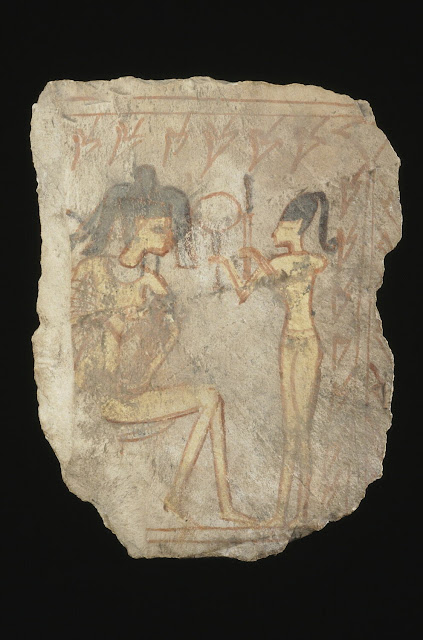
On this ostracon, a maternity scene more than 3000 years old…
Several figured ostraca* from Deir el-Medineh illustrate this extraordinary, touching moment of motherhood, more precisely of the mother breastfeeding her newborn. The gesture, the tenderness, and the concentrated attention paid to the nurturing function remain immutable across the centuries.
This scene, dating from the 19th – 20th dynasty, is reproduced on a piece of limestone 15 cm high and 11.7 cm wide. The three characters are drawn in red ocher while their complexion is painted in yellow ocher and their hair in black.
It takes place in a beautiful plant setting, under a canopy, supported by columns (only one is visible on the right, the left part being lacunar), covered with lanceolate leaves of bindweed or convolvulus. “The leaves of bindweed have a symbolic meaning with a sexual connotation: they are often present in scenes relating to love and the renewal of life”, explains Anne-Mimault-Gout (“Les artistes de Pharaon”).
Emma Brunner-Traut calls this kiosk “the birthing arbour” and thinks “that it was a temporary building, raised in the open air for the moment of childbirth and that the mother remained there for 14 days until her purification”…
This birth pavilion sheltered the difficult hours of suffering inherent in childbirth, just as it witnessed the intense emotion linked to the miracle of giving life… Its aim was also, most certainly, to benefit the young, give birth calmly, rest and protect her, as well as the child, from potential external risks or dangers. In “Carnets de Pierre”, Anne-Mimault Gout evokes the interesting idea that: “These pavilions were perhaps the ancestors of the mammisis of the Greco-Roman temples, the birth chapels”.
Sitting on a curved stool equipped with a comfortable cushion, the mother is shown, turned to the right and naked, adorned only with a large necklace. Her body, leaning forward, seems to envelop and protect the infant she is breastfeeding. Unfortunately, the time has partly tarnished and erased its representation…
Her undone, untamed hairstyle —typical of that of women giving birth in ancient Egypt—attracts the eye. The hair raised in a totally anarchic manner on the head probably reflects the fact that during these extraordinary days, all the attention was focused on the child, to the detriment of the care given to his physical appearance…
As if to remind her that her new role as the mother should not make her forget her femininity, the young servant in front of her hands her a mirror and a kohol case. These toiletry accessories are, according to Anne Mimault-Gout, “charged with an erotic connotation linked, through beauty, to rebirth”. Young, his thin, slender body is naked. Her hair is tied in a ponytail on the top of her head, falling in a pretty curl over her shoulder. For J. Vandier d’Abbadie, “this hairstyle and the pronounced elongation of the profile evoke the iconography of Syro-Palestinian divinities – in particular, Anat and Astarte -, that is to say, that these young girls with high heads would be young asian maids”…
Figured ostracon representing a mother breastfeeding her child and her servant – limestone – 19th – 20th dynasty – from Deir el-Medineh Department of Egyptian Antiquities of the Louvre Museum – E 25333 (previously at the Fouad I Agricultural Museum in Cairo, then in the collection of Moïse Lévy de Benzion, then in that of Robert Streitz, who donated it to the Parisian Museum in 1952) published here in Jeanne Vandier d’Abbadie “Deux ostraca figurés”, BIFAO, 1957 (p. 21-34, p. 22-23, fig. 2)
In her fascinating study “Postpartum purification and relief rites in ancient Egypt” (all of whose rich analyses, unfortunately, cannot be cited here), Marie-Lys Arnette returns to the rites represented on these figurative ostraca of the Ramesside period representing “gynoecium scenes”, as J. Vandier d’Abbadie calls them… “The actions that these scenes depict are indeed rites since they are very close formally to the representations of offerings made to the dead or the gods and follow the same codes: The beneficiary is seated while the officiant approaches them, standing and holding the objects they are about to offer in their hands. These scenes concern the period following birth, and the rites which appear there must allow the purification and aggregation of the mother. It is a question of representing the reliefs, the sequence we can attempt to restore – in a necessarily incomplete manner because the analysis depends on scant documentation”…
These representations are very precious because they are among the only ones that allow us to understand the intimacy of women… But what was their goal? E. Brunner-Traut, in particular, “suggests seeing ex-votos there. We can indeed consider these objects as having been used, in one way or another, in cults linked to fertility, but it is impossible to specify this use further”…
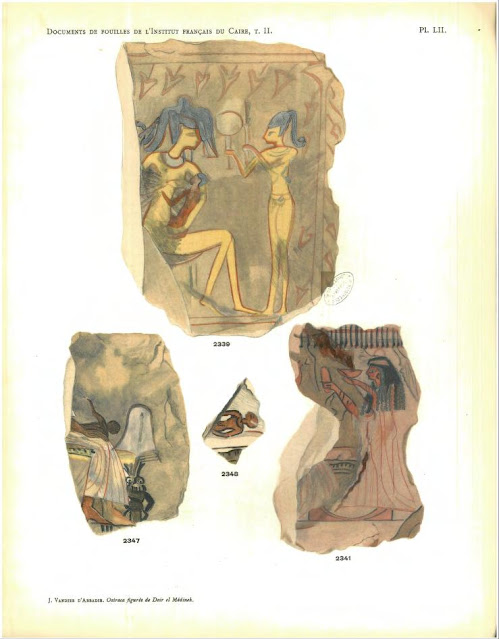
Figured ostracon representing a mother breastfeeding her child and her servant – limestone – 19th – 20th dynasty – from Deir el-Medineh Department of Egyptian Antiquities of the Louvre Museum – E 25333 (previously at the Fouad I Agricultural Museum in Cairo, then in the collection of Moïse Lévy de Benzion, then in that of Robert Streitz, who donated it to the Parisian Museum in 1952) published here in Jacques Vandier d’Abbadie “Catalogue of figured ostraca of Deir el Médineh” II.2, n°2256-2722, IFAO, Cairo, 1937
This ostracon, which comes from Deir el-Medineh, is described by Jacques Vandier d’Abbadie in his “Catalogue of figured ostraca, 1937” under the number 2339. It is indicated as having previously been at the Fouad I Agricultural Museum in Cairo. It was then found in the collection of Moïse Lévy de Benzion, owner of a famous store in Cairo, who then offered it at auction under number 36 of his sale on March 14, 1947, in Zamalek. Robert Streitz, a Belgian architect based in Cairo, then purchased it. He kept it for several years before donating it in 1952 to the Department of Egyptian Antiquities of the Louvre Museum. It was registered there under the inventory number E 25333.
Marie Grillot
*Ostraca (singular: ostracon): Shards, silver or fragments of limestone, or even terracotta, which were, in antiquity, used by artisans to practice. This type of “support”, which they found in abundance on the sides of the mountain, allowed them to make and redo their drawings or writings until they reached excellence and were finally admitted to work “in situ” in the residences of ‘eternity.
They are generally classified into two categories: inscribed (hieroglyph, hieratic, demotic, etc.) or figured (drawing, sculpture).
The donors of the Louvre, Paris, Musée du Louvre, 1989
Perfumes and cosmetics in ancient Egypt, exhibition catalogue, Cairo, Marseille, Paris, 2002, p. 99, 139, ESIG, 2002
Anne Minault-Gout, Stone notebooks: the art of ostraca in ancient Egypt, p. 36-37, Hazan, 2002
Guillemette Andreu, The artists of Pharaon. Deir el-Medina and the Valley of the Kings, exhibition catalog, Paris, Turnhout, RMN, Brepols, p. 113, no. 53, 2002
Guillemette Andreu, The Art of Contour. Drawing in ancient Egypt, exhibition catalog, Somogy éditions d’Art, p. 320, ill. p. 320, no. 168, 2013
Marie-Lys Arnette, Postpartum purification and relief rites in ancient Egypt, Bulletin of the French Institute of Oriental Archeology (BIFAO), 114, 2015, p. 19-72, p. 30-31, fig. 2, IFAO, Cairo 2015
Hanane Gaber, Laure Bazin Rizzo, Frédéric Servajean, At work, we know the craftsman… of Pharaon! A century of French research in Deir el-Medina (1917-2017), exhibition catalogue, Silvana Editoriale, p. 36, 2017
Yes! Let’s take a breath (how I need it these days!!), and look into the island on the Bodensee as the final part; don’t worry and be hippy!!
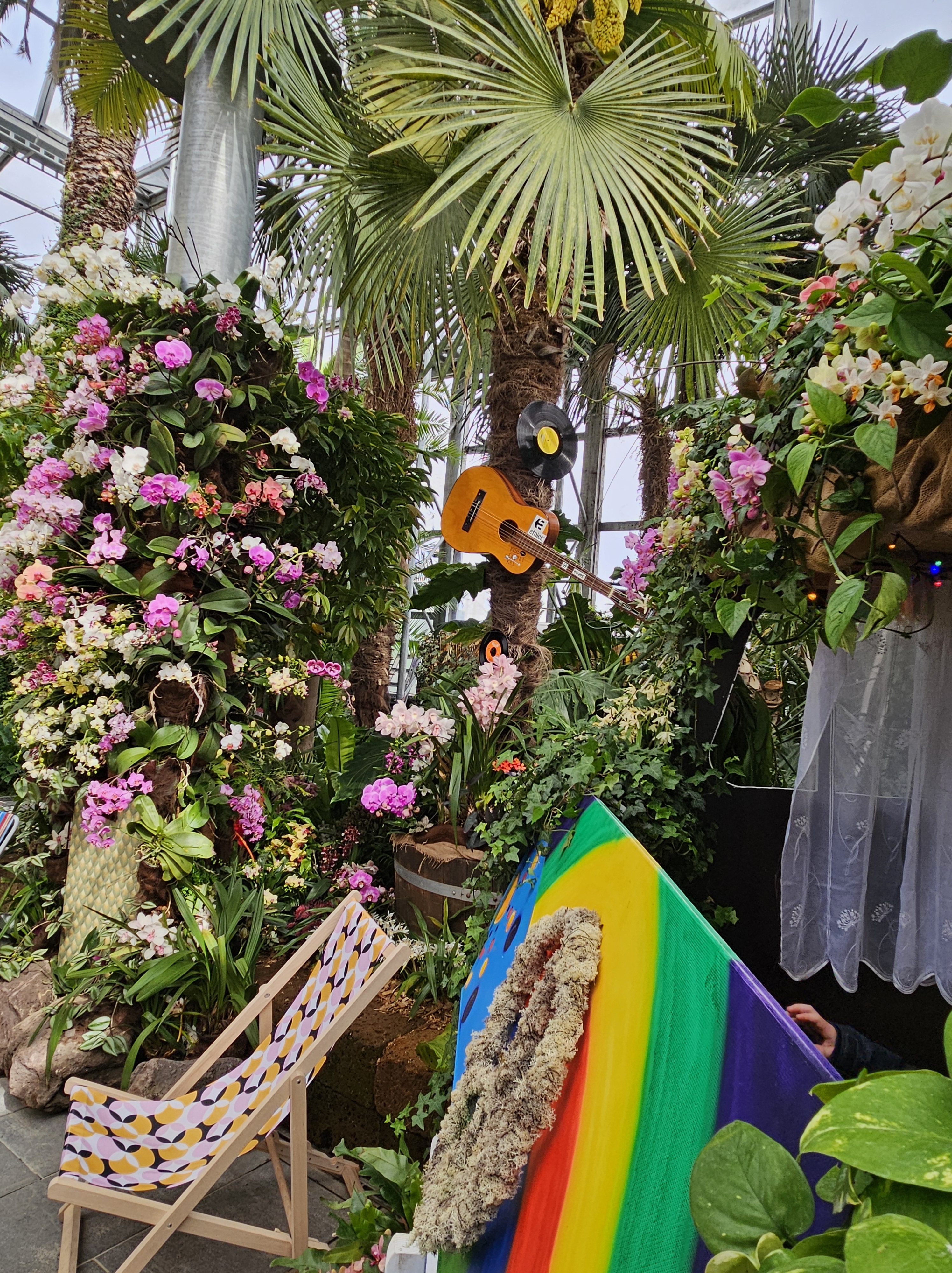
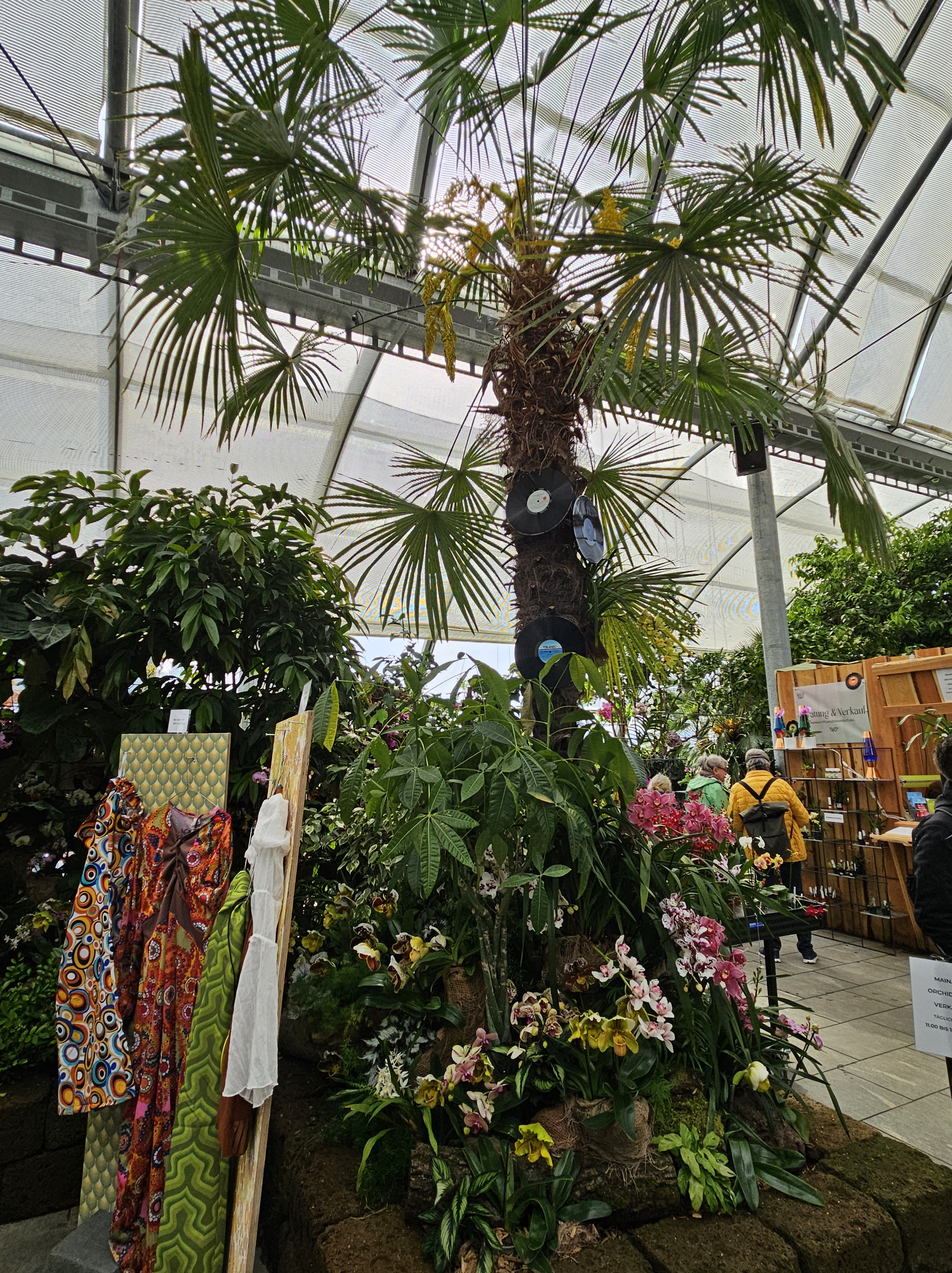
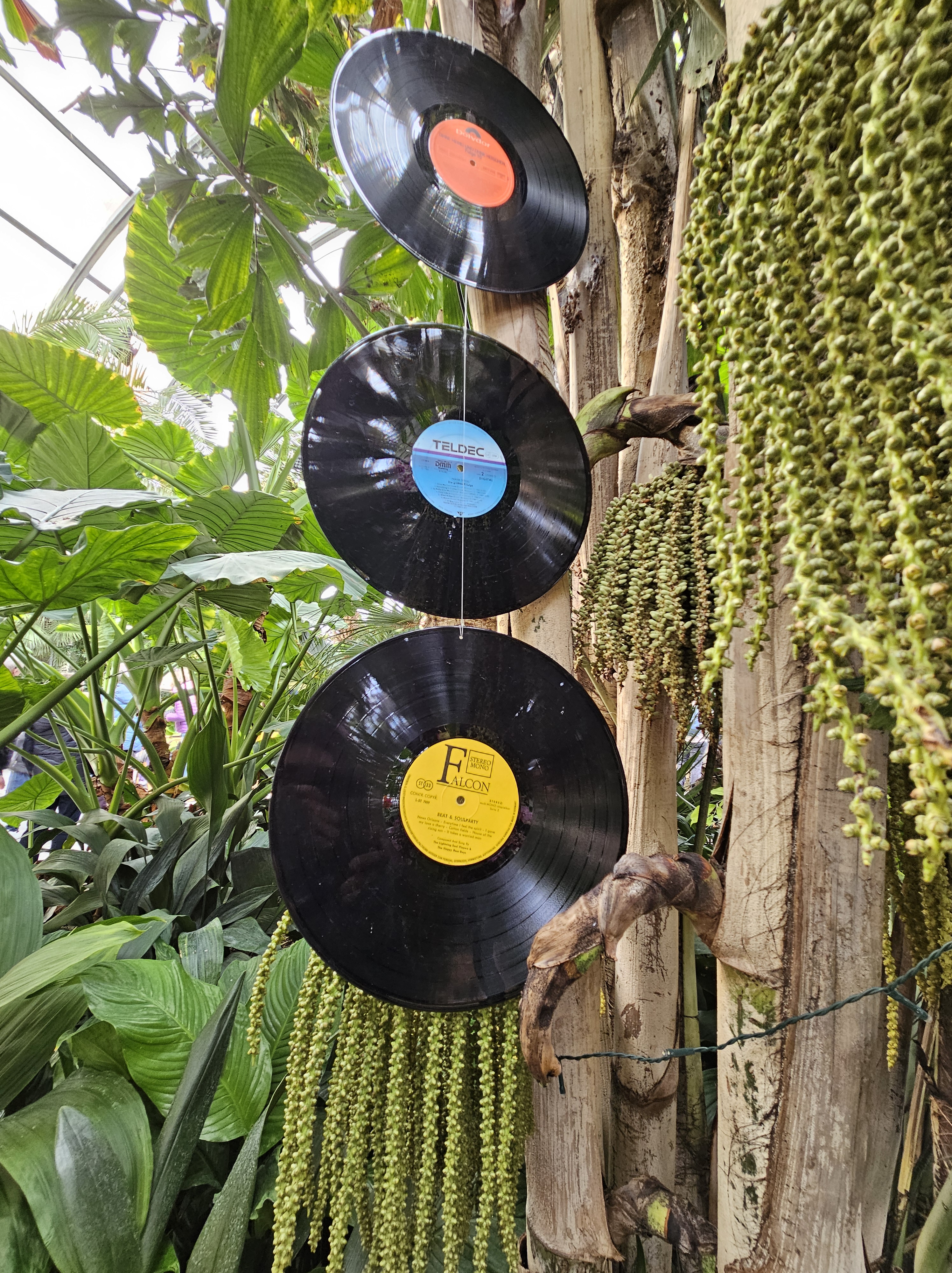
There are many corners on this fantastic island to enjoy; one is Flower Power, which has so many old vinyls, singles, and LPs.
By “the” adorable wife, of course!
After facing challenges with the weather in Part 1 and visiting the beautiful butterflies in Part 2, there were still some worthwhile places to see on Mainau Island, including the Flower Power Museum, which was decorated for Flower Children from the nice old hippie time!
And Some by me, first. (I take this advantage!!)
Plus some others by my wife!
I know I would never win, though here are some more by myself.
One essay from Thus Spoke Zarathustra: The Speeches of Zarathustra.
I took on another challenging task, even though I didn’t have as much time as I thought! Nevertheless, I managed to translate another part of Nietzsche’s “Thus Spoke Zarathustra,” which I believe closely relates to the current human situation and way of life. Although Nietzsche seems to be a bitter and pessimistic philosopher, I find that he made valid points about the human condition that, in my opinion, he addressed reasonably.
His writing style is poetic and difficult to translate, using old-fashioned German. I did my best to make it more apprehensive. I hope you enjoy it.🙏💖🌹
(The word Hinterweltler literally means Backworlders, but he intends to show the unknown people living behind and around the subjects, unaware of the centre. I couldn’t find any word in English that matched this one, so I didn’t translate it!).
About The Hinterweltler
Zarathustra once cast his madness beyond man, like all other Hinterweltlers. The world seemed to me to be the work of a suffering and tormented God.
The world seemed to me a dream, the poetry of god-coloured smoke before the eyes of one who was divinely dissatisfied.
Good and evil and pleasure and pain and I and you – it seemed to me like coloured smoke before creative eyes. The Creator wanted to look away from himself – so he created the world. It is a drunken pleasure for the sufferer to look away from his suffering and lose himself. The world seemed to me to be one and the same: drunken pleasure and losing oneself.
This world… eternally imperfect, an image and an imperfect image of an eternal contradiction – a drunken pleasure of its imperfect Creator – so the world once seemed to me.
So I, too, once cast my madness beyond man, like all Hinterweltlern. Beyond man in truth? Their books, too, this God that I created was the work of man and madness, like all gods!
He was human, and only a poor piece of human and I: This ghost came to me from my own ashes and embers, and honestly! It did not come to me from the beyond!
What happened, my brothers? I overcame myself, the sufferer, I carried my own ashes to the mountain, I invented a brighter flame for myself. And behold! Then the ghost left me!
It would be suffering for me now and torment for those who have recovered to believe in such ghosts: it would be suffering for me now and humiliation. So I speak to the Hinterweltlern.
It was an unfortunate, and inability – that created all the Hinterweltlern: and that brief madness of happiness that only the most suffering experience.
Tiredness that wants to reach the last will with one leap; with a deathly leap, one poor, ignorant tiredness that no longer even wants to want: that created all gods and Hinterwelten. Believe me, my brothers! It was the body that despaired at the end – it heard the belly of the being speaking to it. And then it wanted to go through the last walls with its head, and not just with its head – over to “that world”.
But ‘that world’ is well bent before man, that dehumanized, inhuman world which is a heavenly nothingness, and the belly of being does not speak to man at all, unless as a human being.
Truly, all beings are difficult to prove and difficult to make them speak. Tell me, brothers, is it not the most wonderful of all things, the best proven?
Yes, this ego and the ego’s contradiction and confusion still speaks most honestly about its being, this creative, willing, evaluating ego, which is the measure and the world of things. And this honest being, the ego – that speaks of the body, and it still wants the body, even when it writes poetry and raves and flutters with broken wings.
Constantly learns to speak more and more honestly, the ego: and the more it learns, the more it finds words and honours for body and earth. My ego taught me a new pride, and I teach it to people: no longer to bury one’s head in the sand of heavenly things but to carry it freely, an earthly head that gives meaning to the earth!
The Cyclops Sun
I teach people a new will: to want this path that man has blindly walked, to welcome it, and no longer sneak away from it like the sick and dying.
It was the sick and dying who despised body and earth and found the heavenly and the redeeming blood stopper, but they also took these sweet and dark poisons from body and earth.
They wanted to escape their misery, and the stars were too far away for them. Then they sighed: >Oh if only there were heavenly ways to sneak into another existence and happiness!< – So they invented their tricks and bloody potions! They thought they were now removed from their bodies and this earth, these ungrateful people. But whom did they thank for their rapture, their pain and their bliss? Their bodies and this earth.
Zarathustra is gentle with the sick. Indeed, he is not angry with their forms of consolation and ingratitude. May they recover and conquer and create a higher body for themselves! Zarathustra is not angry with the recovering people either when he looks tenderly upon their madness and sneaks around the grave of their God at midnight: But illness and a sick body remain for me, and their tears still remain.
There have always been many sick people among those who write poetry and are God-addicted; they furiously hate those who know and that youngest of virtues, which is called honesty.
They always look back to dark times. Of course, madness and faith were two different things then; the madness of reason was godlike, and doubt was a sin.
I know these godlike people all too well: They want people to believe in them, and doubt is a sin. I also know all too well what they themselves believe in best.
Truly not in the Hinterwelten and redeeming drops of blood, but they instead believe best in the body, and their own body is their thing for itself.
But it is a sick matter to them, and they would gladly lose their temper. That is why they listen to the preachers of death and preach about the Hinterwelten.
Listen to me instead, my brothers, to the voice of the healthy body: This is a more honest and purer voice.
The healthy body speaks more honestly and more purely, the perfect and right-angled one: And it speaks of the meaning of the earth.
In the history of humanity, we can find many cases that were cover-ups and manipulated in favour of the ruling authority. I recall someone once saying: ‘In every battle, if you lose, you are a criminal. But if you win, you are a hero! Now that AI has become more prevalent, manipulation in our society has become much easier. I wonder whether the recent technological advancements result from human ingenuity or if there is an extraterrestrial influence at work!? To put it bluntly, I sometimes feel that all this technical progress in the hands of human beings is akin to giving a carrot juicer to a five-year-old child!
“Until lions have their historians, tales of the hunt shall always glorify the hunters.” Or the winner takes it all!
We will not define or reach the truth until we examine every issue in depth and consider both sides. It would be wise to observe beyond the events, to read between the lines, and not allow ourselves to be seduced by the brilliance of the stronger ones. Never believe the hype. Never trust a rumour! We must rely on our own awareness through our experiences. I have encountered numerous online instances where verses, quotes, or thoughts have been manipulated or attributed to great thinkers who never actually expressed them. It is just abusing the name of a great personality just to make a multiple share on the web!
As Ernest Hemingway once said, meeting Americans individually or personally is amazing, but they are terrible and even dangerous in one mass.
As Dr. Jung says, Thinking is difficult; therefore, let the herd pronounce judgment!
These can constantly appeal to ordinary, everyday facts known to everyone. Still, the instinct for wholeness requires, for its evidence, a more highly differentiated consciousness, thoughtfulness, reflection, responsibility, and sundry other virtues. Therefore, it does not commend itself to the relatively unconscious man driven by his natural impulses because, imprisoned in his familiar world, he clings to the commonplace, the obvious, the probable, and the collectively valid, using his motto: “Thinking is difficult, therefore let the herd pronounce judgment!” It is an enormous relief to him when something that looks complicated, unusual, puzzling and problematical can be reduced to something ordinary and banal, especially when the solution strikes him as surprisingly simple and somewhat droll. –Carl Jung, Flying Saucers: A Modern Myth of Things Seen in the Sky, p. 48
This quote is also an example of how things get turned around, which may explain the misappropriation. He has never said, “Thinking is difficult; that’s why most people judge.” But this latter became famous and therefore accepted because it has been repeated countless times! However, referring to the quote itself says to think twice and keep questioning before concluding.
Numerous misattributed quotes are circulating online, and one of them is, “Sometimes a cigar is just a cigar.” Contrary to popular belief, Sigmund Freud never actually said that. It’s important to note that it’s challenging to verify the authenticity of quotes online; Abraham Lincoln humorously stated, “The problem with quotes on the Internet is that it is hard to verify their authenticity.”!!
This African proverb is used to describe how dominant groups inscribe power through historical narrative metaphorically. We can see the unfairness in the world despite the access to social media and the questionable accuracy of the information shared. Those in power often have the upper hand. The dominant voice is heard and believed.
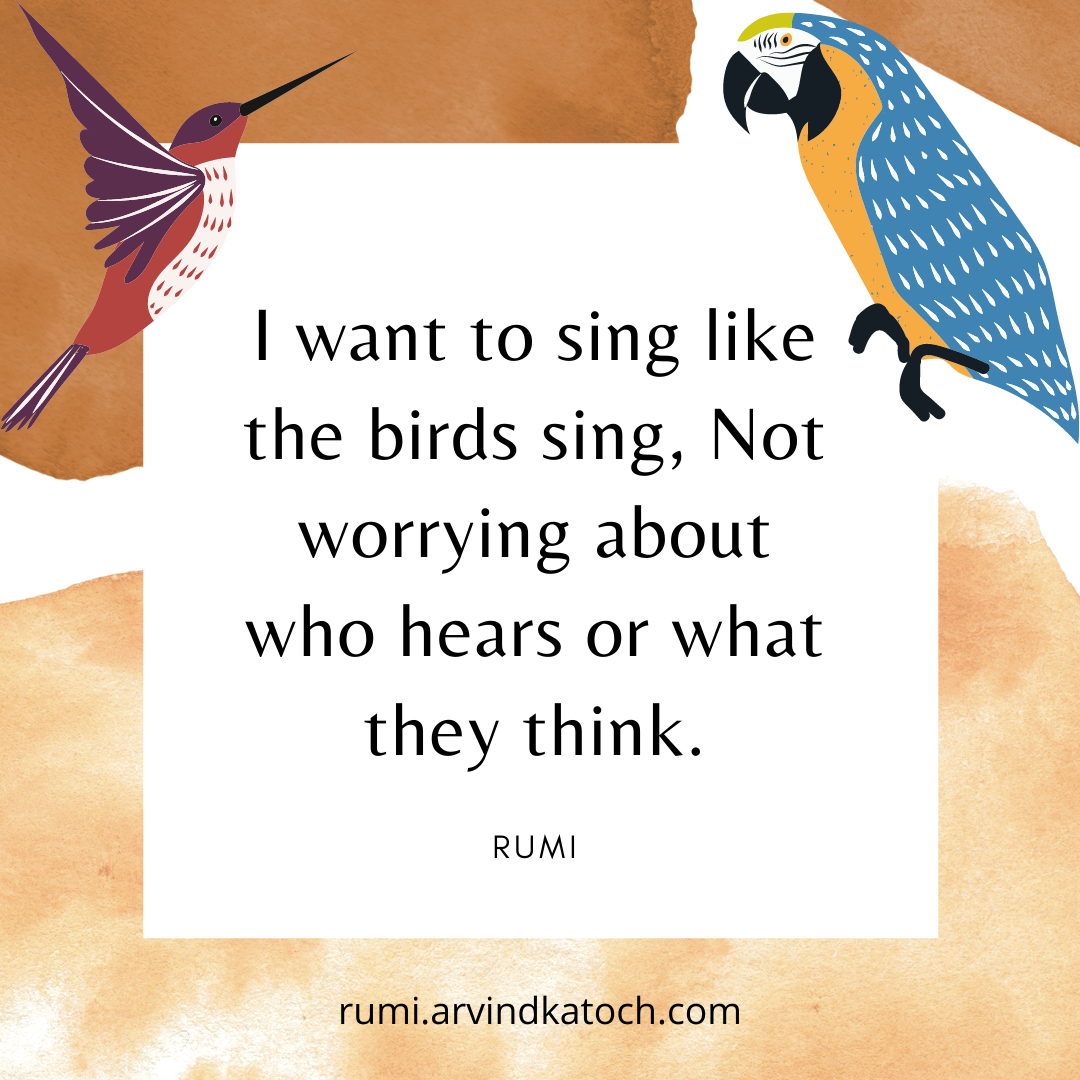
One must have tough skin to survive! I prefer to avoid all deception and manipulation and conceal myself behind a strong and unaffected mask to be protected. Or to be so wise as Rumi, keep going and sing your song like a bird.
As a Russian proverb says: Trust is good, but control is better!! Have a leisurely weekend.🙏🖖💕🥰🌹
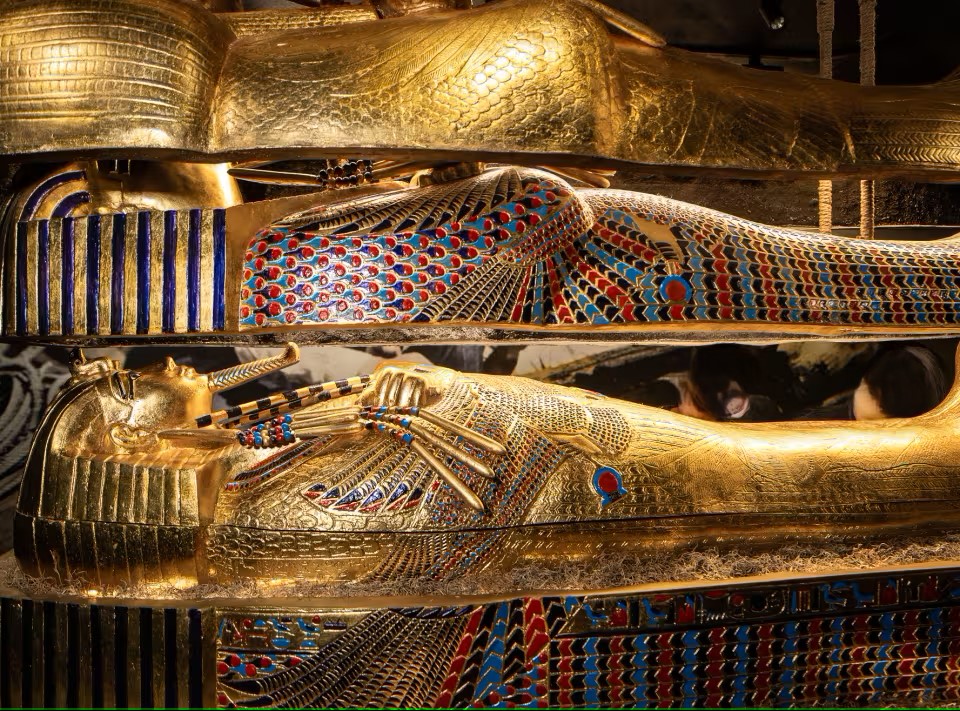
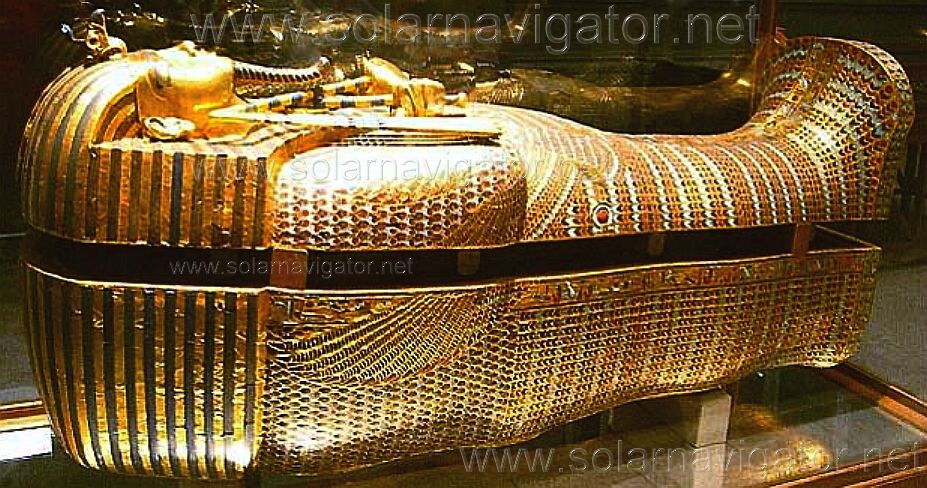
King Tutankhamun is one of the most famous rulers ever, thanks to Howard Carter‘s 1922 discovery of the pharaoh’s tomb in Egypt’s Valley of the Kings, sponsored by British aristocrat George Herbert. The find stirred the imaginations of millions fascinated by the boy king’s golden-masked mummy.
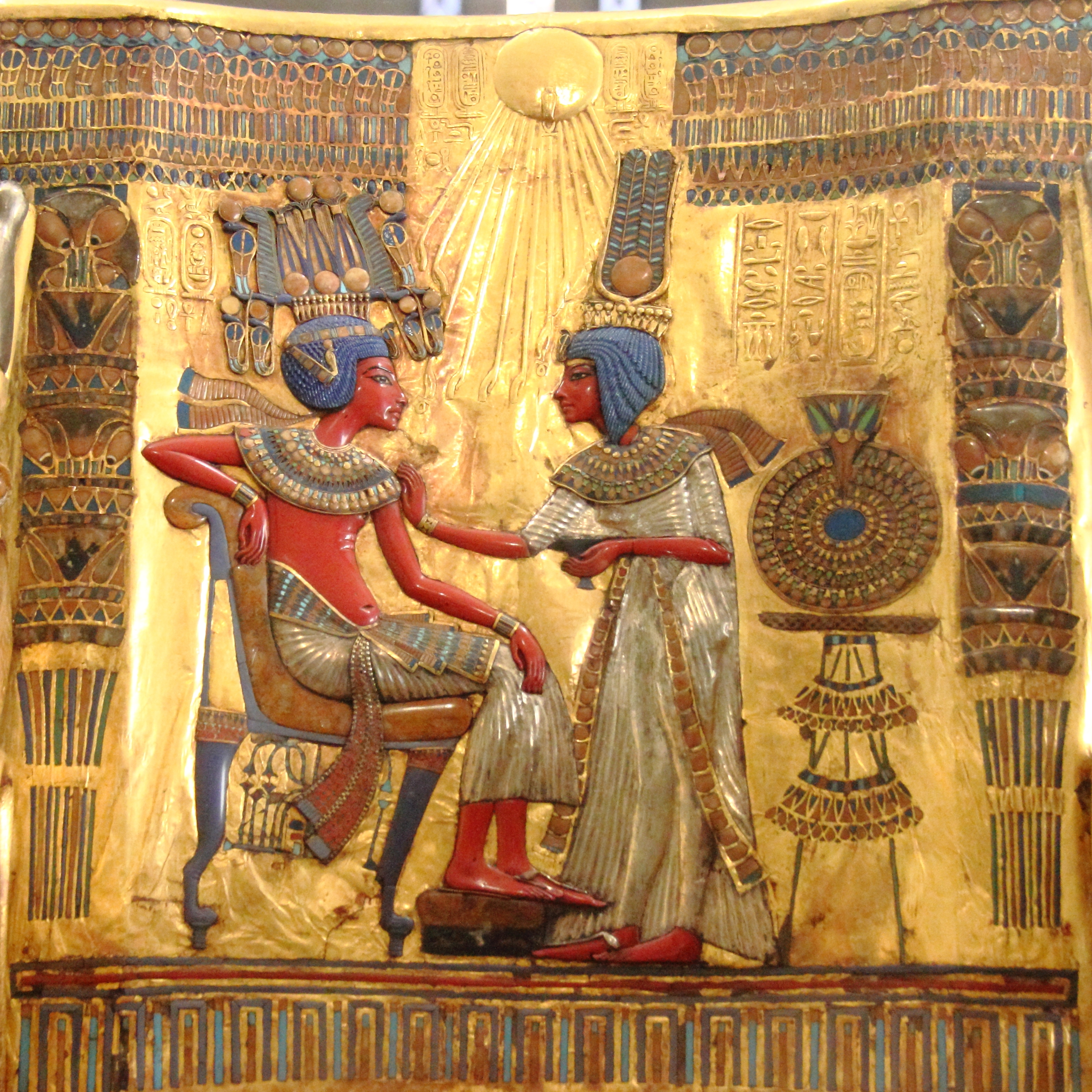
The throne of Tutankhamun, the Aten depicted above By Djehouty – Own work, CC BY-SA 4.0,
He and his tomb are (one of) the most beautiful and, tragically, the most robbed and plundered in ancient Egyptian explorations. No wonder the shining gold and humans’ greed! Nonetheless, the efforts of the good side of humans still try to restore and discover more details of the life of this fascinating man, and they will continue for sure!
Here, we read an exciting story by Marie Grillot and Marc Chartier about a deep investigation and discovery using modern technology.
In November 1922, after ten years of excavations and research in the Valley of the Kings, Howard Carter and Lord Carnarvon finally discovered the first step of Tutankhamun’s tomb, which they had been desperately searching for.
Within this KV62, with an area of just over 100 m², a team of the best experts will work on clearing and saving the objects. Some will devote nearly ten years to it, and the whole world, fascinated by this young pharaoh emerging from oblivion, will marvel at the priceless treasures surrounding him for his afterlife.
For more than 90 years, the number of visitors who have entered the pharaoh’s tomb to absorb a small part of his eternity has continued to increase, endangering his survival. The humidity generated by these visits significantly deteriorated the paintings and generated mould, causing significant damage. This led the Antiquities Department to limit the number of daily visits and close access to the site to the public in 2011.
This context, which seemed inevitable, was understood in 2002, and the basis for constructing a replica of the KV62 was studied.
Illustration Factum Arte
The company Factum Arte, founded by the British painter Adam Lowe and based in Madrid, was chosen to build this replica. The Egyptian Ministry of Tourism and Antiquities and funds from the European Union partially financed it.
Experts in these new technologies have implemented, used, and piloted innovative techniques, the most advanced of which is 3D. In 2009, for many months, the Factum Arte team invested in the tomb to memorize every centimetre with the highest precision. “The first work consisted of carefully recording the relief of the walls and the sarcophagus with a scanner specially designed for the occasion. Its resolution reached one hundred million points per m². Then, the second stage consisted of photographing the paintings with a very high resolution and faithfully respecting the colours.”
Armed with this data, Factum Arte technicians returned to their premises in Madrid, where they began manufacturing the facsimile in the form of hundreds of high-density polyurethane panels. These were assembled on-site to form the four walls of the mortuary chamber. The inauguration of the “double” tomb took place in April 2014.
And this is where another part of this beautiful story begins…
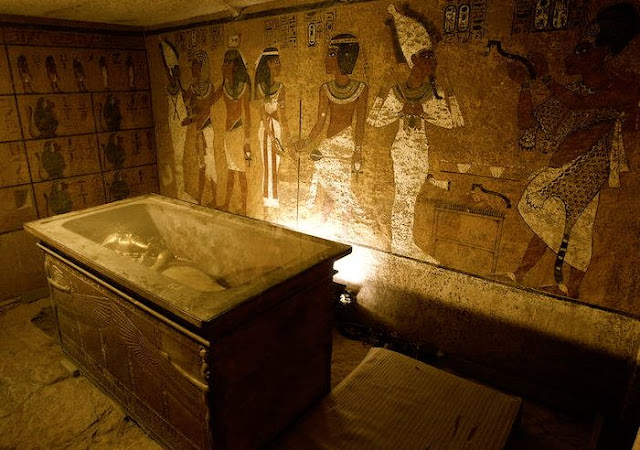
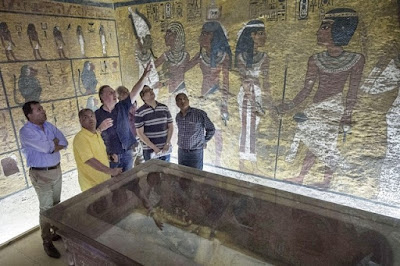
Egyptian Minister of Antiquities, Mamdouh Al Damati, listening to British Egyptologist Nicholas Reeves, near the sarcophagus of Tutankhamun – Photo: AFP/ Khaled Desouki
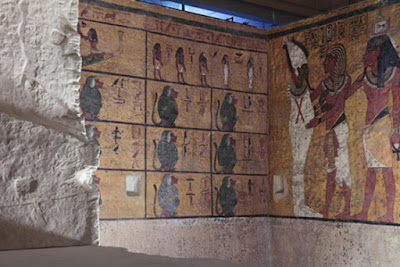
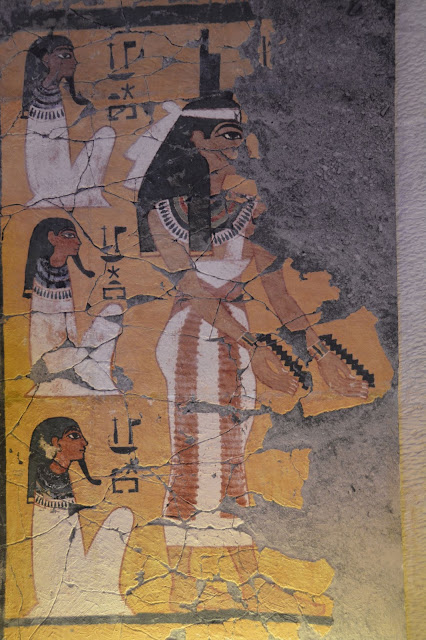
Nicholas Reeves, an English Egyptologist and foremost specialist in Tutankhamun, carefully studies the photos taken by Factum Arte in the burial chamber. This room is the only one in the tomb, and it is decorated with paintings: “rudimentary, classic, of austere simplicity” executed on a plaster coating painted yellow. These paintings reflect the ritual name given to it in antiquity: “the Hall of Gold.” He then noticed reliefs which could be blocked openings overtures onto two rooms unexplored until now. By pushing further his reasoning, he believes that one wall (the north wall) would be Queen Nefertiti’s burial place, while the other (the west wall) would be a storage space.
Nicholas Reeves supports his hypothesis – contested, it is necessary to recall, by other Egyptologists – first of all on his interpretation of the frescoes of the northern wall of the tomb (which represent the young king Tutankhamun performing a funerary ritual for his mother, Queen Nefertiti), then on the fact that Tutankhamun died prematurely, at the age of 19, and that, due to lack of an available tomb, the priests would have taken the decision to reopen Nefertiti’s tomb, ten years after his death, to bury the young king in a hypogeum not provided for him.
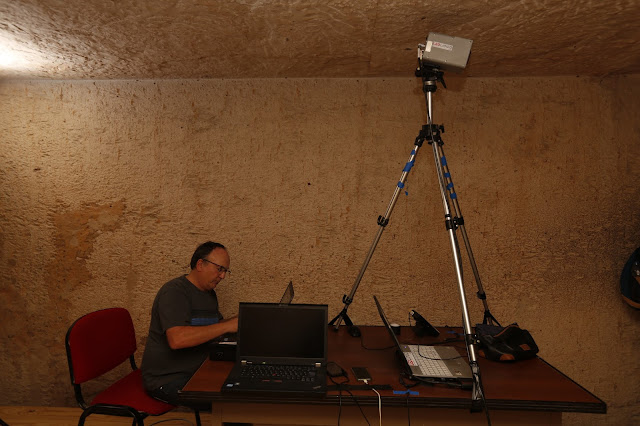
To verify this hypothesis, the Ministry of Antiquities has given the green light to enter noninvasive and nondestructive techniques onto the scene. First of all, infrared thermography is an operation led by Jean-Claude Barré, who came to Egypt as part of the “Scan Pyramids” mission. Based on images captured regularly over 24 hours, this technique can reveal temperature differences, possibly leading to cavities under a given surface. This was indeed the case in the tomb of Tutankhamun, where such temperature differences were detected through the painted coating of the north wall, without it being possible to determine the exact configuration of a hollow space or, even more so, its content.
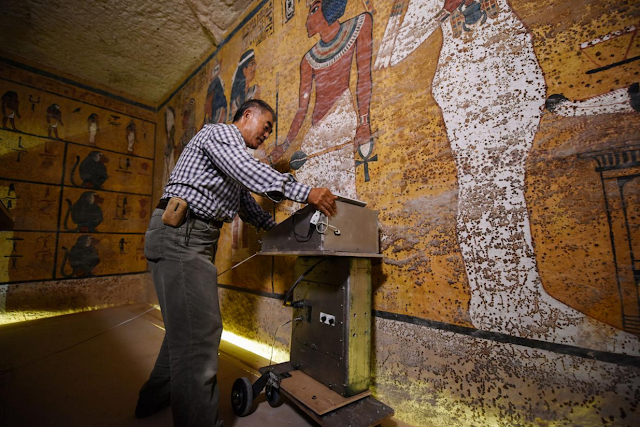
After some tests in a tomb whose configuration is already known (the KV5) to verify the effectiveness and reliability of the equipment used, the second series of surveys in Tutankhamun’s tomb was carried out using the radar technique. This device was placed 5 cm from the wall to prevent damage.
During the press conference, held in Luxor on November 28, 2015 late in the morning, at the house of Howard Carter, the Minister of Antiquities, Dr. Mamdouh El-Damaty, announced that the radar scans revealed the existence of a large void, with a long corridor, behind what we now know to be a false wall (a “ruse”, a ploy, intended to thwart possible tomb robbers) in Tutankhamun’s burial chamber. It is helpful to remember that the tomb was robbed several times in antiquity.
Hirokatsu Watanabe Photo Brando Quilici – National Geographic
Analyzes by Hirokatsu Watanabe, a Japanese radar specialist, also provide evidence of a second door hidden in the adjoining west wall.
The Minister declared, “We previously spoke of a 60 per cent chance that something was behind the walls. But now, reading the first analyses, we can assert a 90 per cent probability.”
He specifies that the data collected will quickly be examined more deeply in Japan.
He then mentioned a possible next step: digging a small hole in the wall (on an unpainted space) of the neighbouring room, called the “Treasure Room,” adjoining the “empty” behind the wall in the burial chamber to introduce a browser camera.
Missing fragments of the wall broken by Carter, photographed by Burton and reconstituted in the replica of the tomb – photo Marie Grillot
It is unthinkable to risk damaging or deteriorating these painted walls. It is helpful to remember that during the second season of excavation, Howard Carter destroyed part of the scene on the south wall and then recovered the fragments. Still, these practices are no longer used today.
The questions remain and even multiply… But one answer is inevitable: Tutankhamun has not finished being in the spotlight!
After my last post, I felt a little done, so I came across one of my drafts, which I thought would fit with that: living, dying, and growing again! I hope you will enjoy it.💖
PABLO NERUDA (DESIGN FOR TED)
Pablo Neruda – I ask for silence
From the book’s collection of poems
Now, leave me alone. Now, get used to it without me. I am going to close my eyes And I only want five things, five favourite roots. One is endless love. The second thing is to experience autumn. I can’t be without the leaves fly and return to earth. The third thing is the grave winter, the rain that I loved, the caress of fire in the wild cold. Fourthly, summer round like a watermelon. The fifth thing is your eyes, My beloved Matilda, I don’t want to sleep without your eyes, I don’t want to live without you looking at me: I change the spring why you keep looking at me. Friends, that’s all I want. It’s almost nothing and almost everything. Now if you want you can go. I have lived so long that one day they will have to forget me by force, erasing myself from the slate: my heart was endless. But why do I ask for silence? Don’t think I’m going to die: The opposite happens to me: It happens that I’m going to live. It happens that I am and that I continue. It will not be, then, but within grain will grow from me, first, the grains that break the earth to see the light, but Mother Earth is dark: and inside me, I am dark: I am like a fountain in whose waters the night leaves its stars and continues alone through the field. It’s about how much I’ve lived that I want to live as long. I never felt so in harmony, I have never had so many kisses. Now, as always, it’s early. The light flies with its bees. Leave me alone with the day. I ask permission to be born.
Out of the darkness, through the open window of Birth, human life comes to the earth; it dwells for a while before our eyes into the darkness, and then, through the open window of Death, it vanishes out of sight. Annie Besant
This post may serve as a brief introduction to a significant revolution in a fledgling nation striving for its freedom and the right to lead a happy and healthy life. I decided to write this article because, in my latest post, I mentioned a short note about women and their fight for their rights in Iran, and one of my adorable friends, Petra Glimmdall, asked me to write a more extensive article about this happening.
I’ve written about this topic onceortwice before! However, I’ll do my best to provide more details about one of the most widespread, laborious, and challenging struggles for freedom faced by the people of a vast country with a rich history. They have come a long way in their quest for rights but have not yet achieved their goal.
Iran has a long history of uprising, starting with the Persian Constitutional Revolution at the beginning of the twentieth century (1905-11), which could hold on but annihilated and oppressed by Reza Khan Pahlavi‘s ambition and selfishness (1925), up to the nationalize Iran’s oil industry under Dr Mossadegh‘s government (1951-53), which has been collapsed by Mohammad Reza Pahlavi’s coup d’état, until 1979 the revolution against Shah’s regime which Islamic treacherous Mullahs had stolen. Now we see there is no end to this!
However, this time, the heart of the issue is women who hold the head of the rope in their hands, and these protests represent the first uprising led by women.
New Yorker Women in Iran, Illustration by Roshi Rouzbehani
The Women’s Life Freedom Movement in Iran started in September 2022 after the tragic death of Mahsa (Jina) Amini. She was a young Iranian woman who was arrested by the morality police for not wearing her hijab correctly and found dead in the hospital a few days later.
In fact, the Iranian uprising began in 2009 during the so-called Green Movement. This occurred after the presidential election that year, and the people felt deceived by the extremists in front of the regime, although it was a pretext to rebel against them.
Even then, there was a woman who fanned the flame of the Green Movement revolution: Neda Agha-Soltan, an Iranian student of philosophy, who was participating in the protests with her music teacher and was walking back to her car when she was fatally shot in the upper chest.
It took some months then after the Islamic Regime brutally suppressed the revolution by banning international media, cutting off the internet for a week and killing more than one thousand and five hundred protestors.
This time, however, it has been ongoing for about two years, and it seems to be gaining momentum because, in my opinion, it is under the banner of Women, Life, and Freedom. It is not just for the Iranian people but for all people (especially women) around the world.
Honestly, I am a pessimist, not specialized in the Iranian future, but rather in the human condition as a whole. I have some theories that some might consider conspiratorial! However, I believe that for many decades, the actions in Iran, particularly the Islamic Regime, have been under the control of great powers like the USA and other interested authorities. I’m just trying to reason: How can it be that a regime that is unpopular and hated from within and is subjected to constant sanctions from outside remains in power so calmly and shows no weakness?! The West certainly supports this.
Significant changes will occur in the Near and Middle East when the time comes. When is this time? It is when weapons factories achieve good sales, when Putin’s regime becomes weak (though Putin shouldn’t go away!), and when peace is restored. At that point, it will be time for a regime change in Iran. These are my predictions!
Do you smile like the Rose at loss and gain? For the Rose, though its petals may be torn and asunder, it still smiles on, and it is never cast down. Maulana Jalaluddin Rumi
Finally, to help you understand the core of this uprising, I’m showing you an example named Nika, Nika Shakarami. She is one of many victims of this injustice and brutality—a girl, as you can see in this short video, with lots of dreams, full of hopes and a joyful heart and soul. She was one of the first victims of the Mahsa (Jina) revolution, possibly because of their optimism in believing the uprise would soon win.
Here is a new report of her brutal death, which BBC broadcasted:
I have added two more videos about the history of the Iranian uprising to provide you with additional fundamental information.
I believe I have mentioned this before, but I want to reiterate that I understand everyone faces different challenges in life, and nothing is easy. While I value every thought and acknowledgement, I would appreciate your sympathy and empathy, my dear friends. May the justice win at last! 🙏💖🙏✊



































 lampmagician
You must be logged in to post a comment.