by Craig Nelson
The words say all…. nothing to add 🙂 ❤
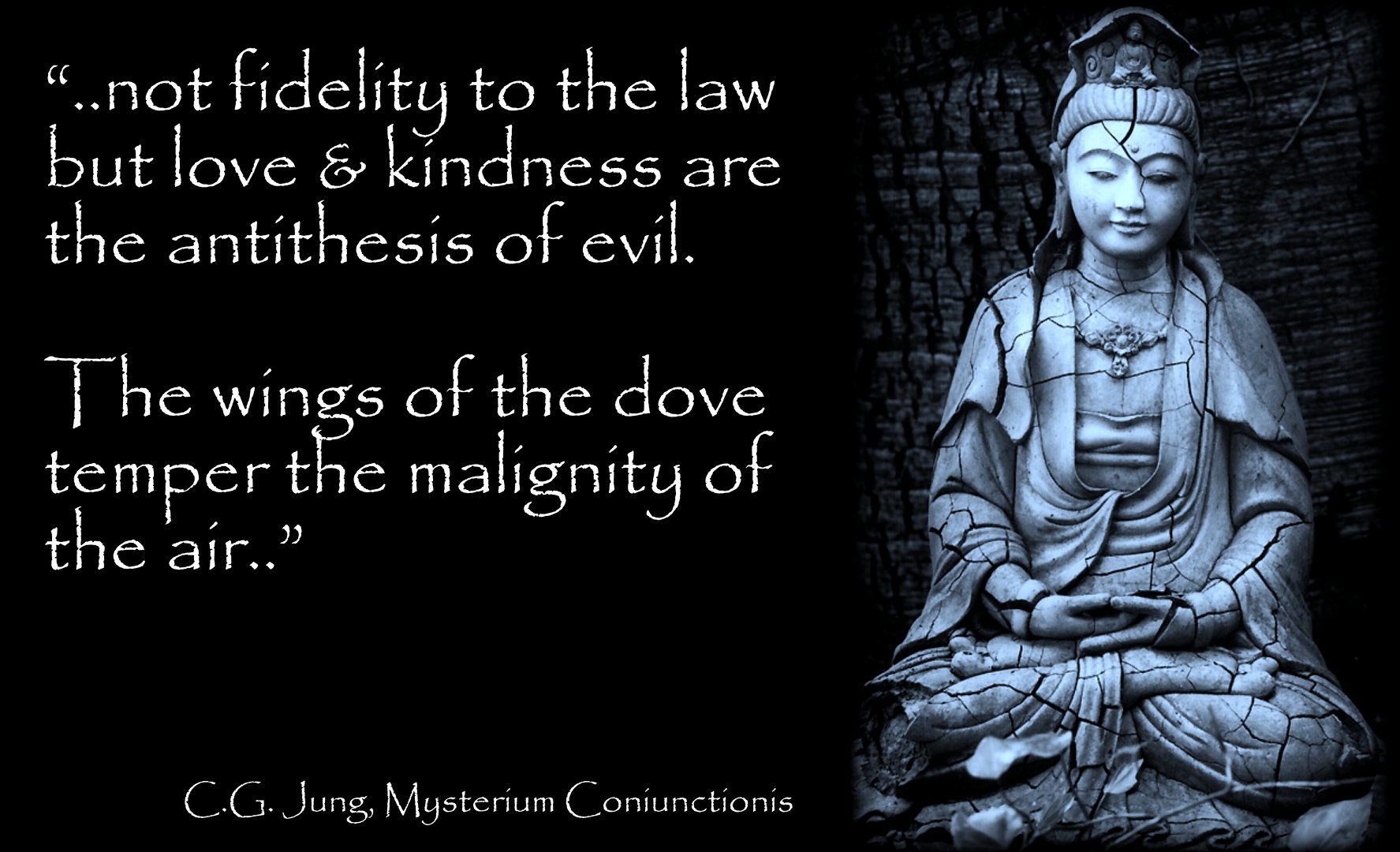
“..not fidelity to the law but love and kindness are the antithesis of evil. The wings of the dove temper the malignity of the air..”
C.G. Jung, Mysterium Coniunctionis

The words say all…. nothing to add 🙂 ❤
“..not fidelity to the law but love and kindness are the antithesis of evil. The wings of the dove temper the malignity of the air..”
C.G. Jung, Mysterium Coniunctionis


This is the time of year when Celtic folks in Scotland gather together to welcome in the New Year and say Farewell or in Scot’s Gaelic, Soraidh, to the old year.
Several sources cite that Gaelic origins grew from French or Norse language or an older version of gaelic. New year ceremonies and mid-winter observance were natural in both Gaelic and Norse traditions. Hogmanay is a larger celebration in Scotland and predates the Christian Christmas. According to Scotland’s own website Scotland.org The Word Hogmany originated from the Norman French from hoguinan (a New Year’s gift). They also mention it’s a modification of the Gaelic og maidne (new morning), the Flemish hoog min dag
View original post 713 more words
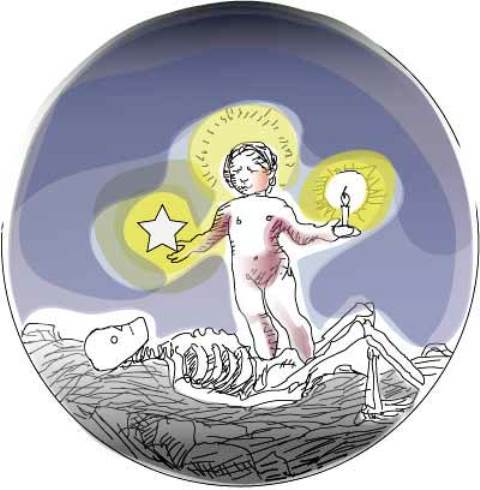
“..The philosopher stared at the paradoxes of the ..inscription, just as he stared at the retort until the archetypal structures of the collective unconscious began to illuminate the darkness.”
C.G. Jung, Mysterium

C.G. Jung & Wholeness By Craig Nelson
The self is the hero, threatened already at birth by envious collective forces; the jewel that is coveted by all and arouses jealous strife; and finally the god who is dismembered by the old, evil power of darkness.
I take another opportunity to share this magnificent analysis by Dr Jung with the help of two great Jungian experts and friend of mine
Craig Nelson & lewislafontaine. I have been always in believing that every one of us is an individual, we are living together and keep ourselves in the societies but, we are doing it because of the fear that we have; we’re afraid of being alone! We know somehow that we’re “Contra Naturam” and therefore, always looking for shelter; a shelter in a crowd. on the other side, it’s also important for us how to confront each other because we’re also afraid of one another!
Anyway, read and hopefully enjoy it. have a great rest of the week 🙂 ❤
Without entering into other details of the text, I would like to draw attention to one more point: the building of the rampart against Gog and Magog (also known as Yajuj and Majuj).
This motif is a repetition of Khidr’s last deed in the previous episode, the rebuilding of the town wall.
But this time the wall is to be a strong defence against Gog and Magog.
The passage may possibly refer to Revelation 20:ηί. (AV):
And when the thousand years are expired, Satan shall be loosed out of his prison and shall go out to deceive the nations which are in the four quarters of the earth, Gog and Magog, to gather them together for battle: the number of whom is as the sand of the sea.
And they went up on the breadth of the earth and compassed the camp of the saints about and the beloved city.
Here Dhulqarnein takes over the role of Khidr and builds an unscalable rampart for the people living “between Two Mountains.”
This is obviously the same place in the middle which is to be protected against Gog and Magog, the featureless, hostile masses.
Psychologically, it is again a question of the self, enthroned in the place of the middle, and referred to in Revelation as the beloved city (Jerusalem, the centre of the earth).
The self is the hero, threatened already at birth by envious collective forces; the jewel that is coveted by all and arouses jealous strife; and finally the god who is dismembered by the old, evil power of darkness.
In its psychological meaning, individuation is an opus contra naturam, which creates a horror vacui in the collective layer and is only too likely to collapse under the impact of the collective forces of the psyche.
The mystery legend of the two helpful friends promises protection to him who has found the jewel on his quest.
But there will come a time when, in accordance with Allah’s providence, even the iron rampart will fall to pieces, namely, on the day when the world comes to an end, or psychologically speaking, when individual consciousness is extinguished in the waters of darkness, that is to say when a subjective end of the world is experienced.
By this is meant the moment when consciousness sinks back into the darkness from which it originally emerged, like Khidr’s island: the moment of death. ~Carl Jung, CW 9i, Pages 146-147
Author: lewislafontaine Life, Work and Legacy of Carl Jung
“..the tension between Christ and the devil is in consciousness..”
C.G. Jung, Stone by Stone…”
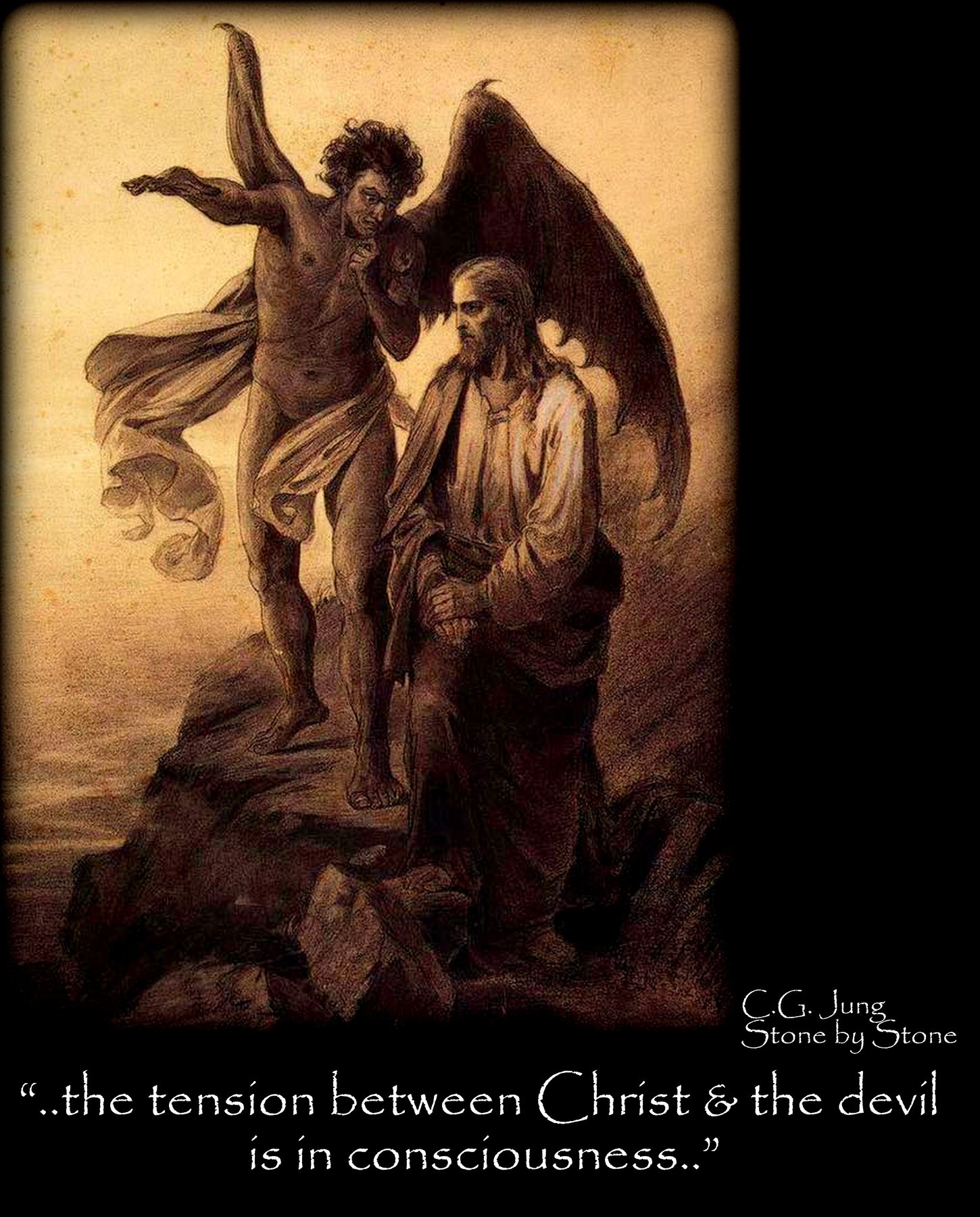
The words say everything, though, Dr Jung here used the Christ (but not Jesus) just to show what he meant, isn’t religious but the recognition of the purity, as in the Christion’s religion has been known. I myself, have found Jesus as a phenomenal personality, even as I lived in Iran, as a Muslim. (I might notice here that the Muslims recognize Jesus and his mother Maria, as the holy persons in their religion.) but it wasn’t the reason why I did so; it was just because of his message: Love. Anyhow, what it’s saying here is, in my opinion, means that we’re always in the fight between two sides of ours: the light and the dark side. and further, I say the winning point is our unconsciousness, and to know it. we must get deeper and deeper in our soul to know ourselves better.
There is only one way and that is your way; there is only one salvation and that is your salvation.
Here I take the opportunity to use these two posts by two greats C.G.Jung experts Craig Nelson & lewislafontaine who also, fortunately, are my friends. to explain my feelings on this issue.

The tension of the future is unbearable in us. It must break through narrow cracks, it must force new ways.
You want to cast off the burden, you want to escape the inescapable. Running away is deception and detour.
Shut your eyes so that you do not see the manifold, the outwardly plural, the tearing away and the tempting.
There is only one way and that is your way; there is only one salvation and that is your salvation.
Why are you looking around for help?
Do you believe that help will come from outside?
What is to come is created in you and from you.
Hence look into yourself Do not compare, do not measure. No other way is really yours.
All other ways deceive and tempt you.
You must fulfill the way that is in you ~Carl Jung, Red Book, Page 308.
I love his way of discussion! I was a naive boy as my wise brother pushed four thick valiums set of books of Plato towards me and said: read! of course, I followed; they were the collection of Plato’s notes from the Socrates discussions complete. I can only remember when I began with reading them, once I was wandering on the Tehran’s street and just taking rest on a park bench, a girl came to me and asked: are you OK? I’d confusingly answered; of course, what’s the matter? you’re just looking so depressed I thought she said. I was so, not depressed but under a lot of heavy thought!
here is a part of his wonderful way of teaching us; at first think twice then say something! With a great thank to; https://searchingthemeaningoflife.wordpress.com/

Two Athenian generals Lachis and Niki discuss with Socrates the prowess that the combatants should demonstrate in the battlefield. Both generals lost their lives to Lachis in the Battle of Mantineia in 418 BC and Nicky in 412 in the Sicilian campaign. Socrates brings the conversation to a higher level than bravery and asks the General who are experts to express their opinion. Following is the dialogue: Lahis – A soldier recently showed us something new: He was one of my men and devised a spear-shaped spear. He was very proud of the potential of this weapon during the battle. In order to make no mistake, in a naval battle, his spear was caught in the rigging of another ship as we passed by beside him. The soldier pulled it, but the spear was not recited, so he was forced to run along the deck, vice versa, holding the grip firmly to keep him out of his hands. Eventually, he had to leave the spear and leave running while the crews of both ships laughed until tears. We could not keep it, you had to see how the spear was hanging from the rigging!
Nikia – I agree. I believe that this equipment seems remarkable.
Lahis – What is your view, Socrates? So far we are a pro, one against. The decisive vote falls on you!Socrates – Lahis, instead of voting, I would say we should focus our attention on a more substantive issue that you have just rightly put before. Do not you think that for an issue as important as the practice of the arms of your friends’ sons, should we look for a specialist
and follow his advice?
Lahis – Of course, Socrates. This is right.
Socrates – What, then, should our expert be expert?Nikias – Now we were not talking about arms training? Whether our young people should be practised or not?
Socrates – Yes, Nikia. But should not we first answer this basic question? For example, when a person asks what medicine he has to put in his eyes, what does he really care about his medicine or eyes?
Nikis – Of course his eyes!
Socrates – And when he thinks of putting a bridle on a horse, the horse cares about it and not the bridle, is it?
Nice – Right. Socrates – Do not you see, then, Nikia, how to practice the weapons is like drugs and skirts – just a means of achieving a goal? What we really think about when it comes to different kinds of education is young people. It is the self, the soul of these young people undergoing education.
The doctor knows if it’s good for the eyes. Hippodomus what is good for horses. But who knows what’s good for the soul, that’s the basic question! Nikias – (laughing): I had to wait for it, Socrates, we have done similar discussions, and it is a painful process. However, in the end, I always leave with clearer ideas than at first. Are you ready to face him, Lah? I warn you of the experience this man has for us!
Lahis – Generally, I am not in favour of the discussions, unless I’m sure my interlocutor is a man of both acts and words. I was together with Socrates in the retreat after our defeat in the Battle of Delhi, if all were recognized as Socrates, we would have won. I would accept the questions of such a man at any time.
Socrates – Thank you, Lahis. Allow me to submit to you the part of this more general question that concerns you most because of your profession of driving soldiers into battle. What is Larus?
Lahis – This is easy, Socrates. It is a man who does not abandon his position and does not put his feet in danger. Socrates – Good definition of bravery, in terms of a pedestrian. Does it apply, however, to the cavalry that is constantly on the move? If I’m not mistaken, a favourite manoeuvre of the Scythians is to escape by galloping, turning both the trunk on the horse and hitting the enemy as they retreat.
Lahis – Correct observation Socrates. These horsemen are among the most prolific soldiers.
Socrates – And what would you say about the prowess shown in the sea, sickness, poverty or political life? In addition, some people are brave when faced with pain and weak when taken by pleasure. That’s why I ask you again: what would we call the generosity of Lash?
Lahis – You put me in Socrates thoughts. Now that I think about it better, I would say that bravery is a kind of soul’s heartbeat.
Socrates – My dear! Now you have given us a comprehensive definition, but perhaps too comprehensive, because if the real bravery is always a virtue, then the simple absurd misery can also be described as a virtue?
Lahis – I should have been wise. Socrates – Yes, but what does it mean wise? What is your view of the man who is able to fight and is willing to fight bravely because he has reasonably calculated that he will have the support of others, that he is fighting against the fewer and weaker than those who fight at his side? Would you say that this man who performs such a wit in such wisdom is a manly man?
More prolific and by the one who has the will to stay and fight on the weak side?Lahis – I have no doubt that the man who is not sitting to figure out the risk is brighter than the other. Socrates – So, the man who dives in a well without knowing how to dive is brighter, even more, foolish than the trained diver? Lahis – I have to be consistent with what I said before Socrates, but there is obviously a gap in our reasoning.
Source:
Nasos Argiropoulos writes at : http: //nasosargiropoulos.blogspot.gr(We read it in Ronald Gross’s book, The Socrates Method)

Sometimes, the Gods and the Fates are cruel; sometimes, They are kind. Either way, if you have a loved one in your life, share a strawberry, drink some champagne, and most importantly, be grateful for the love you have…
Because strawberries can’t fix everything.
Strawberries and Champagne are the quintessential ingredients for any romantic night in. So how did this tiny fruit become a popular love staple?
There is an obvious association with love; the fruit grows in the shape of a tiny red heart. A latter version of the Aphrodite and Adonis story claims to tell the origins of the strawberry: Aphrodite was in love with the beautiful Adonis, but his love for hunting ended up being his undoing. Gored by a boar, he lay in the forests gasping his last breaths as Aphrodite rushed to his side. She poured nectar on his wounds, hoping against hope to heal him, but it was too late and her beloved mortal died in her arms. Popular myth claims that her tears mingled with his blood; as this fluid seeped into the ground, strawberries grew in their place.
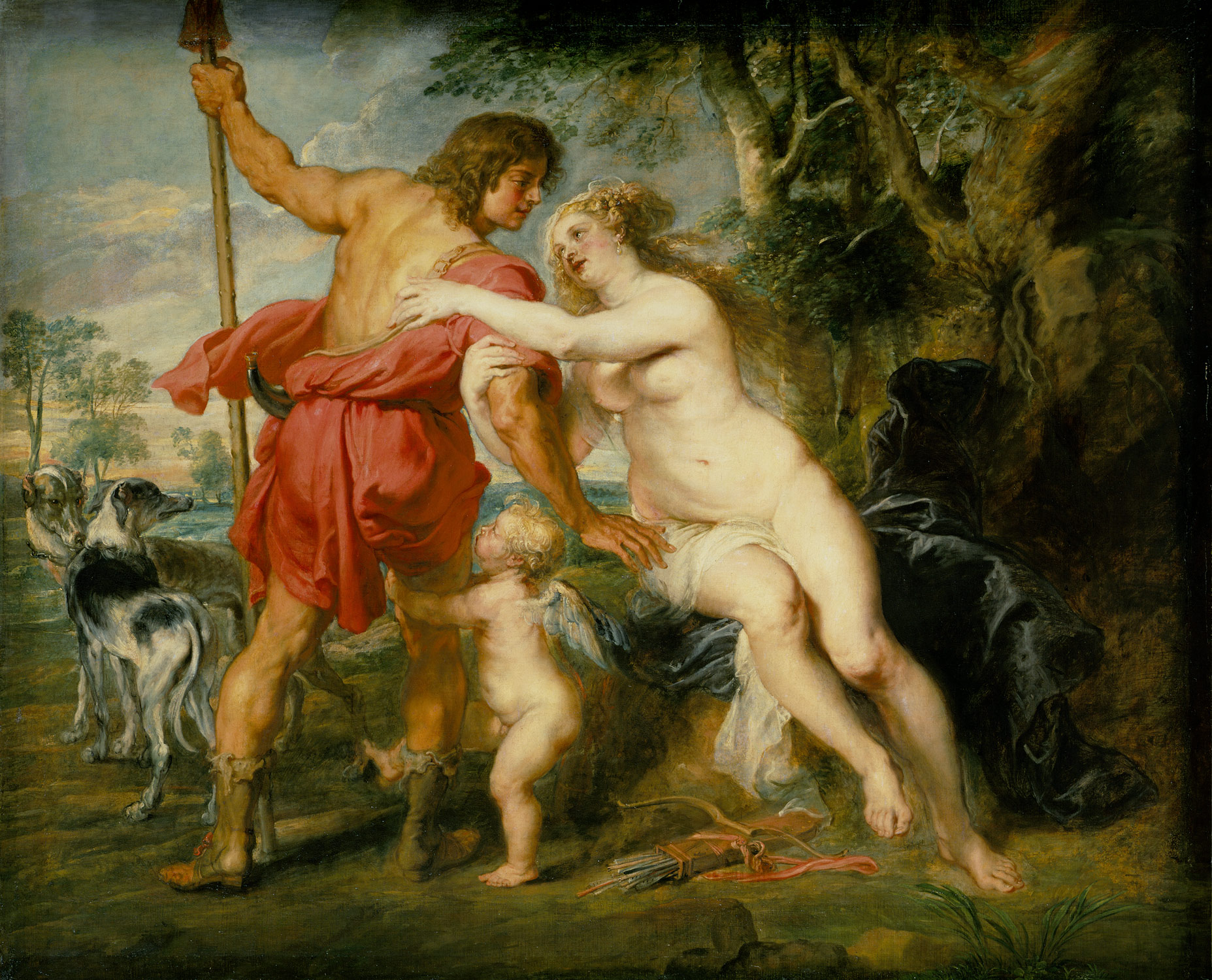 Peter Paul Rubens, mid 1630’s. Housed in the…
View original post 463 more words

So, Your Life is Hell. Your Life is Shit. Are You Getting Bored of Your Life.?Are You The Subject of Bullying By Your Group?Did You Never Get What You Want From Life???You Don’t Have Enough Money? You are Unable To Date The Girl You Want?? Sometimes You Think That You are the Most Unfortunate Person in The World. ??You Want Some Motivation?

Then Don’t Expect Some Kind of Shitty Motivational Things From This Blog. You Will Not Get Some Kind of Motivating Quotes and Life Changing Stuff Which You Get Daily On Your What’s App Because Wounds of Life Can’t Be Cured By Metaphorical Words. Life is Dark, Absolutely Normal and Casual. It Can Be Cured only By Material and Spiritual Well Being. You Will Never Be Happy Just By Reading or Hearing Some Great Words By Some Great Men.
Believe Me Life is Just Nothing But Meaningless. It’s a…
View original post 944 more words
by Searching The Meaning Of Life (STMOL) https://searchingthemeaningoflife.wordpress.com/
I had once got a book in the hands about the psychology of Zorn (Wrath, Rage, Anger) it was a very interesting description of how this feeling can cause good outcome as a man normally expects. here is again a wonderful read by SearchingTheMeaningOfLife with thanks.
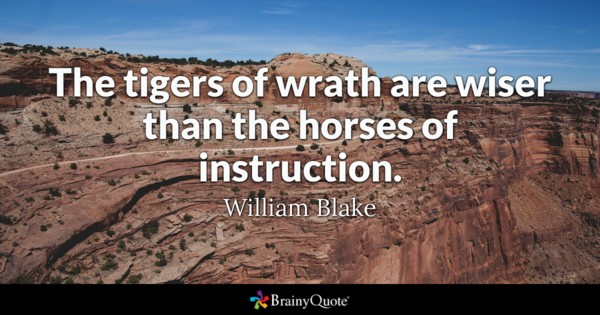
Those who are angered are a powerful source of wisdom, as they bring to light our weak points and become a mirror to which we look.
Aristophanes said that “wise people learn many of their enemies.”
A teacher can teach us the importance of patience, control and tolerance. But all these abilities are not able to practice them, except in real life, when we meet the “enemy”.
In martial arts, we learn that the opponent’s attack can be used to our advantage when we know how to channel its momentum, at the right time, in the right direction.
The enemy forces us to act here and now and to get out of our comfort that will eventually make us soft. It forces us to bring to the surface the best as well as our worst self and to transform knowledge into wisdom through experience.
When we manage to see our reactions distant and humorous, then we will discover that in every conflict there is a great lesson about our qualities and our weaknesses.
Exclusive harmonious relationships create an apathy that can paralyze us as we do not feel the need to look for new things, nor do we have to reconsider our beliefs.
We are always on the same path. For our mental and emotional development, we need to confront, react, test ourselves, change our perspective, feel pain. In other words, to learn.
As in the martial arts, so in life, in order to achieve it, one needs to motivate us.
It is the place and the contrast that they create in conflict with tomorrow’s composition.
«Πόλεμος πάντων πατήρ εστί» έγραψε ο Εφέσιος σκοτεινός φιλόσοφος Ηράκλειτος. “The War of All Fathers” is written by Ephesios the dark philosopher Heraclitus.”‘
Let us take part with all our might, without clinging to our little “ego”, to what will take us “out of ourselves”, it will make us angry, lose our concentration and risk losing the battle. It is not what the “teacher” taught us anyway.
When things around us are not ideal, when we accept attacks, when we are not satisfied with our lives, this adversity, this negative force that affects our stability and acts as an enemy, must be used as a driving force and a push for change.
Every conflict eventually reveals what does not go well within us and allows us to keep the spark of our creativity on. Without anyone or something to challenge us, this spark would be turned off.
That is why, by looking at the situation more deeply, we should probably blame our enemies, for thanks to them we can change and climb another step in the path of our personal fulfillment.
On November 27, 2018 / Creativity, Psychology and Mythology
Via & By https://elainemansfield.com/
As I might mention; what I have learned in my life it’s been by my brother Al Fazel who was a genius and I’m gratefully thankful to him, he was an ingrained writer as our father was. they both could not do anything but to write. I say that because, as I read this as an always wonderful article by
Elaine Mansfield a lovely friend of mine, I’d just remember of an issue which had been put in our regular discussion meeting in Iran in the ’80s by my brother and it was the mather of using Mask in our everyday life.
He argued that we all need a mask to protect our inner secrets; even to hide our fears and weakness. It was a wonderful remembering in my life which I’d keep them in my heart and mind forever.
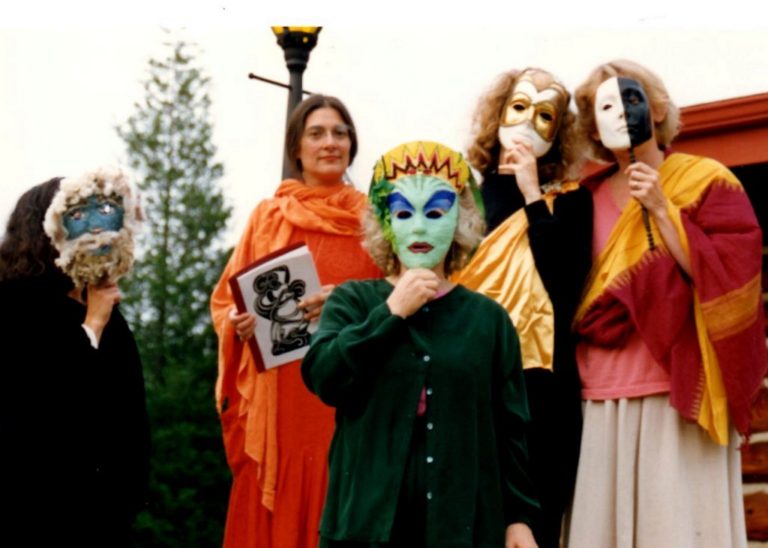
In 1994, our women’s mythology group created and presented a play using masks. We had explored the story of “Eros and Psyche” for a few years, so knew every detail.
I played the Goddess Aphrodite who, in this myth, is fierce, jealous, demanding, and anything but lovely.
The masks were bought or made by a member of the group who was an art teacher and character in the play. In Greek theatre, a mask used in this way is called a persona. C.G. Jung used the term persona to mean our outer personality which is like a mask compared to our inmost authentic Self.
Along with raging and beating Psyche who dared to fall in love with her son Eros, Aphrodite gave Psyche Four Labors, each more impossible than the last. Psyche faced each task with despair, but helpers arrived and each task was finished. In the process, Psyche (Soul) was initiated into the depths of Feminine Wisdom.
Working with the story brought us closer to each other and taught us new ways to approach life’s impossible challenges. That first depth immersion in mythology was an adventure and an initiation for me.

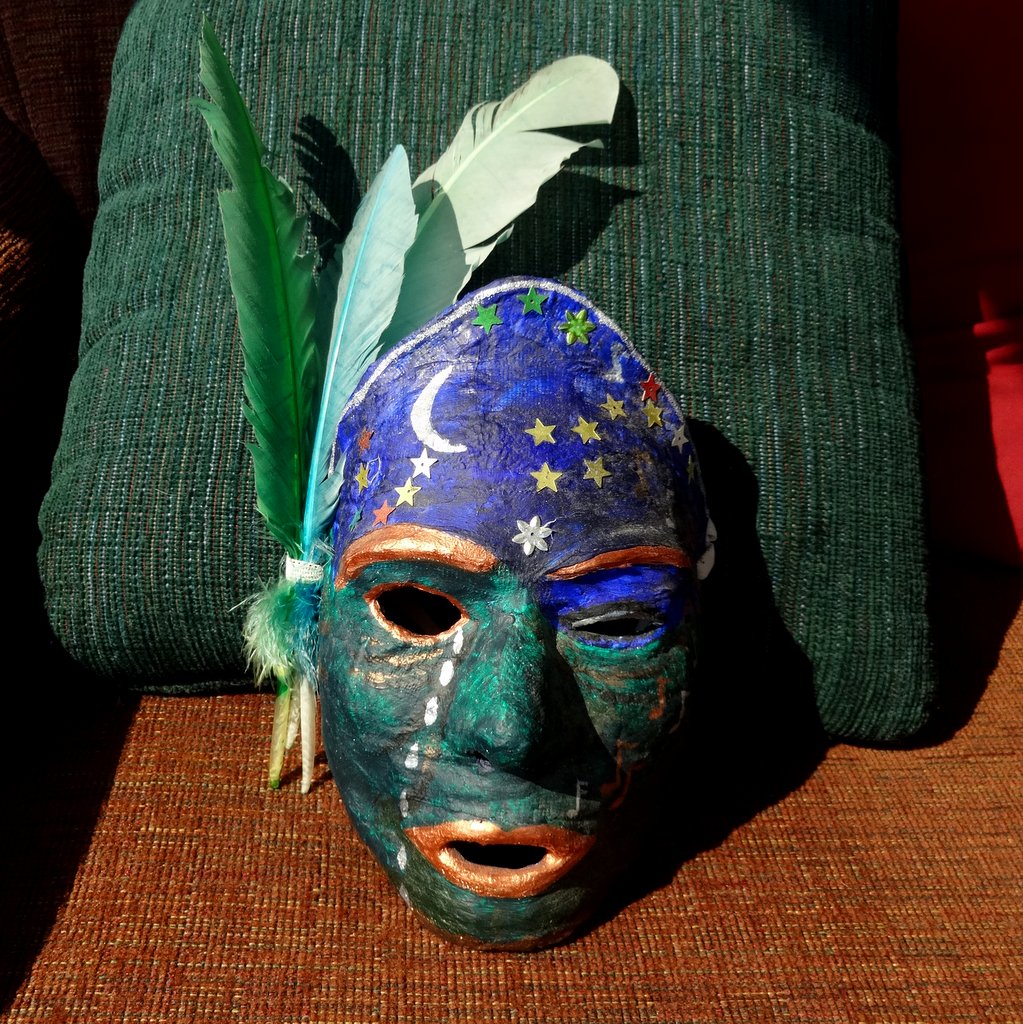
Years later, I created my own masks in Marion Woodman’s BodySoul Rhythms Workshops. I’ll call these masks unintentional because I didn’t have a specific character in mind or know what they would look like or symbolize before the process began.
In 2003, about 40 women made face moulds the first night of the week-long workshop in a downstairs room filled with art supplies. First, a thick layer of Vaseline to protect the skin and then bandage-like pieces of gauze cut in strips dipped in warm water and applied to the face in a few layers. Then lying still for 20 minutes to let the plaster dry into a hard mould before another woman eased the mask off my face. After it dried, we painted our masks with acrylic paints. (Directions for mask-making at this link.)
We had five days to create our masks while working with a mythological story, doing bodywork, dancing, and exploring dreams and Jungian ideas. The art room stayed open 24 hours a day for midnight inspirations. Some nights I worked late.
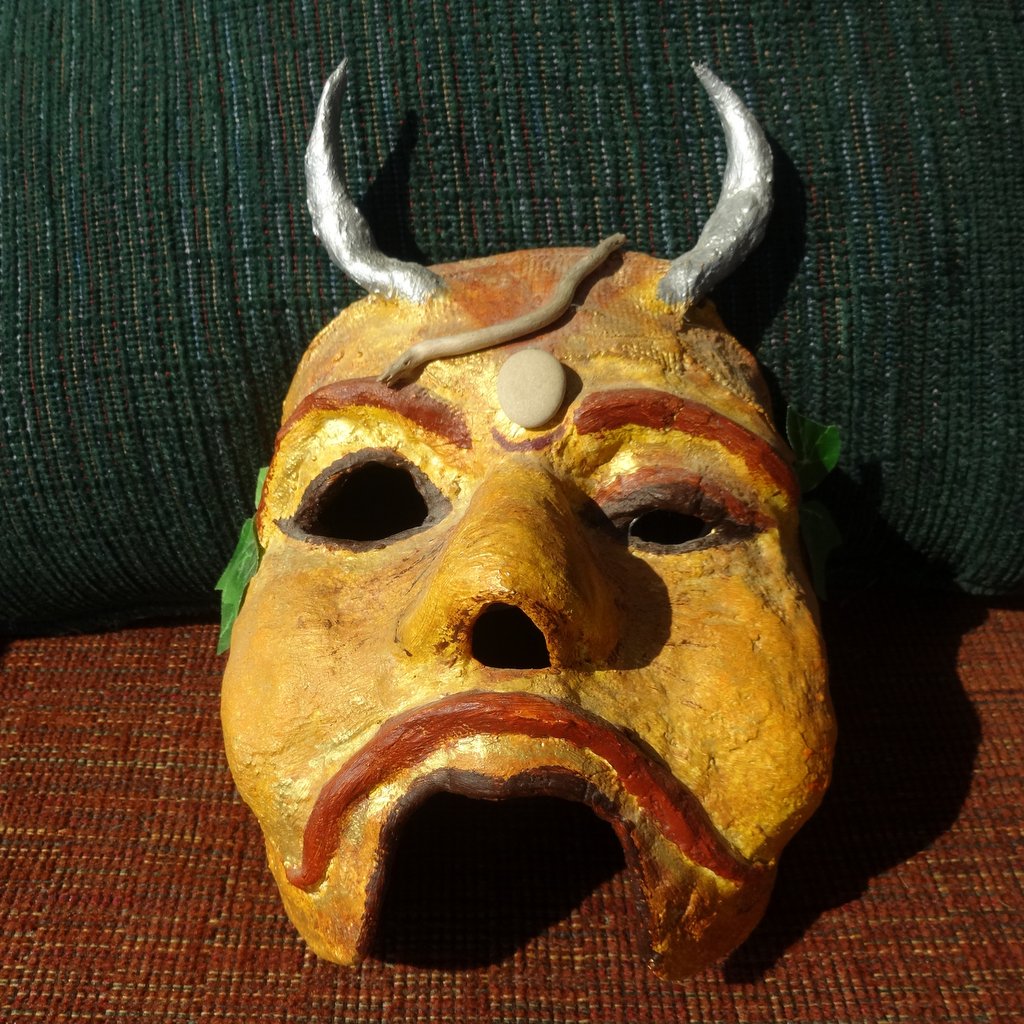
A Golden Bull with juvenile horns emerged–an image of a young and vital masculine energy in me. I cut off the bottom part of the mask under the chin to open its voice and throat. I was surprised by my Bull, but not everyone was.
“I know him,” my husband Vic said when I showed him the mask after arriving home. “I know him so well.”
Vic knew the bullish and sometimes belligerent parts of me better than anyone–including me since I’d rather deny or conceal those parts of myself. He knew my stubborn persistent intellect and desire to create and learn, a more positive aspect of this bull. Looking back, that bull was a step toward withdrawing a projection from Vic and finding my own inner masculine.
I made the third mask in a workshop in 2007. Vic had a brief respite from treatment that summer, so I signed up for a Marion Woodman workshop in Canada. Vic and I looked forward to a week apart after a year of unrelenting cancer therapy and constant togetherness.
As the women gathered to discuss a mythological story on the second morning, someone tapped me on the shoulder. “Your husband called. You need to call him back,” she said. My heart pounded. He wouldn’t call unless it was an emergency, but his message was about my mom who had lingered with Alzheimer’s for ten years. She was dying and there wasn’t time for me to get home. I’ve written about dancing my relief and grief that weekend.
Vic sat with my mom until she died. I’d pre-arranged her cremation. Everything else could wait until I returned home. My mask and need for inner nourishment felt pressing. I stayed.
I named my mask “Our Lady of Praise and Sorrow.” She weeps on one side and sings praise on the other. I said a tender goodbye to my mother in ritual and dance, but the mask took me deeper, to what I truly feared losing. I was grateful for the 41 years I’d been with Vic, supporting, growing, and trusting each other. I grieved over our future and that word “incurable.”
When I showed my mask to Vic, he inspected every detail. “Thank you,” he said. He knew. The mask reflected grief and praise for our partnership. It spoke to a new life I’d live without him after his death. It helped me trust that I could hold on to gratitude even while I grieved.

With gratitude to the women who have gathered for over 25 years to study mythology together.
Do stories from mythology and fairy tales become guides to help you understand yourself and life’s challenges? For an article about Eros and Psyche, see Clutched: An Essential Lesson from Psyche’s Fourth Labor. Or if you want to see how knowing this story helped me understand my ferocious Mother-in-Law, see My Lover’s Mama and the Negative Mother Archetype. I’ve written many articles about working with Marion, so here’s a link to my Marion Woodman archives.


 lampmagician
You must be logged in to post a comment.