While observing desperate freedom fighters in Iran caught between the threat of dying under the US/Israel’s bombardment, being shot, or being executed by the IRGC, I try to focus on our existence and maintain my sanity.
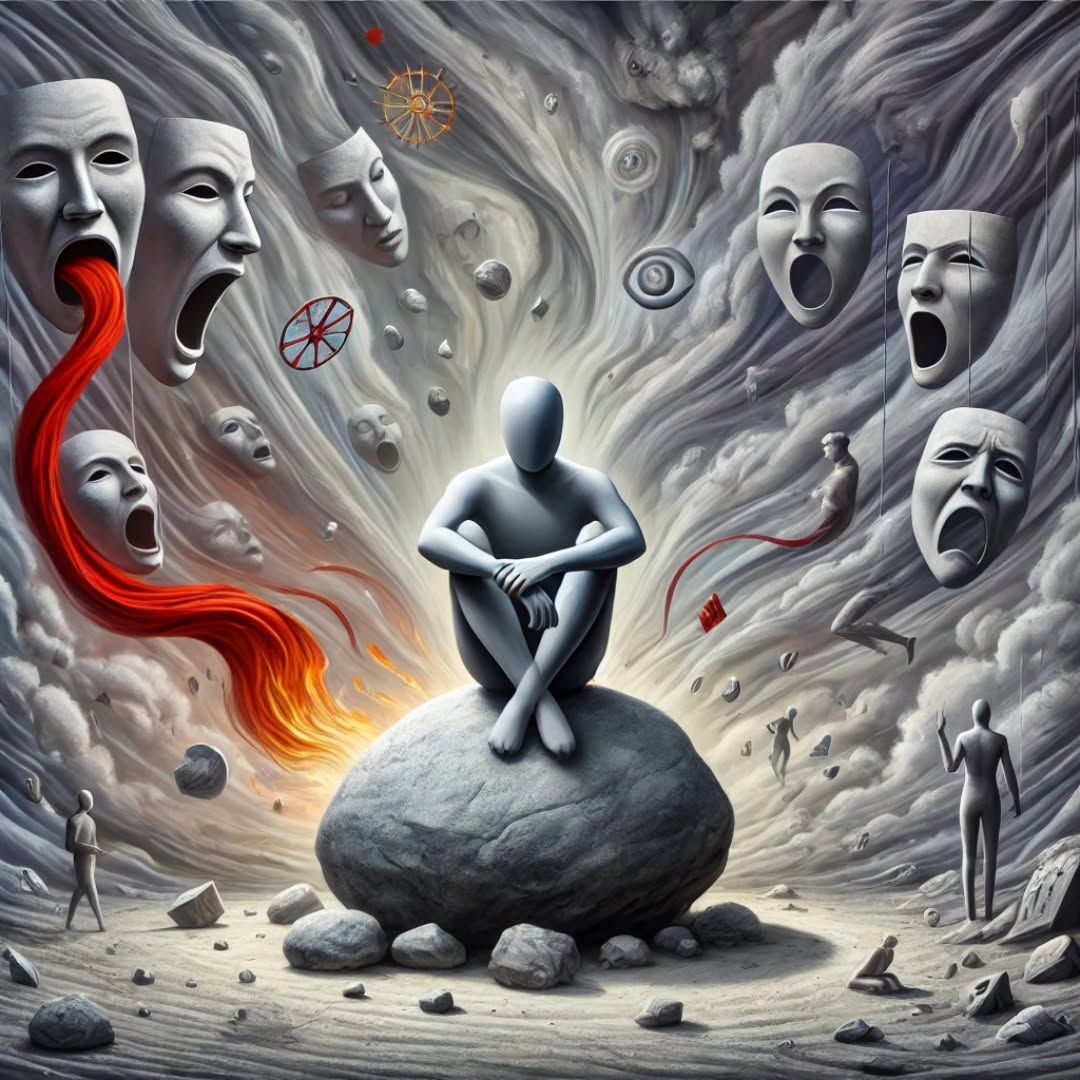
Throughout our lives, we face numerous paths and choices, but we often pick one, believing it defines who we are. Meanwhile, other decisions may be unfolding in their own realities or even in a parallel universe! For example, if you want to leave early in the morning for work and have several options—by bus, your own car, or even on foot—you choose one. But what if, while you’re on your way using your selected method, the other version of you is on theirs? Who knows?
That’s similar to quantum physics! It might sound complex, but it’s possible because our decisions aren’t always the most accurate. Haven’t you ever wondered, What if I had done it differently?”
However, we might undertake a meaningful journey within our inner soul to discover our true “I”.
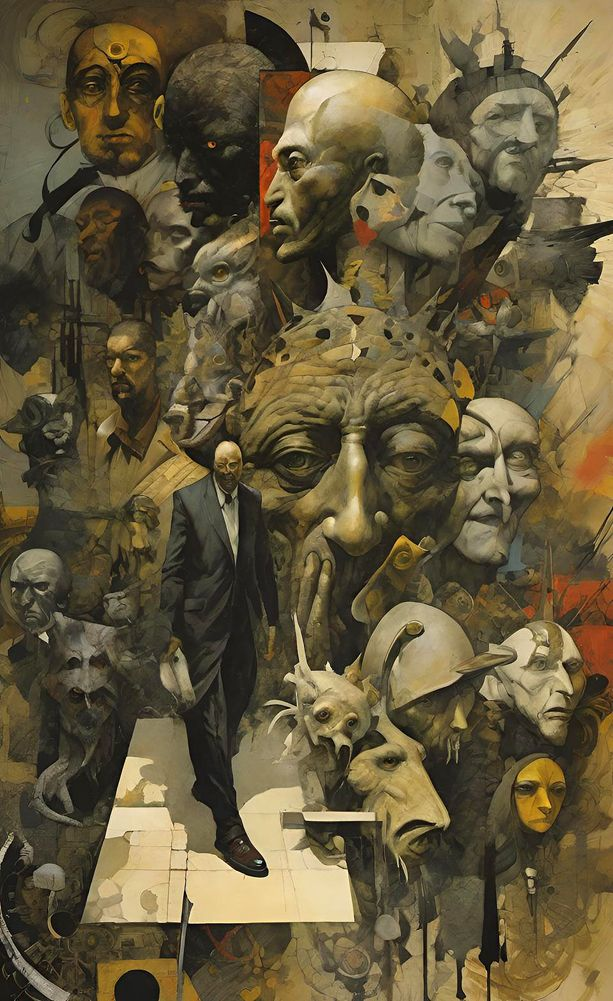
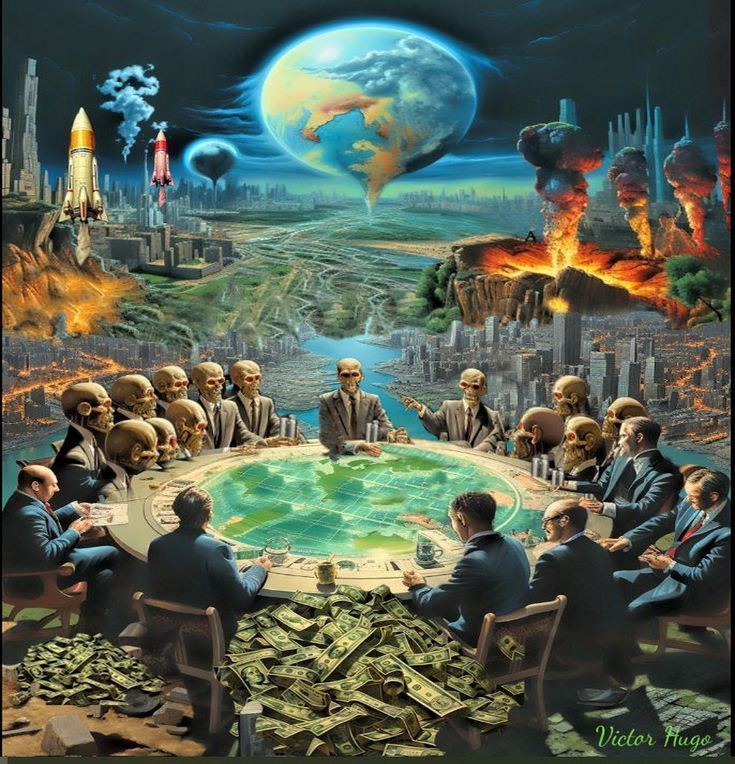
Throughout history, influential politicians have often been seen as shapers of destiny and architects of society. However, some may believe that, behind their visible authority, they function more like puppets controlled by unseen forces than as independent leaders. This view suggests that true power lies elsewhere, with politicians serving as public faces for deeper, more ingrained interests.
Certainly, some independent individuals with strong personalities have risen to the top to realise their ideas, such as Napoleon and Hitler. However, the modern political landscape is shaped by complex networks of corporations, lobbyists, and special interest groups that wield significant economic and informational influence. These groups often set policy priorities and legislative agendas. Politicians, even charismatic ones, depend on them for campaign funding, media support, and advice. In return, their decisions may be subtly or overtly influenced to benefit those maintaining the political machinery.
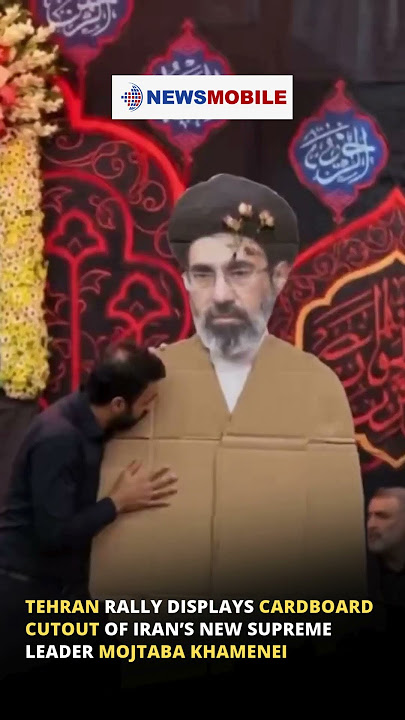
You may have come across this (real!) depiction of Iran’s new leader of the Islamic regime!
Furthermore, bureaucracies, party apparatuses, and global institutions further diminish individual agency, ensuring that politicians follow established paths rather than forge new ones. Dissenters risk marginalisation, while conformists are rewarded with stability and progress. In conclusion, although influential politicians seem to possess significant power, their actions and decisions are often dictated by external forces; they frequently serve as puppets on the public stage—animated not by their own will, but by the hands that pull their strings. If we examine their behaviour and interpret their language through their speech, we can easily read between the lines: they speak clearly and directly when they are prepared for what they need to say, but when caught unawares by a new, unexpected topic, they start babbling and repeating themselves.
In my view, the world aims to dissolve the individual into the crowd, with personality fading away under the “New World Order” to facilitate control.
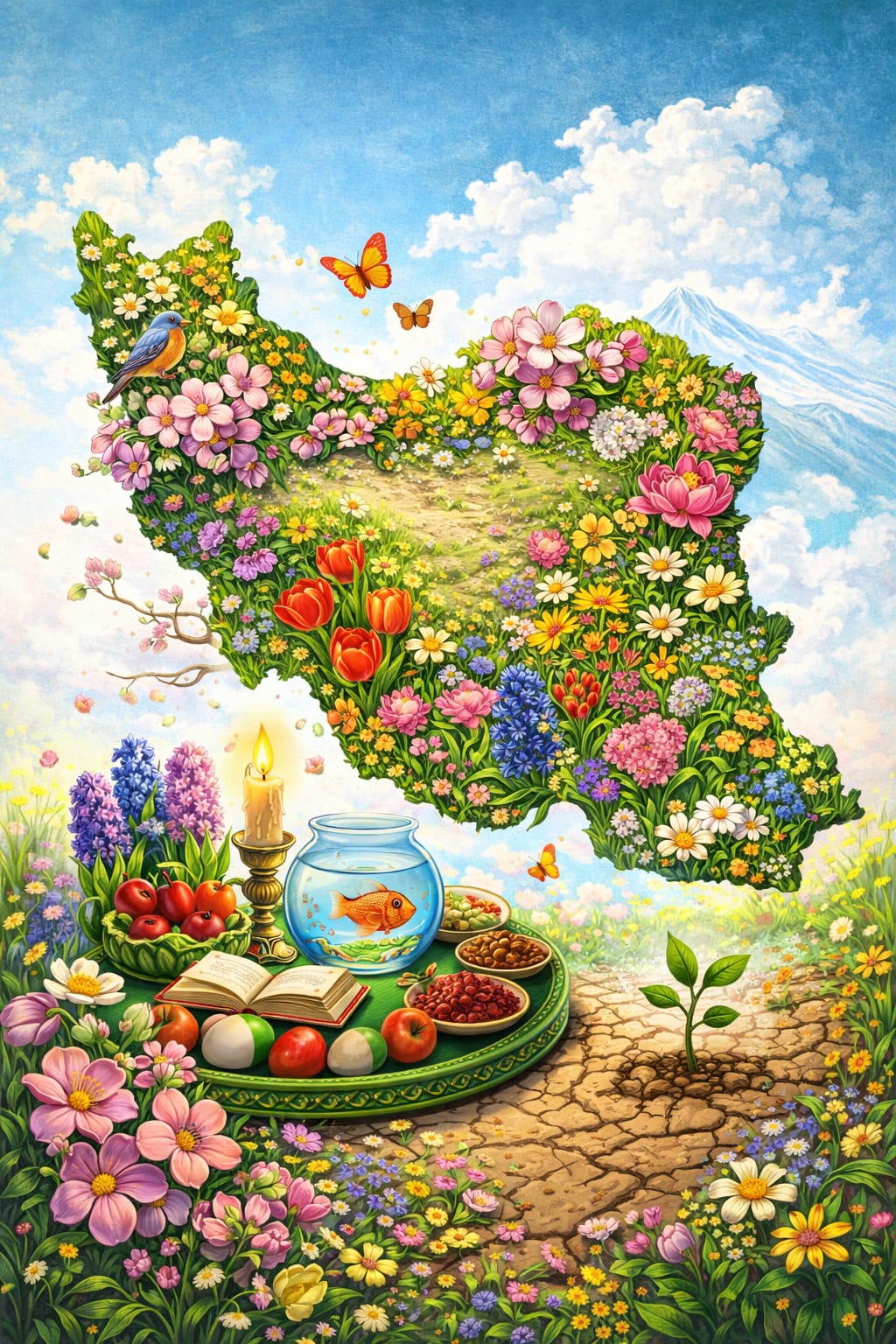
As you might know, yesterday marked the arrival of the Spring Equinox and the Persian New Year. I feel a twilight sensation between grief and bliss. However, I could just be hopeful that the coming year will be filled with peace, freedom, and justice.
I hope that next year, flowers will blossom instead of bullets, bombs, or executions. 💖🌹
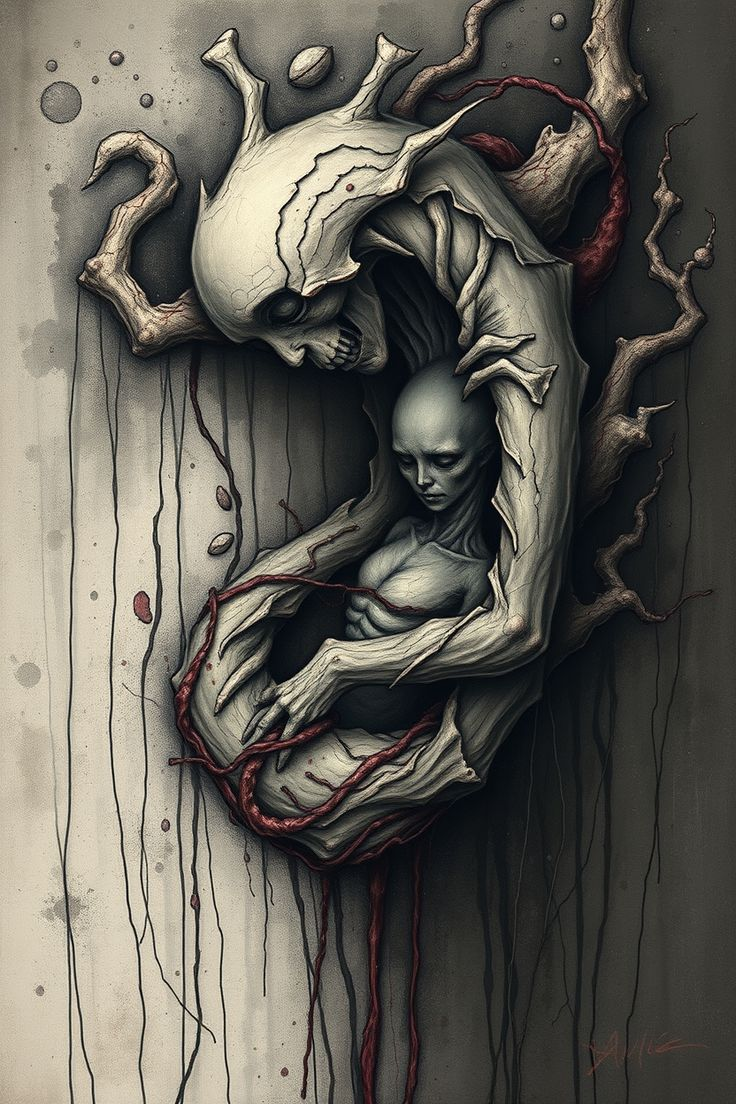
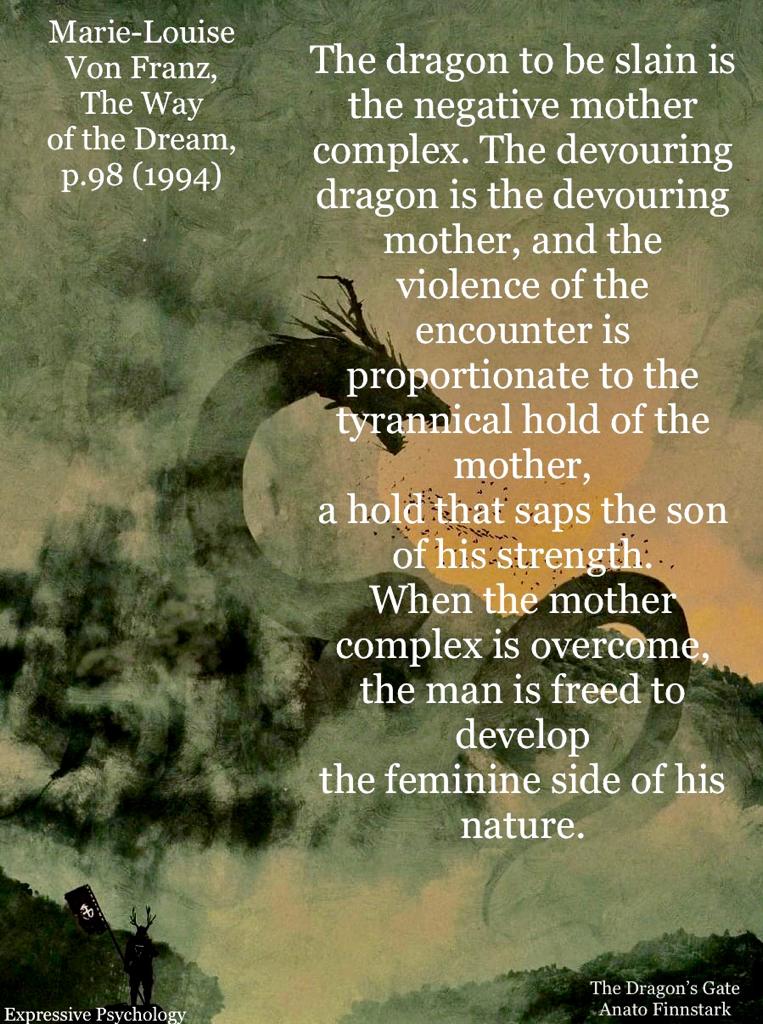
The longing to return to the womb — to the very origin of existence — reflects a deep, universal desire for renewal. It embodies a conscious wish to turn back time and retreat into the ultimate sanctuary where life’s struggles and regrets have not yet taken hold. Recently, I have noticed I often wake up with memories of scenes or songs from a TV series that Al and I enjoyed in our youth; for example, today I woke up with the theme song from the 60s Batman TV show, and I wonder how it entered my mind, since I haven’t heard it in ages! I then ask myself: Is this a desire to return to that joyful, simple time, or even more, to go back to the basics and start anew?
The womb symbolises comfort, safety, and innocence. The desire to return often signifies a wish to escape the burdens and complexities accumulated over a lifetime. In psychoanalysis, returning to the mother’s womb may sometimes be viewed as a sign of incest. However, it also reflects a longing for the simplicity and purity that existed before self-awareness and responsibilities—before choices and their consequences shape our identities. Nonetheless, this longing goes beyond mere escapism. It reflects the human yearning for change and a fresh start. Although we acknowledge that a literal return isn’t feasible, the desire reveals our profound wish to leave past mistakes behind and start anew. It acts as a cry for self-forgiveness and the bravery to reinvent ourselves—building on the wisdom gained from our experiences rather than erasing them.
Ultimately, the desire to return to the womb is not about going backwards but about renewal. It acts as a reminder that, although we can’t literally start over, we can seek personal rebirth—discovering new purpose and hope at each stage of life. This may also evoke memories of those days and the happiness I now long for.
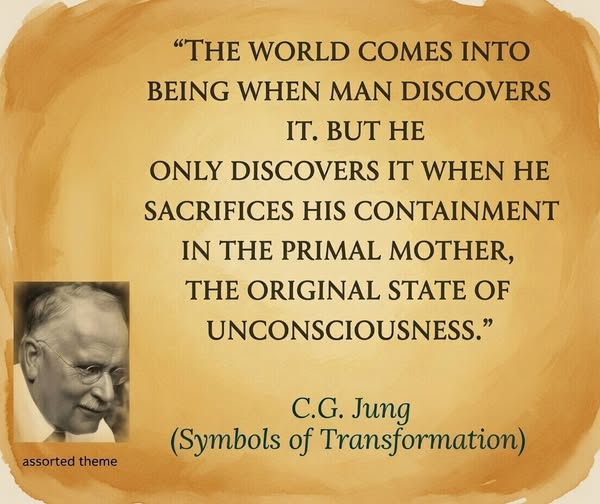
Jung’s investigation of incest in Transformations and Symbols of the Libido (1912) caused a rift with Freud. He describes the archetype’s dual nature as both “spiritual” and rooted in the “organic–material substrate” (“On the Nature of the Psyche” par. 380), allowing him to formulate a concept of libido that combines Freud’s sexual perspective with a broader view. In Freud’s view, libido is fundamentally sexual; incest symbolises a link from Oedipal desire to the taboo and the formation of the superego. Although Jung does not deny the actual occurrence of incest (McGuire 505–506), he highlights its symbolic role in expressing libido creatively rather than focusing on its biological aspect. As he proceeds, the foundation of incest is thus:
The strange idea of becoming a child again, of returning to the parental shelter, and of entering the mother in order to be reborn through her. But the way to this goal lies through incest, i.e. the necessity of finding some way into the mother’s body. One of the simplest ways would be to impregnate the mother and beget oneself in identical form all over again. But here the incest prohibition intervenes; consequently [myths develop new mother–analogies] for the purpose of canalising the libido into new forms and preventing it from regressing to actual incest [. . .]. It is not incestuous cohabitation that is desired, but rebirth [. . .]. The effect of the incest taboo and of the attempts at canalisation is to stimulate the creative imagination, which gradually opens up possible avenues for the self–realisation of libido. In this way, the libido becomes imperceptibly spiritualised. ~Carl Jung, “Symbols of the Mother and of Rebirth” par. 332)
I think this platform is a great space to express feelings, and, as my dear friend and excellent writer Shehanne Moore advises, I allow my thoughts to flow openly.
As you might have guessed, I am currently at a loss for words! My mind feels cluttered, and I struggle to focus as I normally would. The situation in Iran is deteriorating, and additionally, the responses from Western audiences, whether Iranian or not, lead to more confusion.
This surreal piece shows a volcano with an angry face, erupting with floral smoke and blood across a barren landscape. An eye above sheds tears that turn into blood, symbolising both creativity and destruction. Flowers representing beauty and fantasy are destroyed by lava and blood. I chose this image to express my fleeting feelings about the current state of the world.
Many people call for peace, but they often lack a clear understanding of or haven’t deeply considered what has been happening in Iran over the years. Simply saying “stop the war” is insufficient, as it raises the question: which war do they mean? I am referring to two wars: one that is ongoing now, and another that the regime has been waging against the Iranian people for many decades.
Of course, I don’t judge everyone equally. I have honest friends deeply concerned about innocent lives, such as the over a hundred schoolgirls killed at their school at the conflict’s start. Wars inevitably cause innocent casualties. The scenes in Gaza following Israeli strikes are truly unforgettable! But I see no difference between dying from regime bullets or American and Israeli bombs. There may be a point where bombing foreigners could help end this suffering.
The Iranian people find themselves in a dilemma. Naturally, they do not want war, but at the same time, they oppose this murderous regime. As a result, they are trying to endure this terrifying situation. I remember vividly when I lived in Iran, those days of conflict with Iraq. In those days, or rather, those nights, Al, some friends, and I would gather together in one of our friends’ flats and play cards all night long, until the bombs started falling. Simply put, we did not want to die in our sleep!
It felt like a lottery; the question was, who would win next? One could either win or lose; there was no draw!
People in Iran are taking similar actions now; what else can they do? But those who live in freedom and peace, presenting themselves in an intellectual and civilised manner, say that war must be stopped! And I still ask: “Which war are they referring to!”?
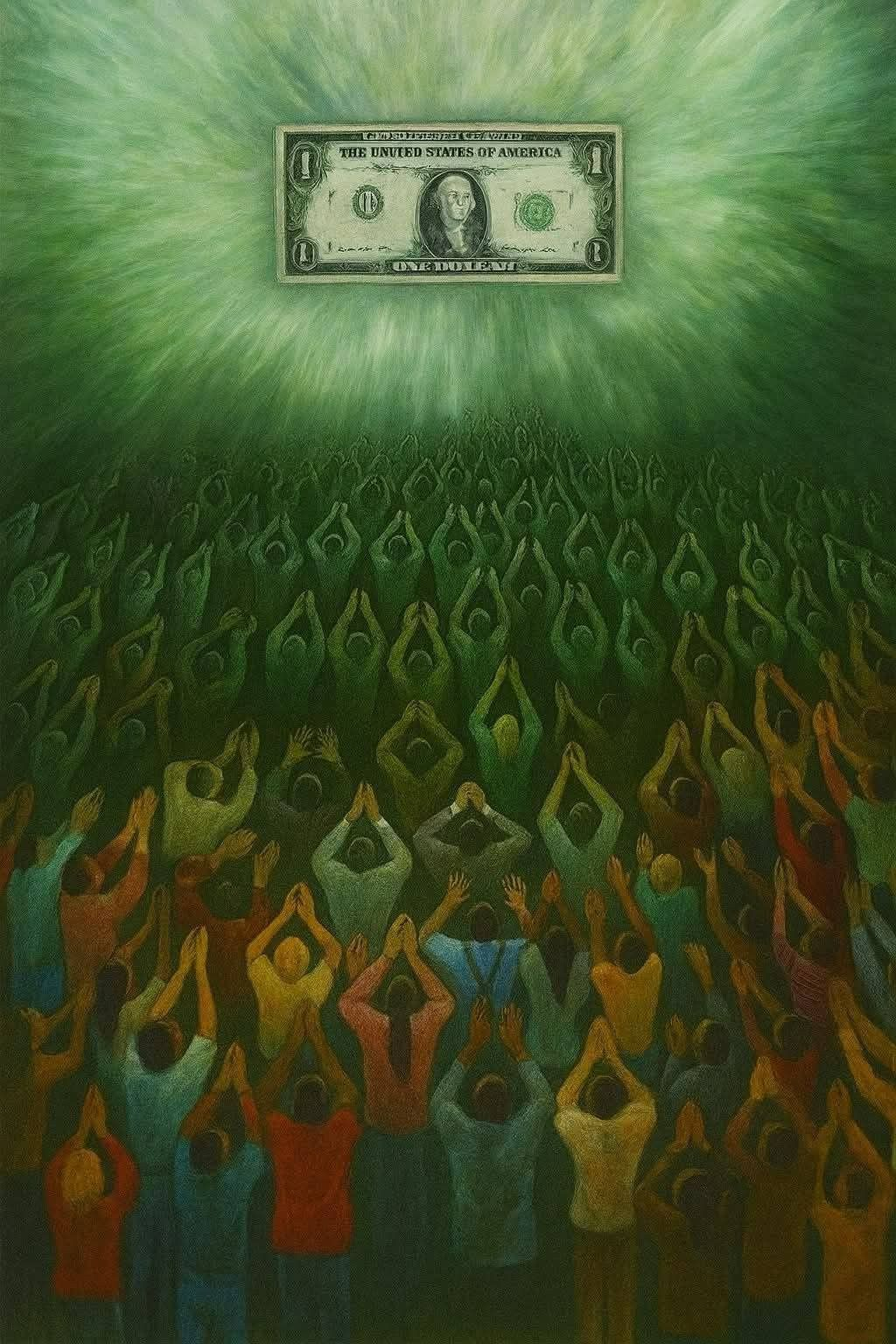
Ultimately, I recognise that the situation centres on money and power, and I can only hope that the Iranian people are on the advantageous side. 💖🙏


 lampmagician
You must be logged in to post a comment.