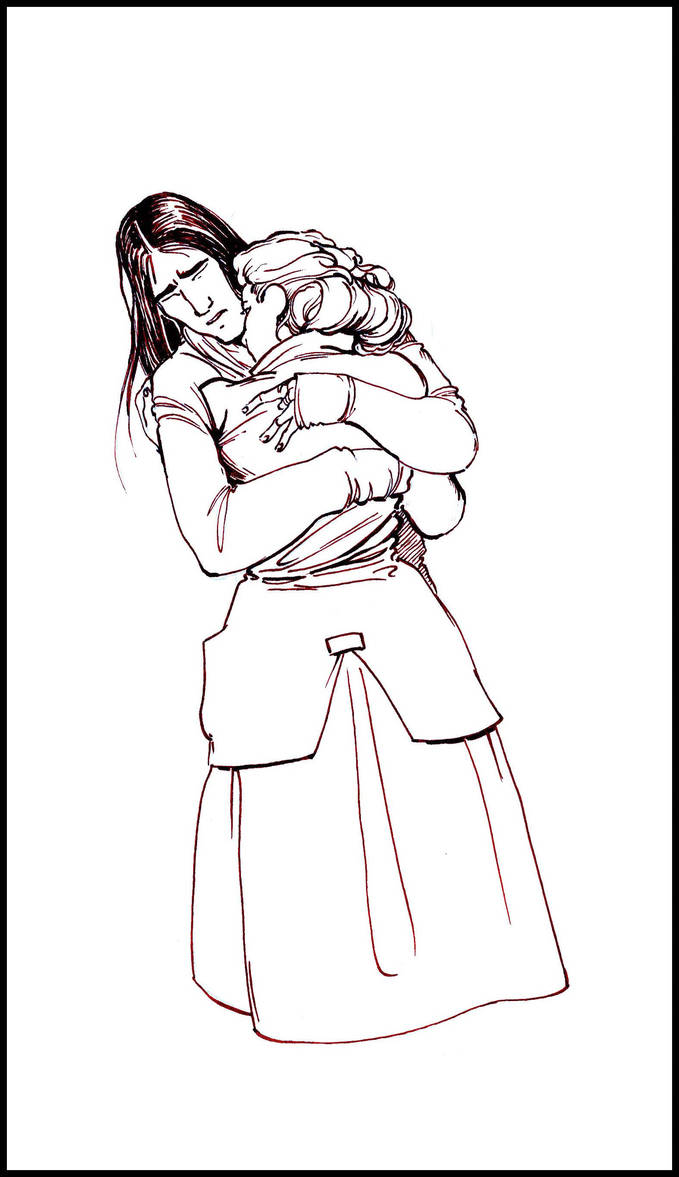
The tension of the Future…..~Carl Jung

Standard
via  C.G. Jung & Wholeness By
Craig Nelson & also https://carljungdepthpsychologysite.blog/
CARL JUNG; RED BOOKFUTURESALVATIONWAY

Author: lewislafontaine Life, Work and Legacy of Carl Jung

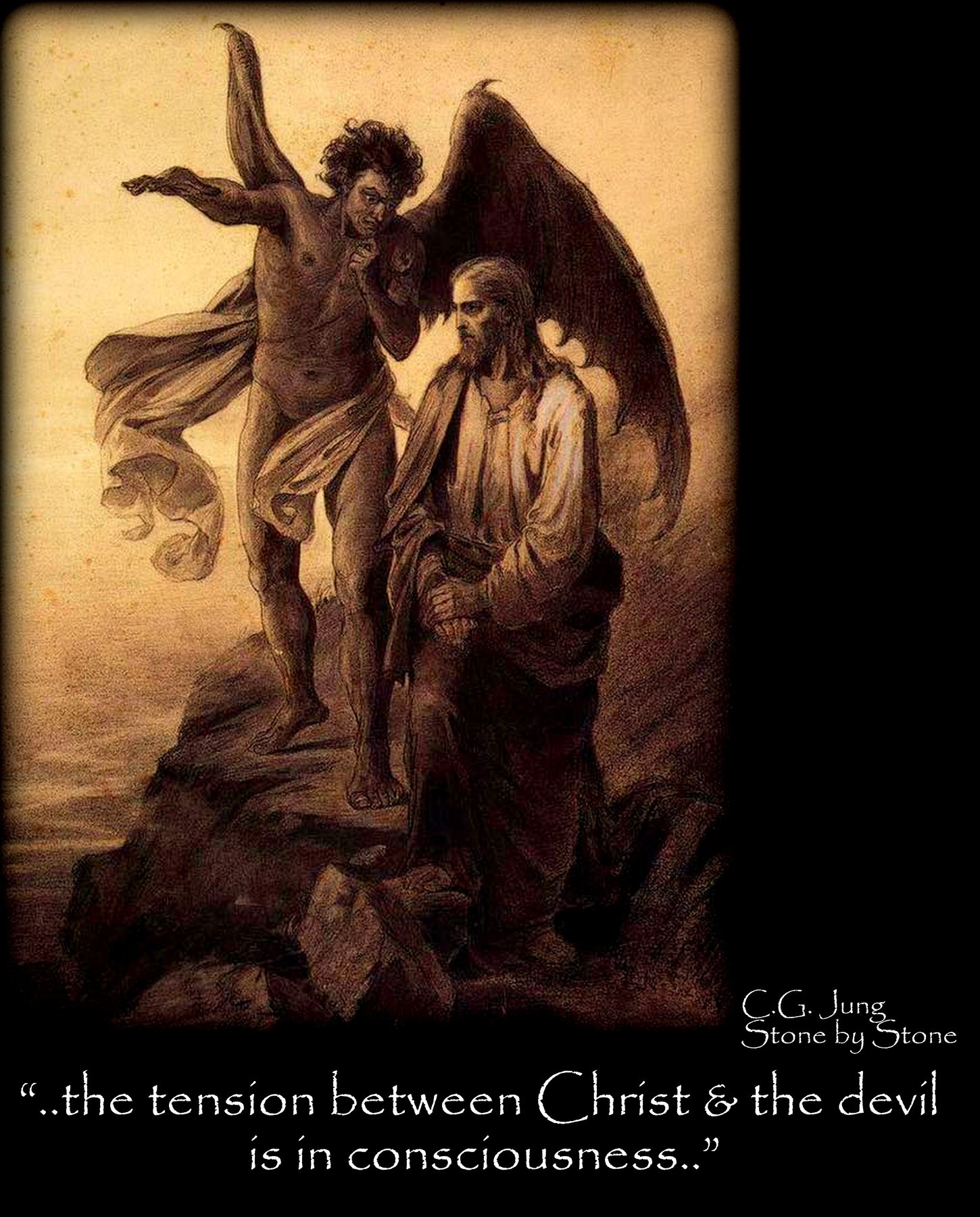
“..the tension between Christ and the devil is in consciousness..”
C.G. Jung, Stone by Stone…”

The words say everything, though, Dr Jung here used the Christ (but not Jesus) just to show what he meant, isn’t religious but the recognition of the purity, as in the Christion’s religion has been known. I myself, have found Jesus as a phenomenal personality, even as I lived in Iran, as a Muslim. (I might notice here that the Muslims recognize Jesus and his mother Maria, as the holy persons in their religion.) but it wasn’t the reason why I did so; it was just because of his message: Love. Anyhow, what it’s saying here is, in my opinion, means that we’re always in the fight between two sides of ours: the light and the dark side. and further, I say the winning point is our unconsciousness, and to know it. we must get deeper and deeper in our soul to know ourselves better.

There is only one way and that is your way; there is only one salvation and that is your salvation.

Here I take the opportunity to use these two posts by two greats C.G.Jung experts Craig Nelson & lewislafontaine who also, fortunately, are my friends. to explain my feelings on this issue.

The tension of the future is unbearable in us. It must break through narrow cracks, it must force new ways.

You want to cast off the burden, you want to escape the inescapable. Running away is deception and detour.

Shut your eyes so that you do not see the manifold, the outwardly plural, the tearing away and the tempting.

There is only one way and that is your way; there is only one salvation and that is your salvation.

Why are you looking around for help?

Do you believe that help will come from outside?

What is to come is created in you and from you.

Hence look into yourself Do not compare, do not measure. No other way is really yours.

All other ways deceive and tempt you.

You must fulfill the way that is in you ~Carl Jung, Red Book, Page 308.

SOCRATES ‘Talk about’ Andriania ‘

Standard

By SearchingTheMeaningOfLife

I love his way of discussion! I was a naive boy as my wise brother pushed four thick valiums set of books of Plato towards me and said: read! of course, I followed; they were the collection of Plato’s notes from the Socrates discussions complete. I can only remember when I began with reading them, once I was wandering on the Tehran’s street and just taking rest on a park bench, a girl came to me and asked: are you OK? I’d confusingly answered; of course, what’s the matter? you’re just looking so depressed I thought she said. I was so, not depressed but under a lot of heavy thought! 

here is a part of his wonderful way of teaching us; at first think twice then say something! With a great thank to; https://searchingthemeaningoflife.wordpress.com/

2e81d-to-sofo-test-toy-sokrats

And what would you say about the prowess shown in the sea, sickness, poverty or political life? In addition, some people are brave when faced with pain and weak when taken by pleasure. That’s why I ask you again: what would we call the generosity of Lash?


Two Athenian generals Lachis and Niki discuss with Socrates the prowess that the combatants should demonstrate in the battlefield. Both generals lost their lives to Lachis in the Battle of Mantineia in 418 BC and Nicky in 412 in the Sicilian campaign. Socrates brings the conversation to a higher level than bravery and asks the General who are experts to express their opinion. Following is the dialogue: Lahis    – A soldier recently showed us something new: He was one of my men and devised a spear-shaped spear. He was very proud of the potential of this weapon during the battle.               In order to make no mistake, in a naval battle, his spear was caught in the rigging of another ship as we passed by beside him. The soldier pulled it, but the spear was not recited, so he was forced to run along the deck, vice versa, holding the grip firmly to keep him out of his hands. Eventually, he had to leave the spear and leave running while the crews of both ships laughed until tears. We could not keep it, you had to see how the spear was hanging from the rigging! 

 Nikia – I    agree. I believe that this equipment seems remarkable.

Lahis – What is your view, Socrates? So far we are a pro, one against. The decisive vote falls on you!Socrates      – Lahis, instead of voting, I would say we should focus our attention on a more substantive issue that you have just rightly put before. Do not you think that for an issue as important as the practice of the arms of your friends’ sons, should we look for a specialist 
and follow his advice?  

Lahis – Of course, Socrates. This is right.

 Socrates        – What, then, should our expert be expert?Nikias     – Now we were not talking about arms training? Whether our young people should be practised or not? 

 Socrates       – Yes, Nikia. But should not we first answer this basic question? For example, when a person asks what medicine he has to put in his eyes, what does he really care about his medicine or eyes?

 Nikis        – Of course his eyes!

 Socrates          – And when he thinks of putting a bridle on a horse, the horse cares about it and not the bridle, is it?

 Nice     – Right. Socrates  – Do not you see, then, Nikia, how to practice the weapons is like drugs and skirts – just a means of achieving a goal? What we really think about when it comes to different kinds of education is young people. It is the self, the soul of these young people undergoing education.

  The doctor knows if it’s good for the eyes. Hippodomus what is good for horses. But who knows what’s good for the soul, that’s the basic question! Nikias          – (laughing): I had to wait for it, Socrates, we have done similar discussions, and it is a painful process. However, in the end, I always leave with clearer ideas than at first. Are you ready to face him, Lah? I warn you of the experience this man has for us! 

Lahis     – Generally, I am not in favour of the discussions, unless I’m sure my interlocutor is a man of both acts and words. I was together with Socrates in the retreat after our defeat in the Battle of Delhi, if all were recognized as Socrates, we would have won. I would accept the questions of such a man at any time.

Socrates          – Thank you, Lahis. Allow me to submit to you the part of this more general question that concerns you most because of your profession of driving soldiers into battle. What is Larus?

 Lahis         – This is easy, Socrates. It is a man who does not abandon his position and does not put his feet in danger. Socrates             – Good definition of bravery, in terms of a pedestrian. Does it apply, however, to the cavalry that is constantly on the move? If I’m not mistaken, a favourite manoeuvre of the Scythians is to escape by galloping, turning both the trunk on the horse and hitting the enemy as they retreat.  

 Lahis        – Correct observation Socrates. These horsemen are among the most prolific soldiers.

 Socrates      – And what would you say about the prowess shown in the sea, sickness, poverty or political life? In addition, some people are brave when faced with pain and weak when taken by pleasure. That’s why I ask you again: what would we call the generosity of Lash?

Lahis – You put me in Socrates thoughts. Now that I think about it better, I would say that bravery is a kind of soul’s heartbeat.

Socrates     – My dear! Now you have given us a comprehensive definition, but perhaps too comprehensive, because if the real bravery is always a virtue, then the simple absurd misery can also be described as a virtue?

Lahis – I should have been wise. Socrates     – Yes, but what does it mean wise? What is your view of the man who is able to fight and is willing to fight bravely because he has reasonably calculated that he will have the support of others, that he is fighting against the fewer and weaker than those who fight at his side? Would you say that this man who performs such a wit in such wisdom is a manly man? 
More prolific and by the one who has the will to stay and fight on the weak side?Lahis – I have no doubt that the man who is not sitting to figure out the risk is brighter than the other. Socrates     – So, the man who dives in a well without knowing how to dive is brighter, even more, foolish than the trained diver? Lahis – I have to be consistent with what I said before Socrates, but there is obviously a gap in our reasoning.
Source: 
Nasos Argiropoulos writes at : http: //nasosargiropoulos.blogspot.gr(We read it in Ronald Gross’s bookThe Socrates Method)

The Divine and the Human

Standard

There’re many discussions about simile between Jesus and Buddha, and it’s true. there’re many points to compare. but sometimes I think that there’s also an unfair act to compare them on the history, because, in the case of Jesus, there are so may veiling by the religious actors in the history. to be honest, I think that there’re many lies about Jesus and we don’t really know how he really was. 🙂 

via 
C.G. Jung & Wholeness

by Craig Nelson with thanks 

“Jung found the Buddha to be a more ’complete human being’ than the Christ because the Buddha lived his life and took as his task the realization of the Self through understanding, whereas with the Christ this realization was more like a fate which happened to him.”
Marie Louise von Franz, Jung’s Myth in Our Time 

Gratefulness

Standard

I just wanna thank you all my friends and followers here for accepting me, a nobody! in this wonderful circle with so many known and great writers and artists. I was and has been always a humble person in my life, as the life learned me so, and therefore, it is a huge luck and happiness to be accepted in such an amazing intellectual community. 

heartily grateful and greeting all ❤ ❤  

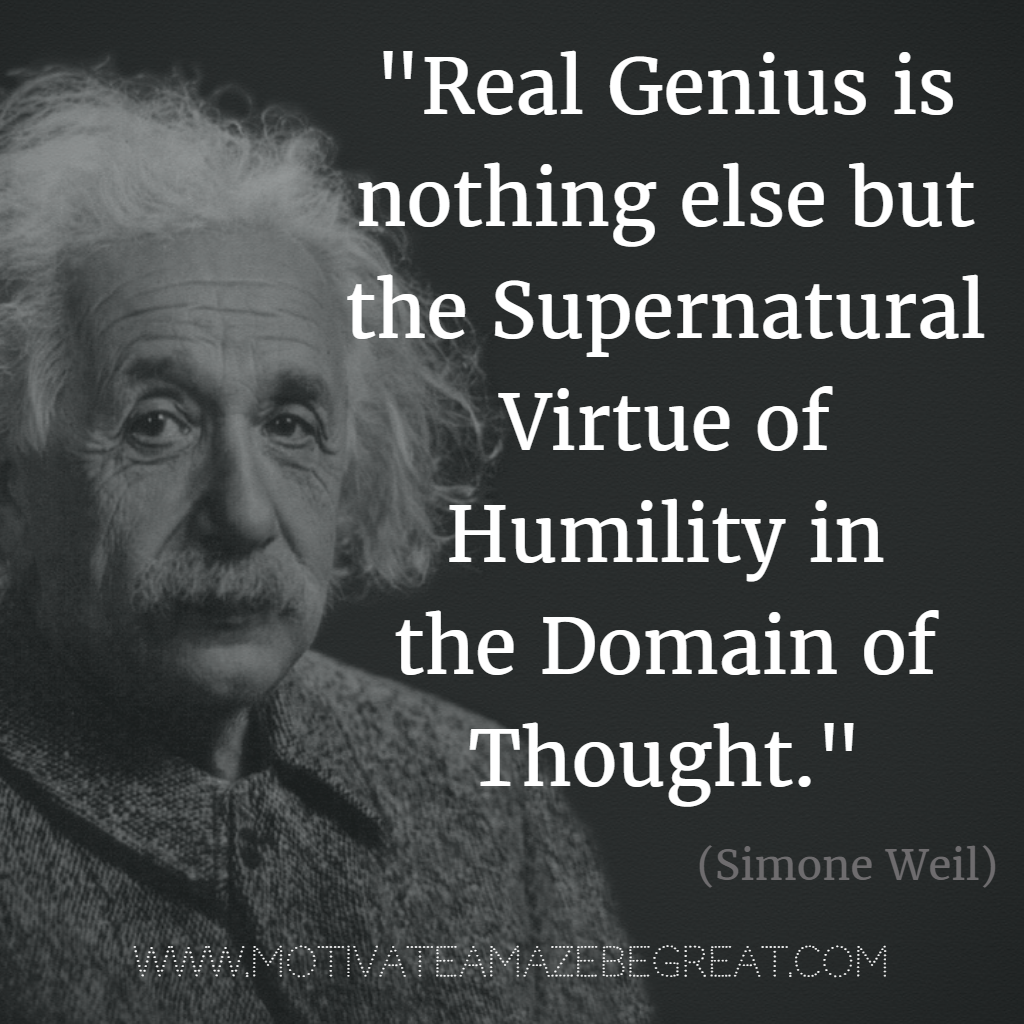
32. Real genius is nothing else but the supernatural virtue of humility in the domain of thought. - Simone Weil

Carl Jung: The shadow includes a demonic dynamism

Standard
jung-shadow-blake-demonic-dynamism-750x462
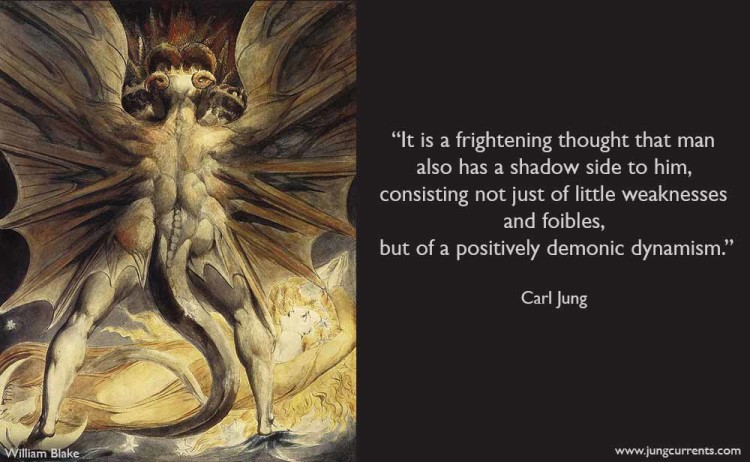
William Blake: The Great Red Dragon and the Woman Clothed in Sun

<<There’s no doubt that we all have both sides (the shadow and bright side) in us, the fact is we must try not to ignore the unwilling one and give our best to know it. the great heroes are they who have no fear to acknowledge them both >>

Jung: On the demonic dynamism of the Shadow in mass movements…

via http://jungcurrents.com/

Collected Works Volume 7 – Two Essays on Analytical Psychology Quote Shadow

It is a frightening thought that man also has a shadow side to him, consisting not just of little weaknesses and foibles, but of a positively demonic dynamism.

The individual seldom knows anything of this; to him, as an individual, it is incredible that he should ever in any circumstances go beyond himself.

But let these harmless creatures form a mass, and there emerges a raging monster, and each individual is only one tiny cell in the monster’s body so that for better or worse he must accompany it on its bloody rampages and even assist it to the utmost.

Having a dark suspicion of these grim possibilities, the man turns a blind eye to the shadow-side of human nature.

Blindly he strives against the salutary dogma of original sin, which is yet so prodigiously true.

Yes, he even hesitates to admit the conflict of which he is so painfully aware.


Collected Works  

Two Essays on Analytical Psychology


 Page 35

‘My light,” says Jung’s anima, “is not of this world.” C.G. Jung, Red Book

Standard

How can Words sounds so beautiful! Marie Louise von Franz. an incredible woman ❤

By Craig Nelson: C.G. Jung & Wholeness


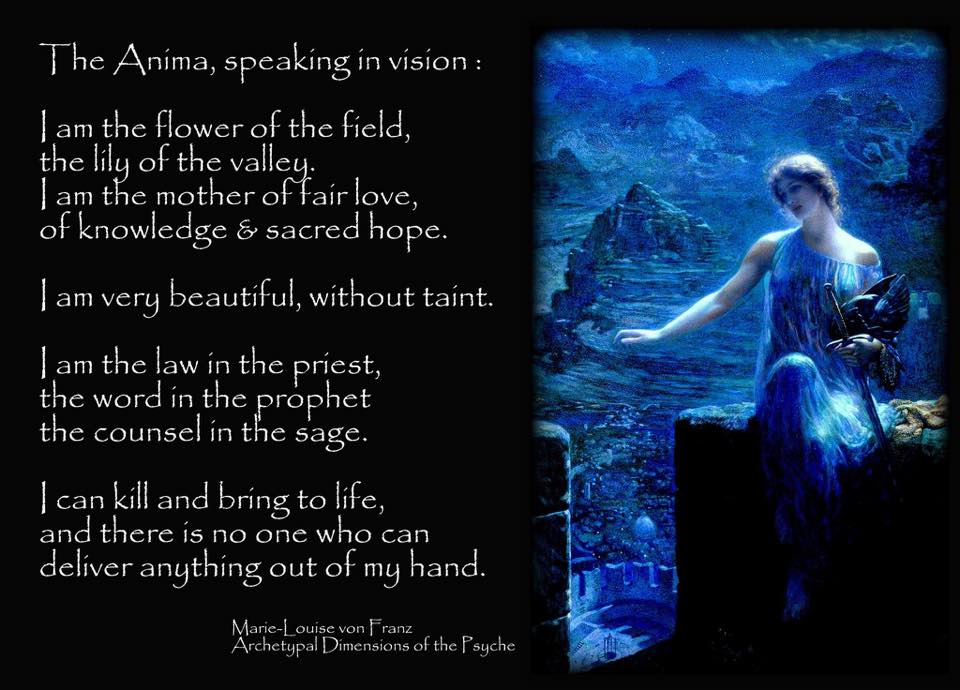
the anima, speaking in vision: I am the flower of the field, the lily of the valley, I am the mother of fair love, knowledge & sacred hope. I am very beautiful without taint. I am the law in the priest, the word in the prophet, the counsel in the sage. I can kill and bring to life, and there is no one who can deliver anything out of my hand.

45717010_2142129036037125_9117293010432819200_n

Superstitions You Might Find in Atonement TN

Standard

really amazing 🙂

Teagan Riordain Geneviene's avatarTeagan's Books

Saturday, November 10, 2018

The amazing Sue Vincent recently hosted me at her Daily Echo blog.  We were talking about superstitions and I shared some from my youth.  I had a great time at Sue’s and I hope you’ll click over to visit her.

I expect the townsfolk in fictional Atonement, TN would tend to be superstitious.  How could they be otherwise with all the strange goings on and supernatural beings?

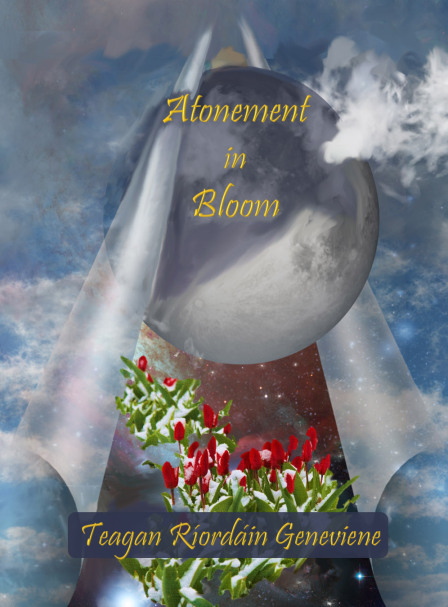
The first writing advice I heard was something I took to heart ― Write what you know.  When I wrote Atonement, Tennessee I followed that guidance and created a fictional southern town where the urban fantasy takes place.  Of course, the second novel, Atonement in Bloom, is also set there.

I made it a very small, rural town so some of the manners and personalities I grew up with would not seem out of place.  The townsfolk…

View original post 1,000 more words

#writing #music: #TheWho

Standard

jeanleesworld's avatarJean Lee's World

A rare gift comes to the writer when the story and its mixed tape of music ka-chunk and transform. No longer is the music merely the writer’s atmosphere, her source of ambience while storytelling. Oh no. The music is the heroine. The music is the villain. The music is the tension. The music is the scene.

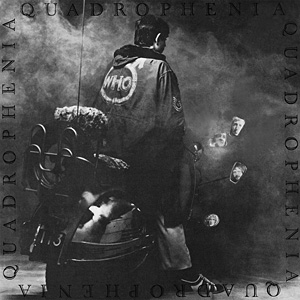
Quadrophenia_(album)This happened to me during 2010’s National Novel Writing Month when I first began drafting Fallen Princeborn: Stolen. At the time I was only using instrumental music for storytelling, while  music like The Who’s Quadropheniahelped me survive the piles of grading in my dropbox. The month had barely started, so I was early in the story of Charlotte and her sister leaving their abusive family in the Dakotas for Wisconsin. Their coach bus breaks down in the middle of nowhere. Another peculiar bus appears with far-too-friendly good Samaritans, and despite Charlotte’s suspicions…

View original post 1,044 more words

An #Author #Interview with @Celine_Kiernan, Part 1: #writing & #worldbuilding in #fantasy #fiction with a little help from #history

Standard

jeanleesworld's avatarJean Lee's World

199_Celine_webBorn in Dublin, Ireland, 1967, Celine has spent the majority of her working life in the film business, and her career as a classical feature character animator spanned over seventeen years, before she became a full-time writer. I am honored to spend this week and next sharing her thoughts on world-building, research, character, audience, and hooks.

First, let’s talk about the imagination behind the worlds. I see on your biography you spent years in film and animation. What drew you to visual storytelling as a profession before written storytelling? How does your work as an animator influence the way you write today?

farewell__inksketch_by_tinycoward_d1xwof1-pre Illustration of Chris and Wynter from Poison Throne

From the moment I could hold a pencil I was always either drawing or writing. In terms of satisfaction, I don’t think there’s a dividing line between the two disciplines for me. But at different stages in my life…

View original post 1,682 more words

Carl Jung: Tarot Cards Provide Doorways to the Unconscious, and Maybe a Way to Predict the Future

Standard

via http://www.openculture.com/

A majestic play cards
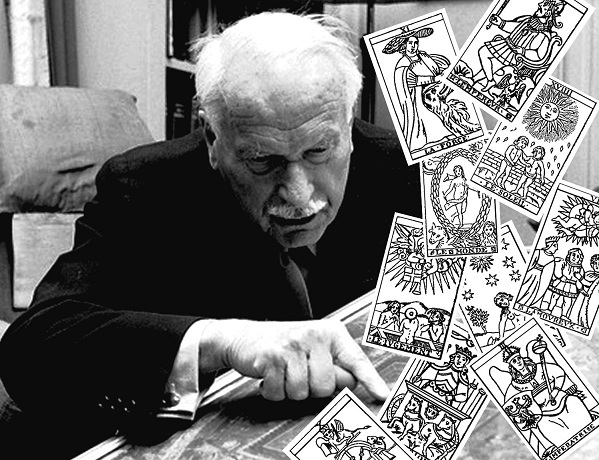
jung-and-tarot

As analyst Marie-Louise von Franz recounts in her book Psyche and Matter:

Jung suggested… having people engage in a divinatory procedure: throwing the I Ching, laying the Tarot cards, consulting the Mexican divination calendar, having a transit horoscope or a geometric reading done.

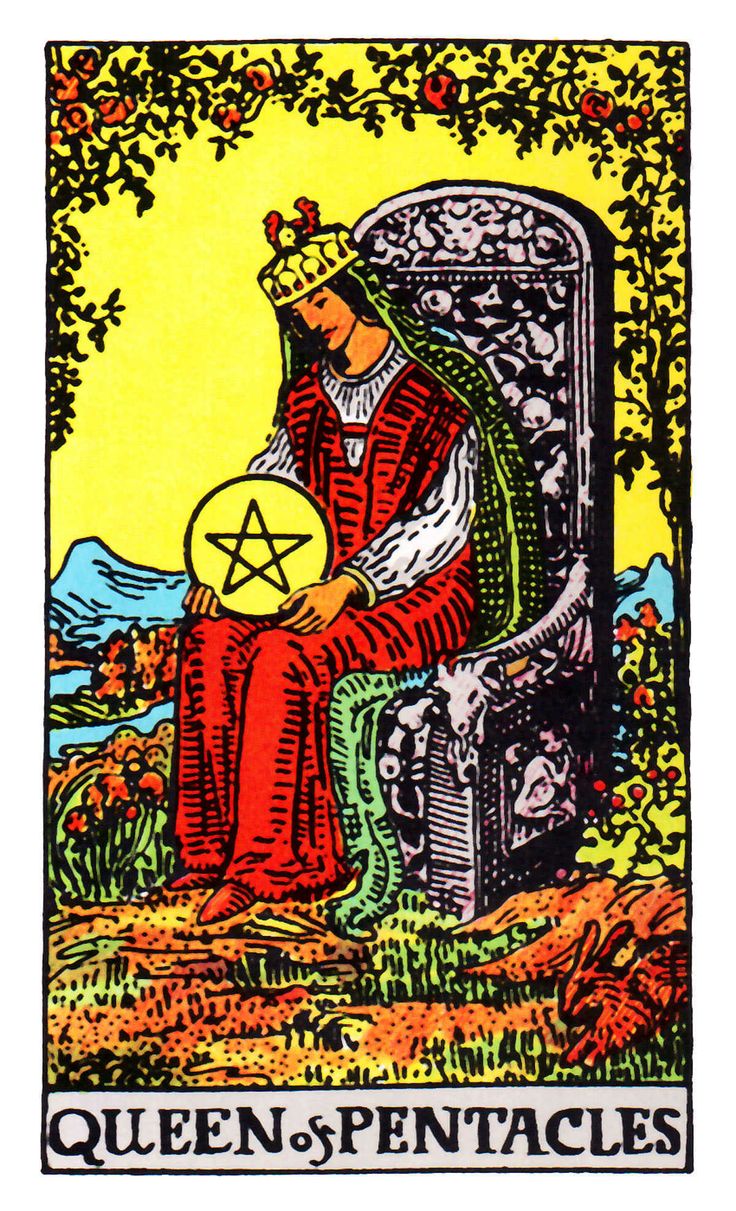
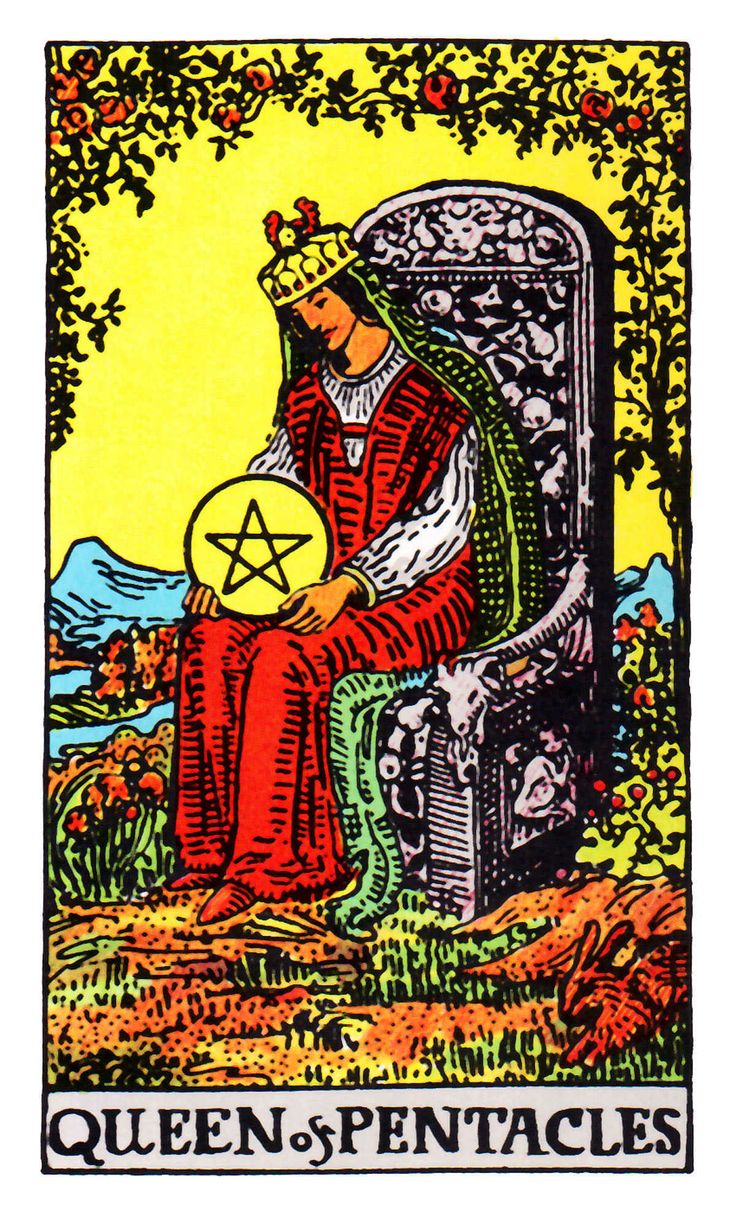
It is generally accepted that the standard deck of playing cards we use for everything from three-card monte to high-stakes Vegas poker evolved from the Tarot. “Like our modern cards,” writes Sallie Nichols, “the Tarot deck has four suits with ten ‘pip’ or numbered cards in each…. In the Tarot deck, each suit has four ‘court’ cards: King, Queen, Jack, and Knight.” The latter figure has “mysteriously disappeared from today’s playing cards,” though, examples of Knight playing cards exist in the fossil record. The modern Jack is a survival of the Page cards in the Tarot. (See examples of Tarot court cards here from the 1910 Rider-Waite deck.) The similarities between the two types of decks are significant, yet no one but adepts seems to consider using their Gin Rummy cards to tell the future.

The eminent psychiatrist Carl Jung, however, might have done so.

As Mary K. Greer explains, in a 1933 lecture Jung went on at length about his views on the Tarot, noting the late Medieval cards are “really the origin of our pack of cards, in which the red and the black symbolize the opposites, and the division of the four—clubs, spades, diamonds, and hearts—also belongs to the individual symbolism.

They are psychological images, symbols with which one plays, as the unconscious seems to play with its contents.” The cards, said Jung, “combine in certain ways, and the different combinations correspond to the playful development of mankind.” This, too, is how Tarot works—with the added dimension of “symbols, or pictures of symbolical situations.” The images—the hanged man, the tower, the sun—“are sort of archetypal ideas, of a differentiated nature.”
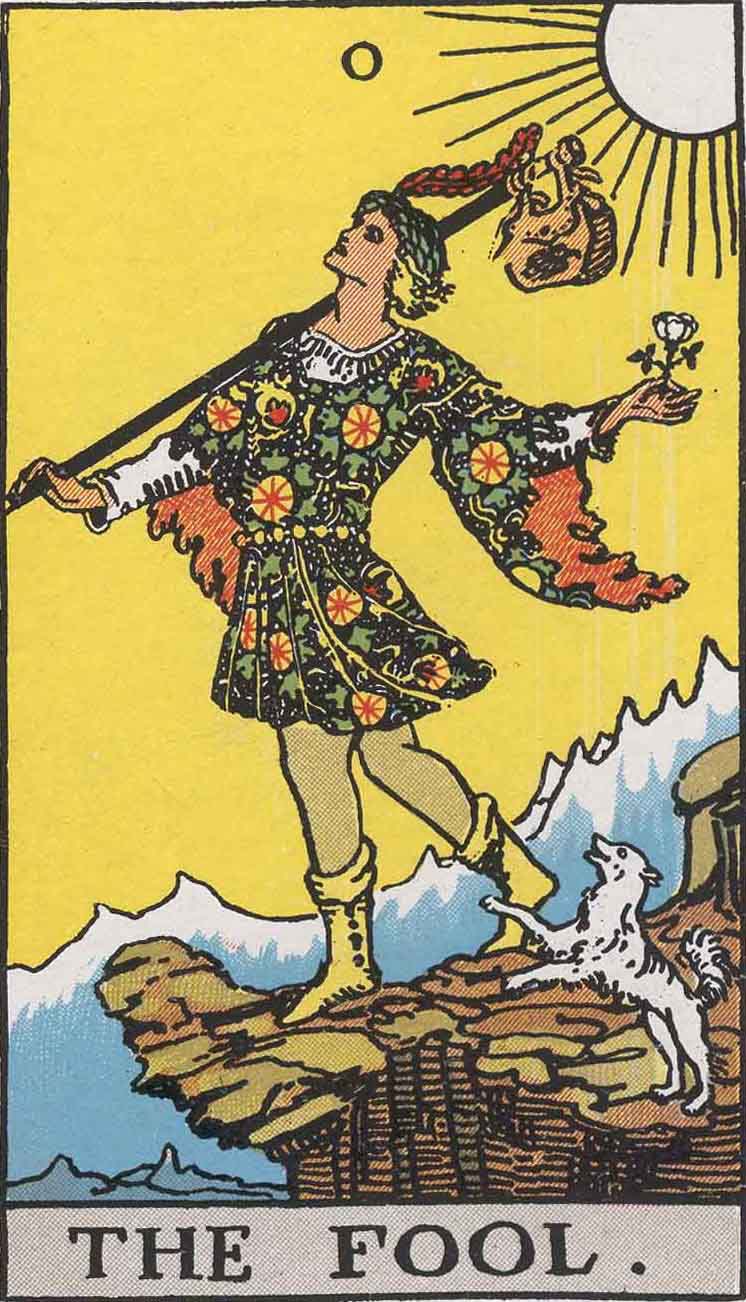
RWS_Tarot_00_Fool

Thus far, Jung hasn’t said anything many orthodox Jungian psychologists would find disagreeable, but he goes even further and claims that, indeed, “we can predict the future when we know how the present moment evolved from the past.” He called for “an intuitive method that has the purpose of understanding the flow of life, possibly even predicting future events, at all events lending itself to the reading of the conditions of the present moment.” He compared this process to the Chinese I Ching, and other such practices. As analyst Marie-Louise von Franz recounts in her book Psyche and Matter:

Jung suggested… having people engage in a divinatory procedure: throwing the I Ching, laying the Tarot cards, consulting the Mexican divination calendar, having a transit horoscope or a geometric reading done.

Content seemed to matter much less than form. Invoking the Swedenborgian doctrine of correspondences, Jung notes in his lecture, “man always felt the need of finding an access through the unconscious to the meaning of an actual condition, because there is a sort of correspondence or a likeness between the prevailing condition and the condition of the collective unconscious.”
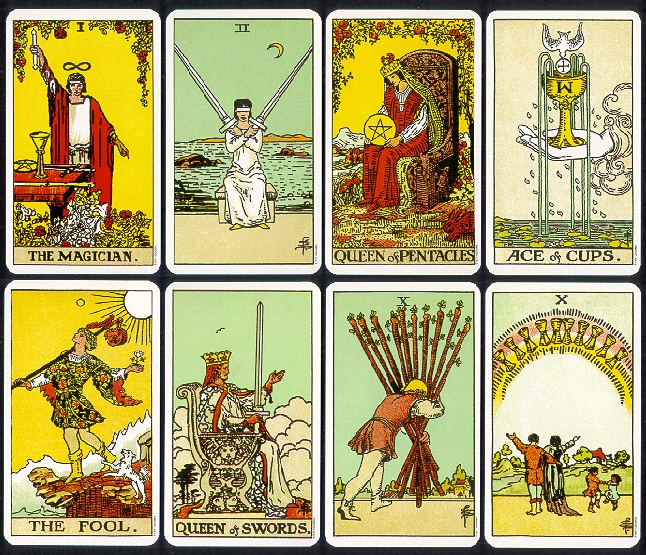
Rider-Waite-1

What he aimed at through the use of divination was to accelerate the process of “individuation,” the move toward wholeness and integrity, by means of playful combinations of archetypes. As another mystical psychologist, Alejandro Jodorowsky puts it, “the Tarot will teach you how to create a soul.” Jung perceived the Tarot, notes the blog Faena Aleph, “as an alchemical game,” which in his words, attempts “the union of opposites.” Like the I Ching, it “presents a rhythm of negative and positive, loss and gain, dark and light.”
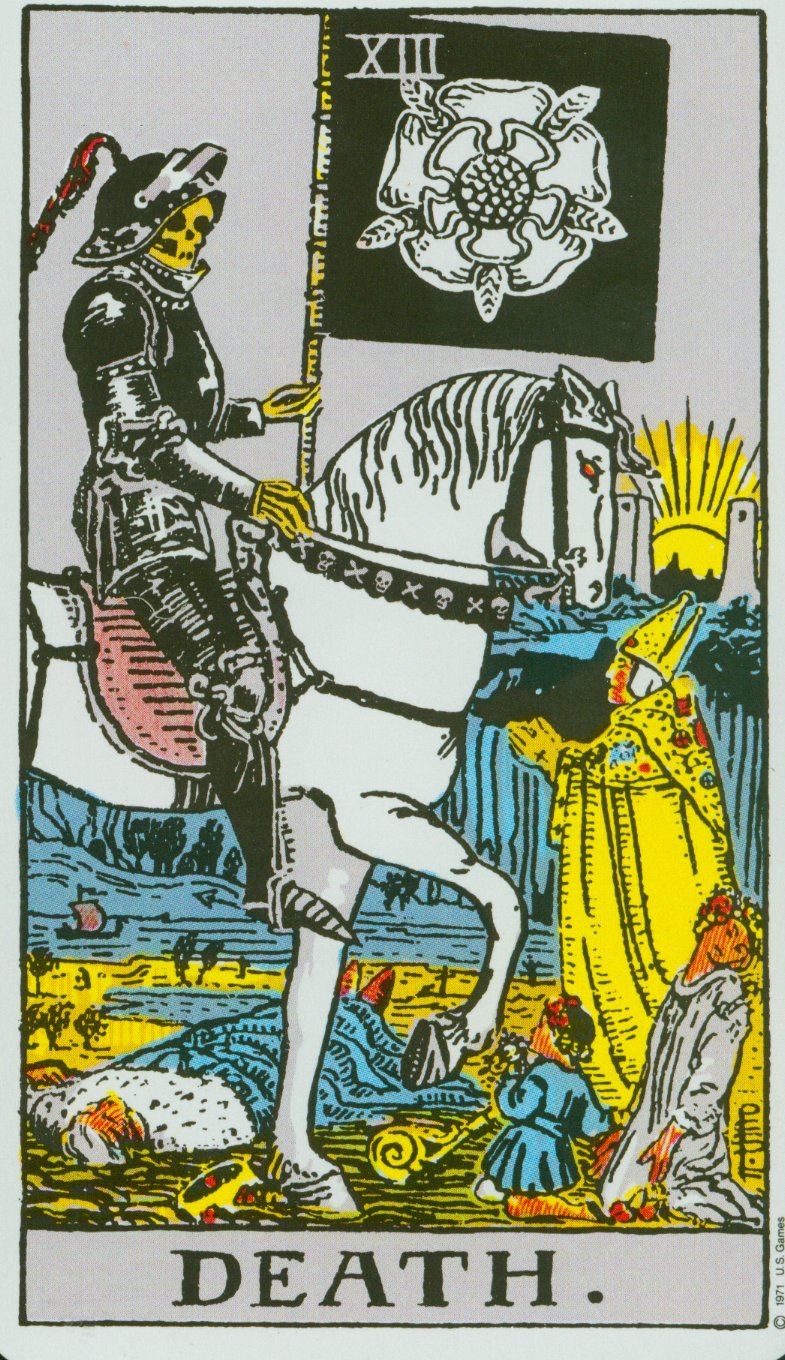
RW-Death

Much later in 1960, a year before his death, Jung seemed less sanguine about Tarot and the occult, or at least downplayed their mystical, divinatory power for language more suited to the laboratory, right down to the usual complaints about staffing and funding. As he wrote in a letter about his attempts to use these methods:

Under certain conditions it is possible to experiment with archetypes, as my ‘astrological experiment’ has shown. As a matter of fact we had begun such experiments at the C. G. Jung Institute in Zurich, using the historically known intuitive, i.e., synchronistic methods (astrology, geomancy, Tarot cards, and the I Ching). But we had too few co-workers and too little means, so we could not go on and had to stop.

Later interpreters of Jung doubted that his experiments with divination as an analytical technique would pass peer review. “To do more than ‘preach to the converted,’” wrote the authors of a 1998 article published in the Journal of Parapsychology, “this experiment or any other must be done with sufficient rigour that the larger scientific community would be satisfied with all aspects of the data taking, analysis of the data, and so forth.” Or, one could simply use Jungian methods to read the Tarot, the scientific community is damned.
RW-Queen-of-Pentacles

As in Jung’s many other creative reappropriations of mythical, alchemical, and religious symbolism, his interpretation of the Tarot inspired those with mystical leanings to undertake their own Jungian investigations into parapsychology and the occult. Inspired by Jung’s verbal descriptions of the Tarot’s major arcana, artist and mystic Robert Wang has created a Jungian Tarot deck, and an accompanying trilogy of books, The Jungian Tarot and its Archetypal ImageryTarot Psychology, and Perfect Tarot Divination.

You can see images of each of Wang’s cards here. His books purport to be exhaustive studies of Jung’s Tarot theory and practice, written in consultation with Jung scholars in New York and Zurich. Sallie Nichols’ Jung and Tarot: An Archetypal Journey is less voluminous and innovative—using the traditional, Pamela Coleman-Smith-illustrated, Rider-Waite deck rather than an updated original version. But for those willing to grant a relationship between systems of symbols and a collective unconscious, her book may provide some penetrating insights, if not a recipe for predicting the future.

Related Content:

Alejandro Jodorowsky Explains How Tarot Cards Can Give You Creative Inspiration

The Tarot Card Deck Designed by Salvador Dalí

Twin Peaks Tarot Cards Now Available as 78-Card Deck

Josh Jones is a writer and musician based in Durham, NC. Follow him